
Hear from Our Customers

You stop second-guessing every noise in the wall. You stop finding droppings in the kitchen and wondering how bad it really is. When pest control is done right, you just stop thinking about it and that’s the point.
Fort Hamilton sits between two green corridors Shore Road Park to the west and Dyker Beach Park to the east. That geography is beautiful, but it also means raccoons, skunks, and groundhogs are moving through your neighborhood on a regular basis, looking for a way into crawl spaces and garden-level units. The Belt Parkway’s landscaped edge runs right along the western side of Fort Hamilton, and that corridor functions as a seasonal rodent habitat. Every October, when temperatures drop below 50°F, mice and rats that have been living in that green buffer start moving toward warmth. The semi-detached homes and garden-level apartments closest to the Belt Parkway edge are the first structures they reach.
The prewar brick buildings and semi-detached homes that make up most of Fort Hamilton’s housing stock come with aging foundation walls, original wood framing, and decades of utility modifications. Those conditions create entry points and harborage that standard DIY products don’t reach. A licensed exterminator who actually knows this neighborhood’s housing stock doesn’t just treat what’s visible we find what you haven’t found yet.
Kingsway Exterminating has been operating in Fort Hamilton and across Brooklyn since 1971. That’s before most of the competition existed, and long before national chains decided New York City was worth showing up for. We’re family-owned, NYSDEC-licensed, and we’ve been handling everything from cockroach treatments in prewar walk-ups to wildlife removal near the Narrows waterfront for over five decades.
What that tenure actually means for you is straightforward: the technicians who show up at your door know Fort Hamilton. They know the difference between a mouse problem driven by a neighbor’s renovation and one driven by the fall migration off the Belt Parkway corridor. They know what the housing stock in Fort Hamilton looks like from the inside, and they know how to treat it without overtreating it.
We serve Fort Hamilton’s civilian homeowners, long-term renters, military families rotating through Fort Hamilton Family Homes, and buyers and sellers who need licensed WDI inspection reports before closing. One company, one relationship, no runaround.
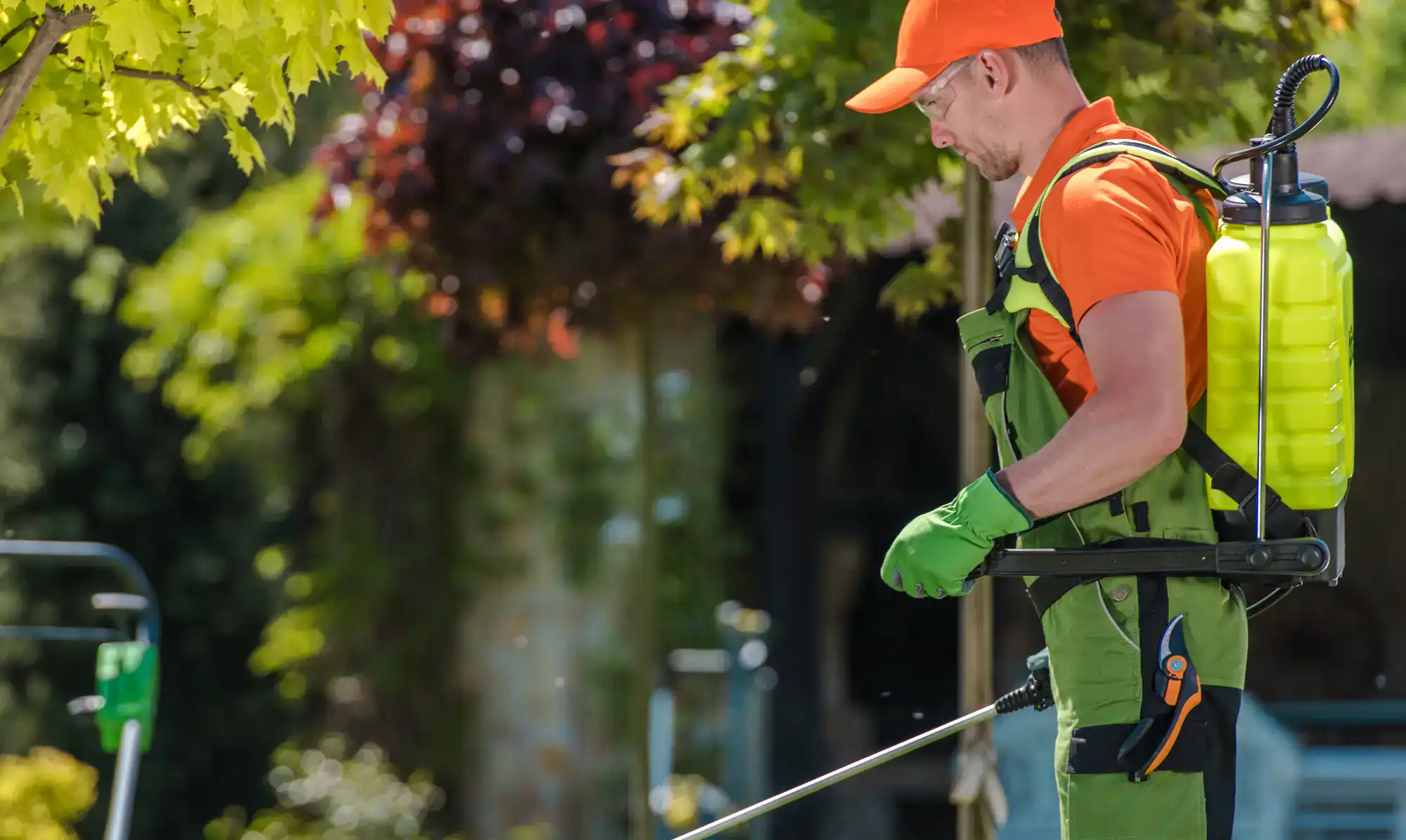
It starts with a free inspection. A licensed technician comes out, walks the property, and tells you what’s actually there not what might be there, not what could potentially develop into a problem if you don’t act immediately. Just an honest assessment of what’s happening and what it would take to fix it.
If treatment is needed, the approach is built around the specific pest, the specific building type, and who’s living there. Fort Hamilton has a high concentration of families with kids and pets, and that matters. We use EPA-registered materials and Integrated Pest Management principles, which means the least toxic effective treatment for each situation not a one-size-fits-all spray and invoice. For a prewar building with shared walls and utility chases, that distinction is real. The treatment plan accounts for how pests move through connected structures, not just the unit you called about.
After treatment, you get a clear follow-up timeline. For ongoing issues especially rodent activity tied to the Belt Parkway corridor that means scheduled follow-up visits to confirm the problem is resolved and exclusion work is holding. If you’re in a real estate transaction and need a WDI inspection report for your lender or title company, we handle that documentation through a licensed professional and deliver it in the format your closing requires.

Ready to get started?
General pest control covers the usual suspects cockroaches, ants, silverfish, and the occasional flea situation. But Fort Hamilton’s waterfront geography and green space access mean the service list goes further than what most Brooklyn neighborhoods need. Wildlife removal is a real service category here, not an afterthought. Raccoons accessing crawl spaces from the Shore Road corridor, groundhogs under garden-level decks, squirrels finding their way into attic spaces as temperatures drop these are calls we handle regularly in this part of Brooklyn.
Bed bug treatment is available in both heat and chemical formats, which matters for the Fort Hamilton Family Homes population. Military families rotating through on two or three-year assignment cycles face elevated bed bug introduction risk through the moving process, and our certified specialists can handle move-in inspections, treatment, and the documentation housing offices require.
Termite inspection and treatment, rodent exclusion, stinging insect removal, and licensed Wood-Destroying Insect (WDI) inspection reports for real estate transactions round out the full service list. If you’re selling a home in the 11209 ZIP code where median values sit around $723,000 a WDI report is typically required by your lender before closing. We issue those reports through licensed professionals, in the correct format, on a timeline that works with your closing date.
This is one of the most consistent patterns we see in Fort Hamilton, and it has a specific cause. The Belt Parkway runs directly along the western edge of Fort Hamilton, and its landscaped green buffer functions as a rodent habitat through the warmer months. When temperatures drop below 50°F typically in October and early November mice and rats that have been living in that corridor start moving toward warmth. The semi-detached homes and garden-level apartments closest to the Belt Parkway edge are the first structures they reach.
The fix isn’t just trapping. Trapping addresses what’s already inside. Exclusion sealing the foundation gaps, utility penetrations, and structural openings that rodents use to enter is what actually stops the cycle. A licensed pest exterminator can identify every entry point in a Fort Hamilton prewar building that a homeowner typically misses, because these buildings have decades of modifications that create new gaps every few years. Getting exclusion done in September, before the migration peaks, is always less disruptive and less expensive than reactive treatment in December.
If your buyer is using an FHA loan, a VA loan, or most conventional mortgage products, the lender will require a Wood-Destroying Insect inspection report before the loan closes. In Fort Hamilton’s active real estate market where homes in the 11209 ZIP code are selling at median values around $723,000 this comes up in nearly every transaction. The WDI report documents the presence or absence of termites, carpenter ants, carpenter bees, and other wood-destroying organisms, and it has to be issued by a licensed pest control professional in a specific format that title companies and lenders accept.
What you want to avoid is finding out you need this report three days before closing. We can schedule the inspection quickly and deliver the documentation in the correct format for your transaction. If wood-destroying insect activity is found, you’ll know what you’re dealing with and what treatment looks like before it becomes a negotiation problem. Getting ahead of it is always the better position for a seller in Fort Hamilton.
This is the right question to ask, and any pest control company worth hiring should be able to answer it specifically not just say “yes, don’t worry.” We use EPA-registered materials and apply them according to Integrated Pest Management principles, which means the treatment is matched to the pest and the environment. A cockroach treatment in a kitchen with a toddler and a dog looks different from a rodent exclusion job in an unoccupied crawl space, and the products used reflect that difference.
For most residential treatments, the standard protocol involves keeping children and pets out of treated areas for a defined period after application usually a few hours, sometimes longer depending on the product and the surface. Your technician will tell you exactly what that window is before we start, not after. Fort Hamilton has a high concentration of families with young children, and our approach in this neighborhood accounts for that. If you have specific sensitivities, allergies, or concerns about a particular product, raise them before the job starts there are usually options.
The waterfront geography in Fort Hamilton creates pest pressure that most inland Brooklyn neighborhoods don’t deal with at the same level. Shore Road Park’s green corridor is active wildlife habitat raccoons, skunks, and groundhogs move through it regularly and access adjacent residential properties through crawl spaces, garden-level entry points, and gaps in foundation walls. This is especially true for homes along Narrows Avenue and Marine Avenue, where the park boundary is close and the prewar building stock has plenty of structural openings.
Beyond wildlife, the ambient humidity from the Narrows waterfront creates favorable conditions for carpenter ants and silverfish, both of which thrive in moist wood environments. Basement apartments and garden-level units are particularly exposed to moisture-driven pest activity in summer. Stinging insects yellow jackets, paper wasps, bald-faced hornets nest actively in the mature trees along the Shore Road promenade and in the shrubs of garden-level properties from late spring through early fall. These aren’t pests you can handle with a can from the hardware store when the nest is established. A licensed pest specialist with the right equipment handles it safely.
The honest answer is that it depends on what you’re dealing with, how far it’s progressed, and what type of treatment is appropriate. A one-time general pest treatment for a standard Fort Hamilton apartment or semi-detached home typically runs in the range of $150 to $350 depending on the size of the unit and the pest involved. Bed bug treatment especially heat treatment for a full apartment is more involved and generally falls in the $500 to $1,500 range depending on square footage and severity. Wildlife removal is priced per job based on the animal and the access situation.
What drives cost up more than anything is delay. A mouse problem caught in October with two entry points is a very different job from the same problem discovered in January after a winter of unchecked activity. The same is true for cockroach infestations in multi-unit buildings the longer a shared-wall situation goes untreated, the more units are involved and the more treatment cycles it takes to resolve. The free inspection we offer isn’t a sales call it’s the most straightforward way to find out what you’re actually dealing with before you commit to anything.
We serve the Fort Hamilton civilian residential area the blocks between 86th Street and the installation gate along Narrows Avenue, Marine Avenue, and the surrounding cross streets as well as the broader Bay Ridge and Dyker Heights neighborhoods that border it. For residents of Fort Hamilton Family Homes, the Balfour Beatty-managed military family housing campus at 222 Washington Road, we provide civilian pest control services including bed bug inspections, general pest treatment, and move-in or move-out assessments.
Work performed inside the federally controlled installation itself requires contractor credentialing and base access clearance that falls outside standard civilian service calls. If you’re an active-duty family living in on-base housing and experiencing a pest issue, the first step is typically contacting the housing management office through Balfour Beatty Communities, which coordinates maintenance and pest control for the on-base units. For everything in the surrounding civilian neighborhood including the adjacent streets, co-op buildings, and single-family homes in the 11209 ZIP code we’re the call to make.
Useful Links
Other Services we provide in Fort Hamilton