
Hear from Our Customers
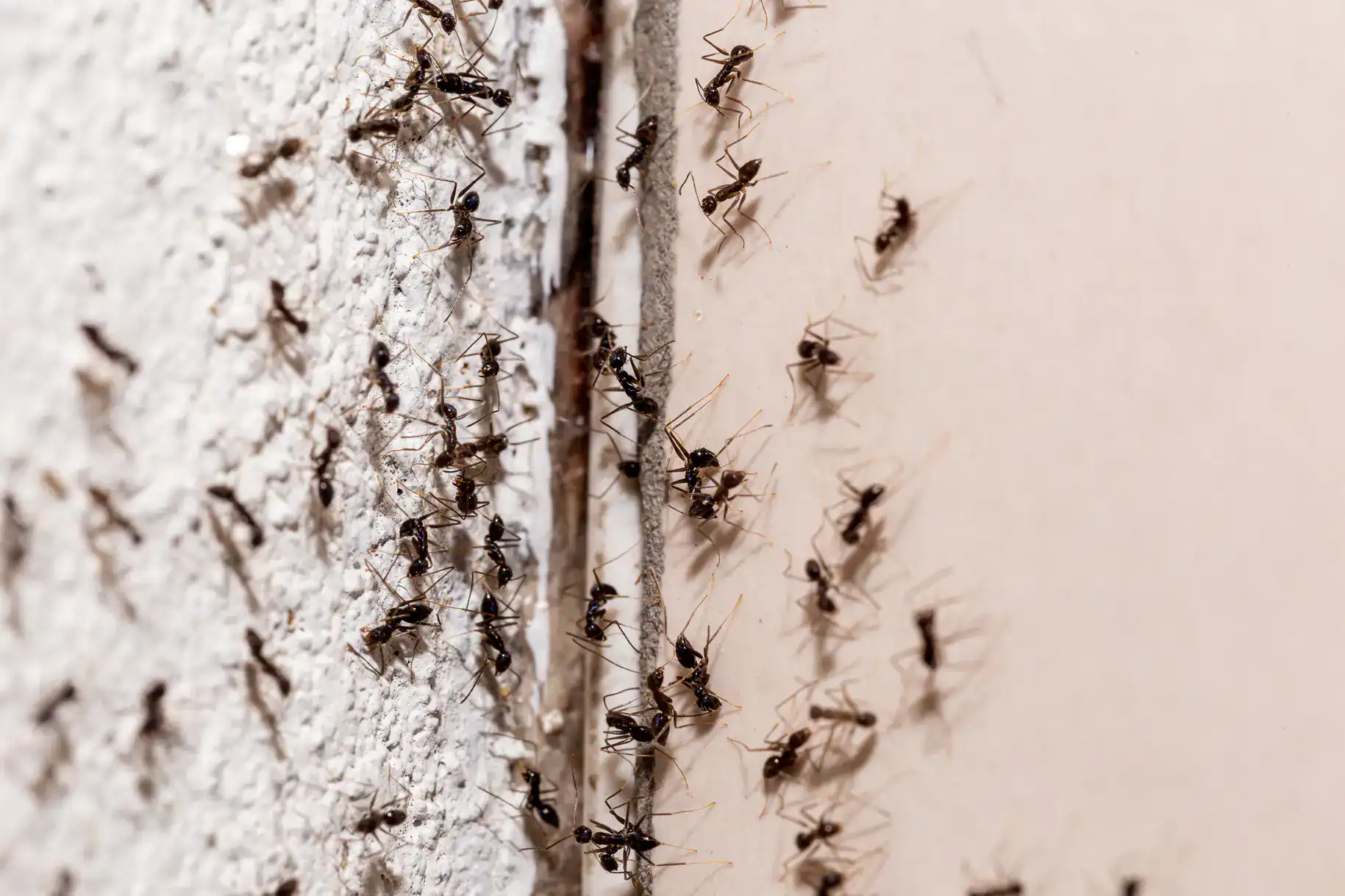
You stop seeing a trail across your kitchen counter every morning. You stop wondering if the ants in your bathroom are coming from the unit below you or the one next door. That’s what real ant removal in East Village looks like not fewer ants for a week, but a colony that’s been eliminated at the source.
East Village’s building stock makes this harder than it sounds. A lot of the housing here dates back to the 1880s and 1920s tenement buildings with aging wood, deteriorating mortar, shared plumbing walls, and decades of structural gaps that ants treat like a highway system. Carpenter ants especially love these conditions. They’re not just foraging through your apartment they may be nesting inside the wall structure itself. Getting rid of them means treating the building, not just the unit.
Then there’s the food pressure. Your ZIP code has the highest café density, the most pizza joints, and the most liquor licenses in New York City. Ants foraging from the restaurant downstairs or the food vendor on St. Mark’s Place don’t stop at your front door. Effective ant pest control in East Village has to account for where the pressure is actually coming from.
We’ve been doing this work across the five boroughs for over four decades. That means pre-war walk-ups, multi-unit tenements, buildings with shared walls and stacked plumbing the exact kind of structures that line Second Avenue, Avenue A, and the blocks around Tompkins Square Park. This isn’t a national chain running a script. It’s a family-owned company that has spent 40 years learning how pest problems actually move through New York City buildings.
We hold a consistent A+ rating with the Better Business Bureau of New York State, are fully licensed, bonded, and insured, and use only NYS DEC-registered materials. For East Village landlords managing HPD complaints or tenants dealing with a building-wide ant infestation, those credentials aren’t just reassuring they’re legally relevant. Under NYC’s Housing Maintenance Code and Local Law 55, professional, documented pest control isn’t optional. It’s required.
We answer calls 24 hours a day, 7 days a week. Free estimates are available. And we offer a 10% senior discount for qualifying residents something that matters in a neighborhood where many long-term rent-stabilized tenants have called East Village home for decades.
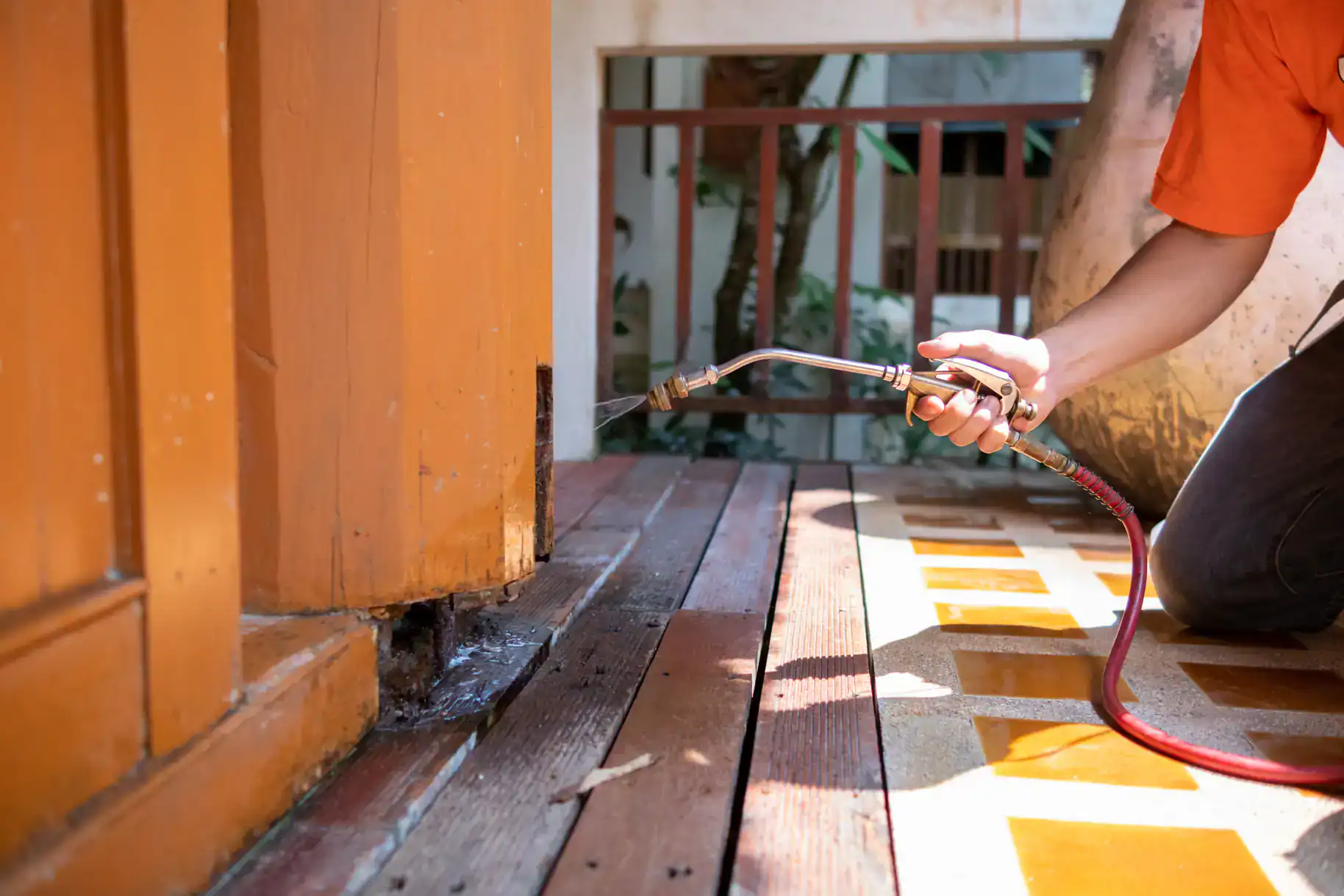
It starts with a thorough inspection inside your unit and outside the building. In East Village, that exterior inspection matters more than most people realize. The building’s foundation, entry points at ground level, and any gaps around utility penetrations are all common ant entry routes, especially in structures that have been patched and re-patched over a century of use. Understanding where they’re getting in is what separates a real fix from a temporary one.
From there, we apply materials both inside and outside the property. These aren’t surface sprays. The products are designed to be picked up by forager ants and carried back into the nest, where they’re shared with the colony including the queen. That transfer process is what actually collapses the infestation rather than just thinning it out. In a building where pharaoh ants are traveling through plumbing conduits between floors, or carpenter ants are nesting inside aging wall joists, hitting the visible ants is only part of the job.
Because ant colonies can have multiple satellite nests and because East Village’s dense building environment means pressure from adjacent units and the street level doesn’t stop we schedule follow-up visits after the initial cleanout. Weekly, every other week, or monthly depending on the situation. The goal isn’t to manage the problem. It’s to eliminate it.
Ready to get started?
Ant control in East Village isn’t a single-visit service at least not when it’s done right. The initial treatment covers interior and exterior application, targeting both the ants you’re seeing and the colony infrastructure you’re not. In buildings with shared walls, stacked units, and aging infrastructure, that interior-exterior approach isn’t optional. It’s the only way to address where the infestation is actually living.
We handle the full range of ant species common to Manhattan’s older building stock carpenter ants nesting in deteriorating wood framing, pharaoh ants moving through plumbing and electrical conduits between floors, and pavement ants entering through foundation cracks at street level. If you’re near Tompkins Square Park, the pressure from outdoor colonies in the park’s soil and tree roots adds another layer. Each situation gets assessed on its own terms.
For residents, the process is straightforward: you get a free estimate, a scheduled initial service, and a follow-up plan that runs until the infestation is gone. For landlords and property managers dealing with HPD violations or tenant complaints, our fully licensed, insured, and DEC-compliant service provides the documented professional treatment that satisfies regulatory requirements. Under NYC’s Local Law 55, that documentation isn’t a nice-to-have it’s part of your legal obligation as a building owner.
Spring is when ant colonies expand rapidly after winter, and forager ants fan out in search of food and moisture. In East Village, that seasonal pressure is amplified by two things that don’t exist in most other neighborhoods: the sheer density of food service establishments on your block, and the proximity to Tompkins Square Park, where large outdoor colonies live in the soil and tree roots along Avenues A and B. When temperatures rise, those colonies push outward and the gaps in a century-old tenement building give them plenty of ways in.
The other factor is that many East Village buildings have ground-floor restaurants or food vendors directly below residential units. Ants foraging at street level don’t distinguish between the kitchen downstairs and the apartment above it. If you’re seeing ants every spring, the problem likely isn’t starting inside your unit it’s entering from outside, and the entry points need to be identified and treated, not just the ants you can see.
Yes under New York City’s Housing Maintenance Code and Local Law 55 of 2018, landlords are legally required to keep rental properties free from pests and the conditions that lead to infestations. That applies to East Village apartments the same as anywhere else in the five boroughs. If you’ve reported the problem in writing and your landlord hasn’t acted, you can file a complaint with the NYC Department of Housing Preservation and Development (HPD), which can result in a formal violation.
That said, many East Village renters choose to hire their own exterminator while the landlord process plays out especially when the infestation is affecting daily life in a small apartment. If you go that route, document everything: photos of the infestation, written communication with your landlord, and receipts from any professional service you pay for. That paper trail matters if you later pursue reimbursement or a rent reduction through housing court. Either way, professional ant pest control in East Village is the fastest path to actually solving the problem.
The three species that show up most often in East Village buildings are pavement ants, pharaoh ants, and carpenter ants and each one behaves differently enough that how you treat them matters.
Pavement ants are the ones you typically see in trails along baseboards or near kitchen appliances. They nest in cracks in the foundation or sidewalk and enter buildings at ground level, which is why first-floor and garden-level apartments in East Village see them most often. Pharaoh ants are smaller and harder to deal with they travel through plumbing and electrical conduits between floors, which means an infestation in one unit can spread throughout an entire building if it’s not addressed at the colony level. Carpenter ants are the most structurally concerning. They nest inside wood and in buildings with aging floor joists, window frames, and wall framing common to East Village’s pre-war tenement stock, they can do real damage over time. If you’re seeing large black ants near windowsills or along baseboards in an older building, that’s worth taking seriously.
The initial service visit typically takes one to two hours depending on the size of the unit and the extent of the infestation. But the honest answer is that the initial visit is the beginning of the process, not the end. In a multi-unit building which describes most of East Village’s housing stock ant colonies can have satellite nests in shared wall voids, adjacent units, or the building’s structural framing. A single treatment disrupts the colony, but full elimination usually requires follow-up visits to confirm the infestation has collapsed and to re-apply materials if activity continues.
We schedule return visits after the initial cleanout weekly, every other week, or monthly based on what the situation calls for. In a building near Tompkins Square Park or on a block with heavy food service activity, that follow-up commitment is especially important because the external pressure doesn’t stop. The goal is full elimination, not ongoing management, and the timeline depends on the species involved and how established the colony is. Most infestations are resolved within a few visits.
Most ant species pavement ants, pharaoh ants don’t damage wood or building materials. They’re a nuisance and a hygiene concern, but they’re not eating your walls. Carpenter ants are the exception, and they’re worth knowing about if you live in an older East Village building.
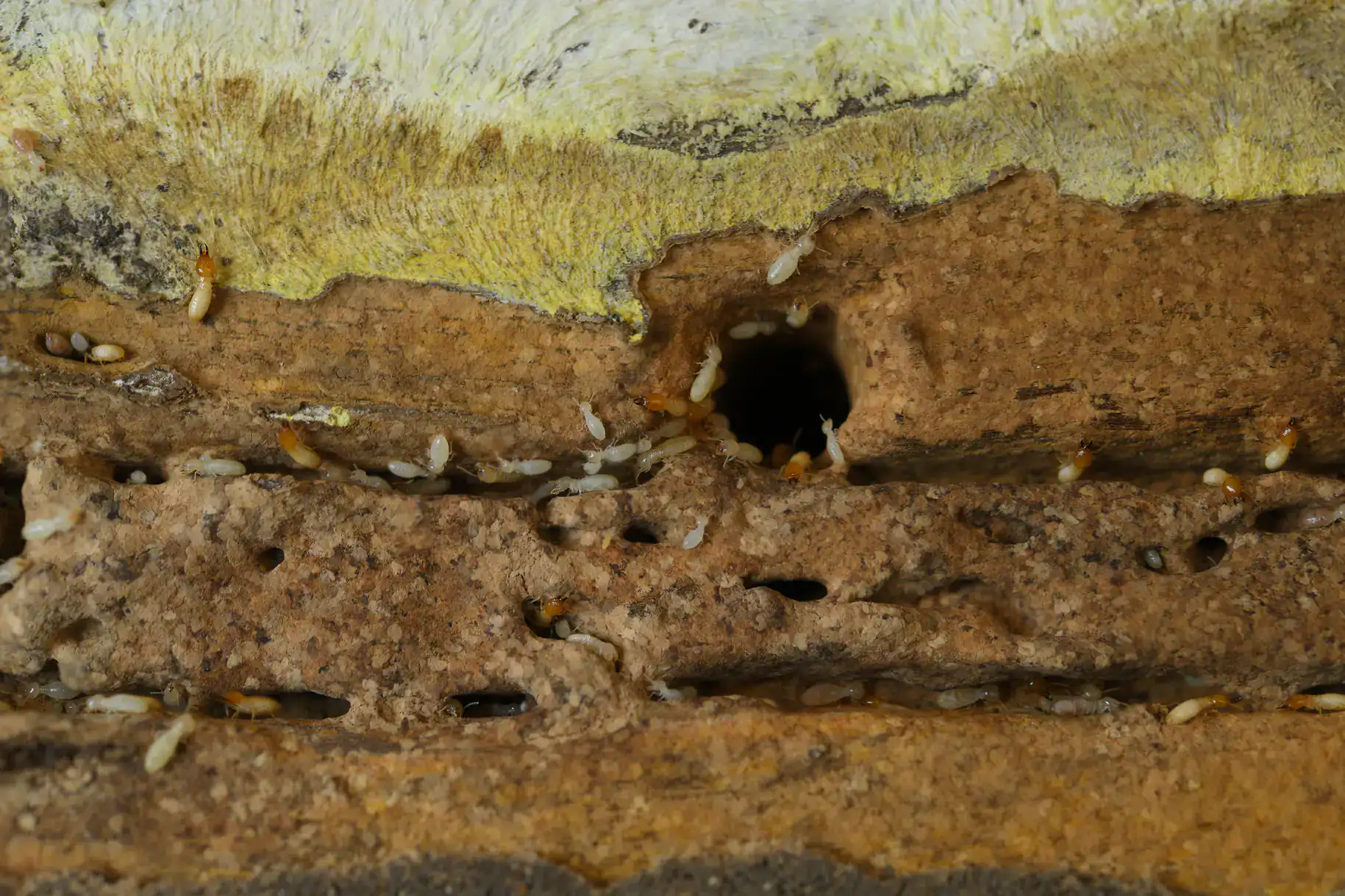
Carpenter ants don’t eat wood the way termites do, but they excavate it to build their nests hollowing out galleries inside beams, joists, and framing members. In a pre-war tenement building where the wood is already aging and potentially softened by moisture from old plumbing, that excavation accelerates structural deterioration. If you’re seeing large black ants typically a half-inch or longer near window frames, door frames, or along baseboards in an older building, that’s a carpenter ant exterminator situation, not a wait-and-see one. The longer a carpenter ant colony is established inside structural wood, the more damage it does. Getting it treated early is significantly less complicated than dealing with it after the colony has been active for a season or two.
Yes we offer a 10% senior discount for qualifying residents. East Village has a meaningful population of long-term tenants who have lived in the same rent-stabilized apartments for decades many of them older residents from the neighborhood’s Ukrainian, Puerto Rican, and Dominican communities who have watched the neighborhood change around them but stayed put. The discount reflects that reality. Professional ant control shouldn’t be out of reach for someone on a fixed income dealing with an infestation in a building they’ve called home for 20 years.
Beyond the discount, we also provide free estimates before any work begins, so you know exactly what you’re looking at cost-wise before committing to anything. We answer calls 24 hours a day, 7 days a week, so you’re not waiting on hold during business hours or leaving a voicemail and hoping for a callback. If you’re a long-term East Village resident dealing with an ant problem whether it’s been going on for a week or a season reaching out for a free estimate is a straightforward first step.
Useful Links