Hear from Our Customers
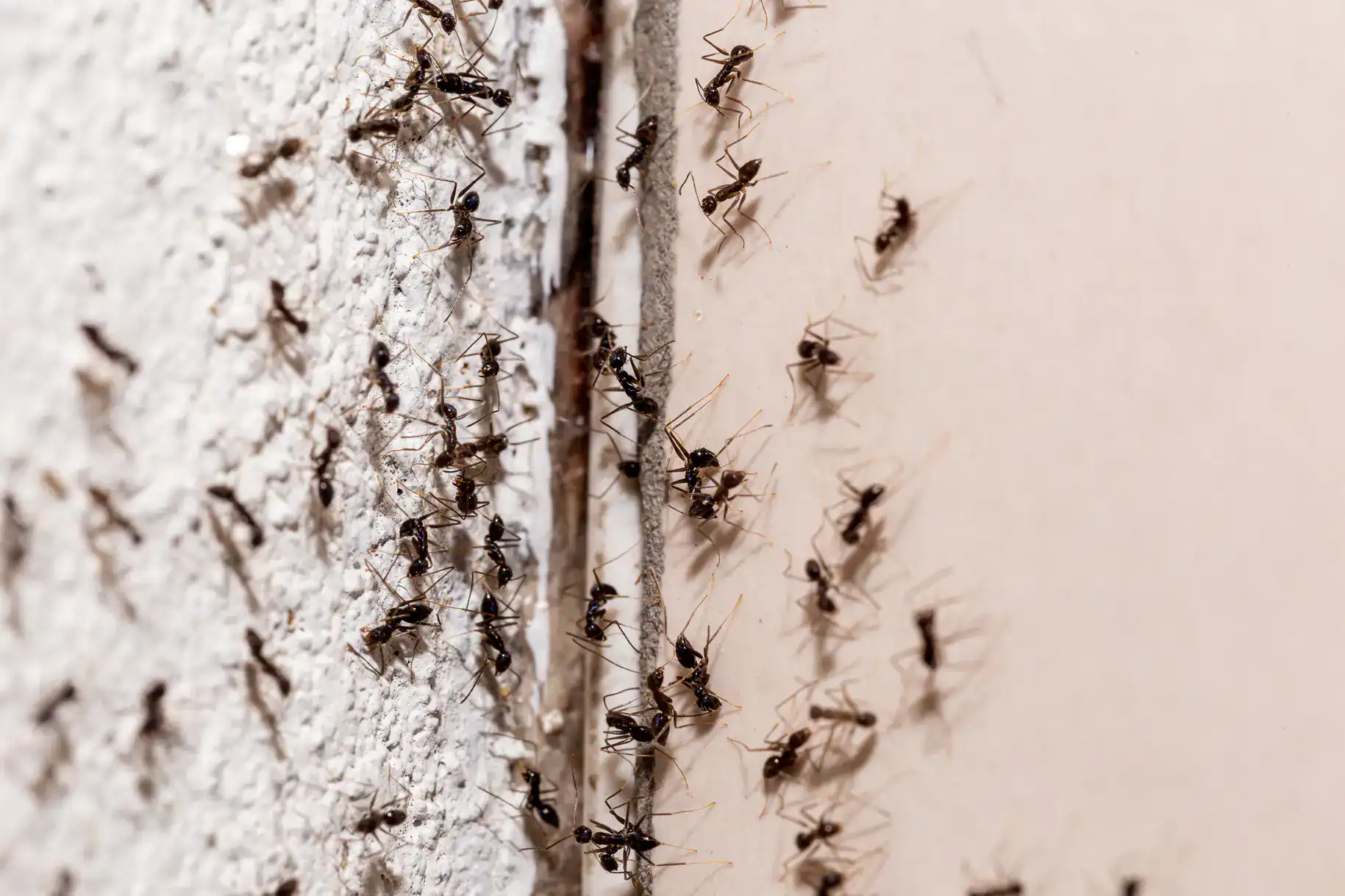
There’s a real difference between killing the ants you can see and eliminating the colony behind them. Most store-bought sprays handle the first part. They do nothing about the second. If you’ve sprayed, wiped things down, and still see trails a week later that’s why. The colony is still active, still sending foragers out, and it’s not going anywhere on its own.
Windsor Terrace sits between Prospect Park to the east and Green-Wood Cemetery to the west. That’s not a minor detail. Both parks sustain large, established ant populations year-round, and the residential blocks between them are in constant contact with those colonies. Your home doesn’t have to be dirty or neglected to have an ant problem here. It just has to be close.
The other factor is the housing stock itself. Most homes in Windsor Terrace were built in the early 1900s brick rowhouses, wood-frame buildings, attached brownstones with shared walls and decades of plumbing history. Carpenter ants specifically seek out wood that’s been softened by moisture, and in a century-old home, that’s not hard to find. When those colonies go untreated, they don’t just stay in the kitchen. They work their way into wall voids and structural wood, and the damage follows. Getting ahead of it matters.
We’ve been based on Flatbush Avenue in Brooklyn since the beginning less than two miles from Windsor Terrace’s southern boundary at Caton Avenue. This isn’t a national franchise dispatching technicians from a call center somewhere else. We’re a family-owned business, founded by Richard Kourbage, that has spent over 40 years treating the exact type of homes that line the streets of Windsor Terrace: pre-war rowhouses, attached brownstones, wood-frame buildings with shared walls and aging infrastructure.
That history matters when you’re dealing with carpenter ants in a 1920s rowhouse or a pavement ant problem that keeps coming back through your foundation. We hold an A+ rating with the Better Business Bureau of New York State consistently, not just recently and every technician operates under a fully licensed, bonded, and insured company using only NYS DEC-registered materials. You get a local company with a verifiable track record, not a logo on a van.
Ant control that actually works isn’t a single spray visit. The biology doesn’t allow for it. A colony can contain tens of thousands of individuals, and the foragers you’re seeing in your kitchen represent a fraction of what’s active inside your walls or under your foundation. Killing the visible ants without reaching the colony means you’re managing a symptom, not solving the problem.
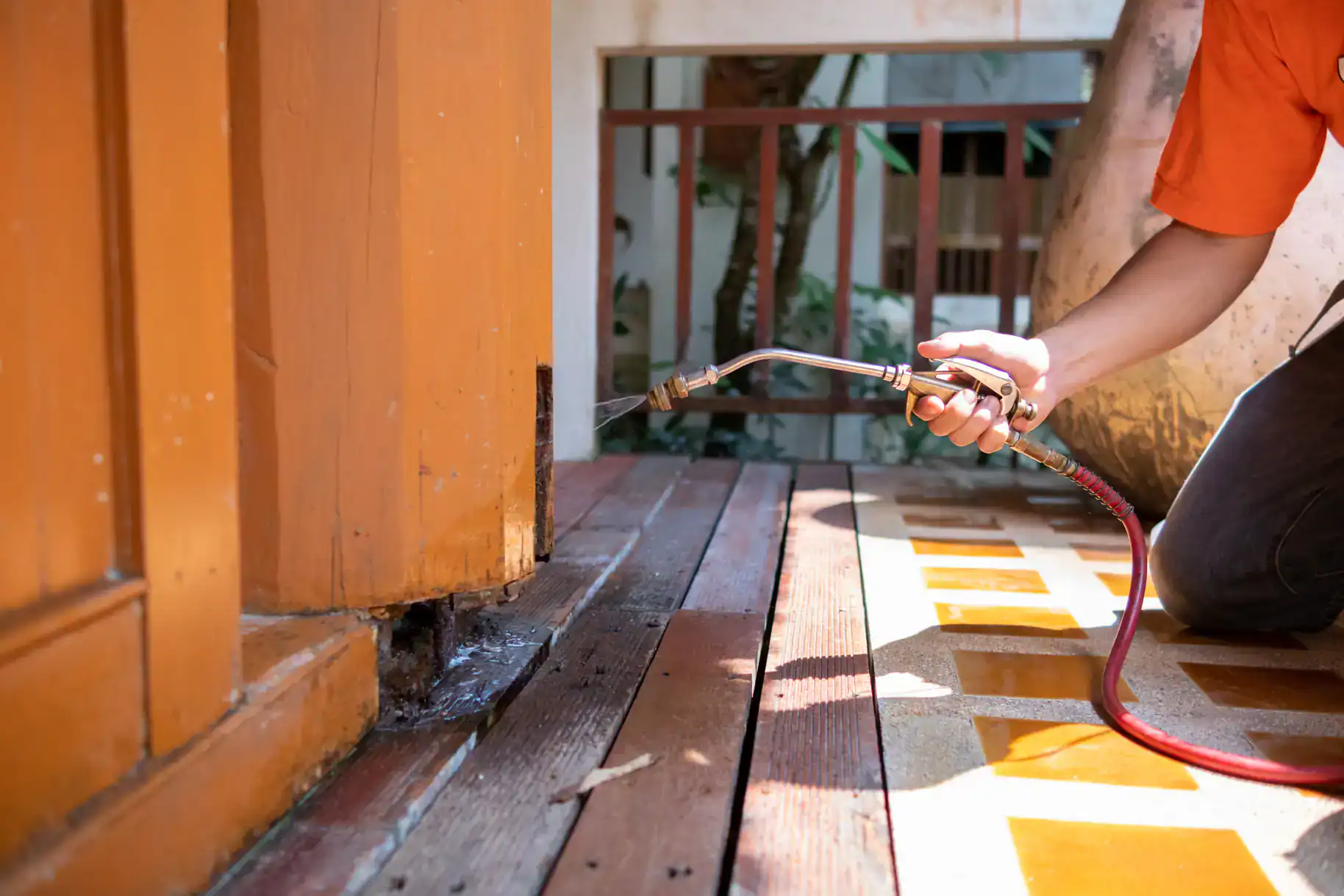
Our process starts with a thorough initial cleanout materials applied both inside and outside your home that forager ants pick up and carry back into the nest, sharing them with the colony. This transfer-based approach is what separates professional treatment from anything you’d find at a hardware store. In Windsor Terrace’s attached rowhouses, where colonies can migrate laterally through shared wall cavities into neighboring units, treating only the interior of one home often isn’t enough. We address the full perimeter.
After the initial treatment, follow-up visits are scheduled to re-apply materials and monitor activity until the infestation is fully eliminated. The frequency weekly, every other week, or monthly is based on the severity of what’s found and how your property responds. Carpenter ant activity in Windsor Terrace tends to peak between April and June, when winged reproductives emerge from established colonies in the parks and seek new nesting sites in nearby structures. Starting treatment before or at the first signs of activity gives you a real advantage. If you’re already past that point, the process is the same it just takes a few more visits to work through an established infestation.
Ready to get started?
Every ant control service we provide in Windsor Terrace covers both the interior and exterior of your property. That means treating entry points, foundation gaps, window frames, and the perimeter where foragers are most active not just the spots where you’ve seen trails inside. For Windsor Terrace’s attached rowhouses and brownstones, that exterior treatment is especially important because shared walls give colonies multiple pathways between structures.
The materials we use are registered with the New York State Department of Environmental Conservation, which means they meet state regulatory standards for both safety and effectiveness. If you have children or pets and a lot of Windsor Terrace households do our technicians will walk you through re-entry timing and any precautions specific to the treated areas before they leave. No guessing, no vague “let it dry” instructions.
We also handle the ant species most common to this part of Brooklyn: carpenter ants, which are a genuine structural concern in pre-war wood-frame homes near Prospect Park and Green-Wood Cemetery; pavement ants, which nest under sidewalks and foundation slabs and are the most frequently encountered species in NYC; and odorous house ants, which form large colonies and are the most common kitchen invader in attached multi-unit buildings. After the initial cleanout, we offer flexible ongoing maintenance monthly or every other month to keep the pressure from the surrounding green spaces from turning into a recurring infestation inside your home. Free estimates are available before any work begins.
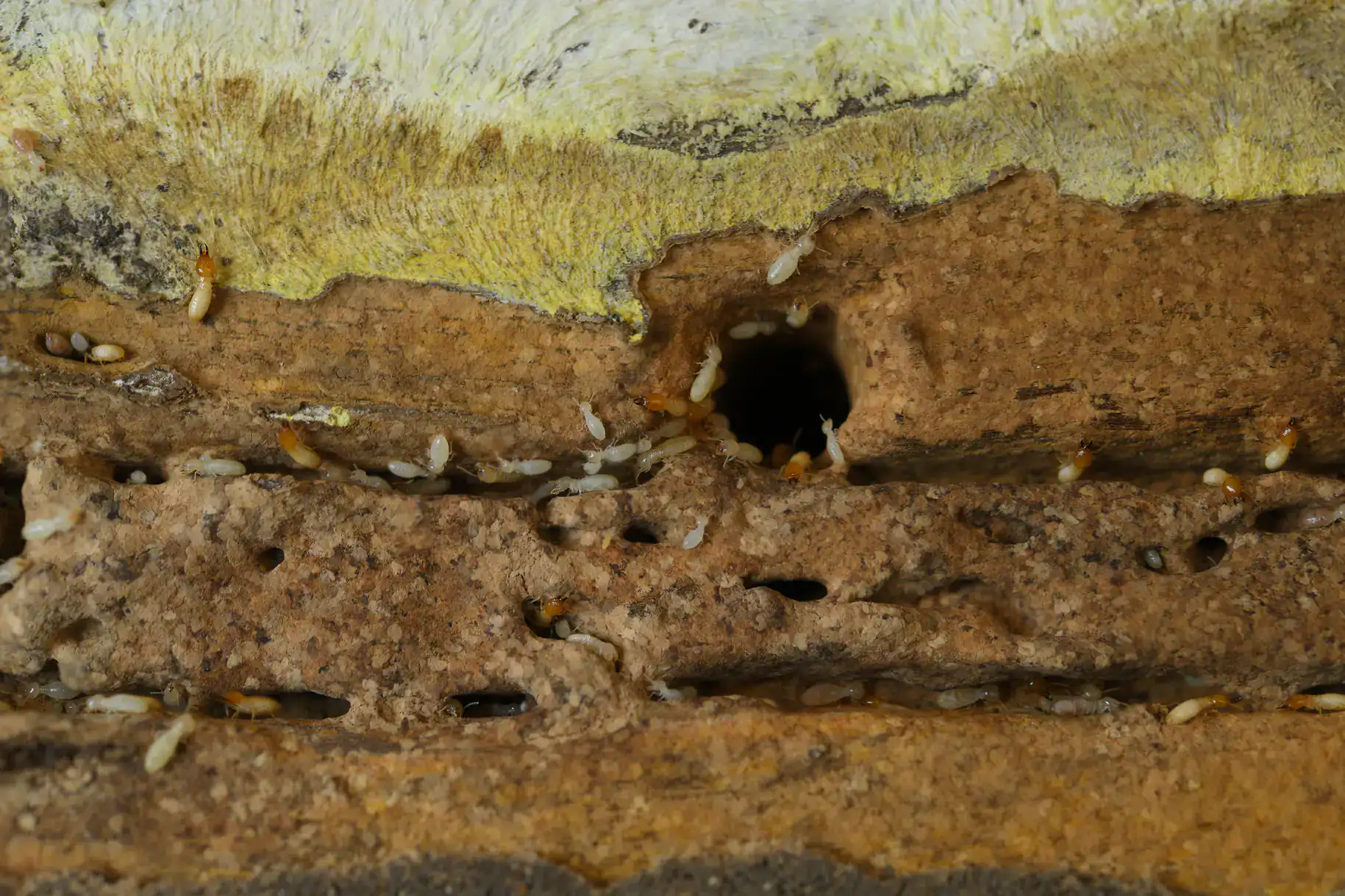
The most common reason is that the treatment reached the foragers but not the colony. Over-the-counter sprays are contact killers they work on what they touch. But the ants you see trailing across your counter are just the scouts. The colony itself, which can number in the tens of thousands, is still active somewhere deeper: inside a wall void, under the foundation, or in structural wood that’s been softened by moisture. Until the colony is eliminated, it keeps sending foragers out.
Windsor Terrace adds another layer to this. With Prospect Park and Green-Wood Cemetery on either side of the neighborhood, the natural ant population around your home doesn’t go away between seasons. Even after a successful treatment, re-infestation pressure from the surrounding green spaces is real. That’s why our approach includes follow-up visits after the initial cleanout not because the first treatment failed, but because persistent pressure requires persistent monitoring until the infestation is fully resolved.
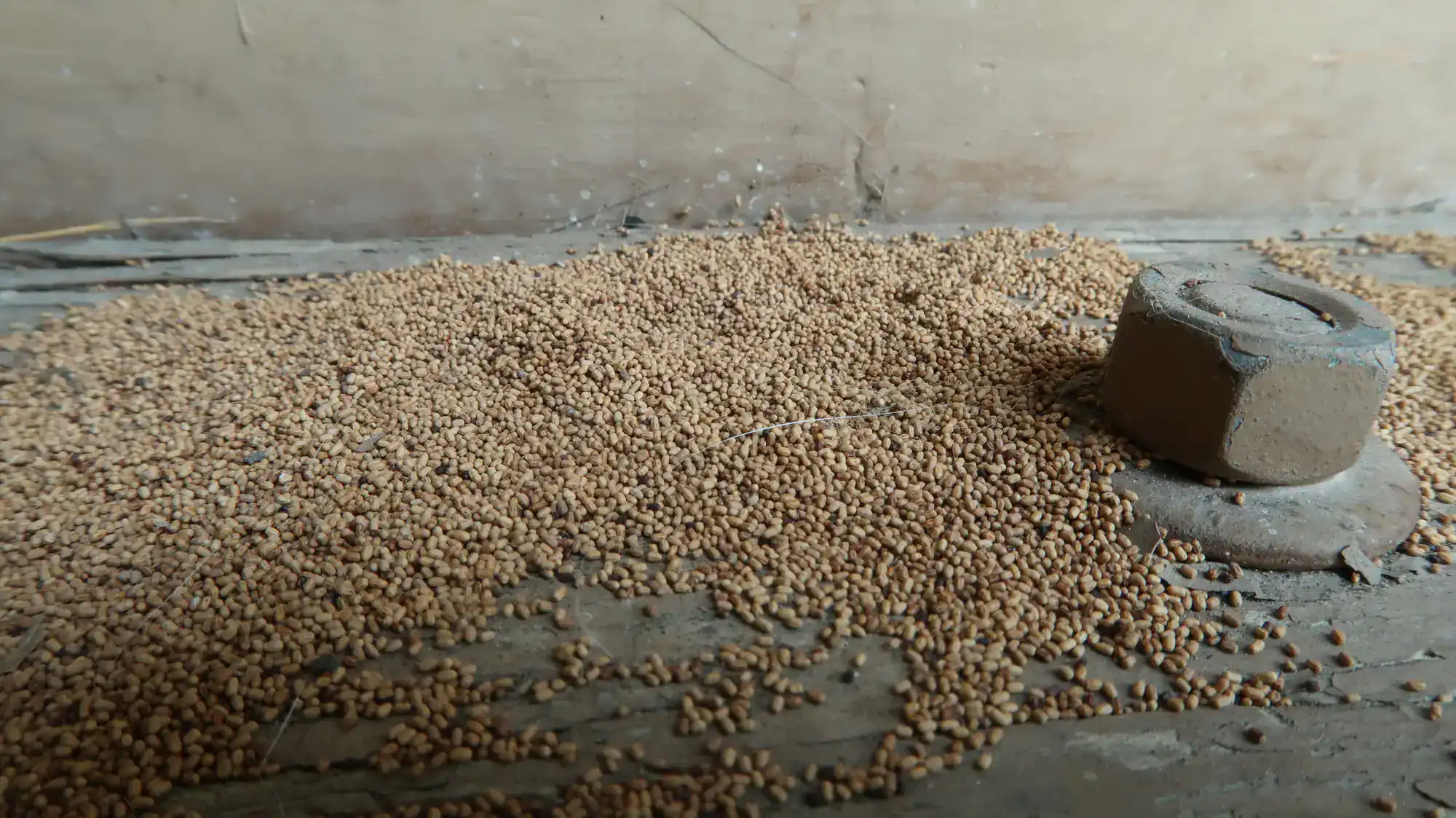
The clearest signs of carpenter ants are small piles of what looks like coarse sawdust called frass near baseboards, window frames, or anywhere wood meets wall. You might also hear faint rustling or crinkling sounds inside the walls, especially at night when carpenter ants are most active. Regular ants don’t produce frass because they’re not tunneling through wood. If you’re seeing larger, darker ants often a quarter-inch or more and finding frass near wooden structural elements, carpenter ants are the likely culprit.
In Windsor Terrace specifically, carpenter ants are a more serious concern than in newer construction neighborhoods because of the age of the housing stock. Homes built in the early 1900s have had a century to accumulate moisture around plumbing chases, roof lines, and window frames exactly the conditions carpenter ants prefer. They don’t eat wood the way termites do, but they tunnel through it to build nesting galleries, and in a home where that wood is already compromised, the structural damage can escalate quickly. If you’re seeing any of these signs, it’s worth getting a professional assessment before assuming it’s a minor issue.
Yes when it’s done by a licensed professional using regulated materials. We use only NYS Department of Environmental Conservation-registered pesticides, which means every product applied in your home has passed state regulatory review for both safety and effectiveness. The concern most parents and pet owners have is about residual exposure, and it’s a fair one. The honest answer is that professional-grade materials are applied in targeted amounts to specific areas not broadcast-sprayed across every surface which significantly limits exposure compared to what most people assume.
Before leaving, our technicians will give you specific re-entry guidance: which areas were treated, how long to stay out, and any precautions for food prep surfaces or pet bedding. Windsor Terrace is a family-oriented neighborhood, and a lot of the calls we get here come from households with young children and pets. The safety conversation is a standard part of every visit, not an afterthought. If you have specific concerns about a particular product or your child’s age or health situation, bring it up when you call that’s exactly the kind of question worth asking before the appointment.
In New York City, there are notification requirements for pesticide applications in multi-unit buildings, and in some cases, building managers are required to notify adjacent units before treatment begins. For single-family attached rowhouses which make up a significant portion of Windsor Terrace’s housing stock the requirements vary depending on whether the building is owner-occupied or contains rental units. We’re fully licensed under New York State regulations and familiar with the notification requirements that apply to Brooklyn properties.
Beyond the legal side, there’s a practical reason to think about your neighbors: in attached rowhouses, ant colonies can move laterally through shared wall cavities. If a colony is established in the wall between your home and the unit next door, treating only your side may shift the infestation rather than eliminate it. We’ll assess the situation during the initial visit and advise you on whether the treatment scope needs to account for shared structural elements. It’s one of the things that makes treating Windsor Terrace’s attached housing stock different from treating a detached suburban home.
April through June is the peak period. That’s when carpenter ant colonies produce winged reproductives called swarmers that emerge to establish new nests. In Windsor Terrace, this is particularly noticeable because both Prospect Park and Green-Wood Cemetery are large, established sources of carpenter ant activity. When swarm season hits, those reproductives are actively looking for new nesting sites, and the pre-war wood-frame homes along the park and cemetery edges are exactly what they’re looking for.
Summer stays active, especially after heavy rain events when ground-level nests flood and ants relocate inside structures seeking higher ground. Fall brings a second wave as colonies push indoors ahead of cold weather. And winter doesn’t mean the problem goes away Windsor Terrace’s older, well-insulated rowhouses stay warm enough inside that established carpenter ant colonies in wall voids remain active year-round. If you’re seeing ant activity in January or February, it’s not a fluke. It means there’s an established colony inside the structure, not just foragers coming in from outside. That’s a different situation and worth addressing sooner rather than later.
Yes we offer a 10% senior discount on ant control services. Windsor Terrace has a meaningful population of long-term homeowners who have lived in the neighborhood for decades, many of whom are on fixed incomes while managing the ongoing costs of maintaining older homes. The discount is a straightforward acknowledgment of that reality. It applies to the service cost and is available to senior residents across the neighborhood.
If you’re not sure whether you qualify or want to confirm the discount applies to your specific service, just mention it when you call. Our phones are answered 24 hours a day, seven days a week, so you don’t have to wait for business hours to get a straight answer. Free estimates are also available before any work begins, so you’ll know exactly what the service involves and what it costs with the discount applied before you make any commitment.
Useful Links