
Hear from Our Customers
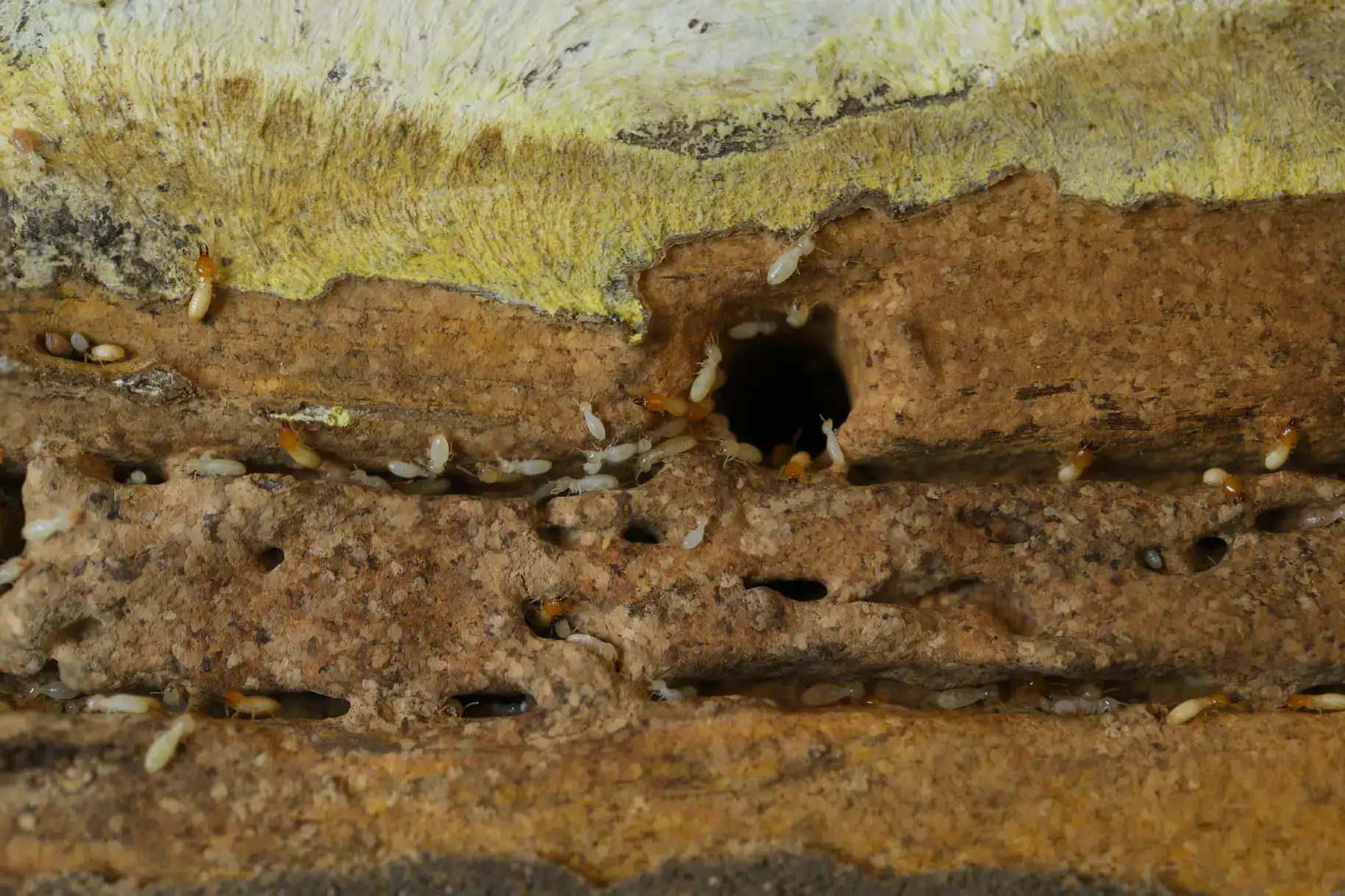
Most termite infestations in Brighton Beach aren’t discovered during a routine check. They show up during a co-op renovation, a property sale inspection, or the moment someone steps on a soft spot in the floor and realizes the wood underneath has been hollow for years. By then, the colony has typically been active for half a decade or more. That’s the nature of Eastern Subterranean Termites they don’t announce themselves.
When the infestation is identified and treated, the immediate outcome is simple: the destruction stops. No more feeding. No more expansion through shared floor joists or basement framing. For the co-op buildings that dominate Brighton Beach’s residential landscape, that matters beyond just one unit termites travel through the structural wood that connects every floor and every shareholder’s investment.
Brighton Beach’s proximity to the ocean isn’t just a selling point for the neighborhood it’s a persistent moisture source that keeps the soil conditions ideal for subterranean termite colonies year-round. Treating the infestation also means addressing the conditions that made your property a target in the first place. You walk away with a treated structure, a written record of the work, and the ability to stop guessing what’s happening inside your walls.
We’ve been operating out of Brooklyn since 1971 the same era when Brighton Beach’s Russian-speaking community was first settling into the neighborhood’s six-story co-op buildings and brick row houses along the boardwalk. The Kourbage family has run Kingsway Exterminating across three generations, and that continuity isn’t a marketing angle it means someone with 50 years of Brooklyn pest control experience has likely seen the exact type of structure you’re standing in.
We’re headquartered at 2216 Flatbush Avenue, a short drive from Brighton Beach via the Belt Parkway or Ocean Parkway. Every technician holds current NYS DEC certification, and we’ve maintained BBB A+ accreditation since 1989. That’s not a recent achievement it’s a track record that predates most of the competitors currently showing up in your search results.
If you’re a co-op board member, a building manager, or a homeowner who’s been in the same Brighton Beach apartment for decades, you deserve a company that knows this borough the way you do.
It starts with an inspection. A licensed technician walks the property foundation perimeter, basement or crawl space, ground-floor structural elements, and any areas with known moisture exposure. In Brighton Beach, that last part matters more than it does in most Brooklyn neighborhoods. Properties that experienced Sandy flooding in 2012, or that sit close to the shoreline with persistently damp soil, get a closer look at sill plates, floor joists, and any wood near utility penetrations. These are the entry points that Eastern Subterranean Termites exploit first.
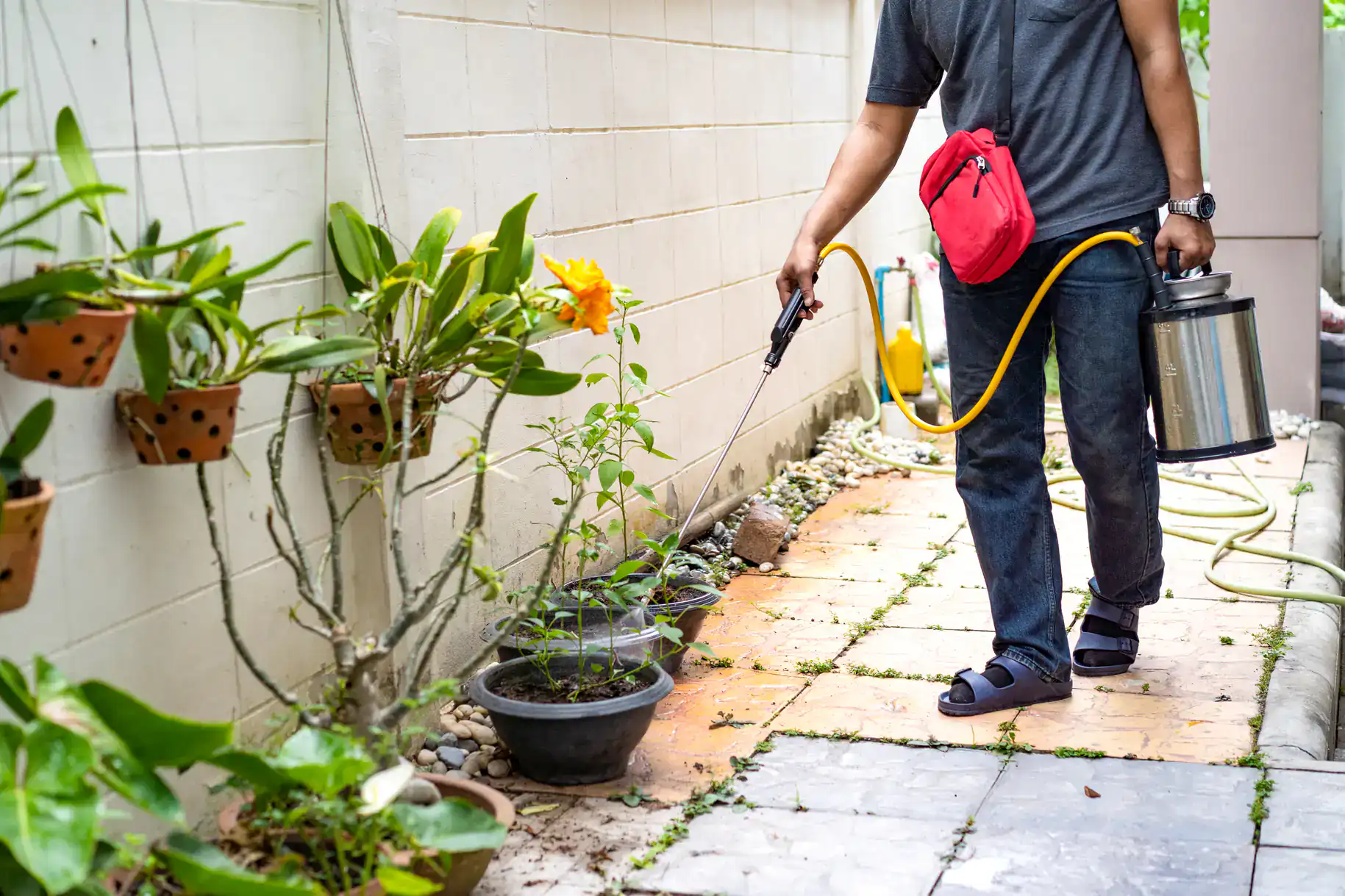
After the inspection, you get a clear explanation of what was found no inflated urgency, no vague language. If treatment is needed, the method is selected based on what the infestation actually requires: liquid soil treatment to create a barrier around the foundation, bait station systems that eliminate the colony at the source, or a combination of both for more advanced cases. In multi-unit buildings like the co-op stock throughout Brighton Beach, we coordinate treatment with building management to cover shared structural areas, not just individual units.
Once treatment is complete, you receive written documentation including the type of materials used, the areas treated, and any follow-up monitoring schedule. All materials we apply are registered with the New York State Department of Environmental Conservation. If your property has received a NYC Department of Health pest-related citation, that documentation also supports the compliance record your building needs to resolve it.
Ready to get started?
Every job starts with a thorough termite inspection not a quick walk-through, but a real assessment of the foundation, basement framing, structural wood, and moisture-prone areas specific to your property. For Brighton Beach’s older housing stock, where median construction dates back to 1955 and nearly 40 percent of buildings predate 1950, that means paying attention to the kinds of wood-to-soil contact points that modern construction codes have largely eliminated but older buildings still have in abundance.
Treatment options are matched to what the inspection actually reveals. Liquid termiticide applications create a continuous chemical barrier in the soil around the foundation the path subterranean termites must cross to reach the structure. Termite bait systems work differently: stations are placed in the soil around the property, termites carry the bait back to the colony, and the colony is eliminated from the inside out. For Brighton Beach’s co-op buildings and multifamily residences, we offer whole-building treatment coordination so the structural elements shared between units are covered completely, not just the floor one shareholder complained about.
We also provide WDO (Wood Destroying Organism) inspection reports for Brighton Beach property transactions the documented reports that lenders, co-op boards, and buyers require before a sale can close. A senior discount is available, which is directly relevant in a neighborhood where a significant portion of homeowners are on fixed incomes and have been maintaining the same property for 20 or 30 years. Same-day inspections are available, and our phone is answered 24 hours a day.
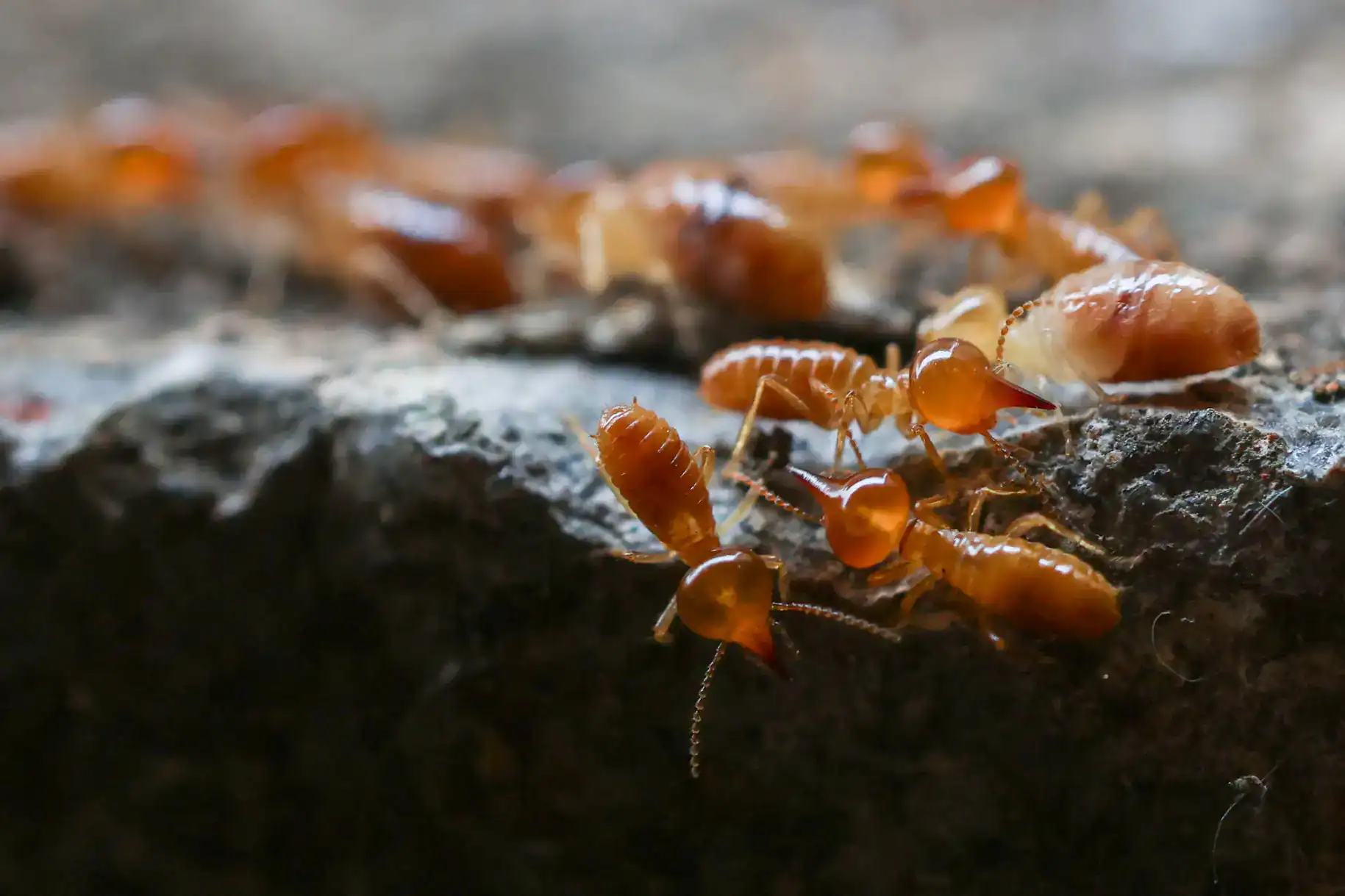
It’s not overstated Brighton Beach has a genuine combination of risk factors that make termite activity more likely here than in many inland Brooklyn neighborhoods. The Eastern Subterranean Termite is the dominant species in New York City, and it requires moist soil to survive and expand its colony. Brighton Beach sits directly on the Atlantic Ocean shoreline with a naturally high water table, which means the underground moisture conditions that termites depend on are present year-round, not just after a rainstorm.
Add to that Brighton Beach’s housing stock nearly 40 percent of buildings were constructed before 1950 and you have structures with aging wood substructures, older foundation designs, and decades of potential moisture intrusion. Hurricane Sandy in 2012 compounded this significantly. Properties that absorbed floodwater and weren’t fully remediated may still have elevated wood moisture levels in floor joists, sill plates, and basement framing exactly the conditions that draw subterranean termites in. The risk is real, and it’s specific to this neighborhood’s geography and building history.
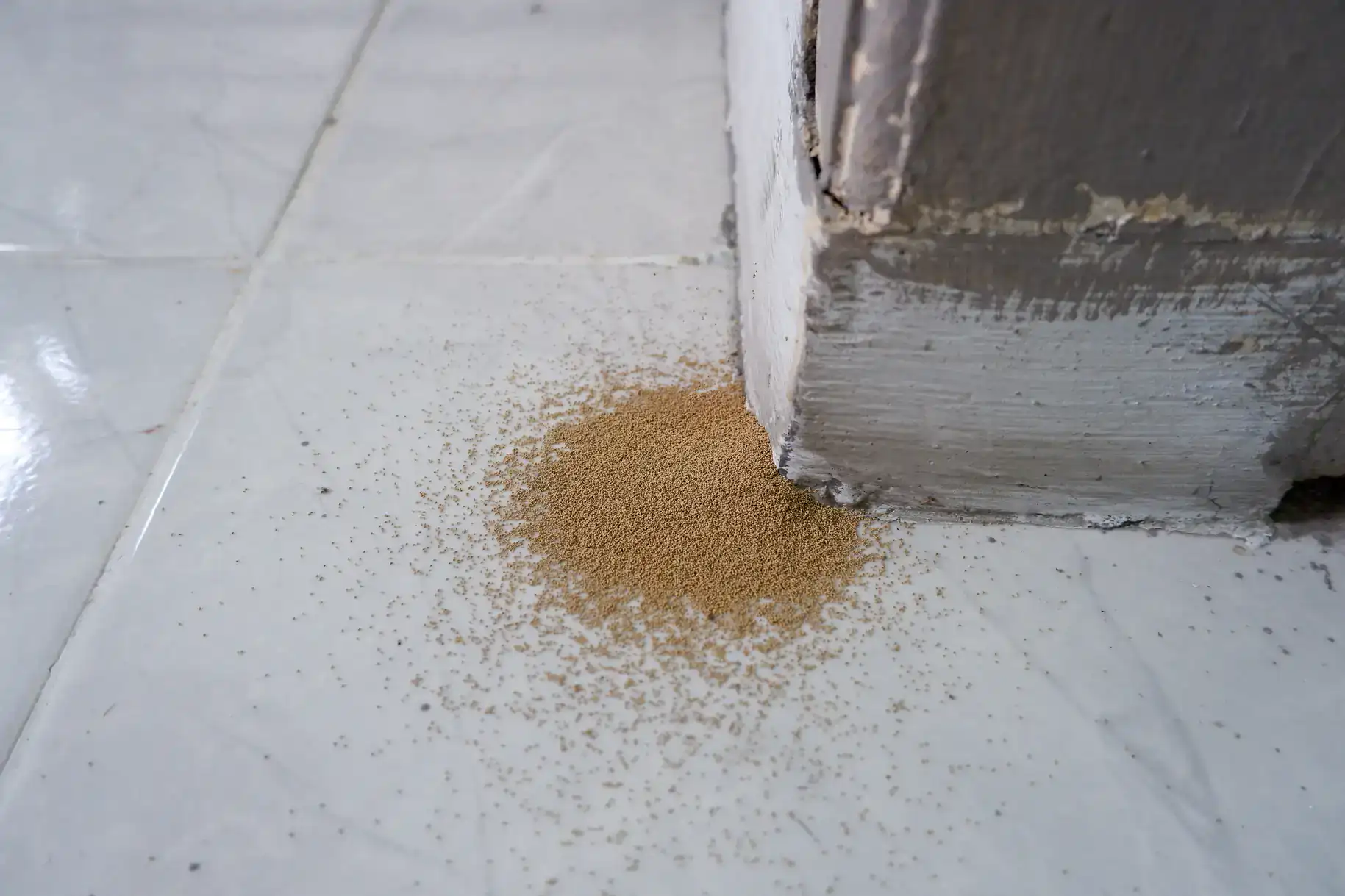
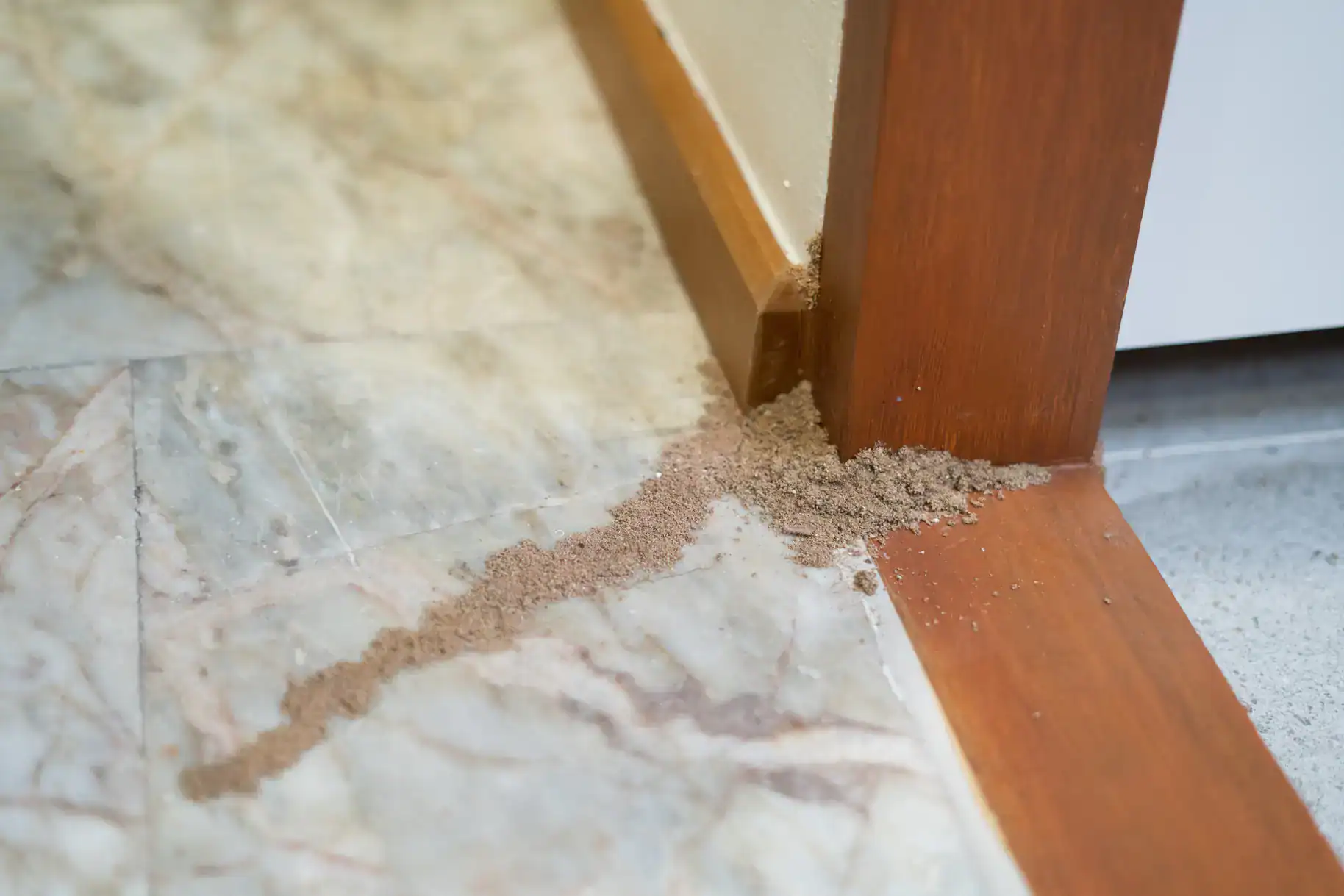
The most common early signs are things that are easy to dismiss. Mud tubes thin, pencil-width tunnels made of soil and wood particles running along foundation walls or basement framing are a direct indicator of subterranean termite activity. Hollow-sounding wood when you knock on a floor or wall, soft spots underfoot, blistering paint over a wood surface, or a collection of discarded wings near windows or doors in the spring are all signs worth taking seriously.
In Brighton Beach’s co-op buildings, the challenge is that these signs often appear in common areas basement utility rooms, ground-floor mechanical spaces, or building perimeters before they show up inside any individual unit. That means a shareholder might not see anything in their own apartment while the structural wood connecting multiple floors is already being damaged. If you’re a co-op board member or building manager and you haven’t had a professional termite inspection recently, that’s the more important question to ask than whether your specific unit looks fine.
Yes, and this is one of the most important things to understand about termite infestations in Brighton Beach’s housing stock. Subterranean termites don’t stay in one unit they move through the structural wood that connects the building. Floor joists, wall framing, basement sill plates, and wood around utility penetrations are all shared elements in a co-op or multifamily building, and termites feed through all of it without respecting the boundary between unit 2A and unit 2B.
This is why treating a single apartment for termites is rarely sufficient in a multi-unit building. The colony is underground, the feeding happens in the structural wood, and the damage extends wherever that wood runs. A building-wide inspection and coordinated treatment covering the foundation perimeter, basement, and any affected structural elements is the only way to actually stop the infestation rather than just addressing the visible symptoms in one location. We work directly with co-op boards and building managers in Brighton Beach to coordinate exactly this kind of whole-building approach.
Almost universally, no. Standard homeowner insurance policies and co-op building policies in New York exclude termite damage. Insurers classify termite infestations as a maintenance issue something that could have been prevented or caught earlier rather than a sudden, accidental loss. That exclusion holds even when the damage is significant and the structural repair costs are substantial.
This matters more in Brighton Beach than in many neighborhoods because the combination of older housing stock and coastal moisture conditions means infestations here can go undetected for years and cause serious structural damage before anyone notices. When a floor joist or sill plate needs to be replaced because of termite damage, that cost comes entirely out of the homeowner’s or co-op’s pocket. The national average for termite repairs runs around $3,000, and structural repairs can reach $10,000 or more. A professional treatment that stops the infestation before it reaches that point is almost always the more cost-effective decision and for Brighton Beach’s many fixed-income senior homeowners, catching it early is the difference between a manageable expense and a major financial hit.
Termite swarm season in New York City typically peaks between March and May. Warm days following rain events trigger Eastern Subterranean Termite colonies to send out swarmers winged reproductive termites that emerge to start new colonies. In Brighton Beach, the coastal climate means slightly more moderate soil temperatures than inland Brooklyn neighborhoods, which can extend termite activity into periods when colonies elsewhere are less active.
If you see swarmers small, dark, winged insects near windows, doors, or light fixtures in the spring, that’s an urgent sign that a mature colony is nearby. The presence of swarmers means the original colony has been established for several years, which means feeding and structural damage have already been happening. That said, the best time to schedule a termite inspection isn’t after you see swarmers it’s before. For Brighton Beach homeowners with older properties, especially those that experienced Sandy flooding, an annual inspection is a reasonable baseline. For co-op buildings, building-wide inspections before and after the spring swarm season give boards the documentation and early warning they need to act before damage becomes a repair bill.
Yes, we offer a senior discount at Kingsway Exterminating. Brighton Beach has the highest proportion of senior residents of any community district in New York City roughly one in four residents is elderly and many of these homeowners have been maintaining the same co-op share or row house for 20, 30, or more years. A property that represents decades of investment deserves real protection, and the cost of that protection shouldn’t be a barrier for someone on a fixed income.
The discount applies to qualifying senior residents and is offered alongside free written estimates before any work begins. There are no surprise charges, no pressure to approve work on the spot, and no upselling of services the property doesn’t need. If the inspection finds nothing, you’ll hear that clearly. If treatment is needed, you’ll get a plain-language explanation of what was found, what the treatment involves, and what it costs before anything is scheduled. That’s how we’ve operated in Brooklyn since 1971, and it’s the same approach every Brighton Beach customer gets regardless of the size of the job.
Useful Links