Hear from Our Customers
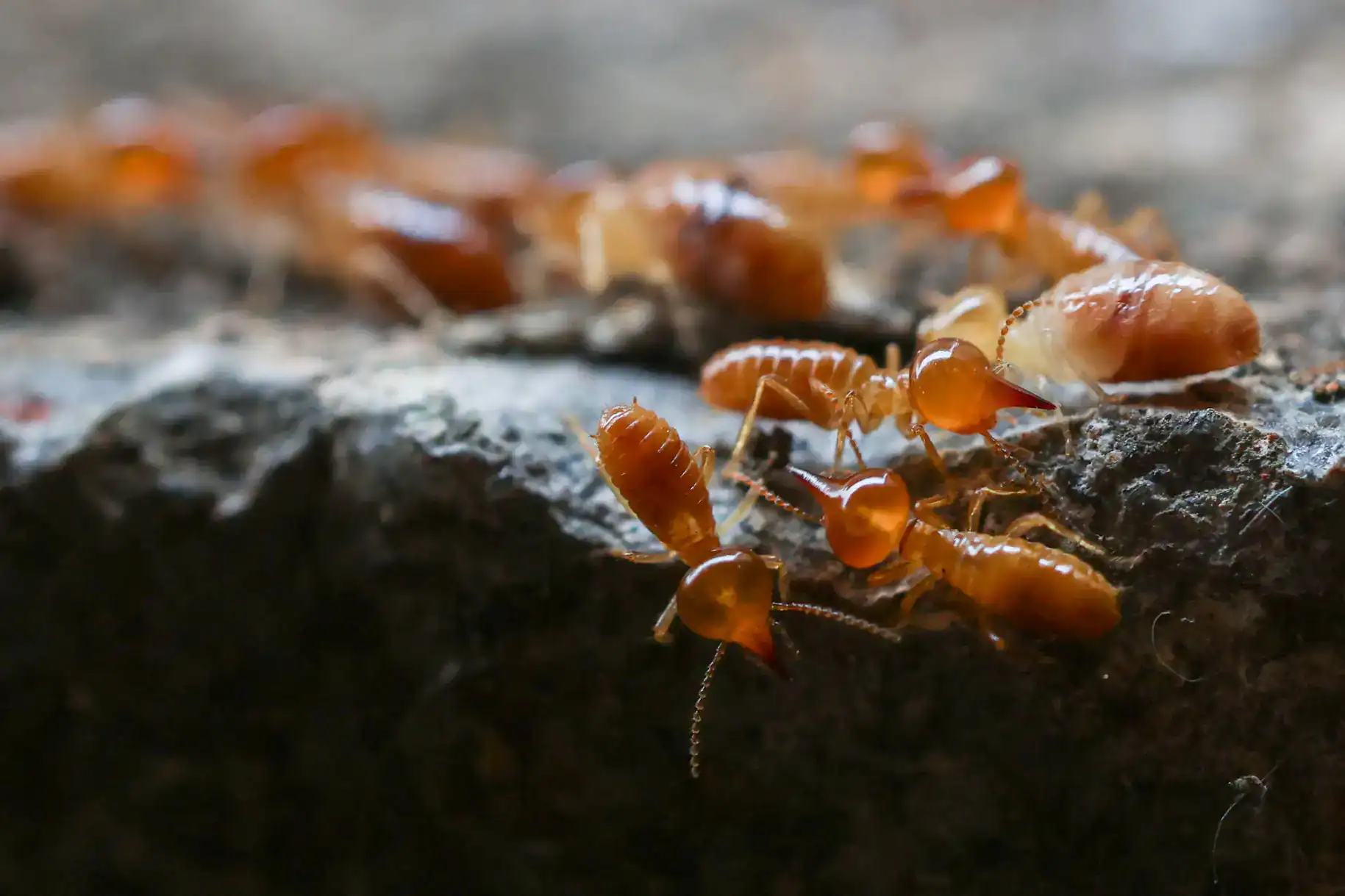
Most homeowners don’t find termites until something already feels wrong a soft spot in the floor, a door that won’t close right, or a routine inspection that stops a real estate deal cold. By that point, the colony has usually been feeding for months, sometimes years. The damage doesn’t show up on the surface until it’s already deep in the structure.
Fort Hamilton’s older housing stock the pre-war co-ops on Fort Hamilton Parkway, the brick-clad row houses near Shore Road, the Dutch Colonials close to Dyker Beach Park carries more inherent risk than newer construction. Wood framing behind brick facades, aging basement joists, and foundation-level soil contact are exactly the conditions Eastern Subterranean Termites exploit. Add the harbor-adjacent moisture that comes with living at the southwestern tip of Brooklyn, and you have a combination that accelerates colony growth faster than most homeowners expect.
When termite control is done right, you stop losing structural integrity you can’t see. You get a written inspection report which matters if you’re buying or selling, and especially if you’re using a VA loan that requires a Wood Destroying Organism report as a lending condition. And you get the kind of documented, verified treatment that holds up when it needs to.
We’ve been based in Brooklyn since 1971 not a franchise, not a regional chain dispatching technicians from New Jersey. A family-owned company, founded by Richard Kourbage Sr. and now run across three generations, with more than 100 years of combined staff experience across every borough and building type Brooklyn has to offer.
That matters in Fort Hamilton because this neighborhood isn’t generic Brooklyn. The housing ranges from 1920s stone-foundation co-ops to newer construction near the base perimeter, and the coastal conditions along the Narrows add a moisture factor that changes how termite pressure behaves in this area. Our technicians have worked in this corridor for decades. We know what to look for in a pre-war building, how to assess a brick-clad structure, and what the soil conditions near the waterfront mean for subterranean termite activity.
We hold BBB accreditation going back to 1989 and use only NYS DEC-registered materials on every job. When you call, someone picks up 24 hours a day.
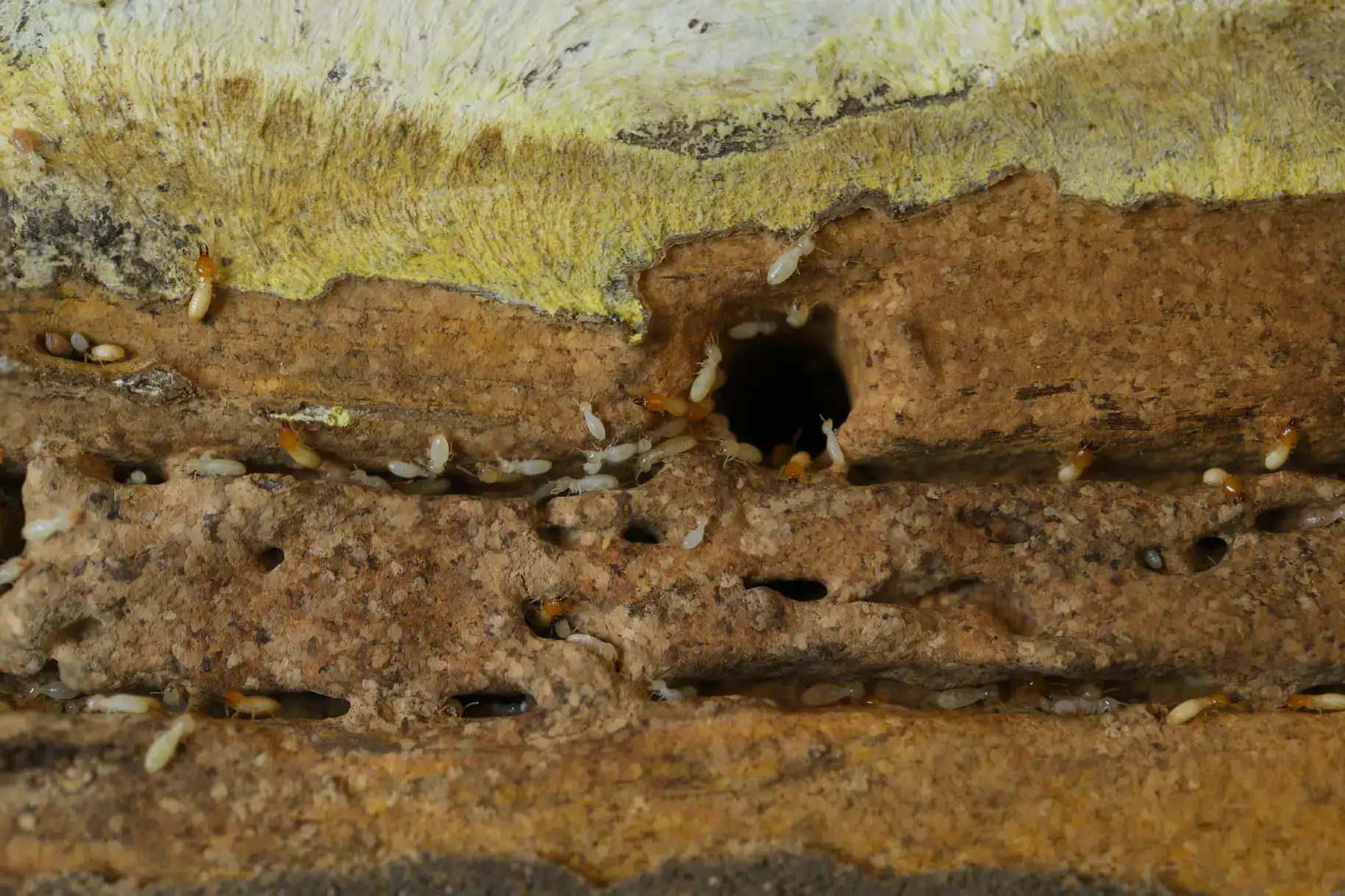
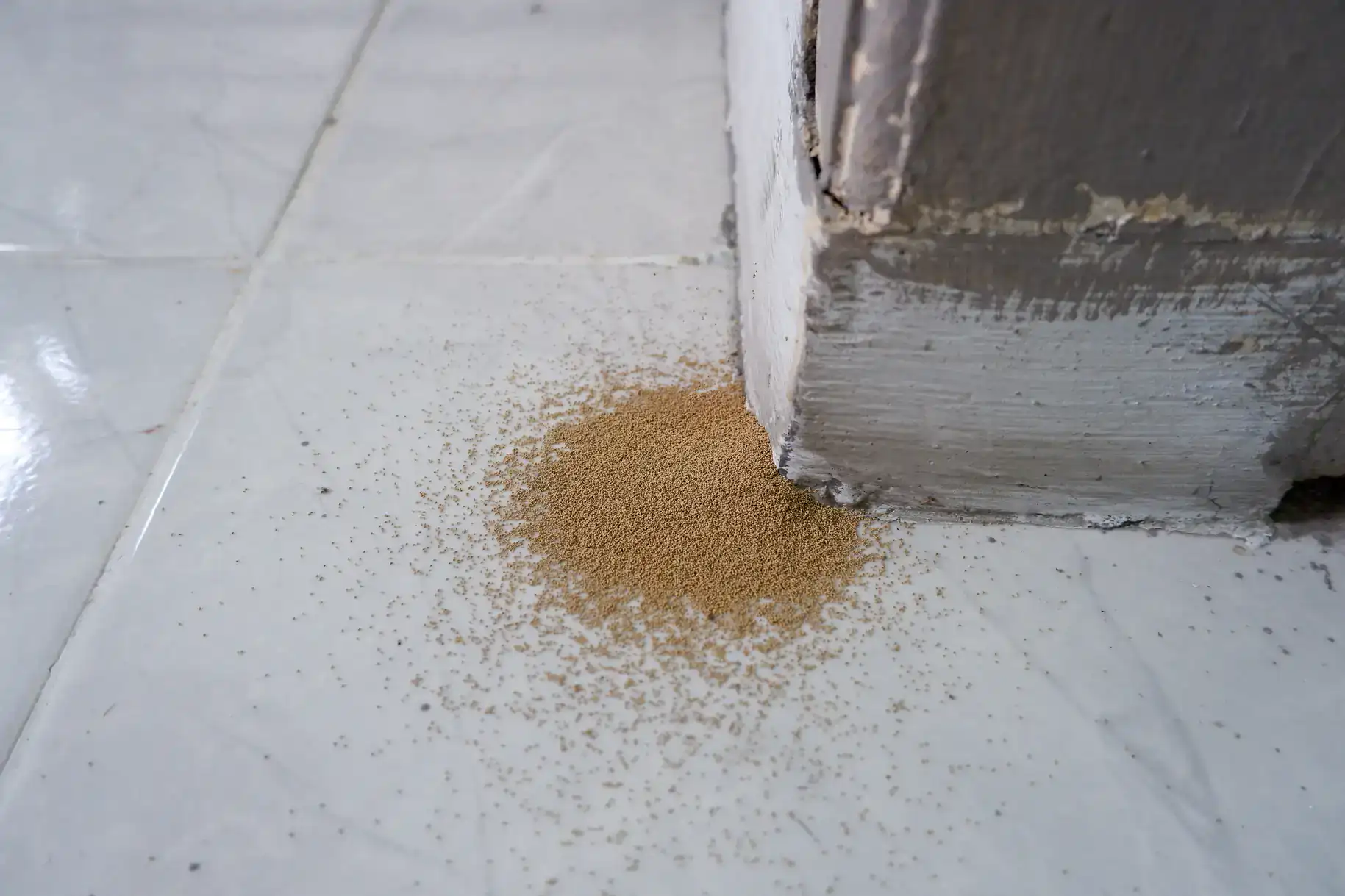
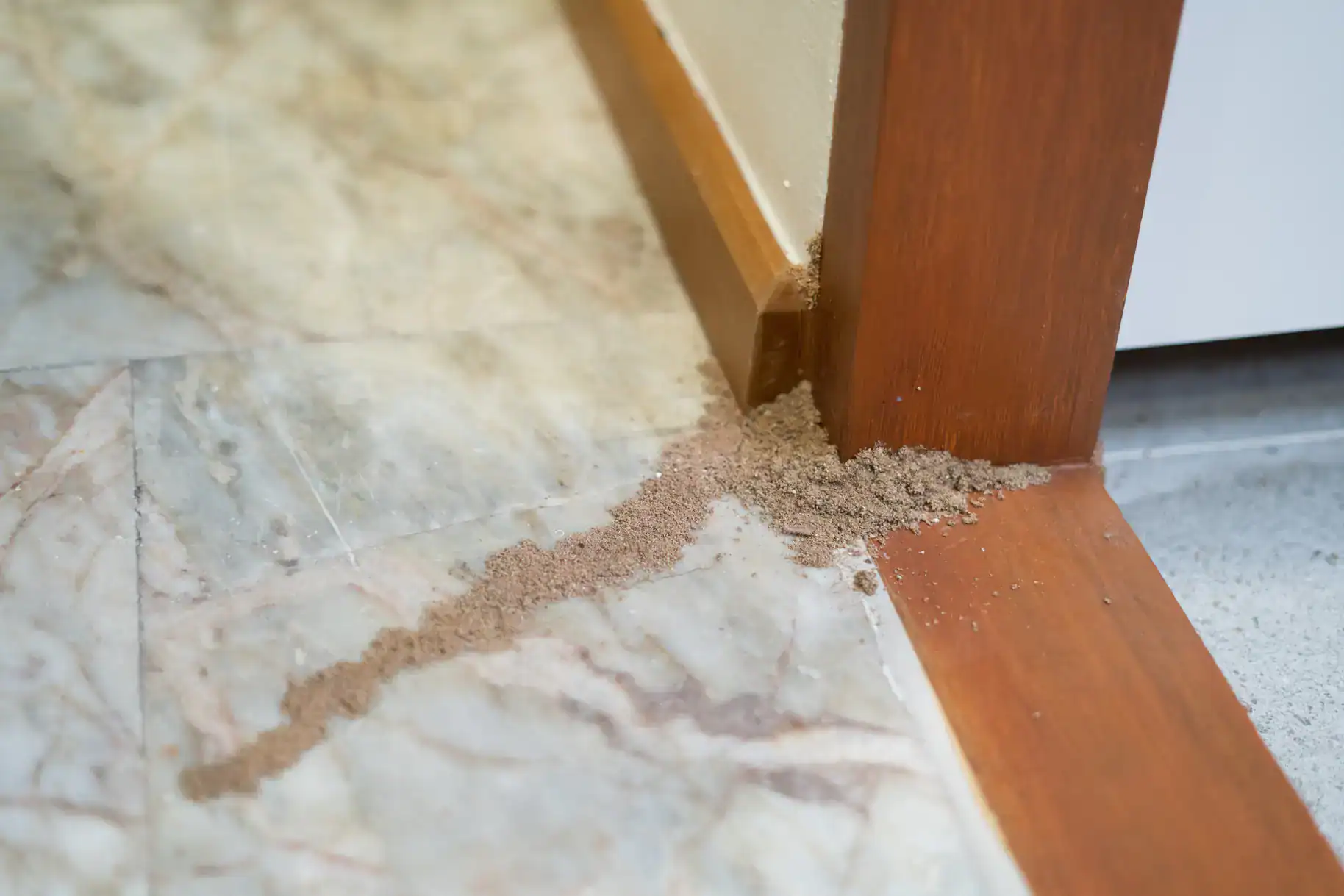
It starts with an inspection. One of our trained technicians comes out, assesses the structure, and identifies what’s actually happening not just where you can see it, but where termites are most likely entering and feeding. In Fort Hamilton’s older homes, that typically means a close look at foundation contact points, basement framing, subfloor joists, and any area where moisture has had time to work into the wood. We check for mud tubes, frass, hollow-sounding timber, and the subtle signs most people miss until the damage is already done.
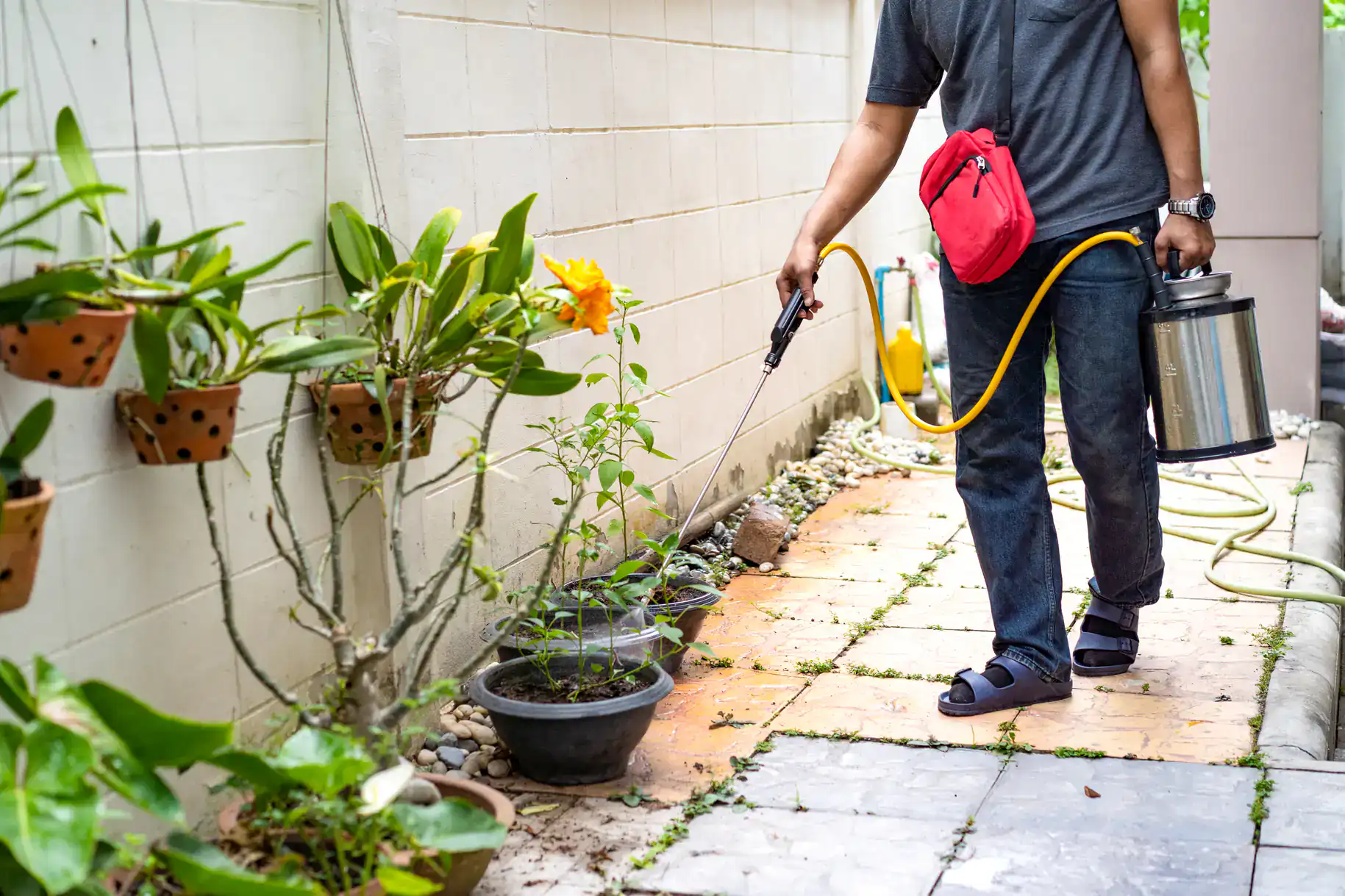
From there, we walk you through what we found and what treatment makes sense for your specific situation. For subterranean termite infestations which account for virtually all termite activity in Brooklyn we use a baiting system designed to reach the colony underground, not just treat what’s visible at the surface. Termites carry the slow-acting material back to the colony, which eliminates the source rather than just the symptoms. This is the approach that holds.
Once treatment is complete, we provide written documentation of the inspection and work performed. If you’re in the middle of a home purchase near the base and your lender is requiring a WDO report, we handle that too. Spring is when Eastern Subterranean Termites swarm in New York typically March through May after warm, wet days but infestations don’t wait for a convenient season. If you’re seeing signs now, the right time to act is now.
Ready to get started?
Every termite job starts with a full inspection not a quick walk-through, but a real assessment of the structure. In Fort Hamilton, that means accounting for the specific building characteristics common to this part of Brooklyn: pre-war construction with wood framing behind brick or stone facades, aging foundations with soil contact, and the elevated moisture environment that comes with being positioned on the harbor. These aren’t just background details. They directly affect where termites enter, how far they’ve spread, and what treatment approach is appropriate.
Treatment for subterranean termites the species responsible for termite damage in New York City involves targeting the colony at its underground source using a baiting system applied at strategic points around the structure. All materials we use are registered with the New York State Department of Environmental Conservation, which matters for families and for properties subject to NYC Housing Maintenance Code compliance or NYC DOH inspection requirements.
After treatment, you receive written documentation of everything we performed. For homeowners, that’s your record of protection. For buyers and sellers in the Fort Hamilton real estate market including anyone purchasing with a VA loan, which requires a certified Wood Destroying Organism report that paperwork is a non-negotiable part of closing. We provide the inspections, the reports, and the follow-through that lenders and property managers actually accept.
It depends on your loan type, but if you’re using a VA loan which is common in Fort Hamilton given the military population connected to the Army garrison a Wood Destroying Organism inspection report is required by your lender before closing. This isn’t optional. The lender needs a certified WDO report from a licensed pest control professional confirming whether wood-destroying organisms were found and, if so, what the treatment status is.
Even if you’re not using a VA loan, a termite inspection is strongly recommended before purchasing any pre-war property in Fort Hamilton. The neighborhood’s older housing stock brick-clad co-ops, row houses, and homes with stone or concrete foundations in direct soil contact carries a higher baseline termite risk than newer construction. Discovering an active infestation after closing means the repair costs come entirely out of your pocket. Most homeowner insurance policies do not cover termite damage, so getting the inspection done before you sign is the smarter position.
The earliest signs are easy to miss, which is part of what makes subterranean termites so damaging before they’re caught. Mud tubes are one of the clearest indicators pencil-thin tunnels made of soil and termite secretions that run along foundation walls, floor joists, or any surface connecting soil to wood. You might also notice wood that sounds hollow when you tap it, even though it looks intact from the outside. Doors or windows that suddenly stick or don’t close cleanly can be a sign that framing has been compromised.
In Fort Hamilton’s pre-war row houses and co-op buildings, the wood framing sits behind brick or stone facades that look completely solid on the exterior. That’s exactly why termite damage here often goes undetected for years the structure looks fine until it isn’t. If you’ve noticed any of these signs, or if your building hasn’t had a professional termite inspection in several years, it’s worth having someone come out and take a real look before the damage goes deeper.
The cost depends on the size of the structure, the extent of the infestation, and the treatment method required. For most residential properties in Fort Hamilton single-family homes, townhomes, and smaller co-op units termite treatment typically runs in the range of $1,500 to $5,000. Larger buildings, more advanced infestations, or situations requiring structural repair work in addition to treatment can push costs higher.
What’s important to understand is that the cost of treatment is almost always significantly less than the cost of repairing termite damage left untreated. Getting a free inspection and a clear written estimate upfront is the right first step. That way you know exactly what you’re dealing with and what it will cost before committing to anything.
Eastern Subterranean Termites the species responsible for virtually all termite activity in New York City are strongly attracted to moisture. They nest underground and forage through soil to reach wood, and moist soil makes that process faster and easier. Fort Hamilton’s position on New York Harbor means the soil throughout the neighborhood carries higher baseline moisture levels than inland Brooklyn communities. Salt-air humidity and the proximity to the Narrows contribute to wood retaining moisture longer, which is exactly the condition subterranean termites seek out.
This doesn’t mean every home on the waterfront has termites. It means the environmental conditions here are more favorable to termite activity than in drier, more inland neighborhoods, and that older structures with wood-to-soil contact are at elevated risk. If your home is within a few blocks of Shore Road or the Belt Parkway waterfront edge, and it was built before 1960, a professional inspection is a reasonable precaution not an overreaction.
Termite swarm season in New York City typically runs from March through May. Swarming happens when a mature colony sends out winged reproductive termites to establish new colonies you might see them near windows, around light fixtures, or emerging from the soil around your foundation after a warm, rainy day. Seeing swarmers inside your home is one of the clearest signs of an active infestation nearby.
That said, Eastern Subterranean Termites feed continuously 24 hours a day, every day of the year. They don’t stop in winter. The colony goes deeper into the soil when temperatures drop, but the feeding doesn’t stop. In Fort Hamilton, where harbor-adjacent soil stays relatively moist even in colder months, termite activity can persist through conditions that would slow colonies in drier environments. Spring is when the problem becomes visible. The damage, however, accumulates all year. If you’re seeing swarmers now, or if you haven’t had an inspection in several years, don’t wait for a more convenient time.
Termites don’t distinguish between ownership structures they go where the wood is. Co-op buildings in Fort Hamilton, particularly the older ones along Fort Hamilton Parkway and the surrounding blocks, have wood framing, floor joists, and subfloor systems that are just as vulnerable as anything in a single-family home. The difference is that in a multi-unit building, an infestation in one unit or in the shared structural elements can affect the entire building before anyone realizes what’s happening.
For co-op boards and property managers in Fort Hamilton, this creates a specific responsibility. NYC’s Housing Maintenance Code requires buildings to be maintained free of pest infestations, and the NYC Department of Health and Mental Hygiene can issue violations for documented infestations in residential buildings. If a co-op building hasn’t had a professional termite inspection recently especially one built before 1960 with a stone or concrete foundation that’s a gap worth closing. We work with both individual unit owners and building management, and we provide the written documentation that property managers and boards need for their records.
Useful Links