Hear from Our Customers
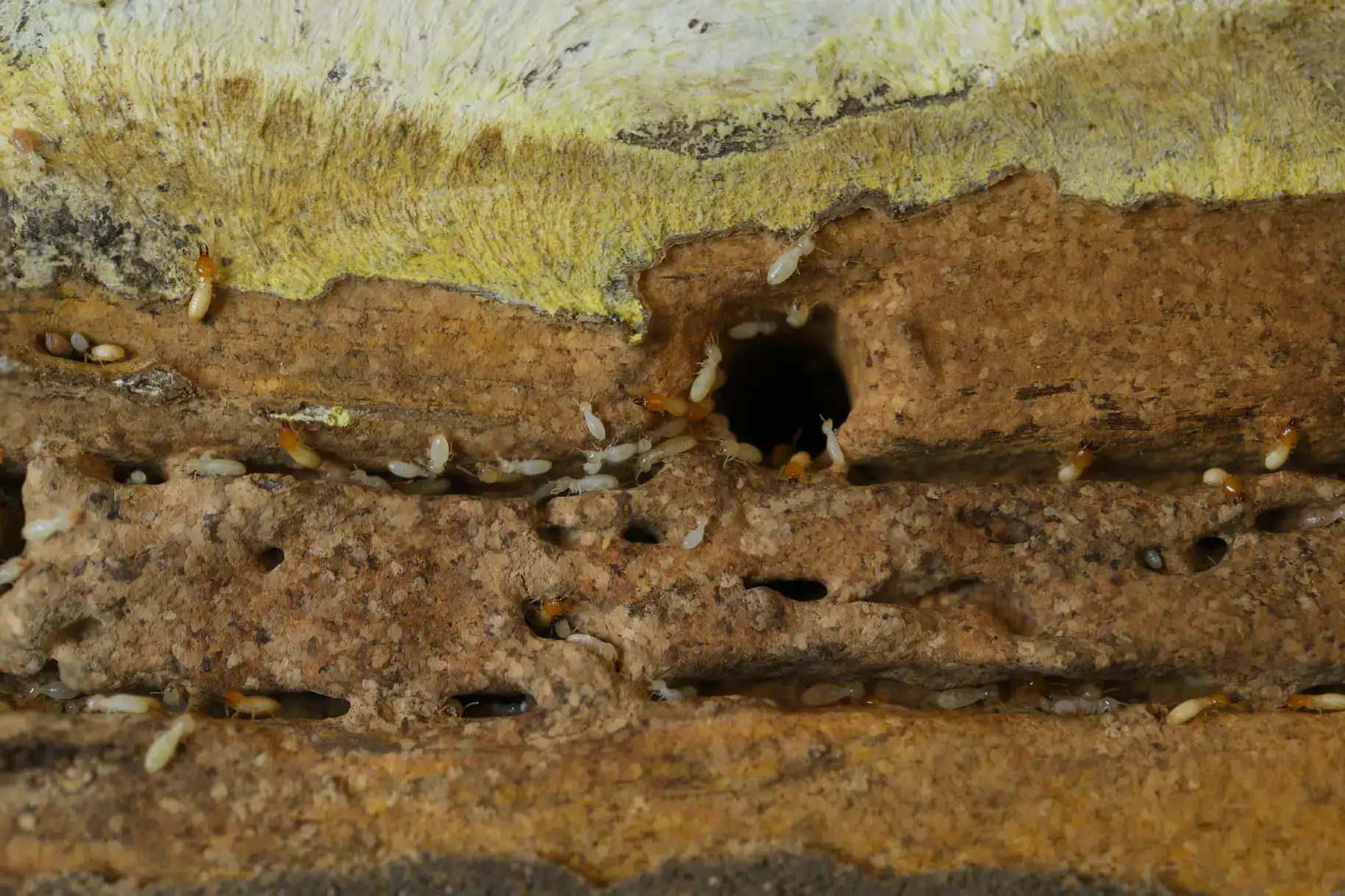
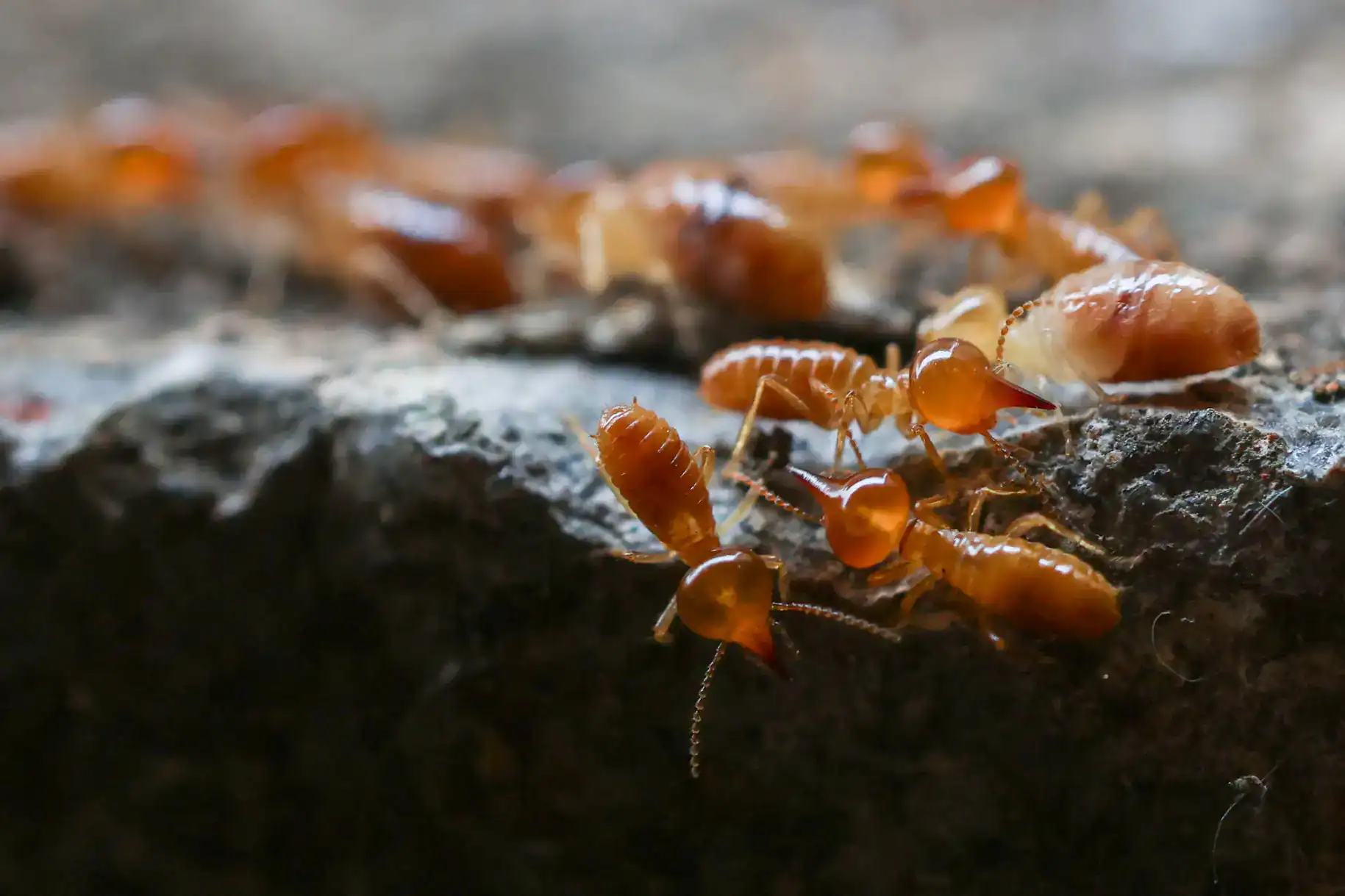
Most people call us about termites after they’ve already seen something a swarm near a window in March, soft wood near the baseboard, mud tubes climbing a foundation wall. What they don’t always realize is that by the time those signs appear, the colony has typically been feeding for months, sometimes years. The Eastern Subterranean Termite doesn’t wait for you to notice it.
Once a real treatment is in place not just a surface spray, but a targeted approach that addresses the colony underground the feeding stops. The structural integrity of your home stops quietly degrading. For homeowners in Jamaica Estates, where properties are pushing $1.6 million in median sale price, that matters more than most people think. A home with documented termite history can lose around 20% of its value, and standard homeowner’s insurance won’t cover a dollar of the repair.
Jamaica’s housing stock compounds the risk. Most of the single-family and two-family homes in this area were built between the 1920s and 1960s, with wood framing, older foundations, and conditions that subterranean termites are specifically built to exploit. The proximity to Jamaica Bay also keeps soil moisture elevated in lower-lying parts of the neighborhood and moist soil is exactly where these colonies establish and grow. Getting ahead of it now costs far less than repairing what they leave behind.
We were founded in 1971 by Richard Kourbage Sr. His sons Richard Jr. and Charles joined in 1987 and 1989, and they’re still running jobs today. That’s over 50 years of continuous operation not a franchise, not a rebrand, the same family and the same standard. When something goes wrong on a job, there’s a real person accountable for it.
Our staff collectively brings more than 100 years of pest control experience to every inspection and treatment. That number matters in Jamaica, Queens, where the housing stock is older, the property types vary wildly from attached row houses in Jamaica proper to large colonials off Midland Parkway in Jamaica Estates and cookie-cutter treatments don’t hold up. We know the difference, and we treat accordingly.
Every technician operates under New York State DEC licensing, and every material we apply is NYS DEC registered. We also carry BBB accreditation dating back to 1989 over 35 years of third-party accountability that most competitors in this market simply can’t match.
It starts with a phone call and someone actually picks up, 24 hours a day. From there, we schedule an inspection within two business days, with same-day availability in many cases. For Jamaica homeowners juggling LIRR commutes and demanding schedules, that turnaround isn’t a small thing.
The inspection itself is thorough. A licensed technician examines the foundation, crawl spaces, sill plates, wall voids, and any wood-to-soil contact points the exact areas where Eastern Subterranean Termites enter and feed in older Jamaica homes. In Jamaica’s attached and semi-detached housing, that also means checking shared walls and adjacent structural elements, because a colony active in one unit can spread laterally through a row house without much resistance. If there’s an active infestation, you’ll know exactly where it is, how extensive it appears, and what treatment makes sense.
Treatment options depend on what the inspection finds. For active infestations, termite baiting systems are often the most effective approach they target the colony at its source underground, not just the termites visible at the surface. Liquid barrier treatments are used where conditions call for them. If you’re purchasing or selling a property in Jamaica and your lender requires a Wood Destroying Organism report, we provide that documentation as well. The process is explained clearly at every step, and there are no surprise charges after the fact.
Ready to get started?
We handle the full range of property types you’ll find across Jamaica’s ZIP codes 11432, 11433, 11434, 11435, and 11436. That includes single-family homes, two-family attached and semi-detached houses, multi-family buildings, and commercial properties along corridors like Jamaica Avenue. No job is too large or too small, and the treatment approach is matched to the specific property, not pulled from a one-size-fits-all menu.
For landlords and property managers and Jamaica has a large one, with more than 55% of residents renting we also resolve NYC Department of Health pest citations. If your rental property has received a DOH violation related to a termite or wood-destroying organism infestation, we know exactly what documentation, treatment, and follow-through is required to clear it. That’s a specific capability, and it’s not something every exterminator in the area can actually deliver.
For real estate transactions, we provide certified Wood Destroying Organism inspections and reports required by most FHA and VA lenders before closing. Given how active Jamaica’s real estate market has been, particularly in Jamaica Estates, that service has become a regular part of what we deliver in this area. All materials we use are NYS DEC registered, applied by licensed professionals, and safe for the dense residential environments that define most of Jamaica’s neighborhoods.
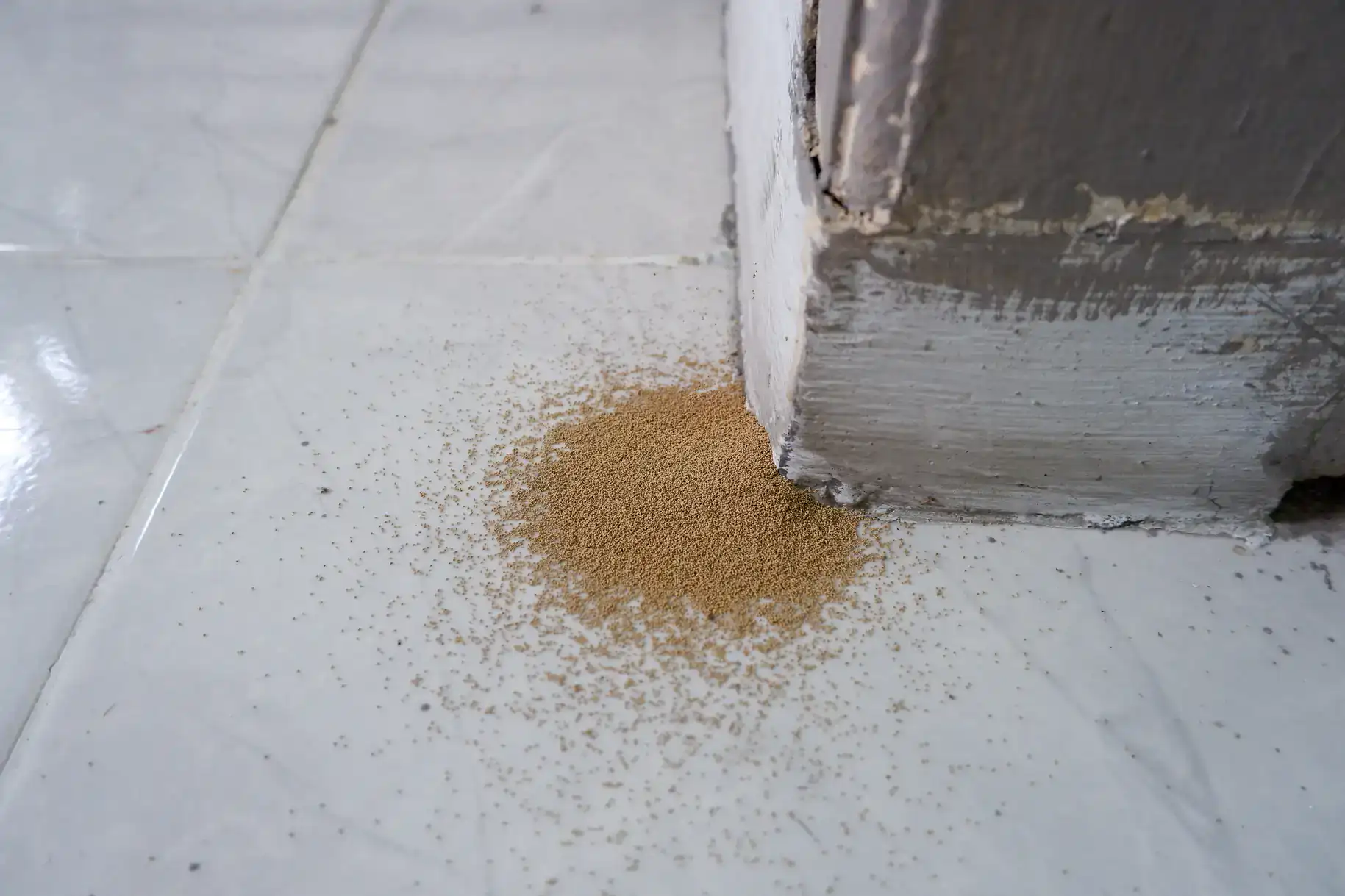
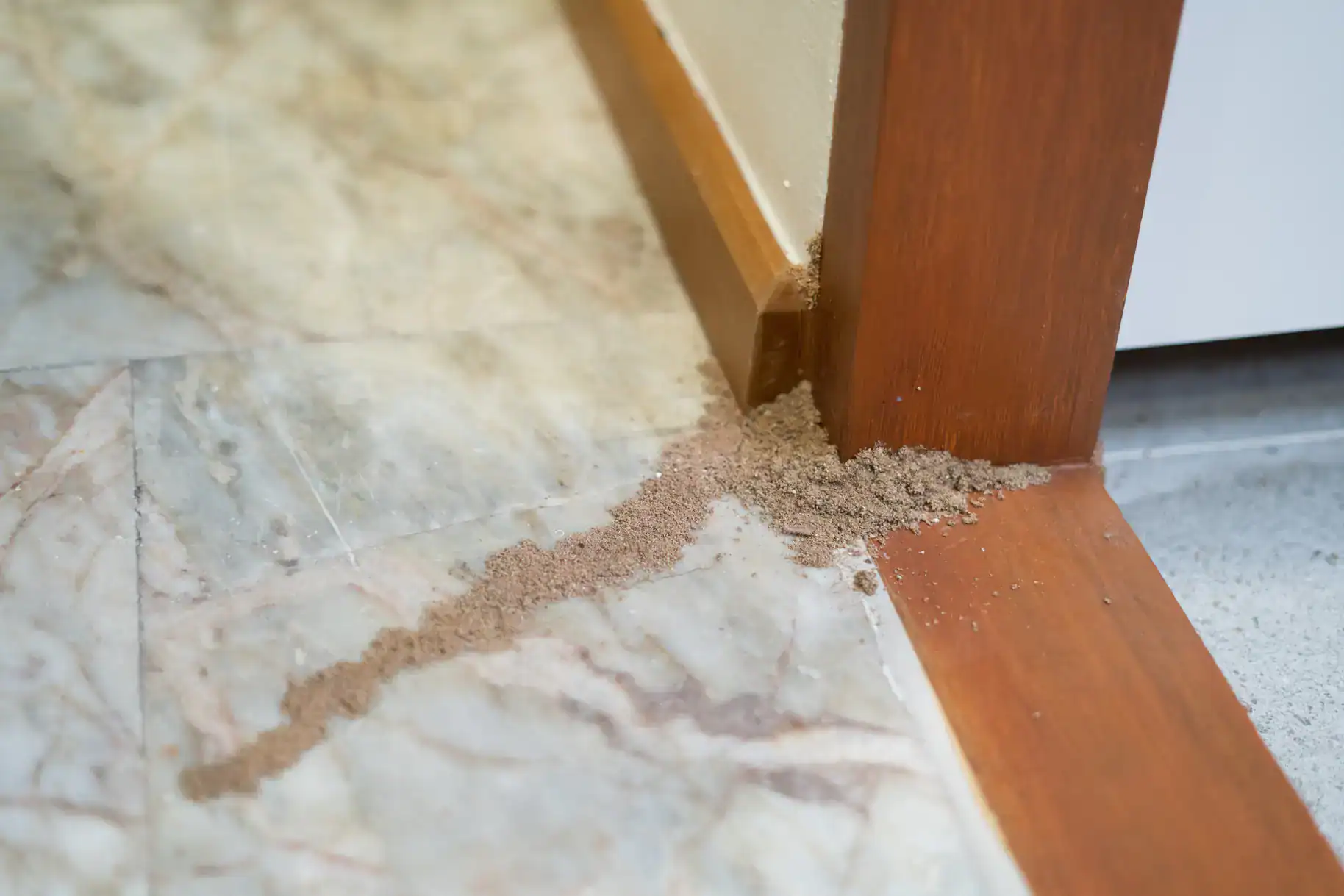
The most common early signs are mud tubes pencil-thin tunnels of soil and debris that subterranean termites build along foundation walls, basement walls, or exposed structural wood. You might also notice wood that sounds hollow when tapped, small piles of what looks like sawdust near baseboards or window frames, or paint that bubbles or peels without an obvious moisture source.
In Jamaica’s older housing stock most of it built between the 1920s and 1960s these signs often appear near the foundation sill plate, in crawl spaces, or around plumbing penetrations where moisture has accumulated over decades. Spring is when you’re most likely to see termite swarmers: winged reproductive termites that emerge on warm days following rain, usually between March and May. If you see a swarm near a window or door frame, that’s not a random event it typically means an established colony is already nearby. Don’t wait on it.
The cost depends on the size of the property, the extent of the infestation, and the treatment method required. For a standard single-family home in Jamaica, a liquid barrier treatment or bait system installation generally ranges from a few hundred dollars on the lower end to well over a thousand for more extensive infestations or larger properties. Structural repairs if the damage has been progressing for a while can run from $2,000 to $10,000 or more, and that’s entirely out of pocket since most homeowner insurance policies exclude termite damage.
The more useful number to keep in mind is what untreated termite damage costs over time. A colony of 250,000 workers can consume 20 feet of a 2×4 in a single year, feeding around the clock. For Jamaica Estates homeowners with properties valued near or above $1.6 million, the math on early treatment versus delayed repair is not close. We offer free estimates, so you know exactly what you’re looking at before committing to anything.
It’s not overstated. The Eastern Subterranean Termite is the dominant species in New York City, including all of Queens, and it’s well established in Jamaica and surrounding neighborhoods. These termites nest underground and travel through soil, which means they’re active in the ground beneath homes across the borough not just in rural or wooded areas. Jamaica Estates, with its mature landscaping, wooded lots, and older construction, sits at particularly elevated risk.
Nationally, termites damage more than 600,000 homes per year and cause over $5 billion in property damage annually. In New York City specifically, the combination of aging housing stock, urban soil conditions, and increasingly warm temperatures is making the problem worse over time, not better. Climate projections show a significant increase in extreme heat days in Jamaica over the next 30 years, which extends the termite active season and accelerates colony growth. It’s a real issue, and it’s not going away on its own.
If you’re using an FHA or VA loan to purchase a home in Jamaica, a Wood Destroying Organism inspection and report is required before the loan can close. Your lender or real estate attorney will typically flag this early in the process, but it’s worth knowing upfront so it doesn’t become a last-minute scramble before your closing date.
Even if your financing doesn’t require it, a termite inspection is a smart move on any older Jamaica property. Most of the homes in this area were built decades ago, and many have never had a professional WDO inspection. Sellers who can provide a clean inspection report or documentation of a completed treatment are in a stronger position at the negotiating table. Buyers who skip the inspection are taking on unknown risk. We provide certified WDO reports accepted by lenders, attorneys, and real estate professionals throughout Queens County.
A liquid barrier treatment involves applying a termiticide to the soil around and beneath the foundation of your home, creating a treated zone that kills or repels termites attempting to enter. It’s effective and widely used, but it addresses termites at the point of entry rather than targeting the colony itself.
A termite baiting system works differently. Bait stations are installed around the perimeter of the property, and termites carry the bait back to the colony, eventually eliminating it at the source. For Jamaica’s attached and semi-detached housing where a colony can move laterally through shared structural elements between units baiting systems are often the more thorough long-term solution because they address the underground colony, not just the entry points. The right approach depends on the property type, the extent of the infestation, and what the inspection reveals. We’ll walk you through both options and explain the reasoning behind the recommendation before any work begins.
Yes, and this is one of the more important things to understand about termite risk in Jamaica’s residential neighborhoods. A significant portion of the housing stock here consists of attached row houses and semi-detached two-family homes, where units share foundation elements, wall framing, and soil contact along the entire party wall. Subterranean termites move through soil and wood continuously they don’t recognize property lines.
If a colony is active in one unit of an attached row house, it can spread through the shared structural elements into adjacent units without any visible sign at the surface. By the time a neighbor notices mud tubes or hollow wood, the infestation may already span multiple properties. This is why early detection matters so much in Jamaica specifically, and why a professional inspection rather than a visual check on your own is the only reliable way to know what’s actually happening inside the walls and beneath the floor. If you’ve seen any signs in your home, or if a neighbor has recently dealt with termites, it’s worth getting an inspection done sooner rather than later.
Useful Links
Other Services we provide in Jamaica