Hear from Our Customers
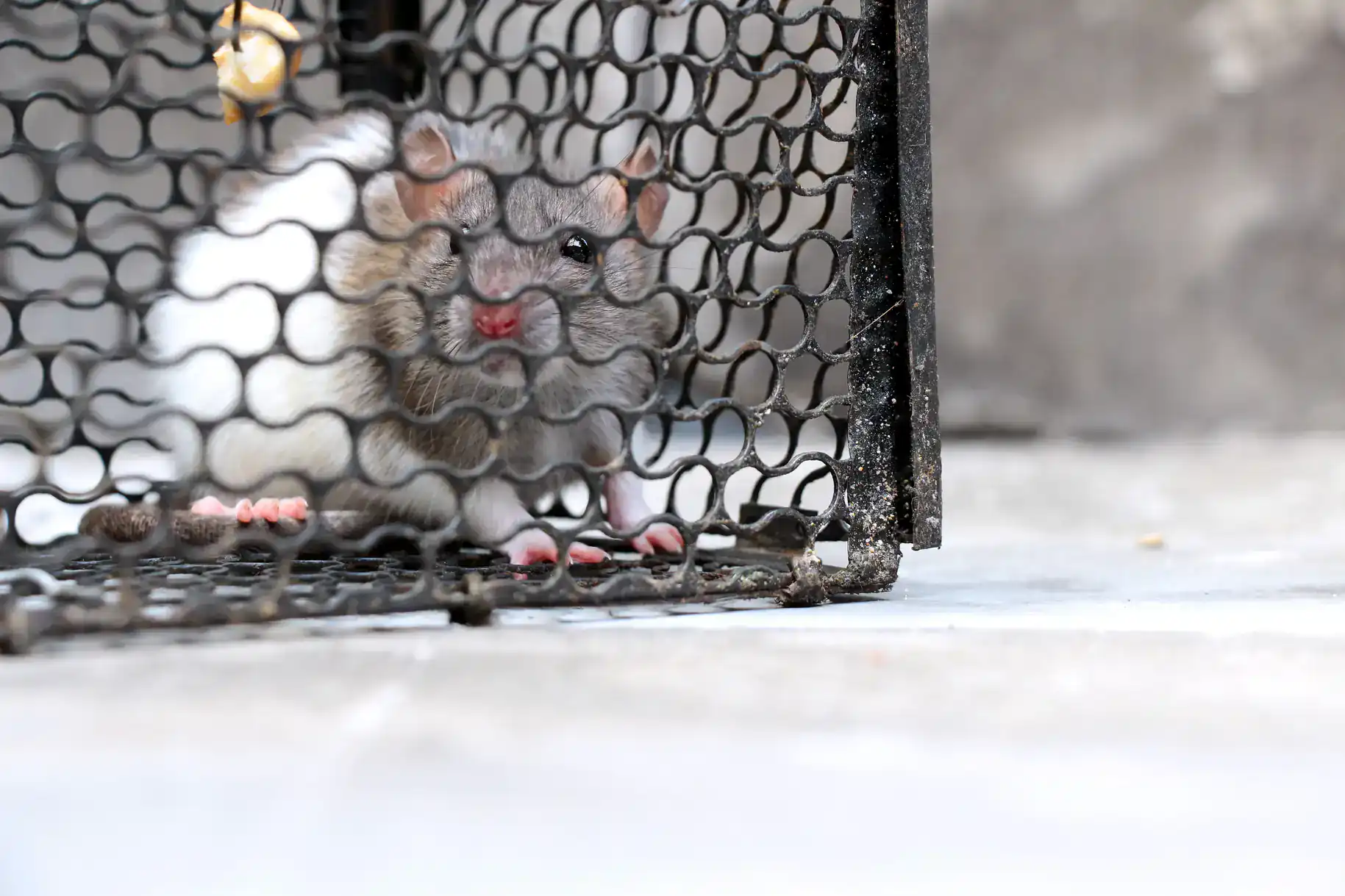
You stop hearing scratching in the walls at 2 a.m. You stop finding droppings behind the stove. You stop wondering if the problem is in your unit or coming from the restaurant two doors down because someone finally looked at both.
East Village is one of eight neighborhoods the Adams administration officially designated a rat mitigation zone in 2023. That same area was already targeted by a $32 million city rat reduction plan back in 2017. Two separate mayoral administrations, six years apart, both pointed at the same neighborhood. That tells you something: the problem here isn’t a fluke, and it isn’t going away on its own. It’s baked into the building stock, the bar density, and the infrastructure of the neighborhood itself.
The pre-war tenements that define most of East Village many built before 1939 have shared party walls, aging pipe chases, and basement-level gaps that connect one building to the next. A rodent doesn’t need much. A rat can squeeze through a hole the size of a quarter. A mouse needs less than that. What you get after a proper inspection and exclusion treatment is a building that’s actually harder to get into, not just one where the traps got reset.
We were founded in 1971 by Richard Kourbage Sr. and have been operating across all five boroughs of New York City ever since. Our sons Richard Jr. and Charles joined the business in the late 1980s and continue running it today. That’s over five decades of working in Manhattan tenements, multi-unit residential buildings, and commercial environments the exact conditions you’re dealing with in East Village.
We hold an A+ rating with the Better Business Bureau, have maintained BBB accreditation since 1989, and apply only N.Y.S. Department of Environmental Conservation registered materials. We’re fully licensed, bonded, and insured and are regularly referred by attorneys and real estate professionals throughout the five boroughs who know that East Village’s rodent pressure requires experience, not guesswork.
Whether you’re renting a walk-up off Avenue A or managing a building near Tompkins Square Park, you’re dealing with rodent pressure that’s neighborhood-wide. We understand that context because we’ve been working in it, in this city, for longer than most competitors have existed.
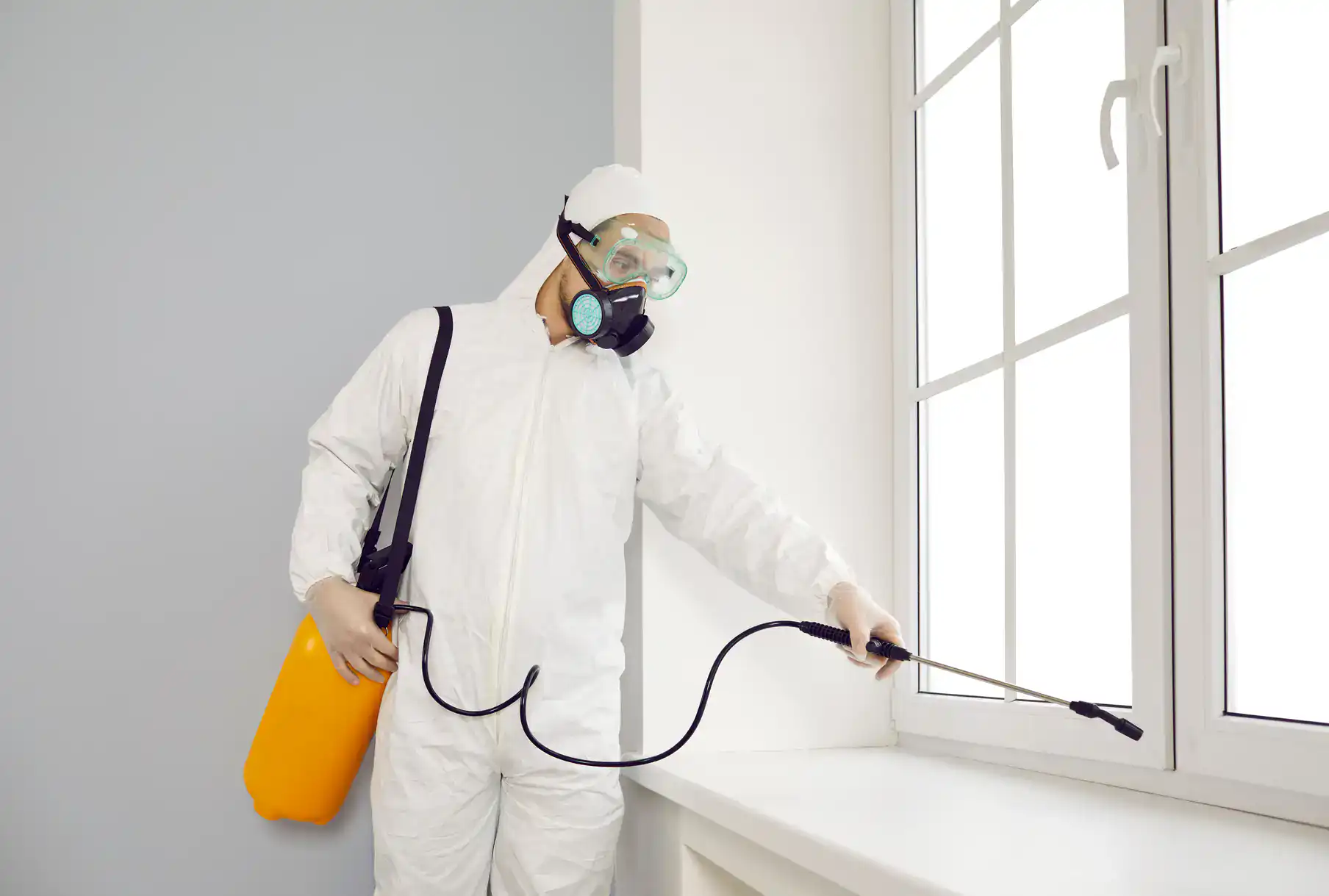
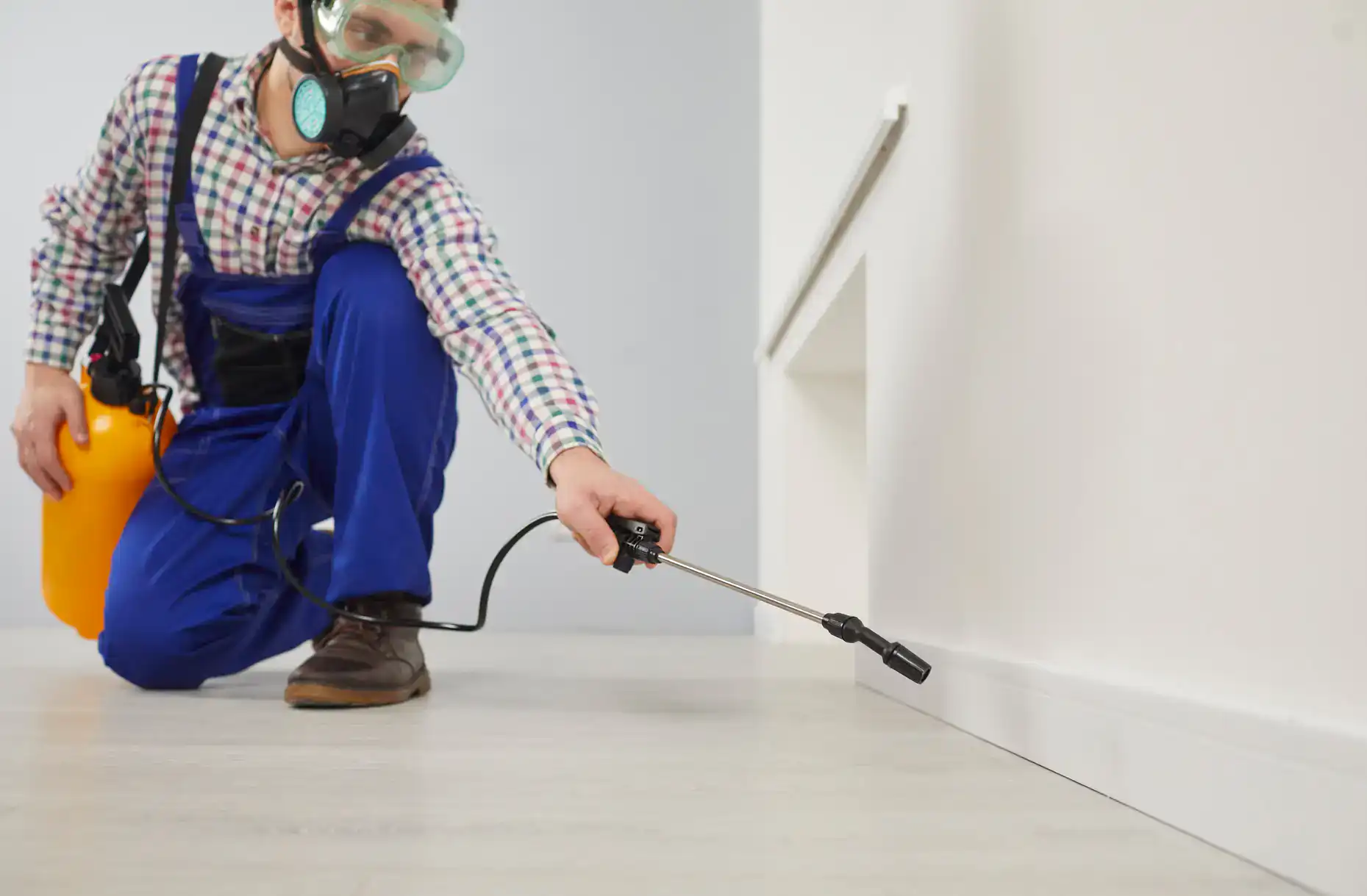
It starts with a thorough inspection interior and exterior. Our technician looks at your unit, your building’s basement, the foundation perimeter, utility entry points, and any structural gaps that give rodents a way in. In a pre-war East Village tenement, that means checking the places most people miss: pipe chases shared between units, gaps where old plumbing meets original masonry, and basement-level cracks that connect directly to the street or to an adjacent building.
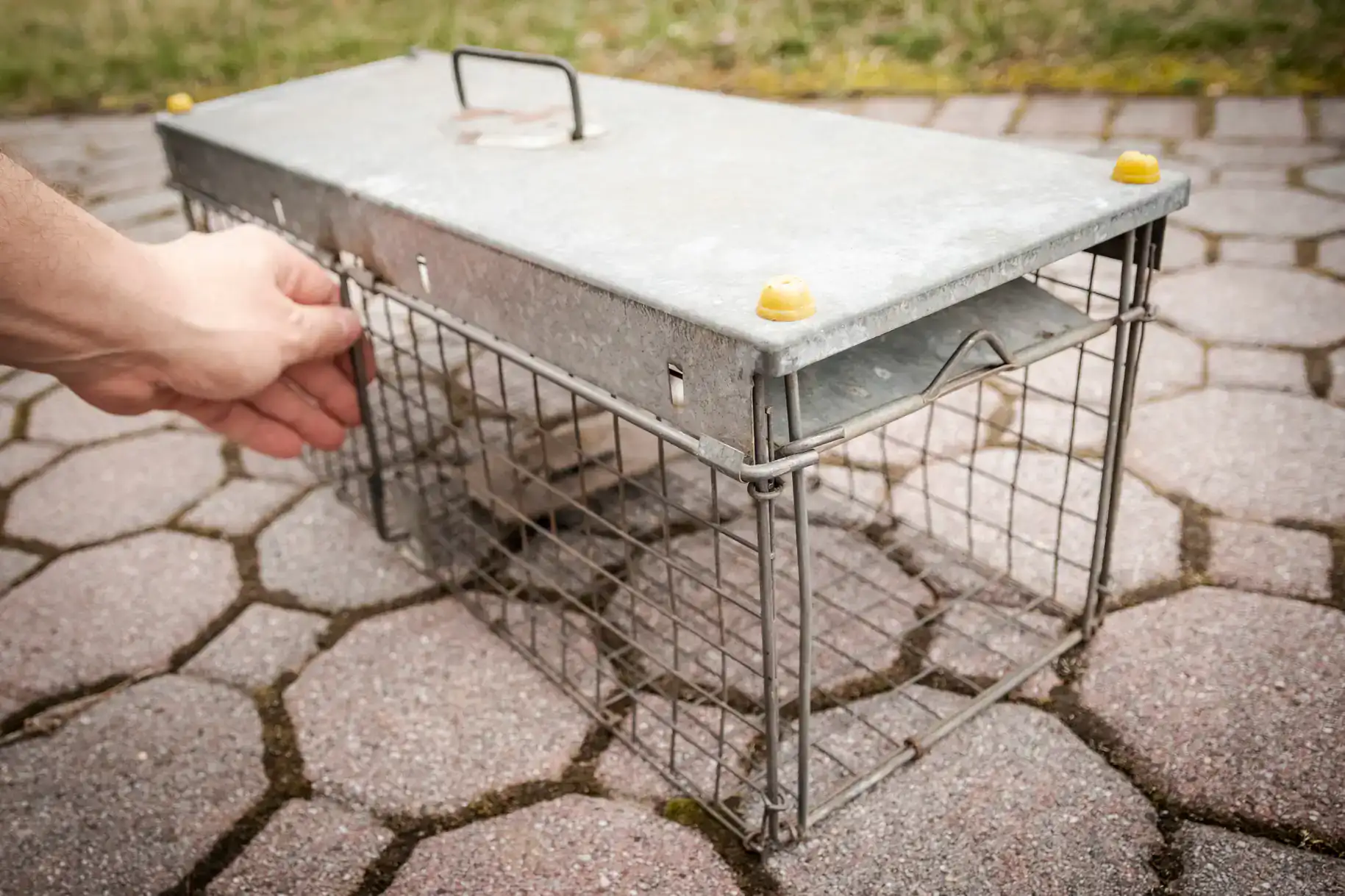
From there, we build a treatment plan around what’s actually found. That might include snap traps, tamper-resistant bait stations, or targeted rodenticide application all using NYS DEC-registered materials. It also includes exclusion work: physically sealing the entry points identified during the inspection. This step is what separates a real fix from a temporary one. Without it, new rodents will keep entering as fast as you trap the ones already inside.
Follow-up visits are part of the process. East Village’s rodent pressure doesn’t stop at your door it’s coming from Tompkins Square Park, from the restaurant trash on your block, from the building next door. Ongoing monitoring is how you stay ahead of it. We also provide sanitation guidance and, where needed, documentation to help property owners address NYC Health Code violations through DOHMH.
Ready to get started?
Rodent control in East Village isn’t a one-size-fits-all service. The neighborhood’s combination of pre-war residential buildings, dense food service corridors along First and Second Avenues, and proximity to Tompkins Square Park creates layered infestation pressure that requires a layered response. Our service covers the full scope: inspection, identification of species and entry points, treatment, exclusion, sanitation recommendations, and follow-up.
For residential tenants and building owners in East Village, that means addressing the structural vulnerabilities common in buildings built before 1939 the shared walls, the aging basements, the utility gaps that connect your unit to the rest of the building. For commercial properties and food service establishments along St. Marks Place or Avenue A, it means meeting the standards required to pass NYC Department of Health inspections, where a single finding of rodent evidence can trigger a violation or closure.
We also assist property owners who have received NYC Health Code violation citations providing the remediation, documentation, and re-inspection support needed to resolve them. If you’re a landlord, a tenant whose building management hasn’t acted, or a restaurant owner with a compliance issue, we know exactly what the city requires and how to get you there. Same-day service is available in many cases, and a guaranteed appointment within 48 hours in all cases.
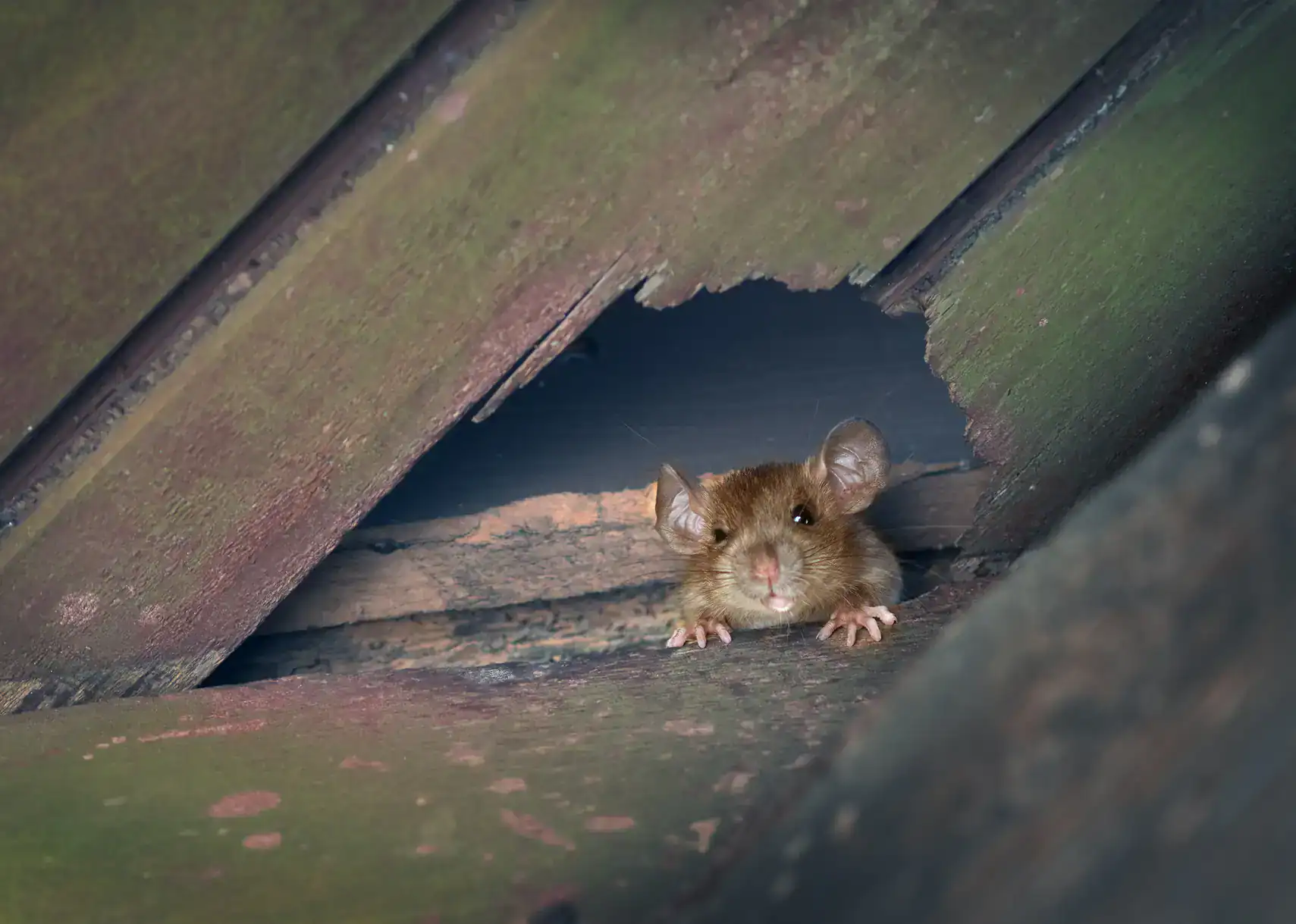
The short answer is that your apartment isn’t the source your building is, and in many cases, so is the block. East Village is one of the most rodent-active neighborhoods in New York City, officially designated a rat mitigation zone by the city in 2023. The pre-war tenements that make up most of the neighborhood’s housing stock have shared wall cavities, aging pipe chases, and basement-level structural gaps that give mice continuous access between units and between buildings. Traps catch the mice already inside. They don’t stop the ones coming in behind them.
A professional inspection identifies where they’re entering not just in your unit, but at the building level. That’s the only way to break the cycle. Exclusion work, which physically seals those entry points using materials rodents can’t chew through, is what makes the difference between managing an infestation and actually ending it.
It’s a fair question in East Village, which has the highest concentration of bars in New York City and some of the densest restaurant corridors in Manhattan along First Avenue, Second Avenue, and St. Marks Place. Food service establishments generate continuous organic waste, and when that waste sits on the sidewalk overnight even with the city’s newer containerization rules in place it sustains large rodent populations in the surrounding blocks. Those rodents don’t stay outside.
A professional inspection can identify the likely pressure sources based on where entry points are concentrated and what the activity patterns look like inside your building. If the infestation is coming in at the basement level on the side of your building facing a restaurant, that’s meaningful information. It doesn’t change what needs to happen inspection, treatment, exclusion but it does affect how the perimeter is prioritized and where ongoing monitoring should be focused.
Under NYC Health Code Article 151, property owners are legally required to maintain their premises free of rodents and conditions that contribute to rodent harborage. That obligation sits with the landlord, not the tenant. If you’ve reported a rodent problem to your building management and they haven’t addressed it, you can file a complaint through NYC 311, which can trigger an inspection by the NYC Department of Health and Mental Hygiene or an HPD violation.
That said, the enforcement process takes time, and an active infestation in your apartment doesn’t wait for a city inspection cycle. Many East Village renters end up calling us independently because their building management is slow to respond and that’s a legitimate choice when your living space is the one affected. We can work directly with tenants, landlords, or building managers depending on who is coordinating the service, and can provide documentation that supports any ongoing complaint or violation process.
Trapping addresses the rodents currently inside your space. Exclusion addresses the reason they got in and keeps new ones from following. In most cases, you need both but exclusion is the part that actually solves the problem long-term.
In a pre-war East Village tenement, exclusion work typically involves sealing gaps around pipes, utility lines, and conduit entries; reinforcing basement-level openings; and addressing structural cracks in foundation walls or masonry that give rodents direct access from the street or from an adjacent building. These are not repairs a hardware store product can handle. The materials we use for professional exclusion steel wool embedded in caulk, metal mesh, concrete fill are specifically chosen because rodents can’t chew through them. Trapping alone, without exclusion, is a temporary measure. In a neighborhood with the rodent pressure East Village has, the infestation will rebuild if the entry points stay open.
Yes, and it’s predictable. As temperatures drop in October and November, Norway rats and house mice actively move indoors seeking warmth. In East Village, that means rodents migrating from Tompkins Square Park a 10.5-acre green space with significant rat harborage in its tree roots and landscaping into the surrounding residential blocks. It also means rodents that have been living in sidewalk gaps, tree pits, and outdoor restaurant structures moving into the basements and ground-floor units of the neighborhood’s tenement buildings.
The practical implication is that fall is the most important time to have a professional inspection done. Sealing entry points before the seasonal migration begins is significantly more effective than responding to an active infestation after rodents have already established themselves inside. If your building had a rodent issue last winter, assume the pressure will return this fall and get ahead of it.
Multi-unit buildings require a different approach than a single-family home, and most of East Village’s housing stock falls into this category over 30 percent of renters in the neighborhood live in buildings with 50 or more units. In an attached pre-war tenement, a rodent infestation in one unit is rarely contained to that unit. They move through shared wall cavities, basement spaces, and utility chases freely, which means treating one apartment without addressing the building-wide entry points leaves the problem intact.
Our inspection covers the full building scope: individual units where activity is reported, shared basement and mechanical spaces, exterior foundation perimeter, and utility entry points throughout the structure. Treatment and exclusion are then applied at the building level, not just the unit level. For building owners and property managers dealing with tenant complaints or HPD violations, we provide the documentation and follow-up service needed to demonstrate remediation which is what the city requires to close out a violation.
Useful Links