Hear from Our Customers
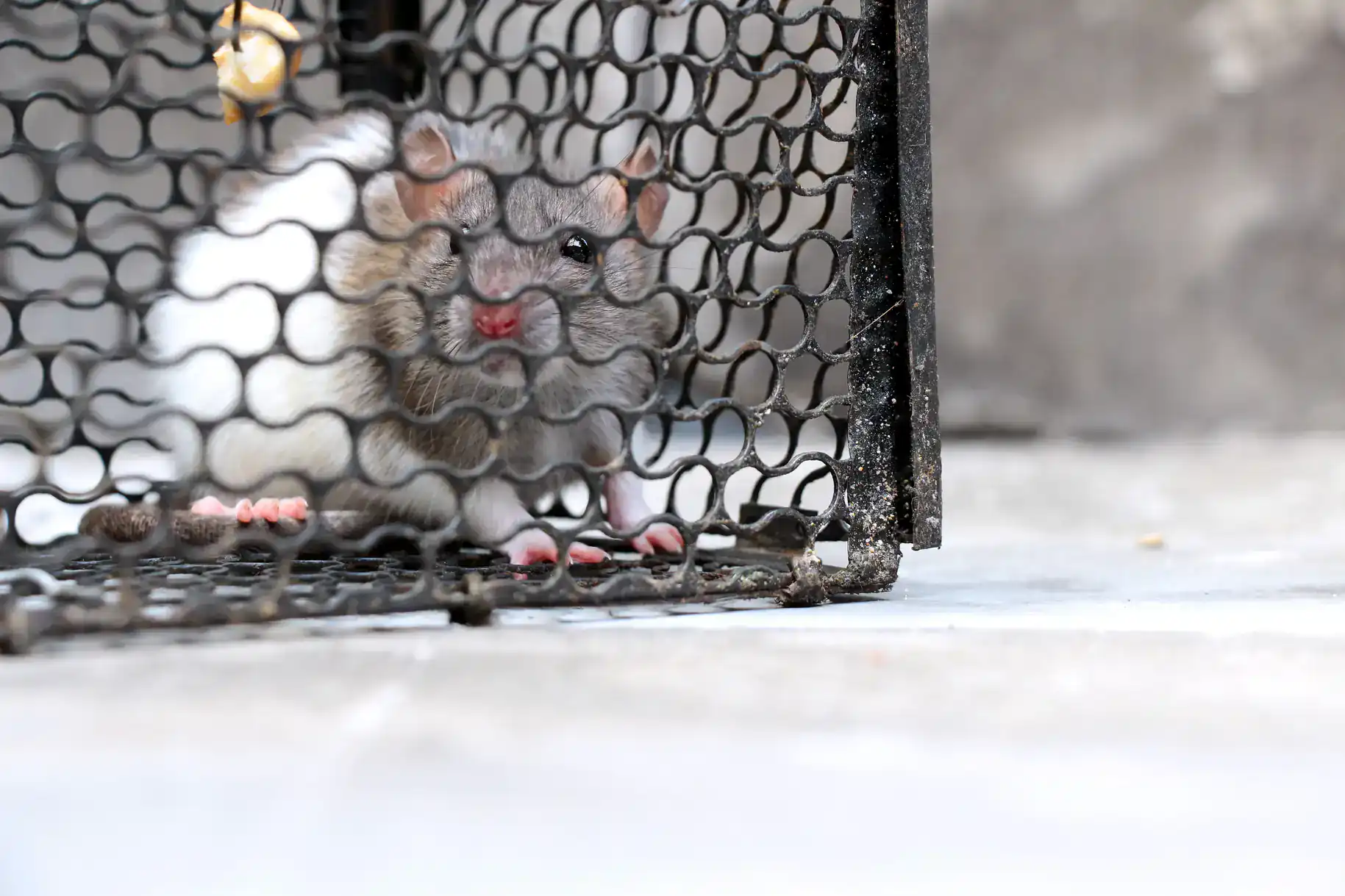
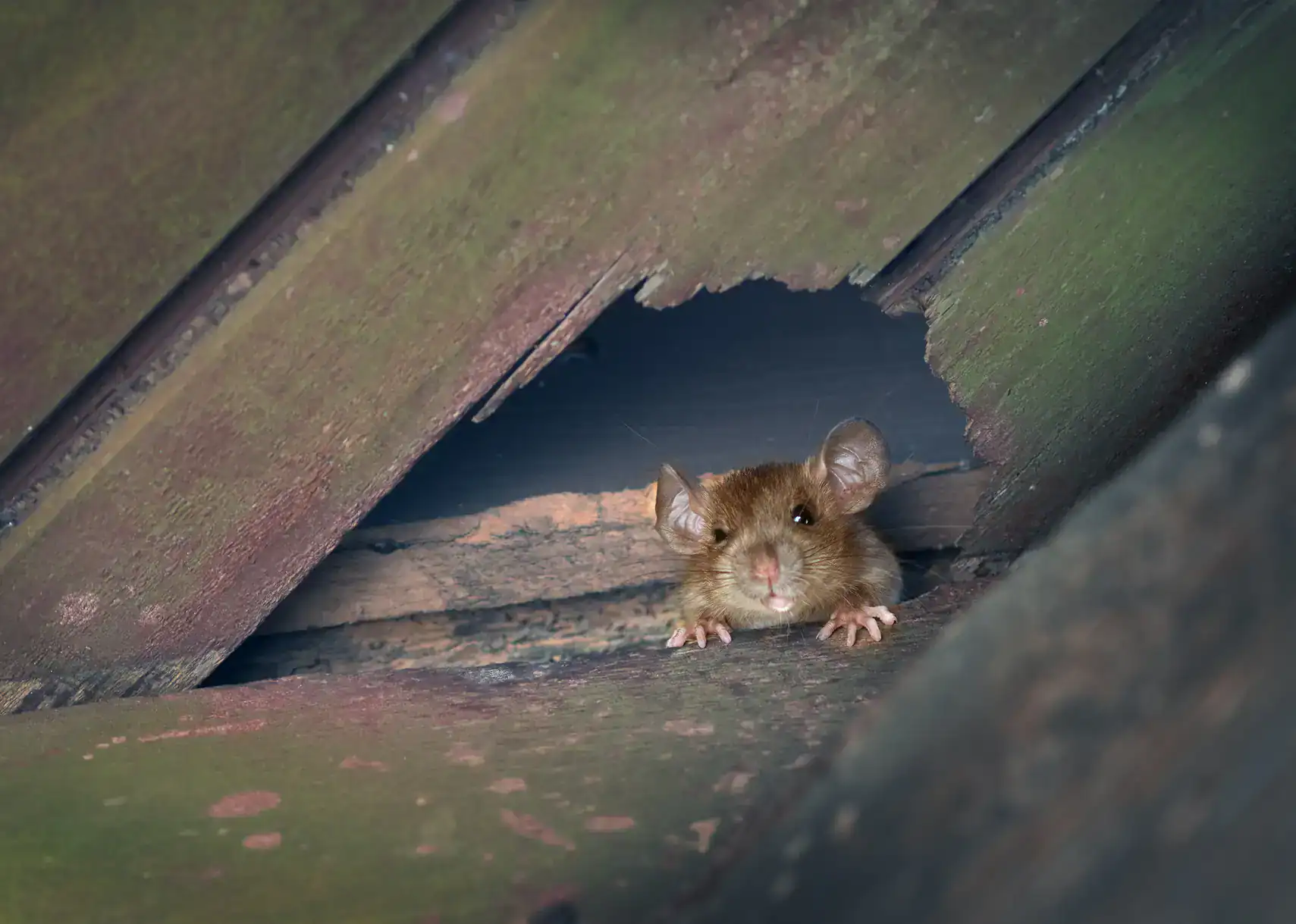
You stop finding droppings behind the stove. You stop hearing scratching in the walls at 2 a.m. You stop wondering if the problem is in your unit, your neighbor’s unit, or both. That last part matters more in Elmhurst than almost anywhere else in Queens because in a neighborhood where buildings share walls, basements, and utility chases, a rodent problem rarely stays contained to one apartment for long.
The Long Island Expressway runs along Elmhurst’s southern edge, and the embankments and drainage infrastructure along that corridor give Norway rats exactly what they need to establish and expand. Add the subway lines running beneath Queens Boulevard and Roosevelt Avenue, and you have rodent pressure coming from below street level as well as from the surface. When construction breaks ground on a new high-rise nearby like the 314-unit project approved for Queens Boulevard those displaced colonies move fast, and they move into the nearest heated structure they can find.
Getting this handled properly means your home is inspected by someone who understands how these specific pressure sources connect to your building. It means the entry points get sealed, not just baited. And it means you’re not calling us again in three months because the root cause was never addressed.
We’ve been operating in New York City since 1976 founded by Richard Kourbage Sr. and still family-run today by his sons Richard Jr. and Charles. That’s more than five decades of treating rodent infestations in the exact building types you find throughout Elmhurst and western Queens: prewar walk-ups, attached rowhouses, mid-rise apartment buildings, and mixed-use commercial properties along corridors like Grand Avenue and Broadway.
We hold an A+ rating with the Better Business Bureau and have been BBB-accredited since 1989. Every technician we employ is certified, every material we apply is registered with the New York State Department of Environmental Conservation, and we’re fully licensed, bonded, and insured. That’s not a checkbox it matters when you’re dealing with a licensed NYC building or a restaurant on the wrong side of a DOHMH inspection.
We serve all five boroughs, and Queens has been part of our territory for decades. This isn’t a national chain running a territory from a call center. We’re a family that has built our name job by job across the city, and we answer the phone ourselves.
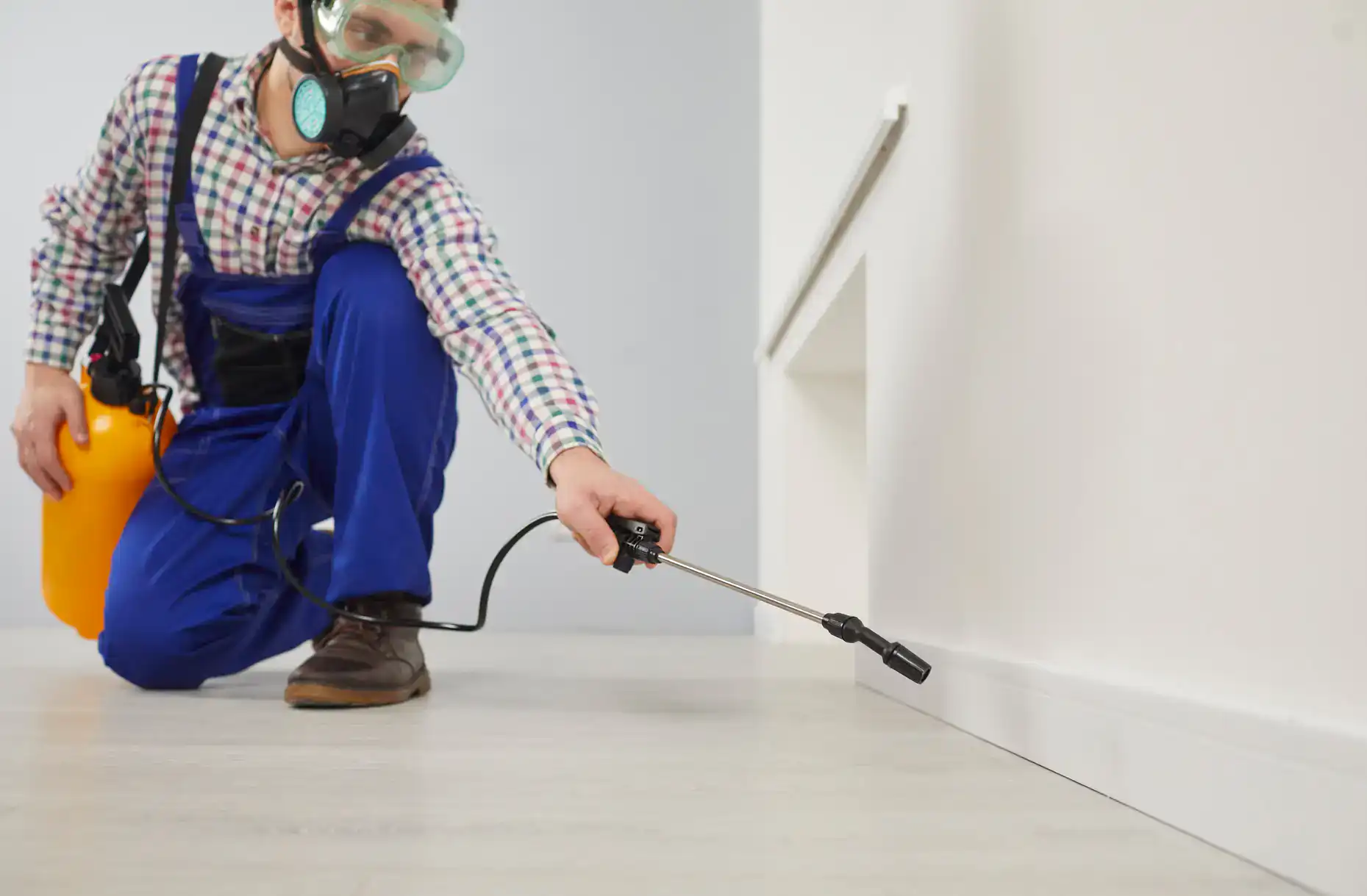
It starts with a call. We offer a free phone consultation no charge, no obligation where you describe what you’re seeing and get an honest assessment of what you’re likely dealing with. If it’s droppings in the kitchen, scratching in the walls, or a sudden surge of activity you suspect is connected to nearby construction on Queens Boulevard, that context shapes everything about how we approach the inspection.
The inspection itself is thorough. One of our technicians examines not just the visible signs inside your unit or building, but the entry points gaps around pipes, cracks in the foundation, openings in the basement utility area that rodents are using to get in. In Elmhurst’s multi-family buildings, that often means looking at shared basement infrastructure and the building’s exterior perimeter, not just the individual apartment. Rodents in a building like this aren’t a single-unit problem, and our inspection reflects that.
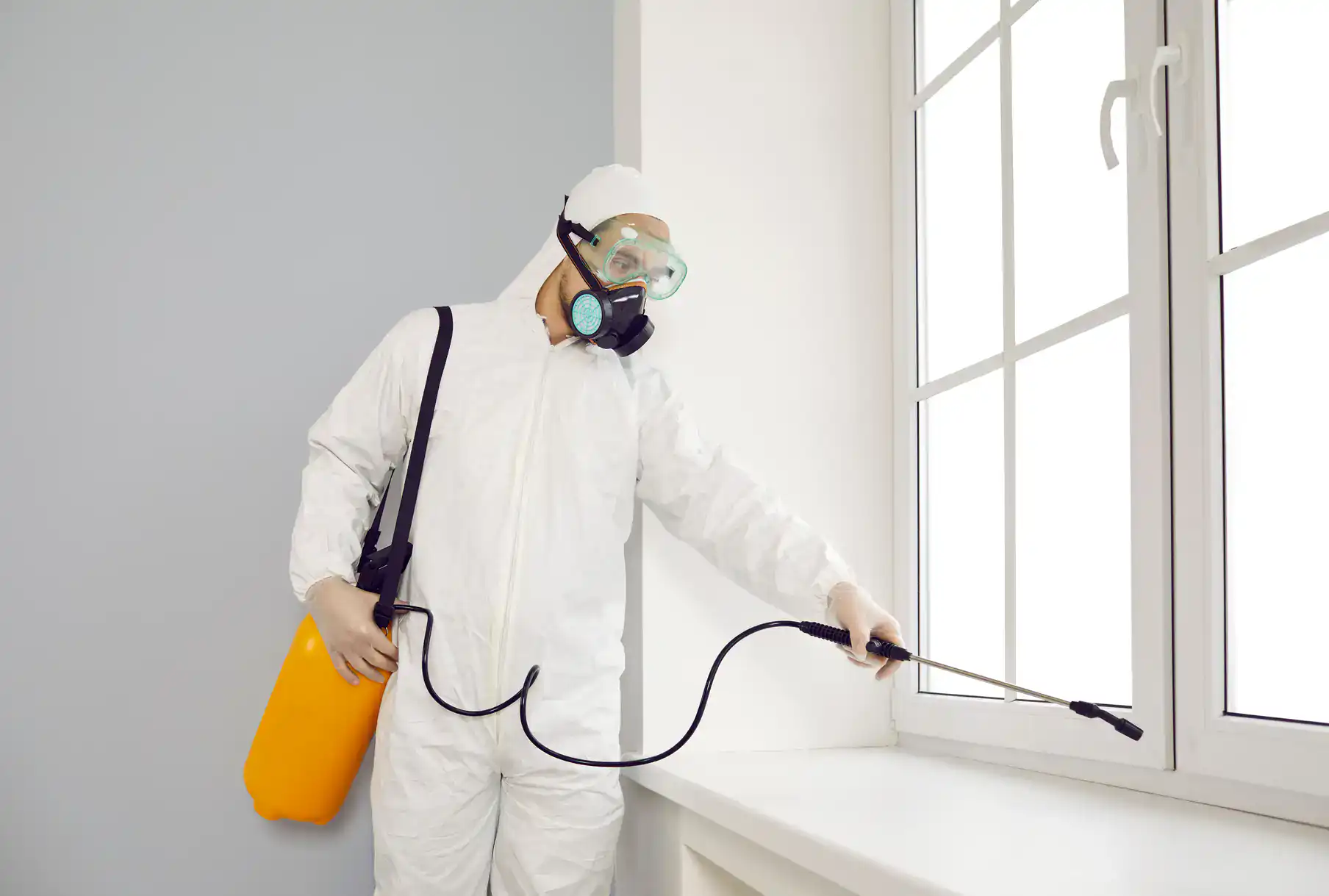
From there, treatment is targeted and uses only NYS DEC-registered materials applied precisely, not broadly. Exclusion work seals the entry points so the same problem doesn’t come back through the same gaps. You’ll know what was found, what was done, and what to watch for. No vague reports, no mystery chemicals, no follow-up surprises.
Ready to get started?
Rodent control in a dense Queens neighborhood like Elmhurst requires a different scope than what works in a detached suburban home. In Elmhurst, where the apartment vacancy rate sits around 2.1% and buildings are fully occupied year-round, the focus has to be on stopping movement through shared infrastructure not just eliminating what’s visible inside one unit.
For residential properties, that means inspecting basement utility rooms, trash areas, pipe penetrations between floors, and the building’s exterior foundation especially in buildings near the LIE corridor or adjacent to active construction. For commercial properties along Queens Boulevard or Grand Avenue, we understand what a DOHMH inspection looks for, what Violation Code 4K means for your letter grade, and what documentation you need to show corrective action. We’ve worked with restaurant operators, property managers, attorneys, and real estate brokers on exactly these situations and that experience is directly applicable to Elmhurst’s restaurant and retail corridor.
Whether it’s a residential rodent removal in an Elmhurst apartment building, an ongoing rodent control service for a commercial property, or an emergency call after a health code citation, the scope of work is built around what your specific building actually needs. Free estimate, honest scope, no pressure.
The most likely explanation is construction displacement. When excavation and demolition work breaks ground in an established urban neighborhood, it destroys the underground burrow systems that Norway rat colonies have used for years. Those colonies don’t disappear they relocate, fast, into the nearest structures that offer warmth, food access, and shelter. The active high-rise construction approved for the Queens Boulevard corridor in Elmhurst is exactly the kind of large-scale ground disturbance that triggers this.
Subway infrastructure is the other major factor. The E, F, M, and R trains run beneath Queens Boulevard, and the 7 train runs along Roosevelt Avenue at the northern edge of Elmhurst. Subway tunnels are well-documented rat travel routes, and buildings with basement connections near those lines face pressure from below street level as well as from the surface. If you’ve noticed a sudden increase in activity and nothing obvious has changed inside your building, look at what’s changed outside it.
Through the building’s shared infrastructure specifically, wall voids, pipe chases, gaps around utility conduits, and basement ceiling cavities. In the prewar and mid-century multi-family buildings that make up a large portion of Elmhurst’s housing stock, these pathways were built before pest exclusion was a design consideration. A rodent that enters through a basement gap doesn’t stay in the basement it follows heat, food smells, and established travel routes up through the building.
This is why treating one unit rarely solves the problem in a multi-family building. If the entry point is in the basement and the travel route runs through a shared wall void, the infestation will return to a treated unit as long as those conditions exist. Effective rodent control in an Elmhurst apartment building requires inspecting the building’s common areas, basement infrastructure, and exterior perimeter not just the unit where the signs are most visible. That’s the approach we take on every multi-unit job.
Yes, in most cases. Under New York City’s Housing Maintenance Code, landlords are legally required to maintain residential buildings free of pest infestations. If you’re a renter in Elmhurst and your landlord has been notified of a rodent problem and hasn’t acted, you have legal recourse including the ability to file a complaint with NYC’s 311 system and pursue the issue through housing court.
Documentation matters in these situations. A written inspection report from a licensed pest control company establishes the presence of an infestation, the likely entry points, and the recommended treatment which is exactly the kind of evidence that carries weight in a housing court proceeding. We are licensed, bonded, and insured, and the inspection reports we provide are the kind that attorneys and property managers take seriously. If you’re in a dispute with your landlord over a rodent problem in an Elmhurst rental, starting with a professional inspection gives you a factual foundation to work from.
Fall is the peak period typically September through November when temperatures drop and rodents actively seek warmth indoors. For Elmhurst specifically, buildings along the Long Island Expressway corridor are particularly exposed during this transition, because Norway rats that have been burrowing in the highway embankments and drainage infrastructure along the LIE move toward heated structures as outdoor temperatures fall. The shift happens quickly, and it often shows up as a sudden increase in activity that catches residents off guard.
Winter is when established infestations become harder to detect and treat, because rodents move deeper into building infrastructure wall voids, ceiling cavities, utility spaces to stay warm. Spring is when reproduction accelerates: a pair of mice that entered in October can produce multiple litters by March. The practical takeaway is that if you’re seeing signs in fall, acting then is significantly easier and less expensive than waiting until a winter infestation has had months to expand. We operate year-round and can respond quickly when the seasonal window opens.
A DOHMH “Evidence of Rats” citation Violation Code 4K carries five or more inspection points, fines between $200 and $350, and the real possibility of a grade drop posted in your window. The first thing you need is documented corrective action, and you need it fast. That means a licensed pest control company performing a thorough inspection, implementing treatment, and providing written documentation of what was found and what was done.
We’ve worked with restaurant operators, property managers, and attorneys on exactly this situation across New York City’s five boroughs. We understand what inspectors are looking for, how to address the specific conditions that triggered the citation, and what an ongoing rodent management program looks like for a food service establishment on a busy commercial corridor like Queens Boulevard or Grand Avenue. The documentation we provide is the kind that holds up when you need to demonstrate compliance not a generic service receipt, but a detailed record of inspection findings, treatment, and exclusion work.
If you’ve had rodents treated before and they came back, you almost certainly need exclusion work. Treatment eliminates the rodents that are present exclusion closes the physical gaps they’re using to get in. Without it, a new population moves in through the same entry points within weeks, especially in a neighborhood like Elmhurst where external rodent pressure is constant and comes from multiple directions.
Common exclusion needs in Elmhurst buildings include gaps around water and gas pipes where they enter through foundation walls, deteriorated door sweeps on basement and ground-floor entries, cracks in foundation concrete near the building’s perimeter, and openings around utility conduits in basement ceilings. These are structural issues, not just pest issues, and identifying them requires a physical inspection of the building’s exterior and basement not just the interior of the affected unit. Our inspection process covers both, and the estimate you receive will specify exactly what exclusion work is recommended and why, so you understand what you’re addressing before any work begins.
Useful Links
Other Services we provide in Elmhurst