Hear from Our Customers
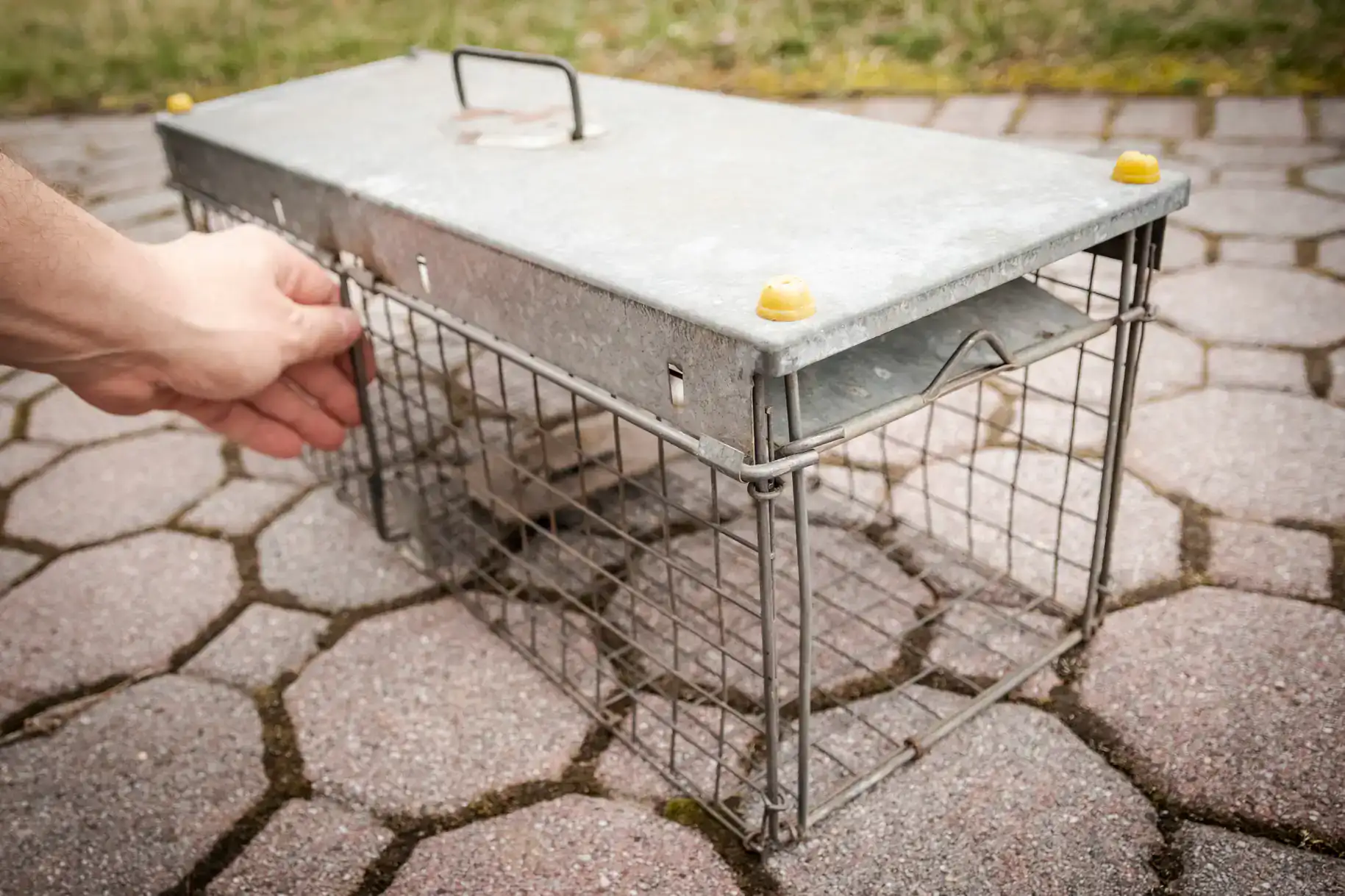
You stop hearing scratching in the walls at night. You stop finding droppings behind the stove or under the sink. You stop wondering whether the snap trap you set last week did anything or whether there are ten more you never saw. That’s what rodent control in Fort Hamilton actually looks like when it’s done right.
Living near the water changes the equation. Fort Hamilton sits where The Narrows meets the Belt Parkway corridor, and Norway rats the dominant species in Brooklyn are strong swimmers with well-documented harborage along tidal drainage infrastructure and shoreline embankments. Shore Road Park, the Belt Parkway approach, and the margins of Dyker Beach Golf Course to the east all create year-round pressure that pushes rodents toward residential streets, especially as temperatures drop in the fall.
The prewar co-ops and apartment buildings along Fort Hamilton Parkway, Shore Road, and the surrounding blocks were built in the 1920s and 1930s. They’re well-kept buildings, but aging foundations, decades-old pipe penetrations, and shared party walls create entry points that no hardware store trap is going to address. A mouse needs a gap the size of a pencil eraser. A rat needs a hole the size of a quarter. In a building from 1928, those gaps exist and they’re usually in places you’d never think to check.
We were founded in 1971 by Richard Kourbage Sr. not in a corporate office, but in Brooklyn, where the work actually happens. His sons Richard Jr. and Charles joined the business in the late 1980s and have been running it since. That’s three members of the same family, over five decades, treating rodent infestations in the same borough we’ve always called home.
We’re based out of Marine Park about five miles east of Fort Hamilton along the Belt Parkway corridor. Same coastline, same building stock, same rodent pressure patterns. We hold an A+ BBB rating with accreditation going back to May 1989, are fully licensed by the NYS Department of Environmental Conservation, and are bonded and insured. New York attorneys and real estate brokers regularly refer clients to us for property transactions and health code issues which matters in a neighborhood with as many co-op buildings and prewar properties as Fort Hamilton.
This isn’t a franchise. We’re a Brooklyn company with a Brooklyn track record, and we understand the specific challenges that Fort Hamilton residents face.
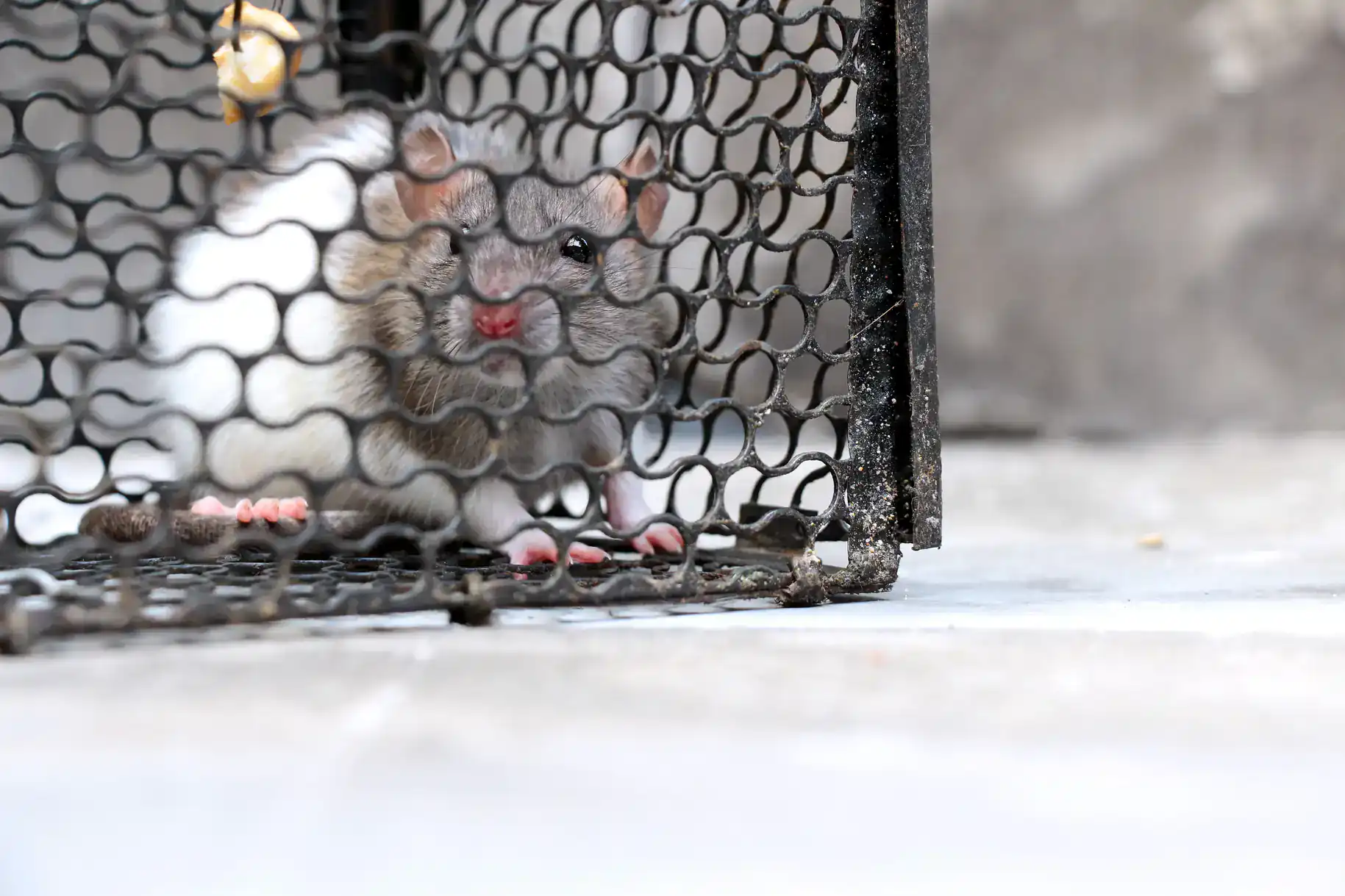
It starts with a free phone consultation. You describe what you’re seeing droppings, sounds, entry points you’ve noticed, how long it’s been going on. That conversation alone usually tells an experienced technician a lot about what species you’re dealing with and how established the infestation is. From there, we schedule an inspection, and we guarantee an appointment within 48 hours.
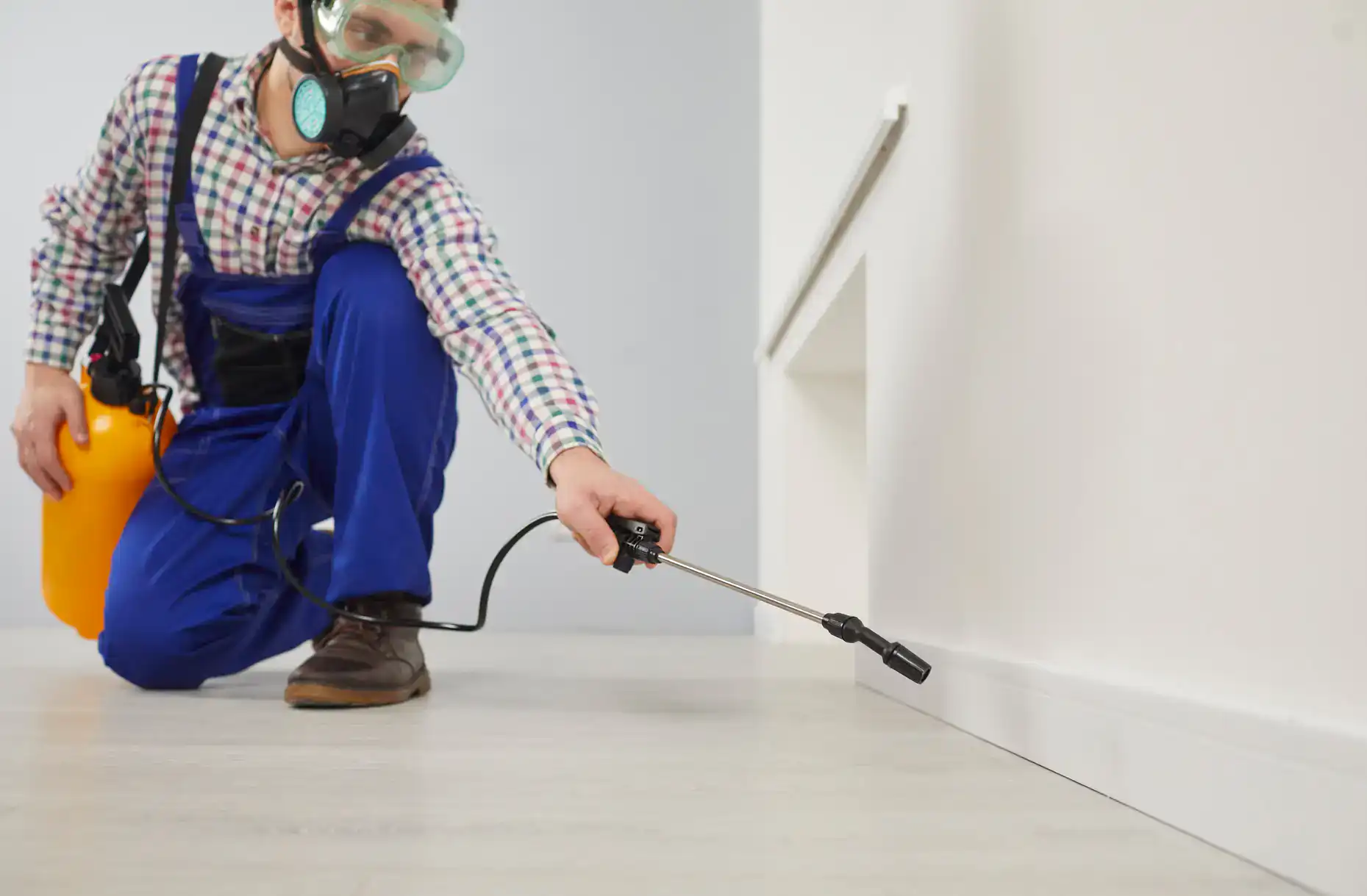
On-site, our technician does a full interior and exterior inspection not just the obvious spots. In Fort Hamilton’s prewar buildings, that means checking basement utility penetrations, foundation gaps, party wall interfaces, and the areas around aging pipe runs where mortar has deteriorated over the decades. For homes near the Belt Parkway or the Verrazzano Bridge approach, we also look at exterior foundation conditions, since the ongoing vibration from heavy bridge traffic can gradually widen gaps that weren’t an issue a few years ago. Every entry point gets documented.
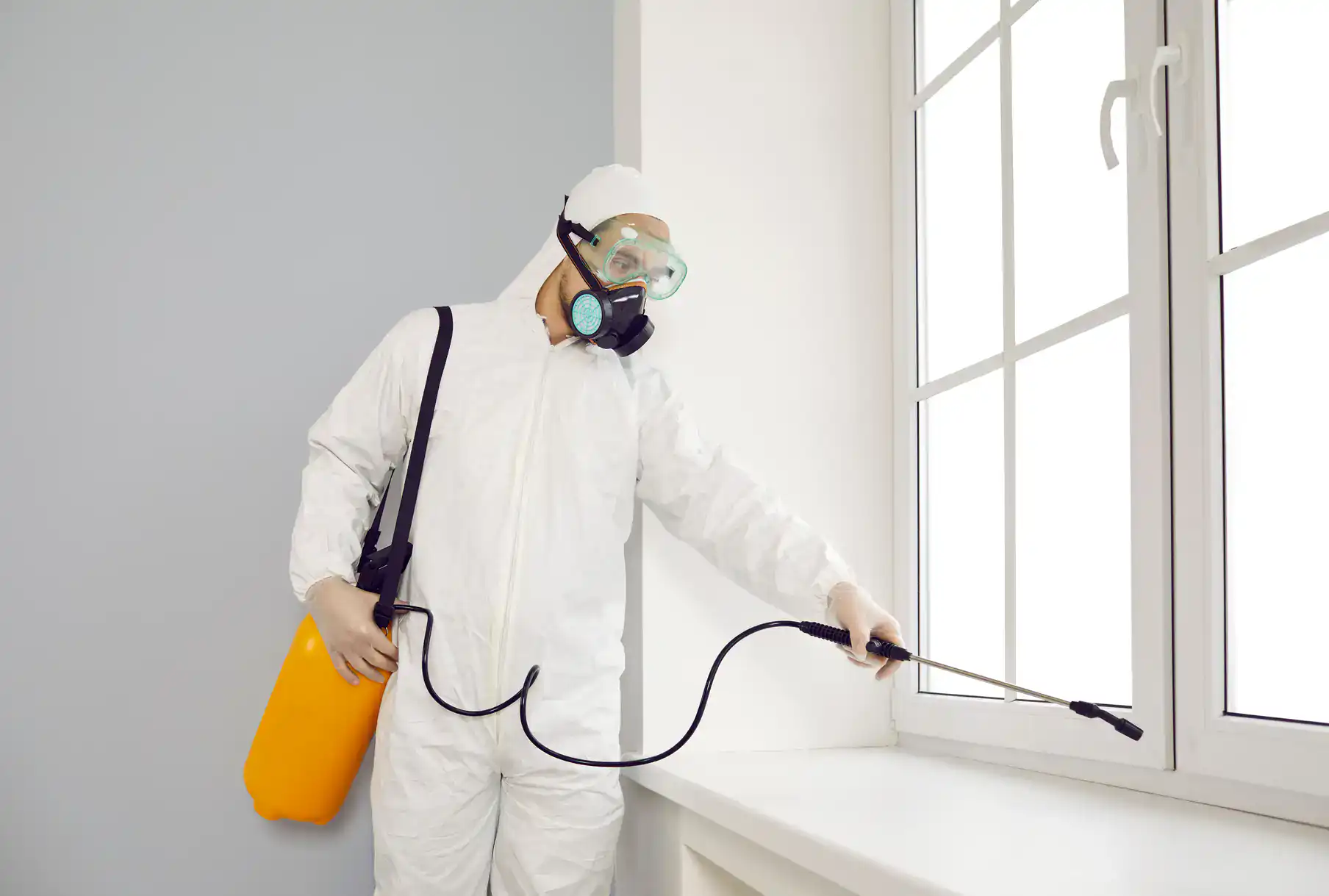
Treatment is built around what the inspection finds not a generic protocol. We use only NYS DEC-registered materials, applied by our licensed pesticide applicators. After treatment, we walk you through what was done, what signs to watch for, and whether a follow-up or ongoing maintenance plan makes sense given your building type and location. In a waterfront neighborhood like Fort Hamilton with year-round rodent pressure, that last conversation is usually worth having.
Ready to get started?
Rodent control in Fort Hamilton isn’t a one-size-fits-all service, and we don’t treat it like one. Whether you’re in a prewar six-story co-op off Shore Road, a single-family home near Dyker Beach Park, or a rental apartment a few blocks from the base perimeter on Fort Hamilton Parkway, our approach is tailored to your building type, your infestation level, and the specific pressure sources in your immediate area.
Every service includes a thorough inspection, targeted treatment using NYSDEC-registered materials, and a clear explanation of what was found and what was done. For buildings with ongoing exposure particularly those near the Belt Parkway shoreline corridor, adjacent to Dyker Beach Golf Course, or on blocks close to the bridge approach we also offer maintenance plans designed to keep pressure from rebuilding between visits. Under New York City’s Housing Maintenance Code, landlords are required to keep buildings free of pests, and the NYC Department of Health requires commercial properties to maintain documented pest management records. If you’re a property owner, co-op board member, or building manager dealing with a compliance issue, we can provide the documentation you need.
The first step costs nothing. Free phone consultation, free estimate, no obligation. You find out what you’re dealing with before you spend a dollar.
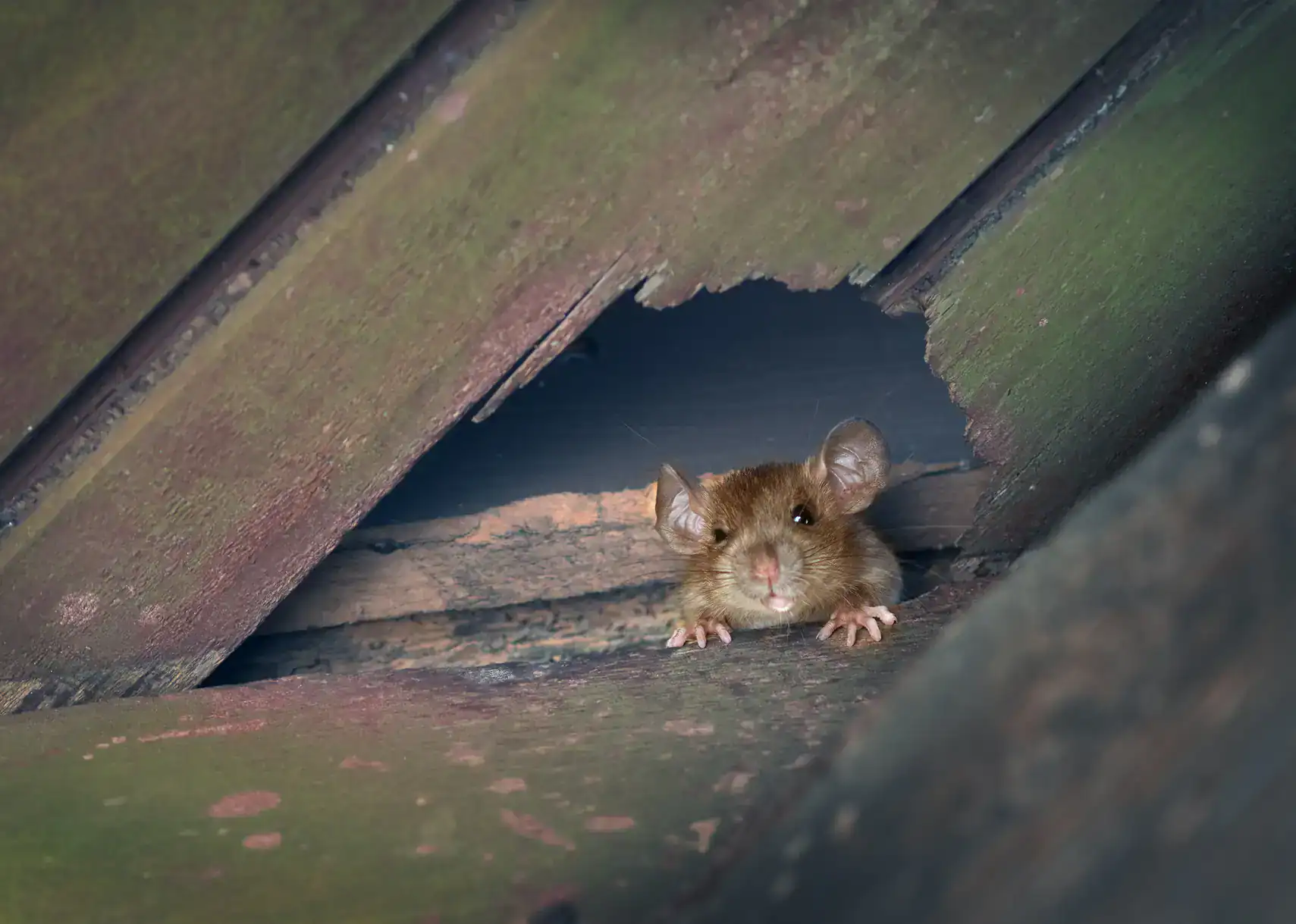
The waterfront corridor along Shore Road and the Belt Parkway approach is one of the more consistent rodent pressure zones in southwestern Brooklyn. Norway rats are strong swimmers and are well-established near tidal drainage infrastructure, harbor-adjacent green spaces, and the landscaped embankments along the parkway. The Belt Parkway’s drainage system and the wooded margins of Shore Road Park provide year-round harborage meaning the population doesn’t disappear in winter, it just looks for somewhere warmer, which is often the basement of the nearest residential building in Fort Hamilton.
This is not a problem unique to one block or one building. It’s a geography issue specific to this waterfront area. Residents along the waterfront side of Fort Hamilton deal with a level of ongoing rodent pressure that inland Brooklyn neighborhoods simply don’t experience in the same way. Professional treatment addresses the immediate infestation, but in this specific location, a maintenance plan is usually what keeps the problem from returning every season.
The prewar buildings along Fort Hamilton Parkway, Narrows Avenue, and the surrounding residential streets were built in a different era of construction one that didn’t account for the long-term deterioration of mortar joints, pipe penetrations, and foundation seals. After 80 or 90 years, those gaps are real. A mouse can fit through an opening the size of a pencil eraser. A rat needs roughly the size of a quarter. In buildings from the 1920s and 1930s, those openings exist around utility conduits, aging pipe runs, basement wall cracks, and shared party walls between units often in areas that residents never see and landlords rarely inspect.
The solution isn’t just treatment it’s exclusion. Finding and sealing those entry points is what separates a rodent removal that holds from one that requires a repeat visit in three months. Our inspection is designed specifically to find these points in prewar Brooklyn construction, not just the obvious spots a homeowner would check first.
It depends on your building and your location. For a single-family home with a contained, early-stage infestation and no major structural entry points, one thorough treatment combined with exclusion work can resolve the problem for a long time. But for buildings near the Belt Parkway shoreline, adjacent to Dyker Beach Park, or on blocks close to the Verrazzano Bridge approach, the environmental pressure is ongoing. Rodents are constantly active in those harborage zones, and without a barrier keeping them out, reinfestation is a real possibility.
Milder winters in the NYC metro area have also reduced the seasonal die-off that used to naturally thin rodent populations each year. Populations entering each breeding season are larger than they were a decade ago and a female mouse reaches reproductive maturity at two months old. In Fort Hamilton’s waterfront environment, an honest answer is that one treatment handles what’s there now, and a maintenance plan handles what tries to come back.
It can, indirectly. The Army operates its own pest management protocols on the 176-acre installation, and when those efforts are active, they can temporarily displace established rodent populations from the base’s green spaces and drainage infrastructure into the surrounding civilian blocks. Residents on streets adjacent to the base perimeter particularly along Fort Hamilton Parkway and the streets nearest the installation’s landscaped grounds may notice increased rodent activity during or after on-base maintenance seasons.
This isn’t a frequent or dramatic effect, but it’s a real one, and it’s specific to the blocks closest to the perimeter. If you’ve noticed an uptick in rodent activity around the base-adjacent streets and can’t identify a clear source in your own building, displacement from nearby pest management activity is worth factoring in. A professional inspection will determine whether the entry points and harborage are in your structure or whether the pressure is primarily coming from outside.
The CDC identifies over 35 diseases that rats and mice can spread and transmission doesn’t require direct contact with the animal. Hantavirus, leptospirosis, salmonella, and rat-bite fever can all be spread through contact with rodent droppings, urine, or nesting materials. In a waterfront neighborhood like Fort Hamilton, where Norway rats are active near tidal drainage and harbor infrastructure, the risk isn’t theoretical. These are established urban rodent populations in close proximity to residential buildings.
Beyond disease, rodents are responsible for an estimated 25% of unexplained house fires in the United States annually, according to the National Pest Management Association caused by gnawing through electrical wiring inside walls. In the prewar buildings common to Fort Hamilton, where original wiring may still be in place in some areas, that risk compounds. A rodent infestation is a health issue and a structural one. Treating it quickly and thoroughly is the practical response.
Co-op buildings present a specific challenge because the infestation rarely stays in one unit. Shared party walls, common basement areas, and interconnected utility runs mean that a rodent problem in one apartment can originate or migrate from a completely different part of the building. Treating a single unit without inspecting the common areas and adjacent spaces usually produces incomplete results.
We’ve worked with co-op boards, property managers, and building owners throughout Brooklyn for decades, and we’re regularly referred by New York attorneys and real estate brokers for exactly this kind of situation whether it’s a health code citation, a pre-sale inspection, or a board that needs documented professional pest management for compliance purposes. Under New York City’s Housing Maintenance Code, landlords are required to keep buildings free of pests. If your co-op board in Fort Hamilton is dealing with a rodent issue that’s gone unresolved, or if you need documentation for a property transaction, we can handle both the treatment and the paperwork that goes with it.
Useful Links