Hear from Our Customers
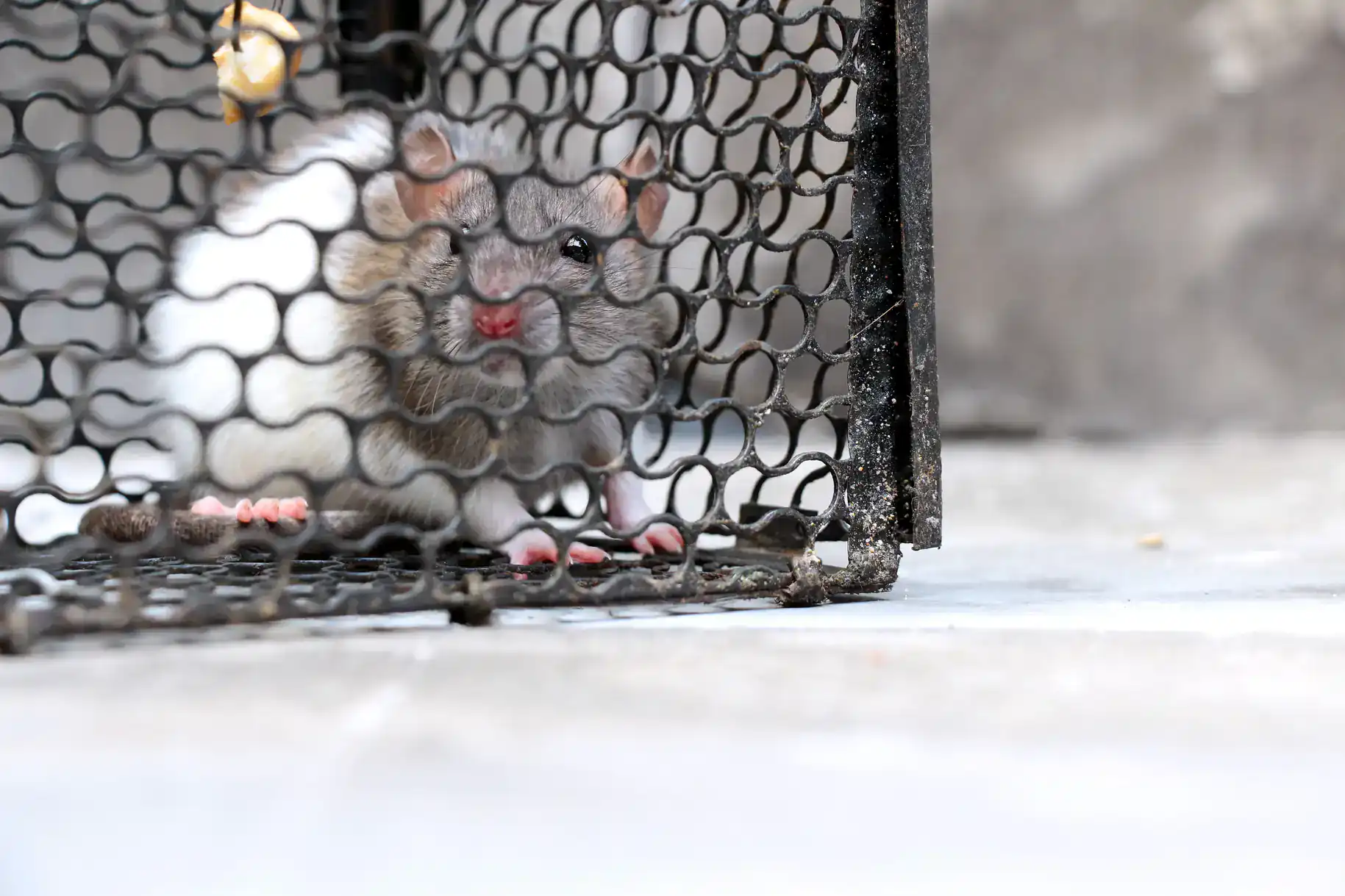
You stop hearing scratching at 2 AM. You stop finding droppings behind the stove or in the back of a cabinet. You stop wondering whether the kids or your elderly parent has been exposed to something. That’s what a resolved rodent infestation actually looks like and it’s the only outcome worth paying for.
In Gravesend, the challenge isn’t just catching a few rodents. It’s understanding where they’re coming from. The creek-adjacent sections of the neighborhood sit in an official NYC flood zone, and Norway rats the dominant species in New York City are semi-aquatic. They burrow along tidal inlets, thrive in waterlogged soil, and follow drainage corridors directly into the nearest available structure. If your home is in the southern end of Gravesend, near Coney Island Creek, your baseline rodent pressure is higher than most of Brooklyn before a single crumb hits the floor.
The Coney Island Subway Yard adds another layer. When maintenance crews clean tunnels, perform infrastructure work, or disrupt established colonies, those rodents don’t disappear they migrate. The blocks adjacent to the yard are in the direct path of that displacement. Combine that with Gravesend’s older housing stock row houses and semi-detached homes built in the early-to-mid 20th century with deteriorating foundations, aging pipe penetrations, and worn door sweeps and you have the conditions that turn a small problem into a full infestation fast. Solving it means addressing the entry points, not just the rodents you can see.
We’ve been operating out of Marine Park since 1971 one neighborhood over from Gravesend. That’s not a coincidence. Southern Brooklyn is our territory, and we know it in a way that a company dispatching from Queens or a national franchise running a call center simply doesn’t.
Richard Kourbage Sr. founded Kingsway Exterminating, and his sons Richard Jr. and Charles have been running jobs alongside him since the late 1980s. When you call, you’re dealing with a family that has a personal stake in the outcome. We hold an A+ rating with the Better Business Bureau of New York State and have been BBB-accredited since 1989. We’re fully licensed, bonded, and insured, and we apply only NYS DEC-registered materials which isn’t just good practice in New York City, it’s the law.
New York attorneys and real estate brokers refer clients to us regularly, especially when a rodent issue surfaces during a property transaction. In a neighborhood where homes trade for $800,000 to well over a million dollars, that kind of professional trust matters.
It starts with a call. You describe what you’re seeing droppings, sounds in the walls, a sighting in the basement and we’ll give you a straight read on what you’re likely dealing with before anyone sets foot in your home. That consultation is free, and there’s no pressure attached to it.
When we come out, the first thing we do is a full interior and exterior inspection. In Gravesend’s older row houses and semi-detached homes, that means checking the foundation for deteriorating mortar, looking at every utility penetration, inspecting basement walls, and walking the perimeter for burrowing signs near the foundation line. Rats can enter through a hole the size of a quarter. Mice need even less. Most homeowners miss the actual entry points entirely and that’s why DIY traps fail. You catch a few rodents, think it’s done, and the scratching comes back within a week.
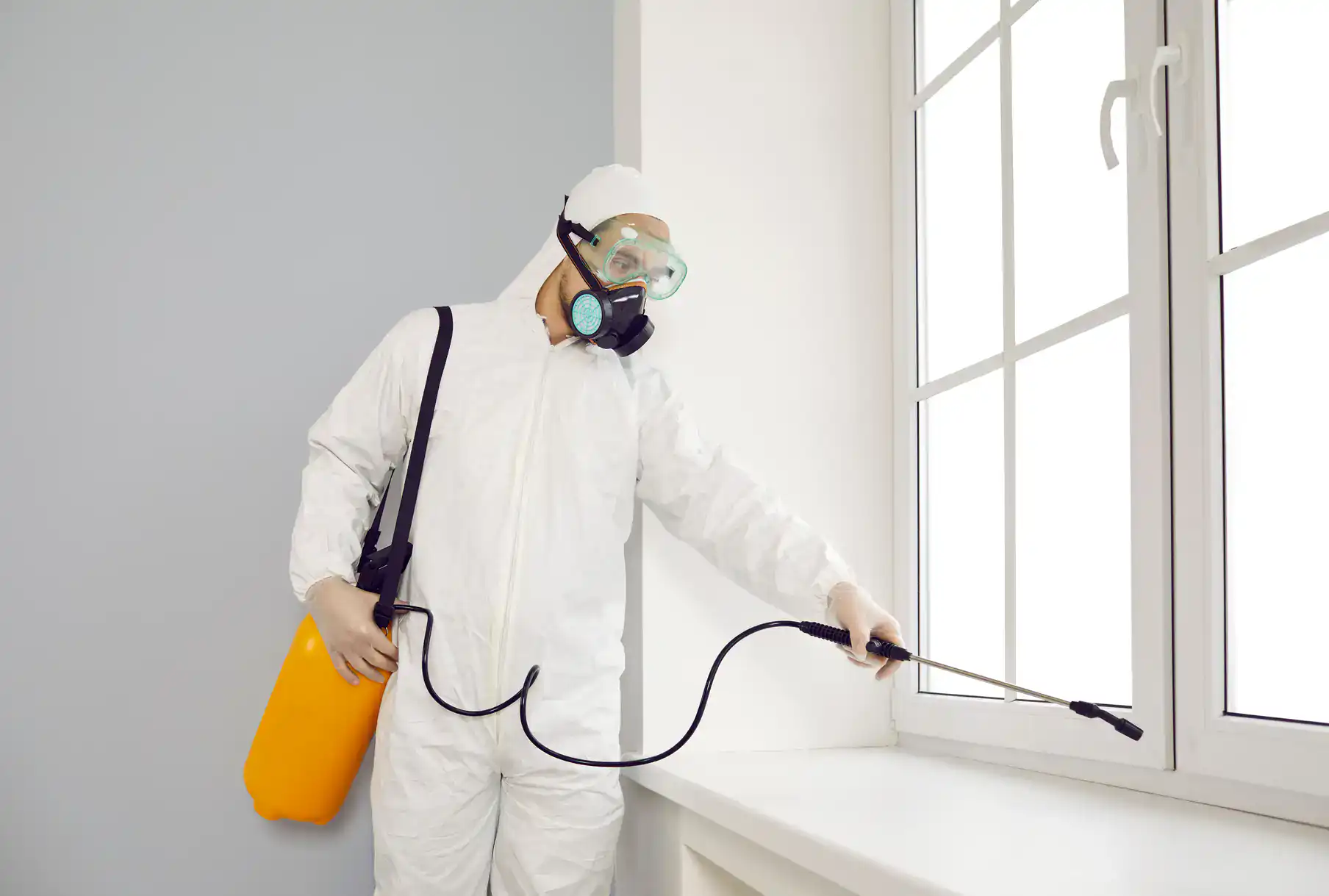
After the inspection, we put together a treatment plan that fits what’s actually happening in your home not a one-size-fits-all package. Treatment is followed by exclusion work: sealing the entry points with professional-grade materials that rodents can’t chew through. That’s the step that makes the difference between a temporary fix and a permanent one. We also walk you through what to expect after treatment, including any follow-up visits needed to confirm the problem is fully resolved.
Ready to get started?
Rodent control in Gravesend isn’t a single service it’s a sequence of steps that each matter. The inspection comes first, because without knowing where rodents are entering and nesting, any treatment is incomplete. In this neighborhood specifically, that means paying close attention to the structural details that older Brooklyn housing stock is known for: foundation gaps, deteriorating brick pointing, aging utility chases, and basement wall penetrations that have been patched and re-patched over decades.
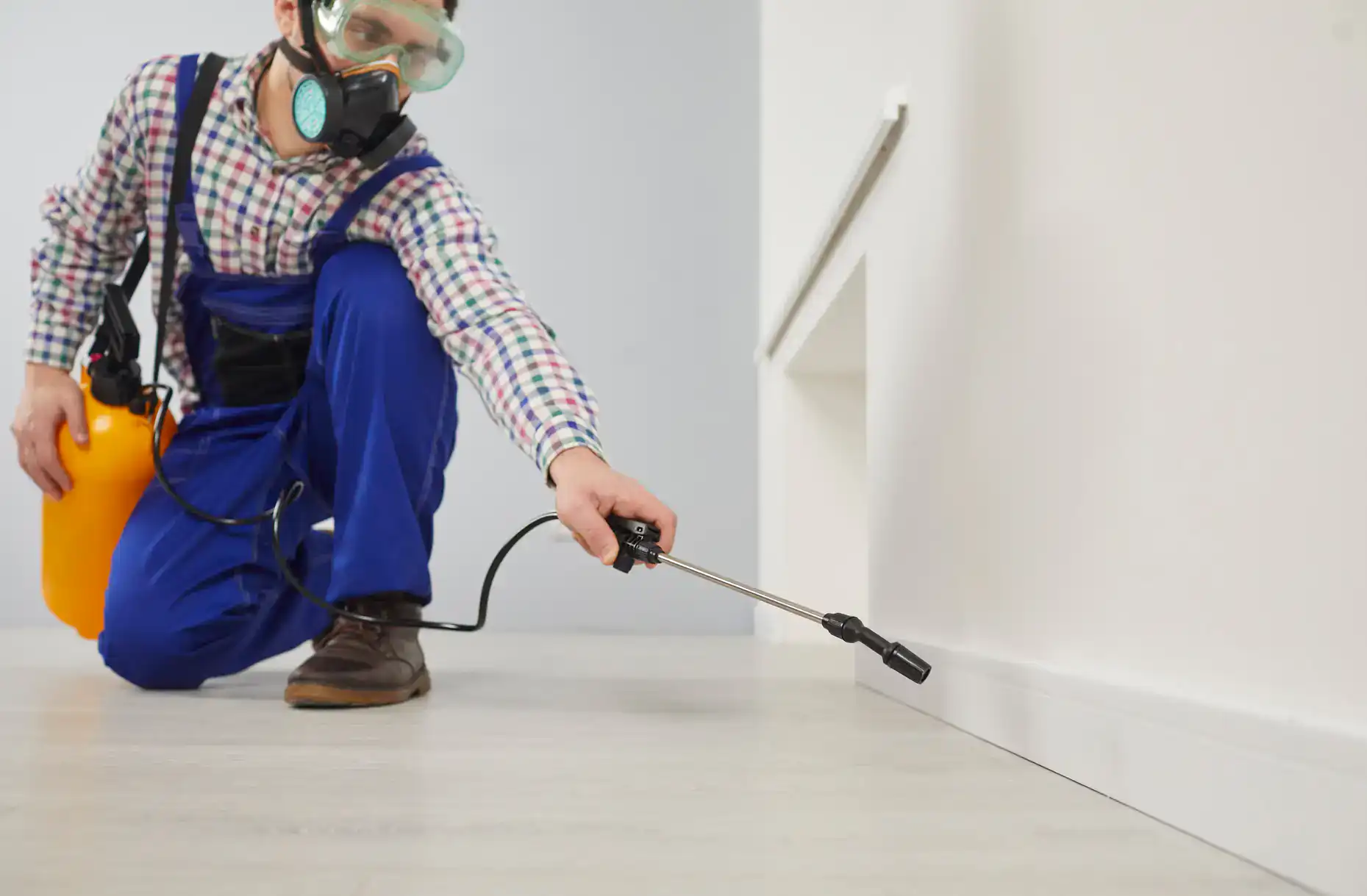
Treatment uses only NYS DEC-registered rodenticides and control methods, applied by licensed applicators. That’s a legal requirement in New York State not a marketing point. It also matters practically, because the wrong product applied incorrectly in a home with children, pets, or elderly residents creates a different kind of problem. We take that seriously.
Exclusion work is where the long-term result comes from. We seal the entry points rodents are using with materials rated for the job not foam from a hardware store that a determined rat chews through in an afternoon. For properties near Kings Highway or Avenue U, where commercial food waste from the dense restaurant corridors creates persistent rodent pressure in adjacent residential blocks, exclusion is especially critical. The Marlboro Houses complex along Stillwell Avenue also creates a rodent pressure zone that affects privately owned properties nearby. We account for that in how we approach homes in those parts of Gravesend.
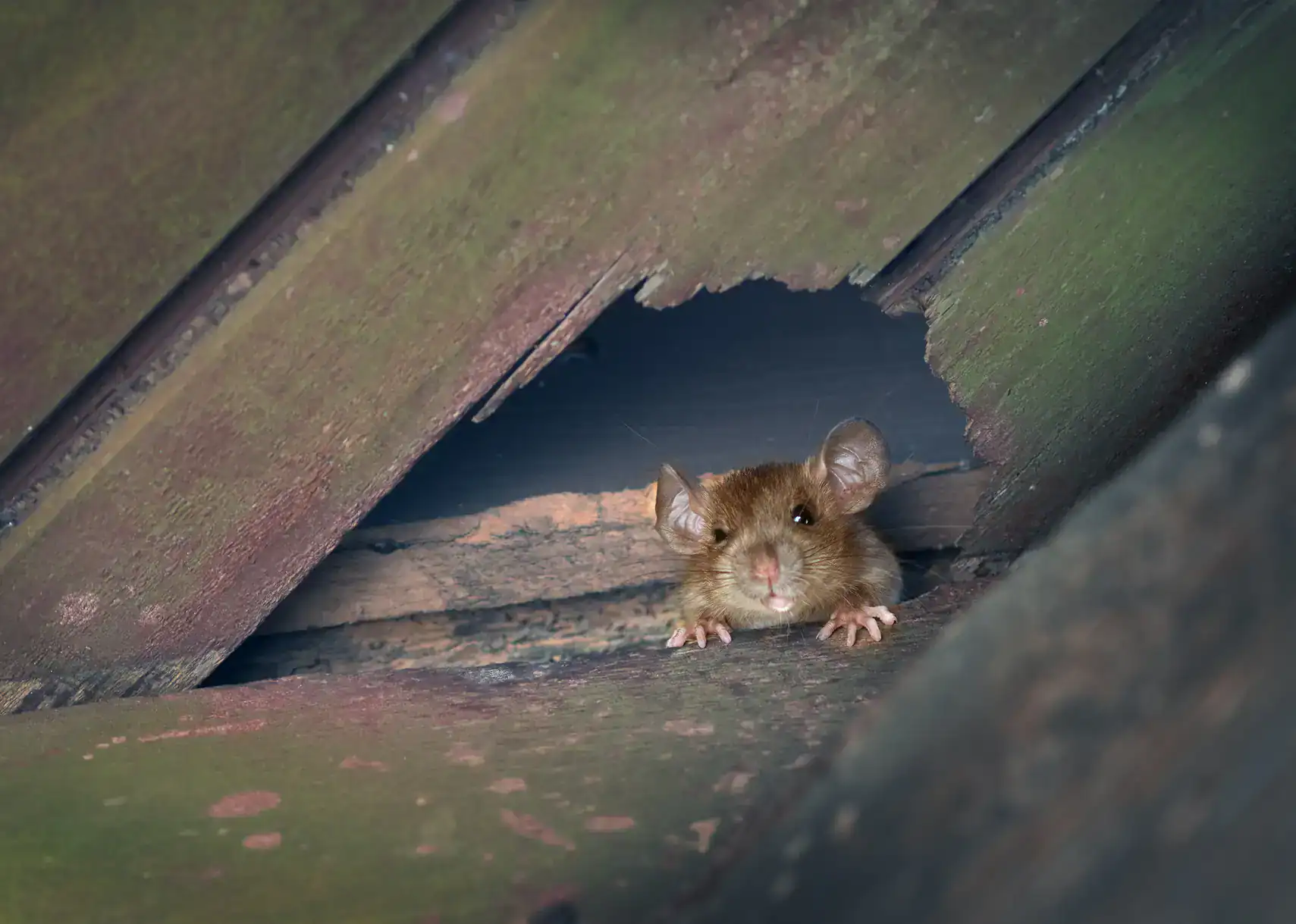
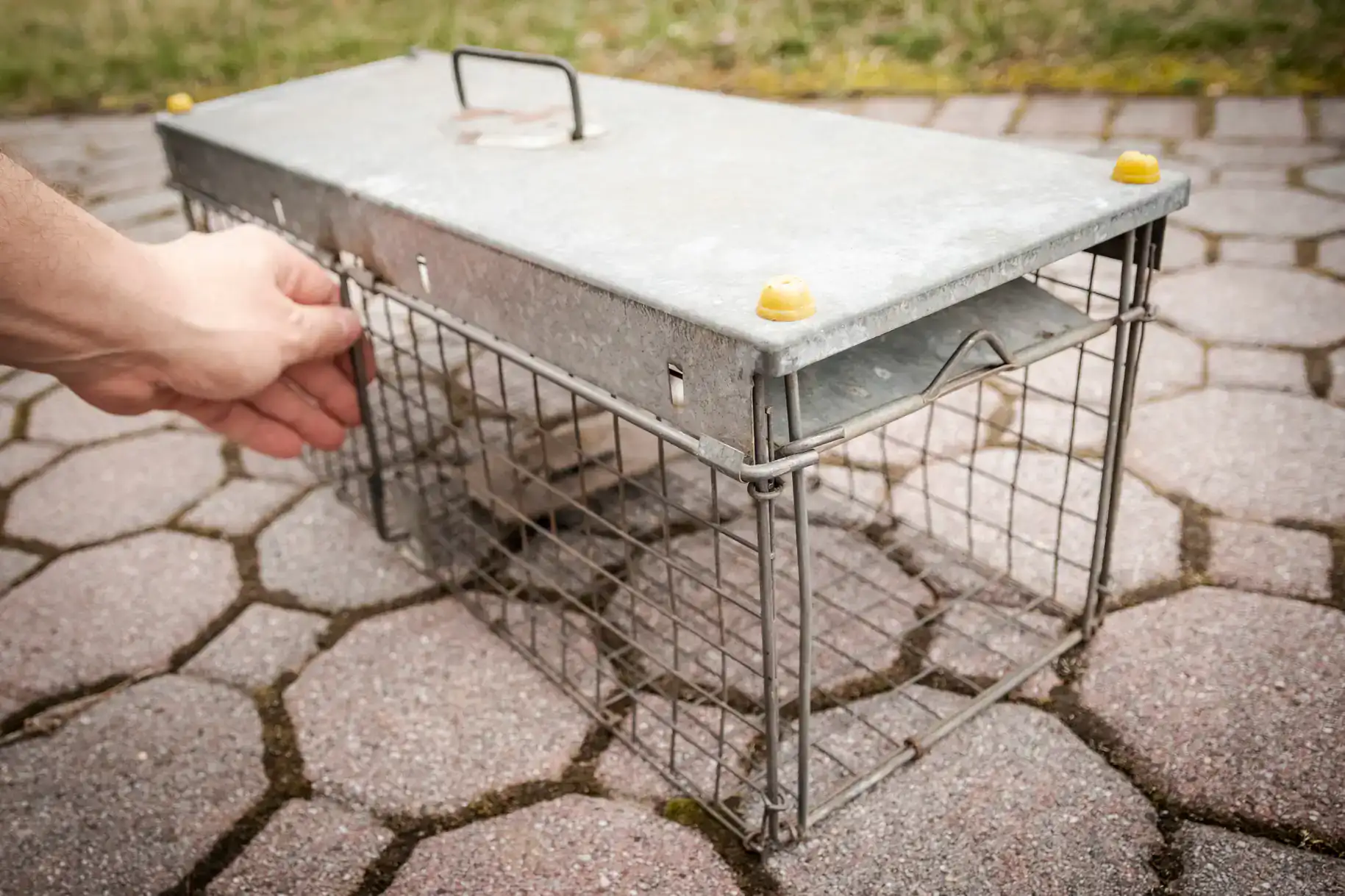
Traps catch rodents they don’t stop more from coming in. If your home has an active entry point, you can empty traps indefinitely and the problem won’t resolve. In Gravesend’s older housing stock, entry points are rarely obvious. They’re in the foundation mortar, around pipe penetrations in the basement, behind appliances where utility lines enter the wall, or along the roofline where aging wood has pulled away from the structure. A professional inspection identifies all of them, not just the obvious ones.
The other factor is population pressure. If your home is near the Coney Island Subway Yard, the creek corridor, or the commercial stretches of Kings Highway or Avenue U, you’re dealing with a sustained external rodent population that will keep sending individuals into your home as long as there’s a way in. Exclusion sealing those entry points with the right materials is the only way to break that cycle. Traps are a tool, not a solution on their own.
It does change the approach, and the signs are usually clear enough to distinguish before we even arrive. Rat droppings are roughly the size and shape of a large olive pit dark, tapered at both ends, and typically found along walls or in basements. Mouse droppings are much smaller, about the size of a grain of rice, and tend to show up in kitchen cabinets, behind appliances, and in pantry areas. Gnaw marks also differ rats leave larger, rougher damage, often on structural materials; mice tend to gnaw smaller, cleaner holes in softer materials.
In Gravesend, Norway rats are the dominant rodent species and are the more common problem in homes near the creek corridor and subway yard. House mice are more common throughout the interior residential blocks, especially in row houses and apartment buildings where they move through shared walls and utility chases. The treatment methods, bait types, and exclusion materials differ between the two, which is why a proper identification during the inspection matters before any treatment begins.
It’s not overstated. The CDC documents more than 35 diseases that rats and mice can spread to humans including hantavirus, leptospirosis, salmonella, and rat-bite fever. These aren’t transmitted only through direct contact. Breathing in dust from dried droppings or urine is enough to expose someone to hantavirus. Salmonella can contaminate food surfaces that rodents have walked across without leaving any visible sign. In a home with young children, elderly family members, or anyone with a compromised immune system, the risk is real and the exposure can happen without anyone realizing it.
Gravesend has a high proportion of multi-generational households, which means the stakes are higher than they would be in a single-occupant apartment. Rodents also carry fleas and ticks into the home, which introduces a secondary exposure risk. Part of what a professional treatment addresses is the safe handling and removal of contaminated material something that DIY approaches rarely account for, and that can actually make the exposure worse if handled incorrectly.
Yes, and it’s a real concern in Gravesend’s attached and semi-detached row houses. The National Pest Management Association estimates that rodents cause up to 25% of house fires in the United States each year by gnawing through electrical wiring. Rodents chew continuously it’s a biological necessity, not a preference and insulated wiring is one of their targets. A chewed wire in a wall void can arc and ignite insulation without any visible warning sign.
In Gravesend’s attached housing, this risk has an added dimension: a fire that starts in one unit can spread to the adjacent home through shared walls before the fire department arrives. That’s the physical reality of the neighborhood’s row house construction. Treating a rodent infestation as a property safety issue, not just a nuisance, is the right frame. The cost of a professional treatment is a fraction of what a structural fire costs, and the peace of mind that comes with knowing your wiring is no longer at risk is worth the call alone.
Faster than most people expect. A female house mouse can produce six to ten litters over her lifespan, with the first litter arriving as early as two months of age. A pair of mice that finds its way into your home in September can become a significant population by November if nothing is done. Rats reproduce somewhat more slowly, but a Norway rat colony that establishes itself in a basement or wall void grows quickly and is much harder to eliminate once it’s entrenched.
The seasonal timing matters here. Rodent activity in Gravesend as throughout New York City increases by roughly 25% during fall and winter as temperatures drop and rodents seek warmth indoors. The first cold snaps in October are when the phone starts ringing. If you’re hearing scratching or finding droppings now, the window to address it before the population grows is open but it doesn’t stay open long. Calling at the first sign of activity is always better than waiting to see how bad it gets.
Yes, and multi-unit properties require a different approach than single-family homes. In an apartment building or attached row house, rodents move freely through shared walls, utility chases, and floor penetrations. Treating one unit without addressing the building as a whole typically means the problem migrates rather than resolves the rodents simply move to the next unit and return when treatment dissipates.
For landlords and property managers in Gravesend, there’s also a compliance dimension. New York City’s Health Code requires building owners to maintain properties free of rodents and harborage conditions. The NYC Department of Health receives roughly 40,000 rodent complaints annually through 311 citywide, and properties that receive complaints can be subject to formal inspections and health code violations that carry real financial consequences. Our written inspection reports and service documentation give property owners the paper trail they need if a violation is issued or a tenant dispute arises. We work with landlords, property managers, and co-op boards throughout southern Brooklyn, including properties near the Marlboro Houses corridor where rodent pressure on adjacent private buildings is a known and recurring issue.
Useful Links
Other Services we provide in Gravesend