Hear from Our Customers
No more scratching in the walls at 2 a.m. No more droppings near the stove. No more wondering if the problem is getting worse while you wait. When rodent control is done right, you stop managing anxiety and start feeling like your home is yours again.
Greenpoint’s building stock makes this harder than most places. The pre-war rowhouses, converted lofts, and century-old tenements along Nassau Avenue and the blocks off Franklin Street have gaps, cracks, and aging plumbing penetrations that most people have never seen. Rats don’t need much a hole the size of a quarter is enough. That’s why treatment without exclusion is just temporary relief. The right approach closes the door behind the treatment so the problem doesn’t cycle back.
Construction displacement is real here too. Every time a new development breaks ground near the waterfront or along McGuinness Boulevard, established rat colonies get pushed out of the soil and into the nearest occupied building. That’s not a reflection of how you keep your home. It’s a structural feature of living in Greenpoint, a neighborhood that’s been under active development for nearly two decades. Understanding that context changes how the problem gets solved.
We were founded in 1971 by Richard Kourbage Sr. and have been run by his sons Richard Jr. and Charles since the late 1980s. That’s over 50 years of continuous operation in Brooklyn the same borough, the same building types, the same pest pressures you see in Greenpoint. No franchises. No national call centers. A Brooklyn family business that has outlasted more competitors than most people can count.
We hold an A+ rating with the Better Business Bureau and have been BBB-accredited since 1989. All materials we apply are registered with the New York State Department of Environmental Conservation. In a neighborhood like Greenpoint where residents have spent decades fighting for environmental accountability around Newtown Creek that’s not a small thing. You deserve to know exactly what’s being applied in your home and by whom.
We’re also regularly referred by New York attorneys and real estate brokers for property transactions throughout Brooklyn. That kind of professional referral doesn’t happen by accident. It’s built over years of showing up, doing the work correctly, and being accountable for the outcome.
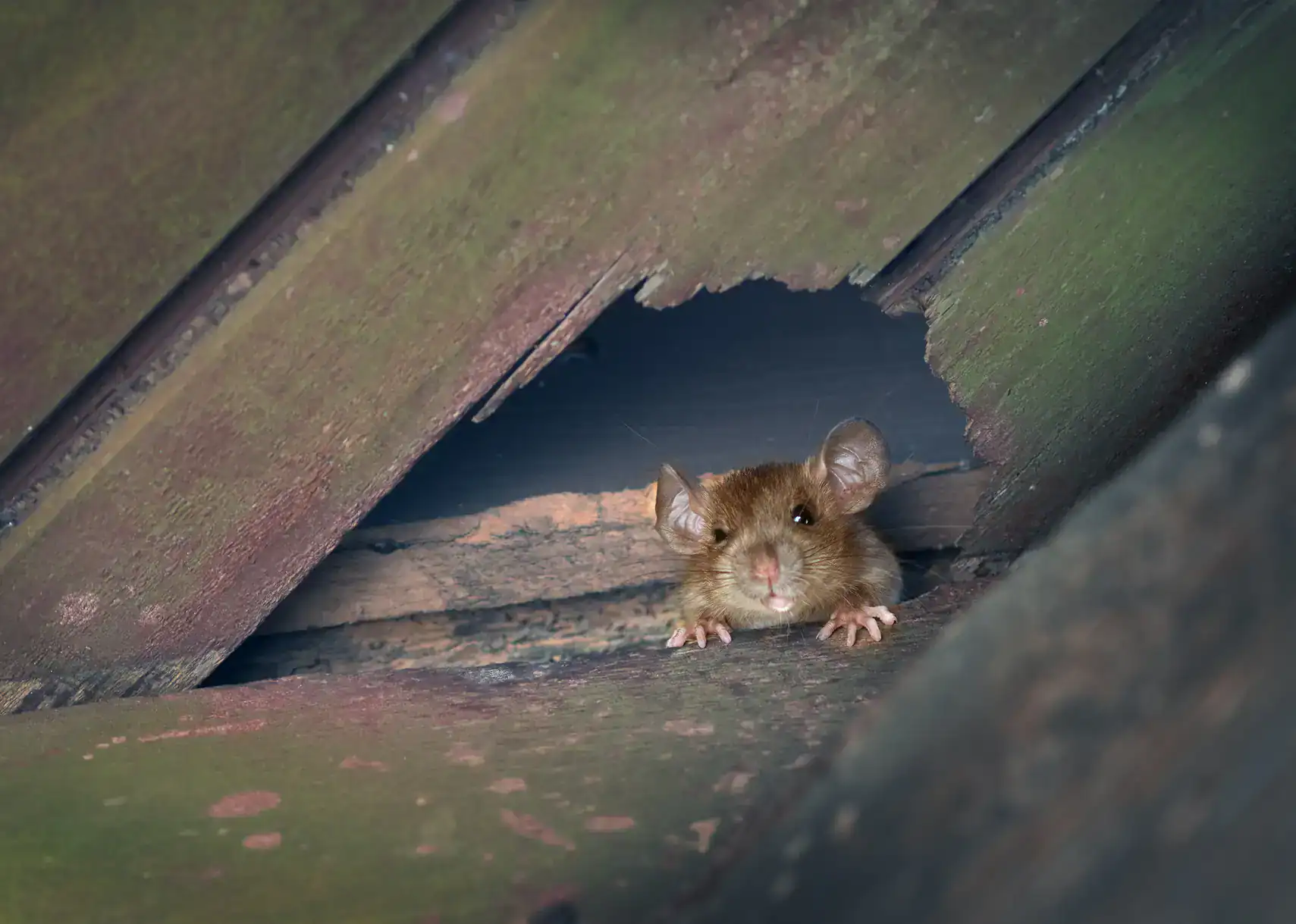
It starts with a thorough inspection not a quick walkthrough, but a real look at both the interior and exterior of the property. In Greenpoint’s older building stock, that means checking foundation walls for settlement cracks, looking at every plumbing penetration, examining wall cavities, and identifying any harborage conditions that are giving rodents a reason to stay. The inspection tells us what species we’re dealing with, where they’re entering, where they’re nesting, and what’s sustaining them.
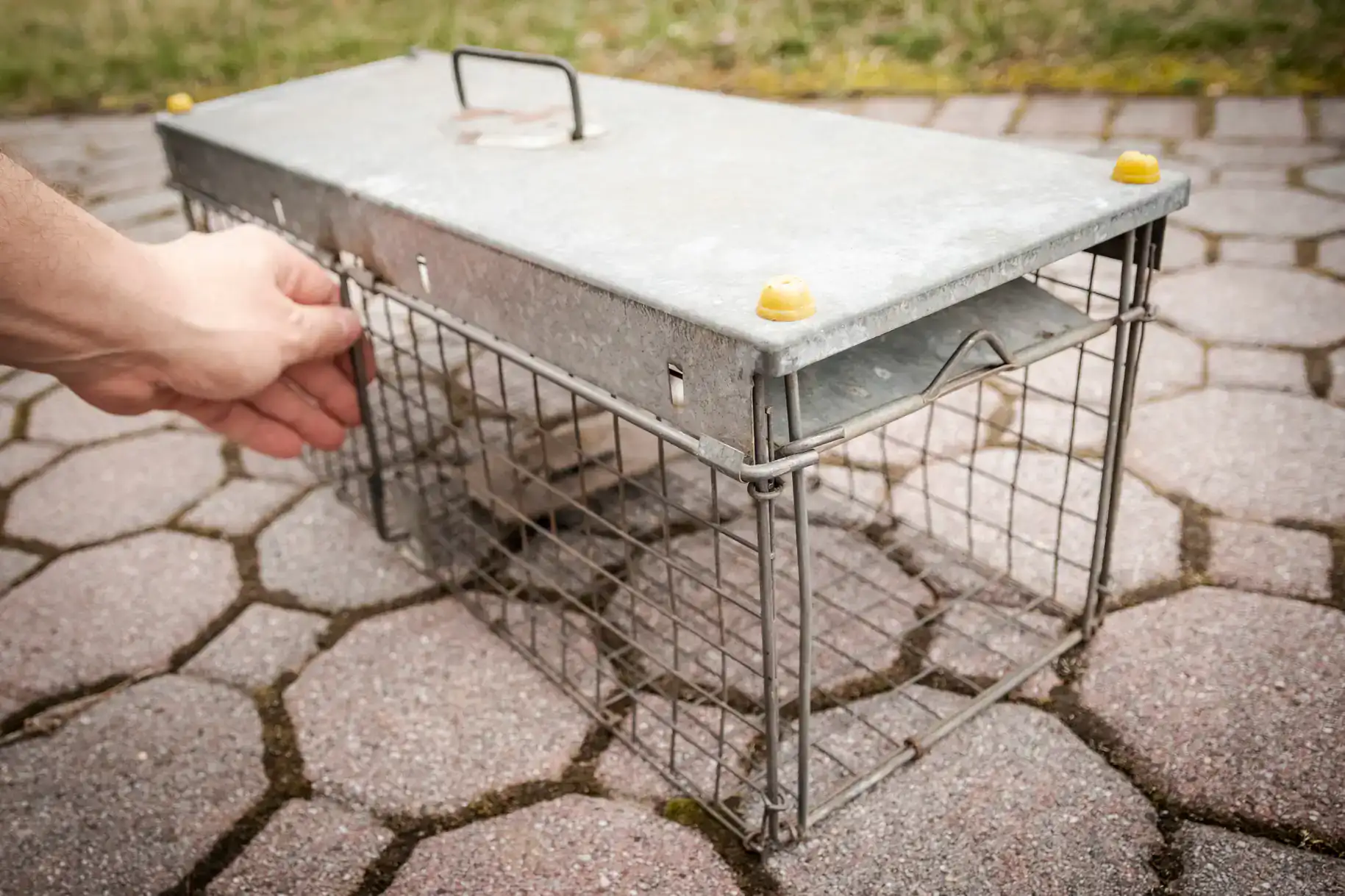
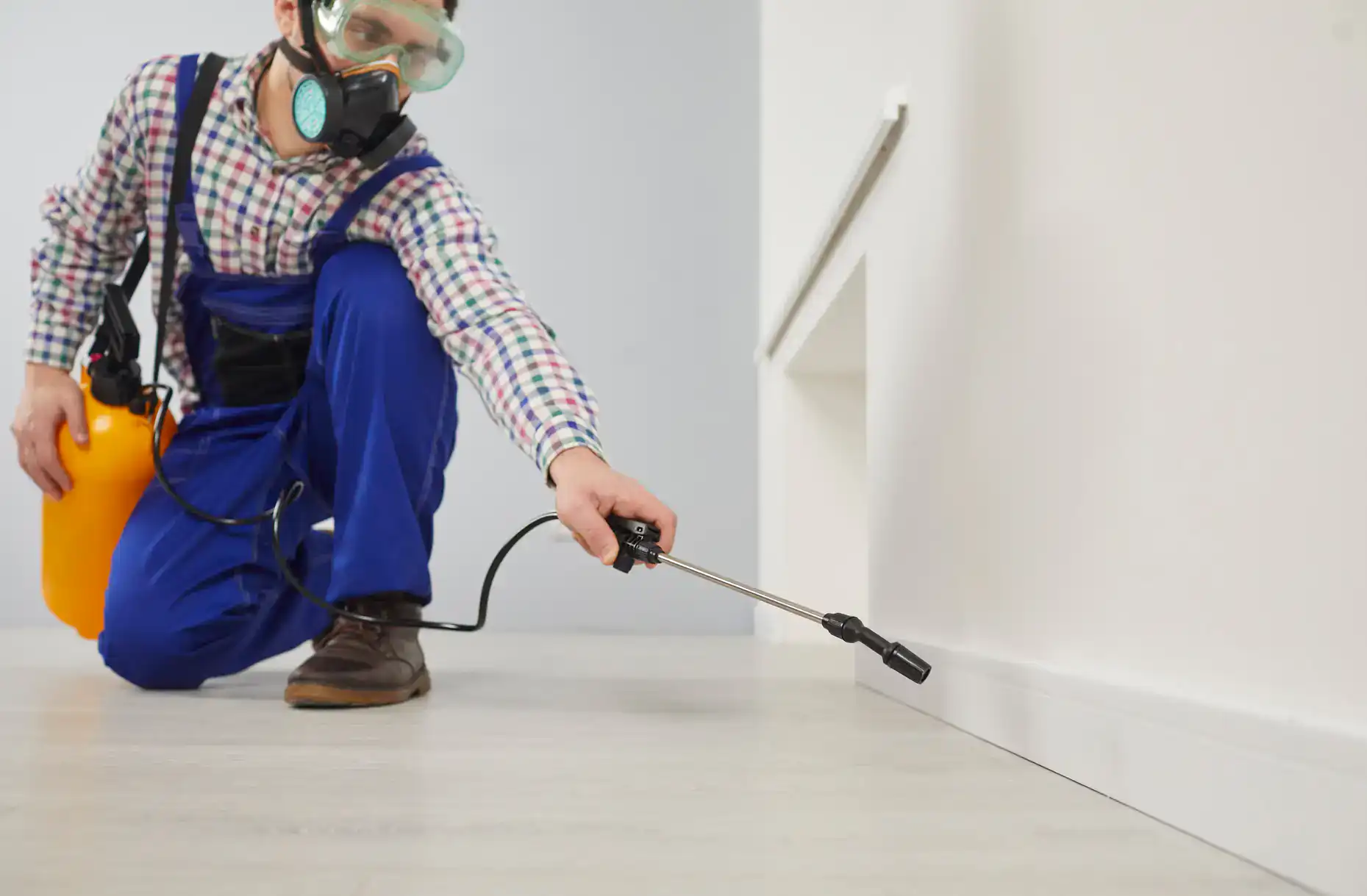
From there, treatment is targeted not broadcast. In a dense neighborhood where your wall shares space with a neighbor’s apartment, that specificity matters. We use only NYS DEC-registered materials, applied by our licensed technicians. Depending on what the inspection shows, treatment may involve bait stations, tamper-resistant traps, or a combination approach designed around your specific building and infestation level.
Exclusion comes next, and it’s the part that most one-time treatments skip. Sealing entry points gaps around pipes, cracks in the foundation, deteriorated door sweeps is what keeps the problem from coming back, especially in a neighborhood where construction activity along the waterfront continues to push rodents toward occupied buildings. We also schedule follow-up visits to confirm the treatment is working and to address anything the initial inspection didn’t catch. You’ll receive written documentation of everything applied, which matters if you’re a property owner managing NYC Housing Maintenance Code compliance or a tenant building a case with HPD.
Ready to get started?
Rodent control in Greenpoint isn’t one-size-fits-all. A pre-war rowhouse on Calyer Street has different vulnerabilities than a converted loft near the waterfront or a restaurant on Franklin Street with a basement prep kitchen. Our service is built around what’s actually in front of us your building, your infestation, your specific entry points not a standard package that gets applied the same way regardless of what we find.
For residential properties, that means a full interior and exterior inspection, targeted treatment using NYS DEC-registered materials, exclusion work to seal confirmed entry points, and a follow-up visit to verify results. For commercial properties restaurants, cafés, food businesses along Manhattan Avenue our service also includes pest control log documentation required for NYC Health Department compliance. A rodent sighting during a Health Department inspection can cost you your grade. Our service is structured to prevent that from happening and to give you the documentation trail you need if it does.
We also offer free phone consultations and free estimates, with same-day service available in many cases and a guaranteed appointment within 48 hours. If you’re a Greenpoint renter dealing with an unresponsive landlord, the written service report we provide can support your 311 complaint or HPD violation process. Our work is fully licensed, bonded, and insured and every technician carries NYS DEC certification. You’re not hiring a handyman with a bag of traps. You’re hiring a licensed pest control company with 50 years of Brooklyn-specific experience.
Greenpoint has a few conditions working against it that most neighborhoods don’t. The neighborhood sits adjacent to Newtown Creek, a federal Superfund site, and above the Meeker Avenue Plume both of which involve ongoing subsurface remediation activity that disturbs established rodent burrow networks and pushes rats toward occupied buildings. Add to that nearly two decades of continuous construction activity triggered by the 2005 rezoning, and you have a neighborhood where rat displacement into residential buildings is a structural issue, not an individual housekeeping failure.
The Franklin Street and Manhattan Avenue restaurant corridors also generate consistent food waste that sustains large rat populations close to residential blocks. If your building is within a few blocks of either corridor, you’re dealing with rodent pressure that is being actively maintained by Greenpoint’s food scene. The solution isn’t just treating what’s inside your building it’s understanding where the pressure is coming from and addressing the entry points that are letting it in.
Treatment traps, bait, poison kills the rodents that are currently in the building. That’s necessary, but it’s only half the job. If the entry points that let them in are still open, new rodents will move in to replace the ones you removed. In Greenpoint’s aging building stock, those entry points are often hidden: gaps around old cast-iron plumbing penetrations, settlement cracks in century-old foundation walls, deteriorated seals around utility lines. A rat can get through a hole the size of a quarter. A mouse needs even less.
Getting rid of rodents for good means combining treatment with exclusion physically sealing every confirmed and likely entry point so the building stops being accessible. This is the part that most DIY attempts and quick-fix services skip, which is why the problem keeps coming back. A proper inspection identifies both what needs to be treated and what needs to be sealed, and the two have to happen together for the result to last.
Yes, and it’s one of the most underappreciated drivers of rodent infestation in Greenpoint. When ground is broken for a new development and Greenpoint has had continuous construction activity along the waterfront and throughout the neighborhood since 2005 rat colonies that have been living in that soil for years get displaced. They don’t disappear. They relocate to the nearest available shelter, which in a dense neighborhood means the occupied buildings on the surrounding blocks.
The documented rat warren beneath an unpaved lot off McGuinness Boulevard the source of the infestation on Calyer Street where residents trapped and killed more than 130 rats over two years is a real example of how subsurface rodent colonies in Greenpoint’s eastern industrial fringe can drive neighborhood-wide problems. If there’s active construction near your building, that’s relevant context for how your infestation is being treated. It affects where we look for entry points, what kind of ongoing pressure to expect, and how frequently follow-up monitoring makes sense.
Under the NYC Housing Maintenance Code, your landlord is legally required to keep your apartment free of rodents and to apply continuous eradication measures when infestation is present. If they’re not doing that, you have options. Filing a complaint through 311 routes your complaint to the NYC Department of Health and Mental Hygiene, which can conduct an inspection and issue a violation. The NYC Department of Housing Preservation and Development (HPD) can also issue violations that create a legal record of the landlord’s failure to act.
Where we can help is with documentation. When we treat your apartment, you receive a written service report that documents the date, the pest, the materials applied, and the technician’s license number. That report can support your 311 complaint, your HPD violation filing, or any legal action you pursue against a non-compliant landlord. You don’t have to wait for your landlord to act and having a professional, licensed service provider document the infestation strengthens your position considerably.
This is a reasonable concern in any home, and especially in Greenpoint’s attached rowhouses and multi-unit buildings where pesticide application in one unit can affect shared walls and common areas. We apply only N.Y.S. Department of Environmental Conservation registered materials products that have been evaluated and approved by New York State regulators for safety and efficacy. Our technicians are NYS DEC-licensed and apply treatments in a targeted, controlled manner rather than broadcasting chemicals throughout a space.
In practice, that means bait stations and traps are placed in locations that are inaccessible to children and pets, and any chemical application is directed at specific harborage and entry-point areas rather than applied broadly. Before any treatment, your technician will walk you through what’s being used, where it’s being placed, and any precautions relevant to your specific household. If you have young children, pets, or specific sensitivities, say so when you call that information shapes how the treatment is approached from the start.
For a standard residential rodent treatment in New York City, most homeowners and renters can expect to pay somewhere in the range of $180 to $600 depending on the size of the property, the severity of the infestation, and whether exclusion work is included. Exclusion sealing confirmed entry points typically adds another $200 to $600 on top of the initial treatment, but it’s also what makes the result last. In Greenpoint’s older building stock, exclusion is rarely optional if you want a permanent fix rather than a temporary one.
Commercial properties along Franklin Street or Manhattan Avenue, or multi-unit residential buildings, are priced based on square footage, infestation scope, and the complexity of the job. The free phone consultation we offer is genuinely useful here describe what you’re seeing, where you’re seeing it, and what type of building you’re in, and you’ll get a straight answer about what you’re likely dealing with and what it will cost before anyone shows up. No pressure, no obligation, and no surprises when the technician arrives.
Useful Links
Other Services we provide in Greenpoint