Hear from Our Customers
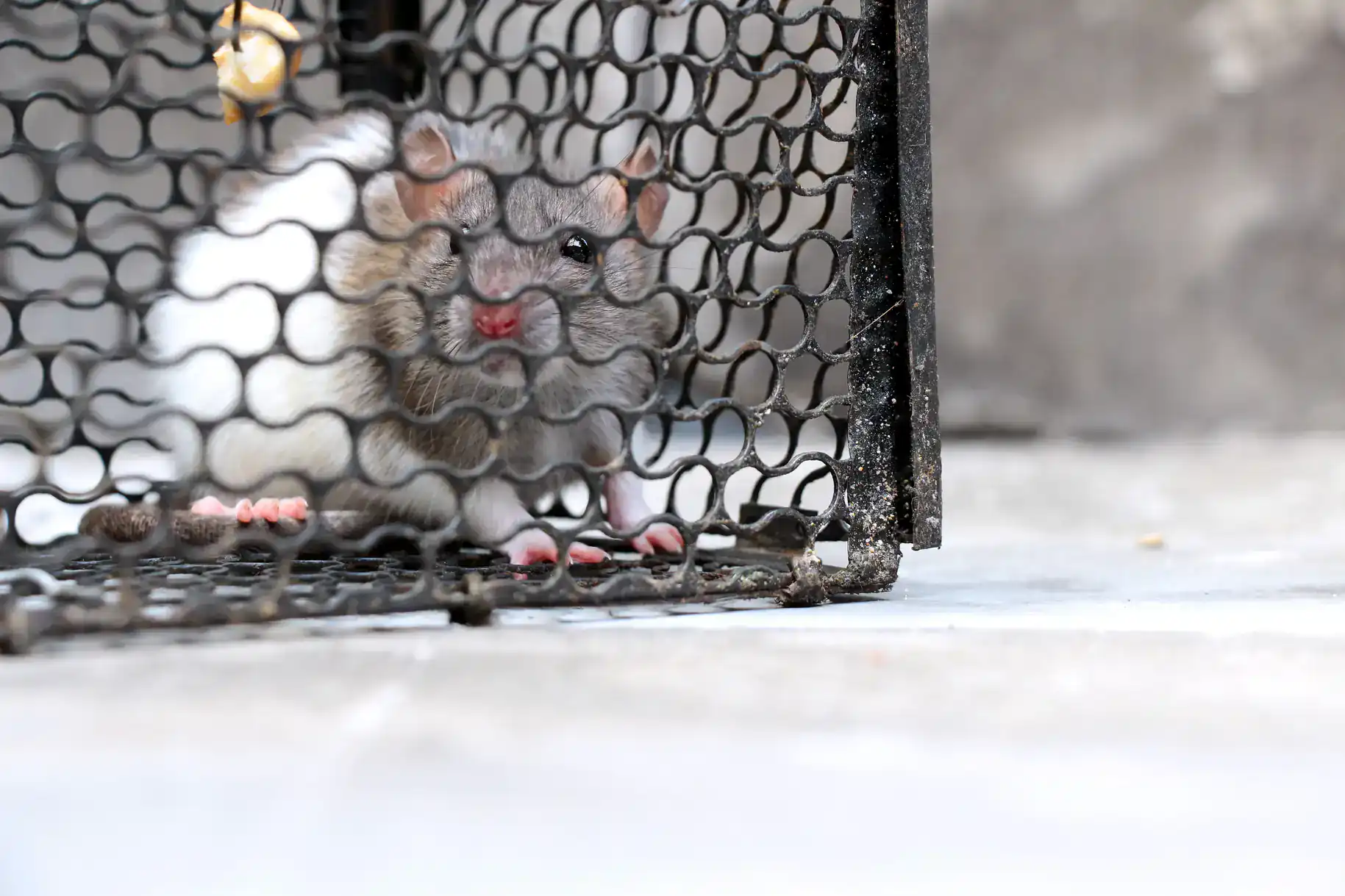
You stop second-guessing every sound in the walls. You stop finding droppings near the stove or under the sink. You stop wondering whether the scratching you heard at 2 AM was real because it was, and now it’s handled.
Howard Beach homes face rodent pressure that most Queens neighborhoods simply don’t. This neighborhood was built on dredged marshland, and the canal network running through Old Howard Beach and Hamilton Beach gives Norway rats a direct travel corridor right to your foundation. Waterfront properties with canal-side backyards and private docks are especially exposed. The aging housing stock here compounds it. Most homes in Howard Beach were built between the 1940s and 1970s. Fifty to eighty years of settling means foundation cracks, deteriorating utility penetrations, and gaps around pipes that rodents exploit without much effort. When those entry points are identified and sealed not just baited the problem stops cycling back. That’s the difference between a real fix and a temporary one.
We were founded in 1971 by Richard Kourbage Sr. His sons Richard Jr. and Charles joined the business in the late 1980s and have been running it since. That’s two generations, one company, and over five decades of consistent work across the NYC metro area including the southern Queens and Brooklyn waterfront corridor that Howard Beach is part of.
We’re based in Marine Park, Brooklyn right along the same Jamaica Bay corridor as Howard Beach. The Belt Parkway connects the two neighborhoods directly. That means the technicians who show up at your door already know this geography. They’re not learning the area on your dime.
We hold an A+ rating with the Better Business Bureau of New York State and have maintained BBB accreditation since 1989. All work is performed using NYS Department of Environmental Conservation registered materials by fully licensed, bonded, and insured technicians. In a community like Howard Beach where credentials and accountability matter that’s not a footnote. It’s the baseline.
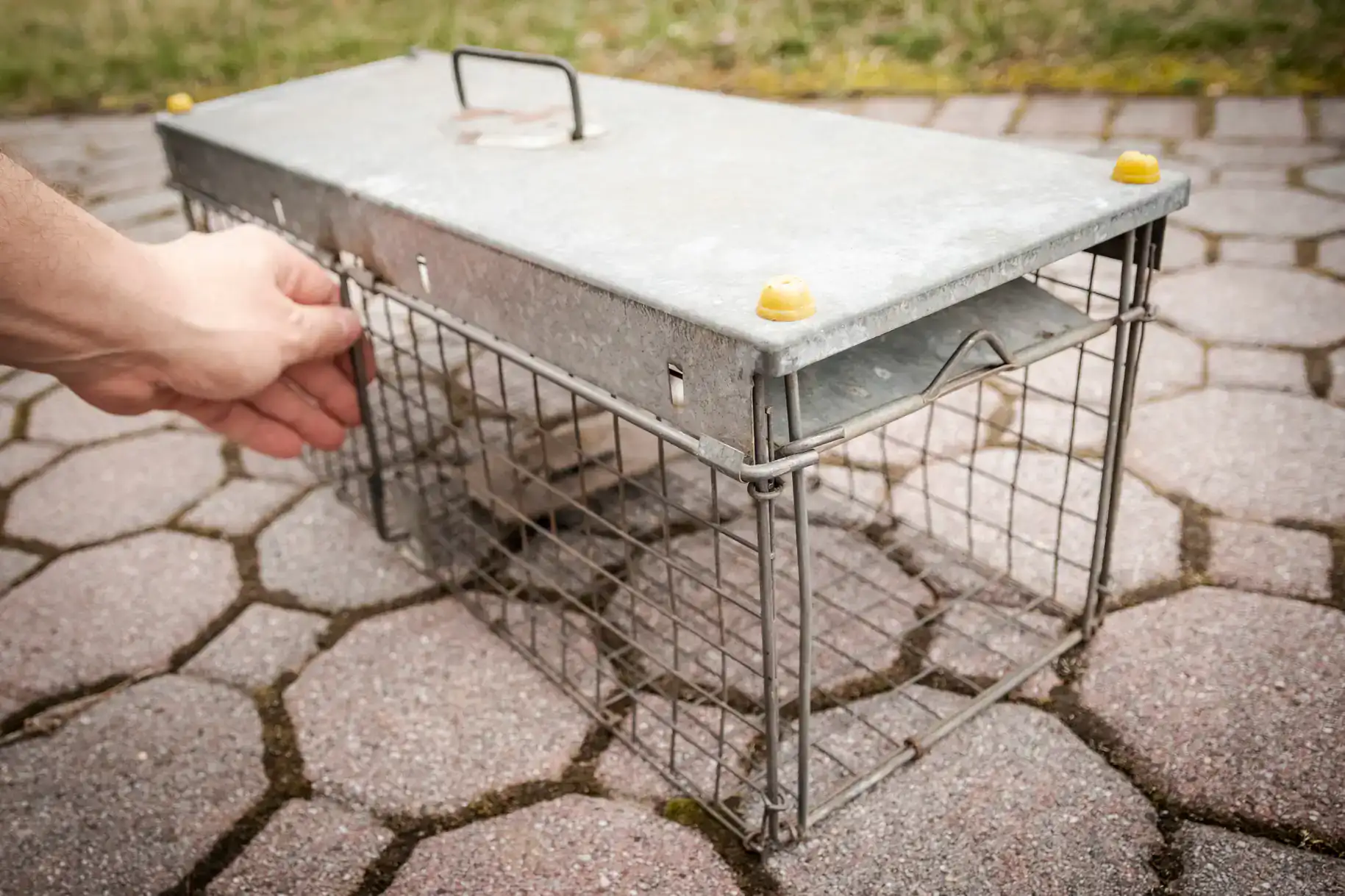
It starts with a thorough inspection interior and exterior. Our technician walks the full property looking for active signs of rodent activity: droppings, gnaw marks, grease trails, nesting material, and most importantly, entry points. In Howard Beach, that inspection pays particular attention to foundation gaps near canal-facing walls, utility penetrations around water and sewer lines, and any areas where flood events may have compromised the structure’s seal. These are the spots that generic pest control companies miss.
Once the inspection is complete, you get a clear picture of what’s happening and where. Treatment follows using NYS DEC-registered rodenticides and targeted placement based on what was actually found, not a one-size-fits-all bait station layout. Exclusion work seals the confirmed entry points so new rodents can’t replace the ones being eliminated. This step is what most DIY attempts skip entirely, and it’s why the problem keeps coming back without it.
After treatment, you’ll know what was done, why it was done that way, and what to watch for going forward. If your property has ongoing exposure canal-adjacent yard, flood zone location, proximity to the Cross Bay Boulevard commercial corridor a maintenance plan may be recommended to stay ahead of seasonal pressure rather than react to it.
Ready to get started?
Rodent control in Howard Beach isn’t a single treatment and a handshake. Our service covers the full scope: inspection, identification of active entry points, interior and exterior treatment with NYS DEC-registered materials, and exclusion work to close the gaps rodents are using to get in. Every step is connected skipping any one of them is how infestations come back.
For Howard Beach properties specifically, the inspection process accounts for conditions that are unique to this area. Canal-side foundations, dock access points, post-flood structural gaps, and the proximity to JFK Airport’s food service and cargo infrastructure are all factors that we consider. Approximately 12% of homes in the Howard Beach and Ozone Park area report problems with mice and rats and in the sections of Howard Beach closest to the water, that number likely runs higher. The service is built around what’s actually driving the problem at your specific property, not a generic treatment protocol.
We also handle rodent control for commercial properties, real estate inspections, and health code violation responses across the Howard Beach area. Whether you’re a homeowner on a canal block in Old Howard Beach, a property owner in Lindenwood, or a business operator along Cross Bay Boulevard, the scope of service adjusts to what the situation actually requires.
Yes and this is one of the most common things Howard Beach homeowners deal with that residents of inland Queens neighborhoods typically don’t. When storm surges, king tides, or heavy rain events flood the low-lying areas around Shellbank Basin, Hawtree Creek, or the 102nd Street Creek, they push rodents out of their underground burrows and force them to find shelter fast. The nearest available structure which is often your home becomes the destination.
This isn’t just a Hurricane Sandy story. It happens on a smaller scale with seasonal flooding and high-tide events throughout the year. Howard Beach is classified as a Special Flood Hazard Area in significant portions, and the ongoing NYC EDC Raise Shorelines project currently installing crown walls and bulkheads at street ends near Hawtree Basin and Shellbank Basin is actively disturbing established rodent populations in Old Howard Beach. Construction activity like this is a known driver of rodent displacement into nearby homes. If you’ve noticed increased activity after a storm or during a period of construction nearby, that’s a direct connection worth taking seriously.
They can, and they do. Norway rats are excellent swimmers and natural burrowers. The canal network that runs through Old Howard Beach and Hamilton Beach including Shellbank Basin, Hawtree Basin, and the private inlets that many homes back up to creates direct harborage and travel corridors for waterfront rat populations. Canal walls, dock pilings, and bulkheads are ideal burrowing environments. From there, a rat only needs a gap the size of a quarter to enter a structure.
For homes with canal-facing backyards or private docks, the risk is higher than for properties set back from the water. The inspection process for these properties focuses specifically on the rear foundation, utility penetrations near the water side of the structure, and any gaps created by aging bulkhead connections. If you’ve seen rats near your dock or along your back fence line, that’s not a coincidence it’s a waterfront rodent problem, and it requires a different approach than a standard interior bait placement.
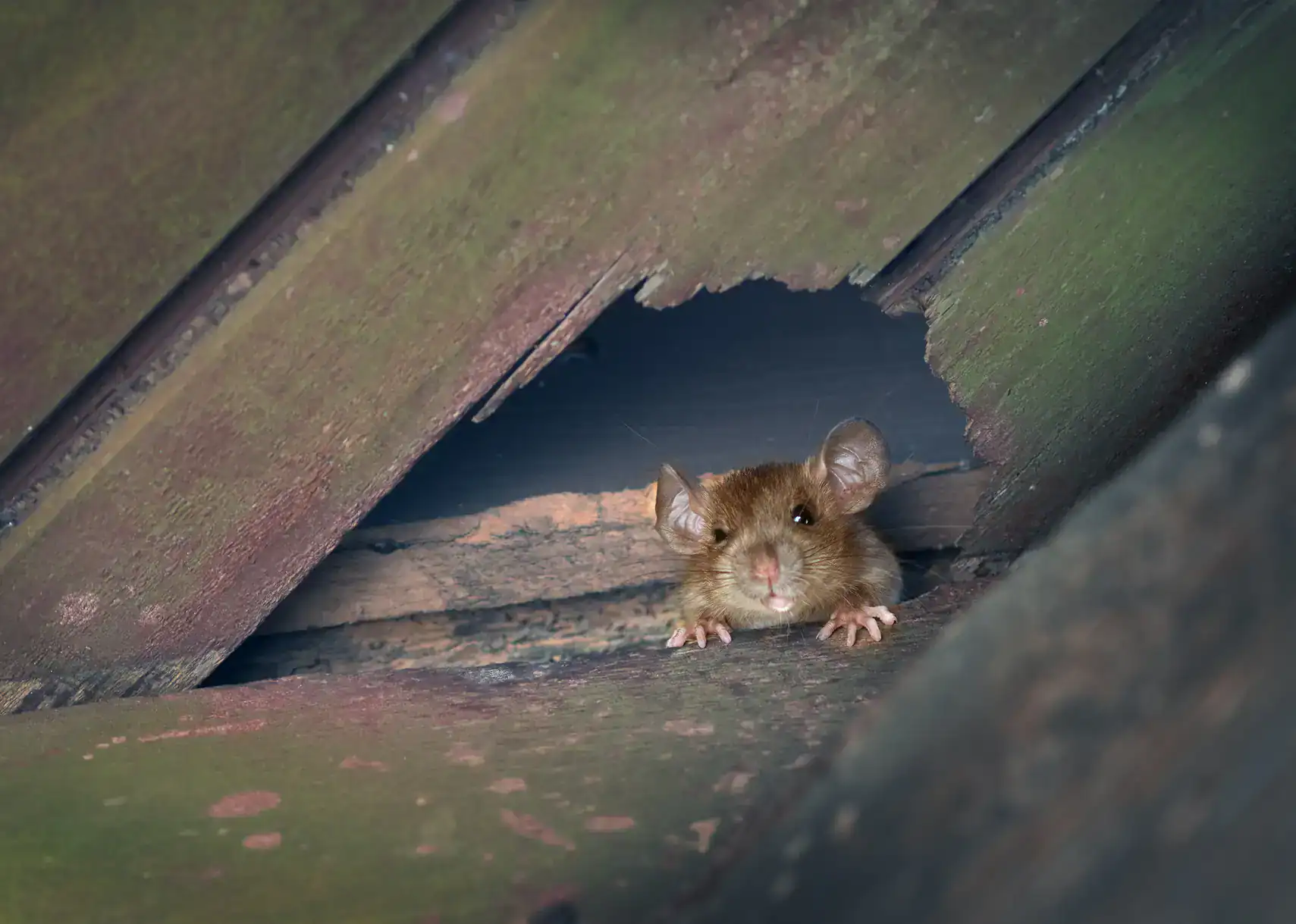
It matters quite a bit. Mice and rats behave differently, use different parts of a structure, and respond to different treatment approaches. Mice tend to nest inside walls, behind appliances, and in cluttered storage areas. They’re curious and will investigate new objects in their environment. Rats particularly Norway rats, which are the dominant species in Howard Beach given the waterfront geography are more cautious, tend to burrow and nest at ground level or below, and will avoid unfamiliar objects for days before interacting with them.
Droppings are the most reliable way to tell the difference. Mouse droppings are small, roughly the size of a grain of rice. Rat droppings are significantly larger about the size of a raisin or olive pit. Gnaw marks, burrow openings along foundation lines or near the yard, and grease trails along baseboards are also strong indicators of which species you’re dealing with. Getting this identification right at the start is what determines whether the treatment approach will actually work which is why the inspection step isn’t something to skip or rush.
Seasonal movement is real and predictable. As temperatures drop in October and November, rodents that have been living in outdoor burrows including the canal embankments and waterfront areas that are common harborage in Howard Beach start moving toward warmth. Your home offers everything they need: heat, shelter, and usually some source of food. The seasonal increase in rodent activity during fall and winter that pest control data consistently documents in the NYC area is amplified here because of the additional outdoor harborage that the Jamaica Bay waterfront provides.
The practical takeaway is that fall is actually the best time to get ahead of the problem rather than react to it. If you’re seeing signs of activity in October or November, the population is likely already established and growing. Waiting until mid-winter means dealing with a more entrenched infestation. A fall inspection and treatment combined with exclusion work to seal entry points before temperatures fully drop is the most cost-effective approach for Howard Beach homeowners with ongoing seasonal pressure.
When it’s done correctly by a licensed professional, yes. The distinction matters here. Over-the-counter rodenticides applied by homeowners are frequently misused placed in accessible areas, applied in excessive quantities, or used without understanding the secondary toxicity risks to pets. Our technicians place treatment in targeted locations based on confirmed rodent activity, using tamper-resistant bait stations where appropriate and keeping products away from areas accessible to children or animals.
We apply only NYS Department of Environmental Conservation registered materials. These products have been evaluated and approved by New York State regulators specifically for safety and efficacy in residential settings. For Howard Beach homeowners near the Jamaica Bay Wildlife Refuge or the Gateway National Recreation Area, there’s also a reasonable concern about environmental impact particularly for canal-adjacent properties. Targeted, professional application by a licensed technician is meaningfully safer and more environmentally responsible than broad DIY application, and it’s significantly more effective at resolving the problem without repeat treatments.
The cost depends on the scope of the problem and what the inspection reveals. For a standard residential rodent treatment in the Howard Beach area, most homeowners are looking at somewhere in the range of $180 to $400 for initial treatment. If exclusion work is needed sealing entry points, addressing foundation gaps, or closing utility penetrations that adds to the overall cost, typically in the $200 to $600 range depending on how many points need to be addressed and the complexity of the work.
For canal-adjacent properties in Old Howard Beach or Hamilton Beach, exclusion work tends to be more involved because the waterfront exposure creates more potential entry points along the rear foundation and around dock-side utility lines. The honest framing is this: a thorough one-time treatment with proper exclusion costs more upfront than a bait-only service, but it’s the approach that actually stops the cycle. Howard Beach homeowners who have tried cheaper services and seen the problem return within a season understand the difference. We provide a free estimate so you know exactly what you’re looking at before any work begins no obligation, no pressure.
Useful Links
Other Services we provide in Howard Beach