Hear from Our Customers
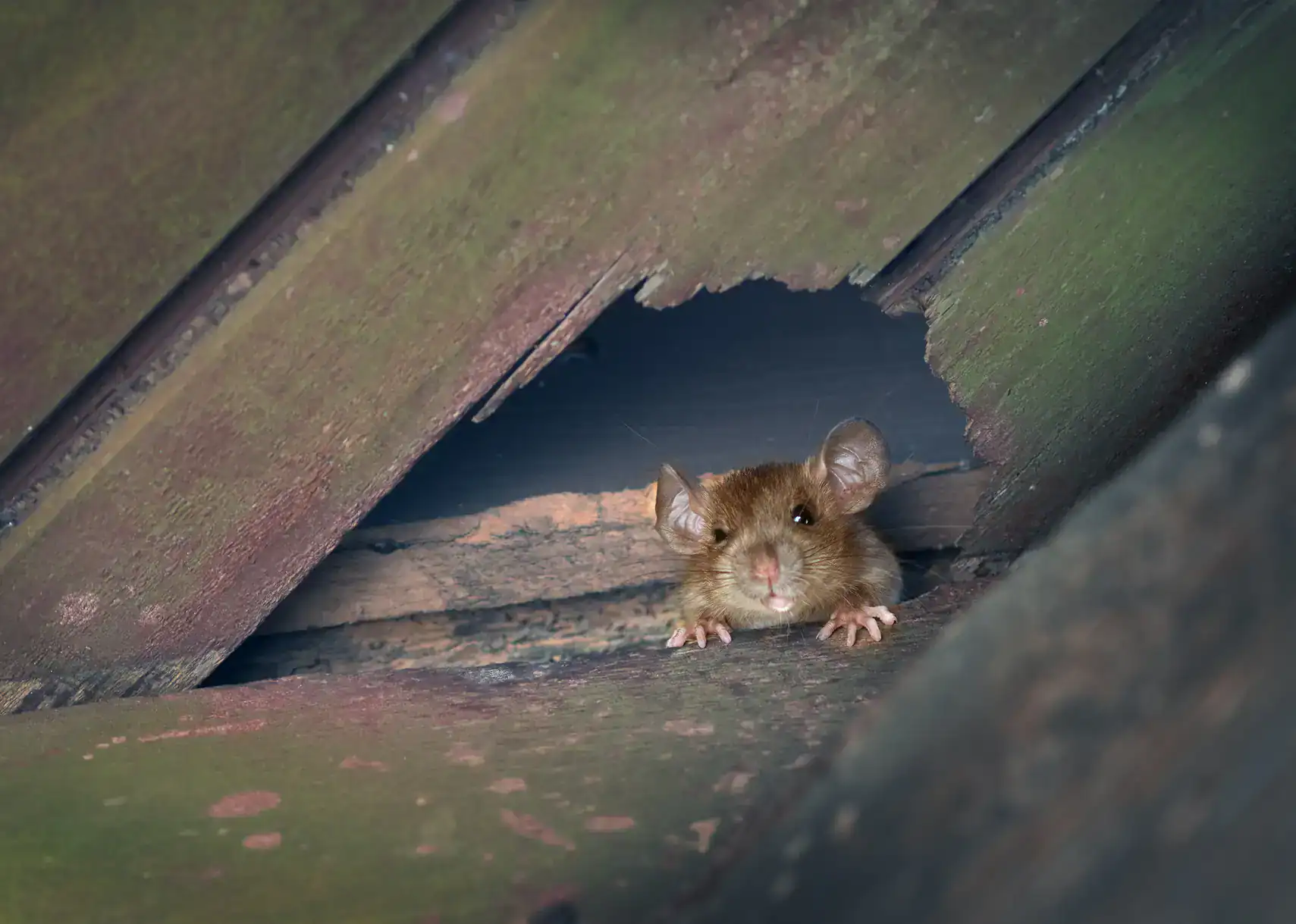
You stop hearing scratching in the walls at 2 a.m. You stop finding droppings behind the stove. You stop wondering whether that gap around the pipe under the sink is how they’re getting in because we finally found it, sealed it, and made sure it stays sealed. That’s what real rodent removal looks like in Morningside Heights.
The buildings here are old. Most of them were built before 1940, and a century of settling, renovation, and deferred maintenance has left behind exactly the kind of structural gaps that rats and mice move through freely. A rodent that enters the basement of a pre-war building on Morningside Drive can work its way up through shared pipe chases to any floor in the building. Killing the ones you can see doesn’t fix that. Finding and closing every entry point does.
Living this close to Morningside Park also means the pressure doesn’t stop. The park’s steep, heavily vegetated cliff face is one of the most significant rat habitats in Upper Manhattan, and rats travel up to 150 feet from their nests daily. The buildings along the park’s edge face constant re-exposure. That’s why a one-time treatment isn’t enough and why our approach here has to account for what’s happening outside your walls, not just inside them.
We were founded in 1971 by Richard Kourbage Sr. His sons Richard Jr. and Charles joined the business in 1987 and 1989, and we’ve been running it as a family operation ever since. That’s not a marketing angle it’s just the truth. When you call, you’re reaching people who have spent decades working in New York City’s buildings, including the kind of large, aging apartment stock that defines Morningside Heights and the surrounding upper Manhattan neighborhoods.
We hold an A+ rating with the Better Business Bureau and have maintained BBB accreditation since 1989. We’re fully licensed, bonded, and insured, and we apply only N.Y.S. Department of Environmental Conservation-registered pesticide materials which matters in a neighborhood operating under the enhanced inspection protocols of the Harlem Rat Mitigation Zone. New York attorneys and real estate brokers regularly refer clients to us for exactly this kind of work in Morningside Heights and the surrounding area. That kind of referral doesn’t happen by accident.
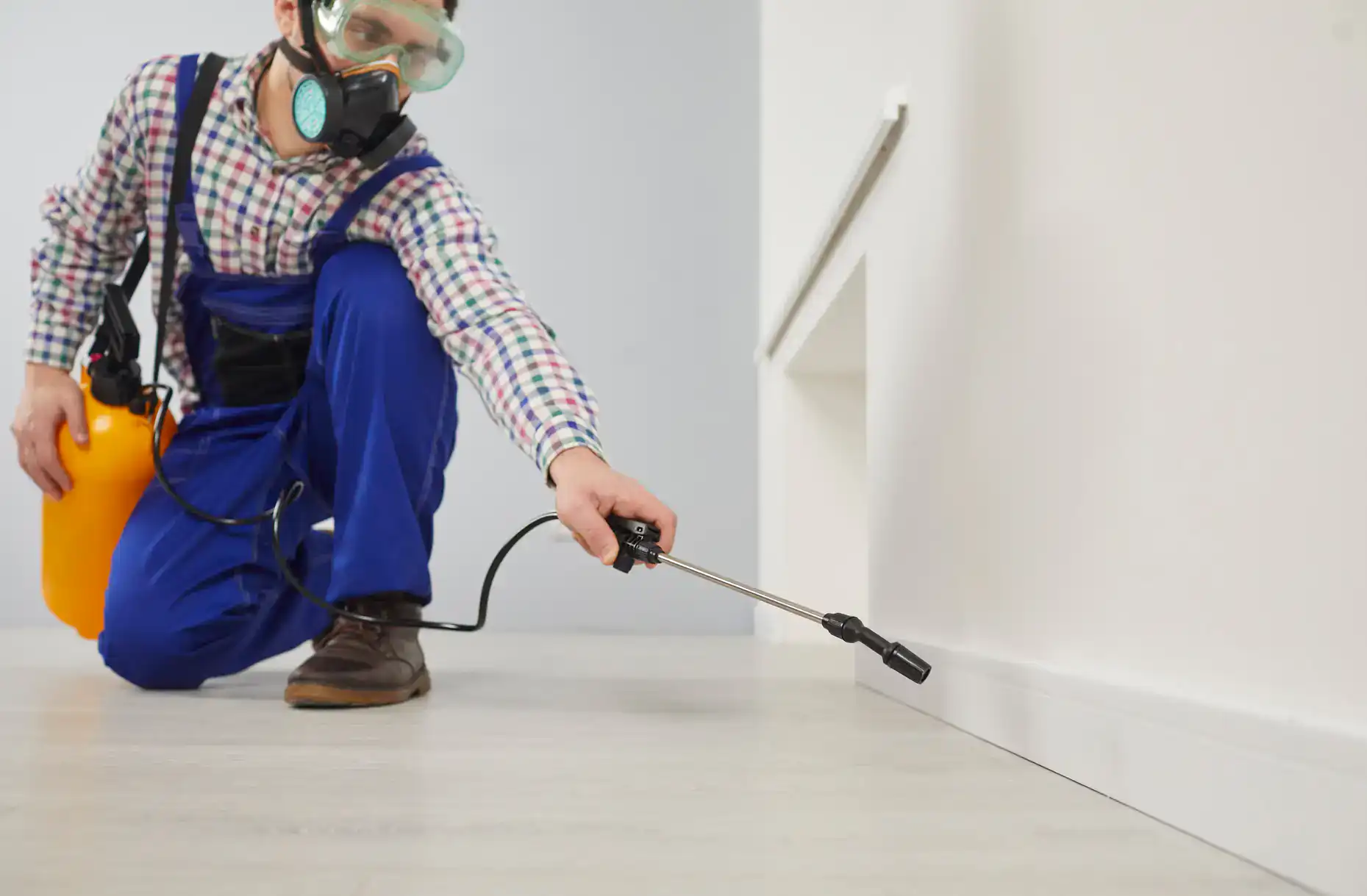
It starts with a thorough inspection interior and exterior. In Morningside Heights, that means paying close attention to the basement, the utility entry points, the pipe chases, and any foundation gaps that are common in pre-war construction. Rats and mice don’t need much space. A gap the size of a quarter is enough for a rat. A hole the size of a pencil eraser is enough for a mouse. The inspection is about finding every one of those openings, not just the obvious ones.
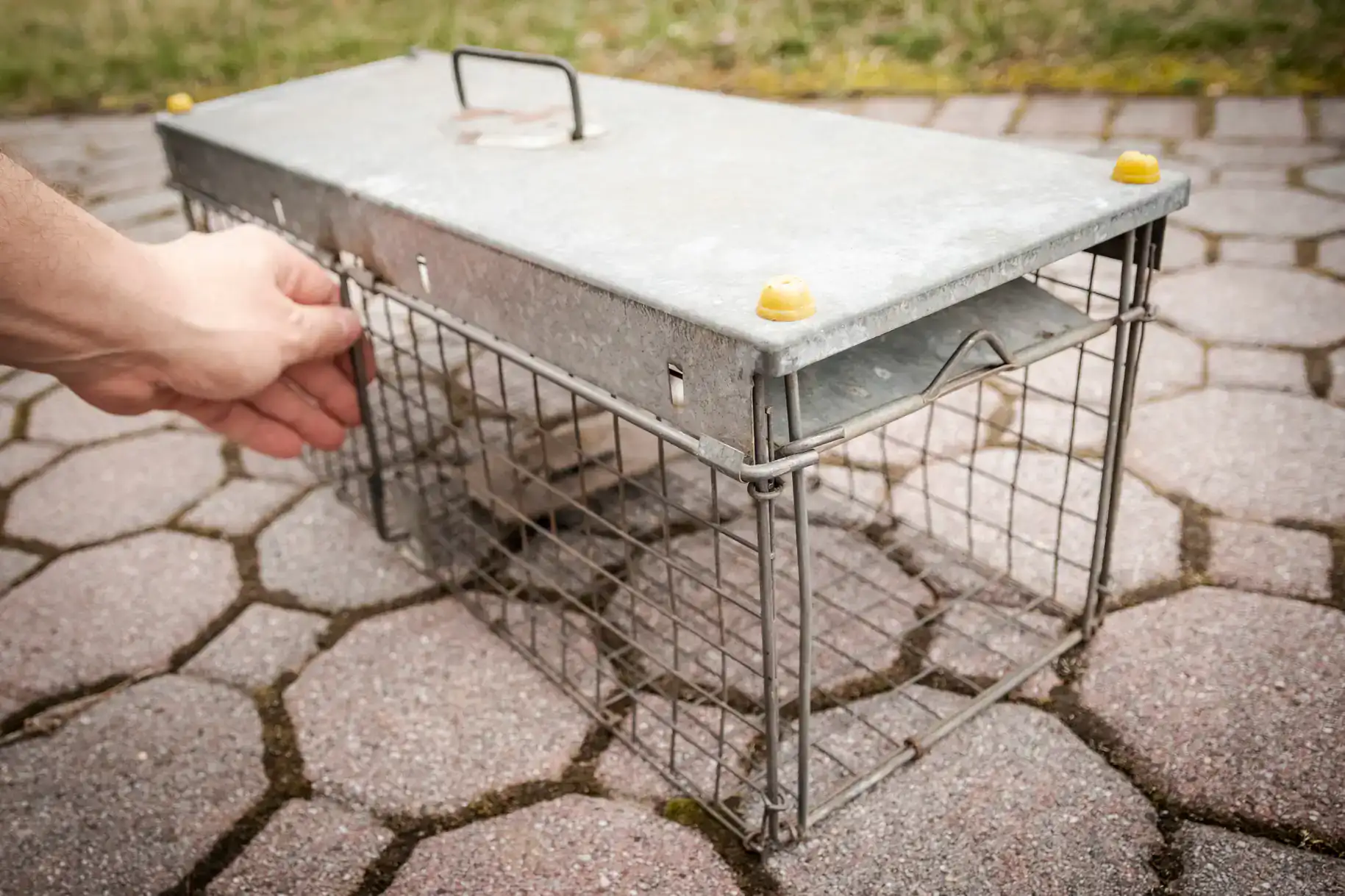
From there, we build a customized treatment plan based on what we actually find not a generic package applied the same way to every job. That can include trapping, tamper-resistant bait stations, targeted pesticide application using only NYSDEC-registered materials, and exclusion work to seal the entry points that allowed the infestation to take hold. If your building is in or near the Harlem Rat Mitigation Zone, the service documentation we provide also supports your compliance record with the NYC Health Department something property managers and building owners in this area need to have in order.
Follow-up visits are part of our process. A single treatment rarely tells the whole story, especially in a dense residential building where rodents may be entering from a neighboring unit or a shared wall cavity. We stay on the job until the problem is resolved.
Ready to get started?
Rodent control in Morningside Heights isn’t a simple job, and we don’t treat it like one. The neighborhood’s housing stock, its proximity to Morningside Park, and its official status within the Harlem Rat Mitigation Zone all create conditions that require a more thorough, compliance-aware approach than you’d need in a newer building in a quieter part of the city.
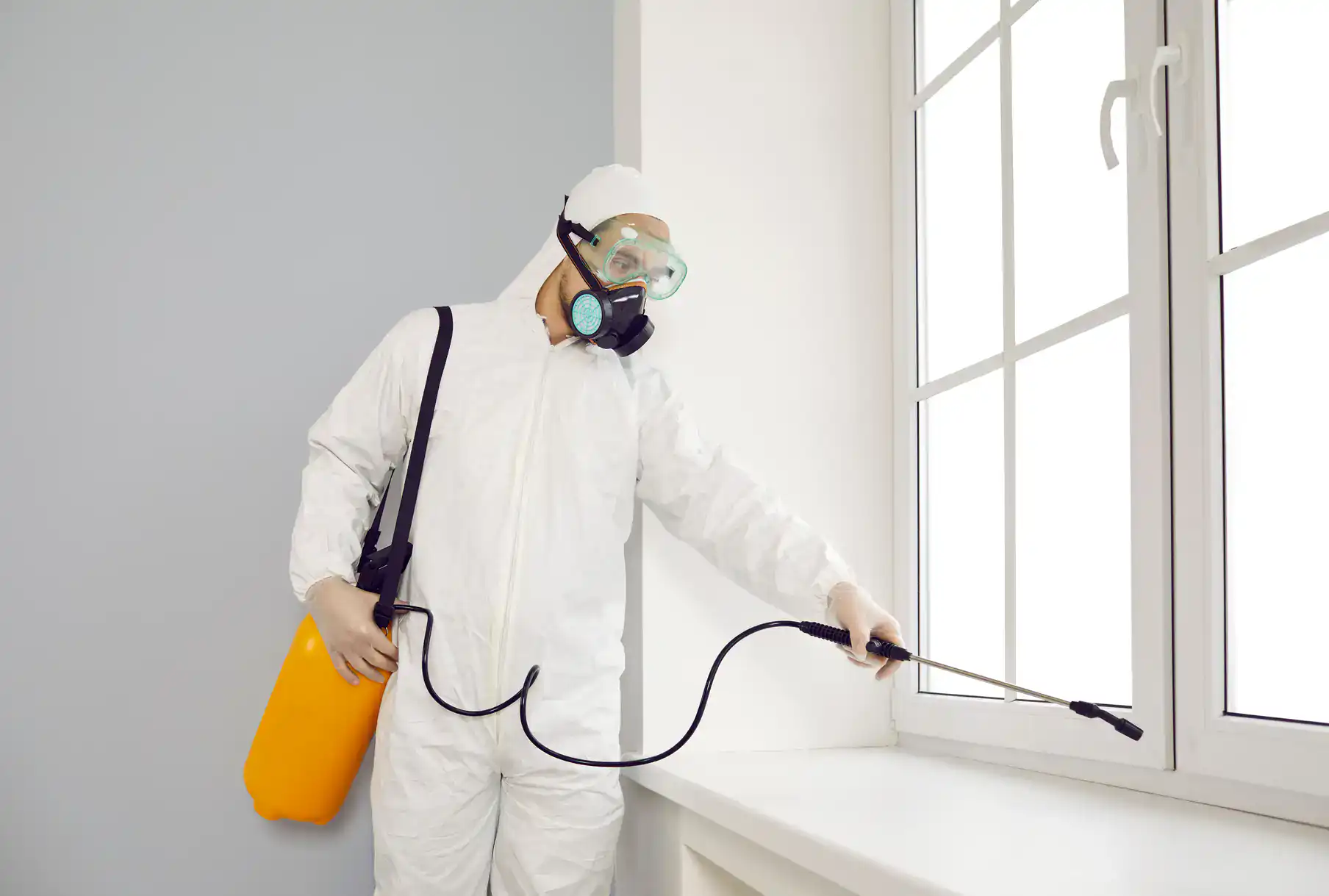
Every service begins with a detailed inspection of both the interior and exterior of your property. For residential clients whether you’re in a single apartment or managing a multi-unit building that means a full assessment of entry points, nesting sites, food and water sources, and structural conditions enabling the infestation. For commercial clients and property managers, we also provide written service documentation that supports NYC Health Department compliance, which is a real and enforceable requirement for properties in the Rat Mitigation Zone. Abatement orders and escalating civil penalties are the consequence of ignoring that obligation, and having a licensed, documented exterminator on record is the straightforward way to stay ahead of it.
The free phone consultation is exactly what it sounds like no charge, no pressure, no obligation. You describe what you’re seeing, we give you a clear picture of what’s likely happening and what it will take to fix it, and you decide from there. If you want a detailed estimate, that’s free too.
Yes Morningside Heights falls within or directly adjacent to the Harlem Rat Mitigation Zone, which was officially designated by New York City in July 2023. The zone covers West, Central, and East Harlem, and Morningside Heights borders this area closely enough that many properties in the neighborhood are subject to its enhanced enforcement protocols. NYC Council District 7, which includes Morningside Heights, was specifically at the center of the legislation that created the RMZ designation.
What that means practically is that the NYC Health Department doesn’t wait for a 311 complaint to inspect properties in the zone they conduct proactive inspections on their own initiative. If your building fails, you receive a formal abatement order and face escalating civil penalties for non-compliance. For property owners and building managers in Morningside Heights, working with a licensed, documented pest control provider like us isn’t just a good idea it’s how you protect yourself from that exposure.
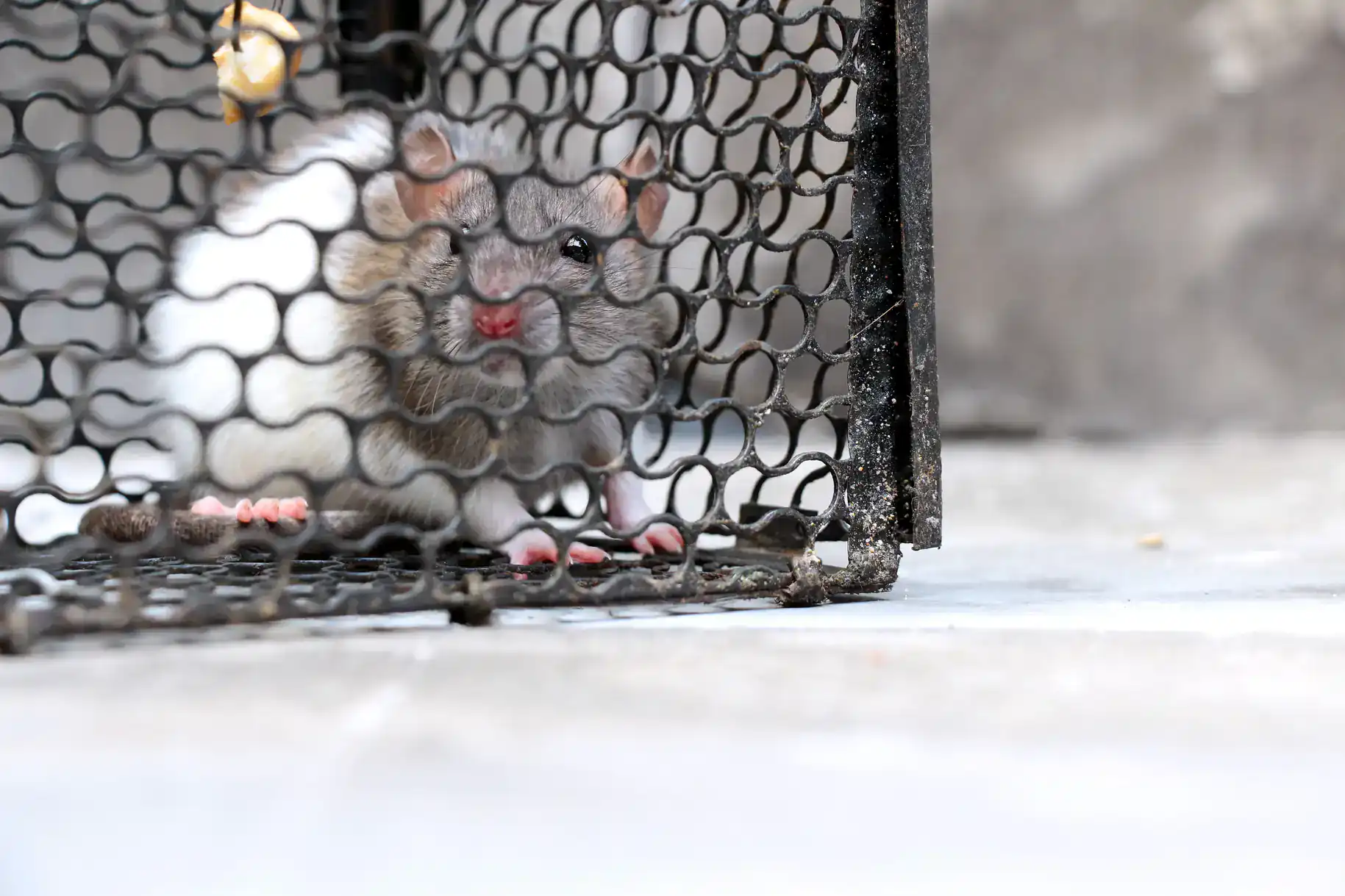
Traps catch rodents they don’t stop more from coming in. That’s the core problem with DIY rodent control, especially in a pre-war apartment building in Morningside Heights. If the entry points aren’t found and sealed, you’re essentially running a revolving door. You catch a few, more come in from the basement, the pipe chase, or the gap around the utility line behind your stove, and the cycle continues.
The other issue is that the rodent pressure in this neighborhood is ongoing. Morningside Park sits on a steep, heavily vegetated cliff that borders the eastern edge of Morningside Heights, and it sustains a large, permanent rat population. Rats from the park travel up to 150 feet from their nests in search of food and water which means your building is within range regardless of how clean you keep your apartment. Effective rodent removal in Morningside Heights requires identifying every entry point, treating the infestation, and sealing the building against re-entry. Traps alone don’t accomplish any of that.
Under the New York City Health Code, building owners are legally required to keep their properties free of pests. If your landlord isn’t responding, you have the right to file a complaint with the NYC Health Department through 311. Once a complaint is filed, the Health Department can inspect the property and issue a formal abatement order requiring the owner to remediate the condition within a set timeframe. In a neighborhood like Morningside Heights which is within or adjacent to the Harlem Rat Mitigation Zone the Health Department is already conducting proactive inspections, so a complaint adds additional pressure on top of that.
In the meantime, we work directly with tenants as well as property owners. If you want to address the problem in your own unit while the landlord process plays out, that’s a conversation worth having. The free phone consultation is a good starting point you’ll get a clear picture of what you’re dealing with, what a professional treatment would involve, and what your realistic options are given your situation as a renter.
This is one of the most common questions from residents in Morningside Heights, and the answer surprises a lot of people. In a pre-war apartment building which describes the overwhelming majority of residential buildings in this neighborhood the interior wall cavities and pipe chases run continuously from the basement to the top floor. A rat or mouse that enters the building at the foundation level can travel vertically through those chases without ever being visible in a common area or hallway.
Gaps around pipes where they pass through walls and floors are the most common access points inside a building. These gaps are often small enough to go unnoticed by residents but more than large enough for a mouse, which can squeeze through an opening the size of a pencil eraser. Older buildings also have decades of accumulated small penetrations from cable installations, plumbing repairs, and HVAC work that were never properly sealed. A thorough inspection by a trained exterminator looks specifically for these interior pathways, not just the obvious exterior entry points.
It does, and it’s one of the more consistent drivers of acute infestation events in the neighborhood. Columbia’s ongoing expansion into the Manhattanville area with major construction projects north of 125th Street regularly disturbs established underground rodent colonies. When a construction site breaks ground in an area where rats have been living undisturbed, those colonies don’t disappear. They relocate, and the direction they move is into the surrounding residential buildings in Morningside Heights.
This construction-displacement pattern is a well-documented phenomenon in urban pest control, and Morningside Heights has experienced it repeatedly as Columbia’s footprint has grown northward. If you’ve noticed a sudden increase in rodent activity in your building that doesn’t have an obvious explanation, nearby construction is worth considering as a contributing factor. It doesn’t change the treatment approach, but it does reinforce why exclusion work sealing your building against re-entry is as important as treating the infestation that’s already inside.
For most residential jobs, professional rodent control runs somewhere between $180 and $610 depending on the size of the property, the severity of the infestation, and what the inspection reveals. In Manhattan, where building complexity and access logistics can add time to a job, pricing may run toward the higher end of that range. Exclusion work sealing entry points after treatment typically adds $200 to $600 on top of the base service, and it’s the part that actually prevents the problem from coming back.
The most straightforward way to get an accurate number for your specific situation is to call us for a free estimate. There’s no charge for the consultation and no obligation to book. You’ll get a real assessment of what’s happening in your building and a clear quote before any work begins not a vague range after the fact. For property managers and building owners in the Rat Mitigation Zone, the cost of a professional service is also worth comparing directly against the cost of a failed Health Department inspection and the civil penalties that follow.
Useful Links