
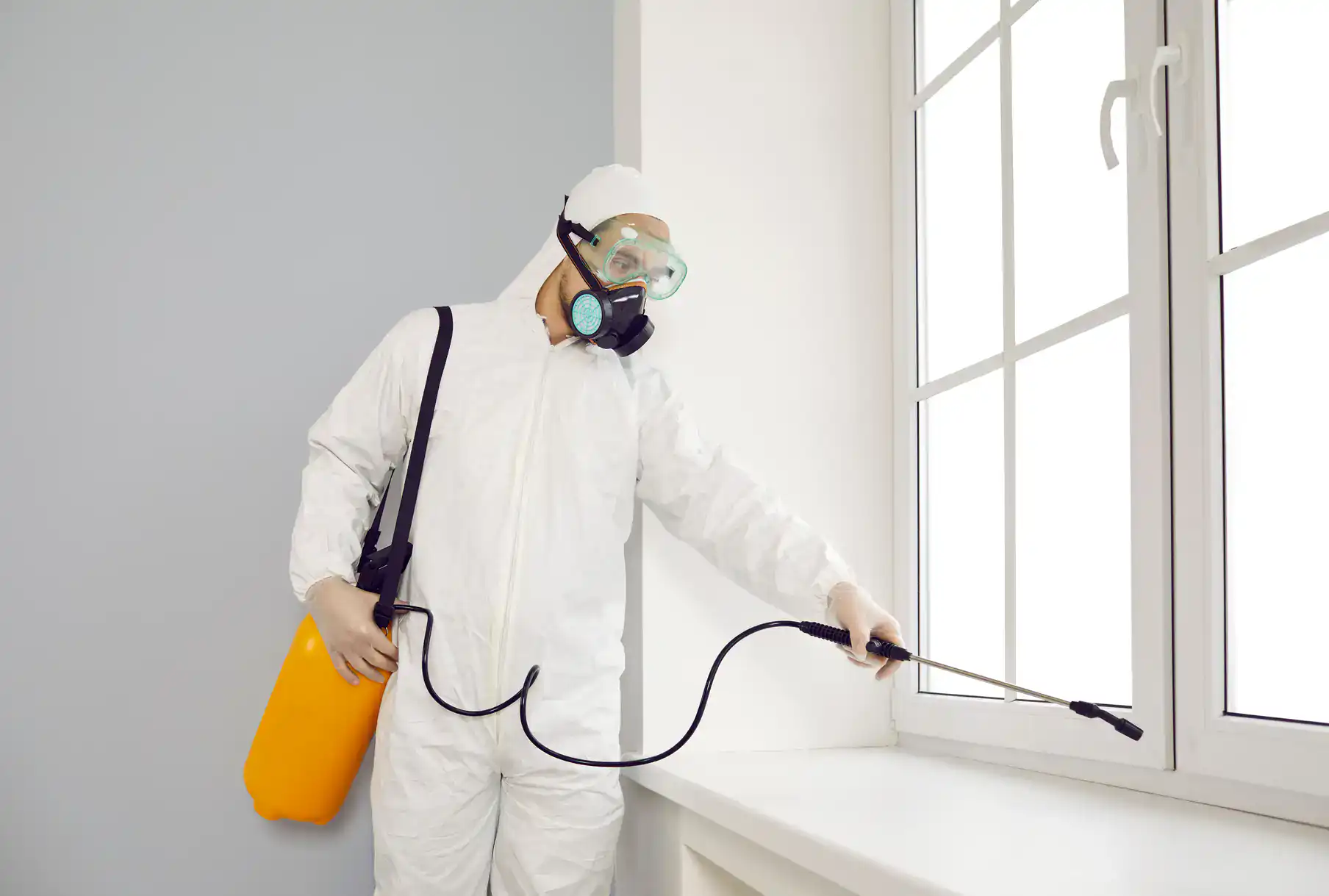
Hear from Our Customers
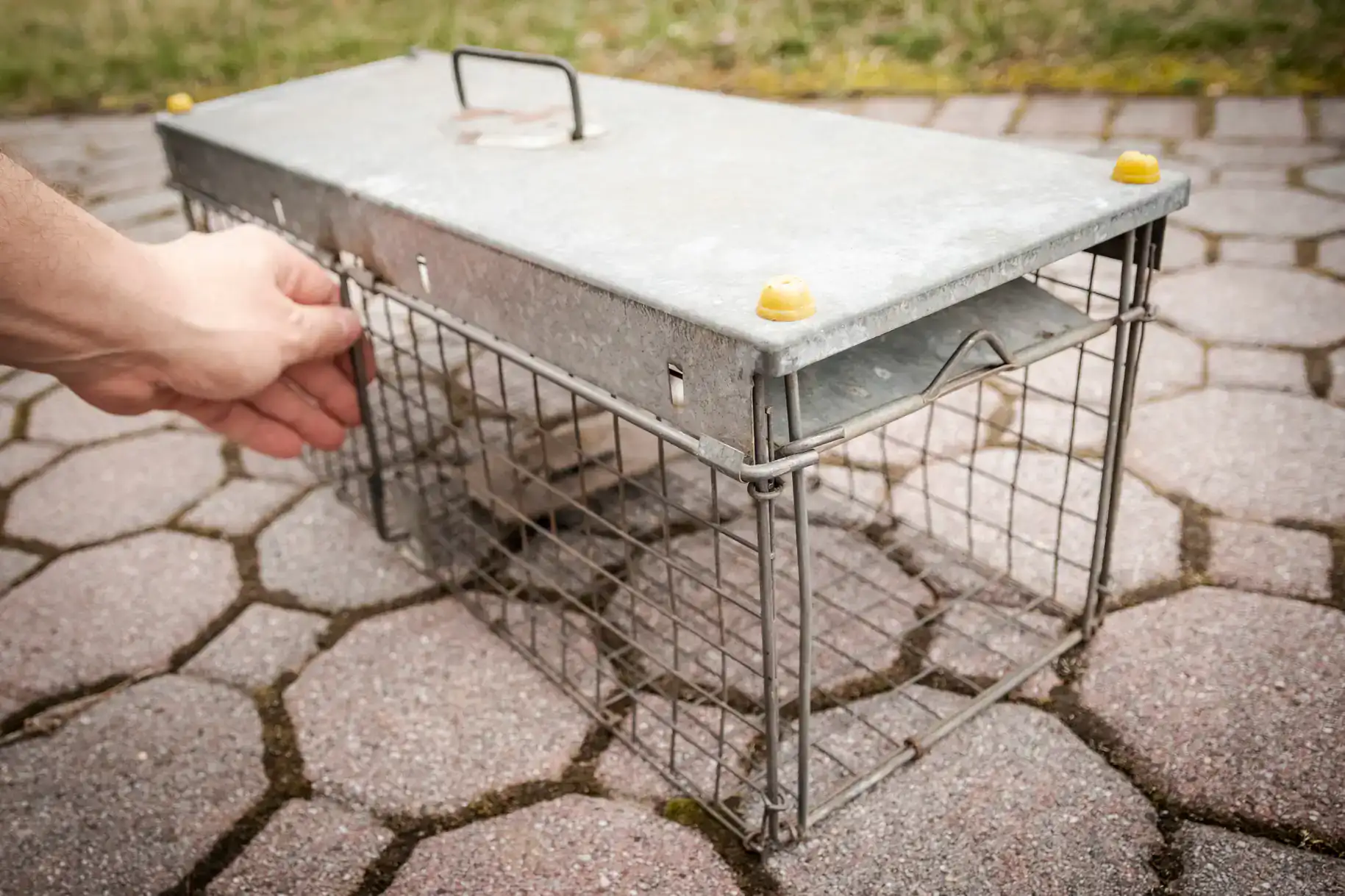
You stop throwing food away. You stop hearing scratching in the walls at 2am. You stop wondering whether the droppings you found this morning are from last week or last night. That’s what rodent removal in Richmond Hill, NY actually looks like when it’s done right not just a trap placed in a corner, but a real treatment plan built around where the problem is coming from.
Richmond Hill has a specific set of conditions that most pest control companies either don’t know about or don’t bother addressing. The 538-acre Forest Park on the northern border pushes rodents into residential streets every fall as temperatures drop and food sources in the park thin out. The food corridor along Liberty Avenue the roti shops, grocery stores, and markets that run through South Richmond Hill creates a year-round food source that keeps rodent populations active in the surrounding blocks even when it’s cold outside. If you live within a few blocks of either one, you’re dealing with pressure that doesn’t go away on its own.
Then there’s the housing stock itself. Richmond Hill’s Victorian and Edwardian rowhomes are beautiful, but they’re also a century old. Settled foundations, corroded pipe penetrations, gaps around aging utility lines these are the entry points that rodents use, and they’re almost invisible unless you know what to look for. Add in the shared walls and common basements of attached homes, and a rodent problem in your unit is almost never isolated to just your unit. Treating one side of the wall without sealing the shared entry points is how infestations come back within weeks.
We’ve been operating in New York City since 1976. That’s more than five decades of working in the exact kind of buildings that line Richmond Hill’s blocks attached Victorian rowhomes, prewar apartment buildings, mixed-use structures with aging plumbing and settled foundations. The company was built by Richard Kourbage Sr. and is now run alongside his sons Richard Jr. and Charles, who have been part of the business since 1987 and 1989 respectively. This is not a franchise or a call center it’s a family-owned operation where the people whose name is on the door are personally accountable for the outcome.
We hold an A+ rating with the Better Business Bureau of New York State and have maintained BBB accreditation since 1989. Every technician we employ is licensed through the New York State Department of Environmental Conservation, and every material we apply is NYSDEC-registered which matters in a household with kids, elderly relatives, or pets. NYC attorneys and real estate brokers actively refer clients to us for rodent control, health code violation remediation, and pre-sale inspections across Queens and the five boroughs.
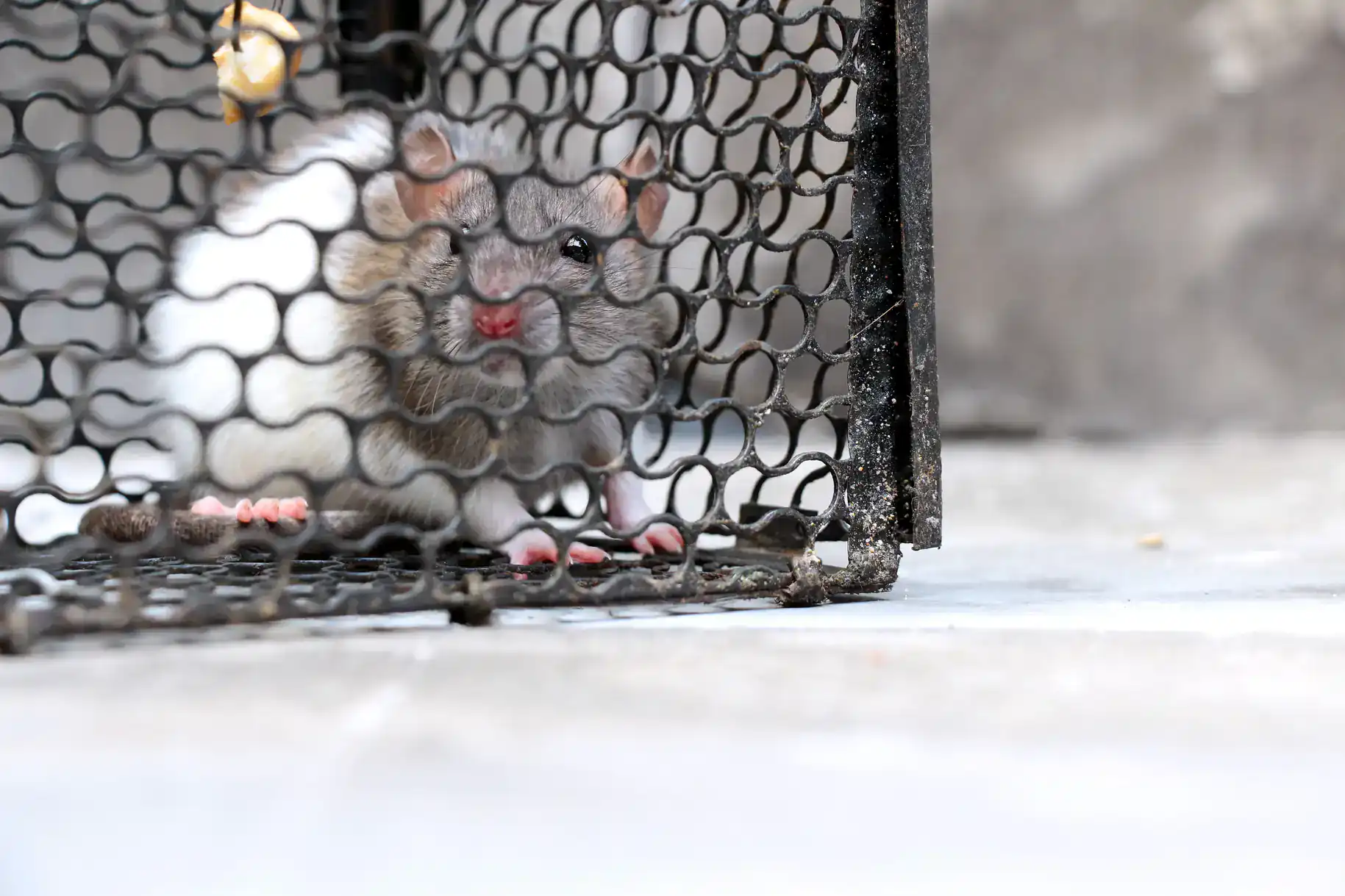
It starts with a thorough inspection interior and exterior. In Richmond Hill’s attached rowhomes, that means looking beyond your four walls. Our technician will assess your foundation, utility penetrations, basement access points, and any shared structural elements with neighboring units. The goal at this stage is to identify not just where rodents are active, but where they’re entering and why your property is attractive to them in the first place.
From there, a treatment plan is built around what was actually found. That might include snap traps, tamper-resistant bait stations, or a combination depending on the species, the severity, and the layout of your home. If you’re near the Liberty Avenue corridor or within a few blocks of Forest Park, those pressure sources factor directly into the plan. Rodent control in Richmond Hill, NY isn’t a one-size approach the conditions here are specific enough that the treatment has to match.
Exclusion work follows treatment. This is where gaps are sealed, entry points are closed off, and the structural vulnerabilities that allowed rodents in are addressed. In Richmond Hill’s century-old housing stock, this step is often the most important one because without it, re-infestation from neighboring properties or nearby harborage corridors like the abandoned LIRR Rockaway Beach Branch right-of-way is almost guaranteed. Follow-up visits confirm the treatment held, and we provide written service reports for any landlord, tenant, or NYC Health Department compliance need.
Ready to get started?
Our rodent control services in Richmond Hill, NY cover the full scope of what an infestation in this neighborhood actually requires. That includes species identification Norway rats and house mice are the two most common in Queens, and they behave differently, nest differently, and respond to different control methods. Knowing which one you’re dealing with changes the entire approach.
For residential properties, our service covers interior inspection and treatment, exterior perimeter assessment, targeted placement of control devices, and exclusion work on identified entry points. In Richmond Hill’s attached homes, exclusion is approached with shared-wall migration in mind not just the gaps visible from inside your unit, but the structural pathways rodents use to move between properties. If you’re a landlord managing a multi-family building on a block near Jamaica Avenue or Liberty Avenue, we provide documented service reports for every visit, which satisfies NYC Health Code Article 151 compliance requirements and supports your position in any tenant dispute or Health Department inspection.
For food-service businesses along Liberty Avenue or Jamaica Avenue, our commercial rodent control includes the same inspection and treatment framework with additional attention to NYC Health Department restaurant inspection standards. Every material we apply is NYSDEC-registered, which means it meets New York State’s regulatory requirements for both residential and commercial use no cutting corners, no unlicensed applications, no liability exposure for your property.
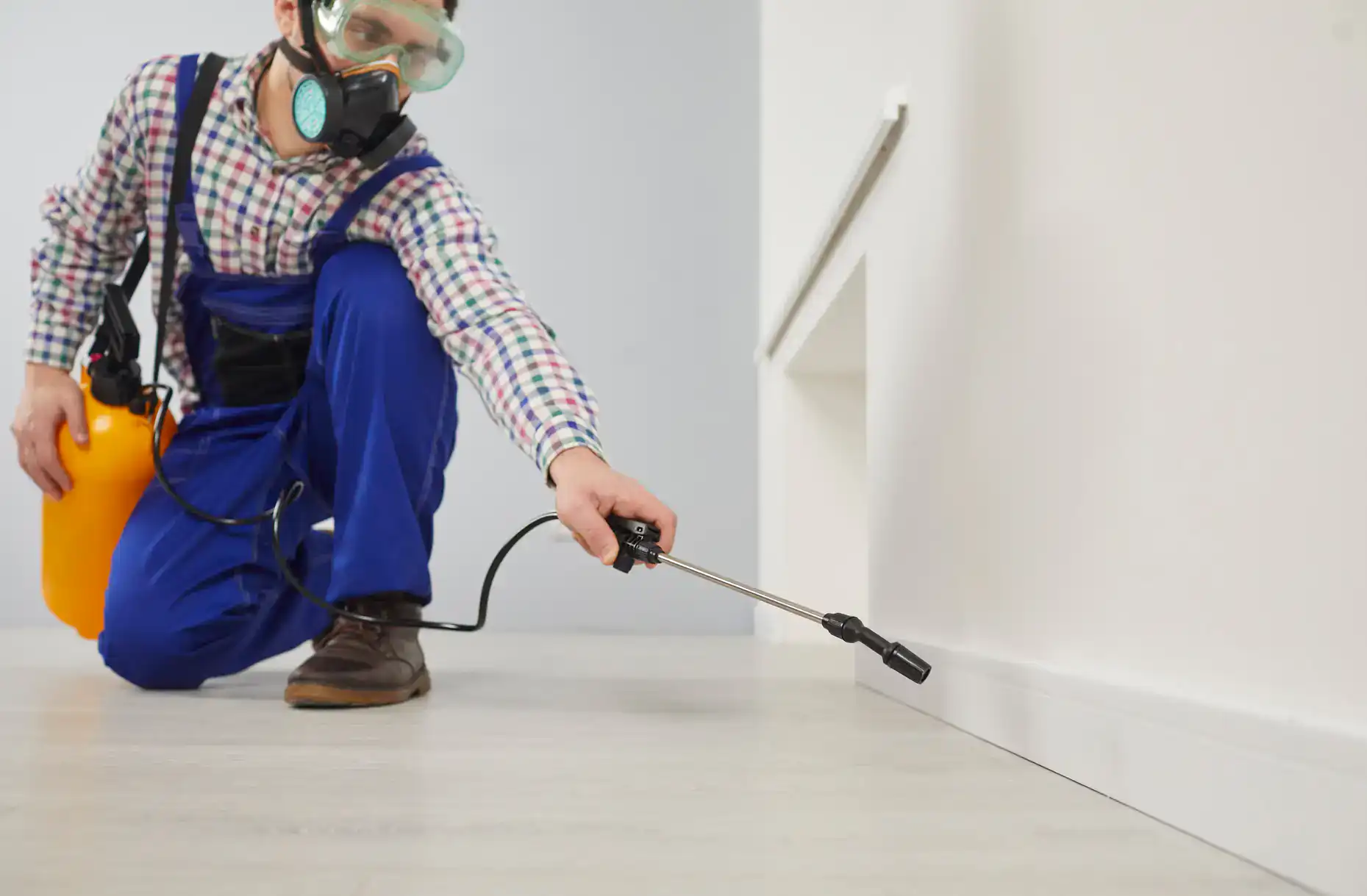
Traps catch individual rodents they don’t stop more from coming in. In Richmond Hill’s attached Victorian rowhomes, rodents move freely through shared wall cavities, common basements, and utility runs between neighboring properties. If you catch one mouse and don’t seal the entry point it used, another one from next door fills the gap within days. Hardware-store traps address what’s already inside; they do nothing about the structural pathways that allow continuous re-infestation.
The other issue is pressure from outside your property. If you’re within a few blocks of Forest Park or near the Liberty Avenue food corridor, you’re dealing with a sustained external rodent population that doesn’t respond to interior trapping alone. Professional rodent control in Richmond Hill, NY starts with identifying those pressure sources and building exclusion work into the plan not just placing traps and hoping for the best.
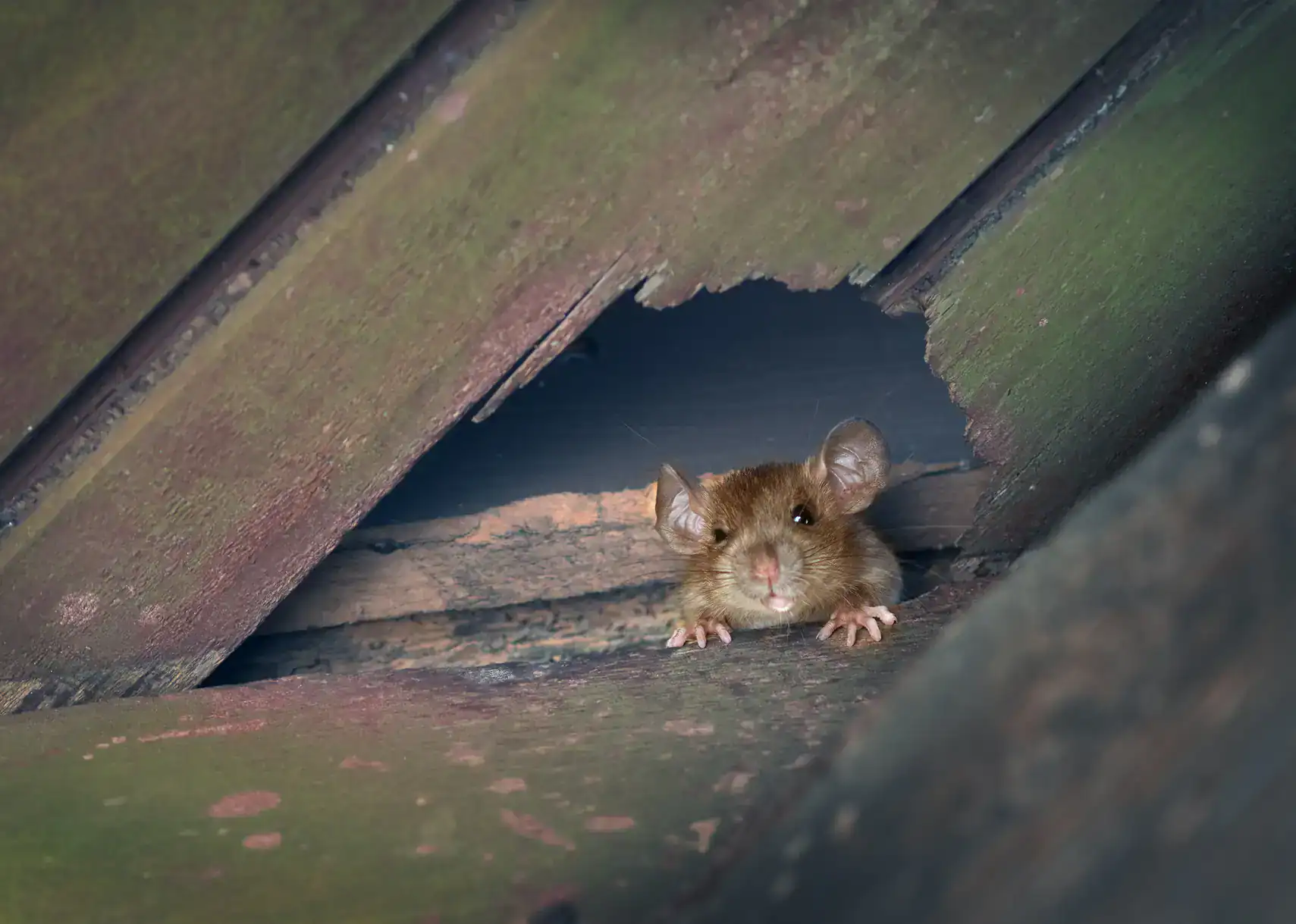
Richmond Hill’s Victorian and Edwardian rowhomes were built over a century ago, which means the foundation materials, pipe penetrations, and utility installations that were standard practice then have had 100+ years to settle, corrode, and develop gaps. Rats can squeeze through a hole the size of a quarter. Mice need nothing more than a gap the size of a pencil eraser. In a home that old, those openings exist in places most homeowners never think to look around cast-iron drain stacks, along the base of shared party walls, at the point where gas or water lines enter the foundation.
Attached homes add another layer to this. When properties share walls and basements, a rodent that enters through your neighbor’s foundation has a direct pathway into yours through the shared structure. This is why exclusion work in Richmond Hill has to account for the full shared-wall environment, not just the visible gaps inside your individual unit. A licensed rodent exterminator in Richmond Hill, NY will inspect the exterior perimeter and structural connection points not just the interior before recommending a treatment plan.
Yes, and it’s one of the more specific rodent pressure factors in this neighborhood. Forest Park covers 538 acres along Richmond Hill’s northern border. During warmer months, that wooded habitat provides rodents with food, cover, and nesting sites. As temperatures drop in October and November and food sources in the park thin out, rodents move toward the warmth and food availability of the residential streets immediately south of the park particularly along Park Lane South and the blocks closest to the park’s edge.
This seasonal migration is a documented pattern. It’s also one of the reasons why fall is the most important time to have a professional rodent inspection done on a Richmond Hill home. Waiting until you see active signs of infestation inside means the rodents have already established themselves. A pre-winter exterior inspection and targeted exclusion work on your property’s northern exposure can stop the seasonal migration at your foundation rather than inside your walls.
The CDC identifies more than 35 diseases that rats and mice can spread to humans directly through contact with droppings, urine, or bites, and indirectly through fleas and ticks that feed on infected rodents. The most commonly cited in urban environments like Queens include leptospirosis, salmonella, rat-bite fever, hantavirus, and lymphocytic choriomeningitis virus (LCMV). Leptospirosis in particular is associated with Norway rats, which are the dominant rat species in NYC and the type most commonly found in Richmond Hill’s residential areas.
In a multi-generational household which is the norm in much of Richmond Hill the risk profile is broader than in a single-adult home. Young children who play on floors, elderly residents with compromised immune systems, and pets that roam freely are all at higher exposure risk than healthy adults. This is part of why we apply only NYSDEC-registered materials: the treatment itself needs to be as safe for the people in the home as it is effective against the rodents.
Faster than most people expect. A female house mouse reaches reproductive maturity at two months old and can produce six to ten litters during her lifespan, with five to six young per litter. In practical terms, a handful of mice that enter a Richmond Hill home in October can become a significant infestation by January if nothing is done. Rats breed more slowly but establish larger territories and are harder to displace once they’ve nested inside a structure.
The conditions in Richmond Hill accelerate this timeline. The food corridor along Liberty Avenue sustains rodent populations year-round, which means there’s no natural seasonal die-off that would reduce the pressure on adjacent residential properties the way you’d see in a more rural or purely residential area. If you’ve seen one mouse or found fresh droppings, the realistic question isn’t whether there are more it’s how many and where they’re nesting. A professional rodent pest control inspection in Richmond Hill, NY gives you that answer quickly, before the problem scales.
Under NYC Health Code Article 151, property owners are legally required to maintain their premises free of rodent infestation and to take corrective action when a problem is identified. If you’re a renter in Richmond Hill and your landlord is not addressing a documented rodent problem, you have the right to file a complaint with the NYC Department of Health and Mental Hygiene through 311. The Health Department will conduct an inspection, and if the property fails, the landlord receives an abatement order with a required remediation timeline. Repeated failures result in escalating fines and enforcement actions.
If you’re a landlord, the flip side of this is equally important. Health Department violations tied to rodent conditions are on the public record, and they affect your ability to rent, sell, or refinance a property. We provide documented service reports for every visit, which creates a paper trail that demonstrates good-faith remediation efforts relevant in tenant disputes, Health Department compliance inspections, and real estate transactions involving properties in Queens Community Boards 9 and 10, which cover Richmond Hill. A licensed rodent exterminator who understands NYC’s regulatory environment is a different resource than one who just shows up with traps.
Useful Links