
Hear from Our Customers
You stop second-guessing every shadow on the kitchen floor. You stop wondering whether the problem is in your unit or coming through the wall from next door. That’s what effective cockroach control actually delivers not just fewer sightings, but the kind of confidence that comes from knowing the source was found and addressed.
In Morningside Heights, that matters more than it does in most places. The pre-war co-ops and rental buildings along Riverside Drive and Claremont Avenue weren’t built with modern pest exclusion in mind. Aging pipe penetrations, shared wall cavities, and decades of settled cracks give cockroaches more entry points and hiding spots than any spray-and-leave approach can reach. Because the Morningside Heights Historic District limits how much structural renovation can happen in many of these buildings, the problem doesn’t get solved by a contractor it gets managed by a pest control professional who understands what they’re actually working with.
There’s also the health side of this. The Columbia University Mailman School of Public Health right here in the neighborhood has documented cockroach allergens in the majority of NYC apartments studied. Those allergens don’t disappear when you stop seeing live roaches. A thorough treatment that targets harborage areas, not just visible insects, is what actually reduces the allergen load in your home.
Kingsway Exterminating is a family-owned company that Richard Kourbage Sr. built from the ground up and has operated continuously for over 40 years. Richard Kourbage Jr. joined in 1987, and multiple family members remain part of the business today. This isn’t a franchise. There’s no revolving door of new technicians. We collectively bring over 100 years of hands-on pest control experience, and that depth shows in how we approach every job.
We’ve been working inside Manhattan’s pre-war apartment buildings throughout our entire history the same building types that define Morningside Heights, from the co-ops near the Cathedral of St. John the Divine to the rental buildings within walking distance of the 116th Street Columbia University station. We hold a consistent A+ rating with the Better Business Bureau of New York State, are fully licensed, bonded, and insured, and apply only NYS Department of Environmental Conservation registered materials. When you call Kingsway, you’re getting a company that has earned its track record not one that’s still building it.
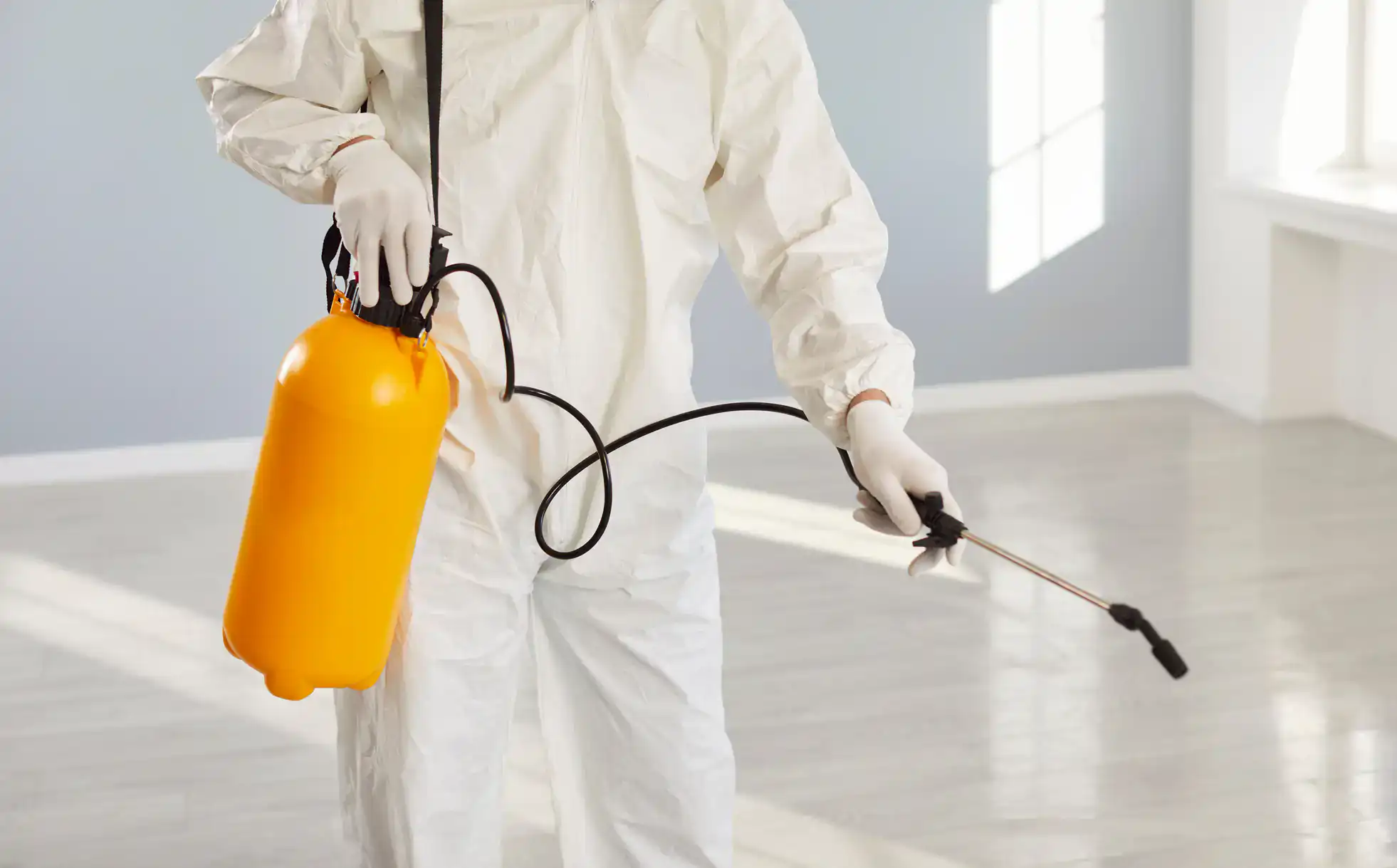
It starts with an inspection a real one, not a five-minute walkthrough. In Morningside Heights’ pre-war buildings, cockroaches don’t just live in your kitchen. They move through shared pipe chases, wall voids, and utility conduits that connect your unit to the rest of the building. The inspection identifies where they’re coming from, which species you’re dealing with, and what’s driving the infestation because that determines everything about the treatment.
Species matters here more than most people realize. German cockroaches the small, fast ones in kitchens and bathrooms require a bait-and-growth-regulator approach, not a spray. Spraying actually scatters them deeper into the walls, making the problem harder to eliminate. American cockroaches, the large ones residents near Riverside Park and Morningside Park often call “waterbugs,” are a different issue entirely they migrate up from sewer and drainage infrastructure during rain events and seasonal transitions, and they need to be addressed at the entry points, not just inside the unit.
Once the inspection is complete, we apply treatment to the right areas using NYS DEC registered materials gel baits, targeted applications, and insect growth regulators where appropriate. Because the structural conditions in Morningside Heights buildings are persistent, follow-up visits are typically scheduled to monitor activity, confirm the treatment is working, and address any new pressure points. Ongoing maintenance programs monthly or every other month are available for buildings and units where the conditions warrant it.
Ready to get started?
Cockroach pest control in Morningside Heights isn’t a one-size-fits-all job. The buildings here are landmarked, layered with history, and structurally complex in ways that newer construction simply isn’t. Our approach accounts for that. Treatments are designed around what’s actually in the building the species present, the harborage conditions, the shared infrastructure not a standard checklist.
For residential clients in pre-war co-ops and rental buildings, that means targeted gel bait applications in harborage zones, insect growth regulators to interrupt the reproduction cycle, and follow-up monitoring to confirm the population is declining. For renters who are uncertain whether their landlord or they are responsible for treatment, we work with both tenants and property managers and can coordinate building-wide programs when the infestation is moving through shared walls. Under New York City’s Housing Maintenance Code, landlords in rental buildings are legally required to maintain pest-free conditions, and we can work within that framework on either side.
For commercial clients along Broadway restaurants, institutional food service operations, or any establishment subject to NYC Department of Health inspections we understand what a cockroach-related health code violation means for a business. We carry the credentials and documentation capability to support remediation efforts and help you get back to a clean inspection. We also issue Demolition Clearance Certificates to the NYC Department of Health, a specialized credential that speaks to the depth of our regulatory experience.
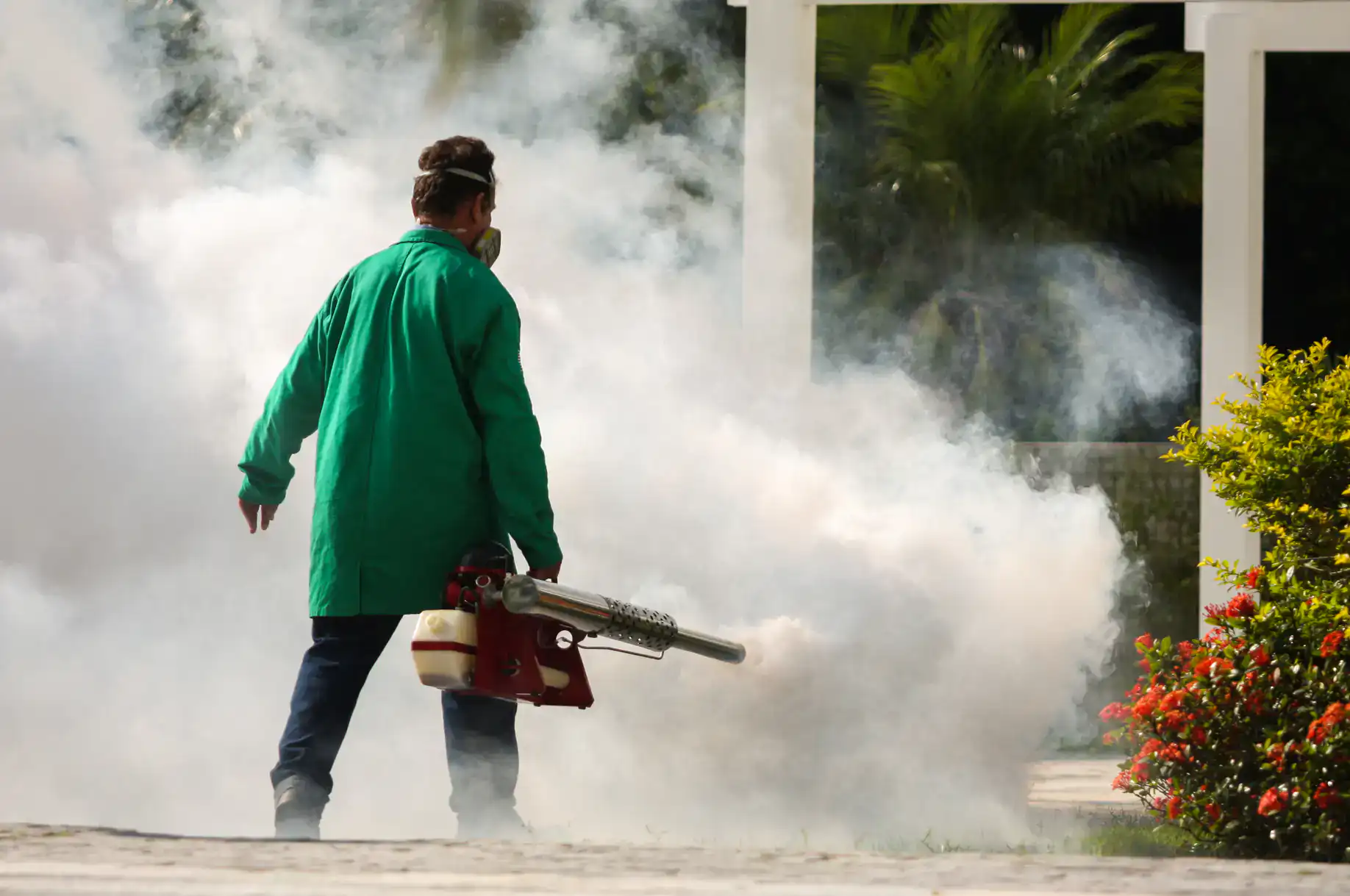
Store-bought sprays and over-the-counter products fail in Morningside Heights apartments for a specific reason: they don’t reach where the cockroaches actually live. In pre-war buildings, German cockroaches harbor deep inside wall voids, behind steam radiator pipes, inside cabinet hinges, and in the gaps around aging plumbing penetrations. A spray hits the surfaces you can see it does nothing to the population living two inches inside your wall.
There’s also a resistance problem. German cockroaches in NYC have developed documented resistance to many synthetic pyrethroid-based sprays the active ingredient in most retail products. Spraying them can actually scatter the population and make the infestation harder to eliminate. Professional treatment uses gel baits that cockroaches carry back to the harborage, affecting the colony rather than just the individuals you can see. If you’ve treated multiple times without results, that’s the most common reason why.
Yes and the difference matters for how it’s treated. The large cockroach you’re seeing is almost certainly an American cockroach, which New Yorkers have called a “waterbug” for generations. They’re not the same insect as the small German cockroach that infests kitchens and bathrooms, and they don’t respond to the same treatment approach.
American cockroaches in Morningside Heights especially in buildings near Riverside Park and Morningside Park typically enter through sewer connections, floor drains, and basement infrastructure. Both parks have drainage systems that connect to the city’s sewer network, and during heavy rain events or seasonal temperature shifts, these cockroaches migrate upward into building basements and ground-floor units. Treating them effectively means identifying and addressing the entry points drains, pipe penetrations, basement gaps not just applying product inside the living space. A technician who identifies the species first and adjusts the treatment accordingly is the difference between solving the problem and chasing it.
In a Morningside Heights pre-war apartment building, yes meaningfully so. German cockroaches move through shared wall voids, plumbing chases, and utility conduits without any awareness of where one unit ends and another begins. A well-established infestation in one apartment is almost always spreading pressure to adjacent units, above and below, through the building’s shared infrastructure.
The tricky part is that cockroaches are nocturnal and tend to stay hidden until a population is large enough that competition for food and space pushes individuals into the open. Not seeing cockroaches doesn’t mean they’re not present it often just means the population in your unit hasn’t reached that threshold yet. If your neighbor has confirmed cockroaches, a preventive inspection is worth doing. Early-stage infestations are significantly easier and less expensive to address than established ones, and in a building where the structural conditions favor their spread, getting ahead of it is the smarter move.
Under New York City’s Housing Maintenance Code, the legal responsibility for pest extermination in rental housing falls on the landlord. Landlords are required to maintain their buildings free of pests, and tenants have the right to file a 311 complaint with the NYC Department of Housing Preservation and Development if a landlord fails to address the problem after being notified.
In practice, the process isn’t always straightforward. Some landlords respond quickly; others delay. If you’ve notified your landlord in writing and haven’t gotten a response within a reasonable timeframe, a 311 complaint creates an official record and can trigger an HPD inspection. We work with both tenants and property managers so whether you’re a renter trying to document the problem or a property manager trying to coordinate a building-wide treatment, we can work within whichever situation you’re in. It’s also worth noting that in buildings with multiple affected units, a coordinated treatment across the building is almost always more effective than treating one apartment at a time.
For German cockroaches, most residents start seeing a significant reduction in activity within one to two weeks of a professional bait-based treatment. The full effect takes longer typically four to six weeks because the goal isn’t just killing the cockroaches you can see, but disrupting the reproduction cycle of the entire colony. Insect growth regulators, which are part of a professional treatment, prevent juvenile cockroaches from reaching reproductive maturity, which is what breaks the cycle rather than just reducing the current population.
In Morningside Heights’ pre-war buildings, the timeline can be affected by the severity of the infestation and the building’s structural conditions. If cockroaches have been established in the wall voids for an extended period, or if the infestation is coming from multiple units in the building, a single treatment visit is rarely the complete answer. Follow-up monitoring visits typically scheduled two to four weeks after the initial treatment allow the technician to assess progress, address any remaining activity, and confirm that the treatment is working as expected. For buildings with persistent pressure, an ongoing maintenance schedule is the most reliable long-term approach.
We offer a 10% senior discount, which applies to senior residents throughout our service area, including Morningside Heights. Given the neighborhood’s mix of long-term residents many of whom have lived in the same Riverside Drive or Claremont Avenue apartment for decades this is a straightforward way to reduce the cost of professional pest control for older residents on fixed incomes who may have been managing a recurring cockroach problem in an aging building for years.
Beyond the senior discount, it’s worth understanding what you’re actually getting for the cost of professional service versus continuing to spend on retail products that aren’t solving the problem. In a pre-war Manhattan apartment where the structural conditions favor cockroach harborage, the cost of repeated DIY attempts adds up and the infestation typically grows larger in the meantime, making it more expensive to address later. Professional treatment that targets the source, uses the right products for the species present, and includes follow-up monitoring is a more direct path to actually resolving the problem than cycling through store-bought options that weren’t designed for this kind of environment.
Useful Links