Hear from Our Customers
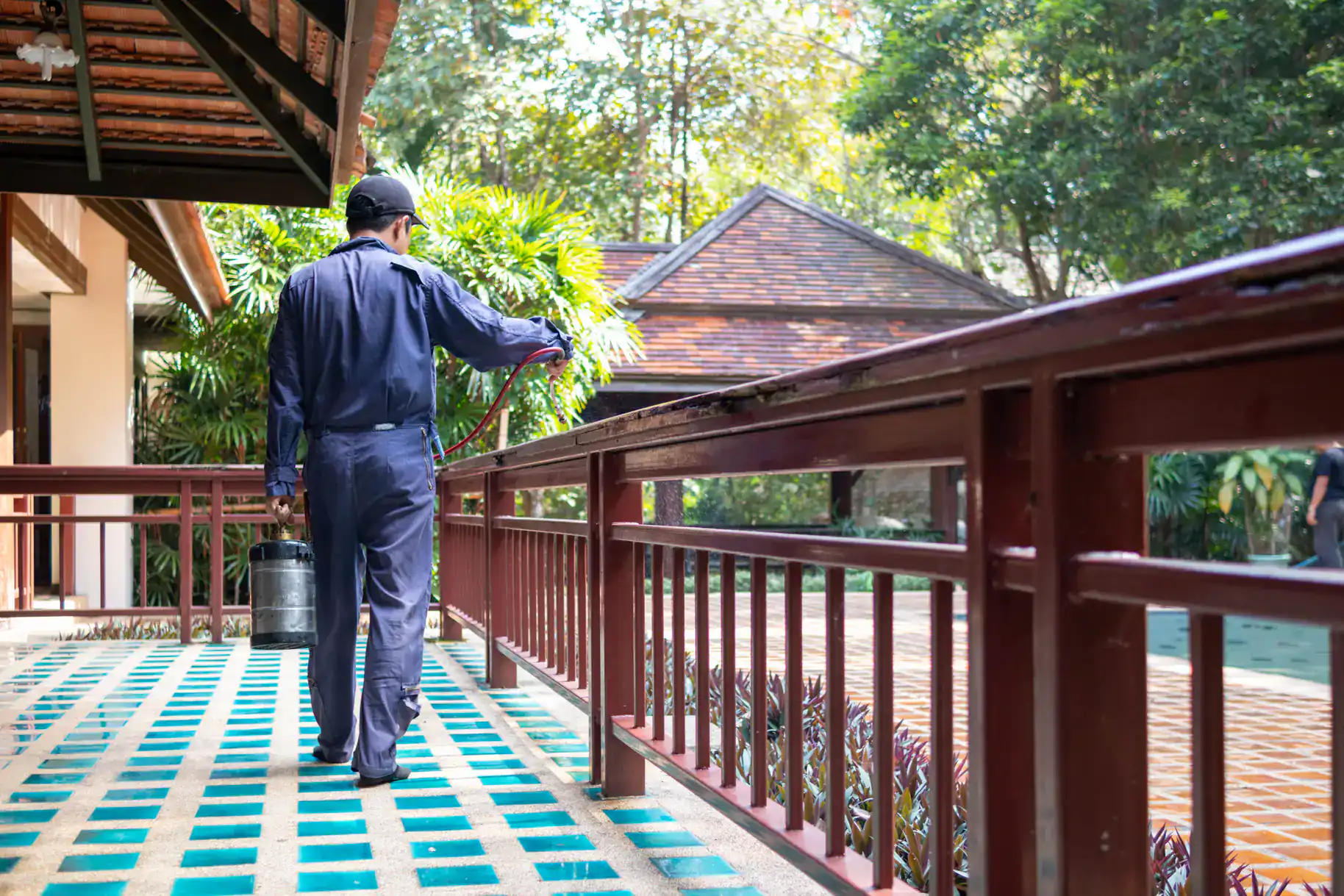
Living in Flushing means your pest problem rarely starts in your unit. It comes through the wall from a neighboring apartment, up through shared plumbing from the floor below, or in from the restaurant two doors down that stays open until midnight. Treating the surface doesn’t fix that. What actually fixes it is understanding how pests move through shared structures and stopping them at the source.
When the job is done right, you stop seeing evidence. No droppings behind the stove. No rustling sounds at 2 AM. No roaches scattering when you flip a light switch. That’s the baseline, and it’s what you should expect from a licensed professional. But in a neighborhood like Flushing where construction along Roosevelt Avenue is actively displacing rodents into surrounding buildings and where Flushing Creek’s low-lying geography keeps basements damp year-round the job also means sealing the conditions that keep inviting pests back in the first place.
For the restaurant owner on Main Street, it means staying compliant with DOHMH inspections and keeping that letter grade on the window. For the renter in a multi-family building off Northern Boulevard, it means not having to wait on a slow super while the problem spreads to the next unit. For the homeowner in Auburndale, it means protecting the structure not just the surface.
We’ve been operating in New York City since 1971. That’s not a tagline it’s a track record built in the kinds of dense, mixed-use urban environments that define Flushing, Queens. The aging apartment buildings stacked along Kissena Boulevard and Northern Boulevard. The commercial corridors packed with food businesses on Main Street. The shared walls and basement utility spaces where pests actually live. We’ve treated all of it.
We’re family-owned and operated, which means when something goes wrong or needs a follow-up, you’re not calling a ticket number at a national franchise. You’re calling the same company that showed up the first time. That accountability matters in Flushing, where reputation travels and word of mouth still means something.
We’re fully licensed by the New York State Department of Environmental Conservation the credential that separates a qualified applicator from someone with a spray can and a Craigslist ad. We carry full insurance, and we’re equipped to handle everything from a single-unit roach problem in a high-rise off Main Street to a building-wide rodent issue near Flushing Meadows.
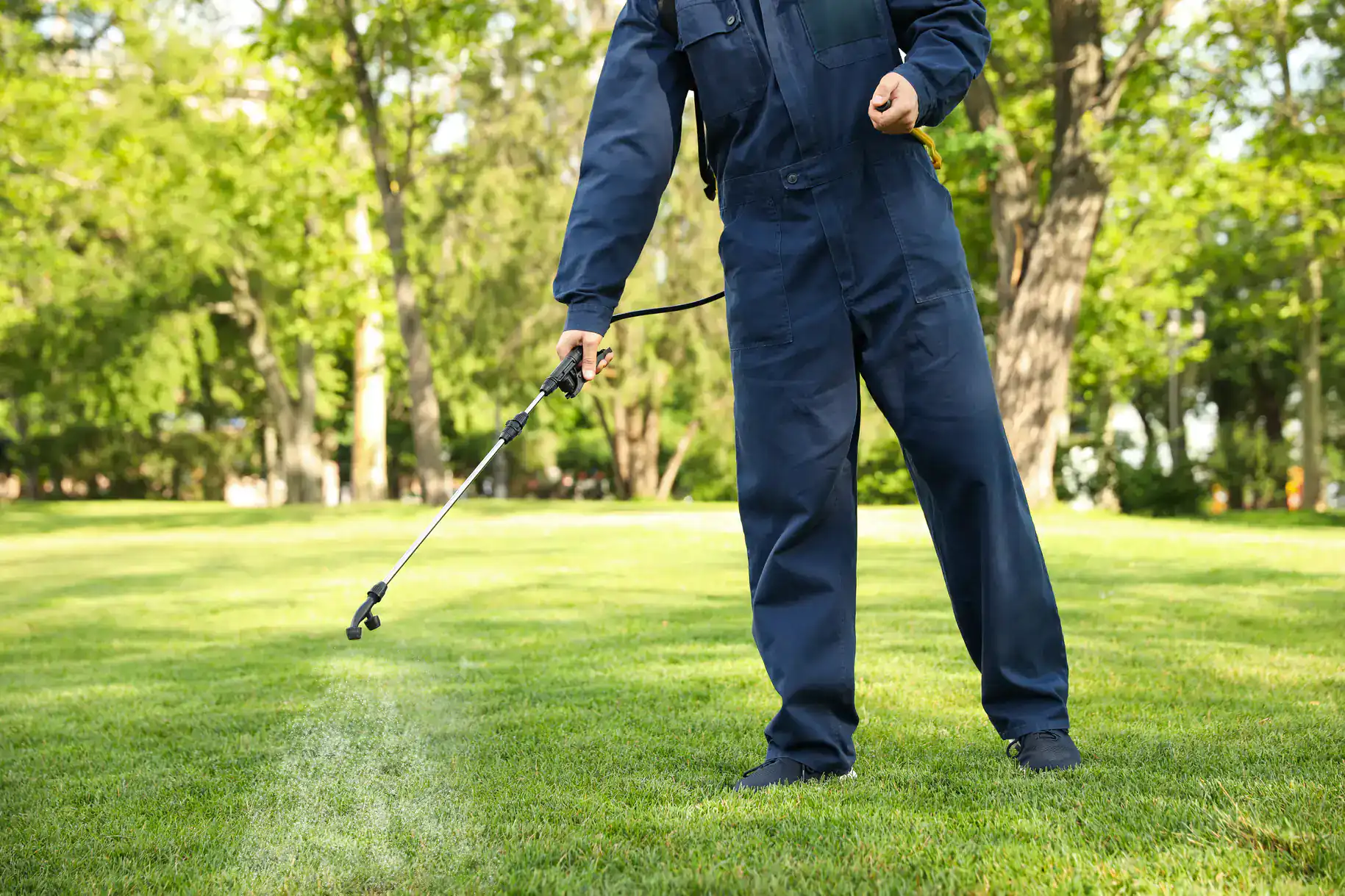
It starts with a free inspection. Before anything gets treated, we need to know what you’re actually dealing with what pest, where it’s coming from, and why your property is vulnerable to it. In Flushing, that last part matters more than most people realize. A basement with chronic moisture from the neighborhood’s low-lying drainage history is a different problem than a ground-floor apartment sharing a wall with a restaurant kitchen. The inspection tells us which one we’re solving.
From there, we put together a treatment plan that fits the specific situation. For residential properties, that usually means a combination of targeted treatment in active areas and exclusion work at the entry points gaps around pipes, cracks in the foundation, spaces under doors. For commercial properties, particularly the restaurants and food businesses that make up so much of Flushing’s Main Street corridor, we build in the documentation and scheduling that DOHMH compliance requires. You get a record of the service, not just a visit.
After treatment, we walk you through what to expect how long before activity drops off, whether a follow-up visit makes sense, and what you can do to reduce the conditions that attracted pests in the first place. In multi-family buildings, we’re also direct about what single-unit treatment can and can’t accomplish when neighboring units haven’t been addressed. You get an honest picture, not just a closed invoice.
Ready to get started?
Flushing’s pest profile is more varied than most neighborhoods in Queens. You’ve got cockroaches migrating through shared plumbing in apartment buildings off Kissena Boulevard. Rodents getting displaced by excavation work on the new mixed-use developments near Roosevelt Avenue and finding their way into the residential buildings next door. Bed bugs arriving via the steady stream of visitors who come through for the US Open at the USTA Billie Jean King National Tennis Center or the restaurant scene that draws people from across the city. Mosquitoes breeding in the standing water features at Flushing Meadows–Corona Park and making their way into the surrounding blocks every summer. These aren’t generic pest problems they’re specific to this neighborhood’s geography, density, and activity level.
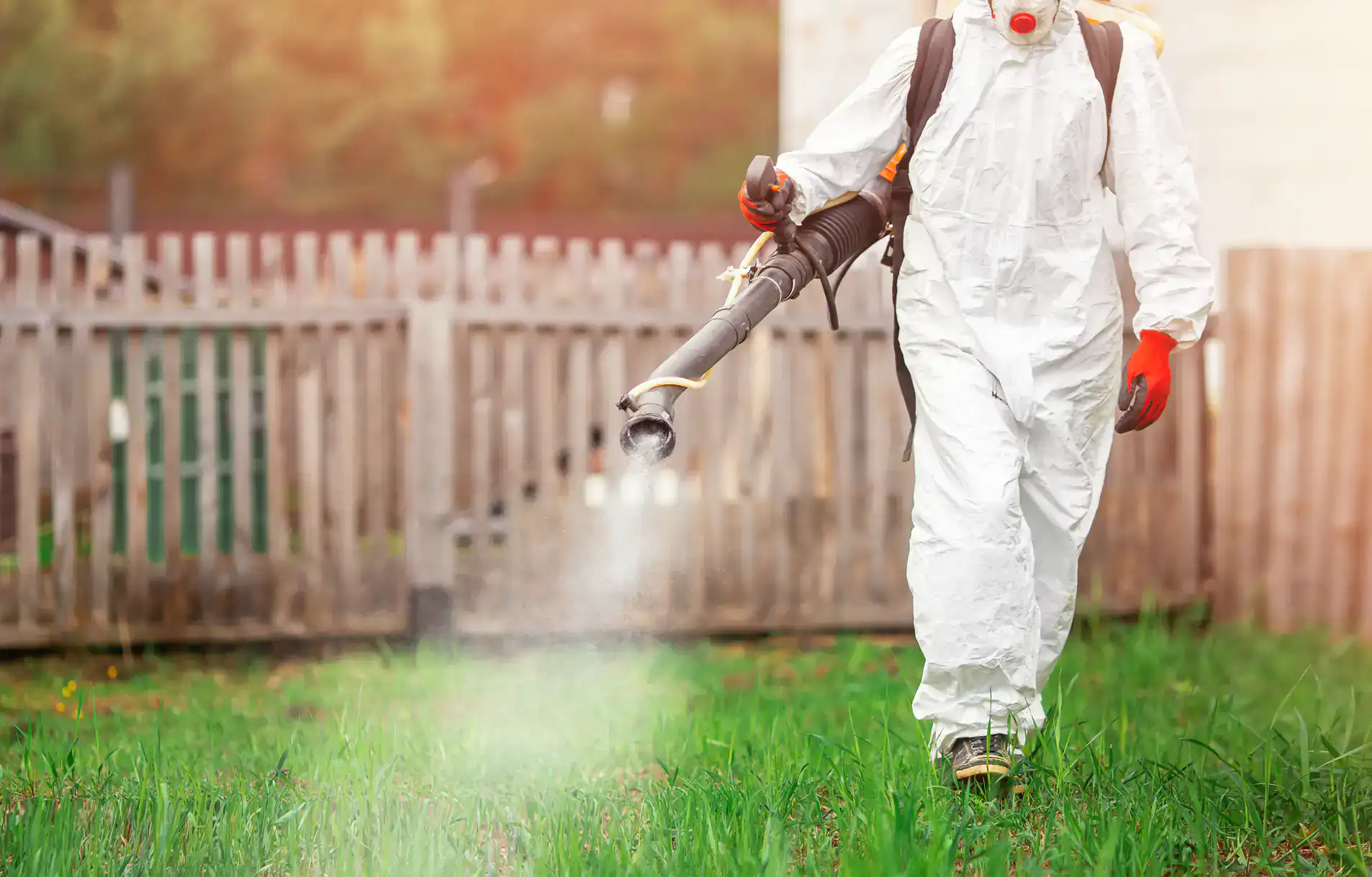
We handle all of it. General pest control for roaches, ants, silverfish, and flies. Rodent control and exclusion for mice and rats. Certified bed bug treatment using both heat and chemical methods depending on what the situation calls for. Termite inspections and WDI reports for real estate transactions relevant in Flushing’s active property market, where FHA and VA lenders routinely require them before closing. Stinging insect removal, mosquito treatment, flea and tick control, and wildlife management for the properties near the park where those pressures are real.
If you’re a landlord managing a multi-unit building in Flushing, we can work with you on a building-wide treatment approach that actually stops the cycle of re-infestation rather than just rotating the problem between floors. If you’re a restaurant operator facing a DOHMH reinspection window, we understand what that timeline looks like and what documentation you need when it’s over.
This is one of the most common frustrations for Flushing residents, and the answer almost always comes back to the building itself not your unit specifically. In a multi-family building, cockroaches travel through shared plumbing chases, wall voids, and electrical conduits. Treating one apartment without addressing neighboring units or the building’s shared infrastructure is like plugging one hole in a net. The roaches just route around it.
In Flushing specifically, the problem is compounded by proximity to the neighborhood’s dense food service corridor. Buildings that share a block with restaurants which describes most of Downtown Flushing have a continuous external food source driving pest pressure from the outside in. A professional treatment needs to address both the active infestation inside your unit and the structural entry points that allow re-infestation from neighboring spaces. If your landlord isn’t coordinating a building-wide approach, that’s a conversation worth having and we can work with both tenants and property owners to get the right scope of treatment in place.
In most cases, we can schedule same-day or next-day service for properties in Flushing and the surrounding Queens neighborhoods. We’re available 24 hours a day, seven days a week because a rodent sighting in a shared apartment building at 9 PM on a Sunday isn’t something that should wait until Monday morning business hours.
Speed matters in Flushing’s housing environment more than it does in a typical suburban neighborhood. In a building with multiple units sharing walls, floors, and utility spaces, a pest problem in one unit can spread to neighboring apartments within days if it isn’t addressed quickly. The sooner a licensed professional can assess the situation and begin treatment, the smaller the scope of the problem stays. When you call, you’ll speak to someone who can give you a real appointment window not a vague callback promise.
Yes when it’s done by a licensed applicator using EPA-registered materials and following proper preparation protocols. The key word there is licensed. A New York State DEC-licensed pest control applicator is required to use approved products at approved application rates, and we’ll give you specific preparation instructions before the treatment so that your family and pets aren’t exposed unnecessarily during or immediately after the service.
This is a particularly relevant concern in Flushing, where multi-generational households are common and a significant portion of the population includes elderly residents and young children. We take those prep instructions seriously they’re not boilerplate. Before we treat, we’ll tell you exactly what to remove from treated areas, how long to stay out, and when it’s safe to return. If you have specific health concerns or sensitivities in your household, tell us before the appointment and we’ll factor that into the treatment approach. The goal is a safe outcome for everyone in the home, not just a fast one.
It depends on the transaction, but in many cases yes. If you’re purchasing a home in Flushing using an FHA or VA loan, your lender will likely require a Wood-Destroying Insect (WDI) inspection report before the loan can close. Even in cash transactions, real estate attorneys and buyers’ agents in Queens routinely request WDI reports as part of due diligence, particularly for the older single-family homes in areas like Auburndale where termite and wood-boring beetle activity is a known risk in the aging housing stock.
A WDI inspection is a specific, standardized inspection performed by a licensed pest control professional. It documents the presence or absence of wood-destroying insects termites, carpenter ants, wood-boring beetles and produces an official report that your lender, attorney, or title company can accept. We perform these inspections and issue the documentation on a timeline that works with your closing schedule. If you’re in the middle of a transaction and need this done quickly, call us directly and we’ll work around your deadline.
Cockroaches and rodents are the two most persistent year-round pest problems in Flushing both driven by the neighborhood’s density, its food service concentration along Main Street, and its shared building infrastructure. These don’t go away in winter the way they might in a suburban environment in a heated apartment building, cockroaches and mice stay active regardless of the temperature outside.
Seasonally, a few specific pressures stand out. Rodent intrusions spike in early fall as temperatures drop and construction displacement from Flushing’s ongoing development boom pushes mice and rats into surrounding buildings. Mosquito pressure increases in summer, particularly for properties near Flushing Meadows–Corona Park, where standing water in the park’s low-lying terrain creates breeding conditions. Bed bug complaints tend to rise in late summer, coinciding with the US Open at the USTA Tennis Center and the increased visitor traffic that comes with it. Termite swarm season runs from roughly March through May and is the right time to schedule an inspection if you haven’t had one recently.
The honest answer is that it depends on what you’re dealing with. A standard residential treatment for cockroaches or general pest control in a Flushing apartment typically runs in the range of $150 to $300 for a single visit. Rodent control with exclusion work sealing entry points in addition to trapping and baiting usually runs higher, often $200 to $500 depending on the size of the property and the extent of the infestation. Bed bug treatment is more involved and can range from $500 to $1,500 or more depending on the method used and the number of rooms affected.
For commercial properties in Flushing restaurants, food markets, retail spaces pricing is typically structured around a recurring service agreement rather than a single visit, because DOHMH compliance requires ongoing documentation and scheduled treatments rather than one-time fixes. We offer free inspections with no obligation, which means before you spend anything, you’ll know exactly what you’re dealing with and what it will cost to fix it. Flushing’s housing market is active and its residents are value-conscious we’d rather give you a clear number upfront than a vague range that turns into a surprise on the invoice.
Useful Links
Other Services we provide in Flushing