
Hear from Our Customers
You stop second-guessing every creak in the wall. You stop checking the mattress seams before bed. You stop buying sprays that work for a week and then don’t. That shift from constant low-grade stress to just living in your home again is what professional pest control in Jamaica, NY actually delivers when it’s done right.
Jamaica’s housing stock makes this harder than it sounds. Older two-family homes in Hollis and Addisleigh Park have decades of settled cracks, deteriorated weatherstripping, and aging utility penetrations that give mice and cockroaches a direct path inside. Multi-unit buildings near Rochdale Village and Baisley Park compound the problem pests don’t respect unit lines. They move through shared wall voids, plumbing chases, and electrical conduits. Treating one unit without addressing the building is like mopping with the faucet running.
And then there’s what makes Jamaica different from most Queens neighborhoods: the daily exposure. Thousands of residents commute through Jamaica Station, the AirTrain, and the E, F, J, and Z lines the same transit infrastructure that connects directly to JFK International Airport. Bed bugs are expert hitchhikers, and Jamaica’s position as the primary gateway to one of the world’s busiest international airports creates a real, structural introduction risk that doesn’t exist the same way in more residential parts of the borough. When pest control is done properly here, you’re not just treating what’s already inside you’re closing the door on what keeps finding its way in.
We’ve been operating in the New York City metro area since 1971. That’s not a tagline it’s a fact that matters when you’re dealing with a pest problem in a borough as layered and complex as Queens. Our technicians who show up to your home or building in Jamaica, NY have treated everything from the grand single-family homes of Jamaica Estates to the dense apartment corridors near Downtown Jamaica. We know what this neighborhood’s housing stock looks like from the inside, and we know how pests move through it.
We’re NYSDEC-licensed, fully insured, and certified in bed bug treatment both heat and chemical. For Jamaica landlords managing HPD violations, Local Law 55 compliance, or annual bed bug reporting requirements, that licensing isn’t optional. It’s what makes our documentation accepted by housing courts, mortgage lenders, and city agencies. For homeowners, it means you’re covered if anything goes wrong. For renters, it means you’re working with a company that can actually be held accountable.
Family-owned since day one. No rotating call centers, no franchise ticket numbers. Just a company with a real stake in getting it right in Jamaica.
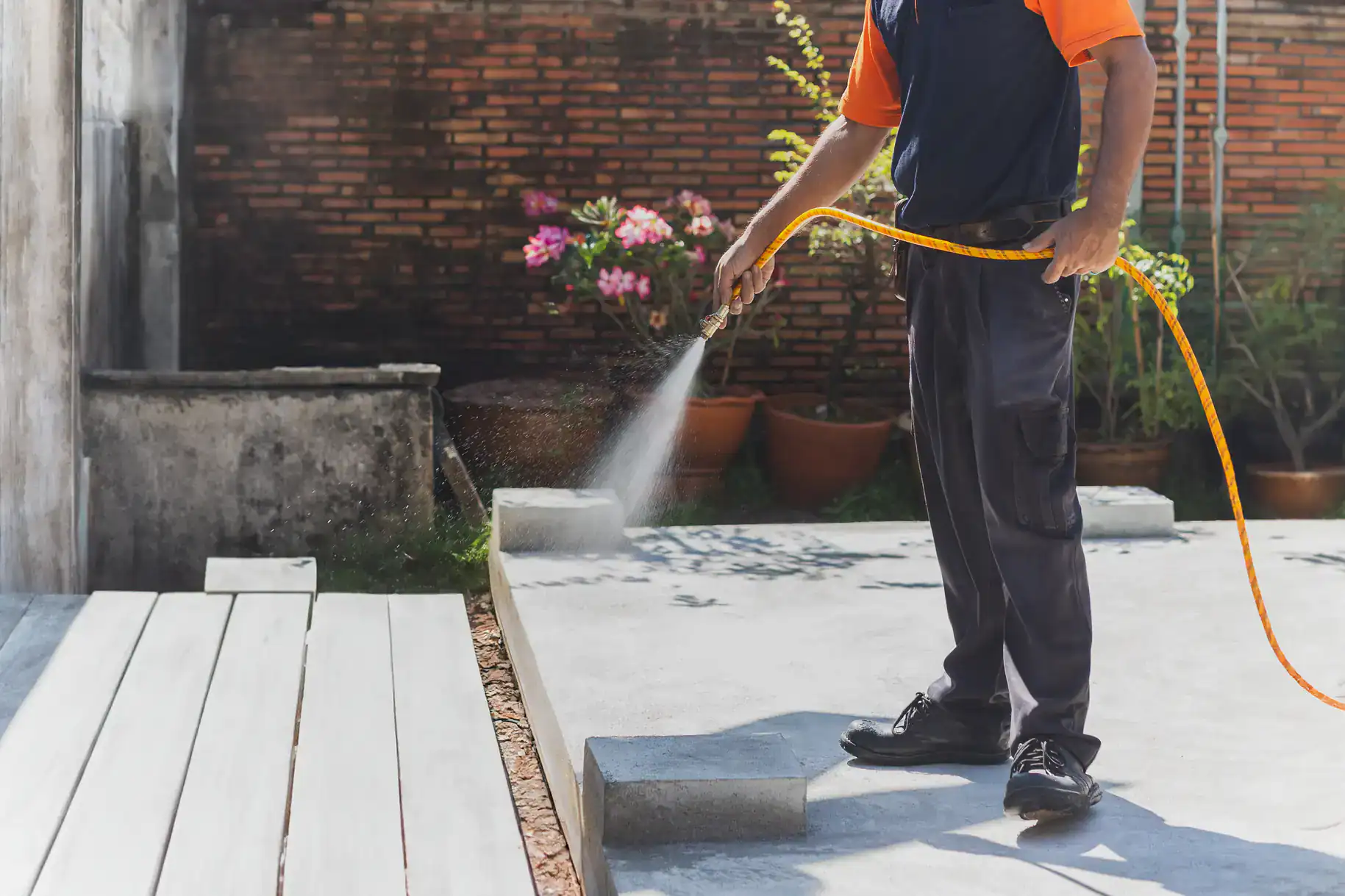
It starts with a free inspection. A licensed technician comes to your home or building, assesses the actual scope of the infestation, identifies entry points, and looks at the conditions that are allowing the problem to persist. In Jamaica, that often means checking the utility penetrations and foundation gaps common in pre-war housing, inspecting shared wall voids in multi-unit buildings, and evaluating any exterior conditions especially in properties near the commercial corridors along Jamaica Avenue or Guy R. Brewer Boulevard where rodent pressure from adjacent food retail is a known driver.
After the inspection, you get a clear treatment plan what’s being used, why, and what to expect. No vague promises, no pressure to sign up for things you don’t need. The treatment itself depends on what was found: cockroach infestations in apartment buildings typically require professional-grade bait and gel formulations applied in harborage areas that consumer sprays never reach, particularly important given that German cockroach populations in Queens multifamily housing have developed documented resistance to many over-the-counter active ingredients. Rodent programs include both treatment and exclusion work sealing the entry points that let them back in because trapping alone is a temporary fix. Bed bug treatments are handled by our certified specialists using heat, chemical, or a combination of both depending on the situation.
Follow-up is built into the process. One visit rarely tells the whole story in a dense urban environment like Jamaica, and our approach accounts for that from the start.
Ready to get started?
We handle the full range of pest control services in Jamaica, NY cockroaches, rodents, bed bugs, termites, ants, wasps, fleas, and more. But what’s included in any given service isn’t templated. It’s based on what the inspection actually finds and what the building actually needs.
For Jamaica renters and landlords dealing with cockroach or rodent violations, we provide the licensed, documented treatment that satisfies HPD correction requirements. Under NYC’s Housing Maintenance Code, cockroach infestations are classified as Class C immediately hazardous violations landlords must respond within 24 hours of a complaint. Rodent violations carry a 21-day correction window before civil penalties apply. Bed bug violations are Class B, requiring correction within 30 days, and all owners of multiple dwellings must file an annual bed bug report with HPD between December 1 and December 31 each year. Our documentation holds up in housing court and with city agencies because we hold the required NYSDEC licensing. For homeowners in Jamaica Estates, Hollis, or Addisleigh Park buying or selling property, we issue wood-destroying insect (WDI) inspection reports accepted by FHA and VA mortgage lenders a service only a licensed pest control professional can legally provide in New York State. If termites or other wood-destroying insects are found, treatment and re-inspection happen through our company, on a defined timeline, without having to start over with someone new. Whatever the situation, the process starts with a free inspection and a straight answer about what you’re dealing with.
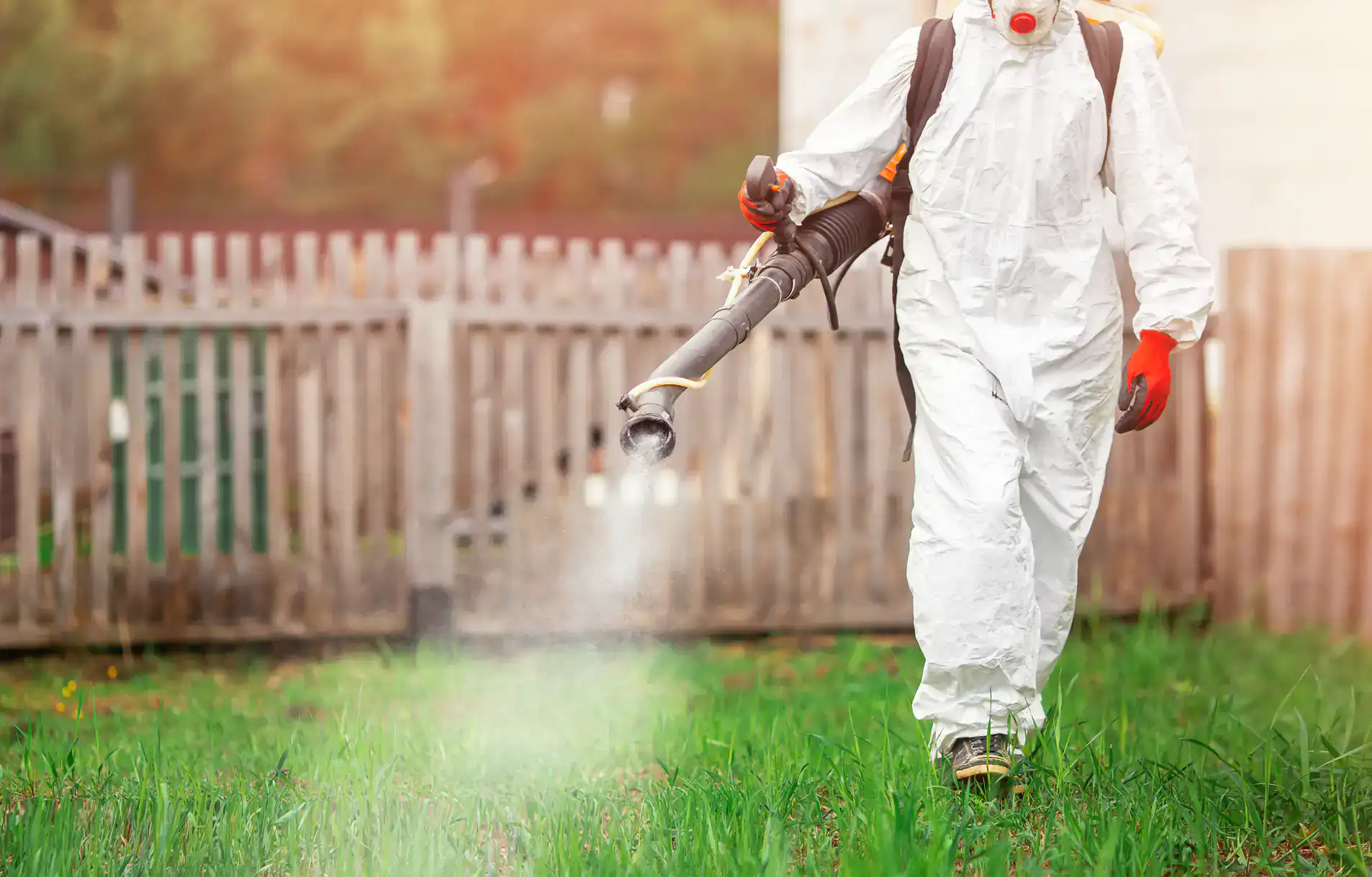
This is one of the most common frustrations in Jamaica’s multi-unit buildings, and the answer usually comes down to two things: where the treatment was applied and what product was used. Consumer sprays and even some professional treatments that rely on repellent chemicals push cockroaches away from treated surfaces temporarily, but they don’t eliminate the colony. Roaches retreat into wall voids, behind appliances, and inside plumbing chases, then re-emerge once the product dissipates.
In Queens multifamily housing specifically, German cockroach populations have developed documented resistance to many of the active ingredients found in over-the-counter products after decades of repeated exposure. Professional-grade treatment uses bait formulations and rotating active ingredients applied directly in harborage areas the places roaches actually live, not just the surfaces they cross. In a building with shared walls, a licensed technician also needs to assess whether the infestation is isolated to one unit or whether it’s moving through the building’s shared infrastructure. Treating one unit while the adjacent units remain untreated is a short-term fix at best.
Bed bugs spread through direct contact with infested items luggage, used furniture, clothing, and personal belongings. In a multi-unit building, they also travel between units through electrical outlets, baseboards, and shared wall voids, which is why an infestation in one apartment can show up in a neighboring unit within weeks. In Jamaica specifically, the E, F, J, and Z subway lines that converge at Jamaica Station, along with the AirTrain JFK connecting directly to the airport terminals, represent daily touchpoints where contact with infested luggage or seating is possible.
This doesn’t mean every subway ride leads to an infestation bed bugs require sustained contact to transfer, not a brief encounter. But Jamaica’s position as the primary land gateway to JFK International Airport, one of the world’s busiest international travel hubs, means that the introduction risk here is structurally higher than in more geographically isolated neighborhoods. If you’ve recently traveled, hosted guests from out of town, or brought in secondhand furniture, those are the most likely introduction points. A licensed bed bug inspection will confirm whether you have an active infestation and what stage it’s at before any treatment decision is made.
September and October are the highest-risk months. As temperatures drop, mice and rats that have been living outdoors in the commercial corridors along Jamaica Avenue, in the green spaces around Baisley Pond Park, and increasingly in the areas surrounding active construction sites tied to the Downtown Jamaica Redevelopment Initiative along Sutphin Boulevard and Archer Avenue begin seeking indoor warmth. The older residential buildings adjacent to Jamaica’s commercial streets are primary targets because of the accumulated entry points that come with age: foundation cracks, deteriorated weatherstripping, gaps around utility penetrations.
One mouse sighting in October warrants immediate professional attention. A single female mouse can produce up to 60 offspring per year, which means what looks like an isolated incident in the fall can become a full colony by winter. A licensed rodent control program addresses both the active infestation and the exclusion work physically sealing the entry points that prevents reinfestation. Trapping without exclusion is a temporary fix. If you’re within a few blocks of any active construction in Downtown Jamaica, that urgency is even higher this season, since construction displaces established rodent burrow networks into surrounding residential blocks.
Many mortgage lenders particularly those issuing FHA and VA loans require a wood-destroying insect (WDI) inspection report before closing. This is not a universal requirement for every transaction, but it’s common enough in Jamaica’s active real estate market, especially for the two-family homes, single-family properties in Jamaica Estates and Hollis, and older multi-family buildings that change hands regularly here, that buyers and sellers should confirm the requirement with their lender or attorney early in the process rather than discovering it at the closing table.
Only a licensed pest control professional can legally issue a WDI report in New York State the report must come from a NYSDEC-registered company. If wood-destroying insects are found during the inspection, the same licensed company can treat and re-inspect, which keeps the timeline manageable. Jamaica’s older housing stock particularly the pre-war and mid-century wood-frame structures throughout the neighborhood makes termite inspection a reasonable precaution even in transactions where the lender doesn’t require it. Termite damage costs U.S. homeowners an estimated $5 billion annually, and it typically isn’t covered by homeowner’s insurance.
Under the NYC Housing Maintenance Code, landlords are legally required to maintain buildings free of roaches, rats, mice, and other vermin. That obligation exists regardless of what a lease says. If you’re a renter in Jamaica and your landlord isn’t responding to a pest complaint, you have the right to file a complaint with the NYC Department of Housing Preservation and Development (HPD). HPD will inspect and, if a violation is confirmed, issue a correction order with a deadline. Cockroach infestations are Class C immediately hazardous violations the landlord must respond within 24 hours. Rodent violations carry a 21-day correction window.
Local Law 55 of 2018 adds another layer: owners of multiple dwellings are required to inspect units annually for indoor allergen hazards, which explicitly includes mice, cockroaches, and rats. If your landlord has received an HPD violation and is looking for a licensed exterminator to satisfy the correction order, our documentation is accepted by HPD and housing courts because we hold the required NYSDEC licensing. If you’re a tenant whose landlord has arranged for treatment but the problem keeps coming back, you’re within your rights to request documentation of what was treated, when, and by whom.
Cost depends on the pest, the scope of the infestation, and the type of building. A one-time cockroach treatment for a single apartment unit typically runs in the range of $150 to $300, though a building-wide program for a landlord managing multiple units will be priced differently. Rodent control programs which should include both treatment and exclusion work to be effective generally run $200 to $500 for a residential property depending on the extent of entry point sealing required. Bed bug treatments are the most variable: chemical treatments for a single room start around $300 to $500, while whole-unit or whole-apartment heat treatments can range from $1,000 to $2,500 or more depending on the size of the space.
WDI inspections for real estate transactions in Jamaica typically run $100 to $200 for the inspection report itself. The free inspection we offer before any treatment means you’re not committing money until you know exactly what you’re dealing with and what the treatment plan looks like. In a neighborhood where pest pressure is year-round and the cost of doing nothing compounds quickly one mouse in October, a full infestation by December the more relevant number is usually the cost of waiting versus the cost of handling it now.
Useful Links
Other Services we provide in Jamaica