Hear from Our Customers
You stop second-guessing every scratch in the wall. You stop checking the kitchen at midnight. You stop wondering if the treatment you paid for last spring actually did anything or just pushed the problem into your neighbor’s unit and back again. That’s what a real fix feels like, and it’s what most Park Slope residents aren’t getting from a one-visit spray-and-leave service.
Park Slope’s housing stock creates pest conditions that most exterminators aren’t equipped to handle correctly. When you’re dealing with a 130-year-old brownstone with connecting party walls, original hardwood floors with decades of gaps, and a basement that shares a foundation run with three other homes, pests don’t stay put. Mice move through connected basements across entire rows. Cockroaches travel wall voids between units. Treating one apartment without addressing the full pathway is the reason the same problem keeps coming back.
And then there’s Prospect Park. Living a block from 585 acres of urban woodland is one of the best things about this neighborhood and one of the most persistent pest pressures. Every spring, carpenter ants push out of the park’s mature tree canopy into ground-floor units and garden apartments along the North Slope. Every fall, as temperatures drop, rodents that spent the summer in the park start looking for warmth inside your walls. A treatment plan that doesn’t account for that ongoing exterior pressure isn’t going to hold.
We’ve been operating in Brooklyn since 1971 before the Park Slope Historic District was even formally designated. That’s not a marketing number. It means our technicians have treated the full range of what this neighborhood actually looks like: Victorian brownstones along Prospect Park West, garden-level apartments near Grand Army Plaza, co-op buildings in the North Slope, and the restaurant-adjacent row houses of South Slope’s Fifth Avenue corridor.
We’re a family-owned business, not a franchise. There’s no call center routing your request to whoever’s available. When you call, you reach a Brooklyn-based team that’s been accountable to this borough for over five decades with long-tenured technicians who know Kings County’s housing stock, understand how pests move through it, and show up ready to solve the actual problem.
We are fully licensed by the New York State Department of Environmental Conservation, certified bed bug specialists, and carry complete liability coverage. Every service report we issue is legally valid documentation which matters when your co-op board requires it or your real estate attorney is waiting on a WDI clearance before closing.
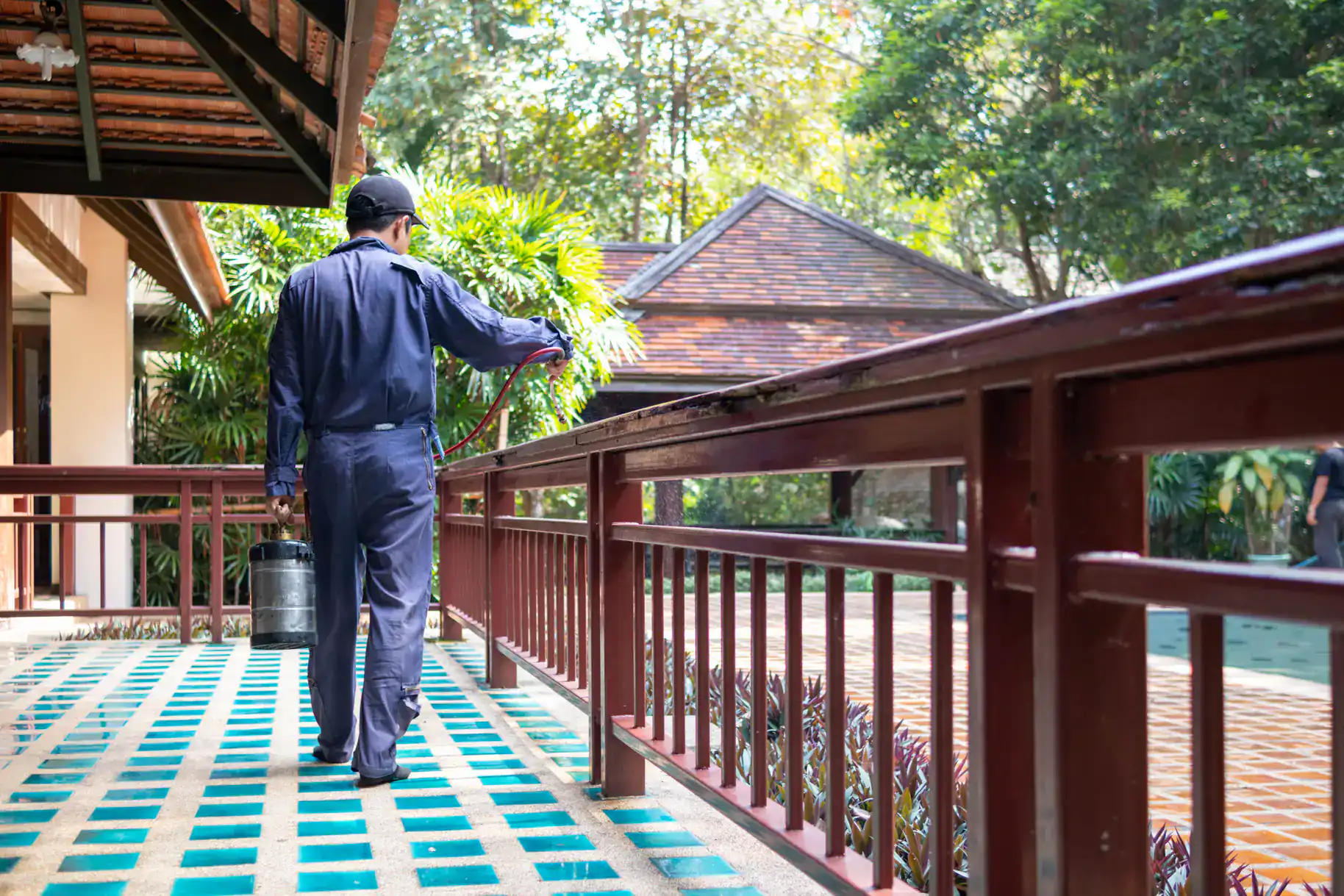
It starts with a free inspection. We come out, assess the property, identify what’s active, and locate the entry points and harborage areas that are driving the problem. In Park Slope specifically, that means looking at the full picture not just the unit you called about, but the basement access, party wall voids, exterior foundation gaps, and any shared building infrastructure that connects your space to neighboring units. In Historic District properties, we’re also mindful of what exclusion methods are compatible with Landmarks Preservation Commission requirements, so we’re not recommending exterior alterations that could create a compliance issue for you.
Once we understand what we’re dealing with, we walk you through the treatment plan before anything is applied. You’ll know exactly what materials we’re using, where, and why including re-entry timelines so your family and pets aren’t in a treated space before it’s appropriate. We use only EPA-registered materials applied under Integrated Pest Management principles, which means we’re using the least-toxic effective approach for each specific situation, not a blanket spray of everything available.
After treatment, we don’t disappear. Follow-up is part of the process, not an upsell. If you’re in a co-op building or managing a multi-unit property, we can coordinate adjacent unit inspections and provide the complete treatment documentation your board or property manager needs formatted to satisfy HPD annual bedbug reporting requirements and co-op board review standards.
Ready to get started?
The pest pressures in Park Slope aren’t one-size-fits-all, and neither is what we bring to a job here. Cockroach infestations in pre-war kitchen walls require professional-grade gel bait application not the consumer sprays that push German cockroaches deeper into wall voids and make the problem harder to treat. Bed bug outbreaks in co-op buildings require coordinated inspection of adjacent units, documentation for HPD annual reporting, and treatment protocols that account for shared-wall re-infestation risk. Rodent problems in brownstones along the South Slope’s Fifth Avenue restaurant corridor require exterior exclusion work targeting the specific entry points that aging mortar joints and original foundation gaps create not just interior bait stations.
We handle the full range: cockroaches, mice, rats, bed bugs, termites, carpenter ants, stinging insects, and wildlife including the squirrels and raccoons that push in from Prospect Park’s woodland edge. For homeowners in the middle of a real estate transaction, we issue WDI inspection reports the Wood-Destroying Insect clearance certificates that FHA and VA lenders require and that real estate attorneys request before closing on Park Slope properties. We also provide the formal treatment reports and infestation history documentation that co-op boards require under NYC Local Law 55 and the city’s annual bedbug reporting mandate.
Same-day and next-day scheduling is available. Free estimates on every job. And if you’re dealing with something urgent a bed bug discovery before a Monday board meeting, a rodent situation the morning before school we answer at any hour.
This is one of the most common calls we get from Park Slope residents, and the timing is almost always the same: late September through November, as temperatures drop. Mice that spent the warmer months outdoors including in and around Prospect Park start seeking warmth, and Park Slope’s aging brownstone foundations give them plenty of ways in. Original mortar joints that have deteriorated over 130-plus years, gaps where utility lines enter the building, and the connected basement infrastructure shared between attached row houses all create entry pathways that mice exploit efficiently.
The reason it keeps happening year after year is usually that the entry points were never fully addressed. Bait and traps manage the mice already inside, but if the gaps in your foundation or party wall aren’t sealed, new mice move in to replace the ones you caught. A lasting fix requires identifying and closing every viable entry point which in a Historic District brownstone means using interior-compatible exclusion methods that don’t require exterior alterations that could conflict with Landmarks Preservation Commission guidelines. We do that assessment as part of every rodent job in this neighborhood.
This is the first question we hear from Park Slope families, and it deserves a straight answer not a vague reassurance. Every material we apply is EPA-registered and used strictly according to label requirements by NYSDEC-licensed technicians. We work under Integrated Pest Management principles, which means we use the least-toxic effective treatment for each specific situation. We’re not broadcasting product throughout your home we’re targeting it precisely to where pests are active, in the concentrations and locations that achieve results without unnecessary exposure.
Before any treatment begins, we walk you through exactly what we’re applying, where, and what the re-entry timeline is. That’s not a courtesy it’s standard practice. If you have toddlers who spend time on the floor, or a dog that sleeps in the kitchen, those specifics affect how we approach the job, and we factor them in. You’ll know when it’s safe to bring your family back into treated areas, and you’ll have that information in writing if you want it. Park Slope families shouldn’t have to choose between solving a pest problem and knowing what’s going into their home.
Co-op boards in Park Slope have specific documentation requirements, and they’ve become more stringent in recent years as NYC’s Local Law 55 and the city’s annual bedbug reporting mandate have created formal compliance obligations for building owners. What your board typically needs is a written inspection report from a licensed pest control provider documenting what was found, what was treated, what materials were used, and what the follow-up plan is. Some boards also require documentation of adjacent unit inspections if a bed bug infestation was confirmed anywhere in the building.
We issue complete, professionally formatted service reports that satisfy HPD annual bedbug reporting requirements, co-op board review standards, and if your transaction involves a lender the WDI inspection documentation that FHA and VA loan programs require. If you’re in the middle of a sale or purchase of a Park Slope co-op and need documentation quickly, we can typically schedule the inspection and turn around the report within the timeframe your attorney or managing agent needs. One call handles the inspection, the treatment if needed, and the paperwork.
Bed bugs spread through shared walls, electrical conduits, and plumbing chases which means in a Park Slope co-op or attached brownstone, a single infested unit is a risk to every adjacent unit. The biology is straightforward: bed bug populations can double roughly every two weeks under normal indoor conditions, and they don’t need much space to move between units through wall voids. By the time most residents notice signs of an infestation, it’s been established for weeks or months.
Stopping it in a shared-wall building requires more than treating one unit. We inspect the confirmed unit and recommend inspection of all units sharing a wall above, below, and on either side. Treatment is applied using methods appropriate to the specific building layout, and we provide the documentation your building manager needs to file the annual bedbug report with HPD, which New York State law requires. If you’re a tenant and your landlord hasn’t responded to a written pest complaint within 30 days, you have the right to file a 311 complaint and having a licensed inspection report documenting the infestation strengthens that record significantly.
If your buyer is using FHA or VA financing, a WDI Wood-Destroying Insect inspection report is required before the loan can close. Even for conventional purchases, real estate attorneys and buyers’ agents in Brooklyn increasingly request WDI reports as a standard part of the transaction, particularly for older brownstone properties where the risk of prior termite activity or carpenter ant damage is higher than in newer construction. Termite swarm season in New York peaks in late April and May, which is also one of the busiest periods for Park Slope real estate closings so scheduling the inspection early in the listing process avoids a last-minute bottleneck.
Our licensed inspectors conduct thorough WDI inspections of Park Slope properties and issue the official inspection report in the format that lenders, title companies, and real estate attorneys require. If the inspection reveals active termite activity or evidence of prior damage, we can treat the property and provide the follow-up documentation that satisfies the lender’s requirements. For sellers who need to move quickly on a closing timeline, we prioritize scheduling and turnaround to keep the transaction on track.
Pricing in Park Slope varies by pest type, property size, and the scope of what the inspection reveals. For general pest treatment cockroaches, ants, or a minor rodent issue a single-visit service typically runs between $100 and $250. Bed bug treatment is priced by room: chemical treatment generally falls in the $300 to $500 per room range, while heat treatment for a full unit runs $1,200 or more depending on the size of the space. Rodent exclusion programs, which address both the active infestation and the entry points driving it, typically range from $300 to $600. If you’re on a recurring prevention plan, monthly service averages $40 to $65.
What affects the final number most in Park Slope is the complexity of the building. A ground-floor garden apartment in a four-story brownstone with shared basement access and aging foundation walls is a different job than a top-floor co-op unit with no direct exterior exposure. We assess that complexity during the free inspection before quoting anything, so you’re not getting a number based on a phone description you’re getting it based on what we actually see. There’s no obligation attached to the inspection, and the quote is specific to your property and your situation.
Useful Links
Other Services we provide in Park Slope