Hear from Our Customers
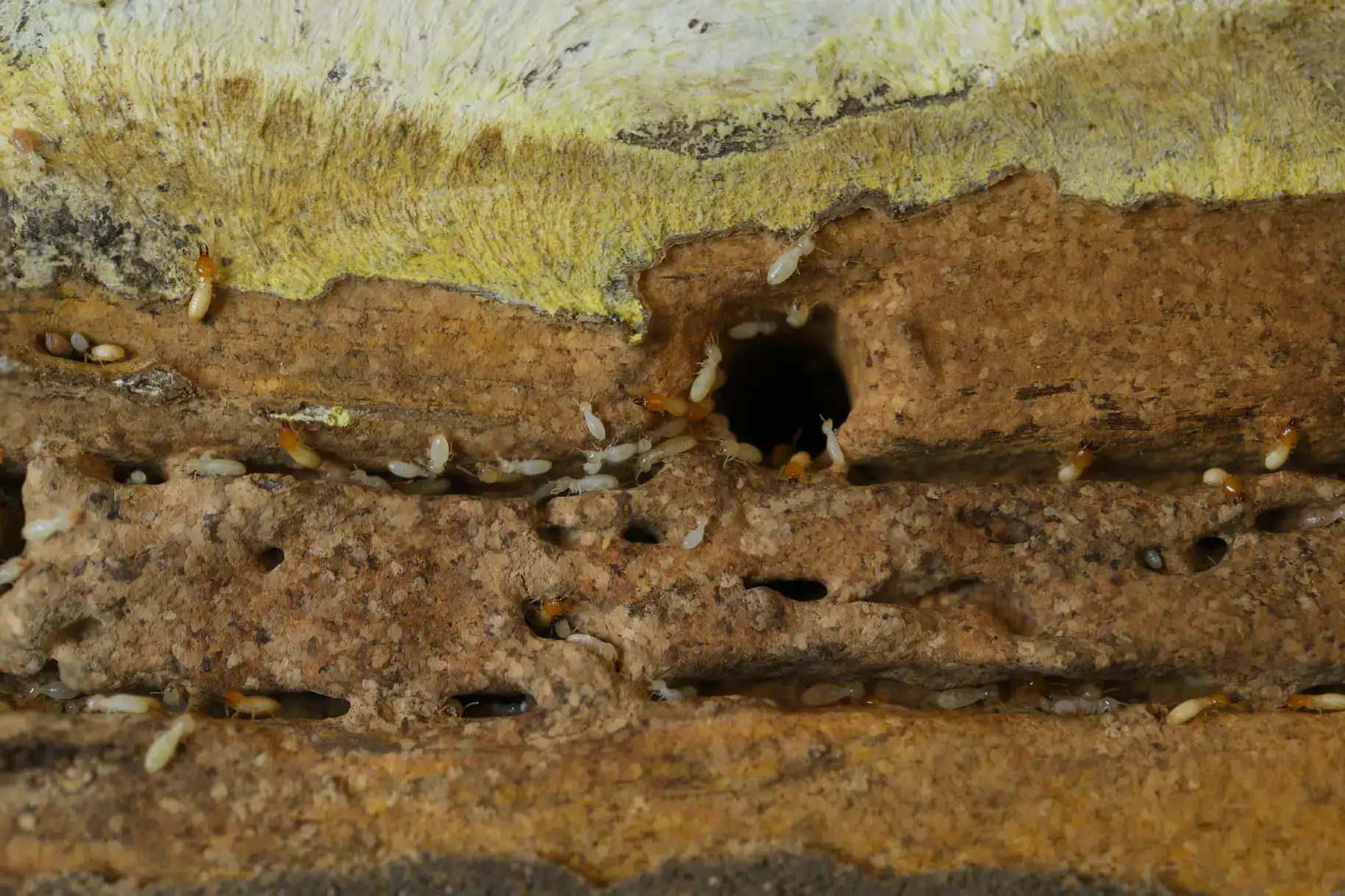
By the time you notice something wrong a hollow sound underfoot, bubbling paint near the baseboard, or a swarm of winged insects near your basement window in April a termite colony has likely been active for years. That’s how Eastern Subterranean Termites work. They’re quiet, they’re underground, and they don’t stop.
In Park Slope, that reality hits harder than most places. You’re dealing with brownstones and row houses built between the 1870s and 1910s wood-framed interiors behind brick facades, original joists, subfloors that have been absorbing moisture for over a century, and foundations that have settled enough to give termites every entry point they need. Add the fact that your home shares walls with your neighbors, and a colony that starts next door doesn’t stay next door.
Then there’s Prospect Park. That 585-acre woodland running along your eastern border isn’t just a beautiful place to walk your dog it’s a permanent underground reservoir for termite colonies whose foraging tunnels can extend hundreds of feet in any direction. Properties along Prospect Park West and throughout the blocks of the Slope face sustained, year-round pressure from the park’s perimeter. What professional termite treatment in Park Slope actually gives you is certainty that the structure you paid $1.5 million or more for isn’t being hollowed out from the inside while you go about your life.
We’ve been operating out of Brooklyn since 1971 headquartered on Flatbush Avenue, less than three miles from Park Slope. This isn’t a regional franchise routing calls through a call center. We’re a family business, founded by Richard Kourbage Sr. and now led by his sons Richard Jr. and Charles, with more than 100 years of combined pest control experience across our entire team.
That matters here because Park Slope isn’t a generic service area. The North Slope’s Gilded Age brownstones, the connected row houses of the Center Slope, the renovated buildings pushing south toward the Prospect Expressway each one has its own structural quirks, its own moisture patterns, its own termite risk profile. Our technicians have been working in these buildings for decades. We know what to look for, where to look, and what treatment approach actually fits the structure in front of you.
We hold an A+ BBB rating, have maintained accreditation since 1989, and use only NYS DEC registered materials something that matters in a neighborhood where what goes into your home is just as important as what comes out of it.
It starts with a call and we answer 24 hours a day, seven days a week. From there, an inspection is scheduled within two business days, with same-day availability more often than not. For Park Slope homeowners dealing with a real estate transaction on a deadline, or a contractor who just opened a wall and found something unexpected, that response time isn’t a bonus it’s the whole point.
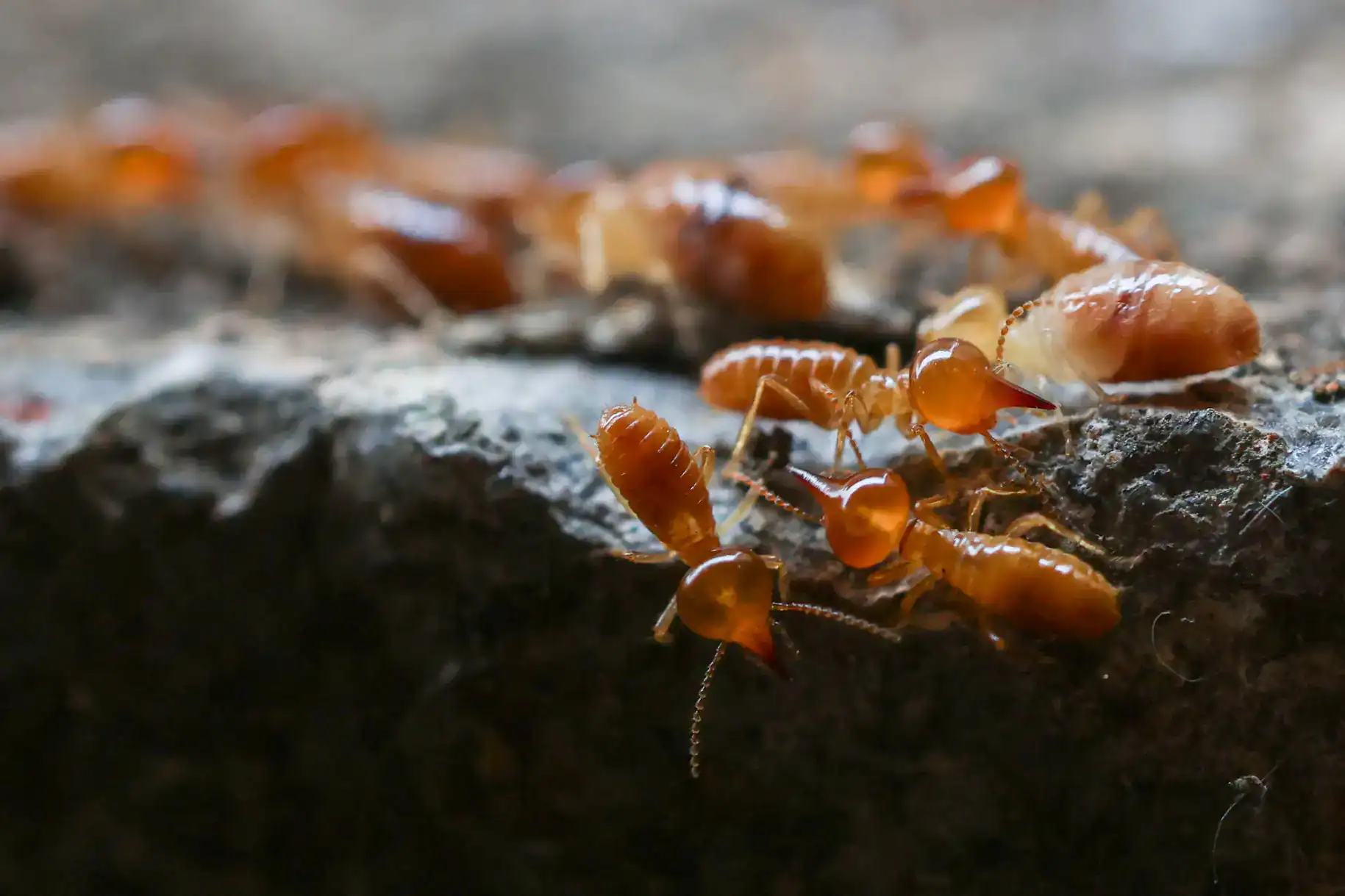
Our inspection is thorough. A technician walks your property looking for the specific signs that matter in older Brooklyn structures: mud tubes along foundation walls, hollow-sounding wood in basement framing, moisture damage near original plumbing lines, and any wood-to-soil contact points around your stoop or garden-level entry. If termite activity is confirmed or if a Wood Destroying Organism report is needed for a lender or attorney you’ll get a clear, documented assessment with treatment options explained in plain language.
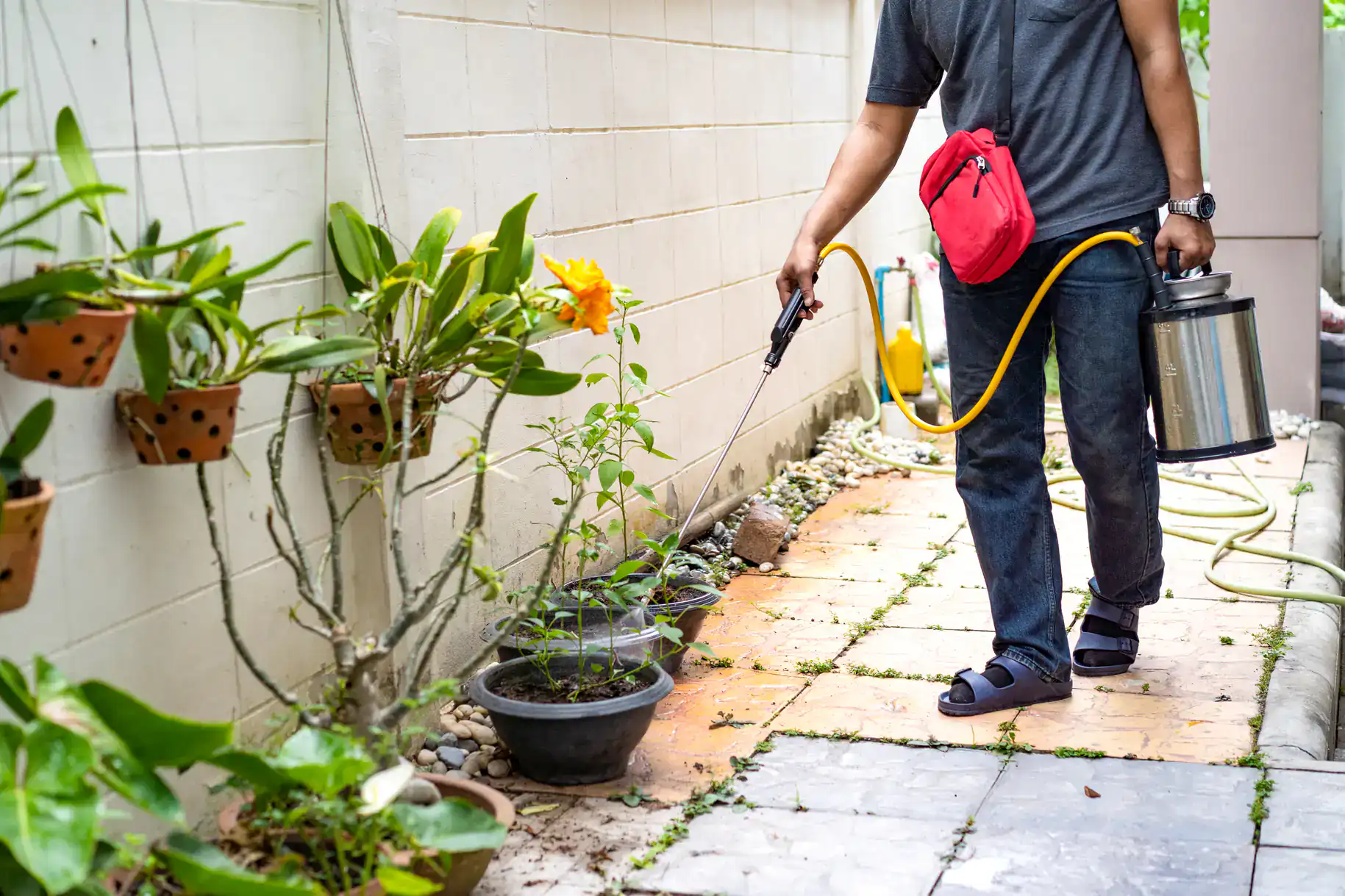
Treatment in a Park Slope brownstone typically involves a targeted liquid barrier application, a termite baiting system, or a combination of both depending on the severity and the structure. We install bait stations around the perimeter of your property, intercepting termite foraging activity before it reaches your foundation. Because your home shares walls and a foundation line with adjacent properties, our approach is always focused on eliminating the colony at its source not just addressing the visible signs on the surface. One thing worth knowing: termite treatment itself doesn’t require NYC Landmarks Preservation Commission approval, but any structural repair work that follows on a landmarked building will need to go through that process. We can help you understand where that line is.
Ready to get started?
We handle the full scope of termite-related needs for Park Slope homeowners, property managers, and real estate transactions. That includes termite inspections, Wood Destroying Organism (WDO) reports for mortgage approvals and property disclosures, termite baiting system installation and ongoing monitoring, liquid barrier treatments, and follow-up visits when needed. If you manage a multi-unit brownstone and you’re dealing with a NYC Department of Health citation, we can handle that too it’s a specific capability that matters to the owners of Park Slope’s converted four- and five-story row houses.
For property transactions, the WDO inspection and report is often the piece that holds up a closing. We produce documentation that meets lender requirements FHA, VA, and conventional and can turn it around quickly when the timeline is tight. If you’re buying a pre-war brownstone in the South Slope or selling a co-op near Grand Army Plaza, having a credentialed, Brooklyn-based inspector with 50 years of history behind the report carries real weight with attorneys and lenders.
Termite baiting systems run approximately $1,500–$3,000 for installation and first-year monitoring, with annual monitoring in the $200–$400 range after that. Liquid treatment costs vary based on the structure and severity, typically falling in the $1,500–$5,000 range for a Park Slope brownstone. Every estimate is free, and pricing is straightforward no hidden fees, no pressure to add services you don’t need. At the property values in this neighborhood, the cost of treatment is a fraction of what deferred action ends up costing.
It’s not overstated. Park Slope has one of the highest ambient termite pressure profiles in Brooklyn, and the building stock is exactly what Eastern Subterranean Termites are drawn to. These structures were built primarily between the 1870s and 1910s using wood-framed interiors behind brick and brownstone facades. After 100-plus years, those wood elements have developed the moisture absorption patterns, micro-fractures, and soil contact points that subterranean termites exploit. The neighborhood’s median construction year is 1938, and nearly 65% of homes were built before 1940 that’s a lot of aging wood infrastructure in close proximity to each other.
The Prospect Park border adds another layer. The park’s woodland soil is a permanent habitat for termite colonies, and their underground foraging tunnels can reach properties several blocks away. Spring swarm season when warm days follow rain in March through May is when most Park Slope homeowners first notice a problem. If you’ve seen winged insects near your basement floor or window frames in spring, that’s a swarm, and it means a colony has been active for years already.
Yes, and this is one of the most important things to understand about termite risk in attached row house construction. Park Slope’s brownstones share party walls, basement spaces, and continuous foundation lines. A termite colony doesn’t recognize property boundaries it follows wood and moisture. If a colony establishes itself in the structural framing of one unit, it can migrate laterally into adjacent properties through shared wood elements and foundation contact points without any visible sign at the surface.
This is why treatment in a Park Slope brownstone needs to address the colony at its source, not just the visible activity in one unit. A liquid barrier or baiting system that only treats the surface of one property may suppress activity temporarily without eliminating the colony driving it. If you’re in a row of connected brownstones and you’ve confirmed termite activity, it’s worth having a conversation with your immediate neighbors not to alarm them, but because a coordinated approach is more effective than treating one unit in isolation.
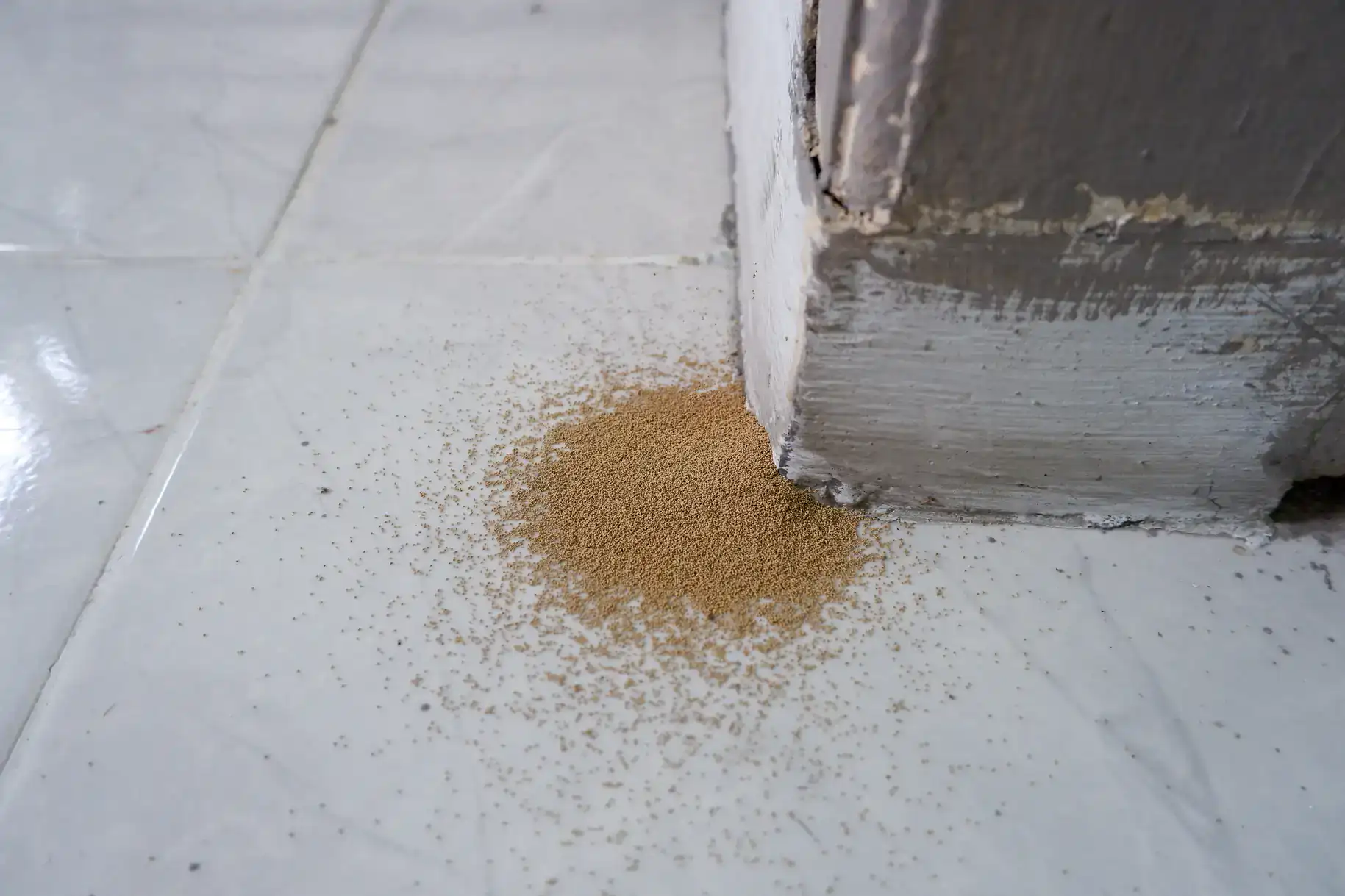
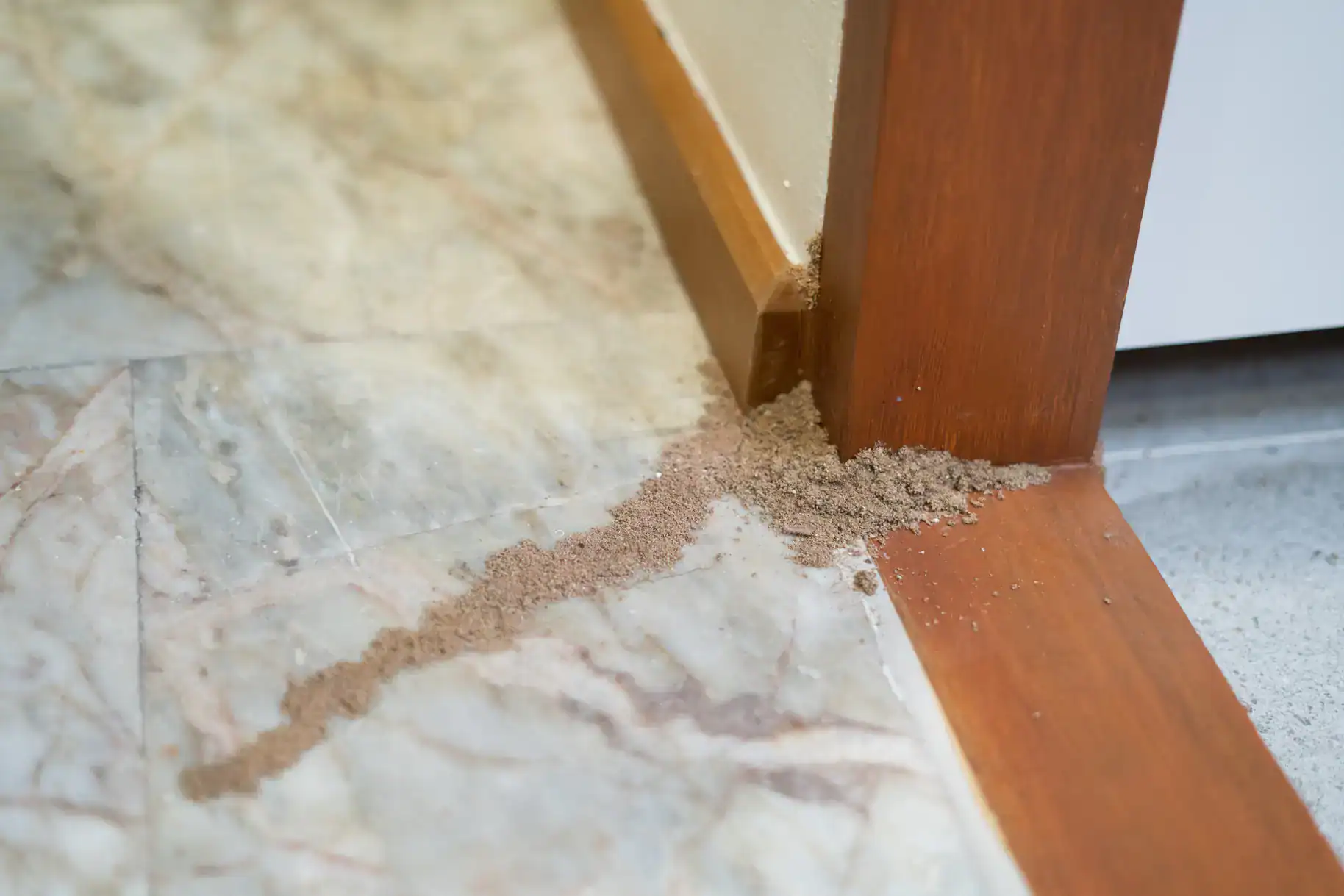
A professional termite inspection is a systematic walkthrough of your property inside and out looking for the specific physical evidence that confirms or rules out termite activity. That includes checking for mud tubes along foundation walls and basement framing, probing wood elements for hollow sounds or soft spots, looking for frass (termite droppings), identifying moisture-damaged wood near plumbing lines or exterior entry points, and examining any area where wood contacts soil directly. In a Park Slope brownstone, the basement and cellar level get the most attention because that’s where Eastern Subterranean Termites typically enter and establish their initial feeding zones.
For most Park Slope homes, a thorough inspection takes one to two hours depending on the size and layout of the building. If you’re requesting a Wood Destroying Organism report for a real estate transaction, the inspector will document findings in a format that meets lender requirements. We offer same-day inspections when the timeline demands it which matters in a neighborhood where real estate transactions move quickly and a closing date doesn’t wait.
It can, and the financial exposure in Park Slope is significant given the neighborhood’s property values. Homes with a documented history of termite damage typically see a value decrease of around 20% at Park Slope’s median sale price of approximately $1.45 million, that’s roughly $290,000 in potential value loss. Landmark townhouses and larger brownstones on Prospect Park West or Sterling Place face even greater exposure given their price points.
The key distinction is between disclosed, treated, and repaired termite damage versus active or undisclosed damage. A property where termite activity was caught early, treated professionally, and repaired properly with documentation is in a fundamentally different position than one where damage is discovered during a buyer’s inspection with no treatment history on record. That’s why annual inspections and prompt treatment matter: they create a paper trail that protects your investment and keeps a future sale from getting complicated. We provide documentation that supports both insurance claims and real estate disclosure requirements.
The right approach depends on the severity of the infestation, the structure of your building, and what kind of long-term protection makes sense for your property. Liquid barrier treatments create a chemical zone in the soil around your foundation that termites can’t cross it’s effective for active infestations and works relatively quickly. Termite baiting systems work differently: bait stations are installed around the perimeter of your property, termites feed on the bait and carry it back to the colony, and the colony is eliminated over time. Baiting is particularly effective as a long-term monitoring and prevention strategy.
For Park Slope brownstones, the combination of both is often the most thorough approach especially for properties along the Prospect Park border or in attached rows where the risk of re-infestation from adjacent soil is ongoing. The cost difference matters too: liquid treatment for a brownstone typically runs $1,500–$5,000 depending on severity, while a baiting system installation runs $1,500–$3,000 with annual monitoring at $200–$400 after that. We’ll walk you through both options after the inspection and give you a clear recommendation based on what we actually find not a default upsell.
For most termite treatments in Park Slope residential buildings, you do not need to vacate your home. The methods we use targeted liquid barrier applications and termite baiting systems are applied in a way that minimizes interior disruption and exposure. We use only NYS DEC registered materials, which means every product applied has been reviewed and approved by New York State’s environmental regulatory body. That’s a meaningful standard in a neighborhood where families, children, and pets are living in close proximity to neighbors and shared building systems.
If you’re in a multi-unit brownstone, the approach will be coordinated to minimize disruption across units. In cases where more extensive treatment is required particularly in severe infestations involving significant structural access your technician will give you specific guidance on timing and any precautions relevant to your building. Most Park Slope homeowners go through treatment without needing to make major adjustments to their daily routine, and we’ll tell you exactly what to expect before any work begins.
Useful Links
Other Services we provide in Park Slope