
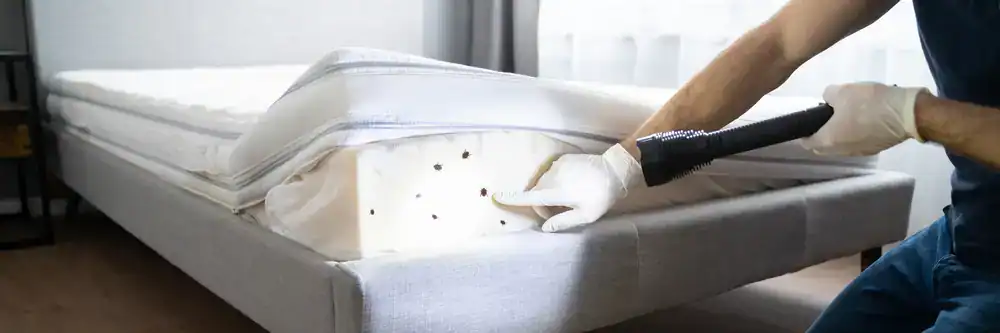
Hear from Our Customers
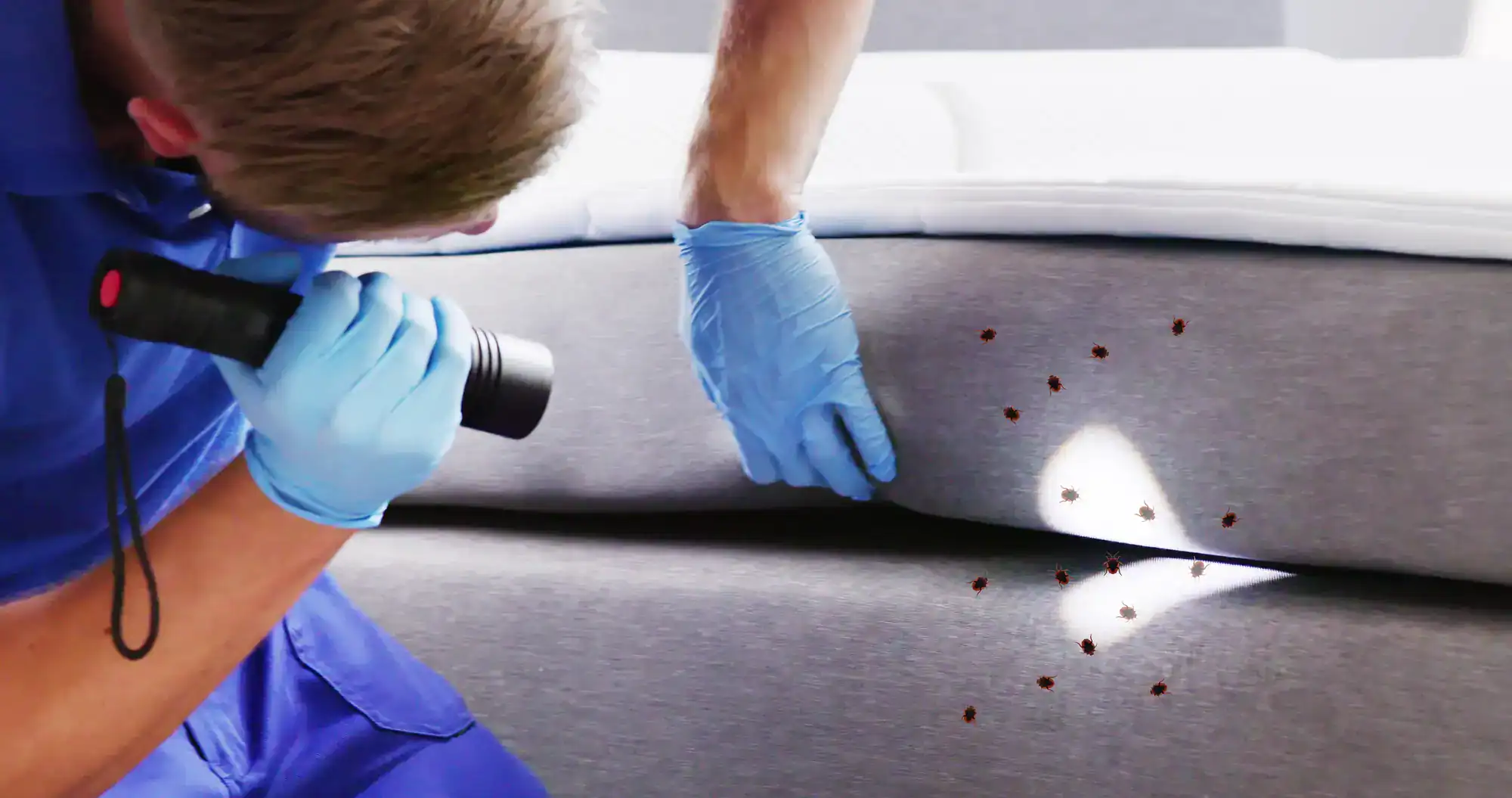
You stop second-guessing every bite. You stop pulling back the sheets before you get into bed. You stop wondering whether the problem has spread to the unit next door or whether it already came from there. That’s what effective bed bug treatment in Tribeca actually delivers: not just a treated apartment, but real peace of mind that the job was done completely.
The building stock in Tribeca is unlike anywhere else in Manhattan. These converted industrial lofts former factories and textile warehouses with original pipe chases, shared mechanical runs, and wall cavities that were never designed for residential use give bed bugs pathways that don’t exist in purpose-built apartment buildings. A thorough bed bug inspection in Tribeca has to account for that. A treatment plan that ignores it will fail.
Tribeca residents also travel more than most. Frequent international trips, hotel stays, and the seasonal surge of visitors during the Tribeca Film Festival each spring all create repeated opportunities for bed bugs to enter your home. Knowing you have a certified specialist who understands both the building and the lifestyle makes the difference between a problem that gets solved and one that keeps coming back.
We’ve been solving pest problems across New York City since the early 1980s. That’s more than 40 years of working in this city’s buildings including the converted lofts and mixed-use structures of lower Manhattan and Tribeca that require a different level of expertise than a standard residential job. Our team brings over 100 years of combined experience to every inspection and treatment, and the BBB A+ accreditation we’ve held since 1989 isn’t a recent achievement it’s a 35-year track record.
We’re a family-owned business, fully licensed and insured under New York State DEC requirements, and recognized as certified bed bug specialists not a general exterminator that handles bed bugs as a side service. For landlords and property managers in Tribeca dealing with HPD violations or Local Law 55 compliance, we’re equipped to issue NYC Department of Health clearance certificates. From Battery Park City to Canal Street, we know this part of the city, and we know the buildings.
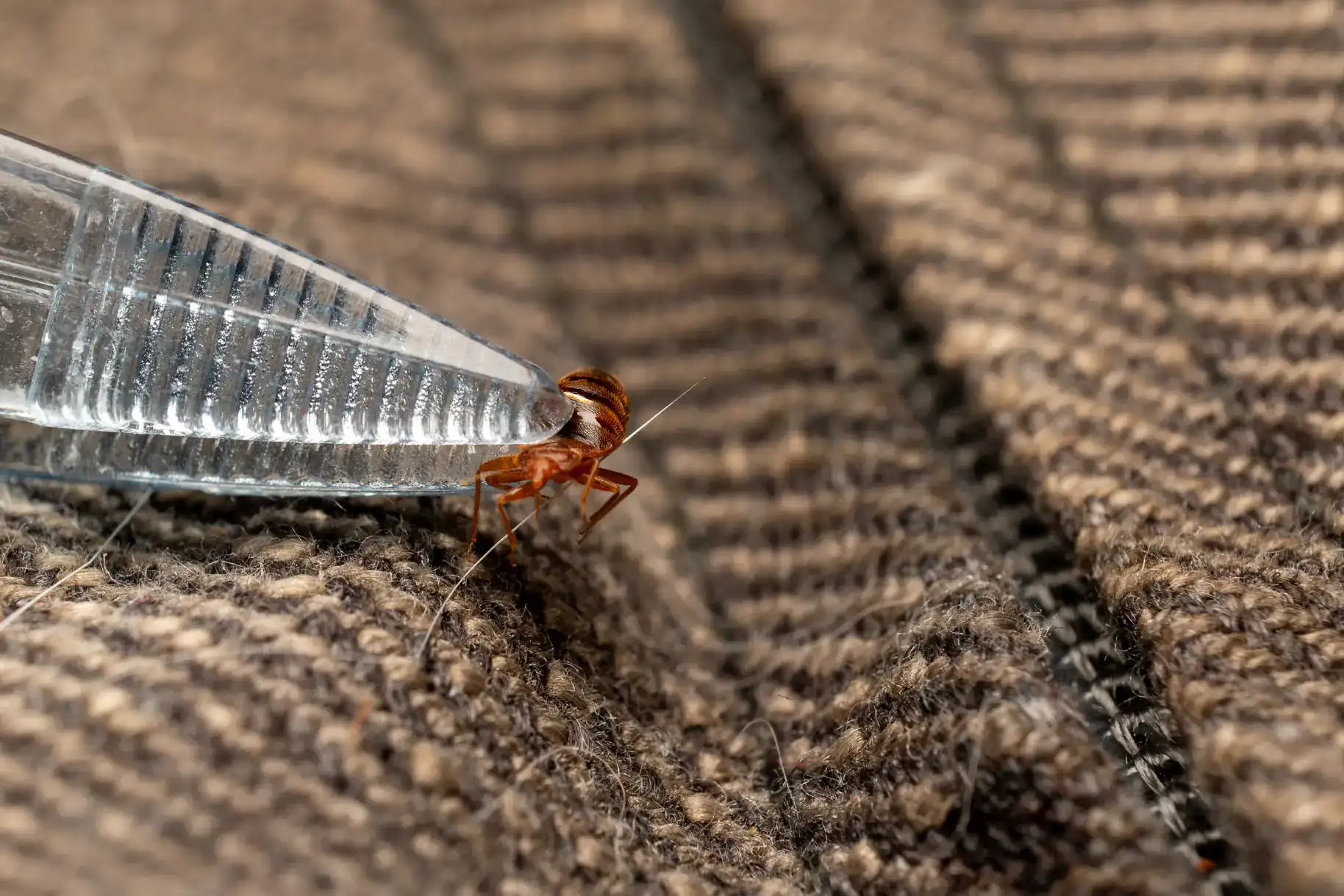
It starts with a thorough bed bug inspection of your unit. Our technician looks beyond the obvious not just the mattress and box spring, but baseboards, outlet covers, furniture joints, wall voids, and any areas where Tribeca’s older loft construction creates gaps or runs between units. If adjacent units are involved, which NYC HPD regulations may actually require, that gets addressed as part of the plan, not as an afterthought.
From there, you’ll get a clear explanation of what was found, how severe it is, and what treatment approach makes sense for your specific space. Large open-plan lofts require a different strategy than a standard one-bedroom, and our recommendation will reflect that not a one-size-fits-all package. Treatment typically involves one to three visits over a few weeks to address all life stages, including eggs, which no single application can fully eliminate.
Before the first treatment, you’ll receive specific preparation instructions so the process goes smoothly and your family, children, and pets are protected. We use environmentally friendly treatment solutions something that matters in a neighborhood like Tribeca, where families with young children are the norm, not the exception. After treatment, follow-up is built into the process to confirm the infestation has been fully resolved.
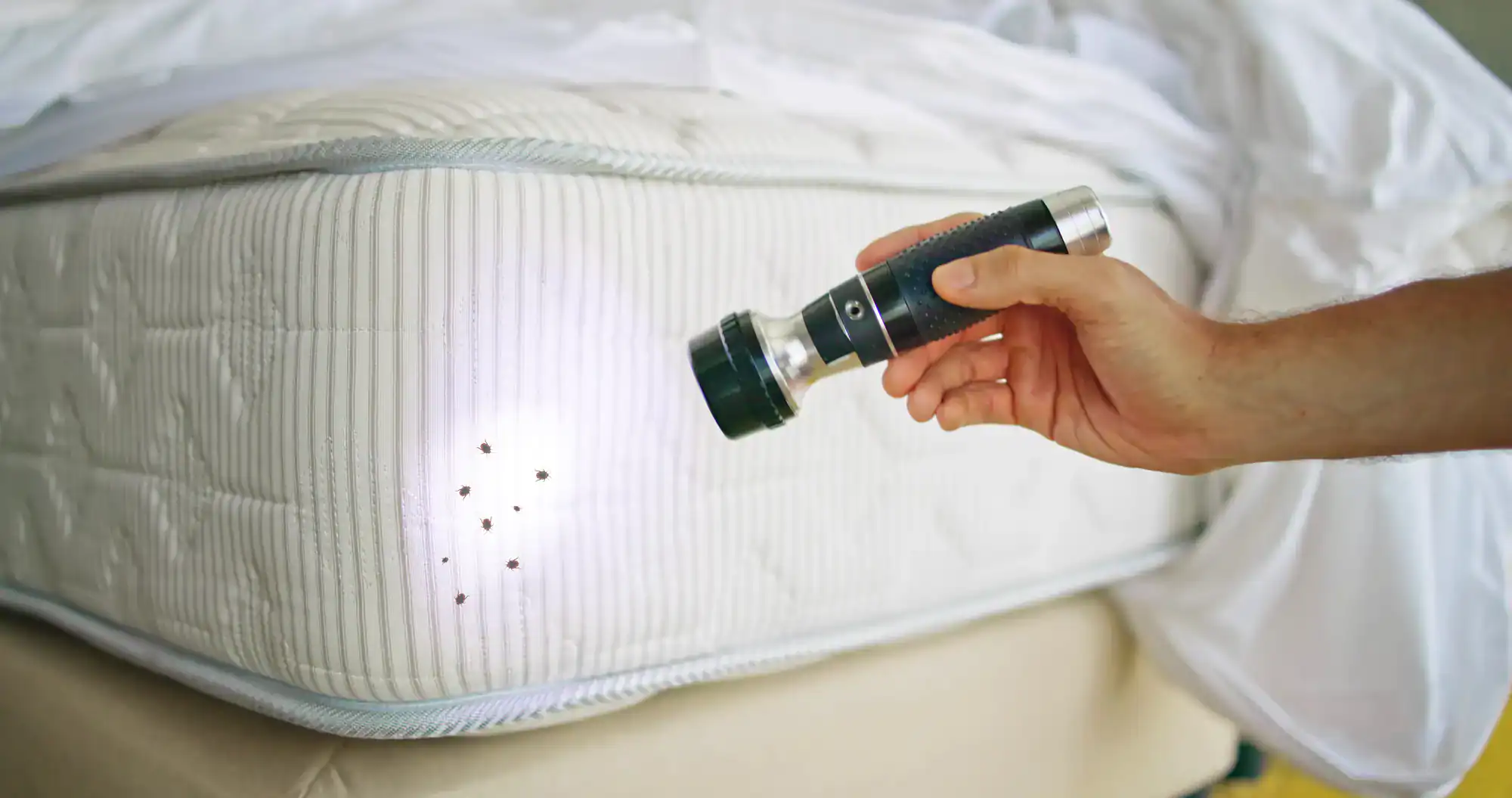
Ready to get started?
Every bed bug treatment in Tribeca starts with a free estimate no obligation, no pressure, just a straight answer about what you’re dealing with and what it will cost. For a treatment that can range from $1,000 to $4,000 depending on the size of the space and severity of the infestation, that transparency matters before any work begins.
Our service covers full inspection of the affected unit, targeted bed bug removal using environmentally responsible methods, and follow-up visits to confirm results. For buildings in Tribeca’s designated historic districts where structural access is restricted by the NYC Landmarks Preservation Commission we adapt our approach accordingly, without cutting corners on thoroughness. We also handle the documentation side: if your building has received an HPD bed bug violation under Local Law 55, we complete the required treatment, inspect adjacent units as mandated, and issue the clearance certificate needed to resolve the violation.
Phones are answered 24 hours a day, seven days a week. Same-day inspections are available when the schedule allows, and an appointment is guaranteed within two business days. For Tribeca residents who don’t have time to wait and most don’t that kind of concrete availability is part of the service, not a bonus feature.
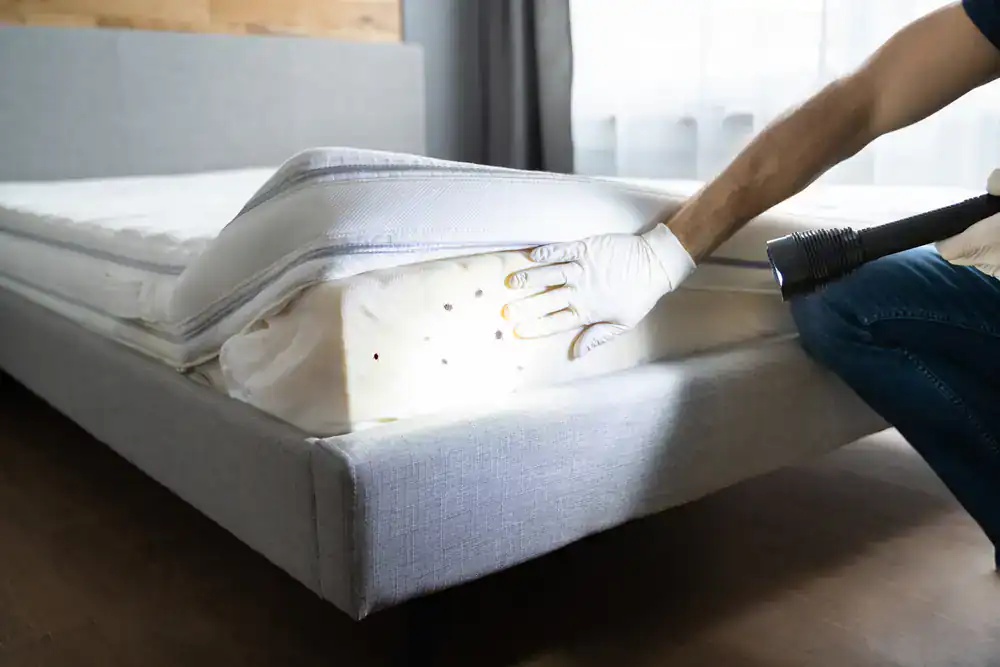
Yes, and it happens more easily in Tribeca’s converted industrial buildings than in standard residential apartments. These structures were originally built as factories and warehouses, with pipe chases, conduit runs, and shared mechanical systems that were never designed to contain pests. Bed bugs can travel up to 100 feet per night, and in a building where those pathways exist between units above, below, and on either side a single infestation can become a building-wide problem within days if it isn’t treated comprehensively.
This is exactly why NYC HPD regulations require that when a bed bug infestation is reported, a licensed pest management professional must inspect not just the affected unit but all adjacent units and common areas as well. A treatment plan that only addresses one apartment in a Tribeca loft building is almost always incomplete. Our inspections account for the full scope of the building’s structure and the realistic spread pathways specific to this type of construction.
The honest range for professional bed bug treatment in Tribeca is $1,000 to $2,500 for a standard infestation, with more severe cases or larger loft spaces running $3,000 to $4,000 or more. The size of the unit matters significantly here a 2,500-square-foot open-plan loft requires more time, more product, and more follow-up visits than a conventional one-bedroom apartment, and the pricing reflects that.
Most infestations require two to four treatment visits over a three-to-six week period to fully eliminate all life stages, including eggs. A single treatment almost never resolves the problem completely, and any company telling you otherwise isn’t being straight with you. We provide a free estimate before any work begins so you know exactly what you’re committing to the scope, the number of visits, and the total cost before a single dollar changes hands.
When done correctly, yes. The key is preparation and using the right treatment approach for the space. We use environmentally friendly treatment solutions specifically because safety after treatment not just effectiveness during it matters. Before any treatment begins, you’ll receive a clear preparation checklist: what to move, what to cover, how long to stay out of the space, and when it’s safe to return with children and pets.
In Tribeca, where families with young children are a core part of the neighborhood PS 234 Independence School is right in the heart of the community this is one of the most common questions we hear. The short answer is that a properly executed treatment using the right products is safe for your household. What isn’t safe is leaving an infestation untreated, which only allows it to grow and spread further through a building.
Under New York City law, your landlord is legally obligated to address a bed bug infestation once you report it. NYC Local Law 55 of 2018 requires building owners to conduct annual pest inspections and file pest management reports with the Department of Housing Preservation and Development. If you report an infestation and your landlord doesn’t act, they’re in violation and HPD complaints filed through 311 can trigger a formal inspection and escalating fines against the building owner.
Beyond that, NYC Local Law 69 of 2005 requires landlords to disclose the bed bug history of an apartment and the building for the prior year before you sign a lease. If that disclosure wasn’t made and you’ve since discovered an infestation, that’s worth raising with your landlord directly. When HPD does get involved, the building owner is required to hire a NYSDEC-licensed pest management professional not just any exterminator to inspect and treat the unit and all adjacent spaces. We meet that licensing requirement and can provide all necessary documentation.
The most common entry point is travel. Tribeca residents are frequent international travelers, and hotels are one of the primary ways bed bugs move from one location to another. They hitch rides in luggage, attach to clothing, and make it home with you before you even realize it. The Tribeca Film Festival each spring brings a significant surge of visitors and out-of-town guests to the neighborhood, which historically correlates with an uptick in introductions during and after the event.
Secondhand furniture is another common source and in a neighborhood with a strong design culture and active market for vintage and antique pieces, it’s worth being cautious about any upholstered item or wooden bed frame acquired through an estate sale, gallery, or auction. New neighbors moving into a building can also introduce an infestation, particularly in buildings where units turn over frequently. None of these scenarios are unusual in Tribeca, which is part of why bed bug infestations here tend to be recurring rather than isolated events when buildings aren’t treated thoroughly.
Yes. If your building has received an HPD bed bug violation which can happen under Local Law 55 when a landlord fails to conduct required annual inspections or doesn’t respond to a tenant complaint we complete the full treatment process required to resolve it. That includes inspecting the reported unit, all adjacent units, and common areas as HPD mandates, and issuing the NYC Department of Health clearance certificate that documents the infestation has been professionally addressed.
This is particularly relevant for landlords and property managers overseeing buildings in Tribeca, where a single HPD violation can escalate quickly if it isn’t handled by a licensed NYSDEC professional with the right documentation. We’re fully licensed, bonded, and insured, and have the experience with lower Manhattan’s regulatory environment to handle this process from inspection through clearance without leaving you to navigate the paperwork on your own.
Useful Links
Other Services we provide in Tribeca