
Hear from Our Customers
You stop waking up and wondering. That’s the most honest way to put it. Bed bugs don’t just disrupt your sleep they get into your head, and until you know the problem is actually gone, that doesn’t stop. A proper bed bug treatment gives you back the certainty that your home is yours again.
In a building that went up in the 1930s and most Upper West Side buildings did the structural reality works against you. Thick plaster walls, original hardwood floors with gaps at every baseboard, pipe chases running between floors and units, ornate moldings with decades of settled-in crevices. These aren’t just architectural details. They’re harborage points. A treatment that doesn’t account for how these buildings are actually built will miss the places where bed bugs actually live, and you’ll be back to square one within weeks.
The other thing that changes is the spread risk. In a building with 100 or 200 units, your infestation isn’t just your problem it’s a shared wall away from becoming your neighbor’s problem, and then yours again. Catching it early and treating it thoroughly is the difference between a contained situation and a building-wide event that takes months to resolve.
We’ve been operating in New York City for over 50 years. That’s not a marketing number it means our technicians have worked in the exact type of buildings that line Central Park West, Riverside Drive, and West End Avenue. Pre-war high-rises, brownstones, doorman buildings, co-op towers. We know what these structures look like from the inside, and we know where bed bugs hide in them.
We’re a certified bed bug specialist not a general pest control company that added bed bugs to a menu. That distinction matters when you’re dealing with a building that has more hiding spots per square foot than most exterminators are trained to inspect. Our A+ BBB rating has been maintained since 1989, we’re fully licensed, bonded, and insured under New York State requirements, and our phones are answered 24 hours a day, seven days a week. When you find something at 11pm on a Tuesday, you reach a real person not a voicemail.
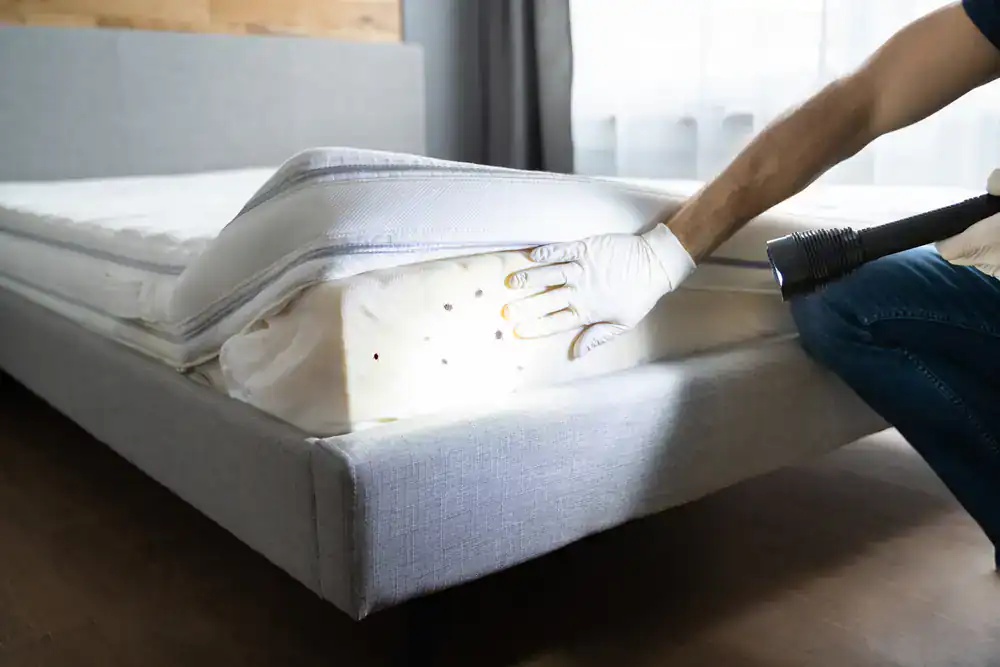
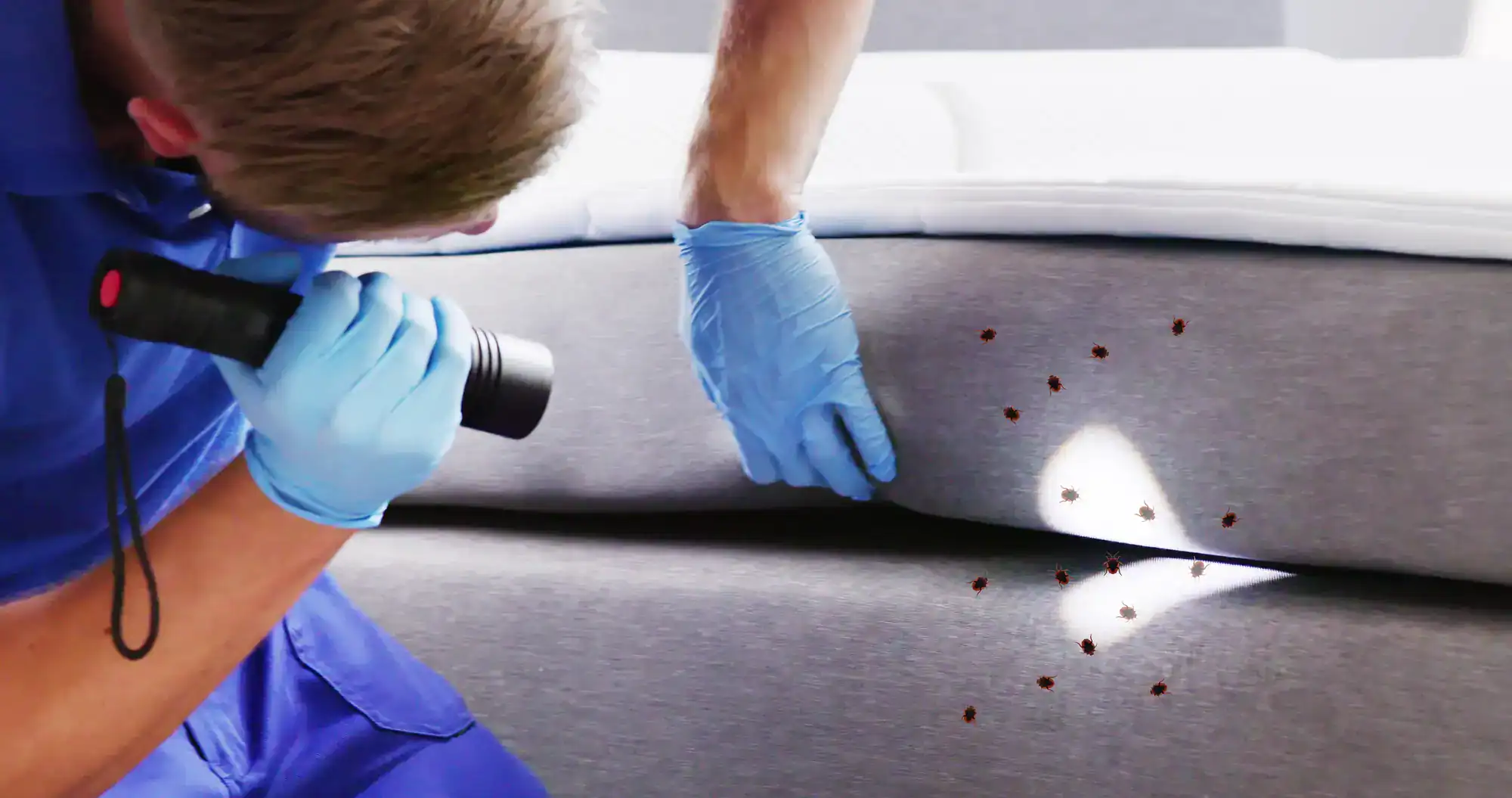
It starts with a call. We answer 24/7, and same-day inspections are frequently available with a guaranteed appointment within two business days in all cases. When a technician arrives, they’re not doing a quick visual scan and calling it done. They’re inspecting the specific places bed bugs actually occupy in a pre-war apartment: mattress seams, box spring frames, baseboards, wall-to-floor gaps, upholstered furniture, electrical outlets, and any crack or crevice that connects to a shared wall or utility chase.
From there, you get an honest assessment and a clear treatment plan no inflated scope, no upselling products you don’t need. Customers have specifically noted this in reviews, and it’s consistent. The treatment itself typically involves multiple visits over a defined period, because one application is rarely enough to address all life stages of an infestation. You’ll receive preparation instructions before the first visit so the treatment can actually reach the areas that matter.
Under NYC Local Law 69 of 2017, building owners are required to file Annual Bed Bug Reports with HPD every December. If you’re a building manager or property owner on the Upper West Side dealing with a Notice of Violation or a 311 complaint, we can provide the documented, professional treatment record you need for compliance not just an exterminator visit, but a paper trail that satisfies HPD’s requirements.
Ready to get started?
Bed bug treatment in Upper West Side apartments isn’t a one-size-fits-all job. The pre-war building stock over 63% of units in this neighborhood were built before 1940 creates treatment conditions that require a different level of thoroughness than a newer construction. We use environmentally friendly treatment methods applied with precision, not broadcast application. Every treatment is designed to reach the actual harborage points in your specific unit, not just the obvious surfaces.
For families with children at PS 87, PS 166, or PS 199, or anyone with pets in the home, the question of chemical safety is a real one and it gets a real answer. Preparation guidelines are clear, re-entry timing is specific, and our approach is designed for occupied residential buildings not industrial spaces. You don’t have to choose between thorough and safe.
For building managers overseeing large multi-unit properties near Lincoln Center or along Broadway, we also handle the coordination and documentation side of multi-unit bed bug situations. That includes treatment records formatted for HPD compliance, support with Local Law 69 annual reporting, and the kind of professional communication that building management and co-op boards expect. Whether it’s a single apartment on the 12th floor or a building-wide situation that started in one unit and spread, our approach is the same: find where the problem actually is, treat it completely, and document every step.
In the pre-war buildings that make up most of the Upper West Side’s housing stock, bed bugs move through the same pathways that connect your unit to every other unit in the building. Shared wall voids, utility chases, plumbing and electrical conduits, elevator lobbies, laundry rooms these are all routes. A building constructed in the 1930s wasn’t designed with pest containment in mind, and the thick masonry walls that give these apartments their character also create extensive hidden networks where bed bugs travel undetected.
This is why a single-unit treatment sometimes fails to hold. If the source unit or an adjacent unit hasn’t been treated, re-infestation from a neighboring apartment is a genuine risk. A thorough inspection should include an assessment of the likely spread pattern within your building, not just the condition of your individual unit. Coordinating with building management early and having a licensed pest control operator document the treatment is the most effective way to contain a situation before it becomes a building-wide problem.
Professional bed bug treatment in the Upper West Side generally runs between $1,000 and $2,500 for a standard apartment infestation, depending on the size of the unit, the severity of the infestation, and the number of treatment visits required. More advanced infestations particularly in larger pre-war apartments with multiple rooms and complex layouts can run $4,000 or higher. Most infestations require two to four treatment visits over a three-to-six-week period to address all life stages, including eggs that may not be affected by the initial application.
The more useful way to think about cost is in terms of what delay costs you. A contained infestation in one bedroom that gets treated quickly is a very different financial situation than one that spreads to the rest of your apartment, or worse, triggers a 311 complaint and an HPD Notice of Violation that puts your building owner in a compliance situation. Getting a free estimate early before the problem grows is the financially sound move.
Yes, when it’s done correctly. The treatments we use are environmentally friendly and applied with precision meaning targeted application to the specific areas where bed bugs live, not broad chemical saturation of your living space. Before any treatment, you’ll receive clear preparation instructions that include what to move, what to cover, and how to prepare the space so the treatment reaches the right areas and your family can return safely.
Re-entry timing is specific and straightforward you’ll know exactly when it’s safe to bring children and pets back into treated areas. This matters especially in a neighborhood like the Upper West Side, where a significant portion of residents are families with young children and where questions about chemical safety aren’t incidental they’re often the first thing parents ask. If you have specific concerns about allergies, sensitivities, or particular products, those conversations happen before the treatment, not after.
NYC Local Law 69 of 2017 requires owners of all multiple-dwelling buildings which covers the vast majority of residential buildings on the Upper West Side to file an Annual Bed Bug Report with the NYC Department of Housing Preservation and Development (HPD) each year. The filing window is December 1 through December 31, and it must cover bed bug infestation history, any eradication measures taken, and re-infestation data for every unit in the building. This applies even if the building had no infestations during the year the report is mandatory regardless.
Failure to file is a violation, and HPD does enforce it. For building managers and property owners receiving a Notice of Violation following a 311 complaint, the path to resolution requires documented treatment by a licensed pest control operator. We can provide the professional treatment records and compliance documentation that satisfy HPD’s requirements not just a service visit, but the paperwork that demonstrates the problem was addressed according to the city’s standards.
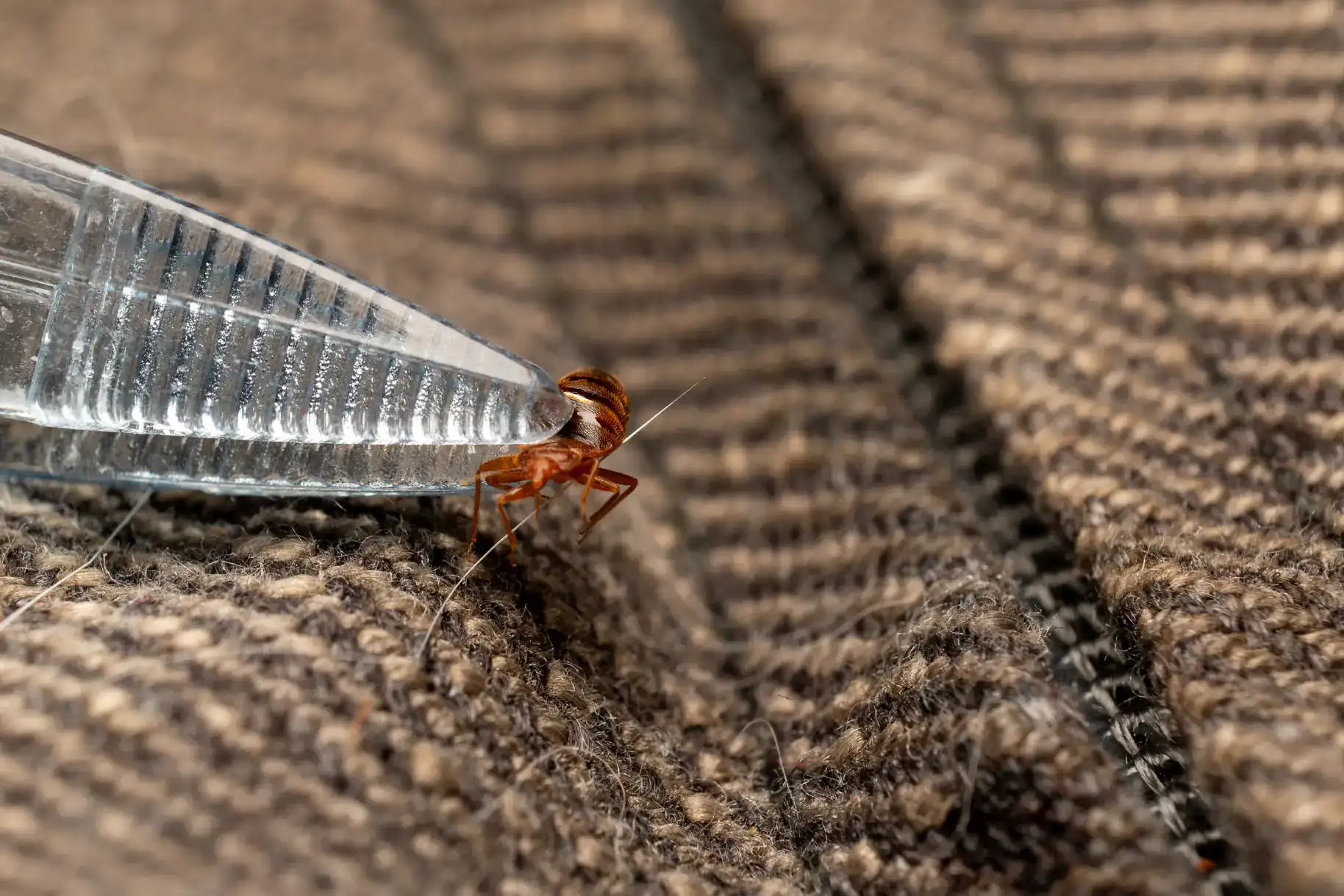
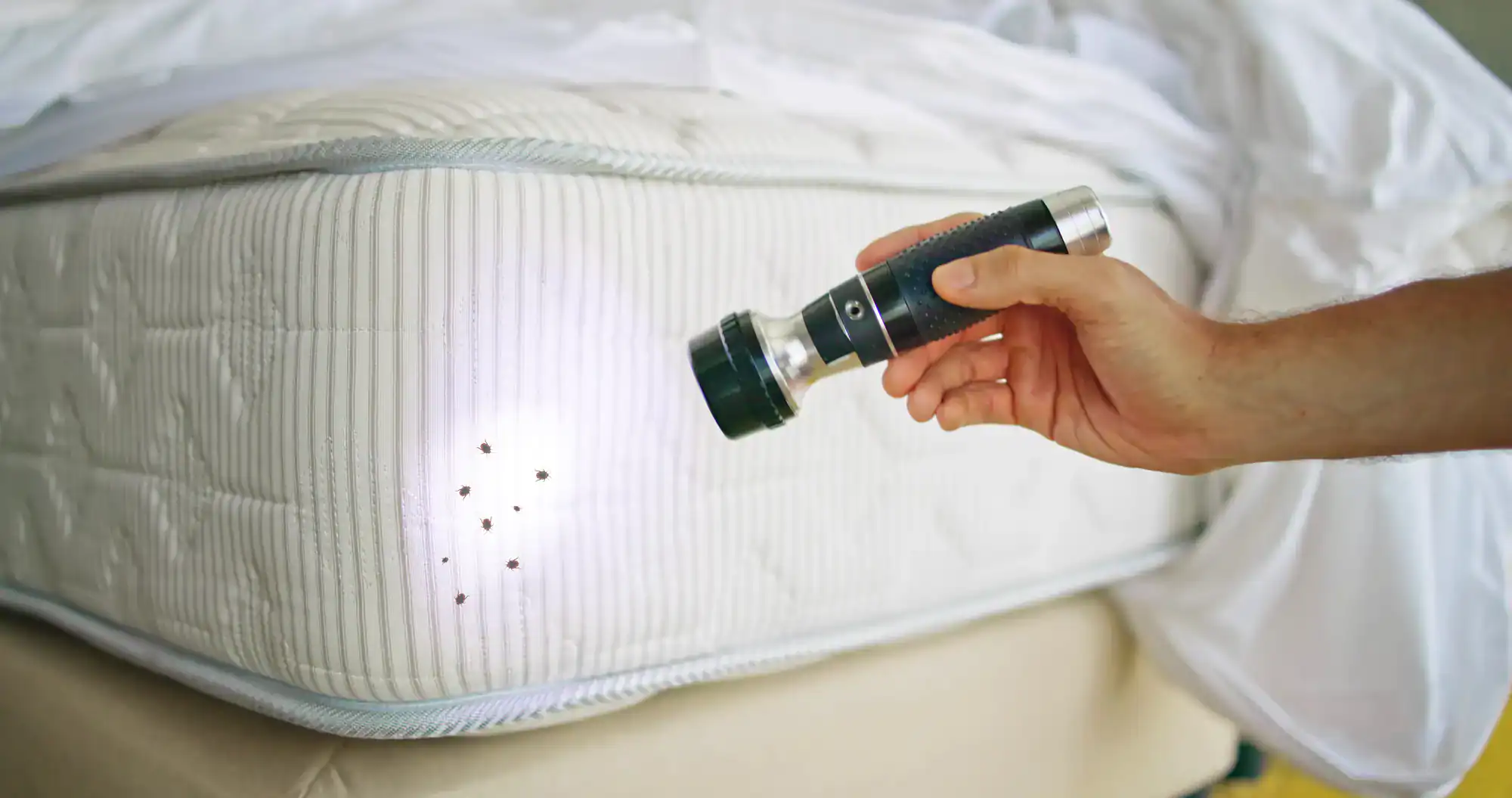
Bed bug bites alone aren’t a reliable confirmation they look similar to mosquito bites, flea bites, and reactions to other allergens, and some people don’t react to them at all. The more reliable indicators are physical evidence in your sleeping area: small rust-colored stains on your mattress or sheets (from crushed bugs or fecal matter), tiny dark spots along seams and baseboards, shed skins, or the bugs themselves, which are about the size of an apple seed and visible to the naked eye.
In Upper West Side apartments, the most common discovery points are mattress seams, box spring frames, the gap between the mattress and headboard, and baseboards along the wall closest to your bed. If you’re seeing bites but can’t find physical evidence, a professional inspection is the most reliable next step and same-day inspections are frequently available. Trying to confirm it yourself for weeks while the population grows is the scenario that turns a manageable situation into a significant one.
Yes. We offer a senior discount, and it’s worth mentioning specifically in the context of the Upper West Side because this neighborhood has a notable population of long-term residents people who have lived in the same rent-stabilized or rent-controlled apartment for decades and who are on fixed incomes despite the neighborhood’s overall affluence. Finding bed bugs in a home you’ve lived in for 30 years is a different kind of stress than it is for someone newer to the area, and the financial concern is real.
The discount is straightforward ask about it when you call. We also offer free estimates with no obligation, which means the first conversation costs nothing. You find out what you’re actually dealing with, get an honest assessment of what treatment involves, and make your decision from there. You’ll get a straight answer about what you need and what it costs.
Useful Links