
Hear from Our Customers
When you find bed bugs, the first thing that goes is your sleep. Then comes the second-guessing did I bring them back from that trip? Did they come through the wall from next door? In Woodside, both of those scenarios are genuinely common, and neither one means you did anything wrong. What matters now is getting it handled the right way.
Woodside’s housing stock is one of the oldest in Queens. A lot of these buildings went up before 1950, and the gaps behind old baseboards, the shared plumbing chases, the wall voids between units that’s exactly where bed bugs hide and travel. A treatment that only addresses the surface of your mattress isn’t going to cut it here. You need someone who understands the structure of these buildings and treats accordingly.
The other thing that changes after a proper treatment is the anxiety around your neighbors. In a dense apartment building, your infestation and theirs are connected. When the job is done right with the right products, the right access points addressed, and the right follow-up you stop worrying every time someone moves out down the hall.
Kingsway Exterminating Company has been serving New York City since before most of Woodside’s current residents arrived. Founded in Brooklyn and operating across all five boroughs for over four decades, we’ve treated every type of building this city has pre-war walkups, mid-century co-ops, NYCHA developments, and everything in between. The kind of buildings you find along Roosevelt Avenue and throughout the 11377 ZIP code are not new territory for us.
We hold a certified bed bug specialist designation not just a general pest control license. That distinction matters because bed bug treatment in a dense, older Queens apartment building is genuinely different from a suburban house call. We understand multi-unit dynamics, shared wall voids, and what it takes to keep a treated unit from getting re-infested through a neighbor’s floor.
We’re also BBB A+ accredited, fully licensed under NYSDEC requirements, and have answered our phones 24 hours a day, seven days a week for years. When you call, you reach a real person.
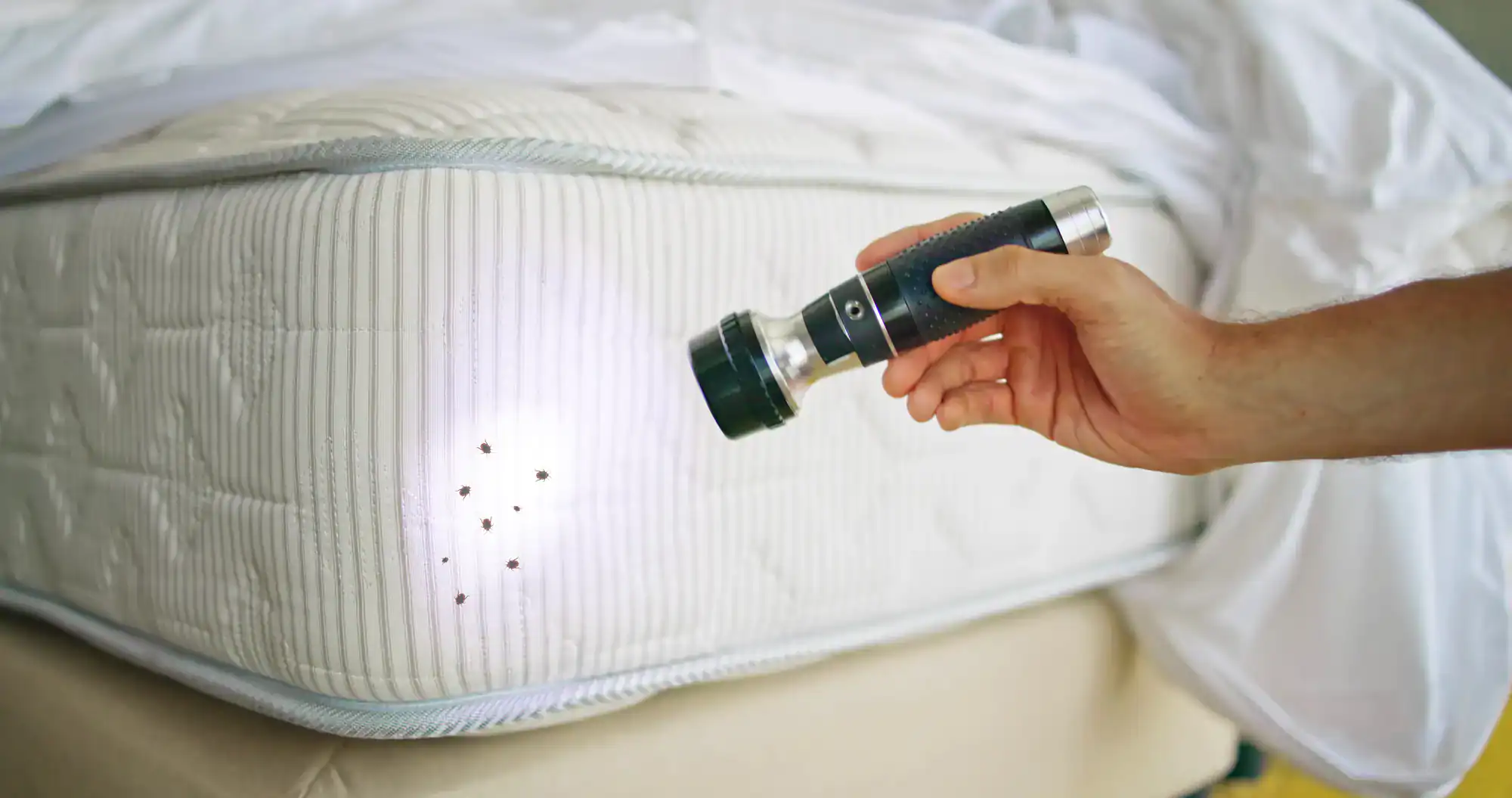
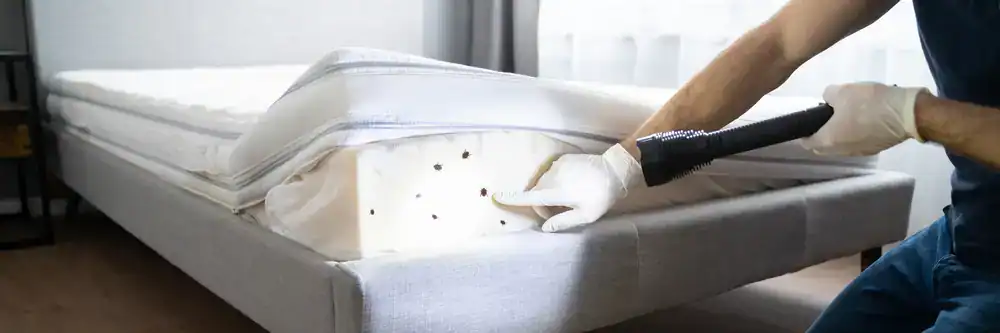
It starts with a free inspection. We come to your Woodside apartment, assess the actual scope of the infestation, and tell you honestly what you’re dealing with whether that’s a contained situation in one room or something that’s already moved through the unit. You’ll know what treatment is needed and what it costs before anything is scheduled. No pressure, no inflated scope, no upselling.
From there, we put together a treatment plan based on your specific building and unit. In Woodside’s older multi-family buildings, that often means treating beyond the obvious harborage points bed frames, mattresses, and upholstered furniture and getting into the baseboards, wall voids, and structural gaps where bed bugs actually live between feedings. We use environmentally responsible products, and we’ll walk you through exactly how to prepare your space beforehand so the treatment is as effective as possible.
Most infestations require two to four visits over three to six weeks. We’ll be upfront about that timeline from the start. If your building situation involves adjacent units or a landlord-tenant dynamic which is common in Woodside under NYC’s housing code we can also advise on how to coordinate treatment across multiple units and what your rights are under HPD’s Class B violation requirements.
Ready to get started?
Bed bug treatment in Woodside isn’t a single product applied to a single surface. It’s a systematic process that accounts for where bugs actually are, where they’re likely traveling, and what structural conditions in your specific unit are working against you. In a pre-war building in Queens County where plaster walls, old hardwood floors, and aging baseboards are standard that means a thorough inspection of every potential harborage point before a single product is applied.
Treatment methods are selected based on what the inspection reveals. Chemical application, steam treatment, and targeted approaches for specific infestation levels are all part of what we bring to a Woodside job. We also provide clear preparation instructions ahead of the visit what to move, what to bag, what to leave so nothing undermines the work once we’re there. After treatment, we explain what to expect during the follow-up window and what signs to watch for.
For Woodside renters dealing with a landlord who’s dragging their feet, it’s worth knowing that NYC classifies bed bugs as a Class B hazardous violation under the Housing Maintenance Code. Landlords are required to remediate within 30 days of an HPD complaint. We’ve navigated this regulatory environment for decades including issuing NYC Department of Health clearance certificates when required and we can help you understand where you stand before you spend a dollar out of pocket.
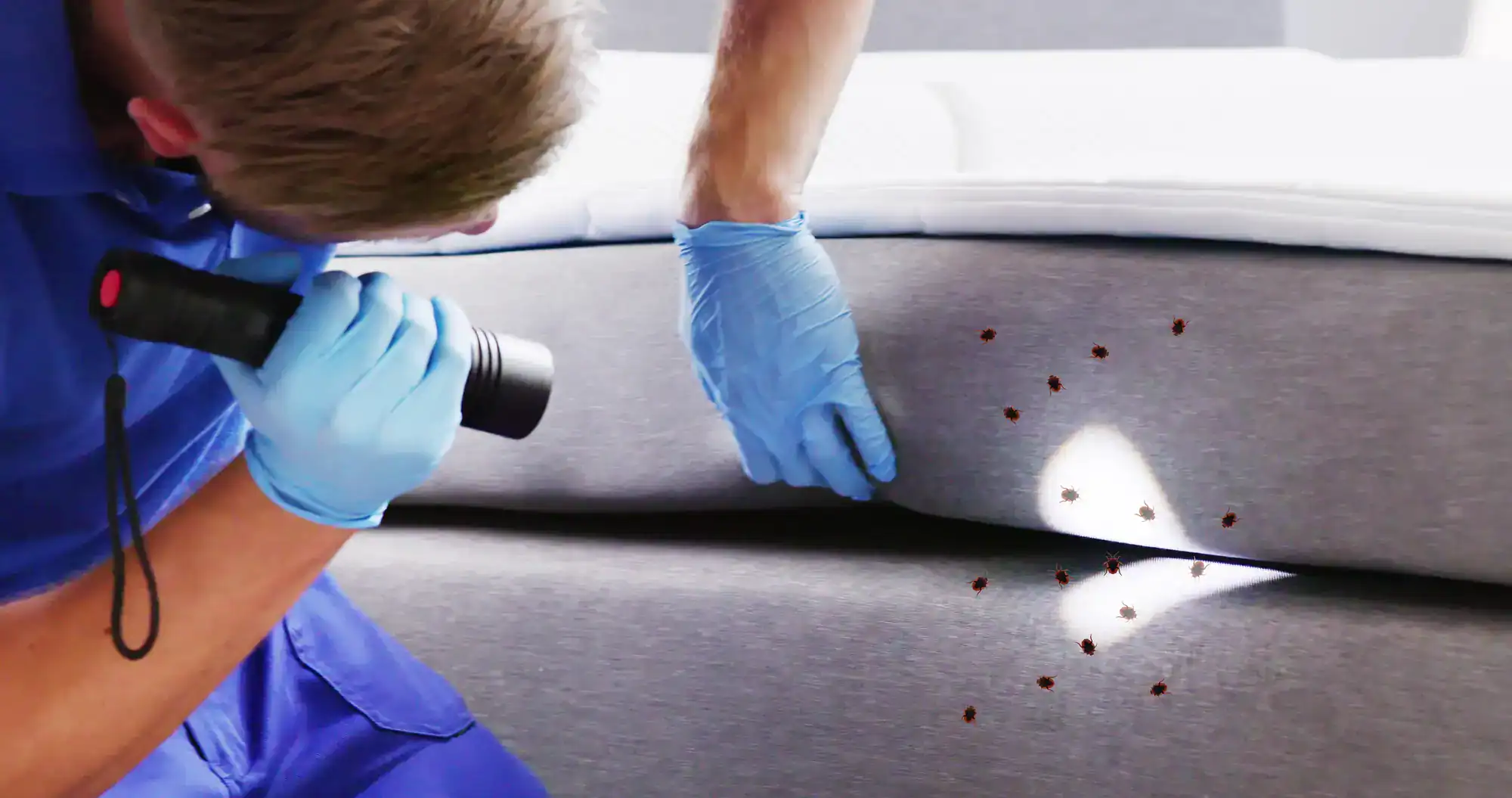
Yes and in Woodside’s older apartment buildings, this is one of the most common reasons a treated unit gets re-infested. Bed bugs travel through shared wall voids, electrical conduit openings, gaps around plumbing pipes, and even through the space beneath apartment doors. In a pre-war building where units share walls and floors with three or four neighboring households, a successful treatment in your apartment can be undone within weeks if adjacent units aren’t addressed.
This is why we assess the full picture during the inspection not just your unit in isolation. If your building has multiple affected units, we work with your landlord or property manager to coordinate treatment across the affected area. Under NYC’s housing code, landlords have a legal obligation to address bed bug infestations in the building, and we can help you understand what leverage you have if coordination is becoming a problem.
The honest answer is that it depends on the size of the infestation and the number of rooms affected. For a single-room treatment in a Woodside apartment, you’re typically looking at $300 to $500. A full-unit treatment for a moderate infestation generally runs between $1,000 and $2,500. Severe infestations particularly in larger units or multi-room situations can reach $4,000 to $6,000.
What affects cost most is how far the infestation has spread by the time treatment starts. A small problem caught early is significantly less expensive to resolve than one that’s moved through multiple rooms or into the furniture throughout the apartment. That’s one reason we offer free estimates so you know exactly what you’re dealing with before committing to anything. There’s no obligation, and there’s no inflated scope designed to push the number up.
Under the NYC Housing Maintenance Code, bed bugs are classified as a Class B hazardous violation. That means if you file a complaint through 311 and an HPD inspector confirms an infestation, your landlord is legally required to remediate within 30 days. The financial responsibility for that remediation falls on the building owner not the tenant in most cases.
The practical reality is that landlord responsiveness varies widely in Woodside. Some act quickly; others delay until a violation is formally issued. If you’re in that situation, filing a 311 complaint creates an official record and starts the clock on the remediation requirement. In the meantime, if you choose to move forward with treatment on your own, a free estimate from us costs you nothing and gives you a clear picture of what the job actually involves which can be useful documentation if the landlord dispute continues.
Both methods are effective when applied correctly, and the right choice depends on your specific situation not a one-size-fits-all answer. Heat treatment raises the temperature of the entire treated space to a level that kills bed bugs and their eggs at all life stages, which can be effective for a single severe infestation in a contained unit. Chemical treatment uses targeted insecticide application to harborage points and travel paths, and it’s often better suited to multi-room or multi-unit situations where the infestation has spread.
In Woodside’s older pre-war buildings, chemical treatment is frequently the more practical approach. The structural complexity of these apartments aging baseboards, plaster walls, gaps around old plumbing makes it difficult to achieve and hold the temperatures required for heat treatment throughout the entire unit. We’ll assess your specific unit and recommend the method that gives you the best outcome, not the most expensive one.
Preparation matters more than most people realize a poorly prepared apartment can significantly reduce how effective the treatment is. Before we arrive, you’ll need to wash and bag all bedding, clothing, and soft items in the affected rooms using high heat. Furniture should be pulled away from walls to give access to baseboards and wall voids. Clutter on the floor should be cleared, since bed bugs use stacked items as harborage points and barriers that block treatment.
We provide a detailed preparation checklist when you book, tailored to your specific unit and treatment method. In Woodside apartments where space is tight which is common in the pre-war walkups throughout the neighborhood we’ll also walk you through how to manage preparation in a smaller footprint without disrupting the entire household. If you have children, elderly family members, or pets at home, let us know ahead of time and we’ll make sure the preparation and re-entry instructions account for them specifically.
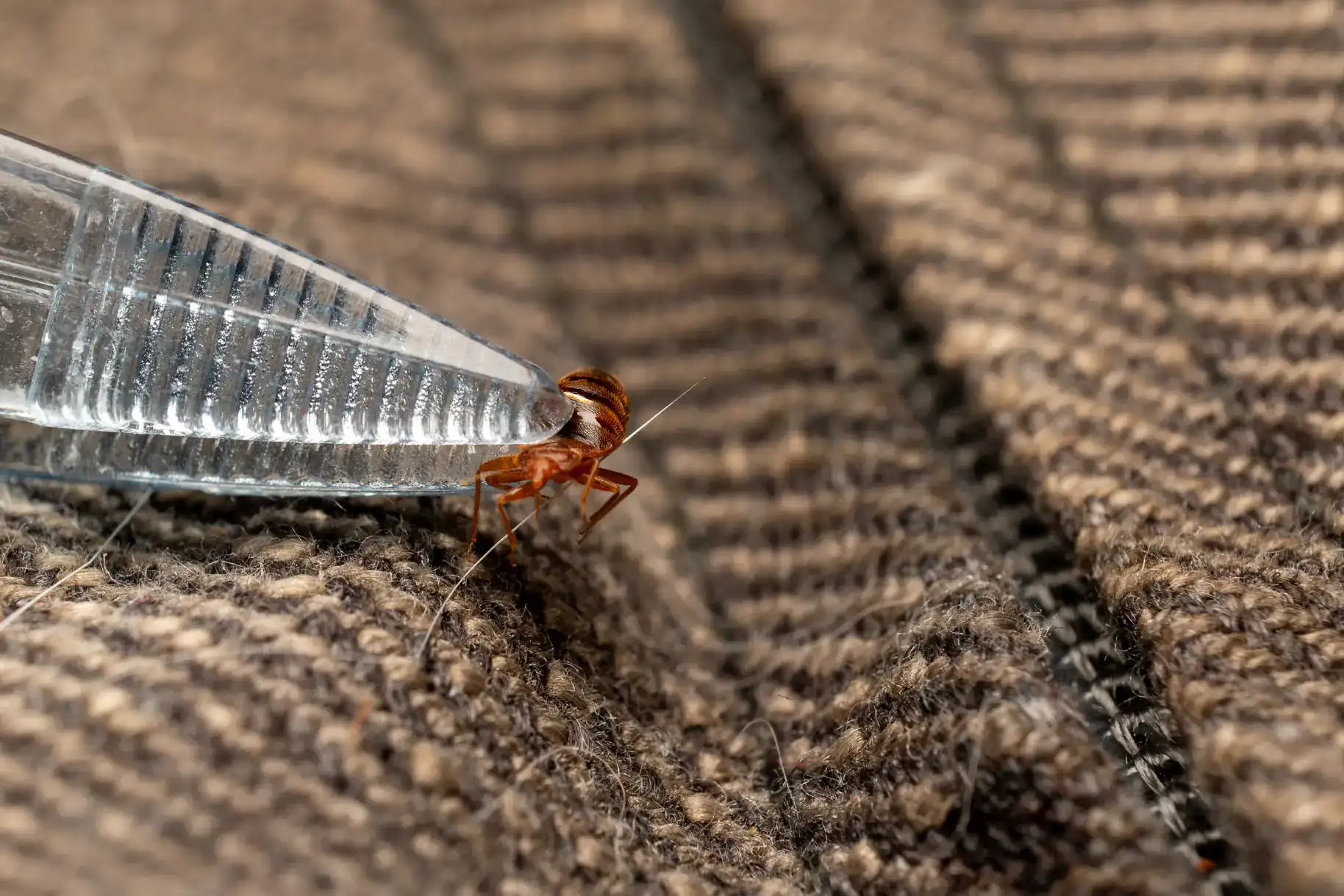
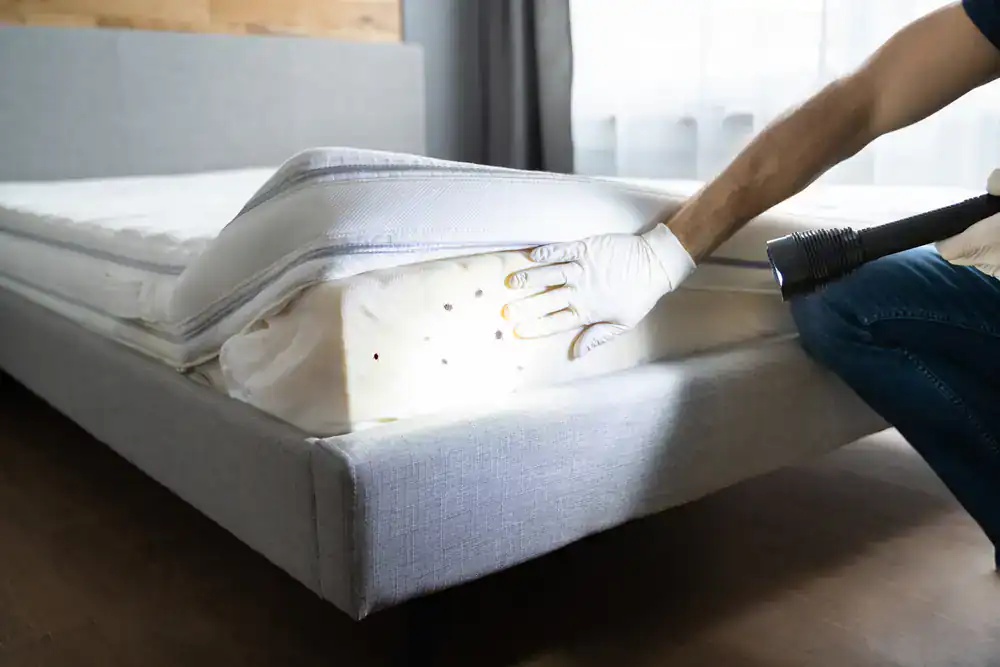
Bed bugs are small adult bugs are about the size of an apple seed, flat, and reddish-brown but they leave behind signs that are often easier to spot than the bugs themselves. Look for small rust-colored stains on your mattress or sheets, which are blood spots from crushed bugs or their excrement. Tiny pale yellow shed skins near the seams of your mattress or along baseboards are another strong indicator. And if you’re waking up with clusters of small, itchy bites particularly in a line or grouping that’s a pattern consistent with bed bug feeding.
What makes this harder to diagnose confidently on your own is that bed bugs don’t always stay in the bedroom. In Woodside apartments where living space is compact and furniture is close together, they can move into sofas, chairs, and even behind wall outlets. If you’re seeing any of the signs above and aren’t sure, the safest move is a professional inspection. Ours are free, and we’ll give you a straight answer either way whether it’s bed bugs or something else entirely.
Useful Links
Other Services we provide in Woodside