
Hear from Our Customers
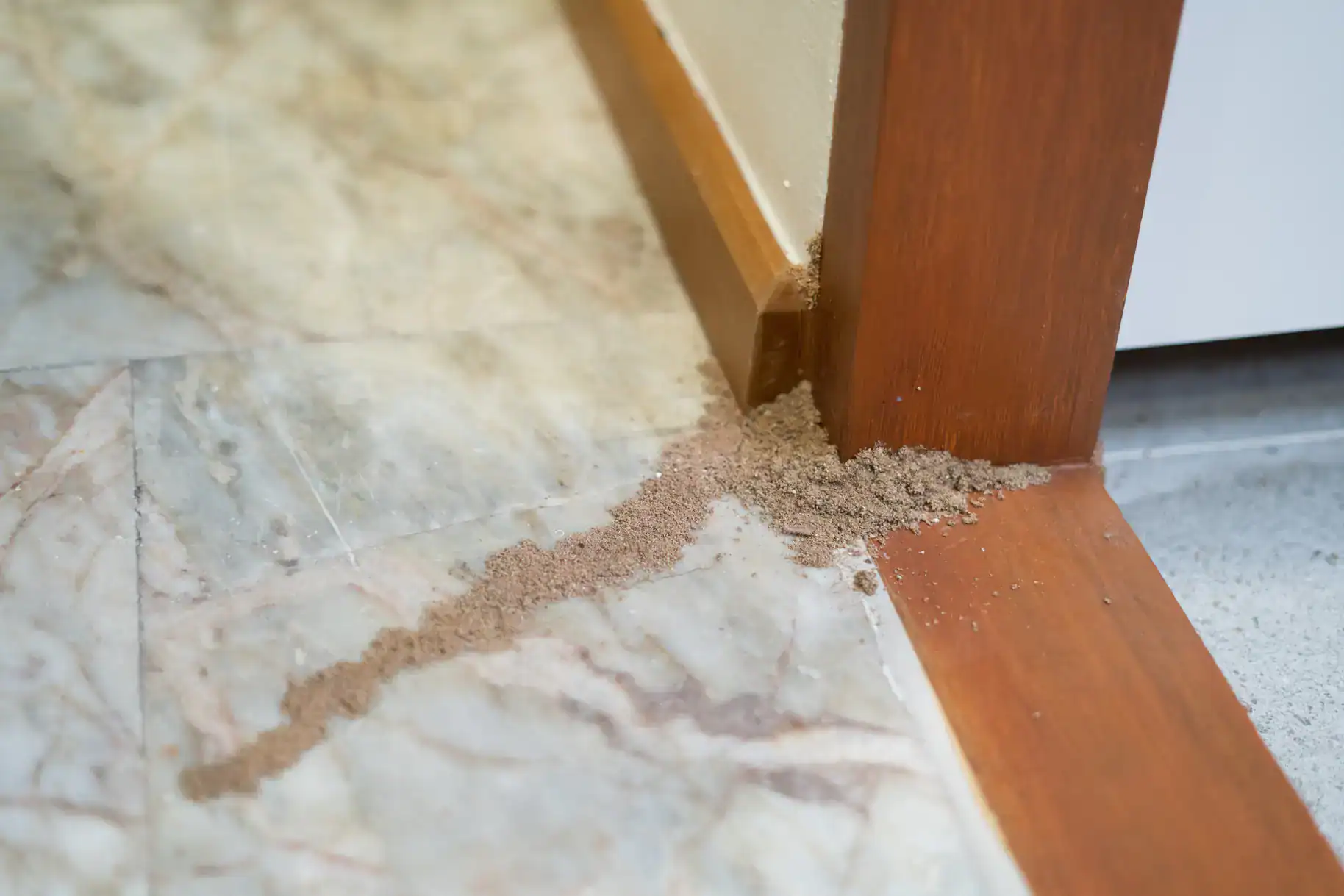
The real problem with termites in Woodside isn’t just the damage it’s how long they’ve already been there before you noticed. Eastern Subterranean Termites feed 24 hours a day, and by the time you see a mud tube in your basement or swarmers coming through a wall crack, that colony has typically been active for five or more years. The wood they’ve been eating doesn’t announce itself. It just quietly gets worse.
Woodside’s housing stock makes this especially serious. Most of the rowhouses and two-family homes in this neighborhood were built before 1940, and a lot of them sit on foundations with wood sill plates in direct contact with masonry. That’s exactly the kind of construction subterranean termites exploit and it’s exactly why a thorough, colony-level treatment matters more here than a quick spray-and-go job.
There’s also the density factor. In a block of attached rowhouses off Skillman Avenue or a brick triplex near Queens Boulevard, a termite colony nesting beneath one property can extend its foraging tunnels under multiple adjacent structures. Getting rid of termites in your Woodside home the right way means targeting the colony at its underground source not just the access points inside your walls.
We’ve been operating since 1976 founded by Richard Kourbage Sr. and now run across three generations of the same family. That’s not a branding line. It means the people making decisions at our company have spent decades treating the specific building types that define Woodside and western Queens: prewar rowhouses, attached two-families, aging co-op buildings, and the kind of older construction that shows up block after block in this neighborhood.
Our collective staff experience exceeds 100 years, and it shows in how jobs get handled. Technicians who’ve treated hundreds of pre-1940 Woodside homes understand what to look for in a basement with old plumbing penetrations, or how a shared foundation between two attached rowhouses changes the treatment approach. We hold a BBB A+ accreditation that’s been maintained since 1989, apply only NYS DEC-registered materials, and answer the phone 24 hours a day. If you’re in Woodside and you’ve found something that concerns you, you can call today not next week.
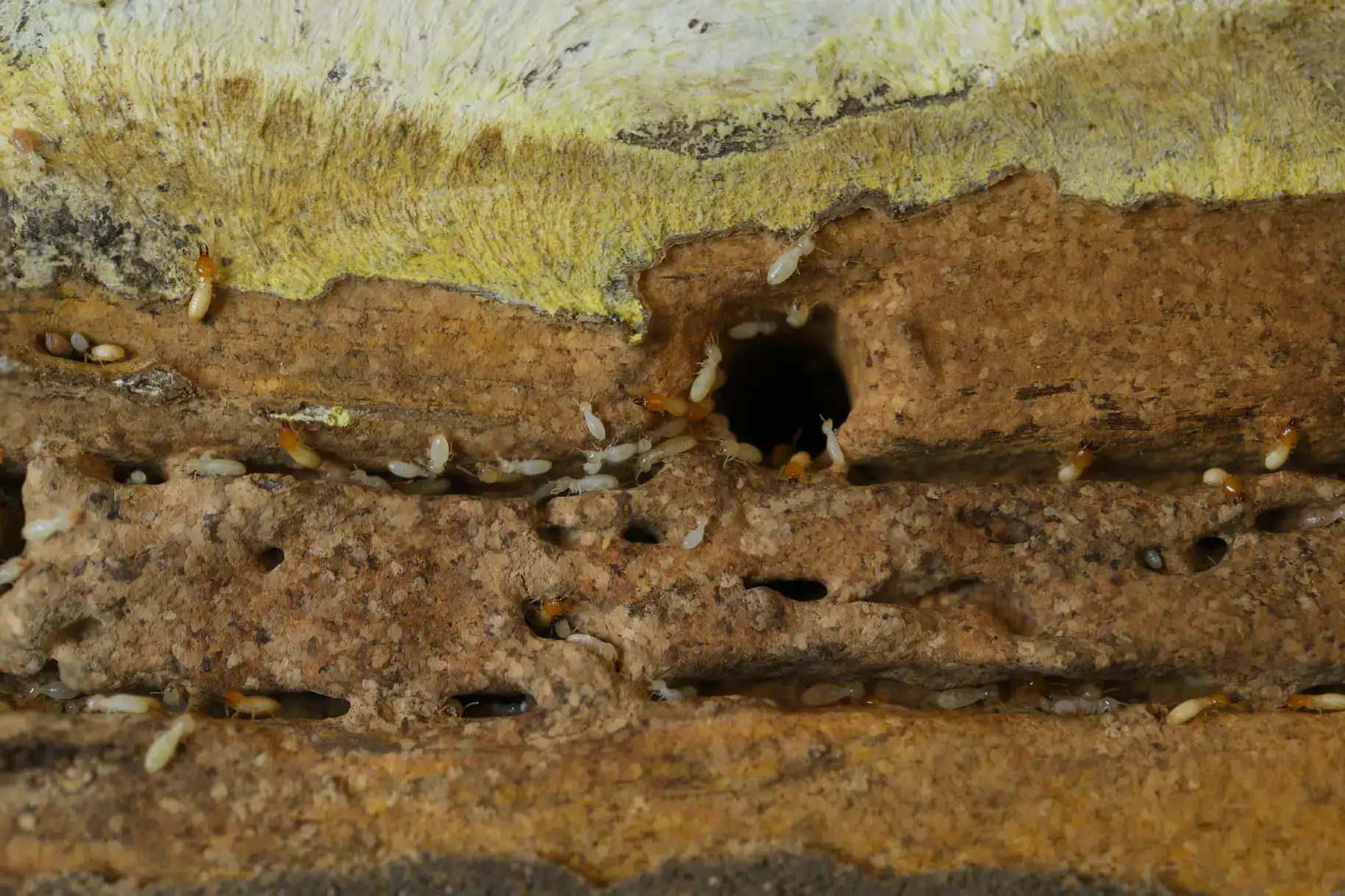
It starts with an inspection. One of our technicians comes to your property same day in many cases and does a thorough walkthrough: basement, crawl spaces, foundation perimeter, window frames, anywhere termites are likely to enter or have already been active. In Woodside’s older homes, that means paying close attention to wood near masonry contact points, plumbing penetrations, and any areas with moisture issues. The historically wet, marshy soil this neighborhood was built on contributes to higher subsurface moisture levels than you’d find in drier parts of Queens, and moisture is exactly what subterranean termites need to survive underground.
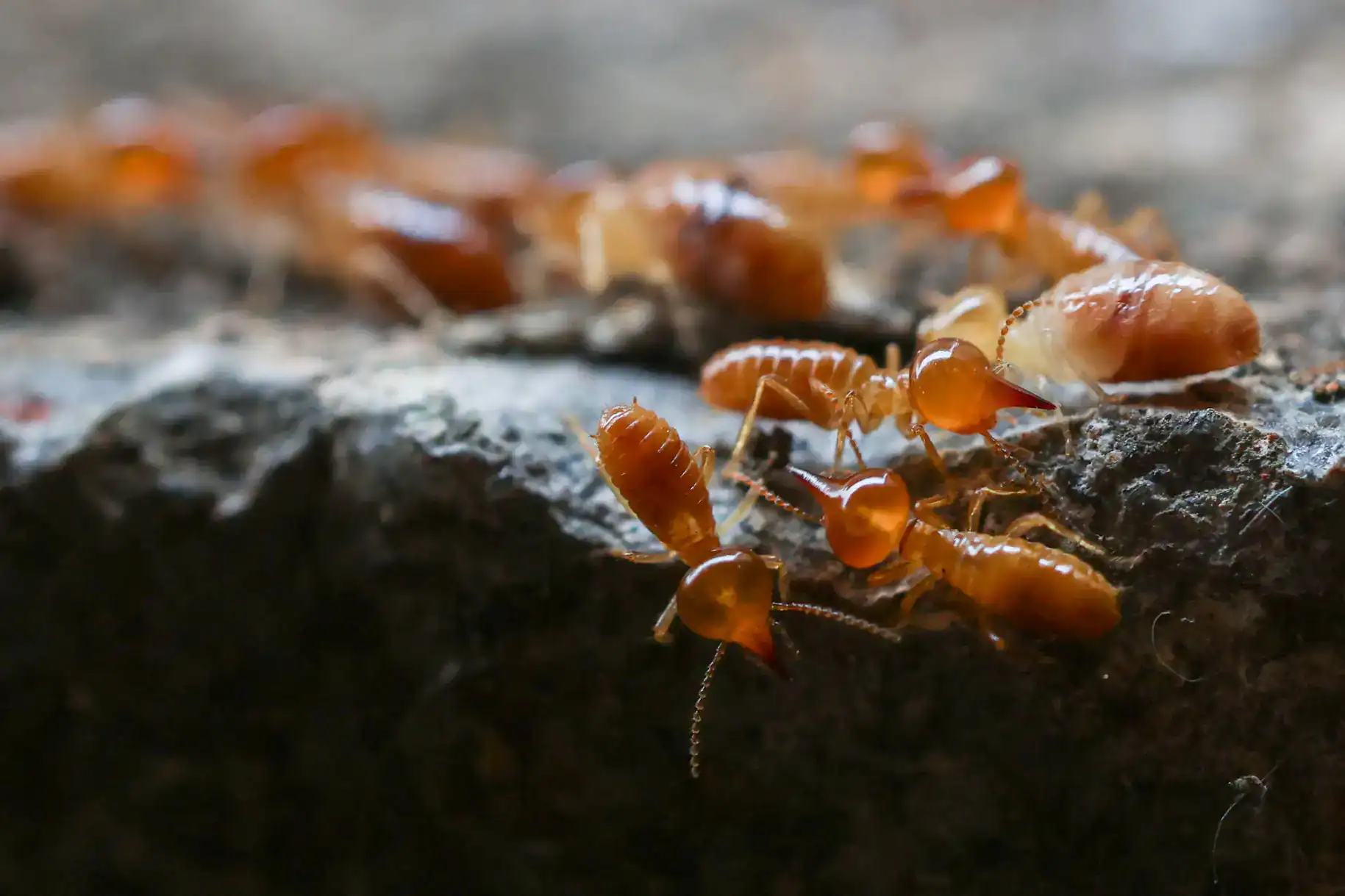
Once the inspection is done, you get a clear picture of what’s there and what needs to happen. If treatment is needed, we use termite baiting systems and subterranean termite eradication methods that target the colony itself not just the visible damage. Baiting systems work by having termites carry a slow-acting material back to the colony, which eliminates it at the source rather than just disrupting surface activity.
If you’re buying or selling a property in Woodside, we also provide Wood Destroying Organism (WDO) inspection reports the documentation required for FHA and VA mortgage approvals and commonly requested by buyers’ attorneys in NYC real estate transactions. Everything is documented, and we offer free estimates before any commitment is made.
Ready to get started?
Our termite services cover the full range of what Woodside property owners actually need. That includes termite inspections, termite baiting systems, subterranean termite eradication, and Wood Destroying Organism reports for real estate transactions. Beyond termites specifically, we also treat carpenter ants and powder post beetles the other wood-destroying insects that frequently show up in the same pre-1940 construction where termites thrive. In Woodside’s older housing stock, it’s not uncommon to find more than one issue at once.
For landlords and property managers in the neighborhood and there are a lot of them, given Woodside’s concentration of two- and three-family rental buildings we also handle NYC Department of Health pest code violations. If your rental property has received a citation, we know exactly what documentation and treatment steps are required to resolve and close it.
All materials we use are registered with the New York State Department of Environmental Conservation. In a neighborhood this dense, where walls are shared and buildings house multiple families in close proximity, that matters. Treatments are targeted and applied by NYS-certified technicians. We offer free estimates, appointments are guaranteed within two business days, and same-day inspections are frequently possible. If something turns up during a renovation or a spring swarm catches you off guard, you’re not waiting days to get answers.
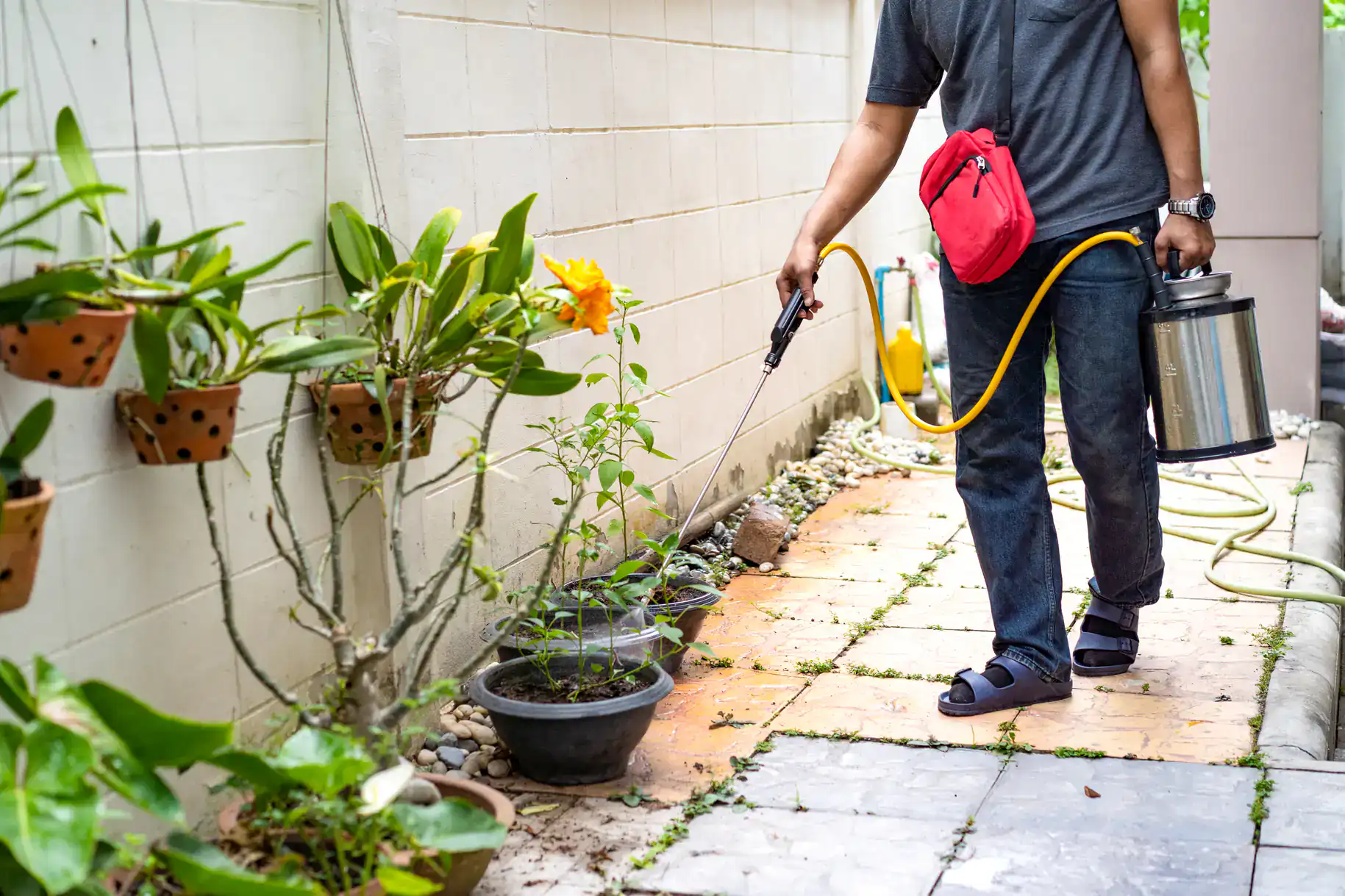
Yes and this is one of the most important things to understand about termite infestations in attached housing. Eastern Subterranean Termites nest underground and forage through the soil, which means their tunnels don’t stop at property lines. In a block of attached rowhouses, which is the dominant housing form across much of Woodside, a single colony can extend beneath multiple adjacent structures simultaneously. The termites themselves don’t care where one foundation ends and another begins.
This is why a surface-level treatment that only addresses the visible access points inside your home often isn’t enough. If the colony is nesting beneath shared soil which is common in Woodside’s tightly packed blocks treating just your unit leaves the source intact. A proper colony-level approach, like a baiting system that workers carry back to the nest, addresses the problem at its origin rather than just interrupting activity in one location.
The most common early signs are mud tubes, discarded wings, and hollow-sounding wood. Mud tubes pencil-thin tunnels made of soil and termite secretions typically appear along foundation walls, basement sill plates, or around plumbing penetrations. They’re the termites’ highway between the soil and the wood they’re feeding on. Discarded wings near windowsills or door frames usually mean swarmers have been active, which indicates a mature colony that’s been established for several years.
In Woodside’s pre-1940 homes, the basement and crawl space are the first places to check. Wood sill plates sitting on masonry foundations are a primary entry point for subterranean termites, and older plumbing that’s allowed moisture to accumulate nearby makes those areas even more vulnerable. Soft spots in flooring, bubbling paint that isn’t near a water source, and doors or windows that have started sticking without an obvious reason can also be signs though by the time those appear, the damage is usually already significant.
In New York City, Eastern Subterranean Termites typically swarm from March through May, with peak activity on warm days usually above 70°F following rainfall. If you see what looks like flying ants emerging from a wall, floor crack, or window frame during that window, don’t assume it’s nothing. Swarmers themselves don’t cause structural damage, but their presence tells you something important: the colony producing them has been active and feeding for years, likely five or more, to reach the size that triggers a swarm.
The right move is to call for an inspection as soon as possible. Swarmers are often the first visible sign a homeowner gets, and waiting to see if it happens again just gives the colony more time. We offer same-day inspections in many cases so if you’re seeing swarmers on a Saturday morning in April, you don’t have to sit on it until Monday. Collect a few of the insects in a bag or take a photo if you can; it helps our technician confirm the species and assess what you’re dealing with.
In almost every case, no. Standard homeowner’s insurance policies in New York explicitly exclude termite damage because it’s considered a preventable condition rather than a sudden, accidental loss. That means every dollar of repair whether it’s a damaged floor joist, a compromised sill plate, or structural framing that needs to be replaced comes directly out of your pocket. The average termite repair runs around $3,000, and structural work in an older Woodside rowhouse can push well beyond that.
This is worth understanding before you decide whether professional treatment is worth the cost. The treatment itself is a fraction of what repairs cost after the fact, and in Woodside, where a two-family home can be worth $500,000 or more, the math is straightforward. Getting a free inspection and estimate gives you a clear picture of what you’re dealing with before the damage gets deeper and before the bill gets bigger.
If the buyer is using FHA or VA financing, a Wood Destroying Organism report is required before the loan can close. Even in conventional transactions, buyers’ attorneys and lenders in New York City commonly request one, and sellers who receive a termite finding during a buyer’s inspection need credentialed, documented treatment to keep the deal from falling apart. In Woodside’s active real estate market where properties regularly list in the $400,000 to $600,000 range a delayed or derailed closing is a serious financial event.
We provide WDO inspections and reports for property purchases, sales, and leases, with the credentials and documentation that lenders, property managers, and attorneys require. If a finding comes up during the transaction, we can also handle the treatment and provide the follow-up documentation needed to satisfy the lender’s requirements. Given how many multi-family investment properties change hands in Woodside each year, this is a service that comes up frequently and timing matters.
It’s a fair question, and the answer is more relevant than most people realize. Before Woodside was developed in the 19th century, the land was characterized by marshes, muddy flats, bogs, and wooded swamps one area was known locally as Wolf Swamp. That land was drained and built over, but the underlying soil composition didn’t change. Historically wet, moisture-retentive soil holds more subsurface moisture than the better-drained ground you’d find in parts of eastern Queens or Long Island.
Eastern Subterranean Termites require moisture to survive. They can’t live in dry soil they need it to maintain their colony environment and to keep the mud tubes they build from drying out. Soil that retains moisture more readily creates a more favorable underground habitat for colony establishment, which is one reason why subterranean termite pressure in older, low-lying western Queens neighborhoods like Woodside tends to be persistent. It doesn’t mean every Woodside home has termites, but it does mean the conditions that allow colonies to thrive are more consistently present here than in drier, higher-elevation neighborhoods and that regular inspections in older homes are worth taking seriously.
Useful Links
Other Services we provide in Woodside