
Hear from Our Customers
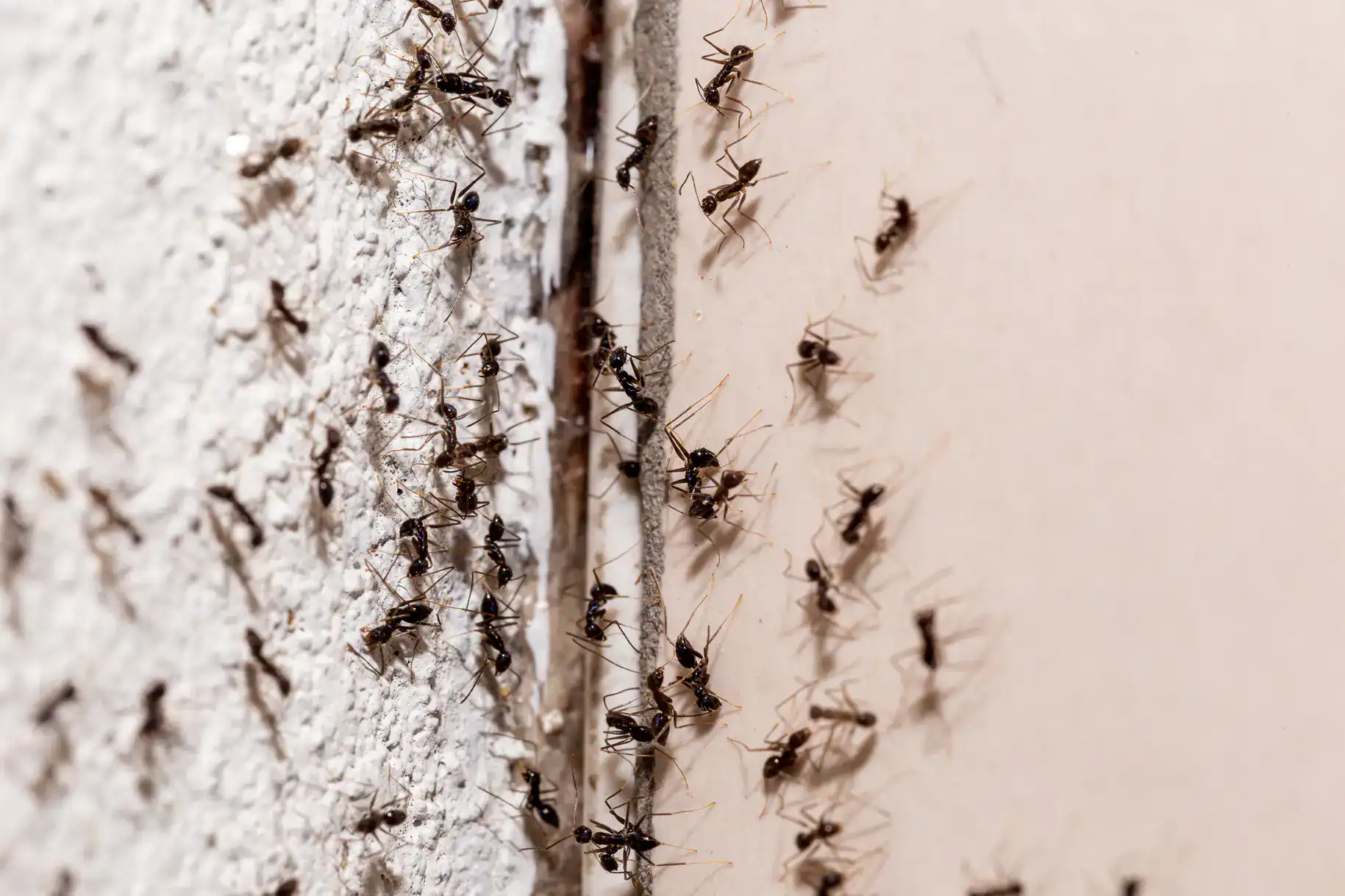
Most people who call us have already tried something. A store-bought spray, maybe two. They killed what they could see, and a week later the trail was back. That’s because the ants you see are foragers a small fraction of a colony that could be nesting deep inside a wall void, under a basement slab, or in the soil beneath your front steps. Treating the surface doesn’t touch the source.
What actually works is getting the material back to the colony. When forager ants pick up the treatment and carry it back to the nest, the entire colony is affected not just the ones on your counter. That’s the difference between a temporary fix and a real one.
Bay Ridge’s housing stock makes this especially important. With most homes in the neighborhood built before 1940, aging wood is everywhere basement sills, porch joists, window frames that have absorbed decades of moisture from the harbor. Carpenter ants specifically target wood that’s been softened by water damage, and the humidity that comes with living near the Narrows gives them exactly what they need. If you’ve been seeing large black ants especially near your basement or along exterior walls that’s not a minor nuisance. That’s a structural concern worth addressing now.
We’re a family-owned company based in Brooklyn, and we’ve been licensed and operating in the five boroughs for over 40 years. We’re not a national franchise routing calls through a regional dispatch center. We’re a Brooklyn company headquartered at 2216 Flatbush Avenue and Bay Ridge is part of the borough we’ve built our entire business around.
We hold an A+ rating with the Better Business Bureau of New York State, and every technician we send is licensed by the NYS Department of Environmental Conservation. We use only DEC-registered materials, we’re fully bonded and insured, and we answer our phones 24 hours a day, seven days a week. Not a voicemail. A real person.
If you’re in Bay Ridge whether you’re on Colonial Road, near Owl’s Head Park, or in one of the attached rowhouses between Fourth and Fifth Avenues you deserve an exterminator who’s familiar with the specific conditions in this neighborhood. We are.
It starts with a free estimate. When we come out, we’re not just looking at where you’ve seen ants we’re looking at the full picture. Entry points, moisture conditions, the age and construction of your home, and any signs of nesting activity inside the walls or foundation. In Bay Ridge, that inspection often includes a close look at basement areas and exterior wood near the foundation, because that’s where carpenter ant activity tends to originate in homes this age.
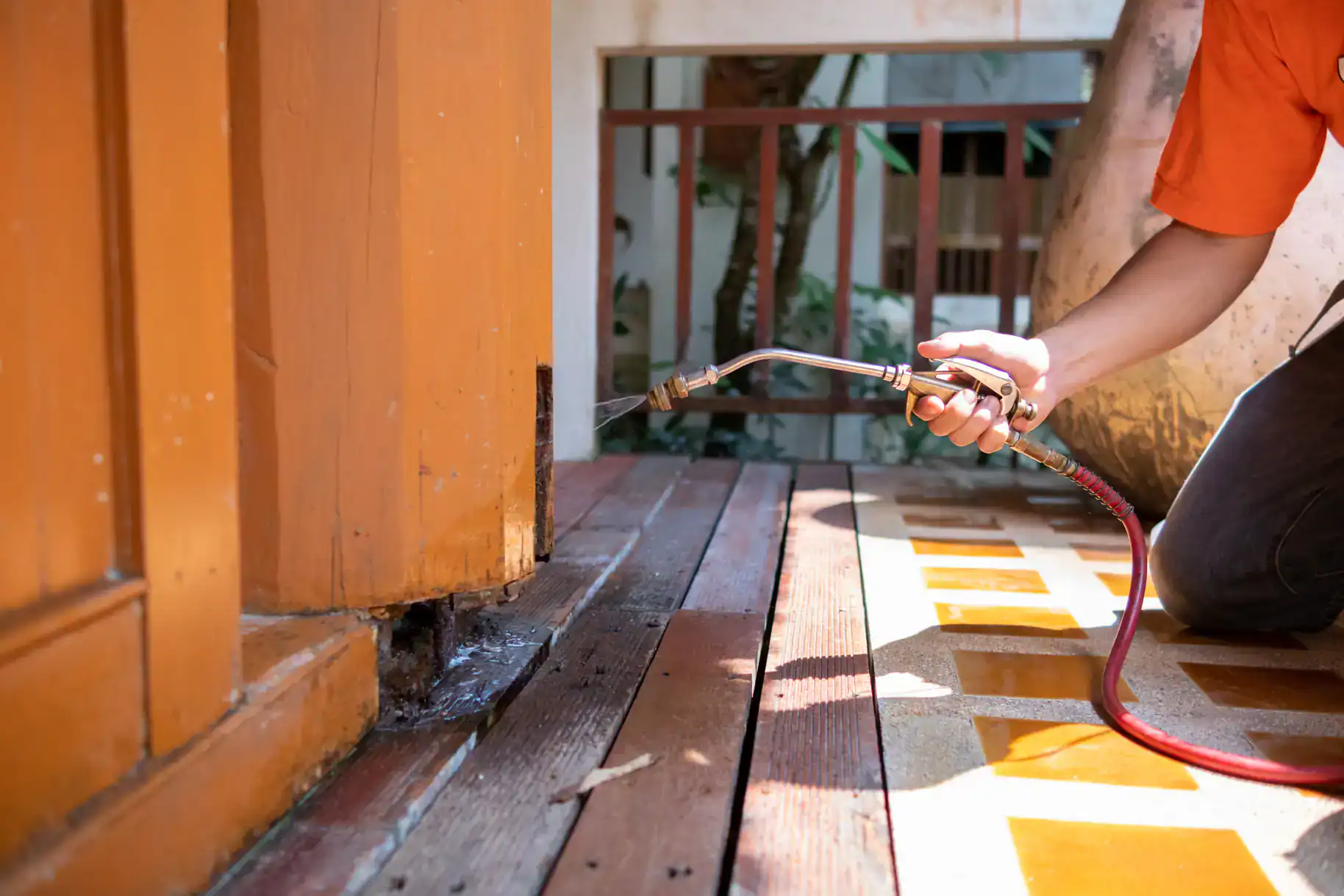
Once we’ve assessed the situation, we perform an initial cleanout. That means applying treatment both inside and outside the property not just where you’ve seen activity, but along the pathways forager ants use to travel between the nest and your living space. The materials we use are designed to be carried back to the colony, which is the only way to eliminate the infestation rather than just suppress it temporarily.
Because Bay Ridge homes often have multiple satellite colonies especially in attached rowhouses where ants can migrate through shared foundations we schedule follow-up visits after the initial treatment. Weekly, every other week, or monthly, depending on what your property needs. We monitor activity, re-apply where necessary, and don’t consider the job done until the infestation is actually gone. No mandatory contracts. Just a maintenance schedule that fits your situation.
Ready to get started?
Every ant control service starts with a thorough inspection inside and out. We identify the species, locate likely nesting sites, and assess the conditions contributing to the infestation. In Bay Ridge, that frequently means looking at moisture-damaged wood in older structures, soil conditions along the Belt Parkway-adjacent properties, and foundation gaps that are common in pre-war construction. Knowing what you’re dealing with before applying anything is what separates a real solution from a temporary one.
Treatment covers both the interior and exterior of your property. Inside, we focus on active trails, entry points, and any areas showing signs of nesting. Outside, we treat the foundation perimeter, soil adjacent to the structure, and any landscaping or wood elements that could be harboring colony activity. For homes near Shore Road Park or the green corridor along the western edge of the neighborhood, that exterior treatment is especially important mature trees and park soil are a consistent source of forager pressure on adjacent residential properties.
After the initial cleanout, we build a follow-up schedule around your specific situation. Some properties need a few visits over a few weeks. Others benefit from ongoing monthly or bi-monthly maintenance. We offer a 10% senior discount which matters in a neighborhood like Bay Ridge where a lot of long-term homeowners are managing older properties on fixed incomes. Free estimates, no hidden fees, and no pressure to commit to a service plan you don’t need.
Spring is when ant colonies expand after winter, and forager ants go out in large numbers looking for food and new nesting sites. In Bay Ridge specifically, the combination of older housing stock and the moisture that comes with being close to the Narrows means there are usually plenty of attractive entry points gaps in aging foundations, cracks around window frames, spaces where utility lines enter the building. Once foragers find a reliable food source inside your home, they leave a chemical trail that guides the rest of the colony.
The reason it keeps happening year after year is that the underlying colony is never fully eliminated. Sprays and traps from the hardware store can reduce visible activity, but they rarely reach the nest. A professional treatment targets the colony directly the materials forager ants carry back are what actually shut down the infestation. If you’re seeing it every spring, there’s a good chance the colony is established somewhere in or very close to your structure, and it’s worth having someone come out and assess it properly.
The most reliable visual clue is size. Carpenter ants are significantly larger than common pavement ants or odorous house ants typically a quarter to a half inch long, and often black or dark brown. If you’re seeing large ants, especially near your basement, around window frames, or along exterior walls, carpenter ants are a real possibility.
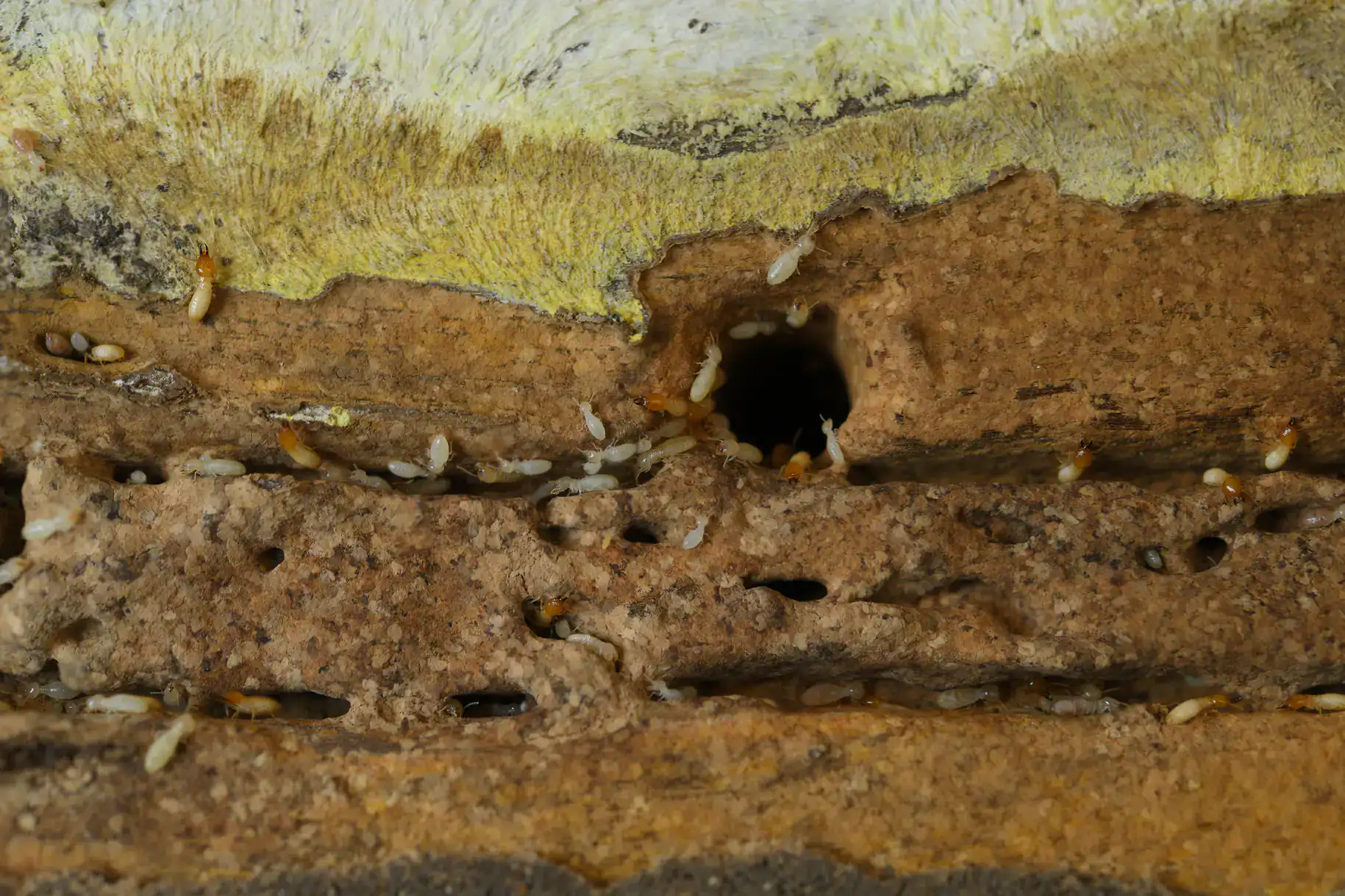
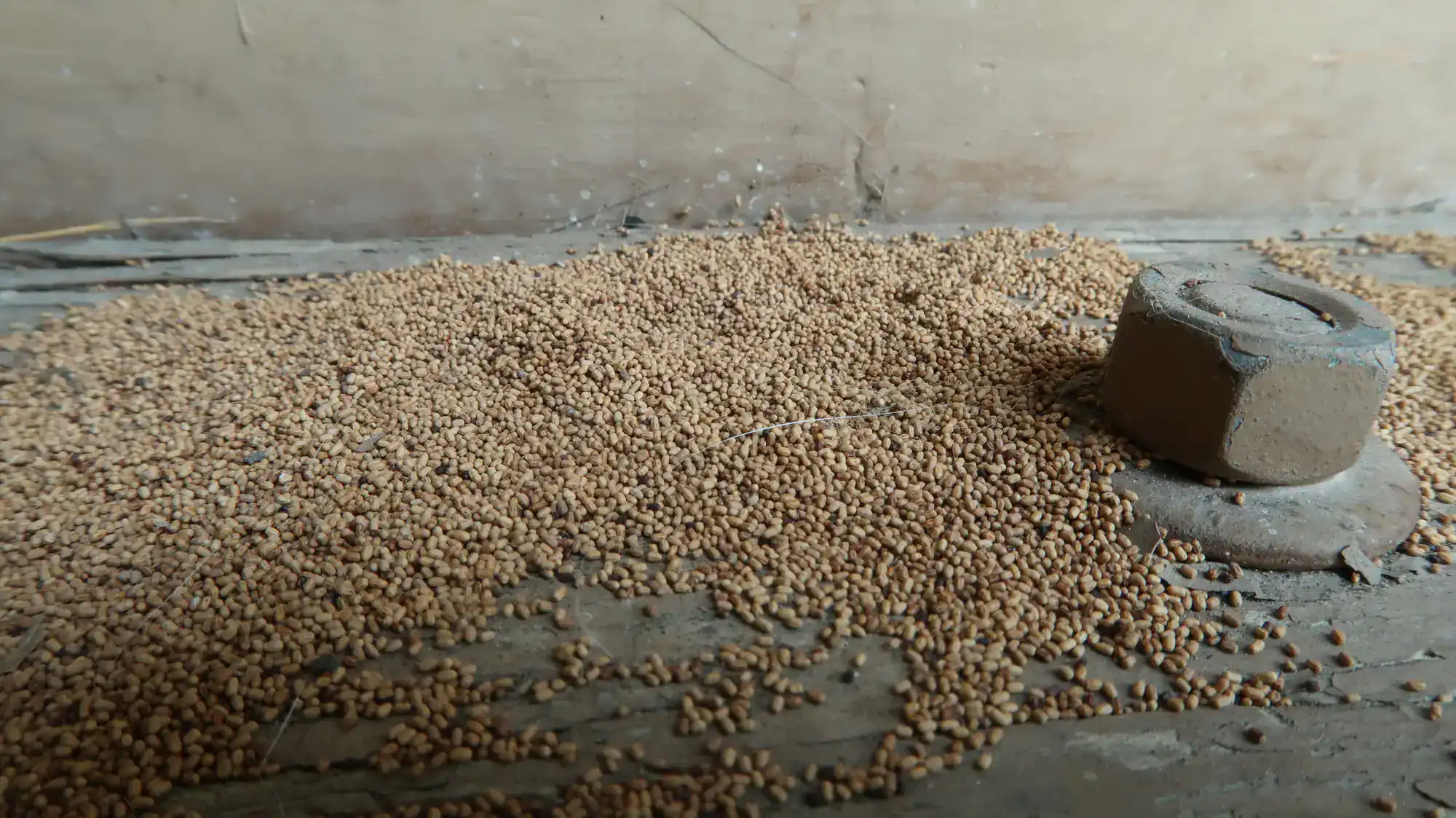
The other thing to look for is frass a fine, sawdust-like material that carpenter ants push out of their galleries as they excavate wood. Unlike termites, carpenter ants don’t eat wood; they tunnel through it to nest. If you find small piles of what looks like shredded wood near baseboards, door frames, or in the basement, that’s a strong indicator. In Bay Ridge’s pre-war homes, the most common nesting sites are in basement sills and joists that have absorbed moisture over decades, or in wood near plumbing where water damage has softened the material. If you’re unsure, a professional inspection will tell you definitively what you’re dealing with and whether any structural damage has already occurred.
This is one of the first questions we get, and it’s a fair one. We use only NYS Department of Environmental Conservation-registered materials, applied by licensed technicians who are trained in residential application protocols. That means the right product, in the right amount, in the right locations not a blanket spray of everything in sight.
For most treatments, we’ll advise you on re-entry timing after interior application typically a short window while treated surfaces dry. We’ll also let you know if there are any specific precautions for your home based on what we find during the inspection. Bay Ridge is a family neighborhood, and a significant portion of the homes we treat have young children and pets. We take that seriously, which is why we don’t use a one-size-fits-all approach. If you have specific concerns about a product or application method, ask us directly when you call we’ll give you a straight answer.
It depends on the severity of the infestation and the structure of your home. A minor infestation in a newer building might be resolved in one or two visits. A more established colony in an older Bay Ridge rowhouse especially one with multiple satellite nests or shared walls with adjacent properties often takes three to five visits over several weeks.
The reason follow-up matters is biology. Ant colonies don’t die overnight. After the initial treatment, activity typically decreases within a few days, but it can take two to four weeks for the colony to be fully eliminated as the material works its way through the population. Follow-up visits let us re-apply where needed, confirm that activity is declining, and catch any secondary colonies that weren’t fully reached in the first treatment. Attached homes on blocks between Fourth and Fifth Avenues are a good example if your neighbor has an active infestation and you share a foundation, you may see re-entry pressure even after your own colony is gone. We account for that.
The products available at retail stores are formulated for general consumer use they’re designed to be safe enough for anyone to apply without training, which means the active ingredient concentrations are lower and the application methods are limited. They work on contact, killing the ants you can see, but they don’t penetrate the nest or affect the queen. As long as the colony is intact, the infestation continues.
Professional-grade materials are different in both formulation and application method. Some are designed specifically to be carried back to the colony by forager ants so the treatment reaches the source rather than just the surface. Others are applied as barriers or baits in locations that consumers typically wouldn’t know to target. Beyond the products themselves, the inspection matters. A licensed technician can identify the species, locate likely nesting sites, and tailor the treatment to your specific structure. In a neighborhood like Bay Ridge, where you might be dealing with carpenter ants in a 90-year-old wood frame or pavement ants pushing up through a cracked sidewalk on a commercial block, that specificity is what makes the difference.
We offer a 10% discount for senior residents and in Bay Ridge, where a lot of long-term homeowners have been in their houses for decades, that’s not a throwaway line. Managing an older property is expensive, and pest control shouldn’t be the thing that breaks the budget. If you or someone in your household qualifies, just mention it when you call.
As for contracts no, we don’t require them. After the initial treatment, we’ll recommend a follow-up schedule based on what your property actually needs. Some homes benefit from monthly maintenance, especially if they’re near the Shore Road Park corridor where exterior ant pressure is ongoing. Others only need a visit or two and are done. You decide what makes sense. We’ll give you a free estimate upfront, tell you what we recommend and why, and let you make the call from there. No pressure, no long-term commitments, no surprises on the invoice.
Useful Links