
Hear from Our Customers
You stop hearing scratching in the walls at night. You stop finding droppings near the kitchen or in the basement. You stop wondering whether the snap trap you set two weeks ago is doing anything. That’s what a real rodent removal looks like not a temporary fix, but a lasting one.
Bay Ridge has some specific things working against you. The blocks nearest to Shore Road Park and the Belt Parkway promenade sit right next to a continuous green corridor that sustains rat populations year-round. Those rats don’t stay in the park. When the weather shifts or food gets scarce, they move and the pre-war limestone rowhouses and attached brick homes on the surrounding residential streets are exactly what they’re looking for. Foundation cracks, aging utility penetrations, deteriorating mortar joints these buildings were built decades before anyone thought about pest exclusion, and they show it.
Then there’s the attached-home reality. When your home shares a wall or a foundation with your neighbor’s, rodents can travel between properties without ever going outside. You can treat your own unit thoroughly and still have a problem within weeks if the shared structural pathways aren’t addressed. That’s what separates a real rodent control service from a visit that just moves the problem around.
We were founded in 1976 in Marine Park, Brooklyn about as close to Bay Ridge as a pest control company gets without being on your block. Richard Kourbage Sr. started the business, and his sons Richard Jr. and Charles have run it since the late 1980s. Over 50 years, one borough, one family. That’s not a brand story that’s just what happened.
In that time, we’ve worked in the exact building types that define Bay Ridge: pre-war limestone rowhouses, semi-attached brick homes, co-op apartment buildings, and single-family houses with aging foundations and decades of deferred exclusion work. The technicians who show up to your door have seen these structures hundreds of times. They know where rodents hide in them, how they travel through them, and what it actually takes to keep them out.
We hold an A+ rating with the Better Business Bureau accredited since 1989 and apply only NYS DEC-registered materials on every job. Fully licensed, bonded, and insured. And if you want to talk through what you’re dealing with before committing to anything, the first call is free.
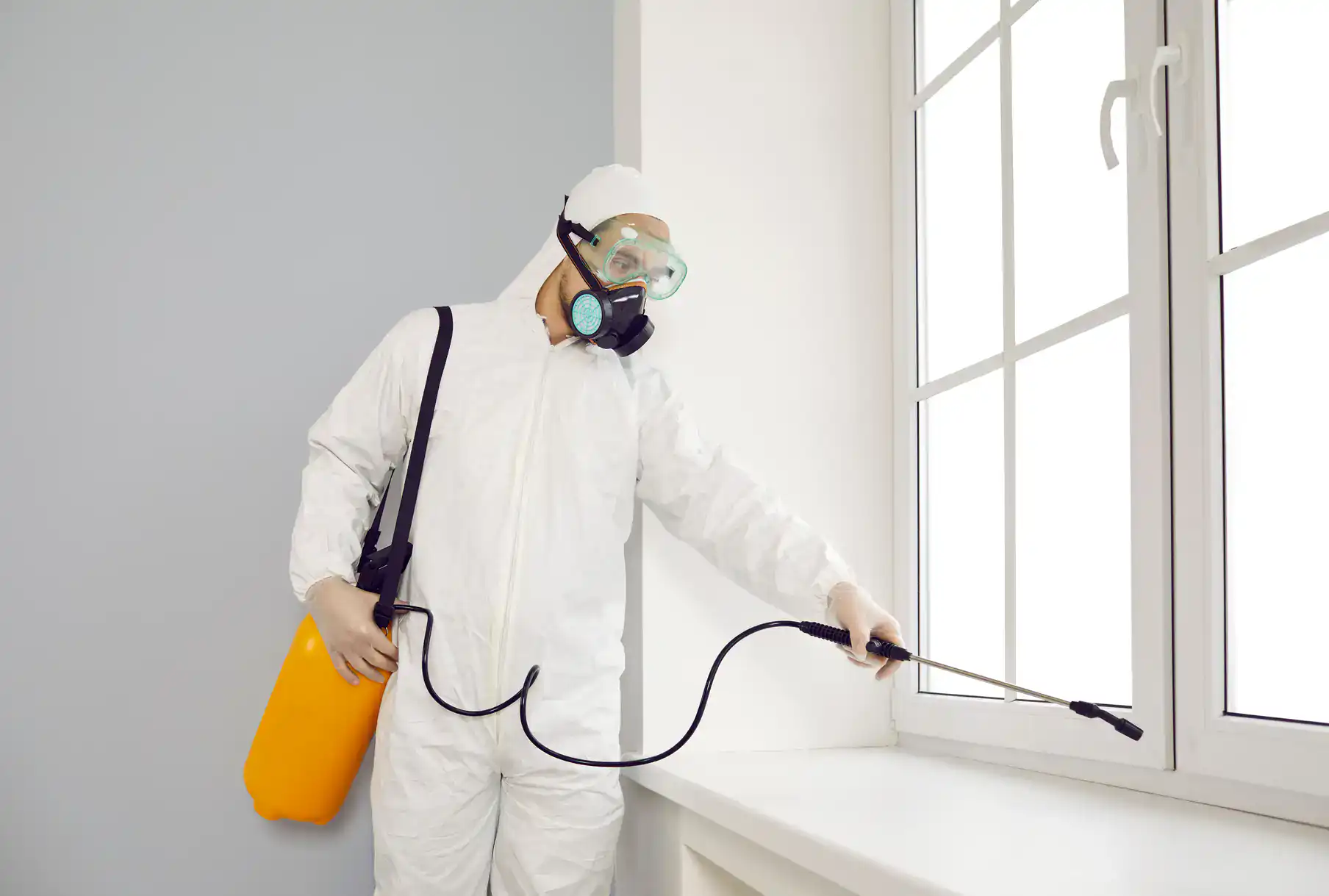
It starts with a thorough inspection interior and exterior. Our technician walks your property looking for active signs of rodent activity: droppings, gnaw marks, burrow entry points, grease trails along baseboards, and any structural gaps that are letting them in. In Bay Ridge’s pre-war housing stock, that exterior inspection matters as much as the interior one. Foundation gaps, deteriorating mortar at the base of brick walls, basement window wells, and aging utility penetrations are the most common entry points in this neighborhood’s building type and they’re easy to miss if you’re not looking for them specifically.
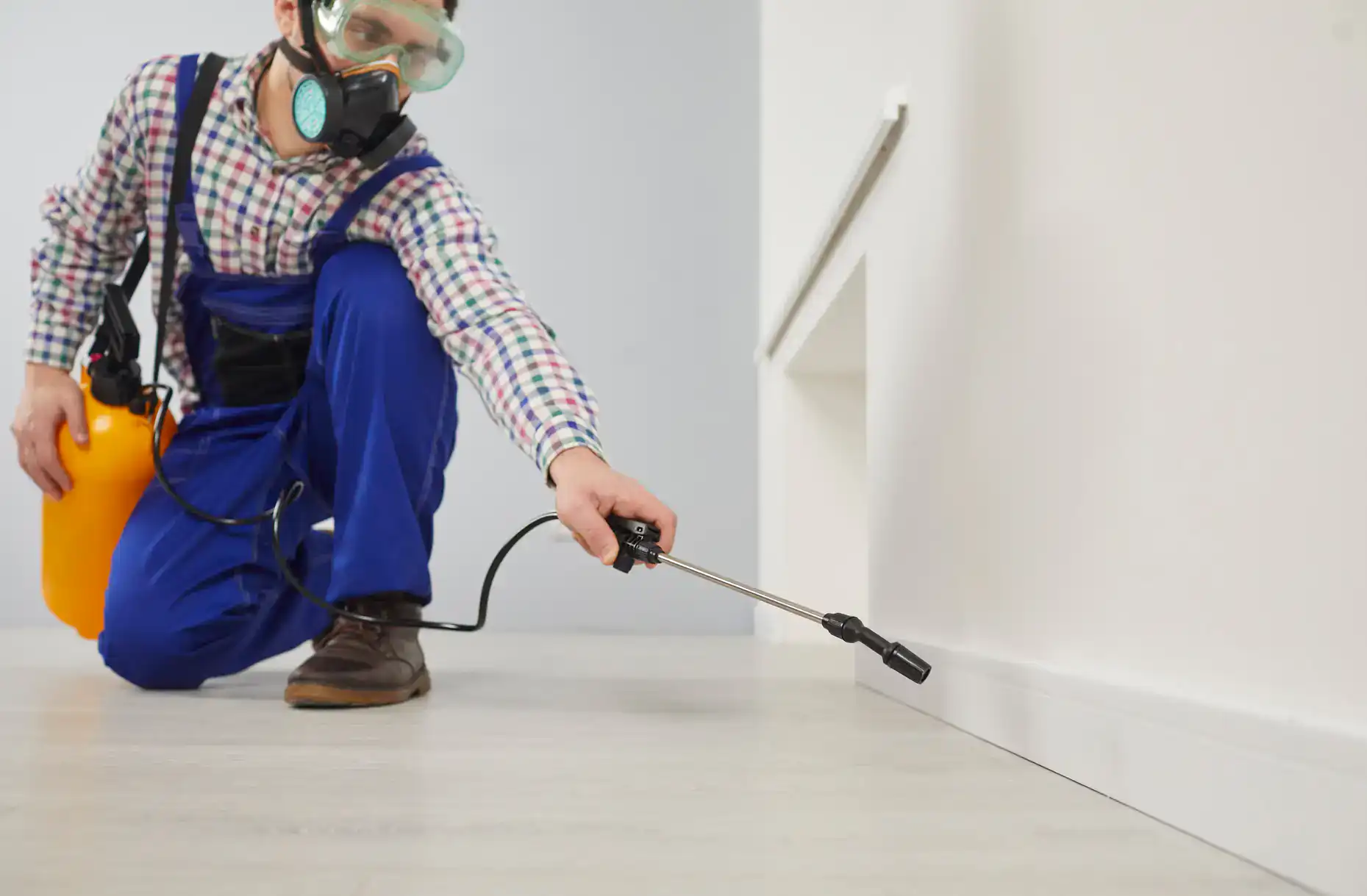
Once the inspection is done, you get a clear picture of what’s happening and where. Treatment follows targeted snap traps, tamper-resistant bait stations, and exclusion materials applied at confirmed entry points. Every product we use is NYS DEC-registered, applied by a licensed applicator. If your home shares a wall with a neighboring property, the exclusion work accounts for that sealing the shared structural pathways that allow rodents to move between buildings.
After the initial treatment, we set up a follow-up monitoring schedule. This is where most one-time treatments fall short they address the immediate population but leave the entry points open. The follow-up phase confirms that exclusion work is holding, checks for any new activity, and adjusts the approach if needed. By the end of the process, you know what got in, how it got in, and what’s been done to make sure it doesn’t happen again.
Ready to get started?
Our rodent control service covers rats and mice the two species responsible for virtually every residential infestation in Bay Ridge. Norway rats are the dominant species in NYC, and they’re well-established in the green corridors along Shore Road Park, the Owl’s Head Park perimeter, and the landscaped margins of the Gowanus Expressway that runs along Bay Ridge’s eastern edge. House mice are the more common interior intruder, capable of squeezing through a hole the size of a pencil eraser and reaching reproductive maturity in two months. Both require different treatment strategies, and we address each specifically.
What’s included: full interior and exterior inspection, species identification, targeted trap and bait station placement using NYS DEC-registered materials, physical exclusion work at confirmed entry points, and a follow-up monitoring schedule. For Bay Ridge properties particularly attached and semi-attached homes the exclusion component covers shared wall penetrations, foundation perimeter gaps, and utility entry points that are specific to this building type. If you’ve had a previous exterminator treat your home without permanently solving the problem, that’s almost always because exclusion work wasn’t done.
New York City law requires property owners to maintain rat-free conditions and address attractant factors. If you’ve received a 311 complaint response or an NYC Health Department notice, our documentation and licensed service record can support your compliance process. The free phone consultation is a good place to start no charge, no obligation, just a straight conversation about what you’re dealing with.
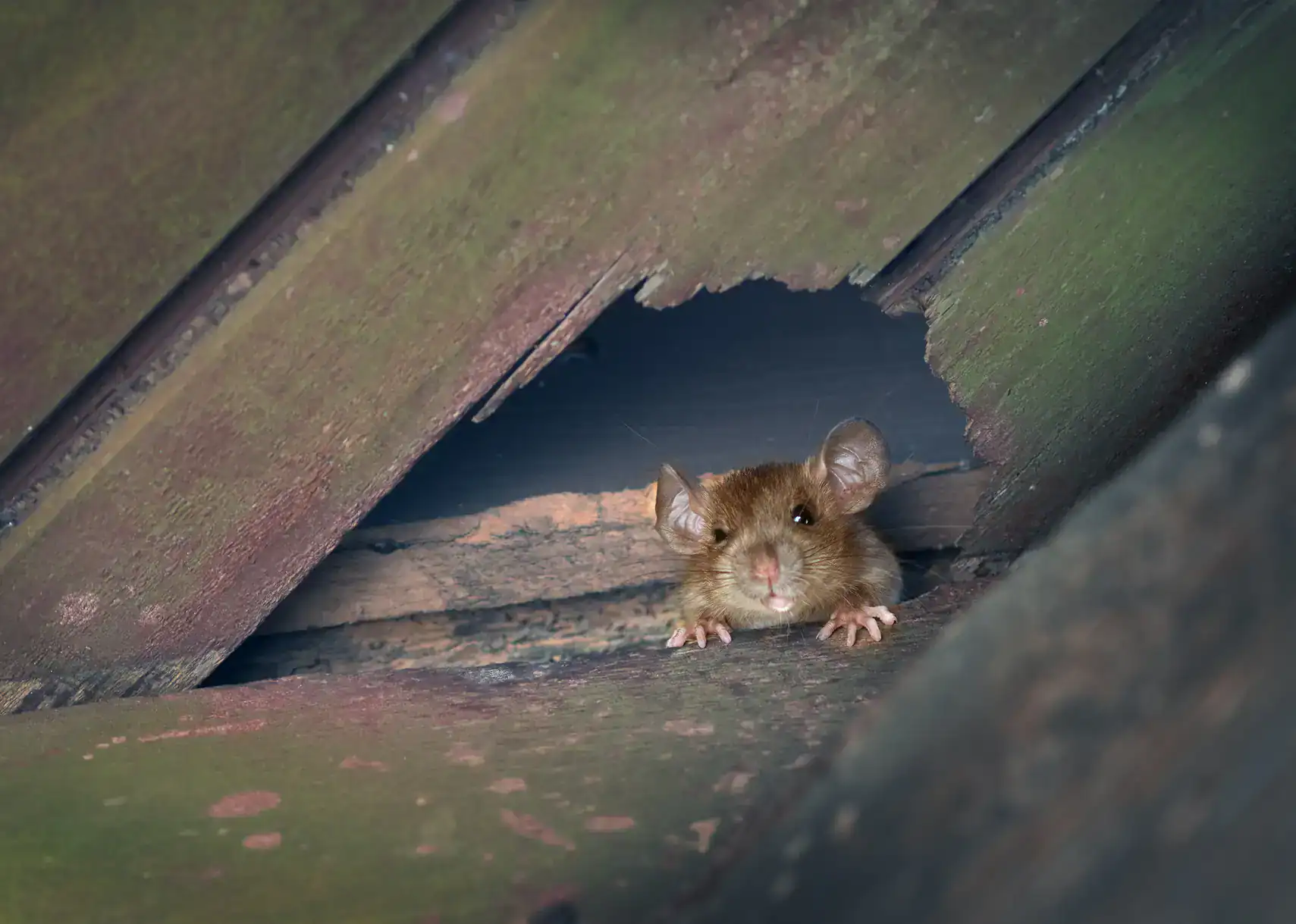
This is the most common frustration homeowners in Bay Ridge bring to us, and the answer is almost always the same: the entry points weren’t sealed. Traps and bait stations reduce the active population, but if the gaps that let rodents in are still open, new animals will replace the ones you removed. It’s a continuous cycle until the physical access points are addressed.
In Bay Ridge specifically, the most common overlooked entry points are foundation cracks in pre-war construction, deteriorating mortar joints at the base of brick walls, basement window wells without proper seals, and utility penetrations where gas lines, water mains, or electrical conduits pass through the foundation. In attached and semi-attached homes which make up a significant portion of Bay Ridge’s housing stock shared wall systems and common foundation perimeters allow rodents to travel between neighboring properties. Treating one unit without addressing those shared pathways produces temporary results at best. A proper rodent control service in Bay Ridge has to include exclusion work, not just trap placement.
Yes, and it’s one of the more consistent pressure patterns we see in this part of Brooklyn. Shore Road Park and the Belt Parkway promenade run along Bay Ridge’s entire western waterfront edge a continuous green corridor with landscaped vegetation, rock walls, and soil embankments that provide year-round harborage for Norway rats. These aren’t isolated populations. Rats travel 100 to 150 feet from their nesting sites in search of food, and the residential blocks between Shore Road and Fourth Avenue sit well within that range.
The pressure intensifies seasonally. When NYC Parks or the State DOT conducts vegetation management or mowing along the Belt Parkway margins, it disturbs established harborage areas and pushes rats toward nearby properties. The same thing happens when temperatures drop in the fall rats that have been living in the park’s outdoor habitat start looking for warmer, more sheltered nesting sites, and the pre-war foundations and basements of Bay Ridge’s rowhouses are exactly what they find. If you live within a few blocks of Shore Road Park, exterior exclusion work isn’t optional it’s the primary defense.
The CDC identifies more than 35 diseases that rats and mice can spread to humans. The most significant ones in an urban environment like Bay Ridge are leptospirosis, salmonella, rat-bite fever, and hantavirus. Leptospirosis is transmitted through contact with water or soil contaminated by rat urine relevant in a neighborhood with waterfront parkland and aging basement infrastructure. Salmonella spreads through food or surfaces contaminated by rodent droppings. Hantavirus is contracted by breathing in dust from dried rodent droppings or urine which means the risk doesn’t disappear when the rodents do. If droppings are present in a wall cavity, attic, or basement, they remain a health hazard until properly cleaned and treated.
Beyond disease, the National Pest Management Association estimates that rodents cause up to 25% of house fires in the US annually by gnawing through electrical wiring. In Bay Ridge’s pre-war housing stock where original or early-generation wiring may still run through wall cavities this is a real structural risk, not a statistic to gloss over. A rodent infestation in the walls of a limestone rowhouse is both a health issue and a fire hazard. Getting it handled professionally, with licensed materials and a thorough inspection, is the only way to address both.
Most Bay Ridge homeowners spend somewhere between $150 and $400 for an initial rodent treatment, depending on the severity of the infestation, the size of the property, and whether the problem involves rats, mice, or both. Exclusion work physically sealing entry points typically adds $300 to $1,500 depending on how many access points need to be addressed and the complexity of the structural work involved. For attached and semi-attached homes in Bay Ridge, exclusion costs can run toward the higher end of that range because shared wall systems and foundation perimeters require more comprehensive assessment.
Ongoing monitoring plans, which are worth considering in a neighborhood with persistent pressure from Shore Road Park and the Gowanus Expressway corridor, typically run $40 to $80 per month. The most important thing to understand about pricing is that the cheapest initial treatment is rarely the cheapest long-term option. A service that places traps without sealing entry points will need to be repeated. A service that includes proper exclusion work costs more upfront and solves the problem. We offer a free phone consultation call before you commit anywhere, and you’ll at least know what questions to ask.
They can, and they do. Mice can fit through a gap the size of a pencil eraser approximately a quarter inch. Rats can enter through a hole the size of a quarter, roughly half an inch. In Bay Ridge’s attached and semi-attached rowhouses, shared wall systems often contain utility chases, pipe runs, and structural voids that run continuously between neighboring units. A rodent that enters one building through a foundation gap can move laterally through those shared pathways without ever going outside again.
This is why treating only the interior of your own unit without addressing the shared structural connection points produces limited results. You may eliminate the rodents currently in your space, but the same pathways that brought them in remain open. New animals from the neighboring property, or from the exterior harborage sources feeding the entire block, will use those same routes. Our inspection process specifically looks for these shared-wall entry points, and the exclusion work addresses them directly. In Bay Ridge’s housing stock, this isn’t an edge case it’s a standard feature of how these buildings are constructed.
Yes we service Bay Ridge and the surrounding southwest Brooklyn area, including Dyker Heights, Fort Hamilton, and Bensonhurst. Our base of operations is in Marine Park, Brooklyn, which puts us squarely in the same corner of the borough. When you call, you’re reaching a Brooklyn company with over 50 years of experience in this specific area not a national call center routing a technician from outside the borough.
Same-day service is available in many cases, and we guarantee an appointment within 48 hours. For Bay Ridge homeowners who commute via the R train or the Belt Parkway and have limited scheduling flexibility, that response window matters. The first call is free no charge, no obligation. You describe what you’re seeing, and we’ll tell you what it likely is, what’s involved in addressing it, and what a professional service would look like for your specific property. If you’ve already tried hardware-store traps and they haven’t solved the problem, that call is worth making before the infestation grows any further.
Useful Links
Other Services we provide in Bay Ridge