Hear from Our Customers
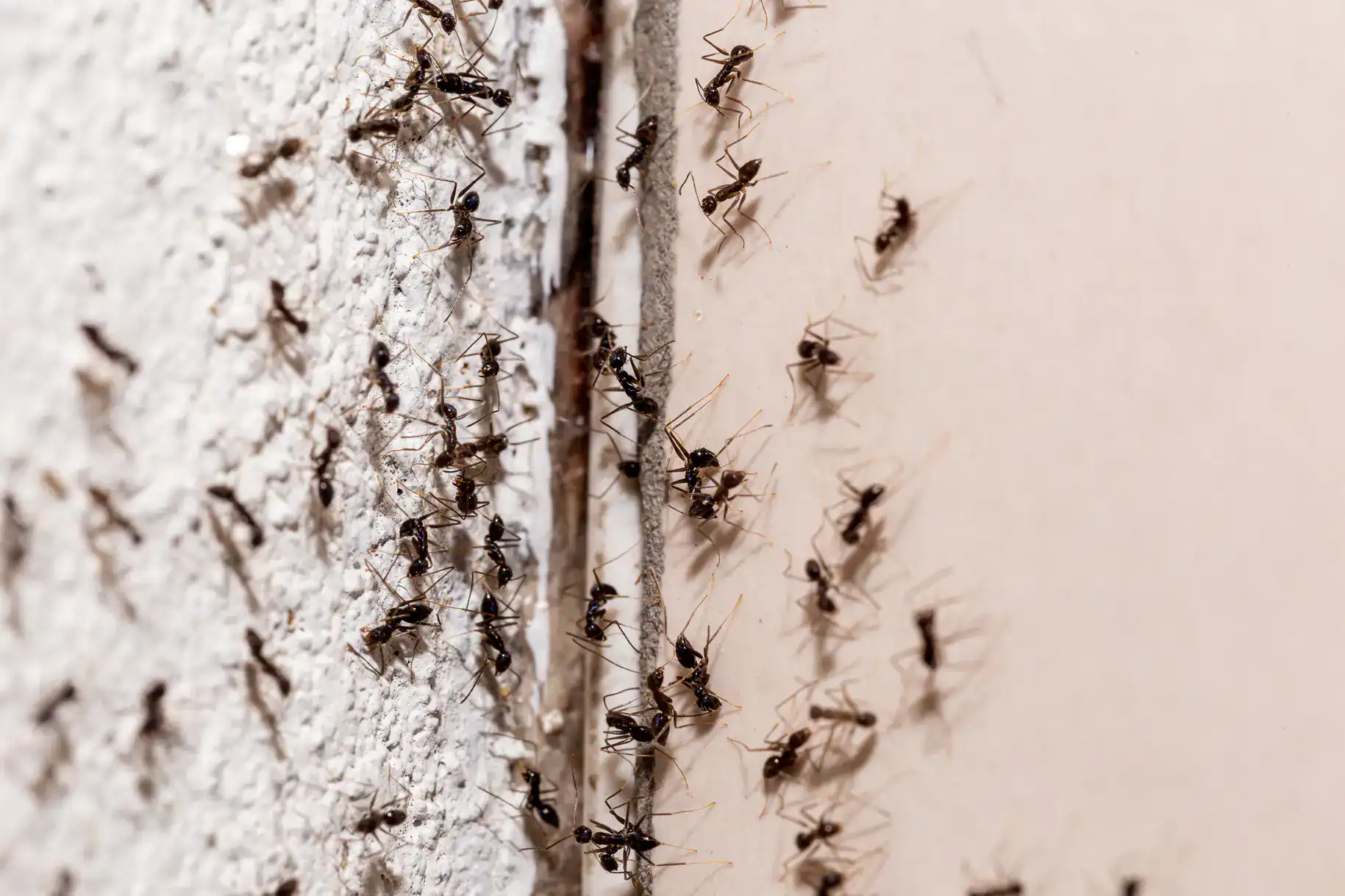
Most people who call us have already tried something. A spray from the hardware store. A single visit from another exterminator. Maybe both. The ants came back because the colony was never touched. What you see on your counter is a fraction of the actual problem. The nest could be in a wall void, a plumbing chase, or a crack in the foundation two floors below you. Until that’s addressed, you’re just interrupting foraging, not ending the infestation.
Flushing’s density makes this harder than it sounds. If you’re in a building near Main Street or Roosevelt Avenue, your ant pressure isn’t just coming from inside your unit it’s migrating in from the commercial corridor outside. Hundreds of food operations running at full volume create foraging conditions that sustain large outdoor colonies, and those colonies find their way into adjacent residential buildings through shared walls, utility penetrations, and aging concrete foundations. Living close to Flushing Meadows–Corona Park adds another layer that much green space, built on historic wetlands, keeps moisture levels elevated and outdoor colonies large year-round.
What changes after a proper treatment isn’t just that you stop seeing ants. It’s that the cycle stops. No more trails reappearing after a week. No more seasonal flare-ups that never fully resolve. Just a home that stays clear because the source was actually handled.
Kingsway Exterminating is a family-owned company that has been licensed, bonded, and insured in New York State for over 40 years. Founded by Richard Kourbage with a straightforward philosophy superior pest control at a fair price, done right and done on time we’ve built our reputation entirely on results and repeat business, not marketing promises. We hold a consistent A+ rating with the Better Business Bureau of New York State, and every material we apply is registered with the NYS Department of Environmental Conservation.
Serving Flushing and the rest of Queens has been part of our work since the beginning. We’ve treated the pre-war apartment buildings of downtown Flushing, the older row houses of Murray Hill, and the Victorian-era homes of Broadway-Flushing each with its own structural quirks and pest dynamics. That kind of hands-on, neighborhood-level familiarity takes decades to build. It’s also why our approach to ant control in Flushing’s multi-unit buildings is different from a company that showed up in your search results last year.
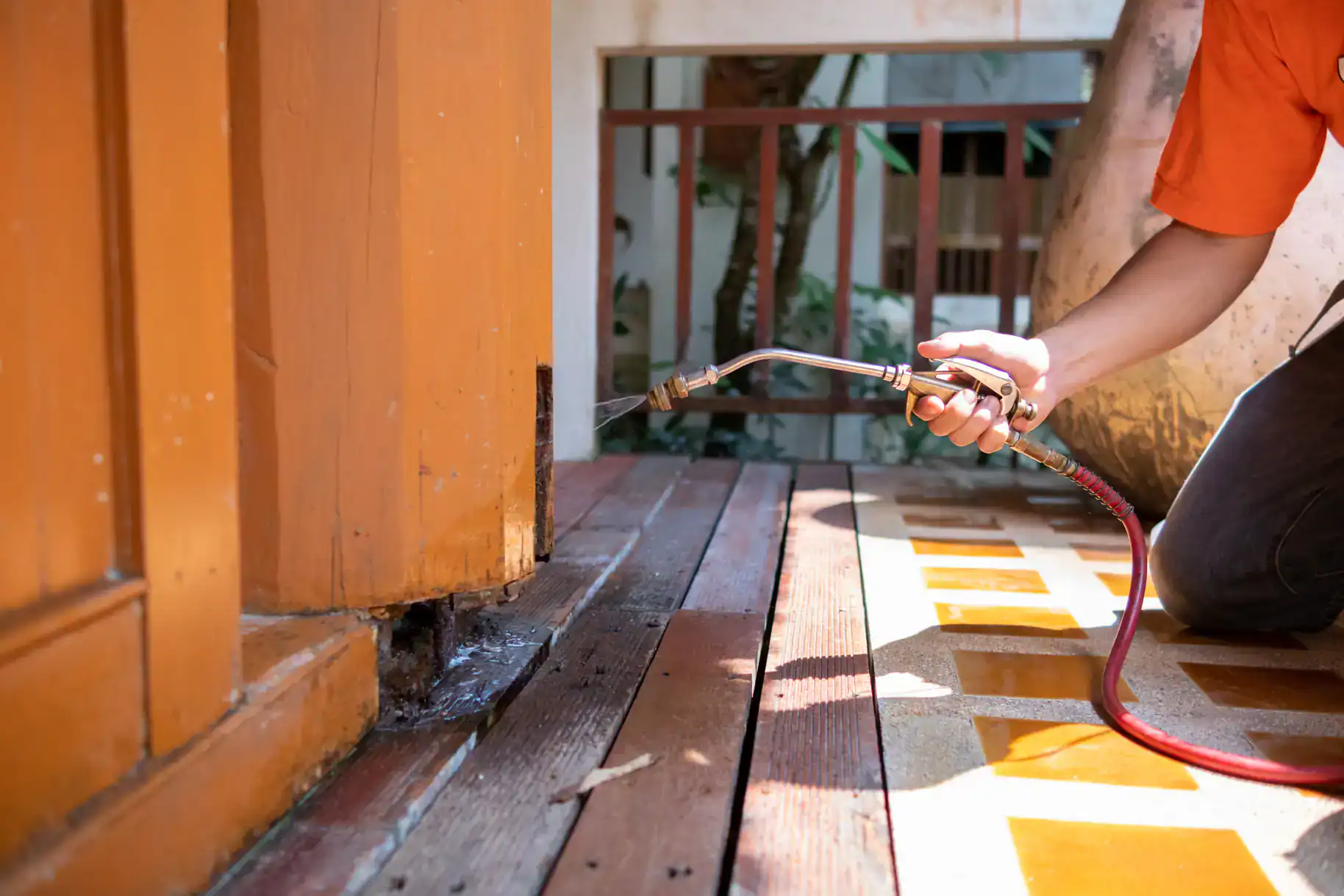
The first visit is a cleanout. One of our licensed technicians applies treatment both inside and outside the structure not just along the baseboards where you’ve been seeing activity, but at the entry points, the foundation perimeter, and the pathways ants are actually using to move through your space. The materials we use are transfer-based, meaning worker ants carry them back to the colony and share them with the nest. That’s how you reach the source instead of just the symptom.
In Flushing’s attached rowhouses, garden apartments, and older mid-rise buildings, a single visit rarely closes the case. Shared walls and aging infrastructure mean colonies can be distributed across multiple units or entry points. That’s why we schedule follow-up visits weekly, every other week, or monthly depending on the severity to reapply materials, monitor activity, and confirm the infestation is clearing. This isn’t a formality. It’s the part of the process that actually finishes the job.
If you’re a landlord or property manager dealing with a building-wide issue in Flushing, we can coordinate building-wide programs and provide documentation that supports compliance with NYC Local Law 55 the city regulation that requires property owners to maintain pest-free conditions and address the structural causes of infestations, not just apply a spray and move on.
Ready to get started?
We handle ant control for individual apartments, single-family homes, multi-unit residential buildings, and commercial properties throughout Flushing. The most common ant species in this area pavement ants, odorous house ants, and carpenter ants each require different identification and treatment protocols, and we always match our approach to the species and the structure.
For residential clients in buildings near the Main Street corridor or along the park-adjacent streets bordering Flushing Meadows, the exterior treatment is especially important. Outdoor colonies feeding on the organic residue from Flushing’s food-dense commercial district are large and well-established treating only the inside of your unit without addressing the exterior entry points is why so many single-visit treatments fail here. For homeowners in Broadway-Flushing, where Victorian-era construction and mature tree canopy create elevated carpenter ant risk, our inspection focuses on moisture-damaged wood, foundation gaps, and the structural entry points carpenter ants use to establish nests inside walls.
All materials we apply are NYS DEC-registered. Our phones are answered 24 hours a day, 7 days a week. We offer free estimates for every job. We also offer a 10% senior discount a straightforward acknowledgment that a significant portion of Flushing’s long-term homeowners and residents are on fixed incomes, and fair pricing matters.
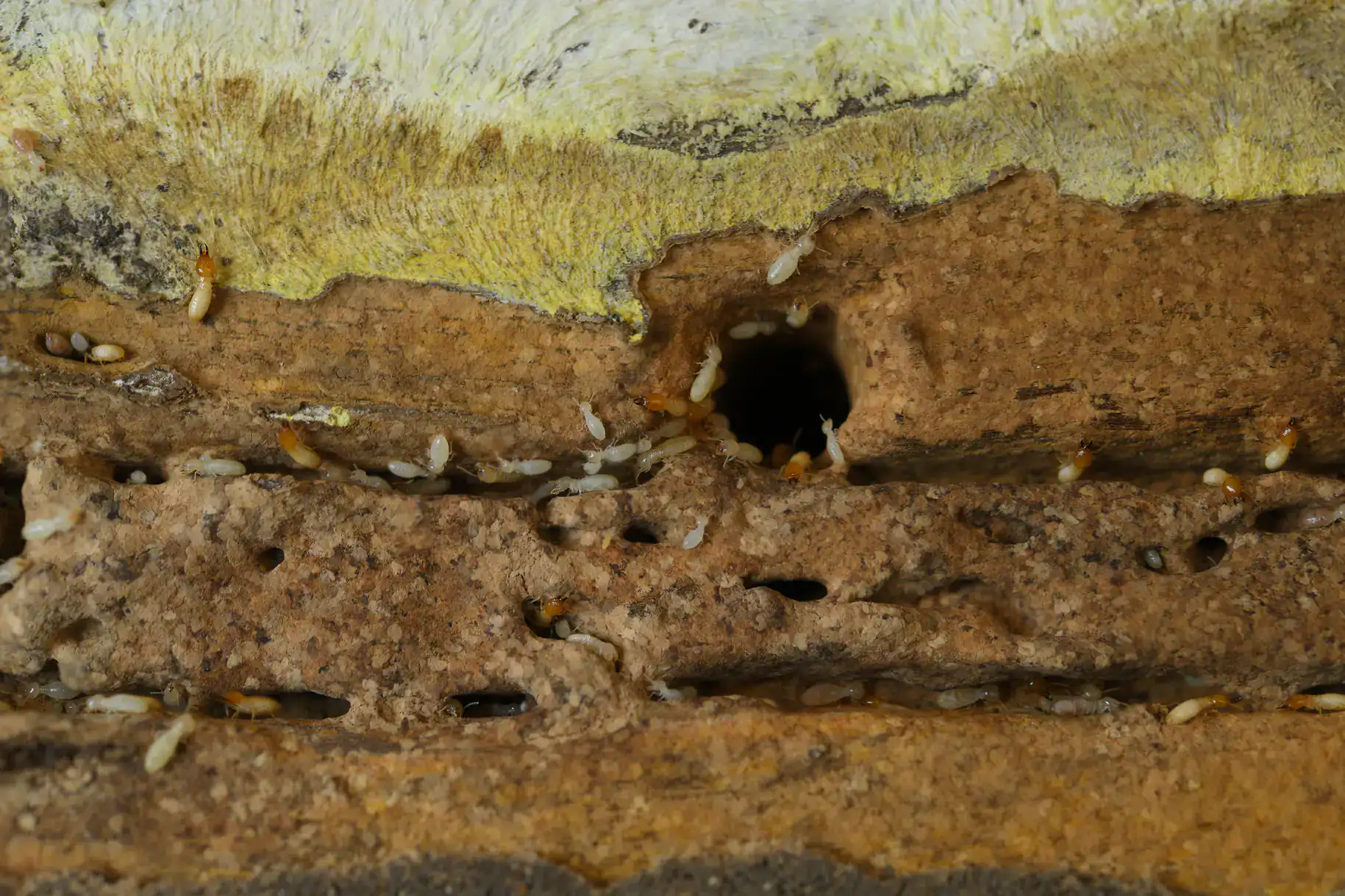
This is the most common frustration we hear, and the answer is almost always the same: the previous treatment addressed the ants you could see, not the colony behind them. In Flushing’s multi-unit buildings especially the pre-war and mid-century apartment stock throughout downtown and East Flushing ant colonies often span multiple units, wall voids, and plumbing chases. Treating one apartment without addressing shared entry points or the building’s exterior perimeter leaves the colony intact and active.
The other factor specific to Flushing is the proximity to the Main Street and Roosevelt Avenue commercial corridor. Outdoor ant colonies sustained by the food residue from that density of restaurants and food courts are large and persistent. If your building sits near that corridor, exterior treatment is not optional it’s the part of the job that actually stops the cycle. A proper ant control program in this environment requires follow-up visits to confirm the colony has been fully eliminated, not just disrupted.
The three species you’re most likely dealing with in Flushing are pavement ants, odorous house ants, and carpenter ants. Pavement ants are extremely common in Flushing’s older building stock they exploit the cracks and gaps in aging concrete foundations and sidewalks, and they’re particularly active in spring and after rain events, when outdoor nests flood and colonies move inside. Odorous house ants are the ones that seem to appear from nowhere, trailing through kitchens and bathrooms they travel through wall voids and plumbing penetrations and can form super-colonies with well over 100,000 individuals.
Carpenter ants are a different problem. They don’t eat wood they nest in it, specifically in wood that’s been softened by moisture. In the Broadway-Flushing neighborhood, where large Victorian and early-20th-century homes sit under mature tree canopy, carpenter ant pressure is significantly higher than in newer construction. If you’re seeing large black ants especially in spring and you own an older home with a basement or wood near any moisture source, that warrants a closer look before the structural damage compounds.
Yes when it’s applied correctly by a licensed professional using registered materials, which is exactly how we operate. Every product we apply is registered with the NYS Department of Environmental Conservation, meaning it has passed state-level safety review for residential use. The application is targeted and controlled not a broadcast spray of the entire space so materials go where ants are active, not everywhere indiscriminately.
Our technician will walk you through any specific precautions before the treatment begins, including re-entry timing and any areas to keep children or pets away from temporarily. In most residential situations, those windows are short and the precautions are straightforward. If you have specific concerns a crawling infant, a pet that stays close to the floor, or someone in the household with sensitivities bring it up when you call. That information shapes how the treatment is applied, and a technician who’s been doing this for decades knows how to adjust accordingly.
Under NYC law, yes in most cases. NYC Local Law 55 and the NYC Housing Maintenance Code both require building owners to maintain pest-free conditions in occupied units. If your apartment has an ant infestation, your landlord is legally obligated to address it and not just with a single spray visit. The law specifically requires addressing the underlying structural conditions that allow pests to enter, like cracks, gaps, and water leaks, not just applying pesticide and calling it done.
If your landlord isn’t responding or the exterminator they sent hasn’t resolved the problem, you have a few options. You can file a complaint with NYC Housing Preservation and Development (HPD), which enforces Local Law 55. You can also document the infestation with photos and written communication to create a paper trail if the issue escalates to housing court. Some tenants in Flushing choose to hire their own exterminator and pursue reimbursement if that’s the route you’re considering, we can provide documentation of the service that supports that process.
It depends on the species, the size of the colony, and how many access points exist in the building but for most residential infestations in Flushing, you should expect the process to take several weeks with multiple visits, not a single afternoon. The initial cleanout starts working immediately, and you’ll typically see a noticeable reduction in activity within the first week. But “fewer ants” isn’t the same as “infestation resolved,” and follow-up visits are what close the gap.
In Flushing’s older attached housing and multi-unit buildings, the timeline can run longer than in a standalone single-family home because the colony may be distributed across multiple units or entry points that need to be addressed systematically. Buildings near the commercial corridor along Main Street or Roosevelt Avenue also tend to have sustained exterior pressure from large outdoor colonies, which requires consistent exterior treatment across multiple visits. We schedule follow-ups at whatever interval makes sense for your situation weekly, every other week, or monthly and continue until the infestation is fully cleared, not just reduced.
Yes we offer a 10% senior discount on ant control services. Flushing has a substantial senior population, with roughly 22% of residents aged 65 or older, and many of the neighborhood’s long-term homeowners in Broadway-Flushing, Murray Hill, and East Flushing have lived in their homes for decades. For residents on fixed incomes, the cost of professional pest control is a real consideration and the discount reflects that reality directly.
Beyond the discount, the free estimate matters just as much. You’ll know exactly what the treatment involves and what it costs before any work begins no surprises, no pressure. If you’re a senior homeowner dealing with carpenter ants in an older home, or a long-term renter who’s been through this cycle before, the combination of transparent pricing, a 10% reduction, and a 40-year track record in Queens is worth a phone call. Our phones are answered 24 hours a day, 7 days a week so you don’t have to wait for business hours to get your questions answered.
Useful Links