
Hear from Our Customers
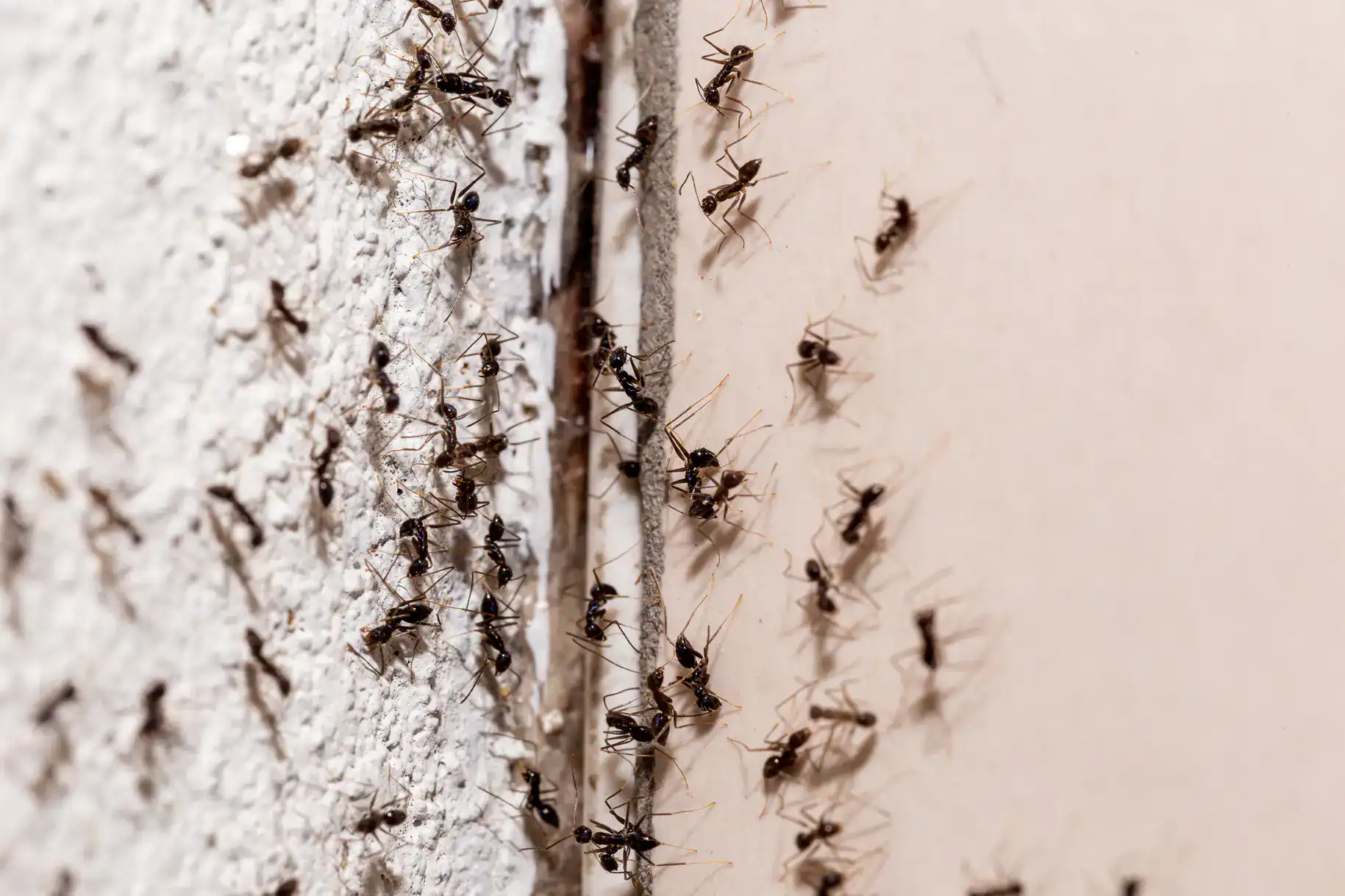
Most ant treatments kill the ants you can see. The colony keeps going. You call again in two weeks, spray again, and the cycle repeats because the queen and the satellite nests were never touched. What you actually need is a treatment that travels back into the colony and shuts it down at the source. That’s a very different outcome than what a can of store-bought spray delivers.
In Gerritsen Beach specifically, the risk goes beyond a nuisance. These homes were built as summer bungalows in the 1920s wood-frame construction on compact lots, now pushing a century old. Add the ambient moisture off Jamaica Bay and Shell Bank Creek, and you’ve got the exact environment carpenter ants seek out: softened, aging wood they can excavate and nest inside. Left alone, that’s not just an ant problem it’s a structural one.
When we fully eliminate the infestation and properly treat the exterior perimeter, you stop seeing trails across the kitchen counter. You stop hearing faint rustling in the walls at night. And if you’ve got carpenter ants working through moisture-compromised framing, you stop the damage before it becomes something a contractor has to fix. That’s the real outcome not just fewer ants, but a home that’s actually protected.
We’ve been a family-owned Brooklyn business for over 40 years, operating out of Flatbush Avenue the same corridor Gerritsen Beach residents travel every day. We’ve been treating homes in southern Brooklyn’s waterfront neighborhoods long enough to know exactly what these structures are up against.
This isn’t a national franchise routing calls through a regional dispatch center. When you call us, someone picks up 24 hours a day, seven days a week and the technician who shows up knows the difference between a Gerritsen Beach bungalow and a Bay Ridge brownstone. Those are not the same pest problem, and they don’t get the same treatment.
We carry an A+ rating with the Better Business Bureau of New York State, we’re fully licensed, bonded, and insured, and we use only NYS DEC-registered materials. If you’re 65 or older, we offer a 10% senior discount and in a neighborhood where more than one in five residents is a senior homeowner, that’s not a throwaway line.
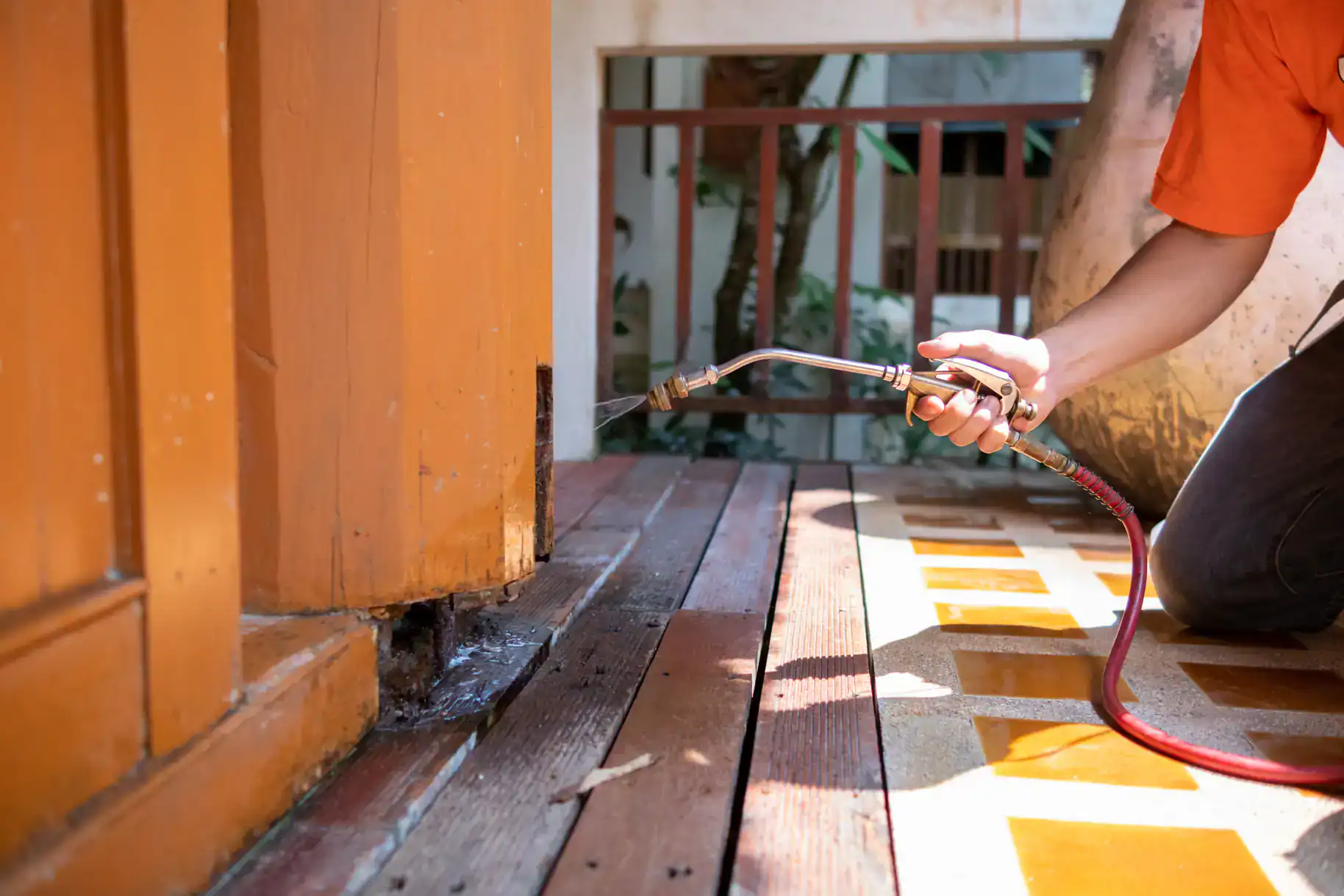
It starts with a free estimate. We send a technician out to walk your property and identify what you’re dealing with species, entry points, likely nesting areas. In Gerritsen Beach, that inspection pays close attention to the foundation sill plates, subfloor framing, and any wood that may have absorbed moisture over the years. Homes that took on water during Sandy in 2012 can still have compromised structural wood that isn’t visible from the surface but is exactly what carpenter ants look for.
Once the infestation is confirmed, we start with an initial cleanout interior and exterior treatment using materials specifically designed to be carried back into the colony by foraging ants. They bring it to the nest. The colony takes the hit. This is what makes the difference between a treatment that works and one that just moves the problem around.
After the cleanout, we schedule follow-up visits weekly or every other week to re-apply exterior materials, monitor activity, and make sure the infestation doesn’t rebuild. In a neighborhood bordered by Marine Park’s salt marsh and natural green space, there’s a sustained reservoir of ant colonies near your property. One visit isn’t enough. The follow-through is built into our process, not offered as an upsell.
Ready to get started?
Ant control in Gerritsen Beach isn’t a one-size-fits-all service, because the housing stock here isn’t like the rest of Brooklyn. The old section south of the Gotham Avenue Canal is dense lots as small as 40 by 45 feet, homes packed close together, narrow streets without sidewalks. An ant colony established in one property can extend foraging trails into neighboring structures without much effort. Exterior perimeter treatment isn’t optional here it’s essential.
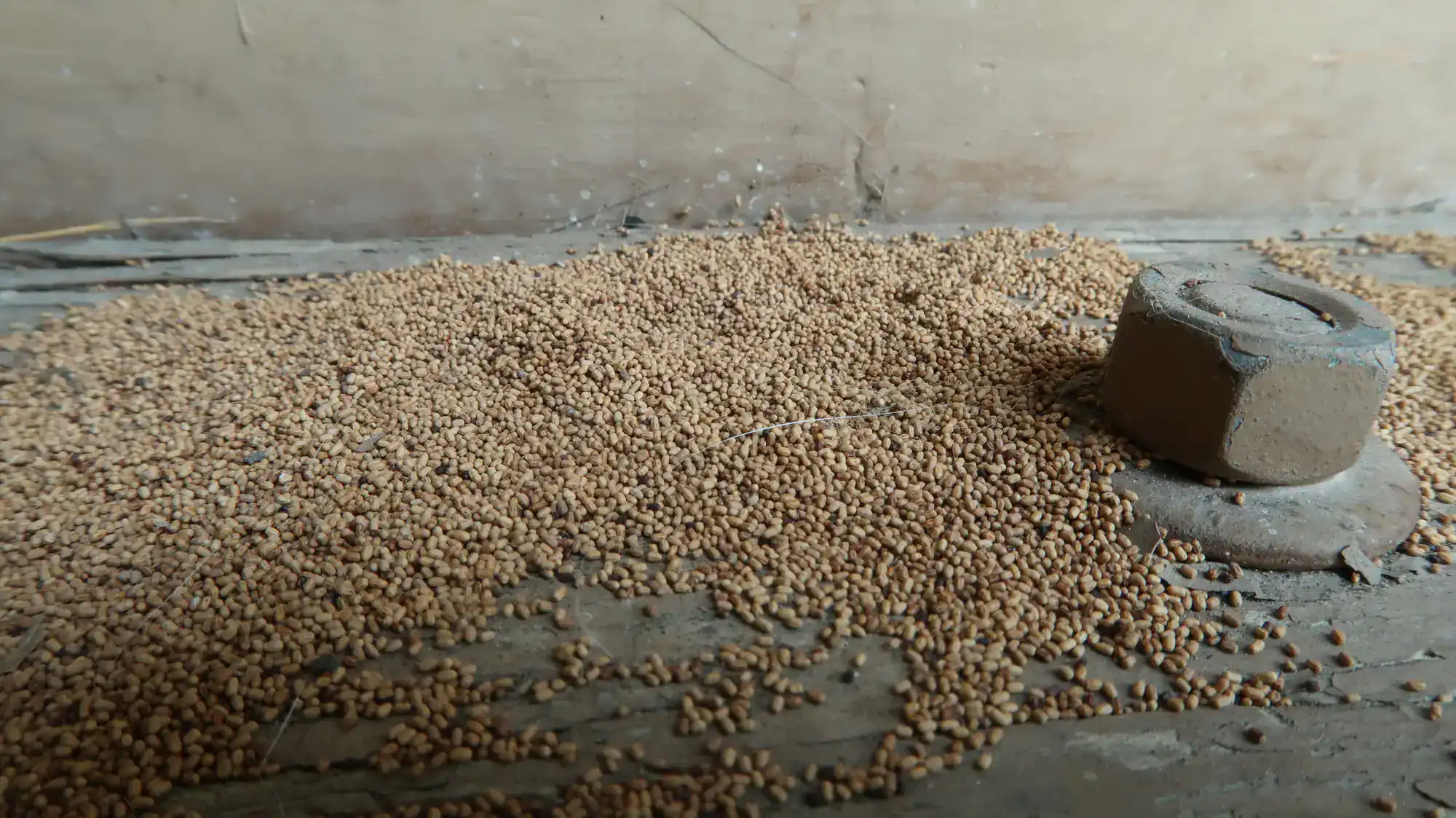
We handle the full range of ant species common to this area: carpenter ants, pavement ants, odorous house ants, and others. Carpenter ant infestations get particular attention in Gerritsen Beach because of the combination of aging wood construction and coastal moisture. If you’re seeing winged swarmers in spring, hearing faint activity inside walls, or noticing sawdust-like frass near baseboards or window frames, that’s not a minor issue that’s a colony that’s already established inside your structure.
Every service includes the initial treatment, scheduled return visits, and an ongoing maintenance schedule you can adjust based on your situation weekly, monthly, or every other month. All materials we use are registered with the NYS Department of Environmental Conservation, which is a legal requirement in New York and a baseline you should verify with any exterminator you hire. We meet it. Ask us for our certification if you want to see it.
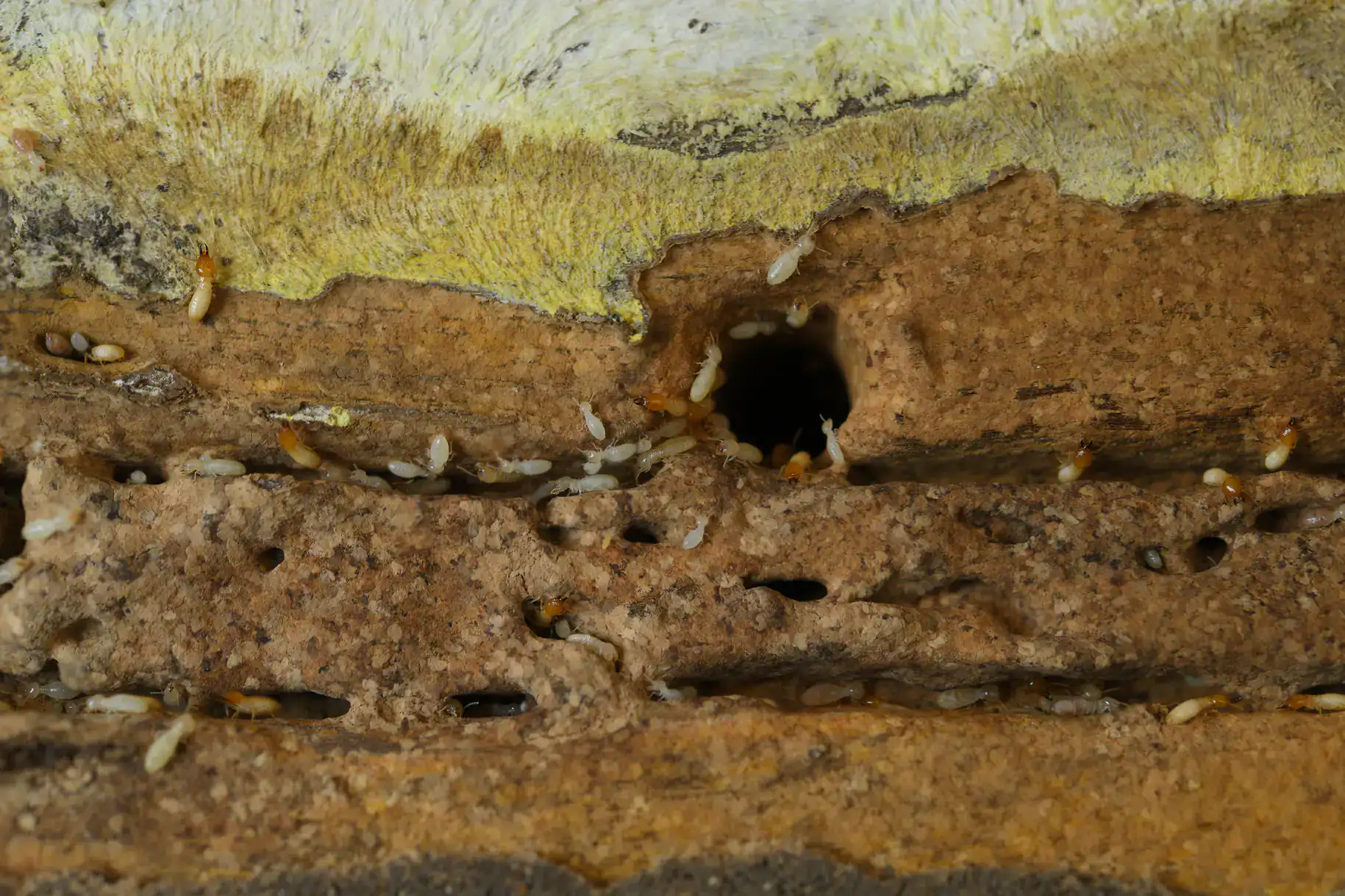
Recurring ant problems in Gerritsen Beach almost always come down to two things: the colony was never fully eliminated, and the conditions that attracted ants in the first place haven’t changed. Spraying forager ants the ones you see walking across your counter doesn’t touch the queen or the satellite nests. The colony keeps producing new foragers, and within weeks you’re back to square one.
The other factor is geography. Gerritsen Beach sits on a peninsula bordered by Jamaica Bay, Shell Bank Creek, and the Plumb Beach Channel. The ambient moisture here is consistently higher than inland Brooklyn neighborhoods, and the adjacent Marine Park the largest park in Brooklyn provides a sustained, undeveloped reservoir of ant colonies right next to residential structures. Every spring and after every significant rain event, those colonies push outward and into homes. Until the exterior perimeter is treated and maintained, the source of pressure never goes away.
It matters a lot especially in Gerritsen Beach. Pavement ants and odorous house ants are nuisances. They’re looking for food, and while they’re frustrating, they don’t damage your home. Carpenter ants are a different category. They don’t eat wood, but they excavate it to build their nesting galleries and they specifically target wood that’s soft, damp, or moisture-compromised.
In a neighborhood of century-old wood-frame bungalows that have spent decades absorbing coastal humidity, and in many cases took on significant floodwater during Hurricane Sandy, the structural wood in these homes can be exactly what carpenter ants are looking for. The damage isn’t always visible until it’s significant. If you’re seeing large black ants especially winged ones in May or June or noticing what looks like coarse sawdust near baseboards, window frames, or door frames, get it looked at quickly. The longer a carpenter ant colony works inside a wall, the more expensive the eventual repair.
A few ants near a door or window after a heavy rain is one thing low-lying neighborhoods like Gerritsen Beach see that regularly when outdoor nests flood and ants move to higher ground. But there are signs that point to an established infestation rather than a temporary intrusion. Consistent trails of ants moving in a defined line, repeated sightings in the same areas over multiple days, winged ants (swarmers) appearing inside your home in spring, or the sound of faint rustling inside walls these are indicators that a colony has set up inside or very close to your structure.
With carpenter ants specifically, look for frass a fine, sawdust-like material that accumulates near baseboards, in windowsills, or along wall joints. That’s excavated wood, and it means the colony is actively working inside your framing. If you’re seeing any of these signs, a free estimate will clarify exactly what you’re dealing with before you commit to anything.
All materials we use are registered with the New York State Department of Environmental Conservation. That’s not a marketing claim it’s a legal requirement for any licensed pest control operator in New York, and it means the products have been reviewed and approved for residential use under state standards. We’ll always tell you clearly what was applied, where it was applied, and any re-entry guidelines you should follow after treatment.
Gerritsen Beach has a significant senior population, and a lot of the calls we get come from homeowners who are concerned about chemical exposure especially in older homes where ventilation may be limited. That’s a fair concern, and we take it seriously. The treatment approach we use is designed to minimize interior application where possible, with the primary focus on exterior perimeter treatment and targeted interior application only where activity is confirmed. If you have specific concerns about a family member’s health conditions or sensitivities, tell us before the visit and we’ll walk you through exactly what to expect.
After the initial treatment, it’s normal and actually a good sign to see increased ant activity for a few days. The materials are designed to be carried back into the colony, which means foraging ants need to pick them up and travel back to the nest. You may see more ants moving around before you see fewer. Most customers notice a significant reduction within 7 to 14 days after the first visit.
That said, a single treatment isn’t the full picture particularly in Gerritsen Beach, where the proximity to Marine Park’s marshland and the coastal environment means there’s ongoing pressure from colonies outside your home. The follow-up visits in the weeks after the initial cleanout are what close the gap between “fewer ants right now” and “the infestation is actually gone.” Skipping the follow-through is the most common reason ant problems come back, and it’s the part of the process we don’t let slide.
Yes we offer a 10% senior discount, and it’s worth mentioning directly because Gerritsen Beach has one of the older homeowning demographics in Brooklyn. More than one in five residents here is 65 or older, and many are long-term homeowners who have maintained their bungalows for decades on fixed or retirement incomes. Pest control is a necessary home maintenance expense, and the discount reflects that reality.
To apply it, just mention it when you call to schedule your free estimate. There’s no complicated qualification process. If you or someone in your household is 65 or older, it applies. And because we answer the phone 24 hours a day, you don’t have to wait for business hours to get the conversation started call whenever it’s convenient for you.
Useful Links