
Hear from Our Customers
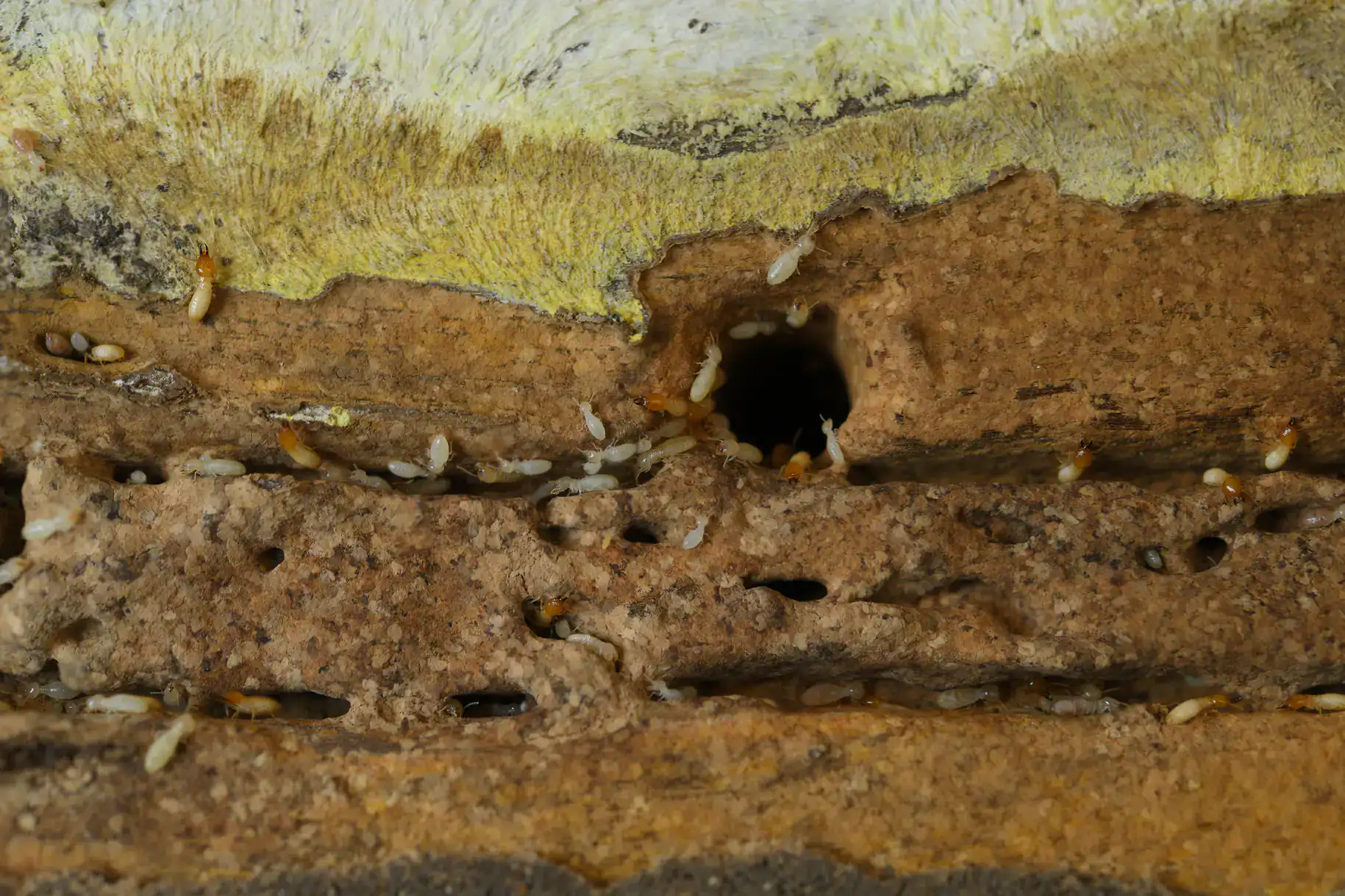
The ants you see on your kitchen counter aren’t the problem. They’re just the ones that made it out. The colony the queen, the nest, the satellite clusters is somewhere inside your walls, your basement, or the shared foundation of your building. Killing what you can see doesn’t end it. It just delays the next wave.
Park Slope’s brownstones are some of the most beautiful buildings in Brooklyn, and also some of the most hospitable to ants. Original wood framing that’s over a century old, basement moisture that never fully dries, garden-level apartments sitting directly against soil these aren’t just aesthetic quirks. They’re exactly the conditions carpenter ants look for when they’re ready to nest. With Prospect Park’s mature tree canopy sitting right at the neighborhood’s eastern edge, there’s a constant source of established colonies foraging outward block by block every spring.
What changes after professional treatment isn’t just that the ants disappear it’s that you stop wondering when they’re coming back. Real treatment reaches the colony, not just the trail. Your kitchen stays yours. Your walls stay intact. And if you’re in a multi-unit building, your neighbors aren’t dealing with a reinfestation that started in your unit two weeks later.
We’ve been based in Brooklyn since the beginning headquartered on Flatbush Avenue, less than two miles from Park Slope’s northern edge. This is the neighborhood we’ve been serving for over 40 years, and the building stock here the historic rowhouses, the garden apartments, the co-ops along Seventh Avenue is exactly what our technicians know inside and out.
We’re a family-owned operation, fully licensed, bonded, and insured, with an A+ rating from the Better Business Bureau of New York State. Every product we use is registered with the NYS Department of Environmental Conservation. That matters to Park Slope families, and it should you have kids, you have pets, and you have a 130-year-old building you’re trying to protect.
We answer our phones 24 hours a day, 7 days a week. When you call, you reach a person. That’s been true since day one, and it’s still true now.
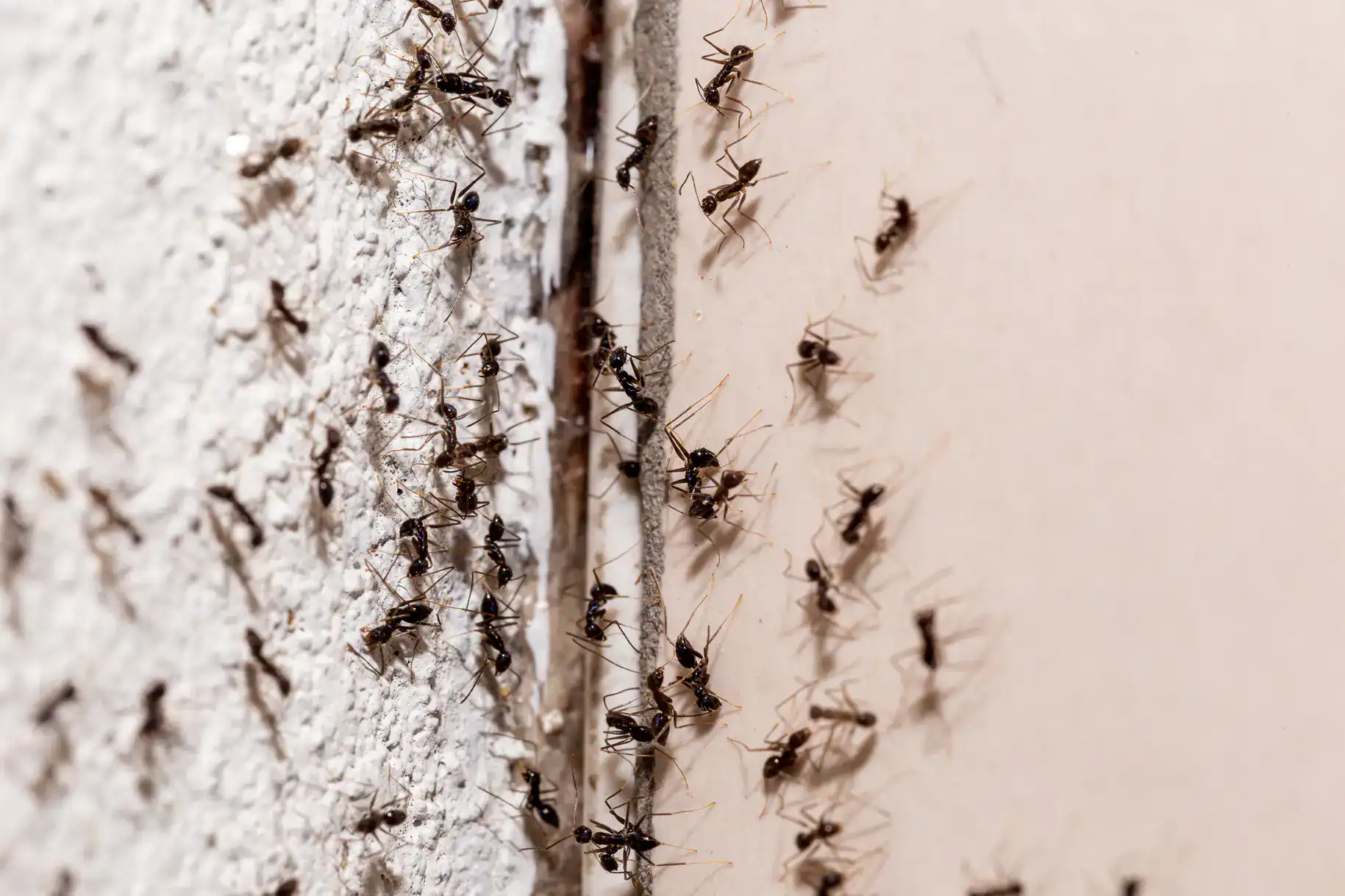
It starts with a free estimate. One of our technicians comes to your property, assesses what you’re dealing with the species, the likely entry points, where the nest is probably established and gives you a clear picture of what treatment looks like before you commit to anything.
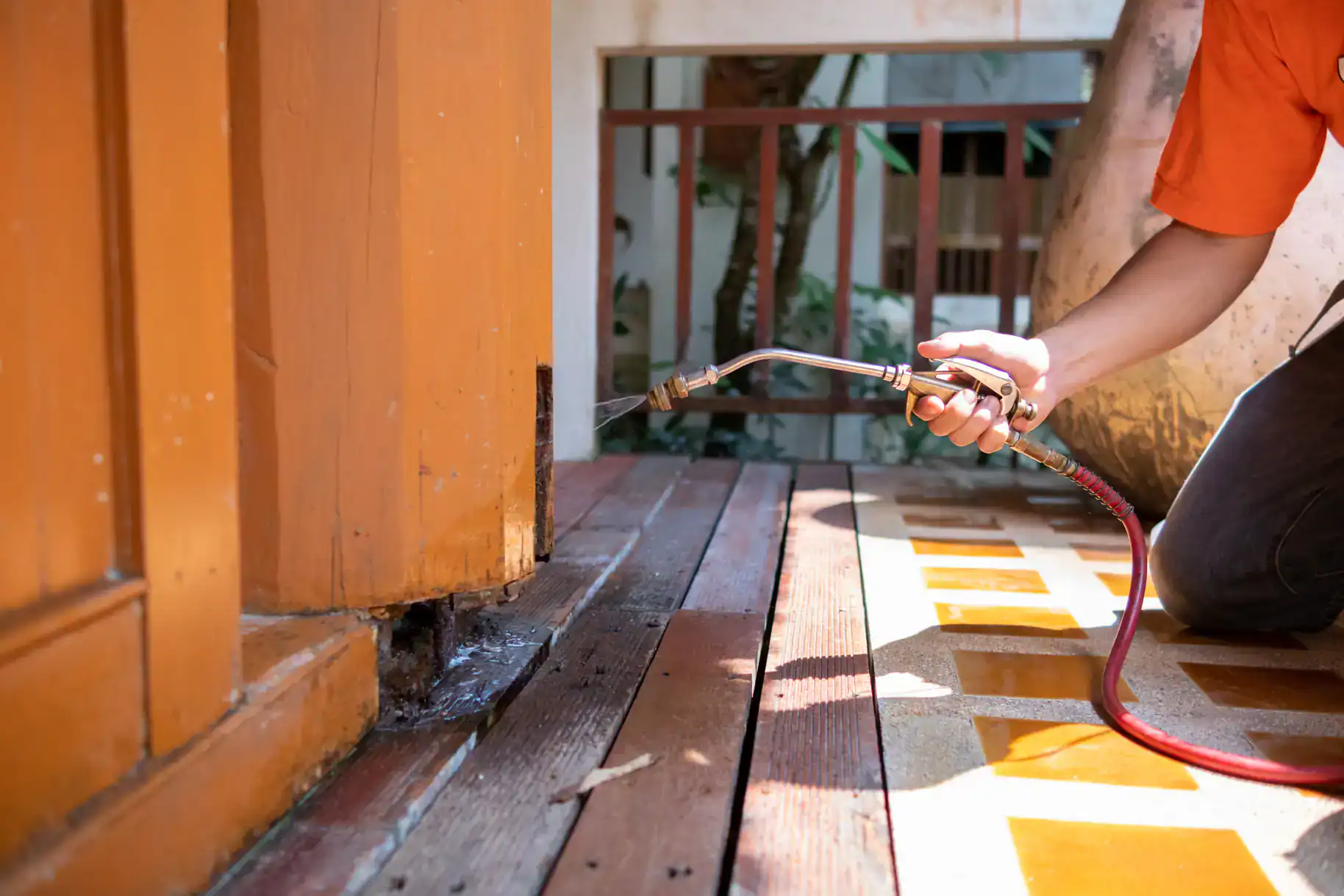
Once you’re ready to move forward, we perform an initial cleanout. That means applying treatment both inside and outside the property using materials that forager ants carry back into the nest and share with the colony. This is how we reach the queen. This is how we end the infestation instead of just interrupting it. In Park Slope specifically, that exterior treatment includes the stoop, the foundation perimeter, and any garden-level access points because those are the entry routes that matter most in brownstone buildings.
From there, we schedule follow-up visits weekly, every other week, or monthly depending on what your property needs. Multi-unit brownstones often require more visits because colonies can have satellite nests in shared wall cavities that take additional applications to fully eliminate. We stay with it until the problem is gone, and we set up a maintenance schedule that works for your building and your calendar. No rigid contracts just a plan that actually makes sense for where you live.
Ready to get started?
Not every ant problem is the same, and in Park Slope, the range is real. Pavement ants nest beneath the historic stoops and concrete slabs that define these blocks when spring rains flood their nests, they move indoors fast. Odorous house ants colonize wall voids and show up in kitchens without warning. Pharaoh ants spread through large apartment buildings using plumbing and utility chases as highways. And carpenter ants the ones that do actual structural damage are a specific and serious threat in any building with original wood framing and basement moisture, which describes most of the housing stock in this neighborhood.
Our ant control services in Park Slope address all of it. We apply treatment inside and outside the property, with specific attention to the foundation perimeter, basement access points, garden-level windows, and any visible entry points along the building’s exterior. For carpenter ant infestations in older brownstones, we focus on locating the nest not just treating the surface because the structural risk is too significant to leave anything unresolved.
We also work with property managers, co-op boards, and landlords managing multi-unit buildings throughout Park Slope. If the infestation involves shared walls or common areas, we coordinate treatment accordingly. The goal is always the same: eliminate the colony, protect the building, and keep it that way.
Recurring ant problems in Park Slope brownstones almost always come down to two things: the building’s age and its proximity to Prospect Park. Homes built before 1940 which is the majority of the housing stock here have original wood framing, aged foundation seals, and decades of small gaps and cracks that give ants easy access. The park’s 526-acre woodland sits directly at the neighborhood’s eastern boundary, and every spring, ant colonies that overwintered in the park’s soil and leaf litter start foraging outward into adjacent residential blocks.
What most homeowners don’t realize is that a recurring infestation usually means the colony was never fully eliminated just disrupted. Store-bought sprays kill the foragers you can see, but the queen and the core of the colony stay intact and rebuild. Professional treatment that reaches the nest and includes scheduled follow-up visits is what actually breaks the cycle. If you’ve been dealing with ants every spring, that’s the piece that’s been missing.
The easiest visual clue is size. Carpenter ants are significantly larger than pavement ants or odorous house ants typically a quarter inch to half an inch long, and often black or dark brown. If you’re seeing large ants near windowsills, door frames, or baseboards especially in older parts of the building like a basement or a garden-level unit carpenter ants are a real possibility.
The other sign is sound. Carpenter ants don’t eat wood the way termites do they excavate it to build their nests, and in a quiet room, you can sometimes hear a faint rustling or crinkling inside the walls where they’re active. In Park Slope brownstones with original wood framing, this matters because the structural stakes are higher than in newer construction. If you’re seeing large ants and you’re in an older building with any history of moisture issues, it’s worth having a professional assess it rather than waiting to find out the hard way.
You can try, but in a brownstone, DIY treatment almost always fails to solve the actual problem. The issue isn’t the spray it’s the structure. Brownstones share walls, floors, and utility chases between units. A colony established in a shared wall cavity can have satellite nests in two or three units at once. When you treat your unit, you may push the ants into a neighboring unit, or simply kill the foragers while the colony relocates deeper into the building.
Professional treatment works differently because we use materials that forager ants carry back into the nest and share with the colony reaching the queen and the core, not just the surface. In a multi-unit building, that’s the only approach that actually works. If you’re in a co-op or a rental, there’s also the practical reality that your building may have notification requirements before any pesticide application, which we handle as standard practice. Going the DIY route in a building like this tends to cost more in the long run when the infestation comes back.
This is one of the most common questions we hear from Park Slope families, and it’s a fair one. The short answer is yes when it’s done correctly by a licensed technician using regulated materials. We use only pesticide products registered with the NYS Department of Environmental Conservation, which means they’ve been reviewed and approved for residential use under state guidelines. Our technicians are trained in exactly where and how much to apply so that the treatment is targeted and controlled, not broadly dispersed.
After treatment, our technician will give you specific guidance on re-entry timing and any precautions relevant to your home whether that’s keeping pets out of a treated area for a period of time or airing out a room. The reality is that a professional-grade treatment applied precisely is significantly safer than an over-applied hardware store spray used by someone without training. If your building has a co-op board or building management, we’re also familiar with NYC’s tenant notification requirements for pesticide applications in multi-unit residential buildings and handle that process as part of the job.
For a straightforward infestation pavement ants trailing in through a foundation crack, for example you’ll typically see a significant reduction in activity within a few days of the initial treatment. But in older Brooklyn buildings with established colonies, the realistic timeline is longer, and that’s not a failure of the treatment it’s just how colony elimination works.
The transfer-treatment approach we use is designed to let forager ants carry the material back to the nest and share it with the colony over time. That process takes days to weeks depending on colony size and how many satellite nests are involved. This is exactly why follow-up visits matter. In a Park Slope brownstone where a carpenter ant colony may be spread across multiple wall voids in a building that’s over a century old, a single visit is rarely the complete answer. The follow-up schedule weekly, every other week, or monthly is where the infestation actually gets eliminated, not just reduced. We stay with the job until the activity stops.
Yes, and it’s something we have a lot of experience with. Co-op and condo buildings in Park Slope present a specific challenge that single-unit treatment can’t solve on its own. When a colony is established in a shared wall or a common basement, treating one unit addresses the symptom but not the source. The ants simply move to the next available space which is usually another unit in the same building.
We work directly with property managers, building boards, and landlords to coordinate treatment across the affected areas of the building. That includes the common basement, shared utility areas, and the exterior perimeter not just individual units. We’re also familiar with NYC’s requirements around tenant notification prior to pesticide application in multi-unit residential buildings, so that process is handled correctly from the start. If you’re a board member or property manager dealing with a building-wide ant problem, the free estimate is the right first step we’ll assess the full scope and give you a clear plan before anything is scheduled.
Useful Links