
Hear from Our Customers
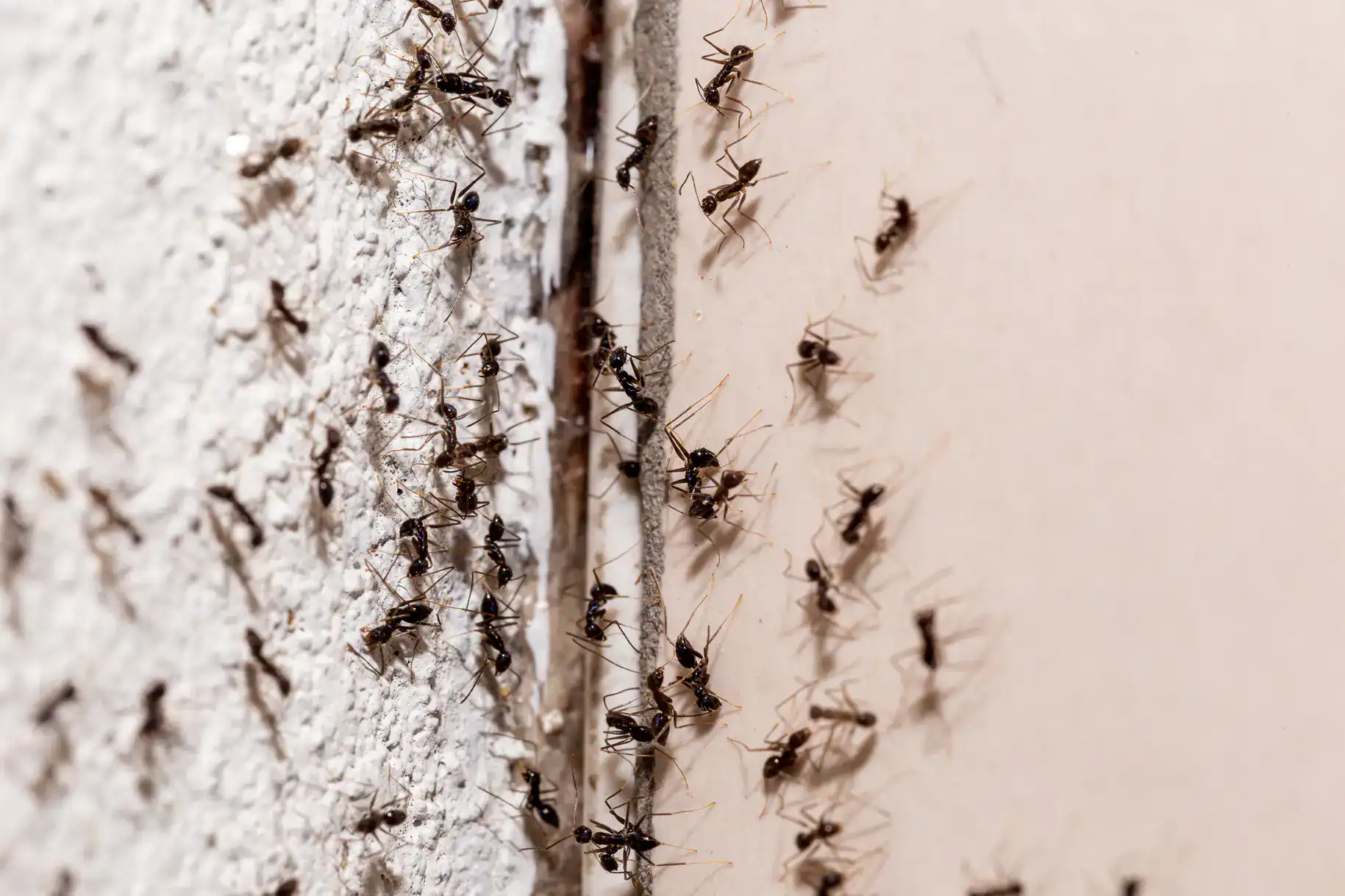
If you’ve noticed ants flooding in after a heavy rain, you’re not imagining things. Richmond Hill sits on a glacial moraine, and when the ground gets saturated, underground ant colonies get displaced fast. They move up, they move in, and a can of store-bought spray isn’t going to stop what’s already living inside your walls or under your floors.
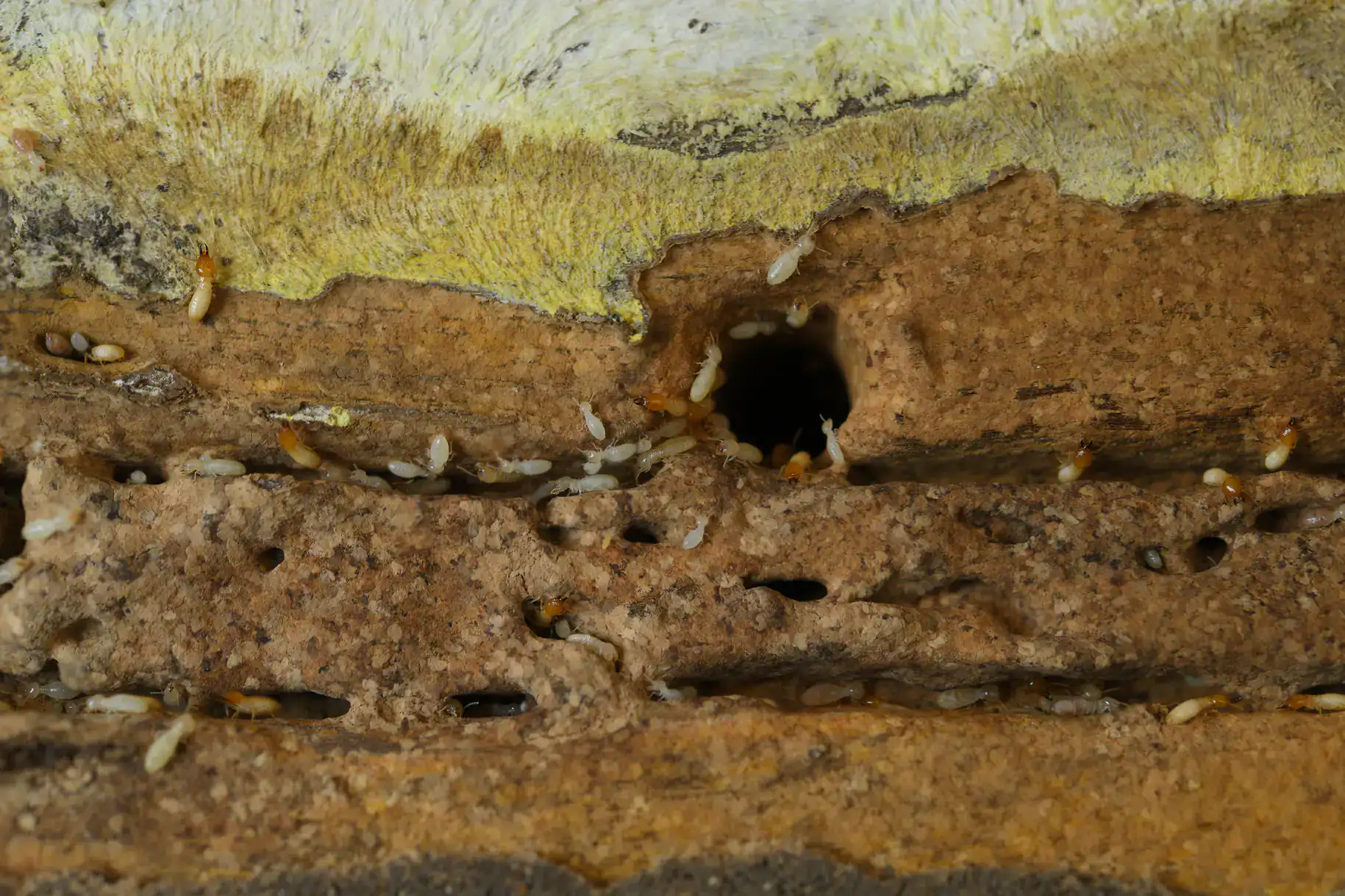
The bigger issue for a lot of homes in Richmond Hill is the housing stock itself. Many of the neighborhood’s homes especially in the northern section near Forest Park are Victorian-era wood-frame structures. Aging wood, original plumbing, and decades of moisture exposure create exactly the kind of environment carpenter ants are looking for. If you’re hearing faint rustling in your walls or finding small piles of sawdust near your baseboards, that’s not a surface problem. That’s a colony.
Getting rid of ants in Richmond Hill isn’t just about spraying what you can see. It’s about cutting off the colony, sealing the pressure points, and following through until the infestation is gone not just quieter. That’s what professional ant control actually looks like here.
Kingsway Exterminating has been serving New York City and Long Island for over 40 years. Family-owned and founded on the straightforward idea that pest control should be done right, done safely, and done at a price that doesn’t punish you for having a problem. That hasn’t changed.
Richmond Hill’s housing stock the Queen Anne Victorians on tree-lined streets in the north, the dense multi-family properties closer to Liberty Avenue and 101st Avenue isn’t new territory for us. We’ve been treating these exact structures throughout Queens and Brooklyn for decades. We know where carpenter ants nest in aging wood framing. We know how Forest Park’s edge affects the homes on Park Lane South every spring. We know what an established colony looks like versus a forager trail, and we treat accordingly.
We hold an A+ rating with the Better Business Bureau of New York State, are fully licensed, bonded, and insured, and use only NYS DEC-registered materials. You can verify all of it.
It starts with a free estimate. When we come out to your Richmond Hill property, we’re not just looking at where the ants are showing up we’re looking at why. Entry points along the foundation, moisture conditions in the basement, exterior wood that’s been compromised, branches overhanging the roofline from street trees. All of it matters, and it all shapes how we treat.
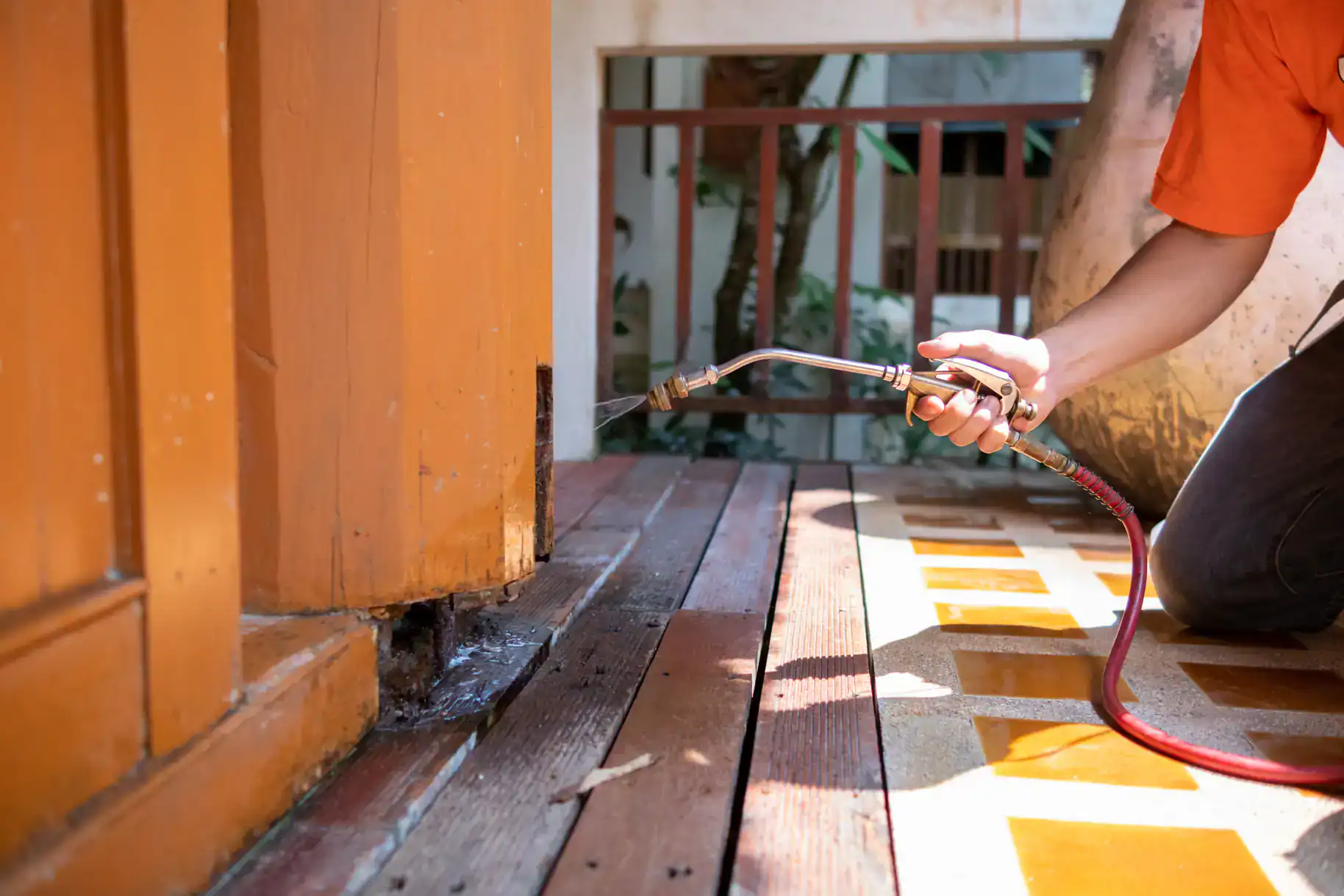
From there, we do an initial ant cleanout applying materials both inside and outside the property. This isn’t a surface spray. The materials we use are designed to be carried back into the nest by forager ants and shared throughout the colony. That’s how you kill the source, not just the workers you can see on your kitchen counter.
Because Richmond Hill properties especially older homes near the Forest Park boundary can have multiple satellite colonies working at once, one visit rarely ends it. We schedule follow-up visits on a weekly, every-other-week, or monthly basis depending on the severity of the infestation. We keep coming back until the problem is gone. That’s the commitment, and it’s the part most other companies skip.
Ready to get started?
Ant control in Richmond Hill isn’t one-size-fits-all, and we don’t treat it that way. For homeowners dealing with carpenter ants in the walls of a Victorian wood-frame home, the approach is different from a pavement ant problem coming up through a cracked foundation slab in South Richmond Hill. We identify the species, locate the nesting site, and use the right materials for the specific situation all NYS DEC-registered, all applied by our licensed technicians.
For the food business owners along Liberty Avenue and 101st Avenue, ant control isn’t just a comfort issue it’s a regulatory one. A Health Department violation for pest activity can shut a business down. We work with commercial property owners to establish a documented maintenance schedule that keeps your space protected and gives you the paper trail that inspectors expect to see.
For homeowners, we offer flexible ongoing service monthly, every-other-month, or quarterly depending on your property’s pest pressure and your budget. We also offer a 10% senior discount, which matters in a neighborhood with a significant older residential population. Every service starts with a free estimate, no pressure, and no commitment until you’re ready.
This is one of the most common calls we get from Richmond Hill residents, and it has a straightforward explanation. The neighborhood sits on a glacial moraine elevated terrain with specific soil drainage patterns that concentrate moisture in certain areas after heavy rain. When the ground becomes saturated, underground ant colonies get flooded and the ants move upward and inward to escape. That’s why you see a sudden surge right after a storm, even if things seemed fine the day before.
The frustrating part is that store-bought sprays address the ants you see in that moment, but the colony is still intact underground and will send another wave as soon as conditions shift again. Professional ant control targets the colony directly, using materials that forager ants carry back to the nest. Combined with exterior treatment around your foundation and entry points, it breaks the cycle instead of just interrupting it temporarily.
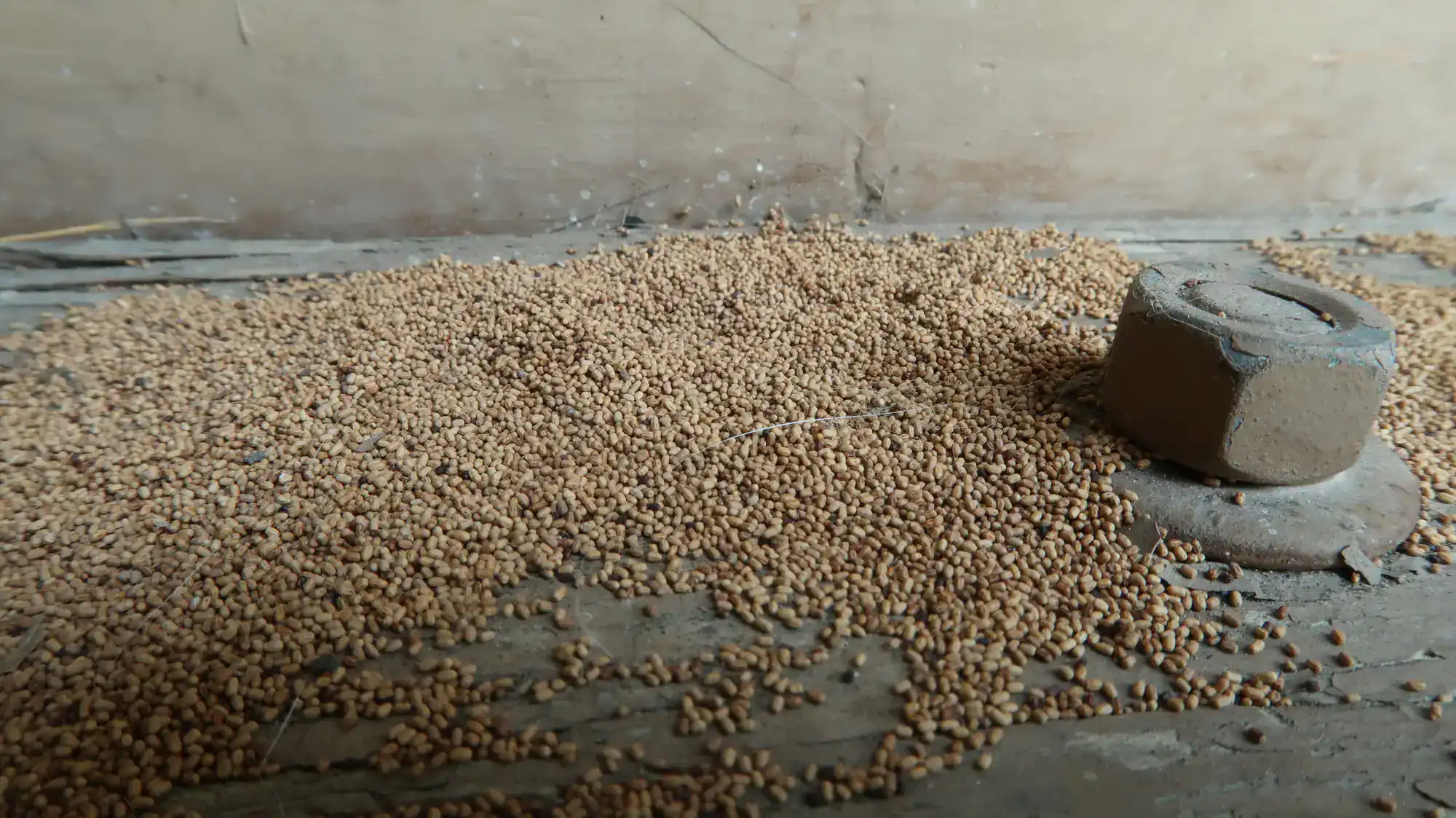
The clearest sign of carpenter ants specifically is finding small piles of what looks like coarse sawdust near baseboards, window frames, or door frames. That material is called frass it’s the wood shavings that carpenter ants push out as they excavate galleries inside the wood to build their nest. You might also hear a faint rustling or crackling sound inside walls, especially at night when the house is quiet.
Regular pavement ants and odorous house ants don’t nest inside wood they forage along surfaces and typically enter through cracks in the foundation or gaps around pipes. If your issue is a trail of small ants along the kitchen floor or bathroom tile, that’s a different species requiring a different approach. In Richmond Hill’s older Victorian homes, we see both, sometimes in the same property. Getting the identification right before treatment is the difference between solving the problem and just moving it around.
Yes and this is a question we take seriously, especially in Richmond Hill where multi-generational households are common. Many families here have grandparents, young children, and everyone in between living under the same roof. We use only NYS Department of Environmental Conservation-registered materials, which means every product we apply has been reviewed and approved under New York State’s pesticide regulatory framework.
Professional-grade doesn’t mean more dangerous it means more precise. Our technicians are licensed and trained to apply the right amount of the right product in the right locations. That’s a fundamentally different standard than spraying a can of off-the-shelf product along your baseboards and hoping for the best. We’ll also walk you through any precautions specific to your household whether that’s keeping a pet out of a treated area for a short window or ventilating a room after treatment so you’re never left guessing.
The four species we encounter most often in Richmond Hill are carpenter ants, pavement ants, odorous house ants, and pharaoh ants. Carpenter ants specifically the Pennsylvania carpenter ant are the most destructive and the most common in the older wood-frame homes throughout the neighborhood, particularly in the Victorian-era properties near Forest Park. They don’t eat wood, but they excavate it, and in a home with aging or moisture-damaged framing, that can cause real structural damage over time.
Pavement ants are the small dark ants you’ll typically see swarming sidewalks and driveways in the spring they’re extremely common throughout Queens and tend to enter homes through foundation cracks and gaps around utility lines. Odorous house ants give off a distinct smell when crushed and tend to establish large colonies that are difficult to eliminate without colony-targeting treatment. Pharaoh ants are smaller and tend to infest multi-unit buildings, spreading through wall voids between apartments. Each one requires a different treatment strategy, which is why identification comes first.
It depends on the species, the size of the infestation, and how established the colony is but for most homes in Richmond Hill, you should expect the process to take more than one visit. Victorian and early 20th-century wood-frame homes often have multiple entry points, aging foundation systems, and structural conditions that support more than one satellite colony at a time. A single treatment can significantly reduce visible activity, but it rarely eliminates the problem entirely on its own.
For a moderate infestation, most homeowners see meaningful improvement within the first two to three visits, with full resolution typically within four to six weeks of consistent follow-up treatment. For a more established carpenter ant situation particularly one involving an in-wall colony in an older home the timeline can extend further, especially if moisture issues in the structure are feeding the problem. We’ll be upfront with you about what we’re seeing and what a realistic timeline looks like for your specific property.
Yes, and for most properties in this neighborhood, ongoing maintenance is the smarter long-term approach. Richmond Hill’s proximity to Forest Park means that exterior ant pressure particularly from carpenter ants foraging outward from the park’s wooded edge doesn’t go away after a single treatment. It’s a seasonal reality for homes on the northern streets of the neighborhood, and a recurring service schedule keeps that pressure managed before it turns into another infestation.
For homeowners, we offer monthly, every-other-month, and quarterly maintenance visits depending on your property’s history and pest pressure. For food business owners along Liberty Avenue and 101st Avenue, a documented maintenance contract also serves as your record of professional pest management something the NYC Health Department expects to see during inspections. Every maintenance plan starts with a free estimate, and we’ll recommend a schedule based on what your property actually needs, not the most expensive option on the list.
Useful Links