Hear from Our Customers
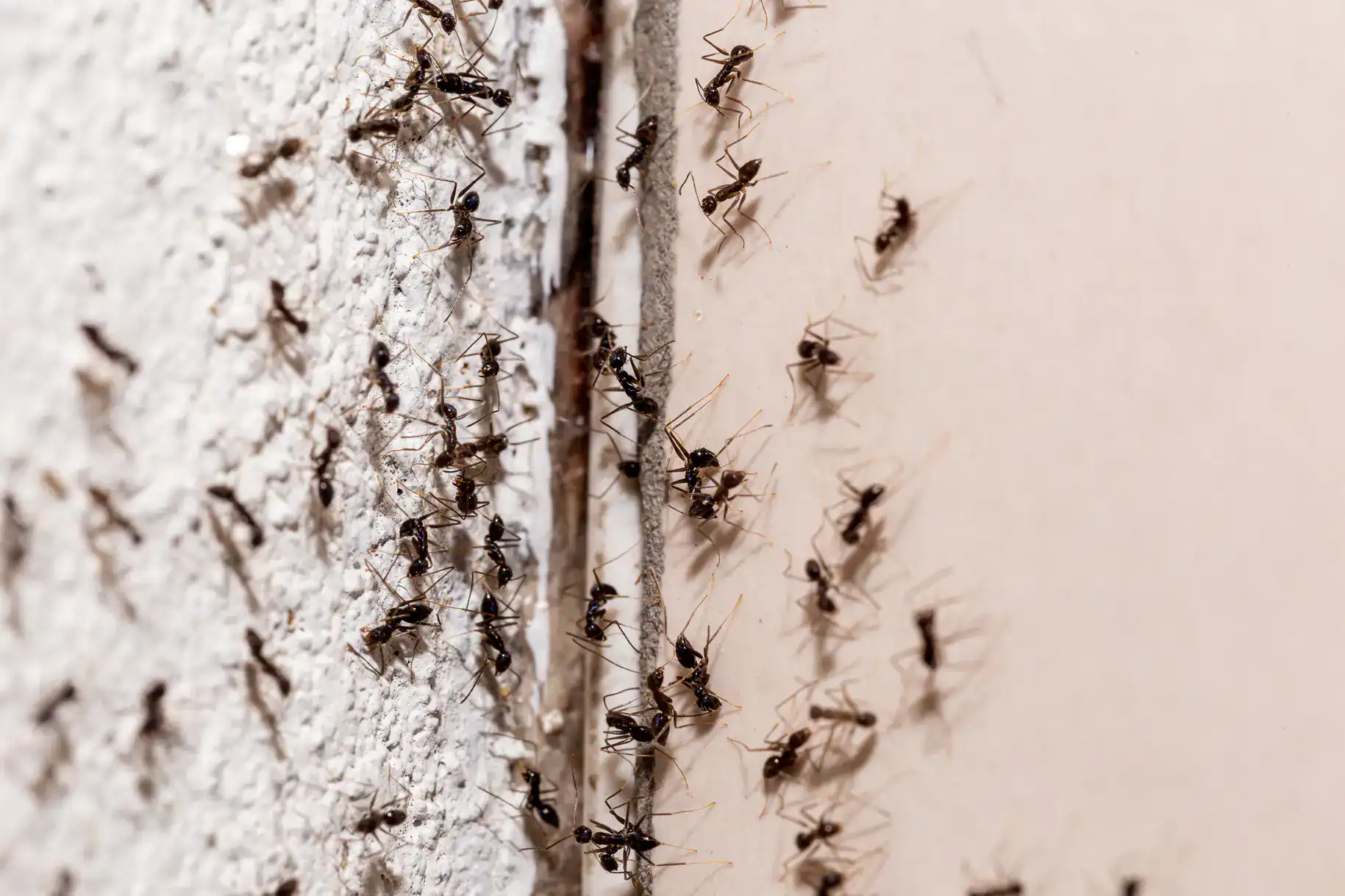
You stop seeing trails across your kitchen. You stop finding them near the sink at 11 PM. You stop wondering if the spray you bought is doing anything because it probably isn’t. Store-bought products kill the foragers you can see, but the colony keeps sending more. Until the source is treated, the problem doesn’t go away.
For Upper West Side residents, the challenge is specific. The prewar apartment buildings that line Riverside Drive, Central Park West, and West End Avenue are architecturally beautiful and structurally ideal for ants. Aging plumbing creates moisture inside walls. Original hardwood framing around windows and pipes gives carpenter ants exactly what they need to establish a nest. And because these are large, multi-unit buildings with shared walls and plumbing chases, an infestation in one unit rarely stays in one unit.
The other factor is geography. This neighborhood sits between two major parks Riverside Park along the Hudson to the west, and Central Park to the east. Both parks support large, established ant colonies in their soil, root systems, and mature trees. Every spring, and especially after heavy rain, those colonies push outward. The buildings along the park edges are the first point of contact. That’s not a coincidence it’s a predictable pattern that we account for directly when treating ant infestations in Upper West Side apartments.
We’ve been treating pest infestations across New York City’s five boroughs for over 40 years. That’s not a tagline it’s a track record built one building at a time, in neighborhoods exactly like Upper West Side. From the prewar co-ops along Central Park West to the brownstones near Manhattan Valley and the high-rises around Lincoln Square, our technicians have seen what these buildings hold and know how to treat them properly.
We’re family-owned, fully licensed through the NYS Department of Environmental Conservation, bonded, insured, and hold an A+ rating with the Better Business Bureau of New York State. Every material we use is NYS DEC-registered state-regulated and applied by certified technicians, not handed off to whoever’s available that day.
If you’ve had another exterminator out and the ants came back, there’s usually a reason. Our approach is built around eliminating the colony, not managing the symptom. That difference is exactly why people call us after the first attempt didn’t hold.
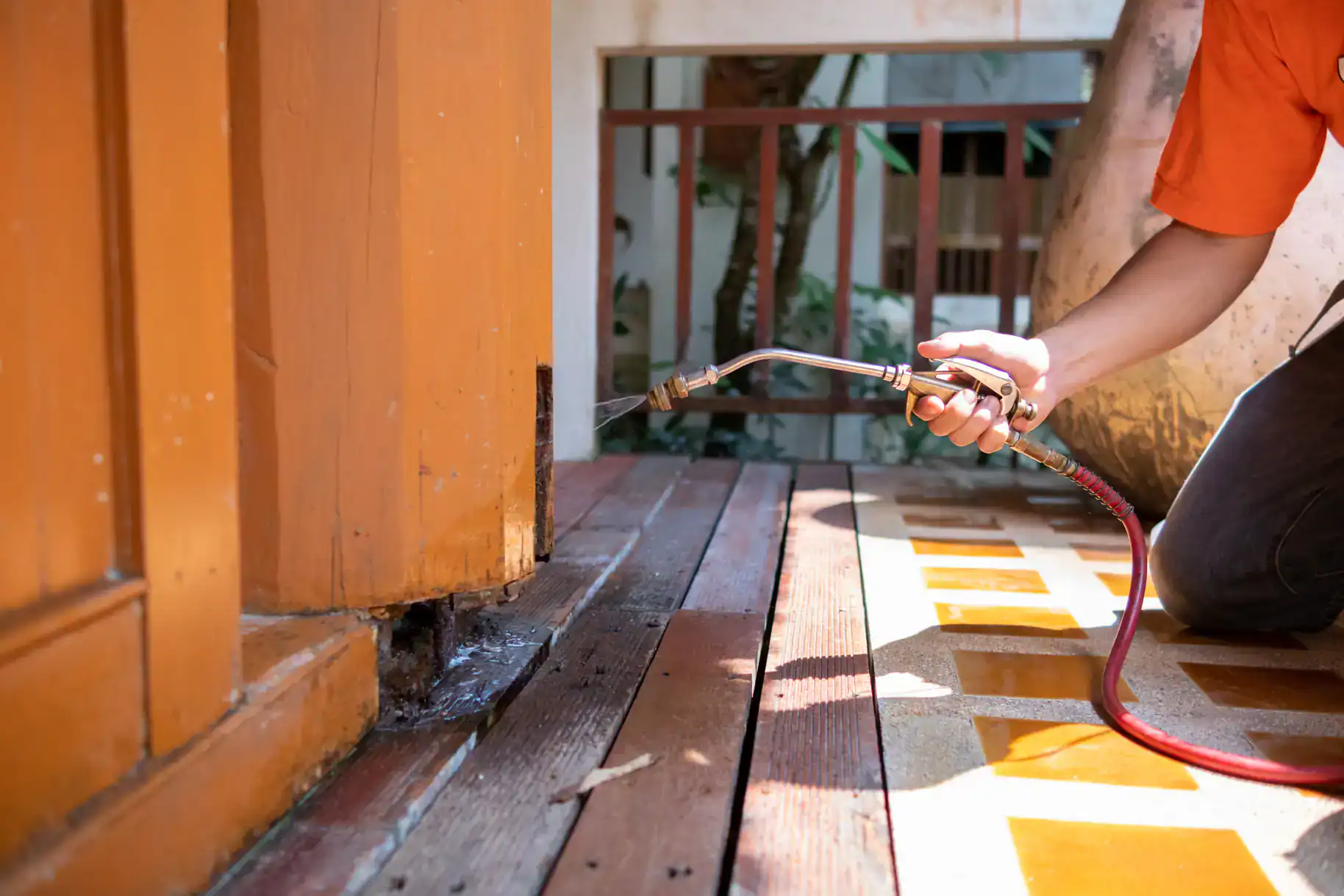
The first visit is a full cleanout. We treat both the interior of your space and the exterior of the building applying materials that worker ants physically carry back into the nest and share with the colony. This is what separates a real ant removal treatment from a surface spray. It targets the queen and the colony’s core, not just the foragers you can see on your countertop.
In a large prewar apartment building which is the dominant housing type in Upper West Side that exterior treatment matters especially. Ants entering from the building’s foundation, from gaps in aging mortar joints, or from around plumbing penetrations need to be addressed at the point of entry. Treating only the inside of one unit leaves the access points open and the colony intact.
After the initial cleanout, follow-up visits are scheduled based on the severity of the infestation weekly, every other week, or monthly. These aren’t just check-ins. They’re re-applications and monitoring visits that confirm the colony has been eliminated and that activity isn’t rebuilding. The process continues until the infestation is fully resolved. You’ll know exactly what the schedule looks like before anything starts.
Ready to get started?
Ant infestations in Upper West Side apartments tend to fall into a few consistent categories. Carpenter ants are the most structurally serious they nest in moisture-damaged wood, and the aging plumbing and original framing in prewar buildings gives them exactly the conditions they need. Odorous house ants are the most common kitchen invader, forming large colonies that require colony-level treatment to eliminate. Pavement ants nest under building foundations and sidewalks and enter ground-floor units through cracks and plumbing gaps. In some cases, a European ant species called Lasius emarginatus documented as one of the most abundant ants in Manhattan is involved, and it requires accurate identification before treatment can be properly targeted.
Our ant control service includes a thorough inspection, interior and exterior treatment, and a structured follow-up schedule. All materials are NYS DEC-registered and applied in compliance with NYC Local Law 55, which requires Integrated Pest Management protocols in residential buildings with three or more units which covers virtually every building on the Upper West Side. For property managers and co-op boards dealing with a building-wide infestation, we also handle multi-unit and common-area treatment.
We offer free estimates, and there’s a 10% discount for seniors relevant in a neighborhood where more than one in five residents is 65 or older. No pressure, no long-term contract required to get started.
Spring is when ant colonies expand after winter dormancy, and the Upper West Side’s geography makes this especially noticeable. The neighborhood is flanked by Riverside Park to the west and Central Park to the east both of which support large, established ant colonies in the soil and root systems of mature trees. As those colonies grow in April and May, forager ants push outward looking for food and water. The prewar buildings along the park edges, with their aging mortar joints, original window frames, and utility penetrations, offer plenty of entry points.
Heavy spring rain intensifies this. When rainfall saturates the soil in Riverside Park or Central Park, it floods underground ant nests and drives foragers into adjacent buildings in larger numbers than usual. If your apartment is on a lower floor, or if your building sits close to either park, you’re likely to see this pattern repeat every year without professional treatment that addresses the colony not just the ants that made it inside.
Yes, and in a large prewar apartment building, this is more common than most people realize. Ants travel through shared wall cavities, plumbing chases, basement mechanical rooms, and gaps around pipes pathways that connect units across floors and sections of the building. A colony established in the building’s foundation or a moisture-damaged wall void on a lower floor can send foragers to apartments several stories up.
This is why treating only your own unit often produces temporary results at best. The foragers disappear for a week or two, and then they’re back because the colony is still active somewhere in the building’s shared structure. Effective ant pest control in a multi-unit Upper West Side building requires treating both the individual unit and the building’s exterior and entry points. If you’re a property manager or co-op board member dealing with complaints from multiple residents, that’s a signal that the infestation needs to be addressed at the building level, not unit by unit.
The four you’re most likely dealing with in an Upper West Side apartment are carpenter ants, odorous house ants, pavement ants, and a European species called Lasius emarginatus that has been documented as one of the most abundant ants in Manhattan.
Carpenter ants are the most structurally concerning. They nest in moist or damaged wood the kind found around aging pipes, under sinks, and near window frames in prewar buildings. They don’t eat wood the way termites do, but they hollow it out to build galleries, and a mature colony can cause real structural damage over time. Odorous house ants are the small, fast-moving ones you find in your kitchen they form large colonies and are persistent without colony-level treatment. Pavement ants nest under sidewalks and building foundations and typically enter through cracks at ground level. Lasius emarginatus has quietly colonized much of Manhattan’s urban landscape and is easy to misidentify without professional inspection. Getting the species right matters because the treatment approach differs depending on what you’re dealing with.
This is one of the most common questions we hear, and it’s a fair one especially in a neighborhood where a significant share of residents are families with children or older adults who are more sensitive to chemical exposure. The short answer is yes, when it’s done correctly by a licensed professional using regulated materials.
We use only materials registered with the New York State Department of Environmental Conservation. These are state-regulated pesticides applied in controlled quantities and targeted placements not blanket sprays of unknown chemicals. The difference between professional application and a store-bought spray isn’t just effectiveness it’s precision. Our licensed technicians know where to apply treatment, how much to use, and how to minimize any exposure risk to the people and animals living in the space. Before any treatment begins, we walk you through exactly what’s being used, what precautions to take during and after the visit, and when it’s safe to resume normal activity. You’re not left guessing.
The honest answer is that it depends on the size of the colony and how long the infestation has been established but most people start seeing a noticeable reduction in activity within the first week after the initial treatment. The process we use relies on transfer: worker ants carry the treatment material back to the nest and share it with the colony, which means it takes some time to move through the population and reach the queen.
In a large prewar building the kind that defines Upper West Side’s housing stock colonies can be distributed across multiple structural zones, which is why follow-up visits are built into the process rather than treated as optional. A single visit can address the most active nest while satellite colonies in adjacent wall voids or building sections remain active. The follow-up schedule weekly, every other week, or monthly depending on the situation is designed to catch that secondary activity before it rebuilds. Most infestations are fully resolved within the scheduled treatment cycle, and you’ll know what that timeline looks like before the first visit happens.
Yes we offer a 10% discount for senior customers. On the Upper West Side, where more than 22% of residents are 65 or older, this reflects a real portion of the community we serve. Many of those residents are long-term tenants in the neighborhood’s prewar buildings people who’ve lived in the same apartment for decades and are dealing with pest issues that have built up in aging building infrastructure over time.
Our phones are answered 24 hours a day, seven days a week, which matters for residents who don’t want to navigate a callback system or wait until business hours to schedule service. Free estimates are available before any commitment is made, so there’s no pressure to move forward until you understand exactly what the treatment involves and what it will cost. If you’re a senior resident on the Upper West Side dealing with a recurring ant problem that previous attempts haven’t resolved, a free estimate is a straightforward place to start.
Useful Links