Hear from Our Customers
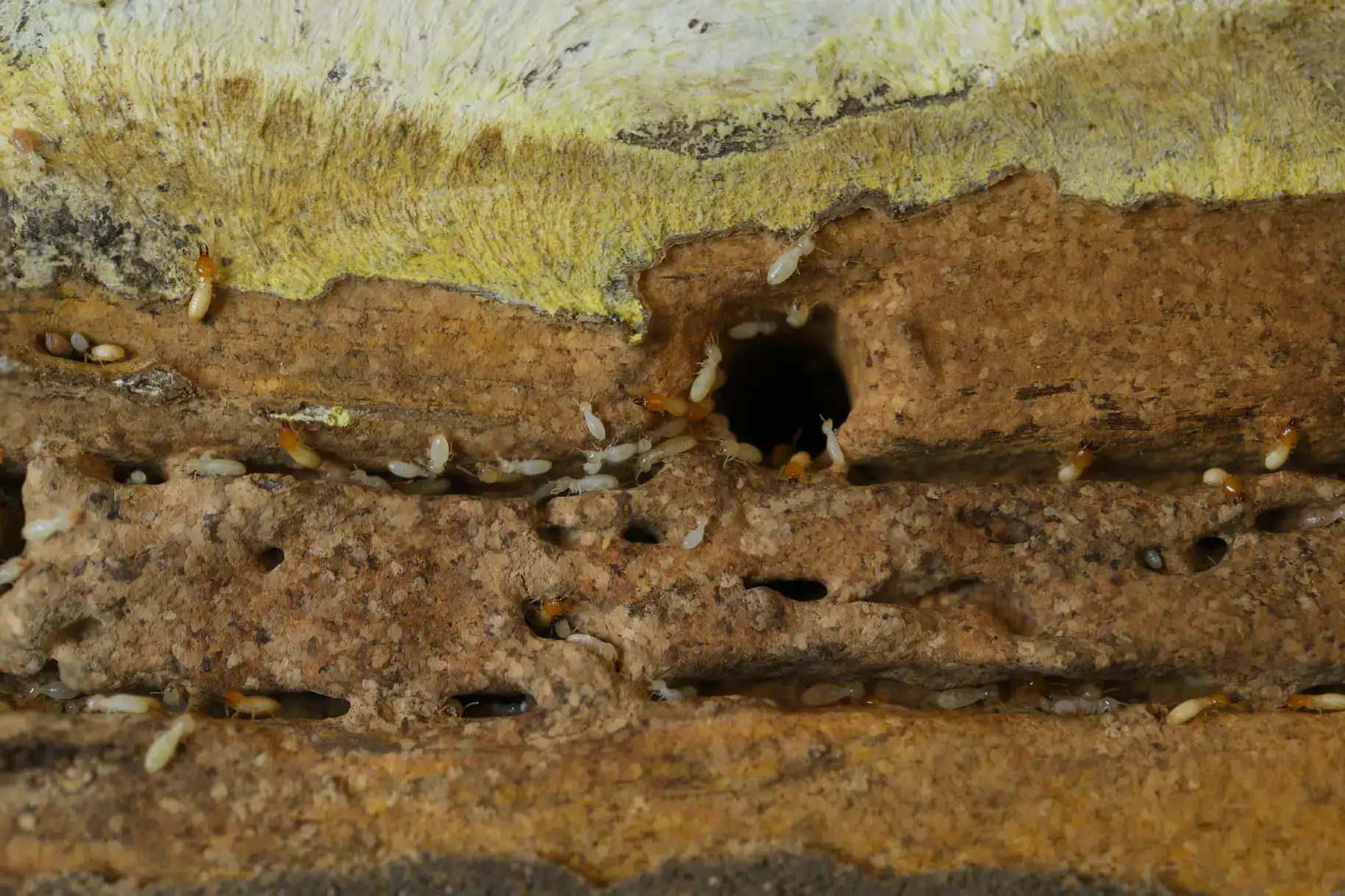
The honest answer is that most termite damage in Corona doesn’t announce itself. You don’t hear it. You don’t see it not at first. Subterranean termites work underground and inside walls, feeding around the clock, and by the time there’s visible evidence, they’ve usually been active for years. Getting ahead of that is the whole point.
For homeowners in North Corona and the surrounding blocks of attached two- and three-family row houses, the stakes are higher than they might seem. When a colony establishes itself beneath one unit, it doesn’t stop at the property line. Shared foundation walls and connected soil pathways mean your neighbor’s problem can become yours without either of you knowing it. A proper termite treatment addresses the actual colony not just the surface signs.
If you own a rental property in Corona, you’re also dealing with NYC housing code obligations. A termite infestation in a multi-family building isn’t just a structural concern it’s a legal one. Getting it treated, documented, and resolved correctly protects your tenants and your investment at the same time. That’s what a real termite treatment in Corona, NY looks like when it’s done right.
We’ve been operating across all five boroughs since 1971 founded by Richard Kourbage Sr. and now in its third generation with Richard Jr. and Charles still actively involved. That’s not a tagline. It means the people answering your call and showing up at your door have treated thousands of homes in Queens, including the exact type of aging brick construction that defines Corona’s residential streets.
The combined experience across our staff exceeds 100 years. We know what subterranean termite activity looks like in a pre-war basement on 108th Street. We know the moisture conditions near Flushing Meadows–Corona Park and how that affects soil activity on the eastern edge of the neighborhood. Every product we apply is NYS DEC-registered, and we hold an A+ BBB rating accredited since 1989. This isn’t a franchise routing your call to a regional office. We’re a family-run operation with real accountability behind every job.
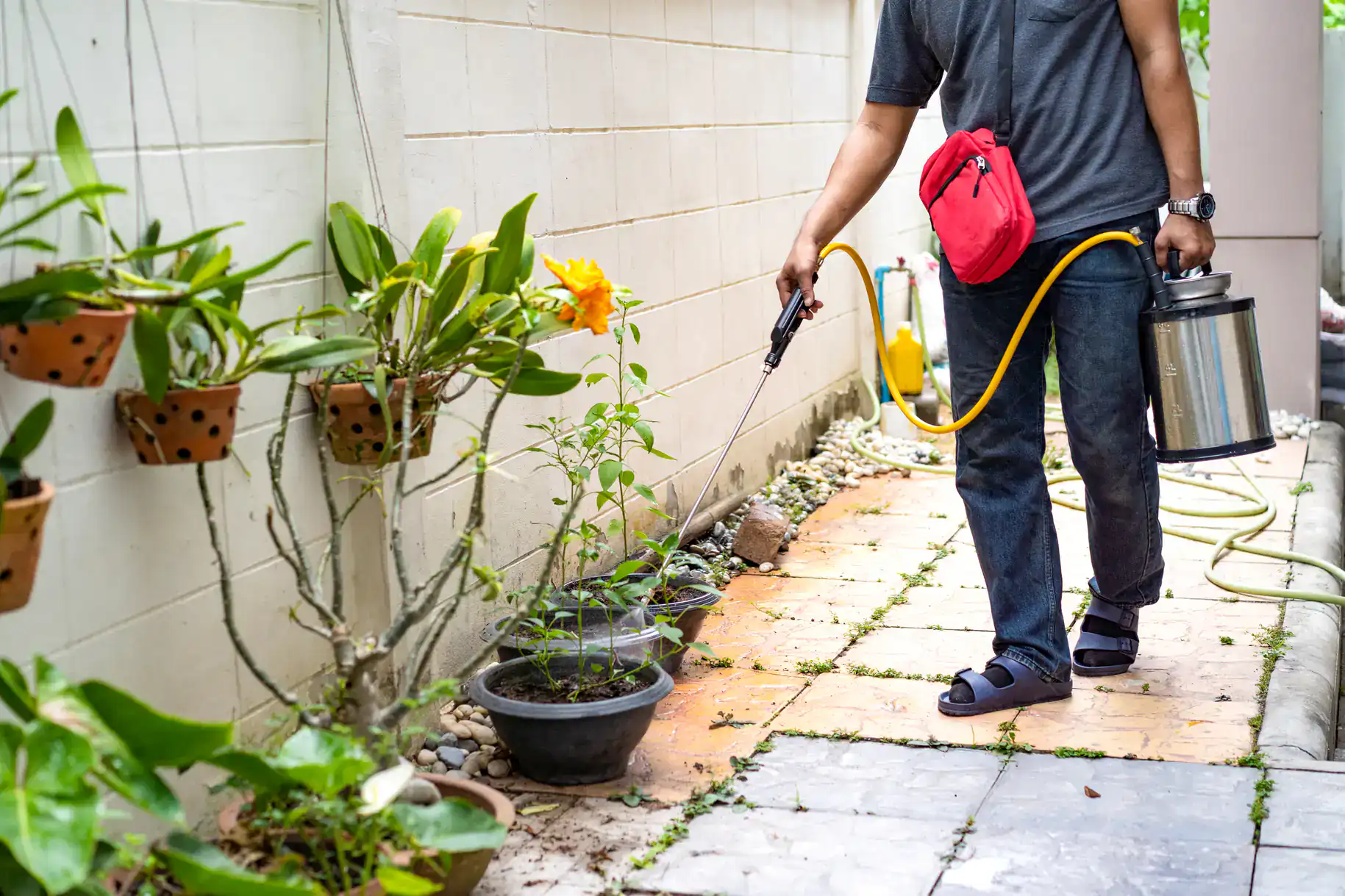
It starts with an inspection and in most cases, we can schedule that the same day you call. One of our technicians comes out, walks the property, and looks at the specific areas where subterranean termites most commonly enter: foundation contact points, basement sill plates, crawl spaces, and any wood that’s in direct contact with soil or masonry. In Corona’s older attached housing stock, these entry points are predictable, and an experienced eye finds them fast.
Once the scope is clear, we match treatment to what’s actually there. Liquid barrier treatments create a chemical zone in the soil around the foundation that termites can’t cross without picking up the active ingredient and carrying it back to the colony. Termite baiting systems go further workers find the bait, feed on it, and bring it back underground, which eliminates the colony at its source. For buildings near the moisture-rich soil on the park side of Corona, baiting is often the more thorough long-term option.
After treatment, you get documentation. If you’re a landlord dealing with a NYC Department of Health citation, that paperwork matters. If you’re mid-sale on a Corona property and a lender is requiring a WDO report, we provide the certified inspection documentation your attorney and buyer need. The process doesn’t end when the technician leaves it ends when the problem is resolved and you have the records to prove it.
Ready to get started?
Our termite services cover the full range of what Queens property owners actually need. That includes termite identification and inspection, liquid soil treatment, termite baiting systems, and Wood Destroying Organism (WDO) inspections for real estate transactions whether you’re buying a two-family on Junction Boulevard or refinancing a property near Corona Plaza. If you’re dealing with related wood-destroying insects like carpenter ants or powder post beetles, we handle those as well.
For multi-family property owners in Corona, we also provide the documentation and treatment protocols required to resolve NYC DOH pest citations. That’s not something every exterminator is set up to do properly. Having a company that understands the compliance side not just the treatment side matters when there’s a violation on record and a reinspection scheduled.
All materials we use are NYS DEC-registered, which is the state standard for licensed pest control work in New York City. We answer the phone 24 hours a day, seven days a week, and guarantee an appointment within two business days with same-day availability in many cases. For a termite infestation in a densely attached neighborhood like Corona, where a colony can spread underground between properties, that response time isn’t just convenient. It’s the difference between a contained problem and a much larger one.
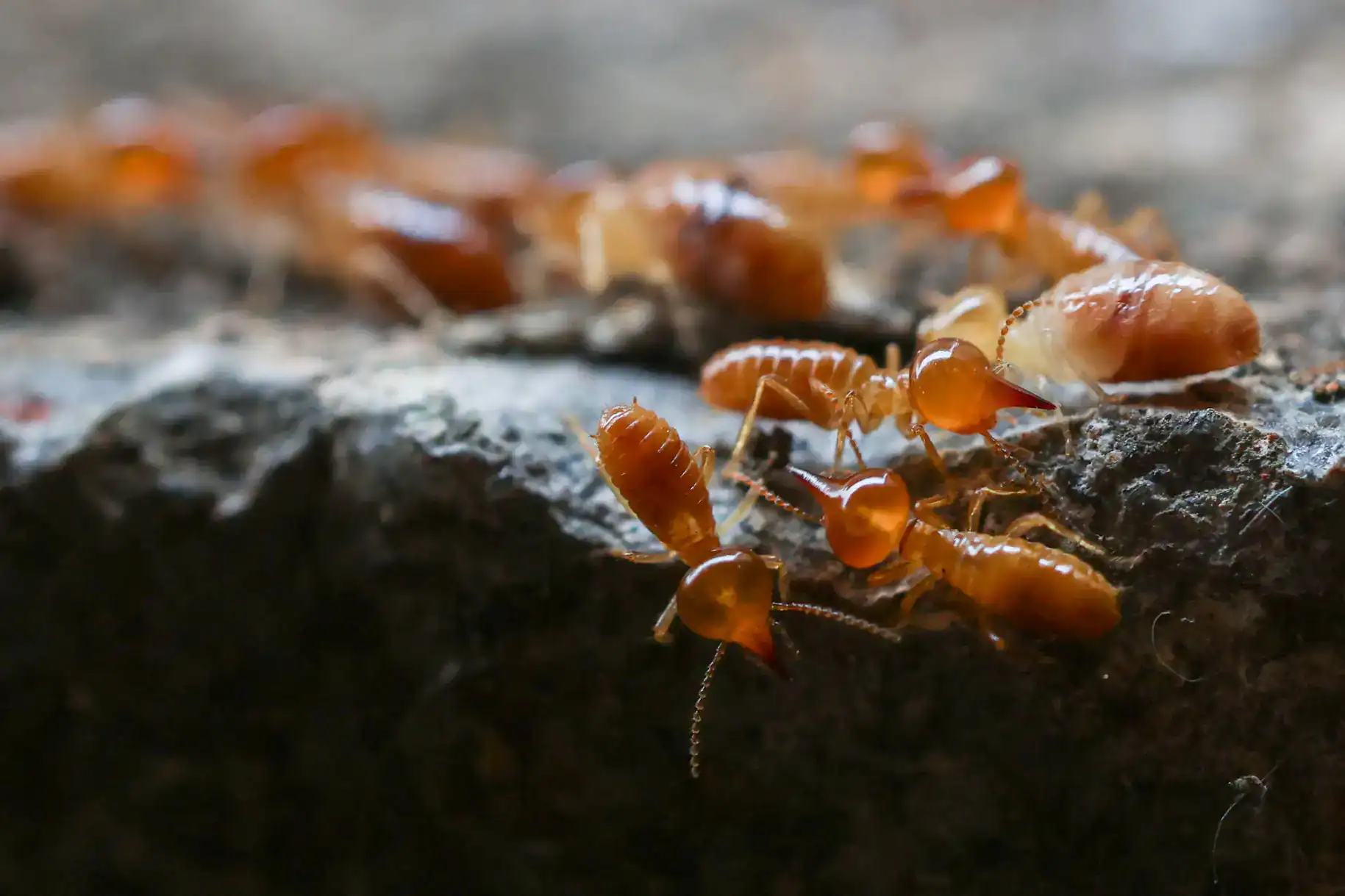
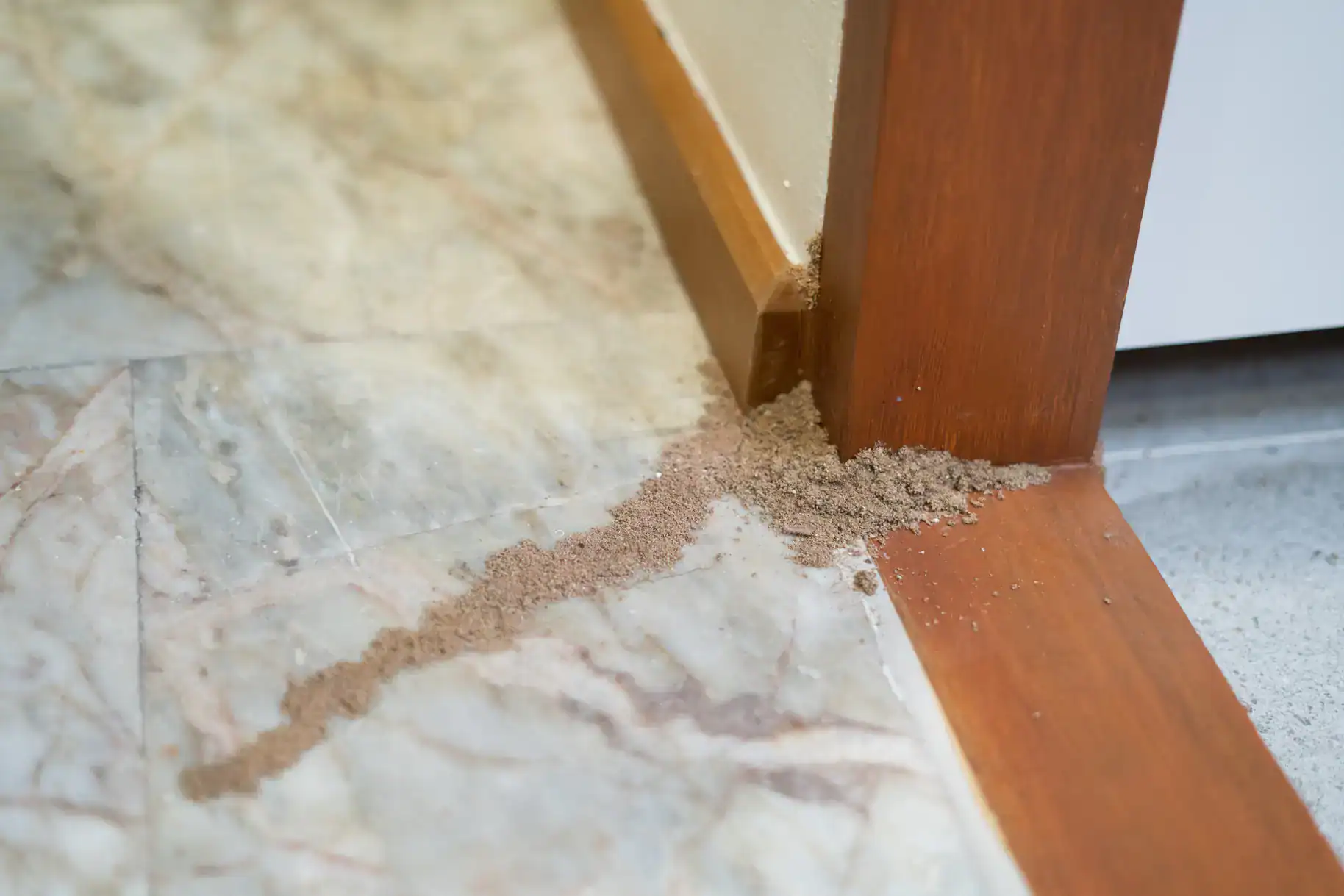
The most common signs are mud tubes pencil-thin tunnels of soil and debris running along foundation walls, basement framing, or floor joists. You might also notice wood that sounds hollow when tapped, bubbling or uneven paint that looks like water damage but isn’t, or discarded wings near windowsills and basement entry points after a swarm event. In Corona’s older attached row houses, these signs often show up in basements and along the sill plates where wood meets the foundation.
The tricky part is that termites work inside the wood and underground, so surface signs are often the last thing to appear. If you’ve seen swarmers small winged insects emerging from floors, walls, or outside near your foundation on a warm spring day that’s a strong indicator a colony is already established nearby. Eastern Subterranean Termites in Queens typically swarm on warm, humid days following rainfall, usually between March and May. Don’t wait to find out call us for a same-day inspection and get a clear answer before the damage goes further.
Yes and this is one of the most important things to understand about termite risk in Corona specifically. Eastern Subterranean Termites live and travel underground. In attached two-family and three-family row houses, which make up the majority of Corona’s residential housing stock, the soil beneath connected buildings is essentially one continuous foraging zone for an active colony. A colony established under one unit can extend its tunnels laterally beneath shared foundation walls and into adjacent properties without any above-ground sign that it’s happening.
This is why treating only one unit in an attached building sometimes fails to resolve the problem long-term. A thorough treatment needs to account for the full underground footprint of the colony, not just the address where the first signs appeared. If you share a wall with a neighbor in North Corona or anywhere along the attached blocks near Roosevelt Avenue, it’s worth knowing whether your neighbor has had activity and worth making sure your own property is inspected and treated with the full building context in mind.
A Wood Destroying Organism inspection commonly called a WDO report is a certified assessment of a property for evidence of termites, carpenter ants, powder post beetles, and other insects that damage wood. Lenders issuing FHA and VA loans require a WDO report before closing, and many conventional lenders and real estate attorneys now request one as well. In Corona’s active real estate market, where median home prices have been running around $850,000, this inspection is a routine part of most property transactions.
The WDO report documents any active infestation, evidence of past activity, and conditions that make the property vulnerable things like wood-to-soil contact, moisture damage, or inadequate ventilation in crawl spaces. If the report comes back clean, you move forward with confidence. If it finds something, you know before you’re holding the deed. For buyers purchasing older attached row houses in Corona, where pre-war and mid-century construction is common, a WDO inspection isn’t optional it’s protection against inheriting a problem the seller may not have known about.
For a typical two-family or three-family attached row house in Corona, termite treatment generally falls in the range of $1,500 to $3,500 depending on the severity of the infestation, the size of the structure, and the treatment method used. Liquid barrier treatments and termite baiting systems are priced differently, and a combination approach may be recommended for properties with significant activity or high moisture conditions near the soil.
That range might feel like a meaningful expense but consider that the average cost of repairing termite damage in the U.S. runs around $3,000, and structural repairs in older New York City row houses can reach $10,000 or more depending on what’s been compromised. Homeowner’s insurance in New York does not cover termite damage, which means every dollar of repair cost comes directly out of pocket. Treatment is almost always cheaper than the alternative. We offer free inspections, so you can get a clear picture of what you’re dealing with before committing to anything.
Every product we apply is registered with the New York State Department of Environmental Conservation that’s the regulatory standard for all licensed pest control work in New York City. Modern termite treatments, when applied by a certified technician, are targeted to the specific areas where termites are active: soil around the foundation, basement framing, and structural entry points. They’re not broadcast applications throughout living spaces.
In most cases, residents do not need to vacate the property during or after a standard termite treatment. Our technician will walk you through any specific precautions based on the method used and the layout of your home. For multi-family buildings in Corona where tenants are present, we coordinate the process with the property owner to minimize disruption and ensure everyone in the building is informed. If you have young children, pets, or anyone with sensitivities in the household, mention it when you call we’ll factor that into how the job is planned and carried out.
Under New York City housing code, landlords are legally responsible for maintaining habitable conditions and that includes keeping rental units free of pest infestations. If you’ve reported a termite problem to your landlord and nothing has been done, you have the right to file a complaint with the NYC Department of Housing Preservation and Development (HPD) or the Department of Health. A documented complaint can result in a formal inspection and a violation on record against the property owner.
For tenants in Corona’s large stock of multi-family rental buildings, this matters. Termite damage affects the structural integrity of the building you live in, and it can worsen quickly in older attached construction where the infestation can spread between units. If you’re a landlord in Corona who has received an HPD or DOH pest citation, we handle the treatment and provide the documentation needed to resolve the violation and clear the record. Either way tenant or owner the problem doesn’t get better on its own, and there are clear steps available to move it forward.
Useful Links
Other Services we provide in Corona