
Hear from Our Customers
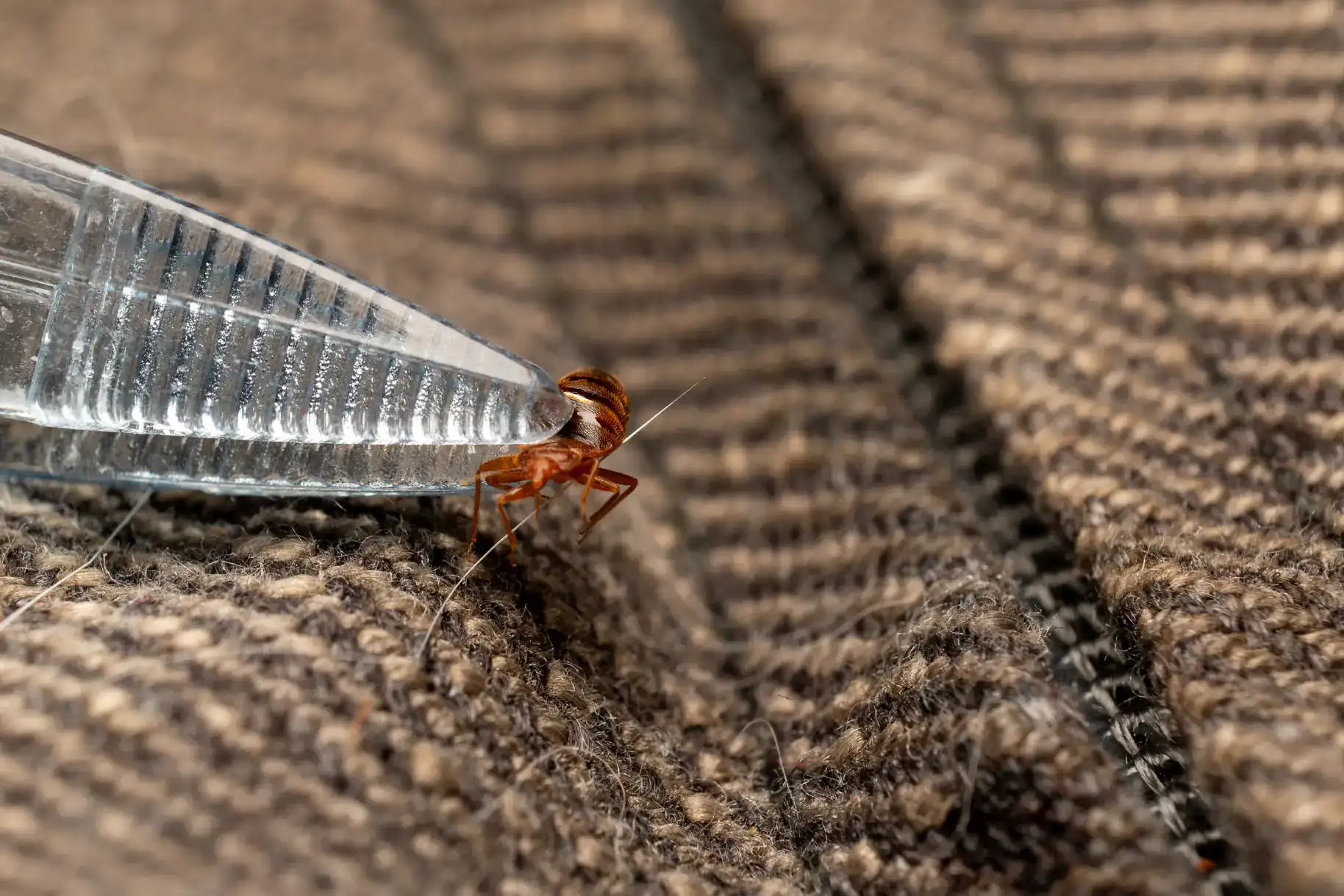
When bed bugs move in, everything changes. You stop sleeping well. You start questioning every bite, every dark spot, every crack in the baseboard. And if you live in a multi-unit building which most people in Corona do you also start wondering whether your neighbors have the same problem, because the answer is often yes.
That’s the reality in Corona. The neighborhood’s housing stock is dense, older in many areas, and built in a way that makes it easy for bed bugs to travel between units through shared walls, electrical conduits, and plumbing chases. Treating one apartment without accounting for the rest of the building is one of the most common reasons infestations come back. A thorough bed bug removal in Corona, Queens means understanding that context and treating accordingly.
What changes after a proper treatment isn’t just that the bugs are gone. It’s that you’re not lying awake running through worst-case scenarios anymore. You’re not checking your kids’ arms in the morning. You’re not dreading what you might find when you pull back the sheets. That’s the outcome that actually matters.
We’ve been operating across all five boroughs of New York City for more than five decades. That’s not a marketing number it’s the length of time it takes to actually understand how pest problems work in a city like this, in buildings like the ones lining Roosevelt Avenue and stacked up throughout North Corona and down toward LeFrak City.
We hold an A+ rating with the Better Business Bureau accredited since 1989 and carry full NYSDEC licensing, bonding, and insurance. As a certified bed bug exterminator serving Corona, NY, we bring real specialist-level knowledge to every inspection and treatment, not a generalist approach with bed bugs tacked on as an afterthought.
What you’ll hear consistently from our customers is that there’s no upselling. Our technician tells you what’s actually there, what it takes to fix it, and what it costs. In a neighborhood like Corona where budgets are real and trust is earned, that matters more than any credential on the wall.
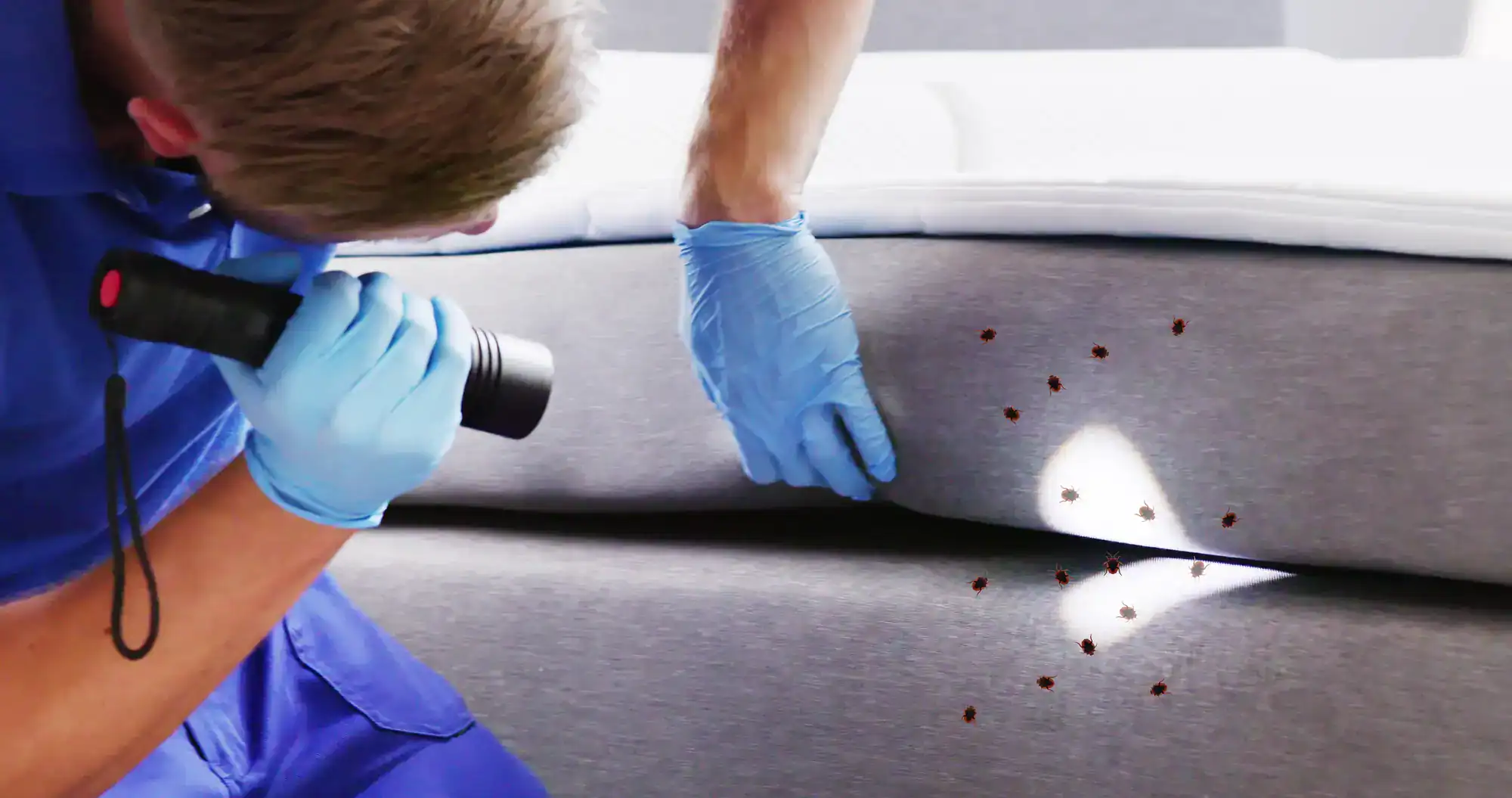
It starts with the inspection. When you call any time, day or night we can schedule a same-day visit or guarantee an appointment within two business days. One of our certified specialists comes to your home, walks through the affected areas, and gives you an honest read on what you’re dealing with. No inflated assessments, no pressure. Just a clear picture of the infestation and what it takes to address it.
From there, treatment is built around your specific situation. In Corona’s dense apartment buildings, that often means accounting for shared walls and adjacent units because treating only the surfaces you can see without considering where bugs may be harboring in the building’s infrastructure is how infestations survive. Treatment typically involves a targeted application to all harborage points: seams, baseboards, furniture joints, wall voids, and anywhere else the inspection turns up activity.
Most infestations require two to four visits over a few weeks. That’s not a sales tactic it’s biology. Bed bug eggs don’t respond to initial treatment the way live bugs do, so follow-up visits are essential to catching the next generation before it matures. Your technician will walk you through the preparation steps before each visit, what to expect during treatment, and how to know the problem is resolved. You won’t be left guessing.
Ready to get started?
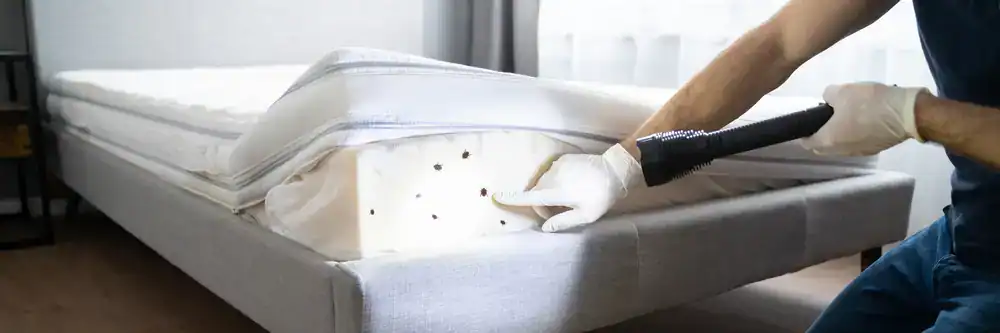
Every bed bug treatment in Corona, NY starts with a thorough inspection not a quick walkthrough. Our certified specialists assess the full scope of the infestation, including areas that aren’t obvious at first glance. In older apartment buildings common throughout Corona, that means checking wall voids, behind outlet covers, inside furniture joints, and along baseboards where bugs tend to harbor between feedings.
Treatment options include both conventional insecticide application and bed bug heat treatment in Corona, Queens with the approach selected based on the severity of the infestation, the type of unit, and what will be most effective for your specific situation. Heat treatment is particularly effective in heavily infested units because it reaches areas that sprays alone may not penetrate. For multi-unit buildings like the towers in LeFrak City or the older walk-ups throughout the neighborhood, we also have the experience to coordinate with building management when broader treatment is needed.
We’re also equipped to issue DOH clearance certificates for commercial properties and to help landlords and tenants navigate HPD Notices of Violation a real and common situation in Corona’s rental market. If your landlord has been issued a violation and needs a licensed exterminator to resolve it, this is exactly the kind of work we handle. Free estimates are available before any work begins, and our phones are answered 24 hours a day, seven days a week.
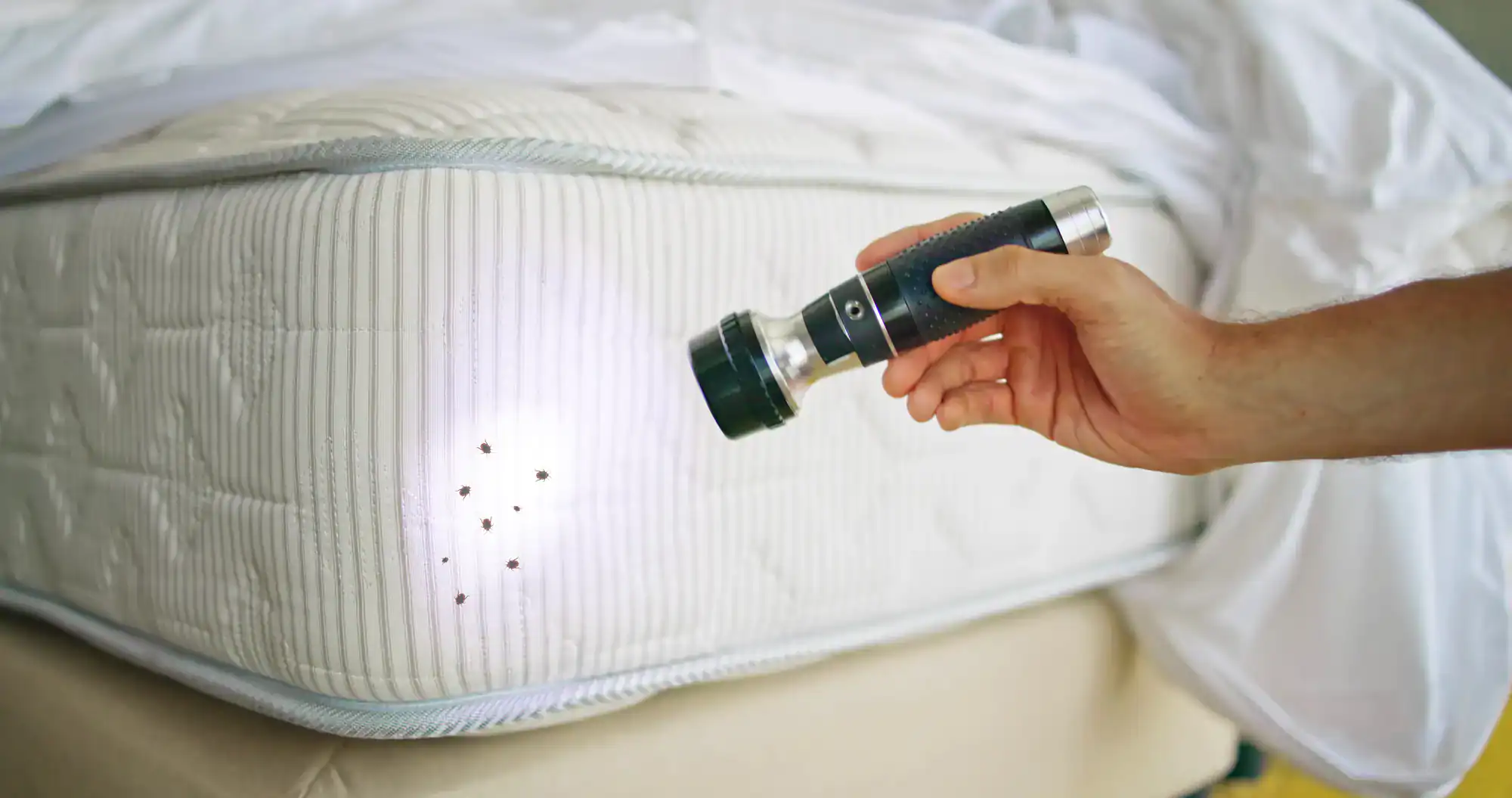
Yes, and in Corona’s housing stock, this is one of the most common reasons infestations persist even after treatment. Bed bugs travel through shared wall voids, electrical conduits, and plumbing chases the same infrastructure that connects your unit to every other unit on your floor and the floors above and below you. In a building like the ones throughout North Corona or in a large complex like LeFrak City, a single infested unit can seed an entire floor if the problem isn’t caught and treated early.
This is why a treatment that only addresses the visible surfaces in your apartment often isn’t enough. A thorough bed bug inspection in Corona, Queens should account for the building’s layout and the realistic travel paths bugs can take. If your neighbors are also dealing with an infestation or if your building has a history of bed bug complaints that context needs to factor into the treatment plan. Our approach takes the full picture into account, not just the four walls of your unit.
The cost of professional bed bug treatment in Corona, NY generally falls somewhere between $1,000 and $2,500 for a standard apartment, depending on the size of the unit, the severity of the infestation, and how many treatment visits are needed. More advanced infestations particularly in larger units or situations where bugs have spread to multiple rooms can run higher, sometimes into the $4,000 range.
The most important thing to understand is that the cost of waiting almost always exceeds the cost of treating early. An infestation that’s caught at one room is a very different job than one that’s had months to spread through an entire apartment or into neighboring units. We offer free estimates before any work begins, so you know exactly what you’re looking at before you commit to anything. There’s no obligation, and there’s no pressure to add services you don’t need.
In most cases, no. This is one of the most common misconceptions that leads people to delay calling a professional and it’s worth clearing up. A certified bed bug exterminator can treat your mattress, box spring, and bed frame as part of the overall treatment plan. Encasements are often recommended after treatment to protect the mattress going forward, but disposal is rarely necessary unless the infestation is severe and the mattress is heavily damaged.
The reason this matters in a neighborhood like Corona is practical: replacing a mattress is expensive, and in a cost-conscious household, the fear of having to discard furniture is a real barrier to making the call. Professional treatment is specifically designed to preserve your belongings wherever possible. If a piece of furniture genuinely needs to go, your technician will tell you honestly but that’s the exception, not the rule.
Under New York City law, landlords are legally required to address bed bug infestations in their buildings. If your landlord is unresponsive, you have a few concrete options. You can file a complaint through NYC 311, which triggers an inspection by the Department of Housing Preservation and Development (HPD). If an HPD inspector confirms the infestation, the landlord is issued a Notice of Violation and ordered to remediate with escalating penalties for non-compliance.
NYC law also requires landlords to provide tenants with a written bed bug history notice disclosing any infestations in the building within the past year. If you never received that notice, or if your building has a documented history of complaints, that’s relevant to your case. In the meantime, you don’t have to wait for your landlord to act before calling us for an inspection. Knowing exactly what you’re dealing with puts you in a much stronger position whether you’re filing a complaint with HPD or negotiating directly with your building management.
Most bed bug infestations require two to four treatment visits spaced over three to six weeks. The reason isn’t that the first treatment doesn’t work it’s that bed bug eggs are resistant to the initial application. Once those eggs hatch, a follow-up visit catches the newly emerged nymphs before they reach maturity and reproduce. Skipping follow-up visits is one of the primary reasons people think treatment failed when the infestation actually just wasn’t finished.
In a dense Queens apartment building where bugs may be coming in from adjacent units as well as reproducing within your own the follow-up schedule is even more important. Your technician will walk you through what to expect between visits, including any preparation steps that help maximize the effectiveness of each treatment. The goal is a fully resolved infestation, not just a temporary reduction in activity.
The most common entry points are secondhand furniture, travel, and neighboring units. In Corona, all three are especially relevant. The neighborhood has a large and active secondhand furniture market items left on the street or picked up from informal sources are one of the most frequent ways bed bugs enter a home. A mattress, sofa, or bed frame that looks fine on the outside can harbor bugs and eggs in the seams and joints.
International travel is another significant factor in Corona. The neighborhood has strong ties to Latin American countries, and residents who travel through JFK or LaGuardia or who have family visiting from abroad face real exposure risk from hotel stays and transit seating, both of which are documented bed bug vectors. And in a densely packed building, bugs from a neighboring unit can find their way into yours through shared infrastructure even if you’ve never brought anything secondhand into your home. Understanding how the infestation started can help our technician assess the full scope of what needs to be treated.
Useful Links
Other Services we provide in Corona