
Hear from Our Customers
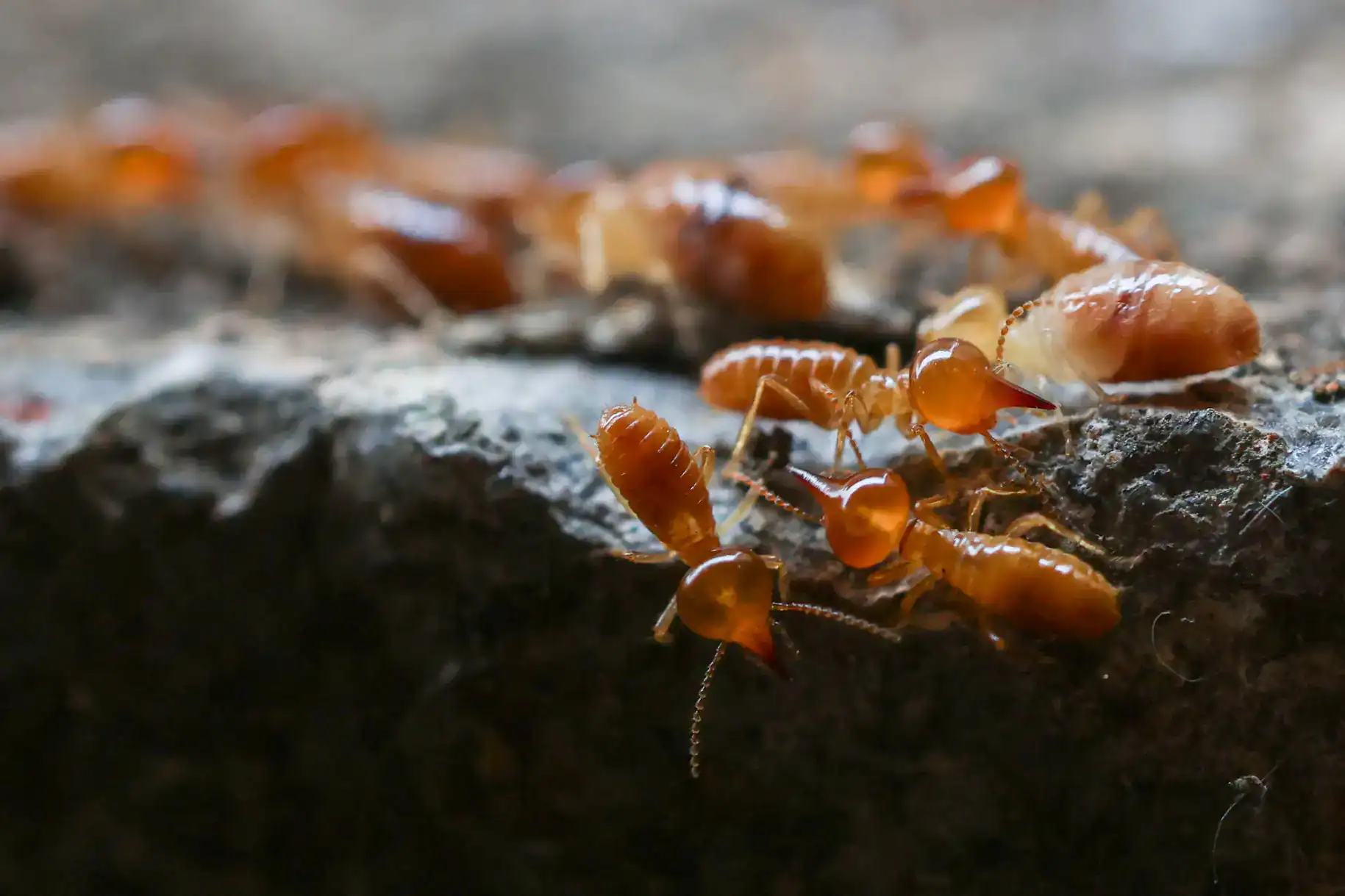
Termites don’t announce themselves. In Gramercy Park’s pre-war co-ops and brownstones buildings where original wood framing has been in place since the 1840s and 1880s a colony can feed continuously for years before you notice a single sign. By the time you see swarmers near a window or tap a floor joist that sounds hollow, the infestation has almost certainly been active for a long time.
What’s at stake here isn’t abstract. Gramercy Park condos regularly trade above $1.4 million. Homes with a documented history of termite damage lose an estimated 20% of their market value and in this neighborhood, that’s a six-figure loss. Termite damage is almost never covered by homeowner’s insurance, which means the full cost of repairs falls directly on you.
The other thing worth knowing: Gramercy Park sits on what the Dutch called the *Krom Moerasje* “little crooked swamp.” That historically moist, low-lying soil is exactly what Eastern Subterranean Termites need to survive. The neighborhood’s building age and soil conditions together create a termite risk environment that most residents don’t think about until there’s already a problem. Early inspection and treatment isn’t an overreaction it’s the most cost-effective decision you can make for a property like this.
We were founded in 1971 by Richard Kourbage Sr. and have been family-owned and operated ever since. Richard Jr. and Charles Kourbage joined the business in the late 1980s, and we’ve served all five boroughs including Manhattan continuously for over five decades. That’s not a marketing line. It means when something goes wrong, there’s a family name attached to it.
Our staff collectively brings more than 100 years of combined pest control experience to every job. That depth matters in a neighborhood like Gramercy Park, where treating a termite infestation in a landmark co-op building from 1883 is a fundamentally different challenge than treating a post-war suburban home. We hold an A+ BBB rating accredited since 1989 and apply only New York State DEC registered materials on every job.
If you’re managing a unit near Stuyvesant Square, dealing with a co-op board on Gramercy Park East, or handling a pre-sale inspection on Irving Place, you need a company that understands Manhattan’s building stock and the regulatory environment that comes with it. That’s exactly what we bring.
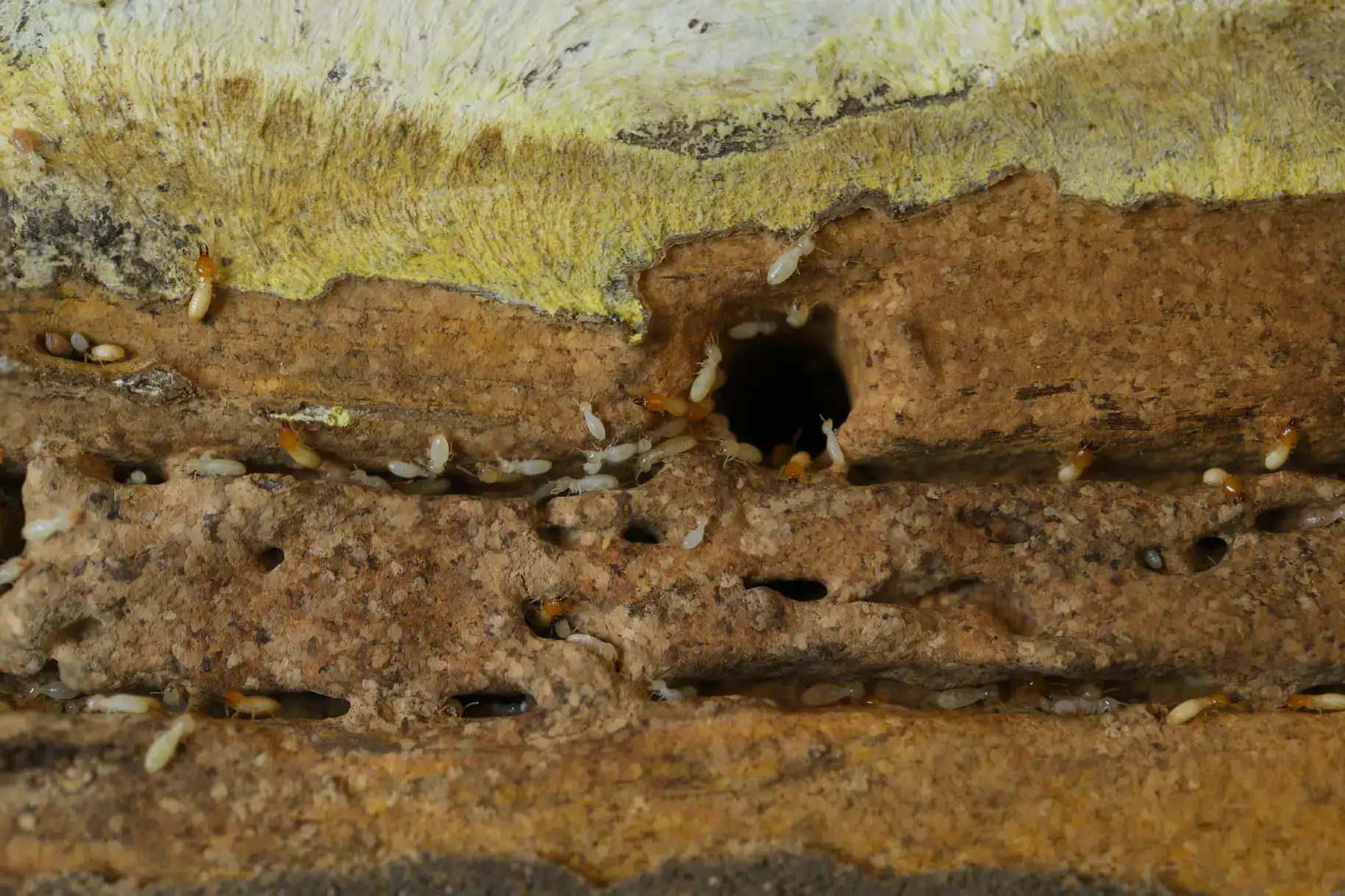
It starts with a thorough inspection. One of our licensed technicians goes through the areas where Eastern Subterranean Termites are most likely to gain access basement walls, foundation contact points, sill plates, floor joists, and utility penetrations. In Gramercy Park’s older buildings, those access points are numerous. A structure built in 1883 has had over 140 years to develop the cracks, gaps, and wood-to-soil contact that termites exploit. The inspection is methodical, not rushed.
If we find an active infestation or evidence of prior damage, you’ll get a clear explanation of what was found and where not technical jargon, just a straightforward account of the situation. From there, treatment typically involves a termite baiting system designed to eliminate the colony at its source. That’s important in a multi-unit building: treating only the visible termites in one unit doesn’t address the underground colony feeding the entire structure. The baiting approach targets the population responsible for the damage, not just the symptoms.
In New York City, all commercial pest control applicators must hold NYS DEC certification Category 7C specifically covers termite and Wood Destroying Organism control. Our technicians are fully licensed, and every treatment is documented with written records. If your co-op board, lender, or property manager requires a formal WDO inspection report, we provide that documentation in a format they’ll accept. Spring is peak swarm season in Manhattan, so if you’re seeing winged insects near your windows between March and May, don’t wait to call.
Ready to get started?
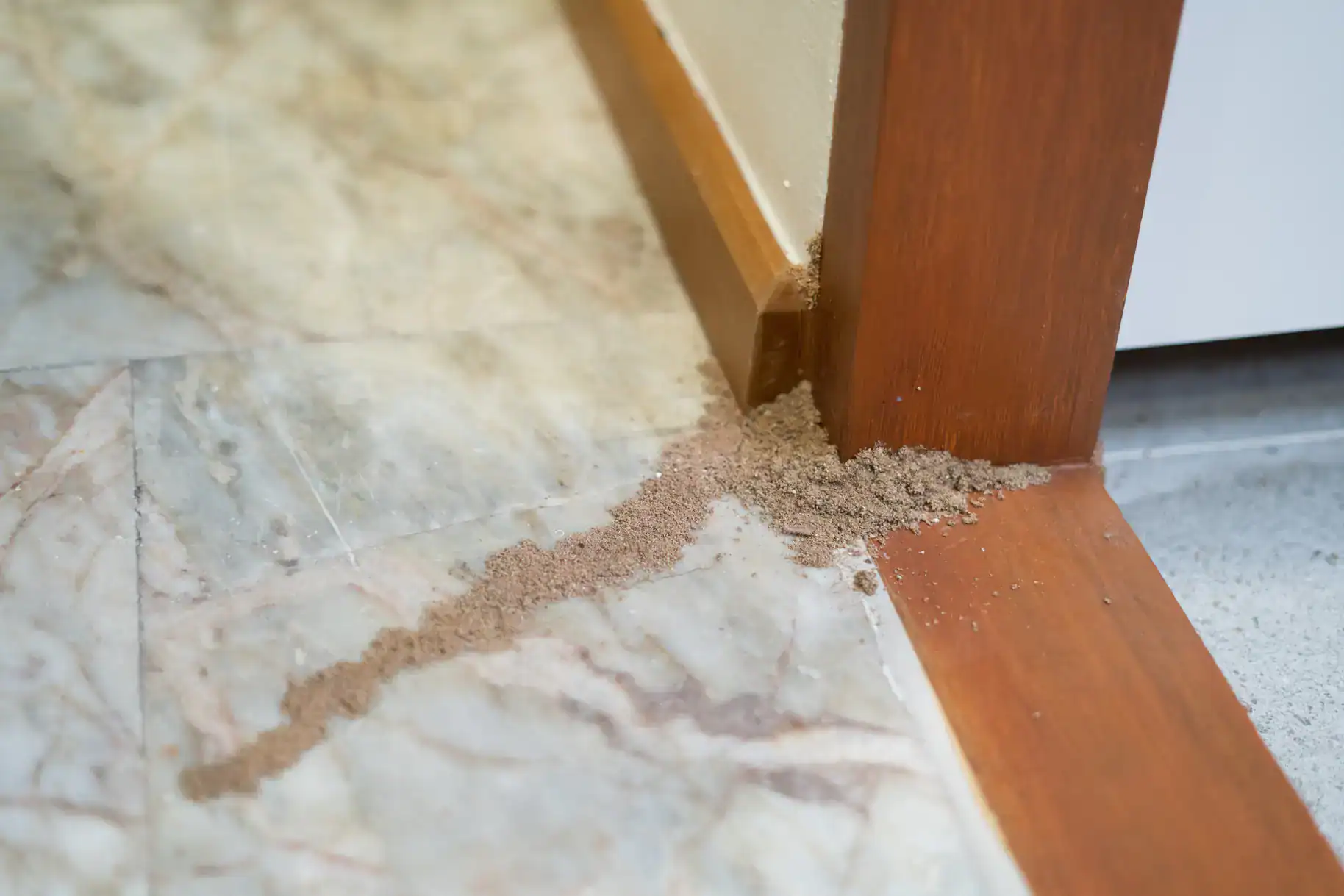
Every termite job starts with a licensed inspection not a sales pitch, an actual inspection. Our technician looks for mud tubes, frass, damaged wood, swarm evidence, and foundation vulnerabilities specific to your building type. In Gramercy Park, that means understanding the difference between a 19th-century brownstone foundation and a mid-century co-op structure, because how termites enter and move through each one is different.
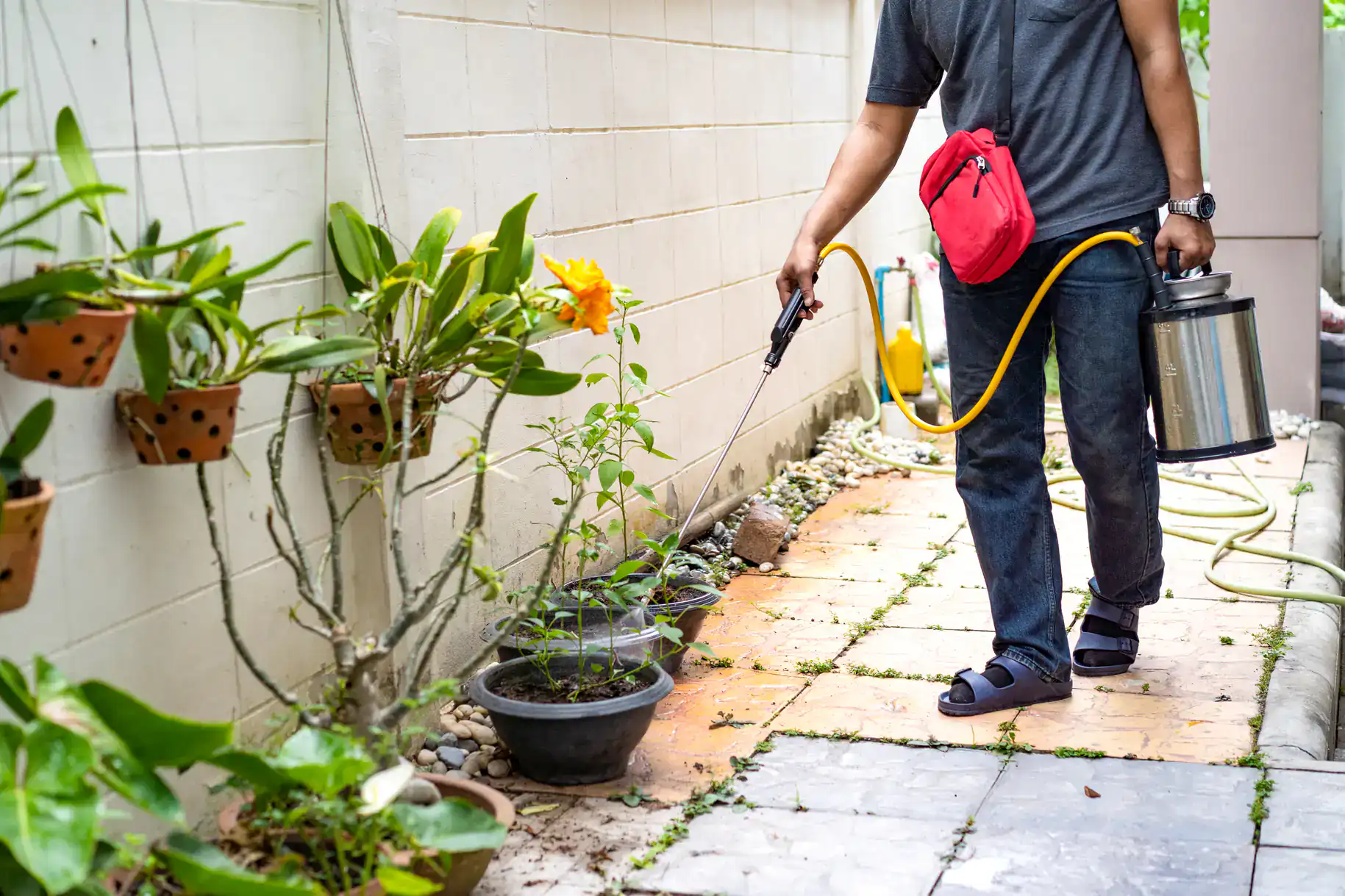
Treatment is selected based on what’s actually found. For active subterranean termite infestations, we use baiting systems that work at the colony level placing bait stations where foraging workers will find them, carry the bait back to the colony, and eliminate the population from the inside out. Liquid barrier treatments may also be used depending on the foundation type and access conditions. Both approaches are applied using NYS DEC registered materials, which matters if you’re in a shared building where neighboring units and common areas need to be considered.
After treatment, you receive written documentation of what was found, what was applied, and what to monitor going forward. For properties in the Gramercy Park Historic District, where structural repairs to landmark buildings require Landmarks Preservation Commission approval, catching and treating an infestation before it causes structural damage is especially critical. We also offer free estimates and can typically schedule an appointment within two business days with same-day inspections available when the situation calls for it.
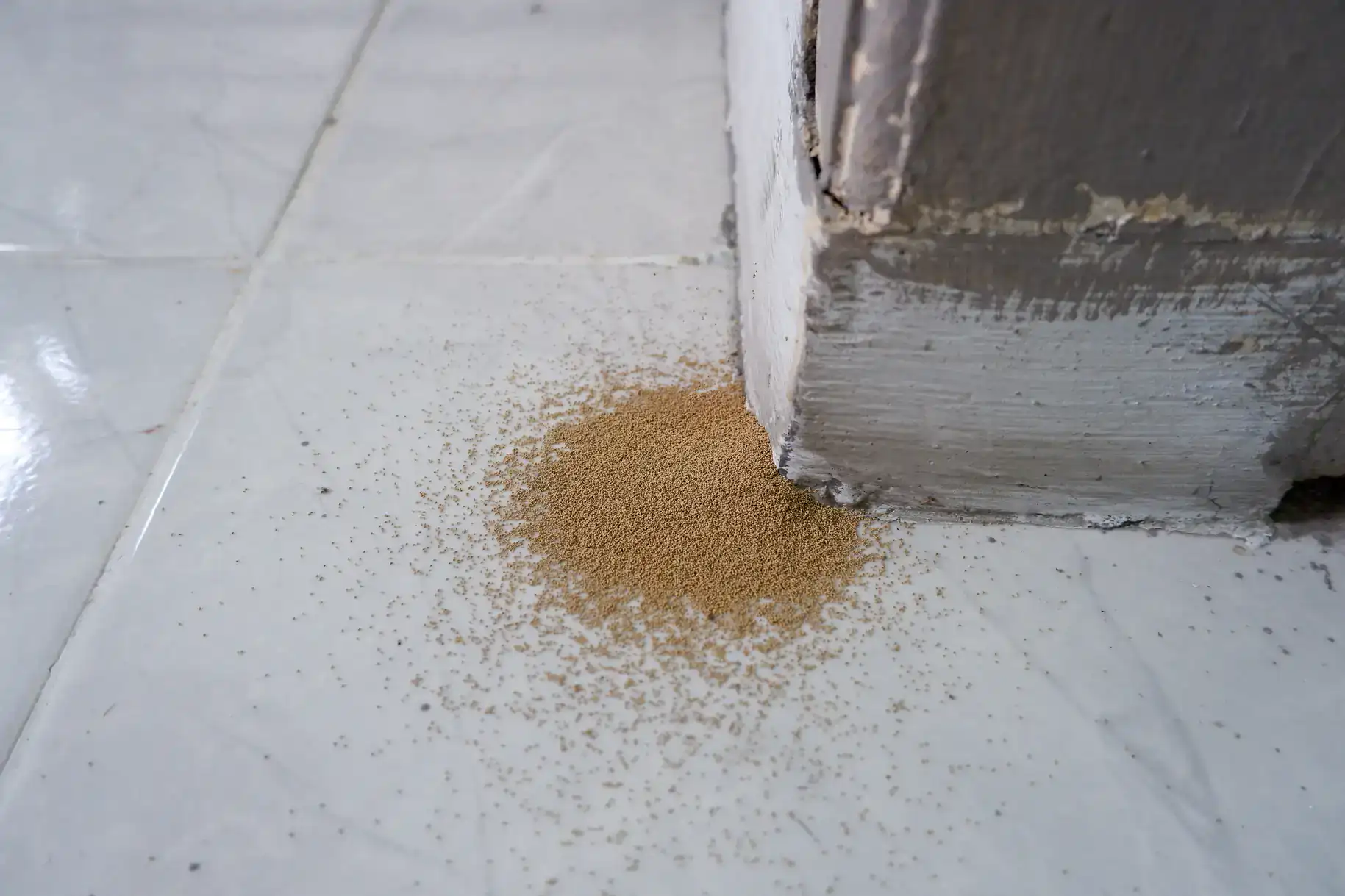
This depends on your building’s proprietary lease and pest management policy, and it’s one of the most common points of confusion for co-op shareholders in Gramercy Park. Generally speaking, the co-op board is responsible for the building’s structural systems foundation, common areas, and shared structural elements while individual shareholders may be responsible for conditions within their own units. But because Eastern Subterranean Termites nest underground and feed through the building’s structural system, the infestation itself is almost always a building-wide issue, not a unit-level one.
Under NYC Local Law 55, property owners are legally required to keep buildings free of pests and to address the structural conditions that allow pest entry. That obligation sits with the building’s ownership meaning the co-op board. If you’ve found signs of termites in your unit, the right move is to document what you’ve found and notify your board or property manager in writing. We can provide a formal inspection report that gives the board the documentation they need to take action. If you’re a board member trying to get ahead of a potential problem, a building-wide inspection is a reasonable and defensible step.
It’s a genuinely easy mistake to make, and it happens every spring in Manhattan when termite swarmers emerge from established colonies. Both termites and flying ants have wings and appear in similar environments, but there are a few reliable ways to tell them apart. Termite swarmers have straight antennae, a thick waist with no pinch, and two sets of wings that are equal in length. Flying ants have elbowed antennae, a clearly pinched waist, and front wings that are noticeably longer than the rear wings.
The other thing to pay attention to is where you’re seeing them and when. In Gramercy Park, termite swarm season peaks between March and May, typically following a warm day with rain. If you’re seeing winged insects emerging from a wall, baseboard, or window frame especially in a basement or ground-floor unit that’s a more serious indicator than finding a few flying insects near an outdoor light. Finding discarded wings on a windowsill is another common sign, since swarmers shed their wings shortly after emerging. If you’re not sure, the safest move is to collect a sample in a sealed bag and have it identified by a licensed technician before assuming it’s harmless.
The short answer is yes not in the way that bed bugs move between units, but in a way that’s arguably more serious. Eastern Subterranean Termites don’t travel unit to unit through walls. They operate from an underground colony that can extend beneath an entire building’s footprint. As the colony grows, its foraging workers build mud tubes through foundation cracks, utility penetrations, and structural gaps to reach wood food sources anywhere in the building multiple floors, multiple units, structural framing throughout.
In a pre-war co-op building in Gramercy Park where the foundation may date to the late 1800s and wood structural elements are present throughout a single underground colony can be feeding in several locations simultaneously without any single resident being aware of the full scope. This is exactly why colony-level treatment matters more than spot treatment. Eliminating termites visible in one unit doesn’t address the colony feeding the infestation. Our baiting approach is designed to eliminate the underground population responsible for the damage, which is the only way to actually resolve the problem in a shared building rather than temporarily suppress it.
Not always required, but increasingly expected and in some transactions, it’s mandatory. If the purchase involves FHA or VA financing, the lender will require a Wood Destroying Organism (WDO) inspection report before closing. Even in conventional transactions, buyers and their attorneys in a market like Gramercy Park where units regularly trade above $1 million are conducting more thorough due diligence than they might in lower-stakes markets, and a termite inspection is a reasonable part of that process.
For co-op transactions specifically, the board approval process can also surface pest-related requirements. Some Gramercy Park co-op boards require documentation of pest-free status as part of their review, particularly for older buildings where structural integrity is a shared concern for all shareholders. On the seller’s side, having a current inspection report especially one that shows no active infestation can remove a potential point of negotiation or delay. We provide written inspection documentation suitable for lender review, co-op board submission, or buyer due diligence, and can typically schedule inspections quickly enough to work within a transaction timeline.
The cost of professional termite treatment in Manhattan varies depending on the size of the structure, the severity of the infestation, and the treatment method used. For a typical residential unit or single-family brownstone in Gramercy Park, treatment costs generally range from a few hundred dollars for a contained situation to several thousand for a more extensive infestation requiring full colony elimination and follow-up monitoring. Building-wide treatment for a multi-unit co-op is scoped differently and priced accordingly.
Here’s the comparison that matters: the average cost of structural termite damage repair nationally is around $3,000, and in Manhattan where construction labor and materials run significantly higher than national averages that number climbs considerably. A compromised floor joist or sill plate in a landmark brownstone on Gramercy Park East isn’t a straightforward repair; it may require Landmarks Preservation Commission review and specialized contractors. Beyond repair costs, properties with a documented termite history see an estimated 20% reduction in market value. In a neighborhood where median condo prices exceed $1.4 million, that’s a potential loss of $280,000 or more. The cost of treatment is a fraction of that exposure. We provide free estimates so you know exactly what you’re looking at before committing to anything.
This is one of the most common questions from Manhattan residents, and it’s a fair one. Gramercy Park doesn’t look like termite country there’s no exposed soil around most buildings, no obvious wood-to-ground contact, and the streetscape is mostly concrete and brick. But Eastern Subterranean Termites don’t need visible soil access. They need a path, and in a neighborhood built on reclaimed swampland with 19th-century foundations, there are plenty of them.
Termites build mud tubes narrow tunnels made of soil, saliva, and waste that they use to travel from their underground colony to wood food sources while staying protected from open air. These tubes can run through foundation cracks as small as 1/32 of an inch, through gaps around utility pipes entering the building, through expansion joints in concrete slabs, and through any point where the foundation meets the structure. In a building from the 1880s, those access points are abundant and often invisible without a trained inspection. Gramercy Park’s historically moist, low-lying soil the neighborhood sits on what was once a marshy wetland also means the underground moisture conditions that termites require are present beneath the concrete, even where the surface looks completely sealed. A licensed inspection is the only reliable way to know whether those access points have been found and used.
Useful Links