
Hear from Our Customers
You stop finding them in the kitchen at midnight. You stop wondering if the unit next door is the real source. You stop second-guessing every crack in the baseboard or gap behind the stove. That’s what a real cockroach treatment looks like not just a spray and a handshake, but an actual resolution.
In Gramercy Park specifically, that resolution requires more than one visit and more than one method. The neighborhood’s pre-war co-ops and 19th-century brownstones were built long before pest exclusion was part of any construction standard. Shared pipe chases, original masonry walls, and decades-old plumbing infrastructure create direct pathways between units. When one apartment has a cockroach problem, the building usually has one too it just hasn’t shown up everywhere yet. Treating only your unit without addressing those entry points is the reason so many Gramercy Park residents call a second exterminator.
The restaurant density along Park Avenue South and Irving Place adds another layer. Food service operations generate the warmth, moisture, and waste that cockroaches follow and that pressure doesn’t stop at the property line. If you live within a few blocks of that commercial corridor, you’re dealing with external pressure that never fully goes away on its own. The right cockroach control approach in Gramercy Park accounts for that reality and builds a plan around it.
We’re a family-owned business founded by Richard Kourbage Sr. and have been operating continuously across New York City since the early 1980s. Richard Kourbage Jr. joined in 1987, and we’ve built our entire reputation on repeat business, word of mouth, and a track record that holds up under scrutiny. That’s not a tagline it’s just what 50-plus years in one market looks like.
Every technician we employ is certified by the New York State Department of Environmental Conservation, and every material we apply is NYS DEC registered. We carry an A+ rating with the Better Business Bureau of New York State and are fully licensed, bonded, and insured. These aren’t just credentials to list they’re the legal and professional standard for operating in New York, and not every exterminator you’ll find online actually meets them.
We serve all five boroughs, including Manhattan. The pre-war co-ops and brownstones that define Gramercy Park some dating back to 1883 are exactly the kind of buildings our team has been working in for decades. That familiarity matters when you’re trying to find where the problem is actually coming from, and it’s why Gramercy Park residents and co-op boards call us when the standard approaches haven’t worked.
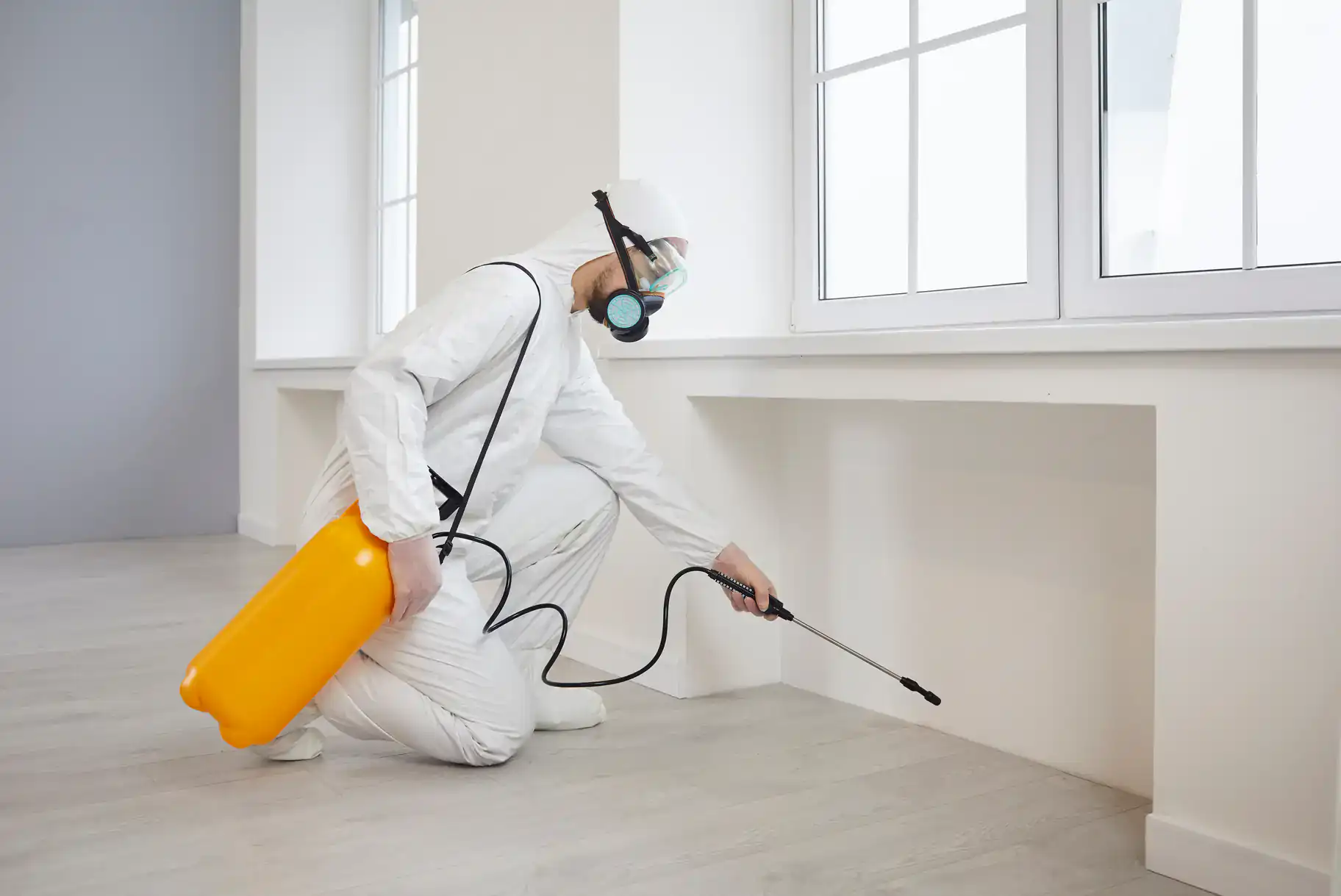
It starts with an inspection not a formality, but an actual assessment of where cockroaches are active, where they’re hiding, and how they’re moving through the space. In Gramercy Park’s older buildings, that means looking behind appliances, inside cabinet voids, around pipe penetrations, and along the wall-to-floor junctions where original baseboards meet original tile. These are the harborage zones that a quick spray will never reach.
From there, we build the treatment around what the inspection finds. German cockroaches the small ones concentrated in kitchens and bathrooms are treated with targeted gel bait applications and insect growth regulators placed directly in the harborage zones. American cockroaches, the larger ones Gramercy Park residents often call waterbugs, typically enter through sewer connections and floor drains, especially during heavy rain. We address those entry points separately. The treatment plan reflects the species, the building type, and the specific pressure sources not a one-size approach.
Because cockroach eggs are resistant to pesticide applications, a single treatment won’t eliminate the full cycle. New York State law also requires 48-hour advance notice to residents before applications in multi-unit buildings, so timing is built into the process from the start. We schedule follow-up visits to catch newly hatched nymphs, confirm the infestation has been resolved, and make sure nothing is re-entering from adjacent units or common areas. That’s the standard not an upsell.
Ready to get started?
We offer cockroach pest control in Gramercy Park for both residential and commercial needs, and our approach differs meaningfully between them. For residents in co-ops, brownstone apartments, and rental units, we focus on identifying the infestation source, treating the active harborage zones, sealing or flagging entry points, and establishing a follow-up schedule that accounts for the egg cycle and any re-entry risk from shared building infrastructure.
For commercial clients restaurants, food service operations, and retail tenants along Park Avenue South, Irving Place, and the surrounding blocks there’s a compliance dimension that goes beyond pest elimination. NYC Health Code Section 81.23 requires food service establishments to contract with a NYS DEC-licensed pest management professional and maintain records of the exterminator’s license number, services performed, and contract dates. A cockroach sighting during a Department of Health inspection can mean a grade downgrade or a public violation. Our technicians are fully DEC-licensed and understand exactly what DOH compliance documentation looks like.
For building owners, property managers, and co-op boards dealing with a building-wide issue, we also offer ongoing maintenance schedules weekly, monthly, and every-other-month options designed to keep infestations from re-establishing after the initial treatment. We’re also authorized to issue Demolition Clearance Certificates to the NYC Department of Health, which speaks to the level of regulatory credibility we bring to institutional and property management relationships.
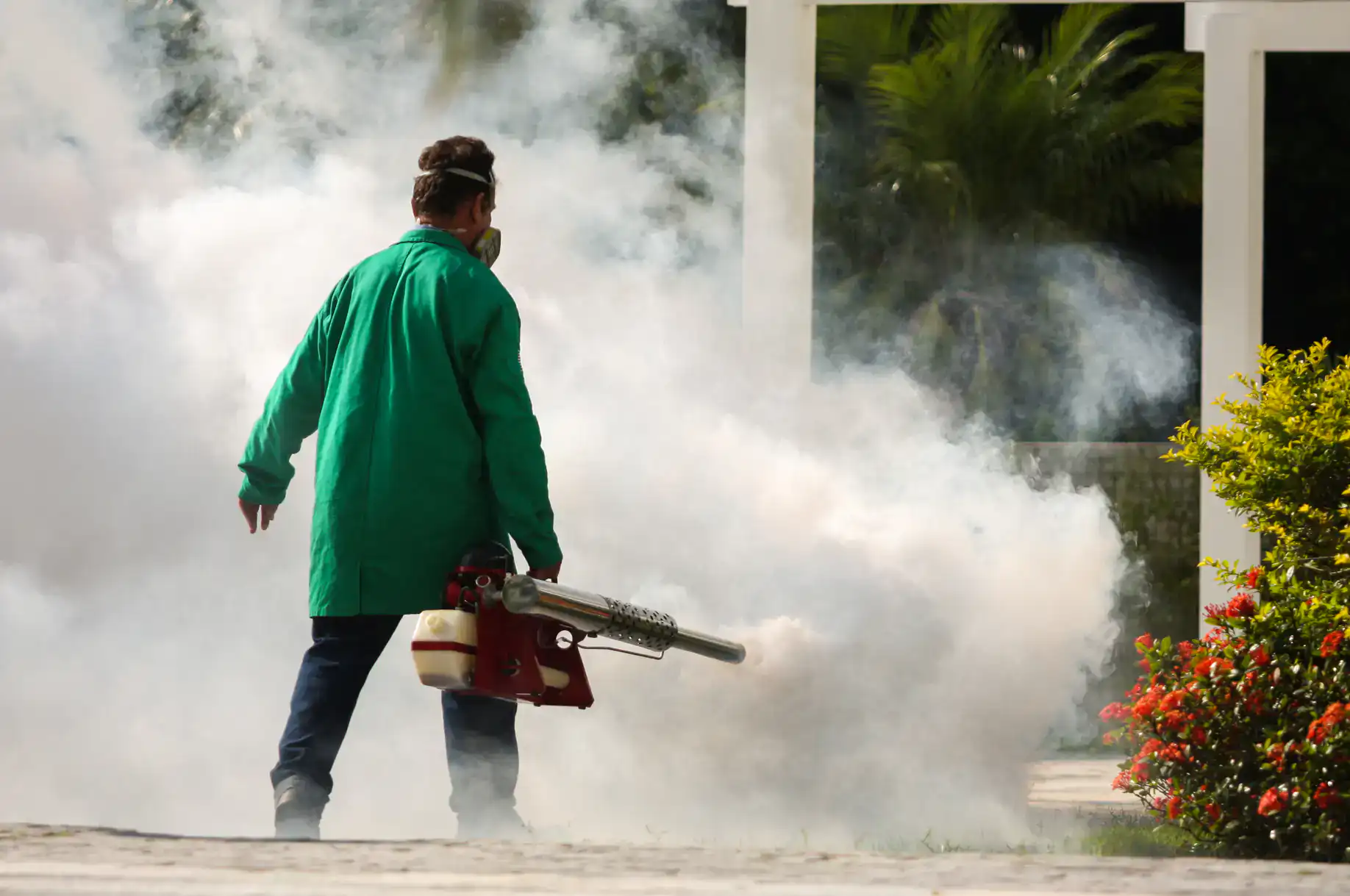
This is one of the most common frustrations in Gramercy Park’s pre-war buildings, and the answer almost always comes back to the building’s shared infrastructure. Cockroaches in older co-ops and brownstones don’t stay in one unit they move through pipe chases, gaps in original masonry, electrical conduit runs, and the spaces between original hardwood floors and baseboards. If only your unit was treated and the entry points weren’t addressed, the population you eliminated simply gets replaced by cockroaches migrating from adjacent units or common areas.
The other factor is the egg cycle. Cockroach egg cases called ootheca are resistant to most pesticide applications. Even a thorough treatment won’t kill eggs that have already been laid. Those eggs hatch two to four weeks later, which is why a single visit almost never resolves a German cockroach infestation completely. A proper treatment plan includes follow-up visits timed to catch the newly hatched population before it re-establishes.
It matters a lot, because the treatment approach is completely different. German cockroaches are the small, fast ones typically a half-inch to five-eighths of an inch long found concentrated in kitchens and bathrooms near food and moisture. They reproduce quickly, stay close to their harborage zones, and are best treated with targeted gel bait and insect growth regulators placed directly in the areas where they hide. Spraying the open surfaces of a room does almost nothing for a German cockroach infestation.
American cockroaches what most New Yorkers call waterbugs are much larger and behave differently. They typically live in sewer systems and enter buildings through floor drains, pipe penetrations, and utility access points, especially during heavy rain events. Gramercy Park’s aging combined sewer infrastructure and its proximity to the East River waterfront corridor means waterbug pressure is a year-round reality, not just a summer problem. These two species require different strategies, and a provider who applies the same treatment to both will underperform on both.
Yes and in Gramercy Park’s older building stock, it happens regularly. Buildings constructed in the 19th and early 20th centuries weren’t built with pest exclusion in mind. The original pipe chases that run vertically through the building, the gaps around electrical conduit, the spaces behind original tile work, and the voids inside aging cabinetry all create connected pathways between units. A cockroach infestation on the third floor can originate from activity on the first floor or in the basement and treating only the unit where you’re seeing them won’t stop the source.
This is why building-level thinking matters. If you’re in a co-op and your unit keeps re-infesting after treatment, the conversation needs to involve your building management or co-op board. A coordinated treatment across affected units and common areas with entry points addressed is the only approach that actually breaks the cycle. We work with both individual residents and property management teams for exactly this reason.
In New York State, commercial pesticide applicators are required to hold a Commercial Pesticide Applicator or Technician Certification issued by the NYS Department of Environmental Conservation. This isn’t a company-issued credential it requires passing DEC-administered examinations, meeting experience requirements, and completing ongoing continuing education for renewal. You can verify a license through the DEC’s online pesticide applicator registry.
Beyond the DEC certification, legitimate exterminators operating in New York City should also be able to provide proof of liability insurance and bonding. For commercial clients in Gramercy Park restaurants, retail, food service the exterminator’s DEC license number must be documented in the service records kept on premises, as required by NYC Health Code Section 81.23. If a provider can’t give you their DEC license number on request, that’s a problem. We’re fully DEC-certified, licensed, bonded, and insured, and can provide that documentation without hesitation.
The initial treatment typically takes between one and two hours for a standard apartment, depending on the size of the unit and the extent of the infestation. The time is spent on inspection, gel bait placement in harborage zones, crack-and-crevice applications around pipe penetrations and wall voids, and insect growth regulator treatment where appropriate. You’ll need to stay out of treated areas for a short period after the visit our technician will give you specific guidance based on what was applied.
Keep in mind that under New York State law, residents in multi-unit buildings must receive at least 48 hours’ advance notice before a pesticide application. If you’re in a co-op or rental building, that notice period needs to be factored into your scheduling. The full resolution process accounting for the egg cycle and any follow-up visits typically spans six to eight weeks from the initial treatment. That timeline is standard for a German cockroach infestation in a Manhattan apartment building, not a sign that something is going wrong.
Yes, and for most buildings in Gramercy Park, ongoing maintenance is the practical reality rather than an optional add-on. The neighborhood’s pre-war infrastructure, the restaurant and food service density along Park Avenue South and Irving Place, and the proximity to Stuyvesant Town’s large residential complex all create sustained cockroach pressure that doesn’t disappear after a single treatment cycle. Once the infestation is resolved, a maintenance schedule helps ensure it stays that way.
We offer maintenance visits on weekly, monthly, and every-other-month schedules depending on the property type and pressure level. For co-op boards and property management companies overseeing multiple units, a building-level maintenance program is the most cost-effective way to stay ahead of re-infestation and keep the property in compliance with NYC Housing Maintenance Code requirements which legally obligate building owners to maintain pest-free conditions in apartments and common areas. For senior residents, we also offer a senior discount. Reach out directly to discuss what schedule makes sense for your building.
Useful Links
Other Services we provide in Gramercy Park