Hear from Our Customers
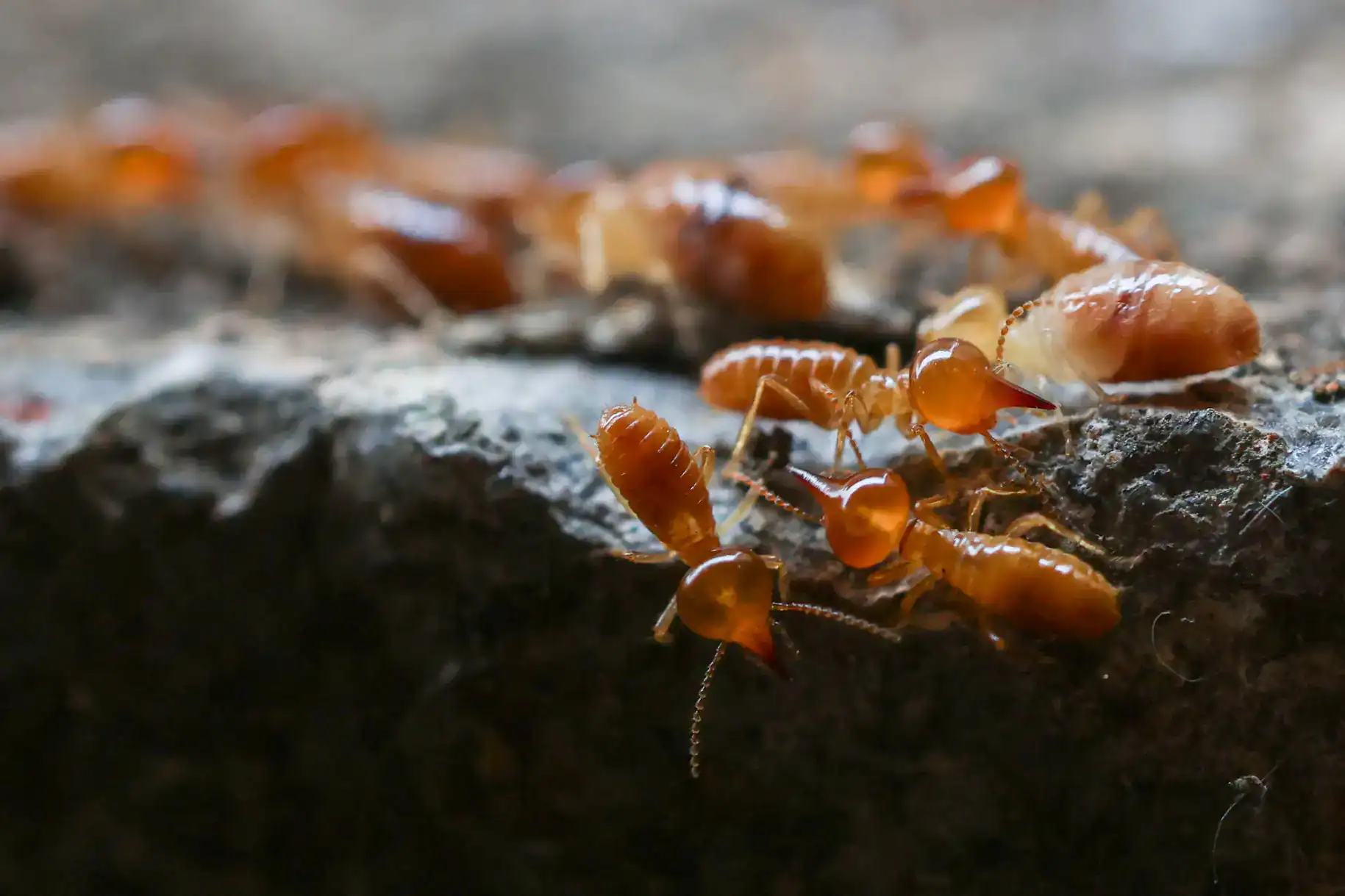
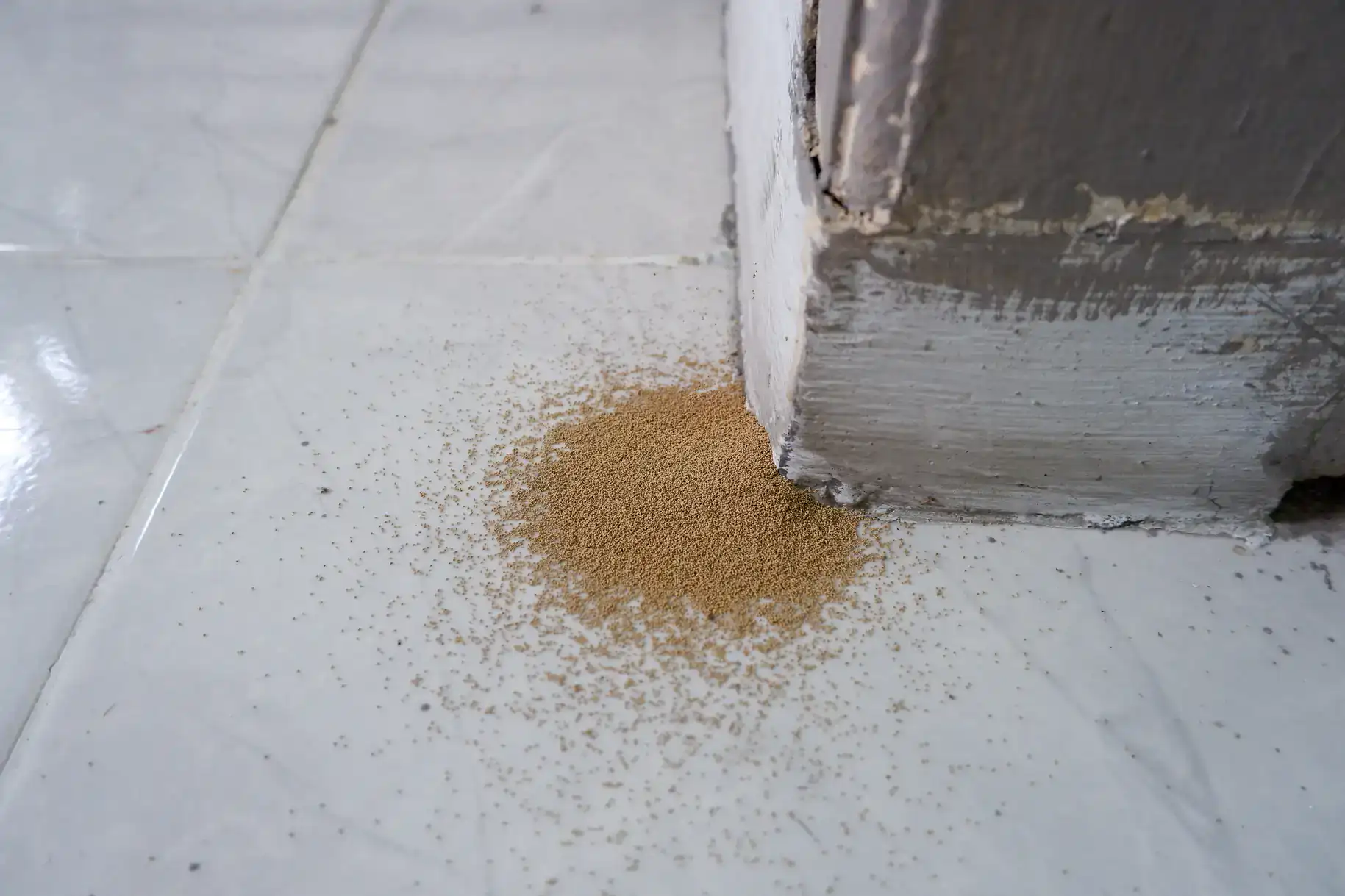
Homes in South Ozone Park are selling at a median price around $775,000. That’s not just a house that’s decades of work, sacrifice, and family investment sitting in that foundation. Termites don’t care about any of that. Eastern Subterranean Termites feed around the clock, and a colony can be active for five or more years before you see a single sign of damage. By then, the sill plates, floor joists, and subfloor framing in your basement may already be compromised.
South Ozone Park’s low-lying geography is part of the problem. The neighborhood sits in one of the lowest-elevation pockets of southwestern Queens, bordered by the Belt Parkway and close to the Jamaica Bay watershed. That means the soil under and around your home holds moisture longer than higher-elevation neighborhoods and moist soil is exactly where subterranean termites nest, travel, and thrive. The post-WWII rowhouses and brick two-stories that define this neighborhood were built before modern termite-resistant construction standards, which makes them especially vulnerable.
Getting ahead of a termite infestation doesn’t just protect the structure it protects what the home is worth. Properties with a history of termite damage can lose close to 20% of their market value. That’s a potential $150,000 loss on a home in this market. A professional termite treatment is a fraction of that and it’s the kind of decision that pays for itself many times over.
We were founded in 1971 by Richard Kourbage Sr. His sons Richard Jr. and Charles now run the company. That’s over 50 years of the same family name on every job in South Ozone Park and the surrounding Queens neighborhoods and Charles personally responds to customer reviews, which tells you something about how seriously we take accountability. This isn’t a franchise operation dispatching technicians from a call center. It’s a family business where the people answering the phone are the same people responsible for the work.
We hold a BBB A+ rating with accreditation dating back to 1989, and every treatment we perform uses only New York State Department of Environmental Conservation registered materials something that matters in a neighborhood like South Ozone Park, where multigenerational households, young children, and elderly family members are often under the same roof. Our staff brings over 100 years of combined pest control experience to the table, and we’ve been treating the same types of attached rowhouses and brick two-stories found throughout South Ozone Park and the surrounding Queens communities for decades.
It starts with a call and we answer 24 hours a day, 7 days a week. Whether you found swarmers in your basement on a Sunday morning or noticed mud tubes along your foundation during a renovation, you don’t have to wait until Monday to get someone on the phone. Appointments are guaranteed within two business days, and same-day inspections are frequently available.
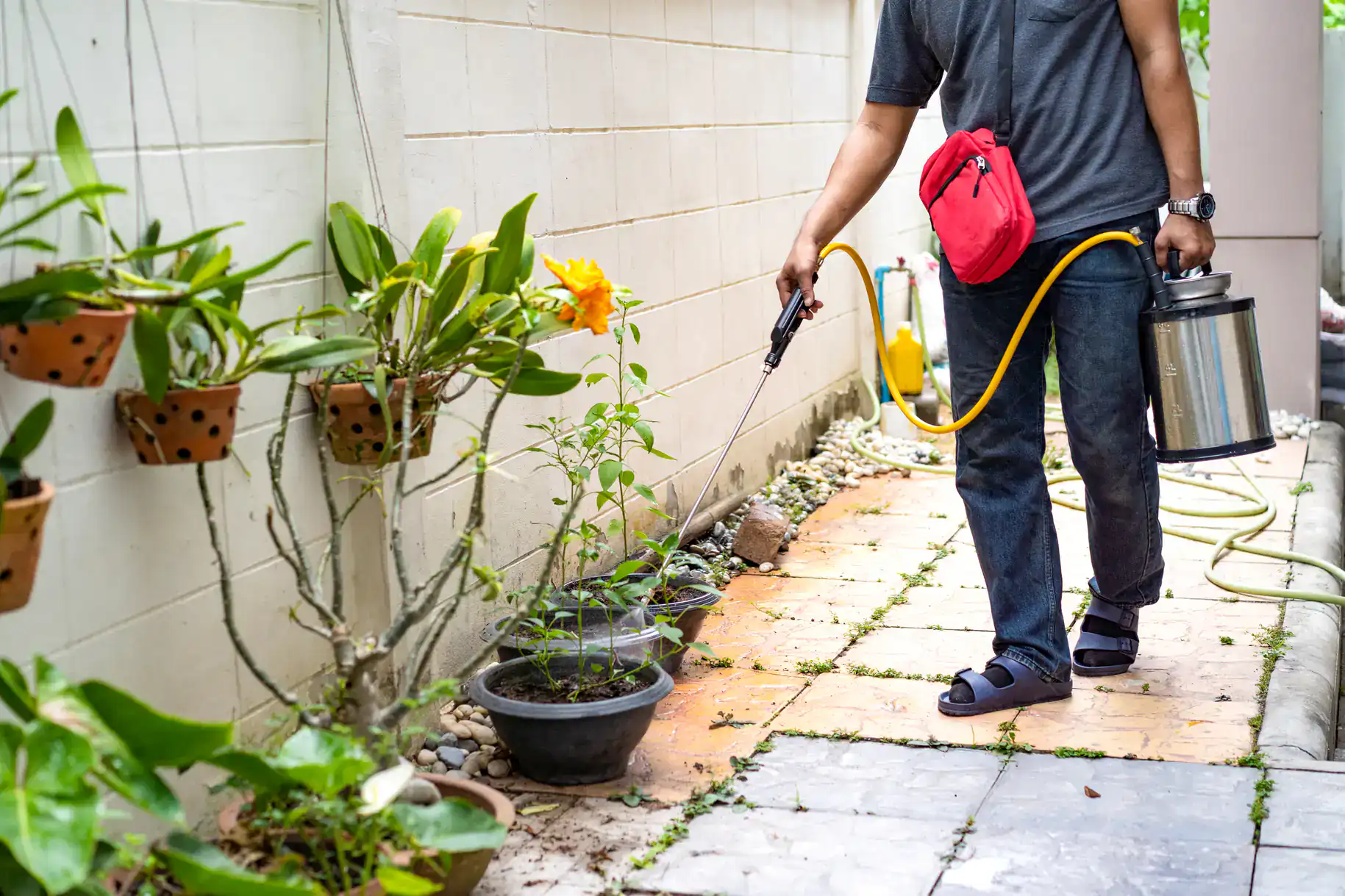
When one of our technicians arrives at your South Ozone Park home, the inspection covers the areas where subterranean termites are most likely to enter and operate foundation walls, basement sill plates, floor joists, crawlspaces, and any wood-to-soil contact points. In the attached rowhouses and brick two-stories common throughout this neighborhood, those contact points are often in the basement or along the perimeter foundation, where older masonry has had decades to develop the hairline cracks termites use as entry points. The technician documents what they find and walks you through it clearly no jargon, no pressure, just a straight explanation of what’s there and what needs to happen.
If treatment is needed, we outline your options which may include termite baiting systems, subterranean termite eradication treatments, or a combination depending on the severity and location of the infestation. Spring is the peak season for termite swarmer activity in Queens, so if you’re calling between March and May after a warm, rainy stretch, you’re not alone and getting an inspection scheduled quickly is the right move.
Ready to get started?
Our termite services cover the full range of what South Ozone Park homeowners actually need. That includes termite identification and inspection, subterranean termite eradication, termite baiting systems, treatment for carpenter ants and wood-boring beetles, and Wood Destroying Organism (WDO) inspections for real estate transactions. If you’re buying or selling a home in South Ozone Park where dozens of properties change hands each season at prices close to $775,000 a WDO inspection with proper written documentation is often required for FHA or VA mortgage approval. We provide that documentation, and with same-day availability, a pending transaction doesn’t have to stall waiting on an inspection report.
For active infestations, the termite baiting system is one of the most effective long-term approaches for the soil conditions found in this part of Queens. Bait stations are installed around the perimeter of your property, where foraging worker termites find the bait and carry it back to the colony underground. This eliminates the source not just the termites you can see. It’s especially relevant in South Ozone Park, where the moisture-retentive, low-lying soil creates ideal conditions for large, established subterranean colonies.
All treatments we perform use only NYS DEC registered materials, which means they’ve been reviewed and approved under New York State’s regulatory framework. We also handle NYC Department of Health pest citation resolution a service most exterminators don’t offer, and one that matters for South Ozone Park property owners with two-family homes or rental units who face legal obligations under NYC Local Law 55.
Yes and the neighborhood’s specific conditions make it more vulnerable than many people realize. South Ozone Park sits in a low-lying section of southwestern Queens, where the soil holds moisture longer than upland neighborhoods like Forest Hills or Bayside. Eastern Subterranean Termites the dominant species in New York City need moist soil to nest and travel, and the ground in this part of Queens gives them exactly that. Add in the neighborhood’s housing stock, which is predominantly post-WWII attached rowhouses and brick two-stories built before modern termite-resistant construction standards, and you have a combination of soil conditions and building vulnerabilities that termites are well-suited to exploit.
The other factor is age. Most homes in South Ozone Park are 60 to 80 years old. The wood framing, basement sill plates, and floor joists in these structures have had decades to absorb moisture and develop the conditions that attract termite activity. Many homeowners discover infestations during basement renovations not because the problem just started, but because termites had been active for years without any visible sign above the surface.
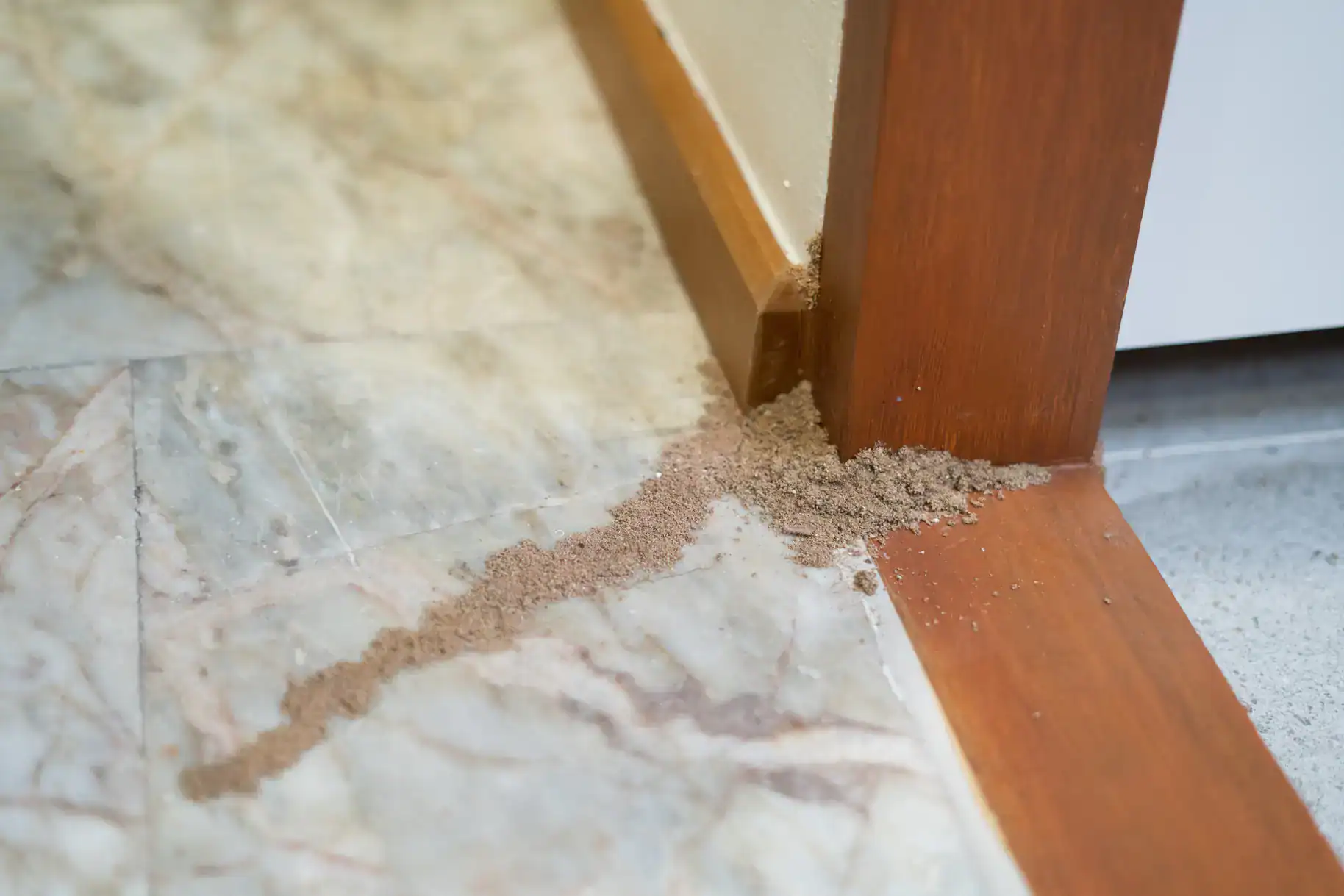
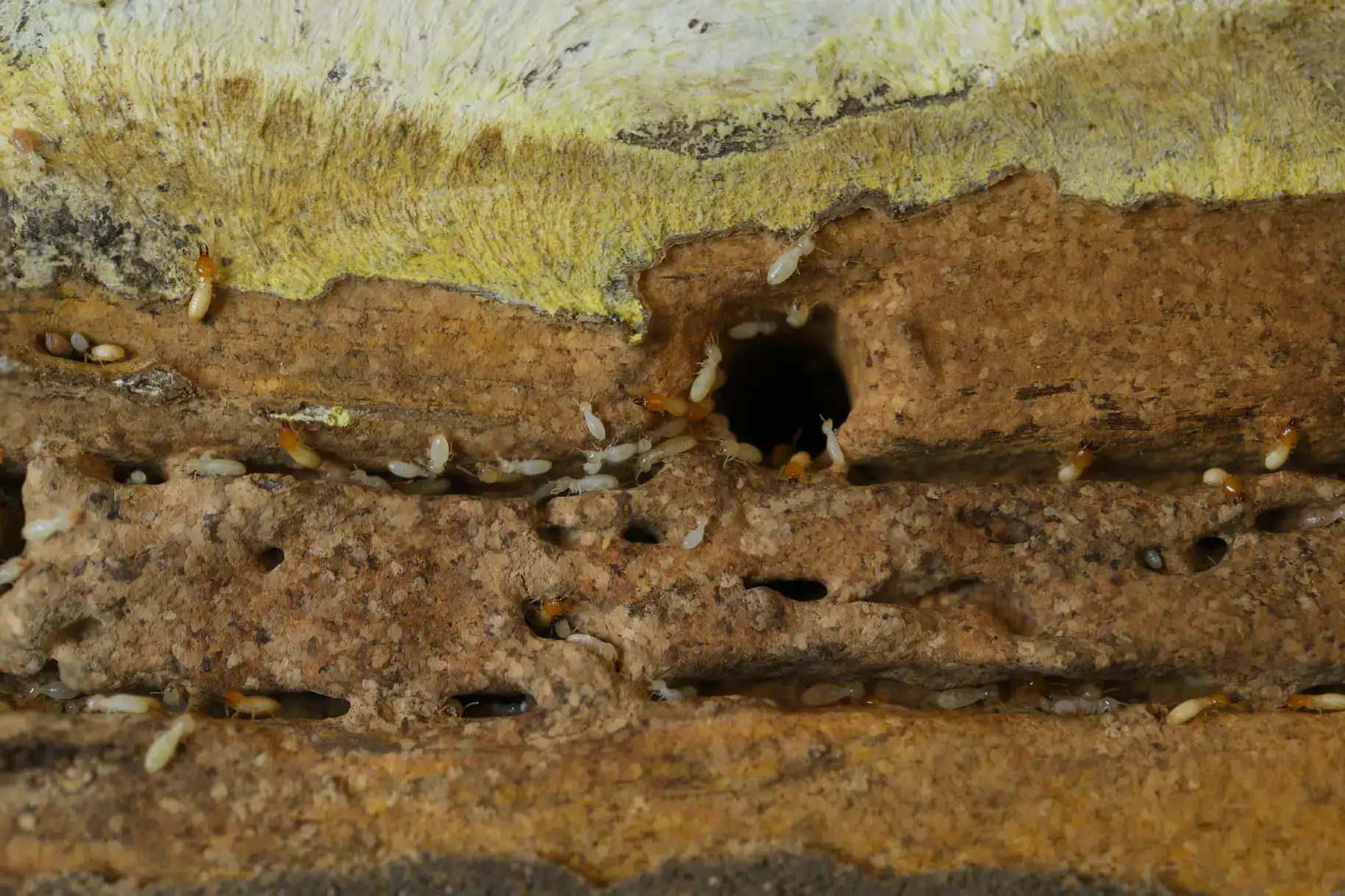
A termite inspection from us covers the areas where subterranean termites are most likely to enter and operate in a South Ozone Park rowhouse or brick two-story which means the basement, foundation walls, sill plates, floor joists, crawlspaces, and any area where wood comes close to or contacts soil. Our technician looks for mud tubes, which are the pencil-thin tunnels termites build to travel between the soil and the wood they’re feeding on, as well as hollow-sounding wood, frass, and any structural damage consistent with termite feeding.
In South Ozone Park’s older housing stock, the foundation perimeter is often the first place to check. Older masonry foundations develop hairline cracks over time, and subterranean termites can enter through gaps as small as 1/32 of an inch. After the inspection, the technician walks you through their findings in plain language what they found, where it is, how serious it appears, and what your options are. If you need written documentation for a real estate transaction, that’s provided as well.
Both approaches can be effective, but they work differently and suit different situations. A liquid termiticide treatment involves applying a chemical barrier to the soil around and beneath your foundation, which kills or repels termites that try to pass through it. It’s a direct, fast-acting approach that works well when there’s an active infestation that needs to be addressed quickly. The limitation is that it targets termites at the point of entry it doesn’t necessarily eliminate the colony underground.
A termite baiting system takes a different approach. Bait stations are installed around the perimeter of your property, where foraging worker termites find the bait and carry it back to the colony. Over time, the bait spreads through the colony and eliminates it at the source. For South Ozone Park homes, where moist, low-lying soil supports large, established subterranean colonies, baiting is often a strong long-term strategy especially for properties where liquid treatment application around an older foundation may be more complex. We’ll assess your specific situation and explain which approach makes the most sense for your home.
The cost of termite treatment in South Ozone Park varies depending on the size of your home, the severity of the infestation, and the type of treatment used. A termite baiting system installation typically runs in the range of $1,000 to $2,500 for a standard single-family or attached rowhouse, while liquid termiticide treatments can range from $500 to $2,000 depending on the square footage and the complexity of the foundation perimeter. Larger infestations or homes with significant structural access challenges may fall toward the higher end.
The more important number to keep in mind is the cost of not treating. The average termite repair bill runs around $3,000, and structural repairs replacing compromised sill plates, floor joists, or support beams can reach $10,000 or more. In a neighborhood where homes are selling at a median price close to $775,000, a property with undisclosed termite damage can lose close to 20% of its market value. Homeowner insurance almost never covers termite damage because it’s classified as a preventable maintenance issue. We provide free estimates, so you know exactly what you’re looking at before any decision is made.
Termite swarm season in Queens typically runs from late March through May, peaking on warm days that follow a stretch of rain. That’s when Eastern Subterranean Termite colonies send out winged reproductive termites called swarmers or alates to establish new colonies. If you see what looks like flying ants emerging from your basement floor, your foundation, or around your window frames, there’s a strong chance you’re looking at termite swarmers, not ants. The key difference: termite swarmers have straight antennae, equal-length wings, and a thick waist, while flying ants have bent antennae, unequal wings, and a pinched waist.
Seeing swarmers inside your South Ozone Park home is a serious signal. It means there’s an established colony nearby likely in the soil beneath or adjacent to your foundation that has been active long enough to produce reproductive swarmers, which typically takes five or more years. Don’t wait to see if they go away on their own. Call us the phones are answered 24 hours a day and get an inspection scheduled as quickly as possible. The sooner the colony is identified and treated, the less structural damage you’re dealing with.
If you’re financing the purchase with an FHA or VA loan, a Wood Destroying Organism inspection is typically required before the loan can close. Even for conventional financing, many lenders, real estate attorneys, and property managers request one and given the age of South Ozone Park’s housing stock, it’s a smart move regardless of what your lender requires. Most of the homes in this neighborhood were built between the 1940s and 1970s, and older wood framing, basement structures, and foundation perimeters carry a real history of moisture exposure that creates termite risk over time.
A WDO inspection documents the presence or absence of wood-destroying organisms termites, carpenter ants, wood-boring beetles and provides the written report that lenders and attorneys need for the transaction. If an infestation is found, you have the option to negotiate repairs or treatment as part of the sale before you’re legally responsible for the property. We provide WDO inspections with full written documentation, and with same-day availability frequently on the schedule, a pending real estate transaction in South Ozone Park doesn’t have to slow down waiting on an inspection to get booked.
Useful Links