
Hear from Our Customers
The homes along the northern streets of Woodhaven the Victorians and Colonials built between 1890 and 1930, sitting within blocks of Forest Park are exactly the kind of structures that Eastern Subterranean Termites target. Aged wood framing, older foundations, wooden porch columns, and decades of settled soil around the base of the house. That’s just the reality of owning a 100-year-old home in one of the most densely built neighborhoods in Queens.
What a professional termite inspection gives you is clarity. You stop guessing whether that soft spot near the basement stairs is normal settling or something actively feeding on your floor joists. You get a written assessment of what’s there, what’s at risk, and what it actually takes to address it before a small problem becomes a structural one.
With median home values in Woodhaven sitting around $755,000 and rising, the cost of ignoring a termite infestation isn’t just a repair bill. It’s equity. It’s your ability to sell, refinance, or pass the property on without a major liability attached to it. Homeowner insurance won’t cover termite damage that’s standard across virtually every policy in New York. Professional termite treatment is one of the few things you can do now that genuinely protects what you’ve built here.
We founded Kingsway Exterminating in Brooklyn in 1971, and our family has been running it ever since. Richard Jr. and Charles joined the business in the late 1980s and brought the same standards their father established standards we still follow today, over 50 years later, across Brooklyn and Queens. Woodhaven sits directly on the Brooklyn-Queens border, and the wood-frame Victorian homes on your streets are the same construction profile we’ve been treating on the Brooklyn side for decades.
Our team brings more than 100 years of combined pest control experience to every job, and every material we apply is registered with the New York State Department of Environmental Conservation. We’ve held BBB accreditation since 1989 not because it’s a badge to display, but because 35 years of third-party accountability means something when you’re letting someone into your home. When our name is on the work, that’s not a formality. It’s a commitment.
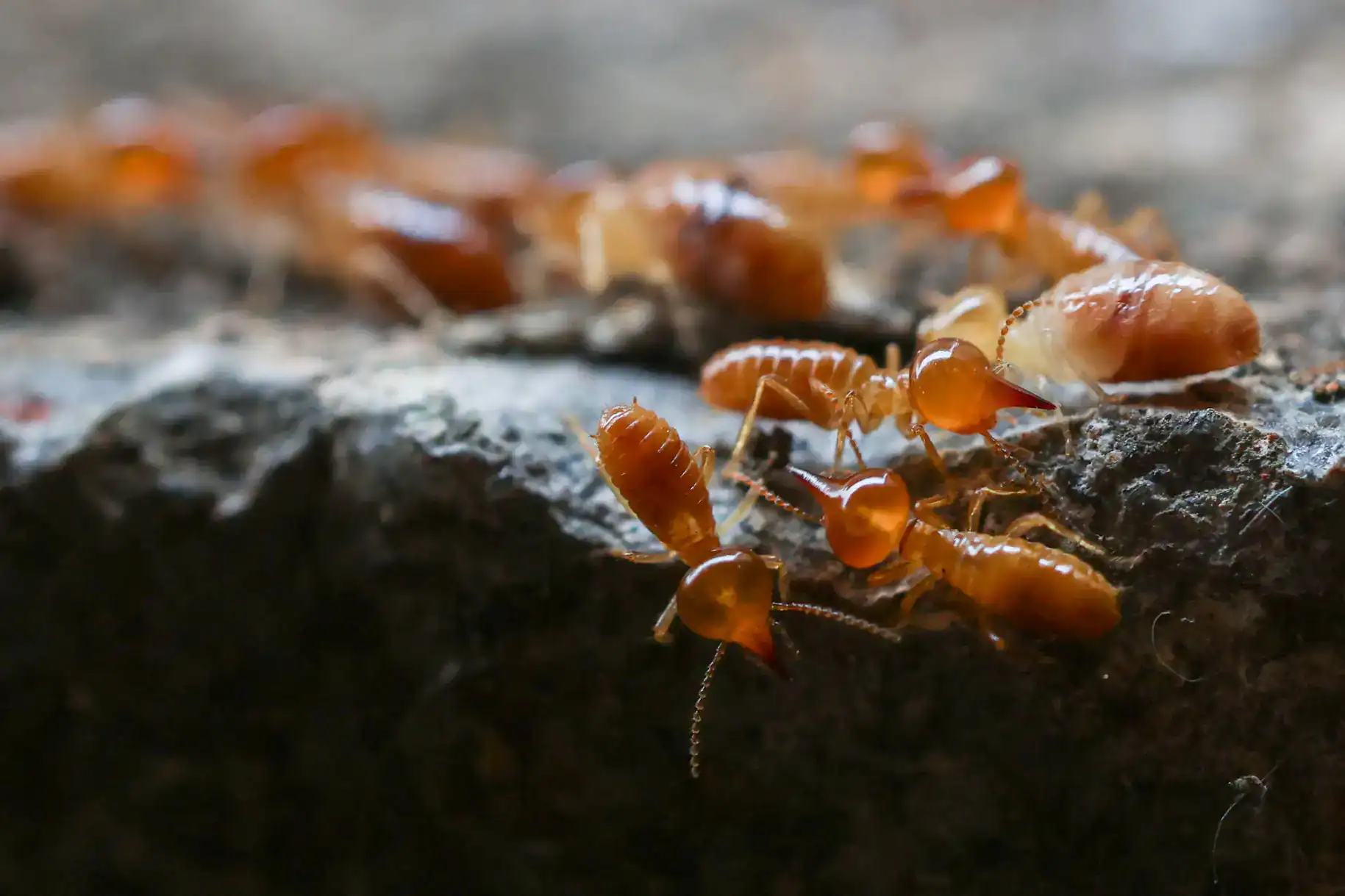
It starts with a phone call answered by a real person, any time of day or night. From there, we schedule your termite inspection in Woodhaven, typically within two business days, with same-day availability in many cases. When our technician arrives, they’re not doing a quick walkthrough. They’re checking your foundation perimeter, looking for mud tubes at soil-contact points, inspecting below-grade entry routes, examining wood framing in basements and crawl spaces, and assessing any areas where moisture has been a chronic issue. In older Woodhaven homes, that means paying close attention to aging plumbing, subfloor areas, and the porch and stoop structures that are common entry points for subterranean termites foraging up from the soil.
After the inspection, you get a clear, written assessment. No vague language, no pressure. Just what was found, what it means, and what treatment looks like. If termite treatment is recommended, we use only NYS DEC-registered materials, applied by our certified professionals following EPA safety protocols. In a dense residential neighborhood like Woodhaven where your home sits close to your neighbors’ and families include children and pets that matters. Targeted application means the treatment reaches the colony, not your living space.
For multi-family property owners on Jamaica Avenue or Woodhaven Boulevard who’ve received a NYC Department of Health pest-related citation, we handle that process too documentation, compliance, and all.
Ready to get started?
Every termite job we do starts with a thorough inspection not a sales visit. Our technician evaluates your specific structure, the soil conditions around your foundation, and any visible or suspected entry points. For Woodhaven homes near the Forest Park boundary, that includes a close look at the northern-facing foundation walls and any areas where tree roots, leaf litter, or shaded soil have created the moist conditions subterranean termites need to survive and forage.
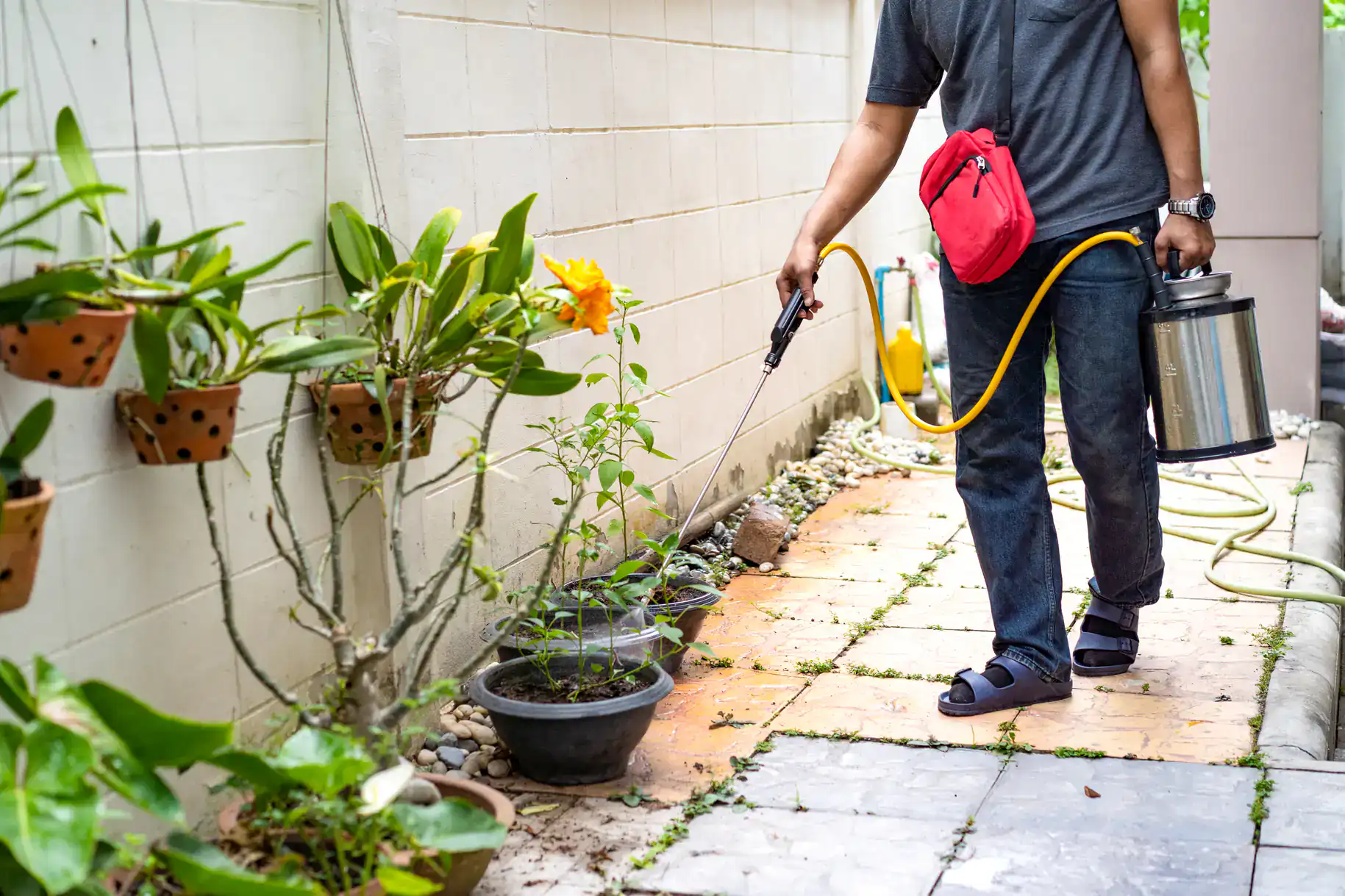
From there, treatment is built around what your home actually has not a one-size package. Eastern Subterranean Termite control in Woodhaven typically involves liquid soil treatment to create a protective barrier at the foundation, targeted wood treatment for areas of active infestation, and where appropriate, baiting systems that eliminate the colony at the source rather than just disrupting foraging activity. Every approach we use is NYS DEC-registered, applied in full compliance with NYC Local Law 55 requirements for occupied residential buildings.
We also provide the Wood Destroying Organism (WDO) inspection reports required for property sales, purchases, and FHA or VA loan approvals a service that’s increasingly relevant in Woodhaven’s active real estate market, where homes are moving and buyers are doing their due diligence before committing to a 100-year-old structure. If you need documentation, we can provide it.
Yes, and it’s worth understanding why. Forest Park is a 538-acre forested green space that runs along Woodhaven’s entire northern boundary. Natural woodland means moist soil, decaying organic material, and established Eastern Subterranean Termite habitat all of it sitting within blocks of the residential streets in northern Woodhaven. Subterranean termites forage outward from underground colonies through soil, and the distance between active forest habitat and a Victorian home’s foundation on those northern streets is not large.
This doesn’t mean every home near the park has termites. It means the risk profile is genuinely elevated, and that a professional inspection especially for homes on streets closest to Park Lane South is a smart call rather than an overcautious one. Our technicians inspect with this geography in mind, focusing on foundation perimeters, soil-contact points, and below-grade entry routes that are specific to homes bordering wooded environments.
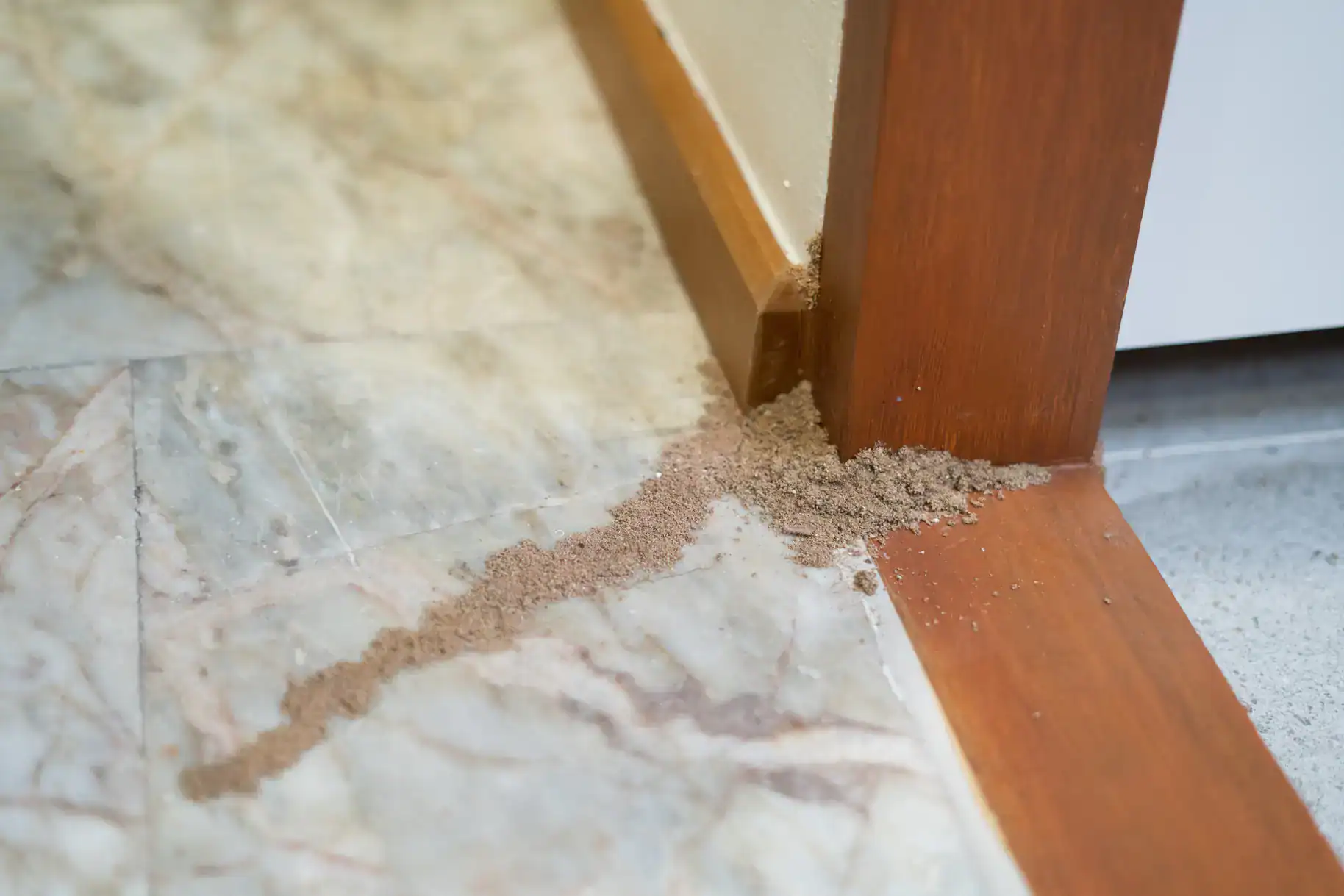
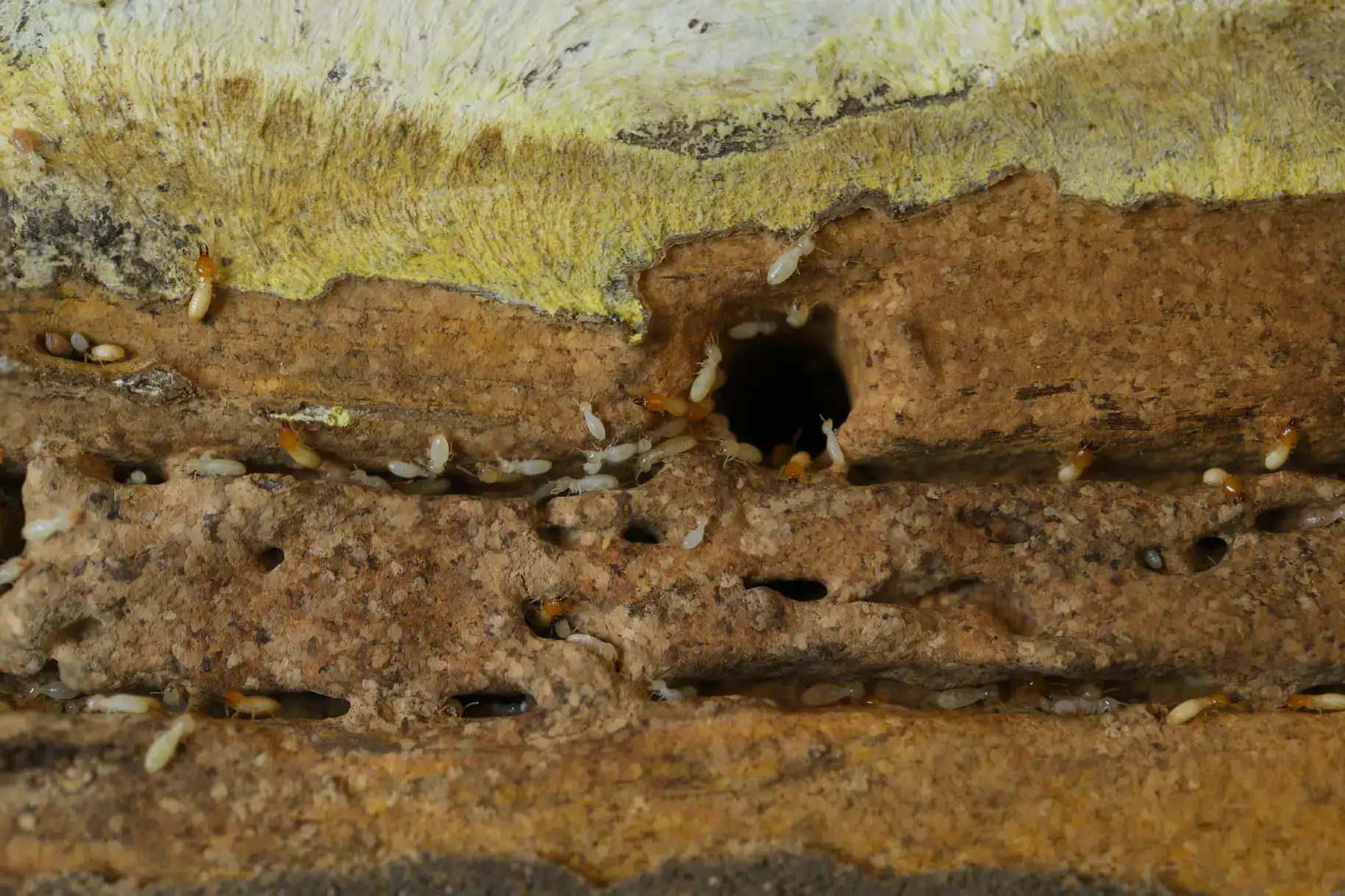
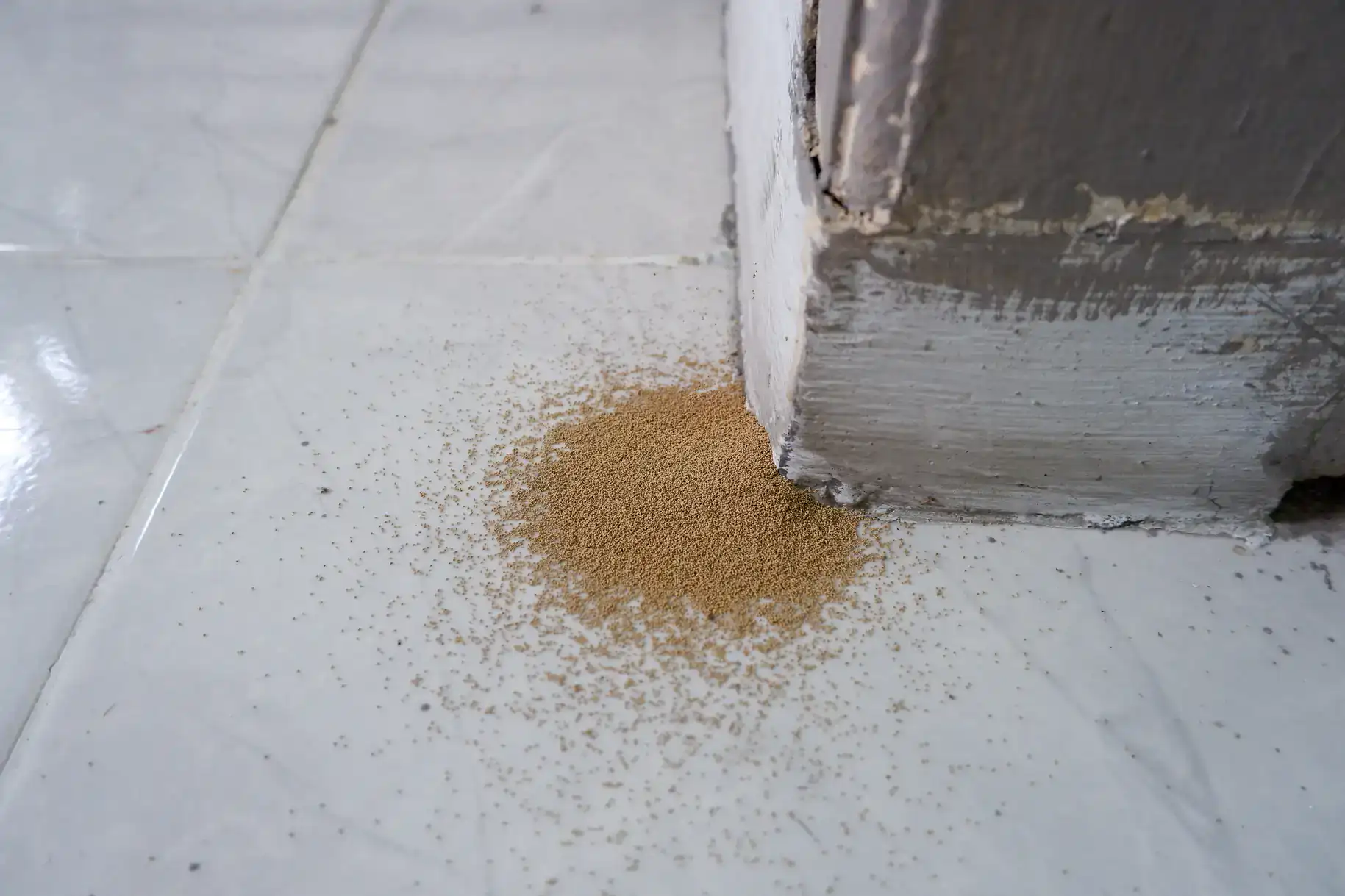
The most common signs homeowners notice first are discarded wings near windows or basement entry points especially in spring, when Eastern Subterranean Termites swarm on warm days after rain. Mud tubes along foundation walls or basement framing are another clear indicator. These pencil-width tunnels are how subterranean termites travel from soil to wood without exposure to open air, and finding one means a colony is already active.
In older Woodhaven homes with Victorian-era construction, you might also notice hollow-sounding wood when you knock on floor joists or baseboards, soft spots in wood flooring near exterior walls, or paint that looks bubbled or uneven without an obvious moisture source. These signs often surface during renovation work a common trigger for termite discoveries in Woodhaven’s older housing stock. If you find any of these, don’t wait. A colony feeds 24 hours a day, and the longer it’s active, the more structural wood it consumes.
The honest answer is that it depends on what you have and how far it’s progressed. For a standard one- or two-family home in Woodhaven, professional termite treatment typically ranges from $1,500 to $5,000 or more, depending on the size of the structure, the extent of the infestation, and the treatment method required. Liquid soil barrier treatments, wood treatments, and baiting systems are priced differently, and a home with active infestation in multiple areas will cost more to treat than one caught early.
What’s worth keeping in perspective is the alternative. The average cost of repairing termite structural damage is around $3,000, and serious structural repairs can run $10,000 or higher. With homes in Woodhaven selling at a median of roughly $755,000, the financial risk of an untreated infestation is significant and homeowner insurance won’t cover it. We provide a written estimate before any work begins, so you know exactly what you’re committing to. No surprises, no pressure.
They can, and in a neighborhood as densely built as Woodhaven where homes sit close together and share continuous soil zones this is a real consideration. Eastern Subterranean Termites live underground and forage through soil. A colony established beneath one property can extend its foraging tunnels into adjacent foundations without any visible above-ground signs on either property. This means a homeowner who has never seen a mud tube or a swarmer may still have active termite activity if a neighboring structure has an established colony.
This is one of the reasons professional inspection matters even if you haven’t noticed anything obvious. It’s also why our soil barrier treatments are designed to protect the full foundation perimeter not just the areas where activity is visible. If you’re in a row of older homes on one of Woodhaven’s residential streets and a neighbor has recently had termite work done, it’s worth getting your own property assessed.
For FHA and VA loans, a Wood Destroying Organism (WDO) inspection is typically required before the loan can be approved and in Woodhaven’s older housing stock, lenders are often cautious about pre-war wood-frame structures. Even in conventional transactions, buyers and their agents routinely request termite inspection reports as part of due diligence, and sellers who can provide a clean inspection report or documented treatment history are in a stronger position at the table.
Beyond the transaction itself, there’s a practical reason to get this done before listing. Discovering termite damage during a buyer’s inspection or worse, after closing creates legal and financial complications that a proactive inspection would have avoided. We provide the WDO documentation that lenders, buyers, and property managers require, prepared by licensed professionals. If you’re buying, selling, or refinancing a property in Woodhaven, this is a straightforward step that protects everyone involved.
Spring is when Eastern Subterranean Termites swarm in New York typically March through May, on warm days following rain when temperatures climb above 60 degrees. If you’re going to see visible signs of termite activity, this is the most likely window. Swarmers emerging near basement windows, on porches, or from foundation cracks are one of the clearest signals that a colony is already established and mature enough to reproduce.
That said, termites don’t stop feeding when swarming season ends. A colony is active year-round, 24 hours a day, which means there’s no wrong time to schedule an inspection especially in a home that hasn’t been professionally evaluated in several years. Fall is also a practical time for Woodhaven homeowners, particularly those involved in real estate transactions that close in the September-to-November window. And if you’re planning renovation work on an older home, scheduling an inspection before construction starts is one of the smarter things you can do because that’s often when hidden damage surfaces, and it’s far less disruptive to address it before the walls come open.
Useful Links
Other Services we provide in Woodhaven