Hear from Our Customers
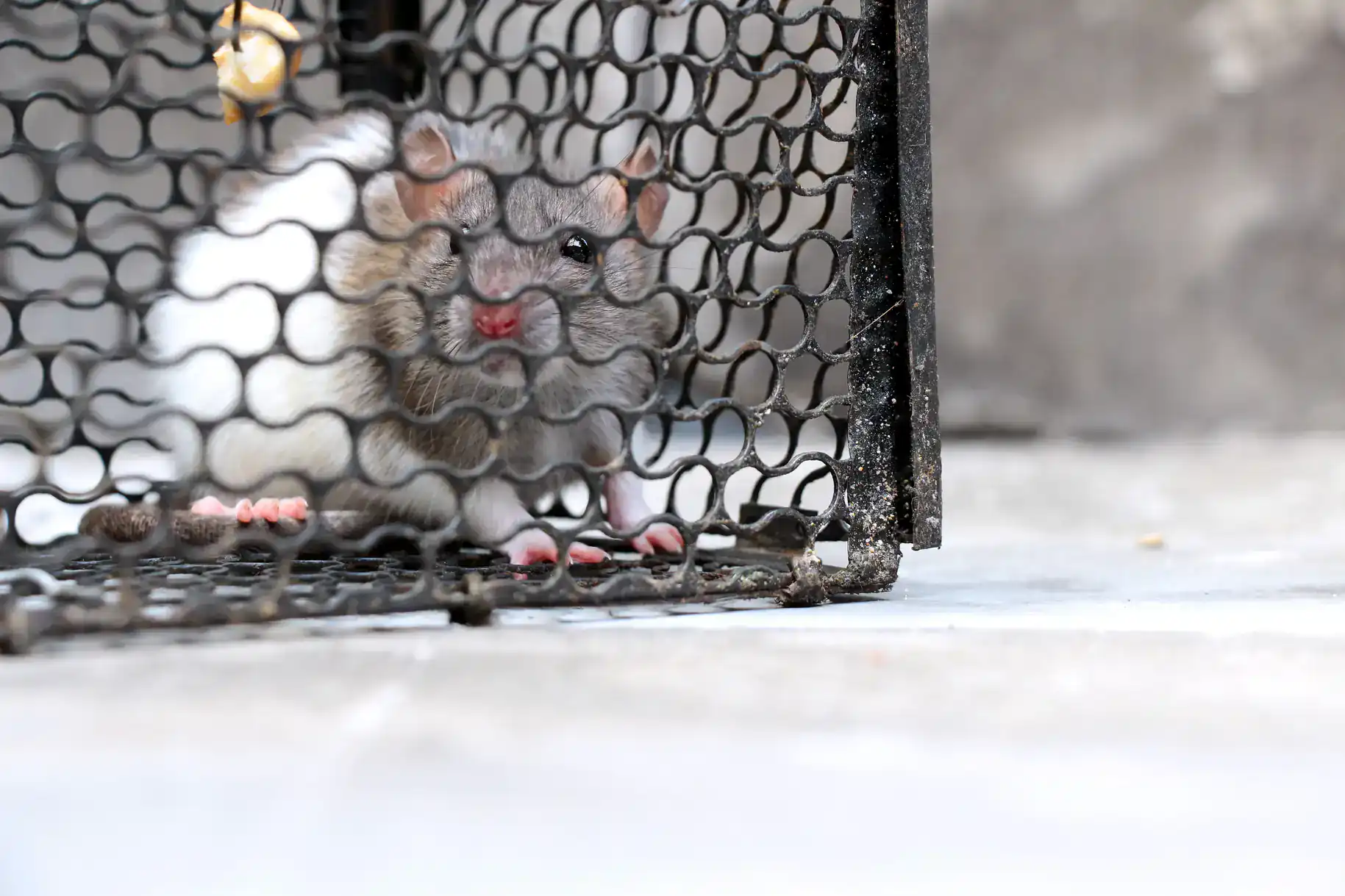
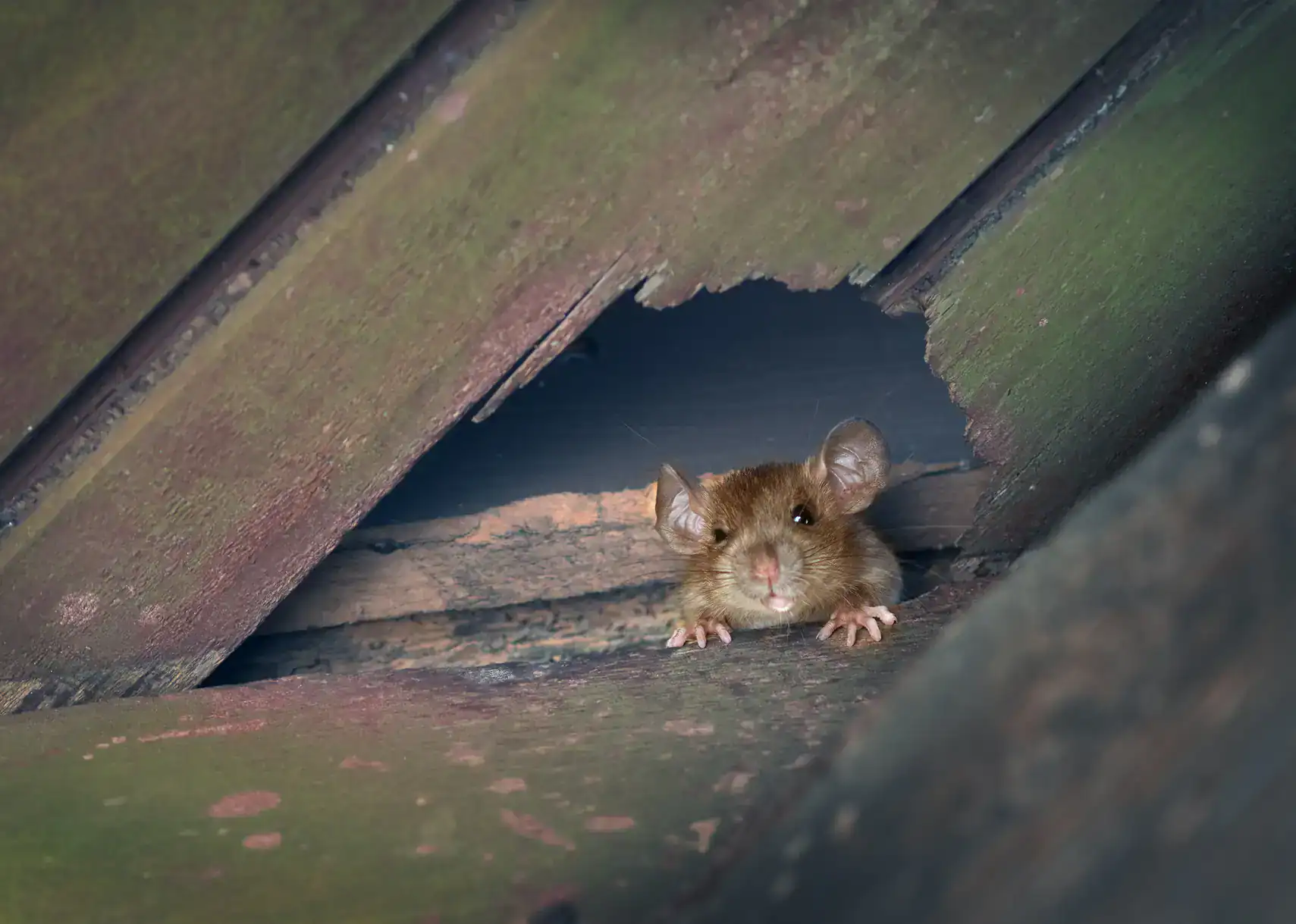
Traps catch animals. They don’t fix the reason animals keep showing up. If you’ve been resetting the same trap in the same spot for weeks, the problem isn’t the trap it’s that something is letting rodents in and you haven’t found it yet. That’s exactly where professional rodent control makes the real difference for Woodhaven homeowners.
Woodhaven’s housing stock is mostly pre-1930. Victorian frame homes, brick rowhouses, attached and semi-attached buildings structures that have had a century to settle, shift, and open up gaps that weren’t there when they were built. A gap the size of a quarter is enough for a Norway rat. A pencil-eraser-sized crack is enough for a mouse. In homes this age, those gaps aren’t rare. They’re everywhere around old cast-iron pipes, along deteriorated mortar joints, under basement doors, inside shared wall voids between attached units.
And then there’s Forest Park sitting right at Woodhaven’s northern boundary. When temperatures drop in the fall, rodents that have been living in that park’s leaf litter and root systems start moving south into the residential streets of Woodhaven. For homes along Park Lane South and the blocks just below it, that seasonal push is predictable and real. The outcome you’re looking for isn’t just fewer rodents right now. It’s a home that stays protected when the next wave comes.
Kingsway Exterminating was founded in 1971 by Richard Kourbage Sr. His sons Richard Jr. and Charles joined in 1987 and 1989. More than 50 years later, this is still a family-owned company not a franchise, not a call center dispatching subcontractors, not a rotating cast of technicians with no stake in the outcome.
We’re based in Marine Park, Brooklyn, which puts us right across the borough line from Woodhaven’s western edge. We’ve been working in the pre-war rowhouses and attached homes of the Queens-Brooklyn corridor for decades. We know what the housing stock in Woodhaven actually looks like from the inside the shared wall voids, the deteriorated foundations, the pipe penetrations that have shifted over a century and we know exactly how rodents move through it.
We hold an A+ rating with the Better Business Bureau, accredited since 1989. We apply only NYS DEC-registered materials, and we’re fully licensed, bonded, and insured. NYC attorneys and real estate brokers refer clients to us regularly because when a property transaction hinges on resolving a pest issue, they need someone they can count on to actually fix it.
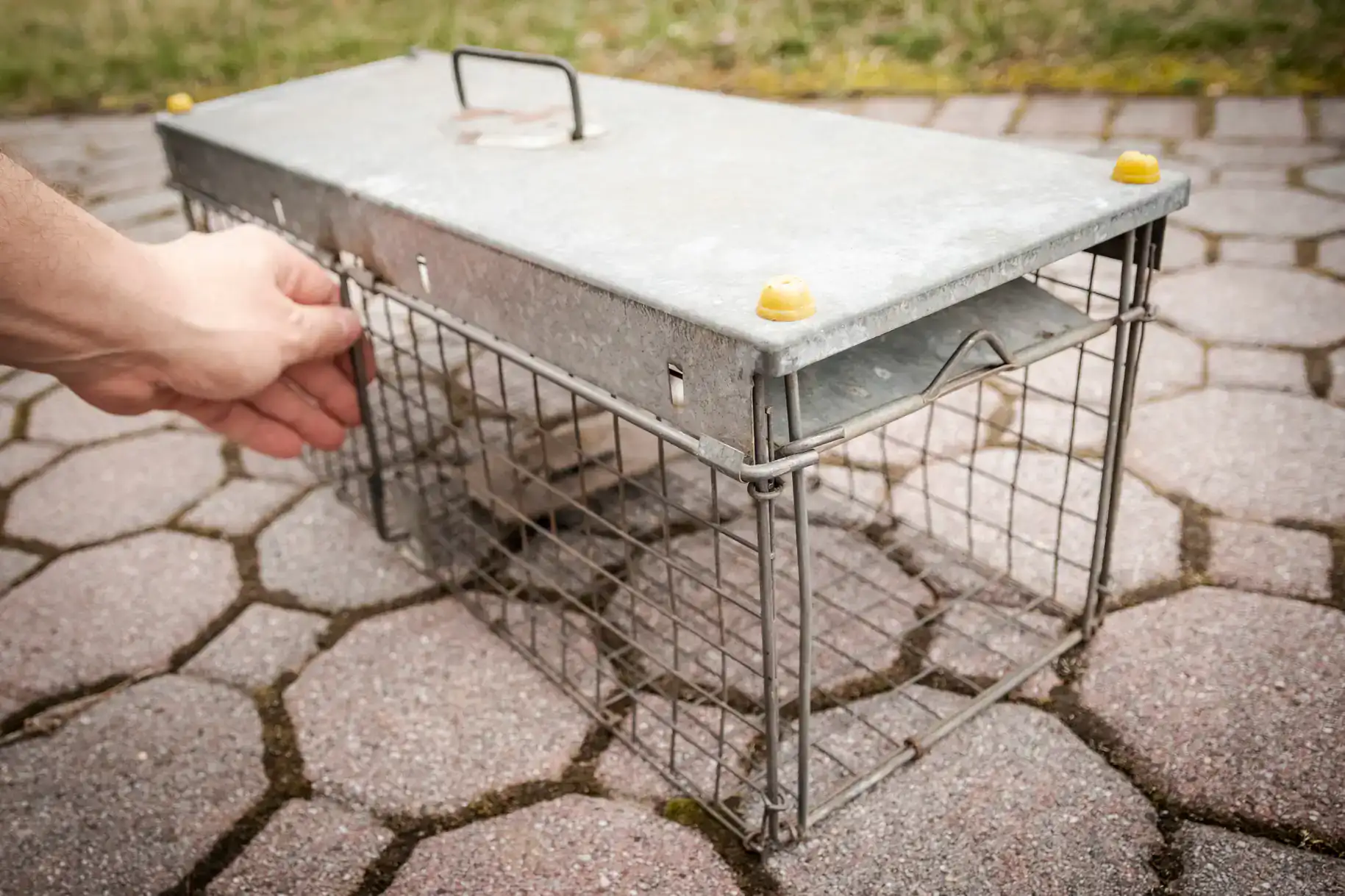
It starts with a phone call and that call is free. You describe what you’re seeing: droppings in the kitchen, scratching in the walls at night, a sighting near the basement. We help you understand what you’re likely dealing with before you spend a dollar. No pressure, no hard sell. Just a real conversation with someone who knows what they’re talking about.
If you move forward, one of our technicians comes to your property and does a full inspection interior and exterior. In a Woodhaven home, that means looking at the places that matter most in this type of housing: foundation gaps, pipe penetrations, the shared wall connections in attached or semi-attached structures, basement entry points, and any areas along the perimeter that back up toward the Forest Park corridor. We’re not running a checklist. We’re reading your specific building.
From there, we put together a treatment plan based on what we actually found not a standard package applied to every home regardless of what’s going on. Treatment may include baiting, trapping, and exclusion work to seal the entry points we identified. We also tell you what follow-up looks like, because in Woodhaven’s older attached housing, a one-time visit without exclusion work rarely holds long-term. We’d rather be honest about that upfront than have you call us frustrated in three months.
Ready to get started?
Rodent control in Woodhaven, NY isn’t a one-size situation. The combination of century-old housing, park-edge pressure from Forest Park, a commercial food corridor along Jamaica Avenue, and a direct border with Brooklyn’s Cypress Hills neighborhood creates a rodent environment that’s genuinely layered. What we provide is a service built around that reality.
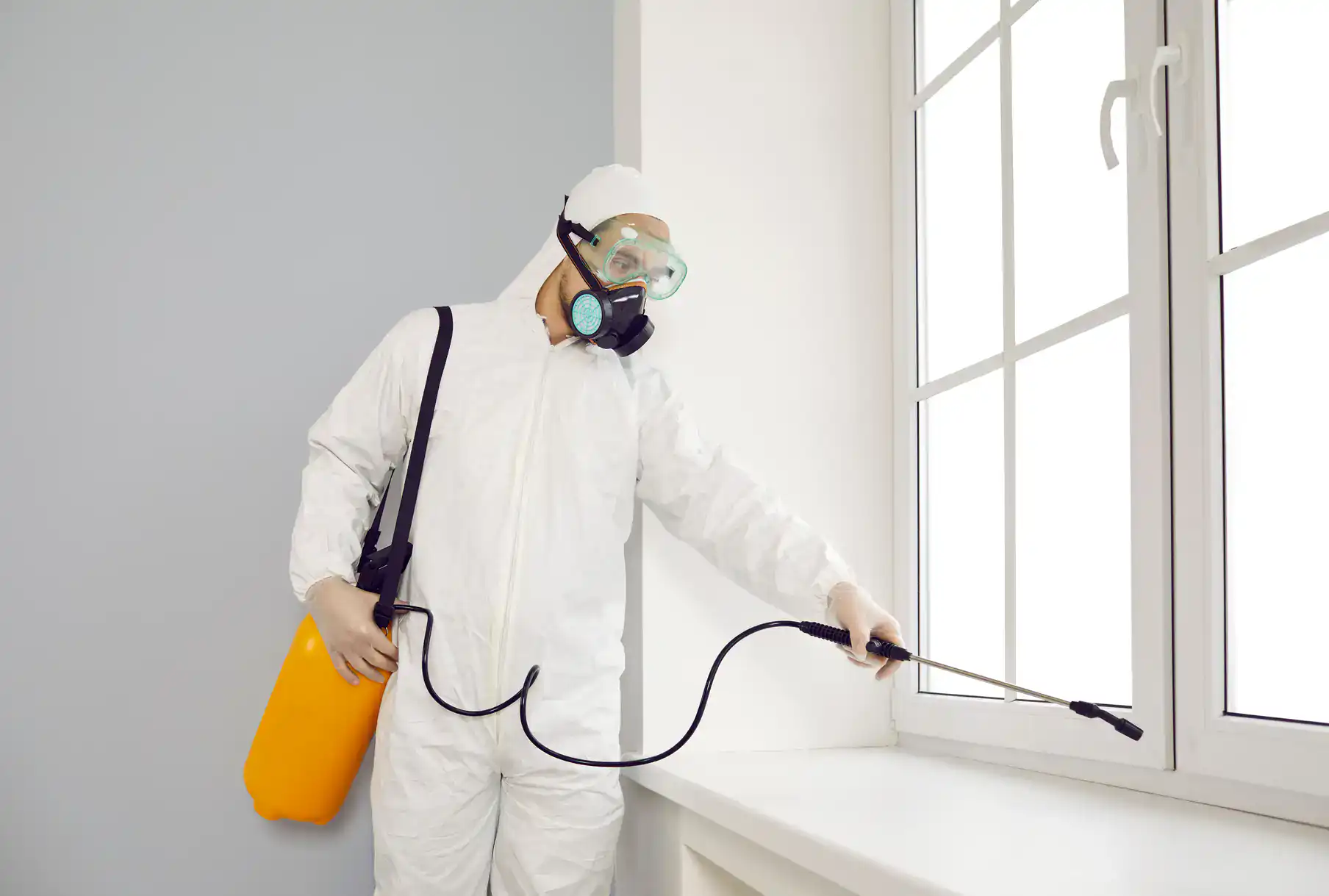
Every job includes a thorough inspection of both the interior and exterior of your property, identification of active entry points, and a treatment approach that addresses the infestation where it actually lives not just where it’s most visible. For homes in attached rowhouses, that means paying specific attention to shared wall voids and basement connections where rodents move between units without ever going outside. For properties near the park boundary, we factor in the seasonal migration pattern that pushes rodents southward into the residential grid every fall.
Exclusion work physically sealing the gaps and entry points we find is part of what separates a lasting result from a temporary one. We also operate in full compliance with NYC Health Code requirements, which matter if you’re a property owner who’s received or is concerned about a DOHMH inspection or abatement order. All materials we use are NYS DEC-registered. You get documentation of the service, which is useful if you’re managing a rental property or in the middle of a real estate transaction on Woodhaven Boulevard or anywhere else in the neighborhood.
Traps are reactive. They catch whatever animal is already moving through your space, but they don’t address why that animal is there or how it got in. In Woodhaven specifically, the challenge is that most of the housing stock was built between 1890 and 1930 and in homes that old, there are entry points that aren’t obvious to the eye. Gaps around aging cast-iron pipes, deteriorated mortar in brick foundations, settling around basement window frames these are the real access points, and traps don’t touch them.
If you live in an attached or semi-attached home in Woodhaven, the situation is even more complicated. Rodents can move through shared wall voids and pipe chases between adjacent units without ever going outdoors. You could seal your entire exterior perimeter and still have an active infestation because the entry point is on the other side of the wall you share with your neighbor. A professional inspection identifies those internal migration pathways which is the step that actually breaks the cycle.
It does change the approach, yes. Norway rats the dominant species in NYC and the most common rodent found in Woodhaven are significantly larger, more destructive, and harder to exclude than house mice. Rats tend to burrow along foundations, travel along walls, and establish colonies in basements, crawl spaces, and beneath structures. Mice are more likely to nest inside wall voids and kitchen cabinets. The signs are different: rat droppings are roughly the size of a raisin, mouse droppings are much smaller and more pellet-shaped.
In Woodhaven, Norway rats are especially active along the blocks closest to Forest Park and along the Jamaica Avenue commercial corridor, where restaurant waste and food business activity provide a consistent food source. If you’re seeing rodent activity during daylight hours which is unusual behavior that typically signals a larger, established infestation rather than a single animal. That’s a sign to call sooner rather than later, because rodent populations expand quickly. A female house mouse can produce multiple litters within a few months.
Directly, yes. Forest Park is a 538-acre wooded preserve with dense oak, maple, and hickory forest and it supports a significant year-round rodent population. The park’s leaf litter, root systems, and natural food sources create ideal nesting habitat. The issue for Woodhaven residents is what happens at the park’s southern edge, where the wooded preserve meets the residential streets along Park Lane South.
When fall arrives and natural food sources in the park diminish, rodents don’t stay put. They forage outward, and the homes along Park Lane South and the streets just south of it are the first structures they reach. Norway rats travel 100 to 150 feet from their nesting sites daily, which means a colony established along the park’s perimeter can easily reach homes several blocks into Woodhaven. For residents in that northern corridor of the neighborhood, this isn’t a one-time problem to solve it’s a seasonal pressure that returns every year. Exclusion work and preventive maintenance are the only reliable long-term answer.
Yes. Under New York City’s Health Code, property owners are legally required to maintain their premises free of rodents and the conditions that attract them. If a complaint is filed through 311 or your property falls within an area flagged by the NYC Department of Health and Mental Hygiene’s rat mitigation program, an inspector can visit your property. If they find evidence of active rodent activity droppings, burrows, gnaw marks, or harboring conditions you’ll receive an abatement order and a compliance window to resolve it, typically two to three weeks.
Failing the compliance inspection results in a summons. For landlords and property managers in Woodhaven, especially those with buildings along or near Jamaica Avenue’s commercial corridor, this is a real exposure. Our service creates a documented record of professional intervention using NYS DEC-registered materials which supports your compliance case if you’re working through the DOHMH process. We’re also routinely referred by NYC attorneys and real estate brokers for exactly this type of situation.
In Woodhaven’s attached and semi-attached rowhouses, the honest answer is: very likely, if the conditions are right. Rodents don’t need to go outside to move between attached units. They travel through shared wall voids, along pipe chases, through gaps in shared basement walls, and through any utility penetration that wasn’t properly sealed. In homes built in the early 1900s which describes most of Woodhaven’s residential housing stock those penetrations are rarely airtight after a century of use.
The practical implication is that even if you’ve never seen a rodent in your home, a confirmed infestation next door warrants a professional inspection of your own property. It’s much easier to seal the potential entry points before an infestation establishes than to deal with one that’s already active. Our inspection process specifically addresses the shared-wall dynamics of attached housing we look at the interior migration pathways, not just the exterior perimeter, which is where most DIY attempts fall short in this type of building.
The range for professional rodent control in the NYC area generally runs from $180 to $600 for a standard treatment, depending on the size of the property, the severity of the infestation, and whether exclusion work is included. Exclusion physically sealing the entry points identified during the inspection typically adds $200 to $600 on top of the base treatment, but it’s also what determines whether the result holds long-term or whether you’re back to square one in a few months.
In Woodhaven, the age and structure of the housing often means exclusion work is a meaningful part of the job. Pre-1930 homes with deteriorated foundations, attached structures with shared wall penetrations, and properties near Forest Park with recurring seasonal pressure are all situations where skipping exclusion to save money upfront tends to cost more over time. We offer a free phone consultation so before you commit to anything, you can describe what you’re dealing with and get a real sense of what the job involves and what it’s likely to cost. No charge for that conversation, no obligation.
Useful Links
Other Services we provide in Woodhaven