
Hear from Our Customers
You stop hearing things in the walls at night. You stop finding droppings behind the stove or under the sink. You stop wondering whether your landlord is ever going to do something about it. That’s what real rodent control in Astoria looks like not a one-time visit with a couple of snap traps, but an actual plan that addresses why they’re getting in and what’s keeping them there.
Astoria’s housing stock makes this harder than most people expect. The majority of buildings here are three- to five-story brick walk-ups built in the 1920s and 1940s and after decades of use, those buildings have accumulated gaps around pipes, cracks in foundation mortar, and utility penetrations that rodents use as highways. Treating one apartment doesn’t fix a building-level problem. The rodents just move to the next unit and come back when things quiet down.
The restaurant corridors along Ditmars Boulevard, 30th Avenue, and Steinway Street add another layer. That food waste sustains a large outdoor rat population, and those rats don’t stay outside. They follow plumbing lines and shared walls directly into the residential buildings next door. When you understand what’s actually driving the pressure the building age, the commercial density, the ongoing construction displacing colonies the solution stops being a guessing game and starts being a process.
Kingsway Exterminating Company was founded in 1976 by Richard Kourbage Sr. His sons Richard Jr. and Charles joined the business in the late 1980s and have been running it ever since. That’s not a marketing angle it’s just the truth. More than 50 years of continuous operation in New York City, serving all five boroughs, including Queens neighborhoods like Astoria where the building types, the pest pressure, and the tenant dynamics are unlike anything you’d find in the suburbs.
We hold an A+ rating with the Better Business Bureau of New York State and have been BBB-accredited since 1989. We’re fully licensed, bonded, and insured, and we apply only NYS Department of Environmental Conservation-registered pesticide materials which matters in a dense, multi-unit building environment where treatment safety is a real concern. We’re also regularly referred by New York attorneys and real estate brokers, including those active in Astoria’s property market, for health code violation responses and pre-transaction pest inspections.
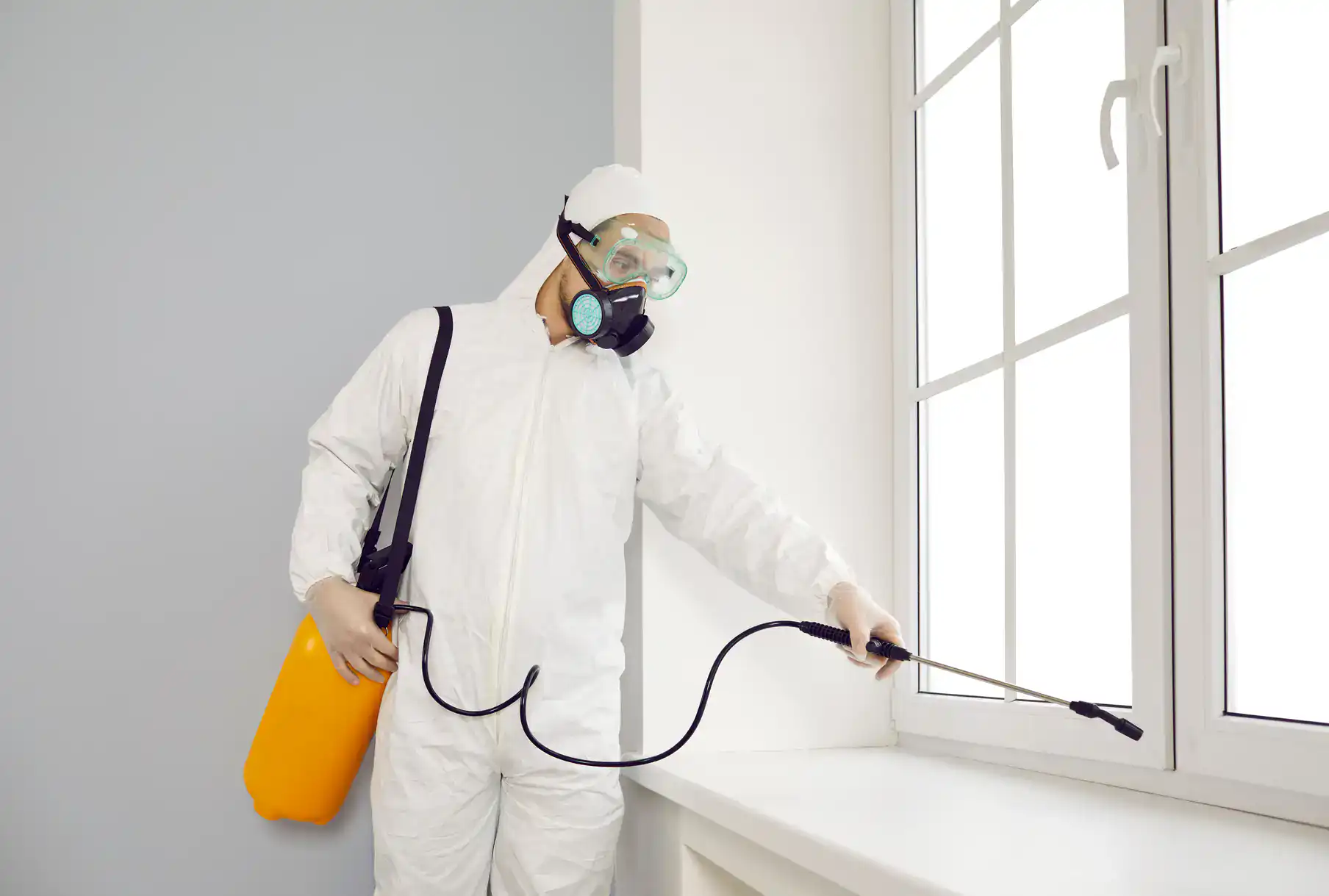
It starts with an inspection interior and exterior. In Astoria’s older brick buildings, that means checking more than just where you’ve seen activity. Our technician will look at foundation gaps, utility penetrations, shared wall connections, and any entry points that rodents are using to move between the building and the outside environment. If there’s active construction nearby and in Astoria right now, there almost always is that gets factored in too, because displaced colonies from demolition sites are a direct and documented driver of new infestations in adjacent buildings.
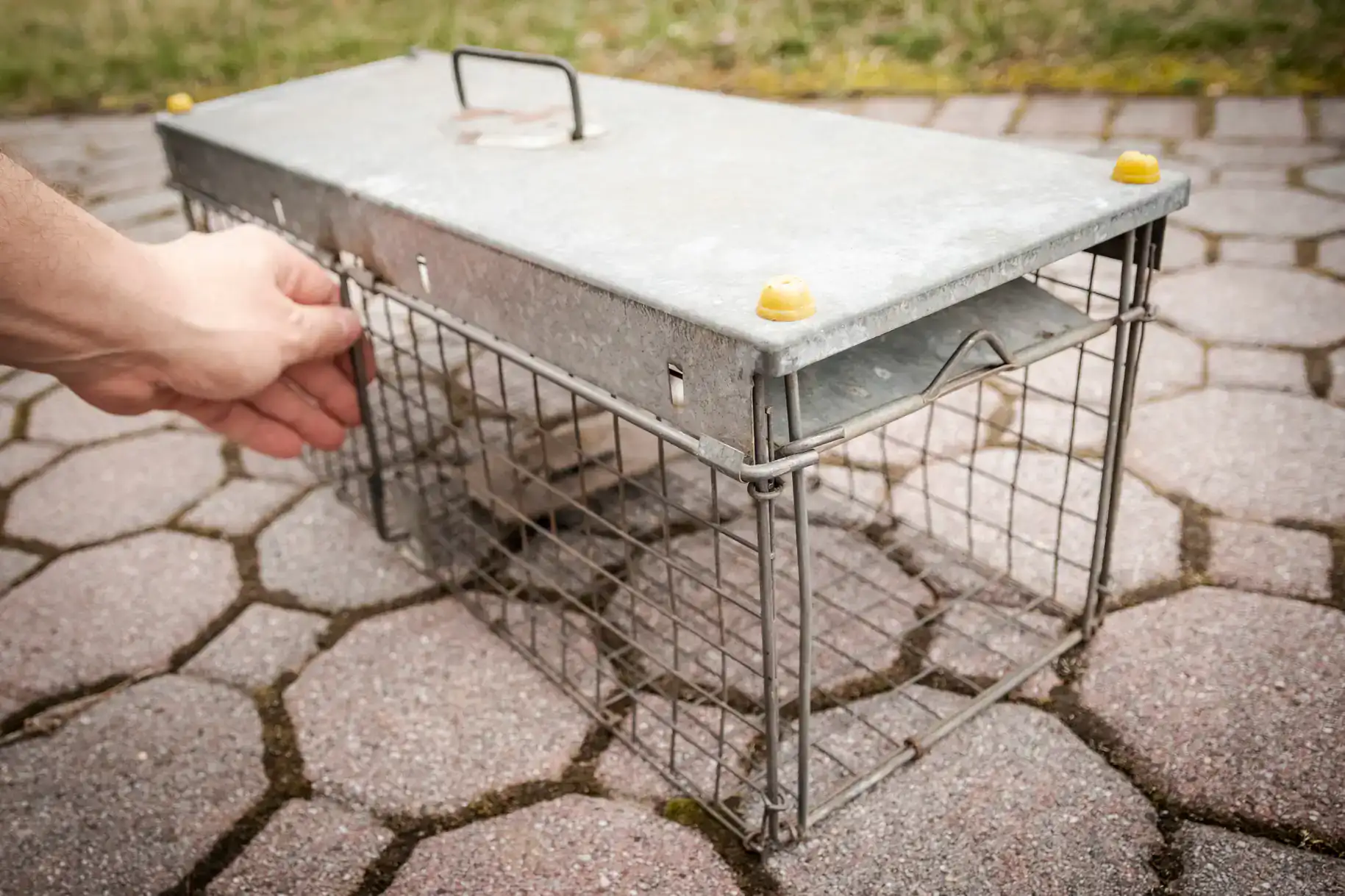
From there, the treatment plan is built around what’s actually happening in your specific unit and building. That can include tamper-resistant bait stations, trapping, and targeted application of NYS DEC-registered materials in the areas where activity is concentrated. For Astoria renters dealing with a landlord who hasn’t acted, we can work directly with property managers and provide documentation relevant to NYC Housing Preservation and Development complaints or Health Department inspections.
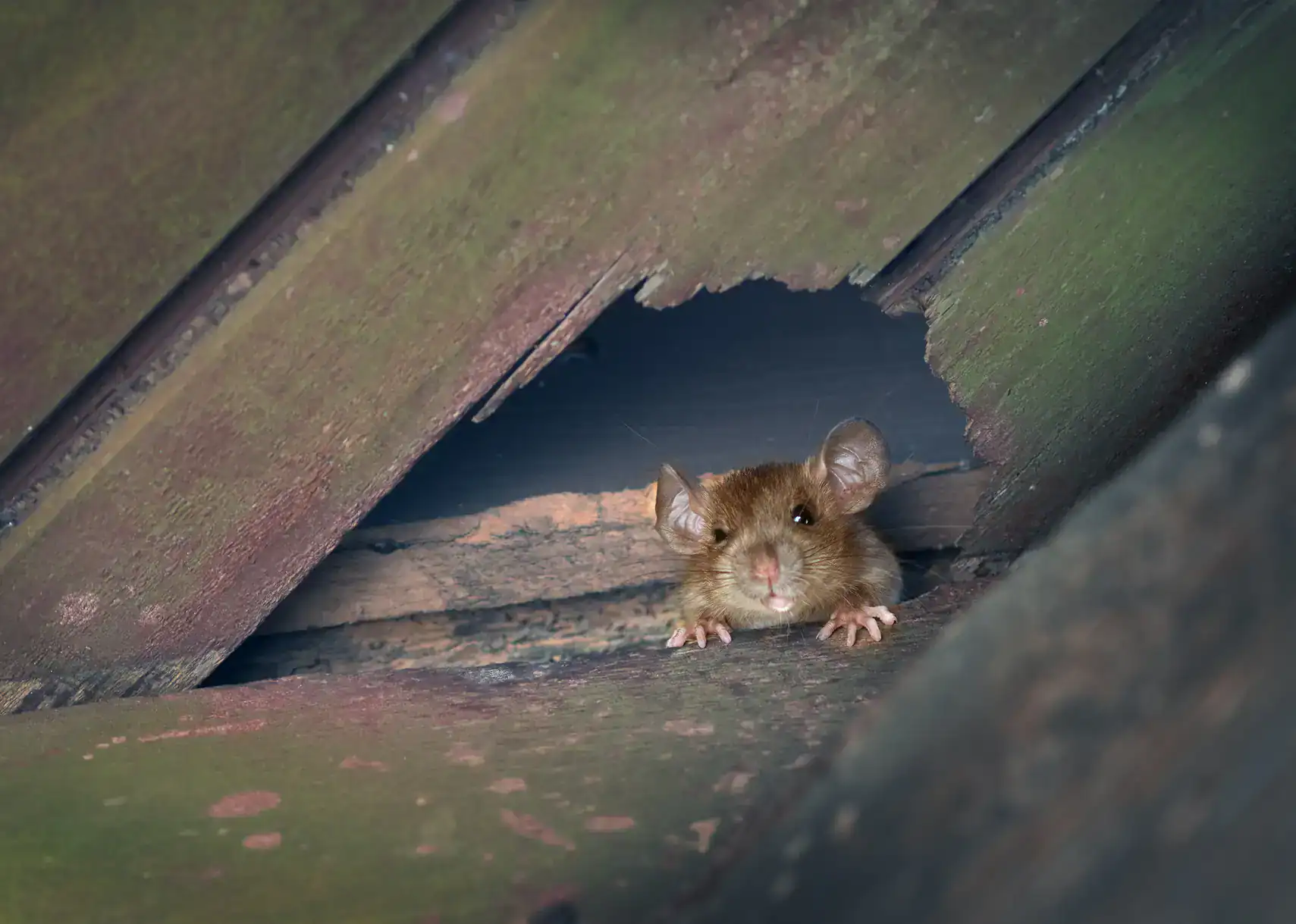
The last step and the one most operators skip is exclusion. That means physically sealing the entry points so the problem doesn’t restart in a month. In a 1930s brick walk-up with shared plumbing chases, that work is specific and detailed. It’s also the difference between a temporary fix and something that actually holds.
Ready to get started?
Rodent control in Astoria isn’t a one-size service. What you need in a ground-floor unit of a 1940s walk-up on Broadway is different from what a restaurant owner on Steinway Street needs before a Health Department inspection. We handle both residential and commercial and our approach is built around the actual conditions in your building, not a checklist that works the same everywhere.
For residential clients, that includes a full interior and exterior inspection, species identification (Norway rats, roof rats, and house mice all behave differently and require different approaches), trapping, tamper-resistant bait station placement, exclusion work at identified entry points, sanitation guidance, and follow-up visits. For Astoria renters in particular, the documentation we provide after service can support HPD complaints or landlord communications if the building-level problem hasn’t been addressed. About 17% of Astoria homes have ongoing rodent sightings that number reflects a neighborhood where the pressure is structural, not incidental.
For commercial clients along Astoria’s restaurant corridors, we provide ongoing maintenance programs designed around NYC Department of Health compliance requirements. Whether you’re managing a property near Astoria Park, running a kitchen on 30th Avenue, or dealing with a rodent issue that started when the construction crew broke ground down the block, the process starts with a free phone consultation and a no-obligation estimate.
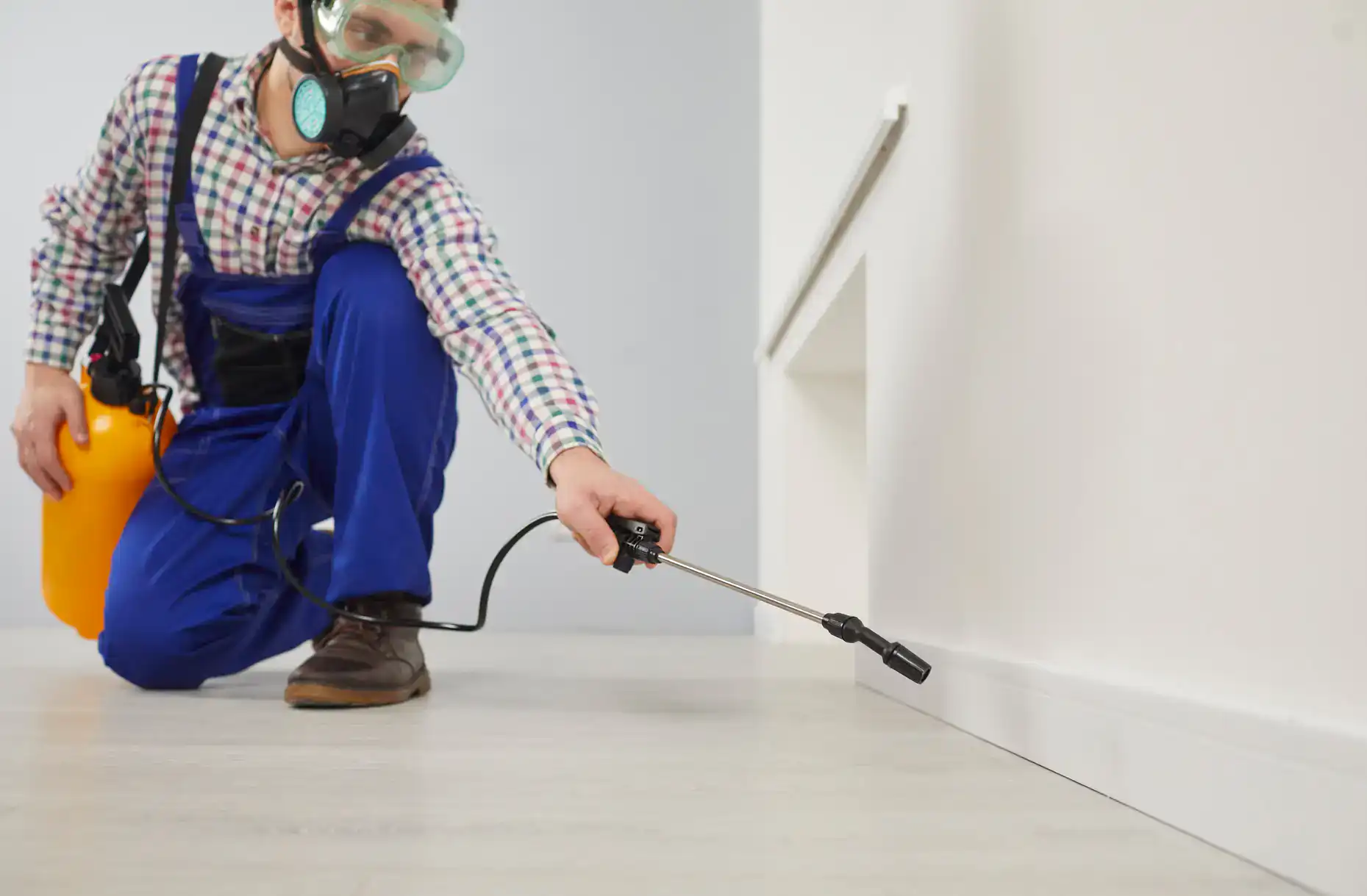
Astoria has a combination of factors that few other neighborhoods deal with simultaneously. The restaurant density along Ditmars Boulevard, Steinway Street, and 30th Avenue generates a constant food waste supply that sustains a large outdoor rat population year-round. The neighborhood’s older brick apartment buildings provide easy access indoors through foundation gaps, pipe penetrations, and deteriorating mortar joints that have accumulated over decades. And right now, Astoria is in the middle of a sustained construction boom multiple mid-rise buildings are going up simultaneously, and large projects like Halletts North are actively displacing established rodent colonies from demolition sites into adjacent occupied buildings.
Queens as a whole saw a 59% increase in rat-inhabited lots between 2011 and 2023, the largest jump of any NYC borough. Astoria and Long Island City specifically hit record-high rat sighting numbers in 2022. NYC’s new trash containerization rules, which rolled out between 2023 and 2024, have also shifted some rodent feeding patterns which can temporarily push populations from their usual outdoor sites into residential buildings as they search for new food sources. The pressure is structural, and it isn’t going away on its own.
Yes and in Astoria’s typical housing stock, it happens more easily than most people realize. The three- to five-story brick walk-up buildings that dominate this neighborhood were built in the 1920s through 1940s, and they share walls, floors, ceilings, and plumbing chases between units. Rodents especially mice can squeeze through a hole the size of a pencil eraser. Rats can compress through a gap the size of a quarter. Those shared building pathways give them direct routes between units without ever going into a hallway.
This is why treating a single apartment rarely solves the problem for long. If the entry points in the shared infrastructure aren’t identified and sealed, and if the adjacent units still have conditions that support rodent activity, the problem comes back. A proper inspection in an Astoria multi-family building looks at the building as a system not just the one unit that called. That’s the only approach that produces a result that actually holds.
Under New York City law, landlords and property owners are legally required to maintain rodent-free premises. If you’ve reported a rodent problem to your landlord and they haven’t acted within a reasonable timeframe, you can file a complaint with the NYC Department of Housing Preservation and Development (HPD) through 311. The NYC Health Department’s Rat Information Portal also lets you check the inspection and treatment history of specific properties which can be useful if you’re trying to document a pattern of inaction.
In practice, many Astoria renters find themselves in a gray area the landlord claims to have treated the unit, but the problem persists because nothing was done at the building level. We can work directly with property managers and provide written documentation of findings and treatment that supports HPD complaints or Health Department communications. If you’re a renter who’s been waiting on a landlord to act, calling us for an inspection gives you both a professional assessment and the paperwork to back up your next conversation with building management.
Construction is one of the most direct and underappreciated drivers of new rodent infestations in urban neighborhoods. When a building gets demolished or a foundation gets excavated, the rodent colonies that were established there don’t disappear they relocate. The nearest occupied building becomes the most likely destination, especially if it offers food access, warmth, or existing entry points. In Astoria right now, with multiple mid-rise developments under construction along the 30th Avenue corridor and large-scale projects like Halletts North reshaping the waterfront, this is not a theoretical risk. It’s an active one.
If you’ve noticed a sudden increase in rodent activity in your building and there’s construction happening within a block or two, that connection is worth taking seriously. A proper inspection will identify whether you’re dealing with a long-standing infestation or a more recent influx of displaced rodents, and that distinction affects the treatment approach. Construction-displaced infestations often require more aggressive exclusion work at the exterior of the building to block the new entry points rodents are using to get in from outside.
Trapping removes the rodents that are currently inside your home. Exclusion prevents new ones from getting in. You need both and skipping exclusion is the most common reason rodent problems come back after treatment. Trapping without exclusion is like bailing water out of a boat without patching the hole. It works temporarily, but the pressure from outside keeps refilling the problem.
In Astoria’s older brick buildings, exclusion work is detailed and specific. It means physically sealing gaps around pipes, utility lines, foundation cracks, and any other penetrations where rodents are entering using materials like steel wool, hardware cloth, and appropriate sealants that rodents can’t chew through. The entry points in a 1930s walk-up are different from those in a newer building, and identifying them requires a thorough exterior inspection, not just a look inside the apartment. Our inspections cover both interior and exterior, and the exclusion recommendations are based on what’s actually found not a generic checklist.
For most residential rodent control jobs in Astoria, professional service typically runs in the range of $180 to $610, depending on the size of the unit, the extent of the infestation, and whether exclusion work is included. Multi-unit buildings or commercial properties along Astoria’s restaurant corridors will generally fall on the higher end or move into an ongoing maintenance program, which is priced based on the scope of the property and the frequency of service needed.
The more useful question is what repeated DIY attempts cost over time in money, time, and the ongoing stress of a problem that isn’t actually getting resolved. Over-the-counter traps and rodenticides work in isolated situations, but in a dense Astoria apartment building where rodents are entering through shared infrastructure and moving between units, they rarely produce a lasting result. A professional inspection identifies the source of the problem, not just the symptom, which means the money spent on professional service is far more likely to produce an outcome that holds. We offer a free phone consultation and a no-obligation estimate, so you can understand exactly what you’re dealing with before committing to anything.
Useful Links
Other Services we provide in Astoria