
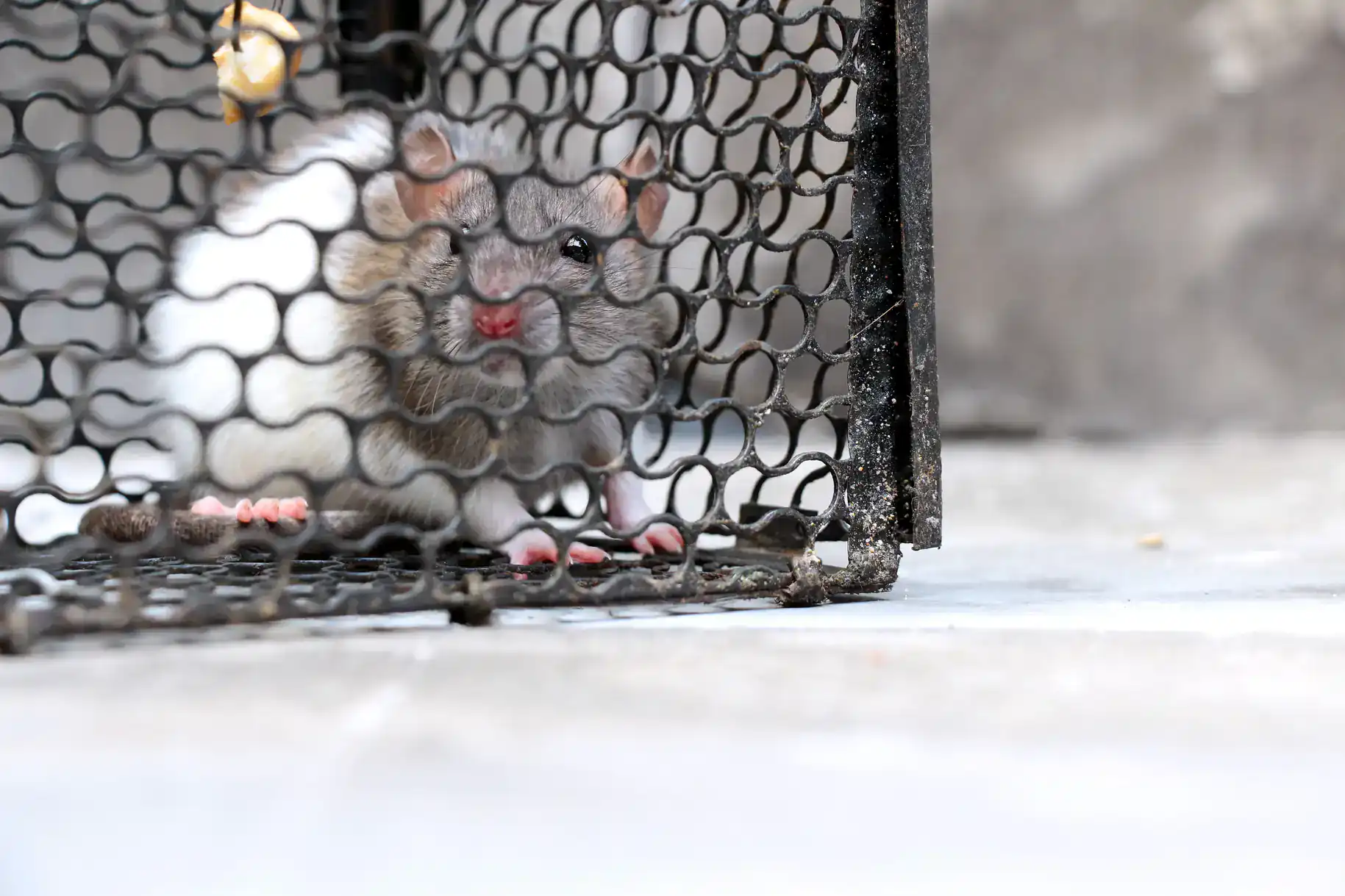
Hear from Our Customers
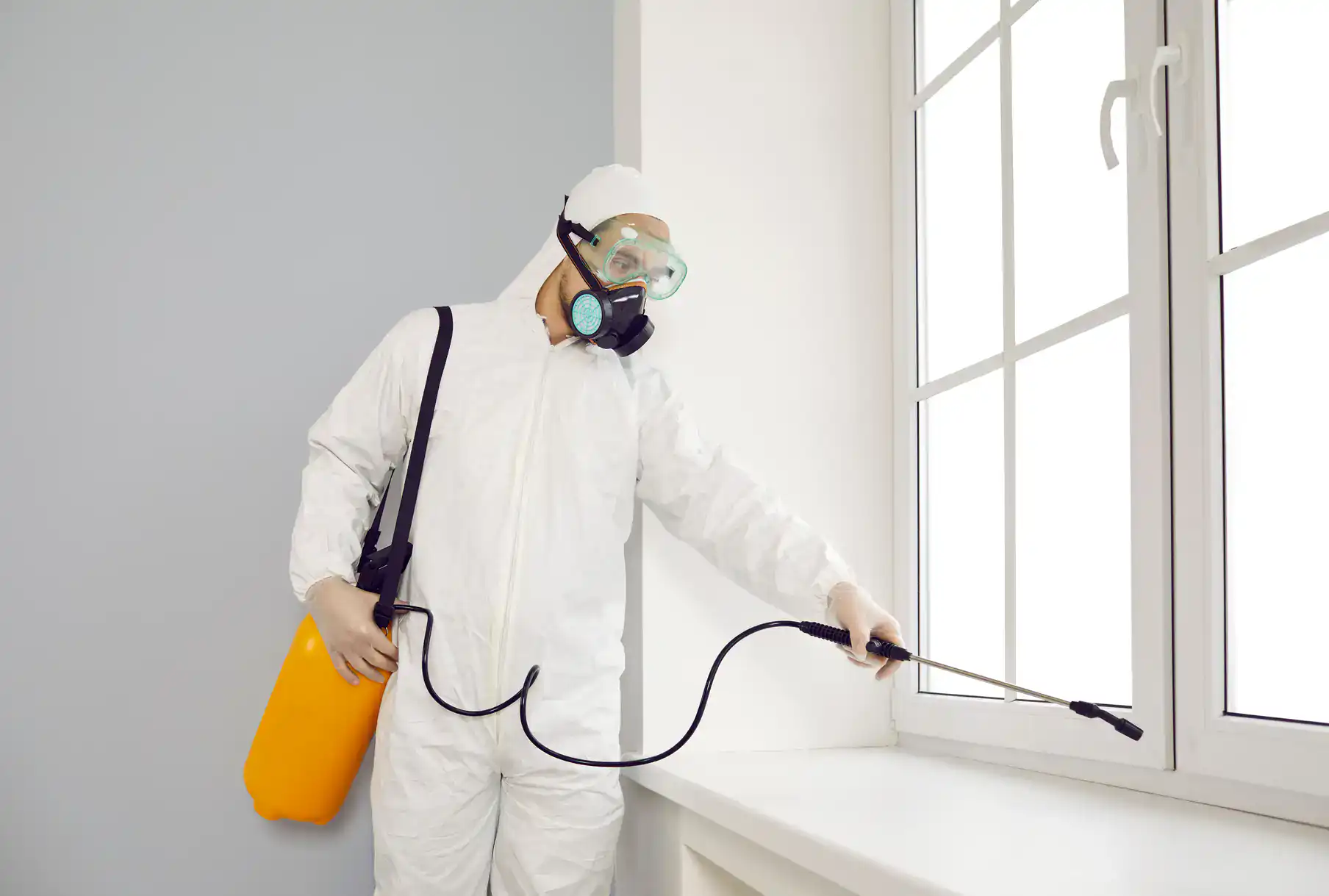
You stop hearing scratching in the walls at night. You stop finding droppings behind the refrigerator or along the basement wall. You stop wondering whether the kids or the dog came into contact with something they shouldn’t have. That’s what a real rodent removal looks like not just a few traps set and a follow-up call that never comes.
When you’re dealing with the housing age and rodent pressure that Cambria Heights residents face, surface-level treatment doesn’t cut it. There’s also the geography to consider. Cambria Heights sits directly against the Nassau County line to the east, and Montefiore Cemetery borders the neighborhood to the south. Both of those boundaries create ongoing rodent pressure that doesn’t stop at your property line. A treatment plan that only looks at the interior of your home without addressing the perimeter, the entry points, and the conditions drawing rodents in from outside is going to leave you calling again in three months.
We were founded in 1971 by Richard Kourbage Sr. His sons Richard Jr. and Charles joined the business in the late 1980s and have been running it alongside him ever since. That’s over five decades of continuous operation under the same family name, serving the same boroughs, handling the same kinds of problems just with more experience behind every call.
We hold an A+ rating with the Better Business Bureau of New York State, accredited since 1989. That’s not a recent achievement it’s 35-plus years of consistent, verifiable accountability that any homeowner can look up before picking up the phone. We’re fully licensed, bonded, and insured, and we apply only New York State DEC-registered pesticide materials. That matters when you have children and pets in the house.
Southeastern Queens including Cambria Heights, Laurelton, and Springfield Gardens is territory we know well. The detached homes, the older basements, the yards and garages, the Nassau County border conditions. This isn’t a company dispatching technicians from a distant office who’ve never worked a neighborhood like yours. We’ve been servicing Cambria Heights properties for decades.
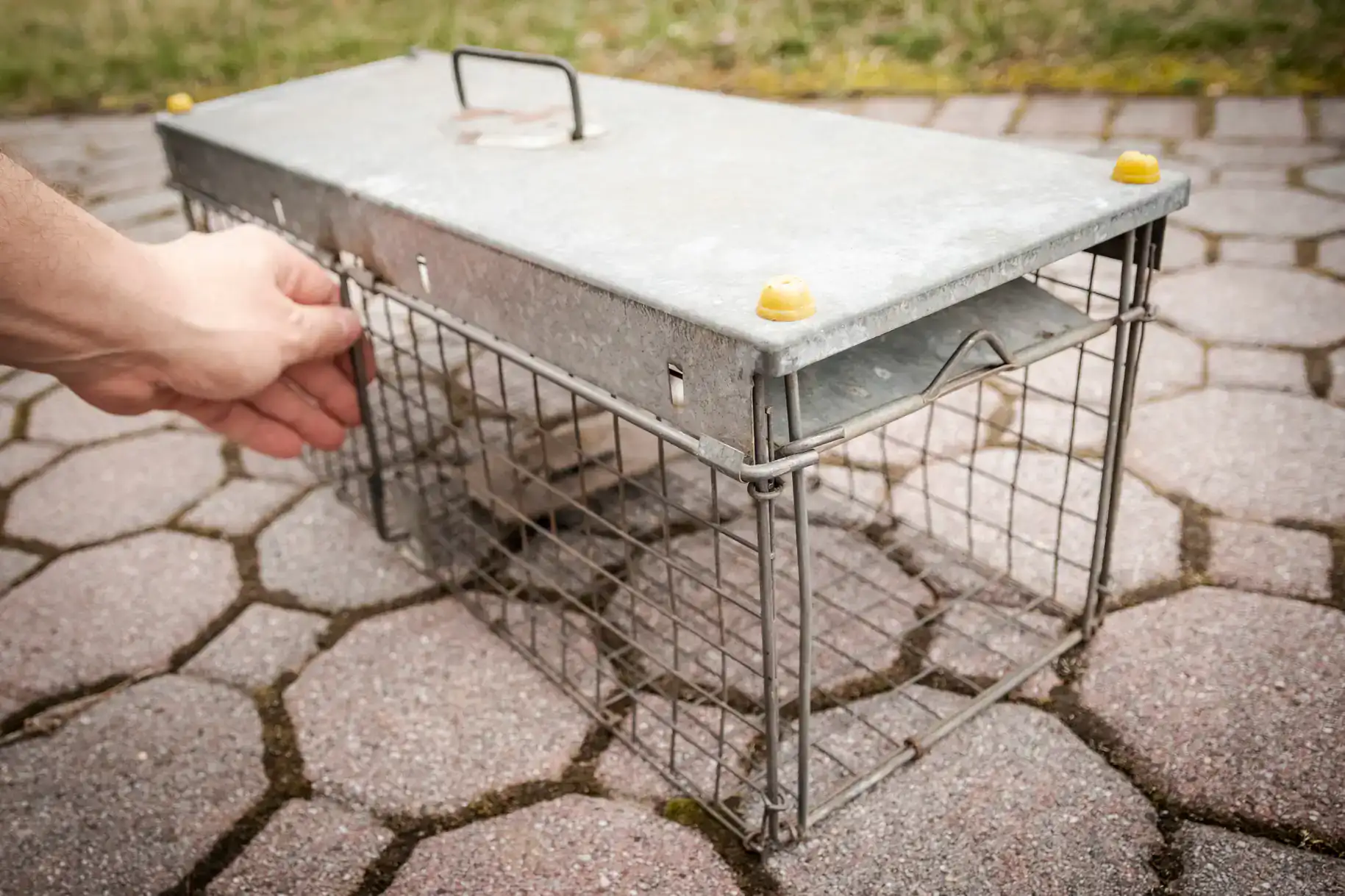
It starts with a phone consultation at no charge. Before anyone comes to your home, you can speak with someone who will ask the right questions what you’ve seen, where you’ve seen it, how long it’s been going on, what you’ve already tried. That conversation shapes everything that follows, and it costs you nothing.
When a technician arrives, the first thing we do is a full inspection not just inside, but around the perimeter of the home. In Cambria Heights, that means checking the foundation edges, the utility penetrations coming into the basement, the detached garage if there is one, the fence line, and any yard structures that could be providing harborage. Norway rats are burrowers. They’re often nesting outside before they ever make it inside, and if you only treat the interior, you haven’t solved the problem.
From there, we build a treatment plan around what was actually found the species, the entry points, the severity, and the layout of your specific property. We apply only NYSDEC-registered materials, placed in targeted locations that are effective against the rodent population while minimizing exposure to children and pets. After treatment, you’ll know what was done, why it was done, and what to watch for going forward. No vague follow-up, no disappearing act.
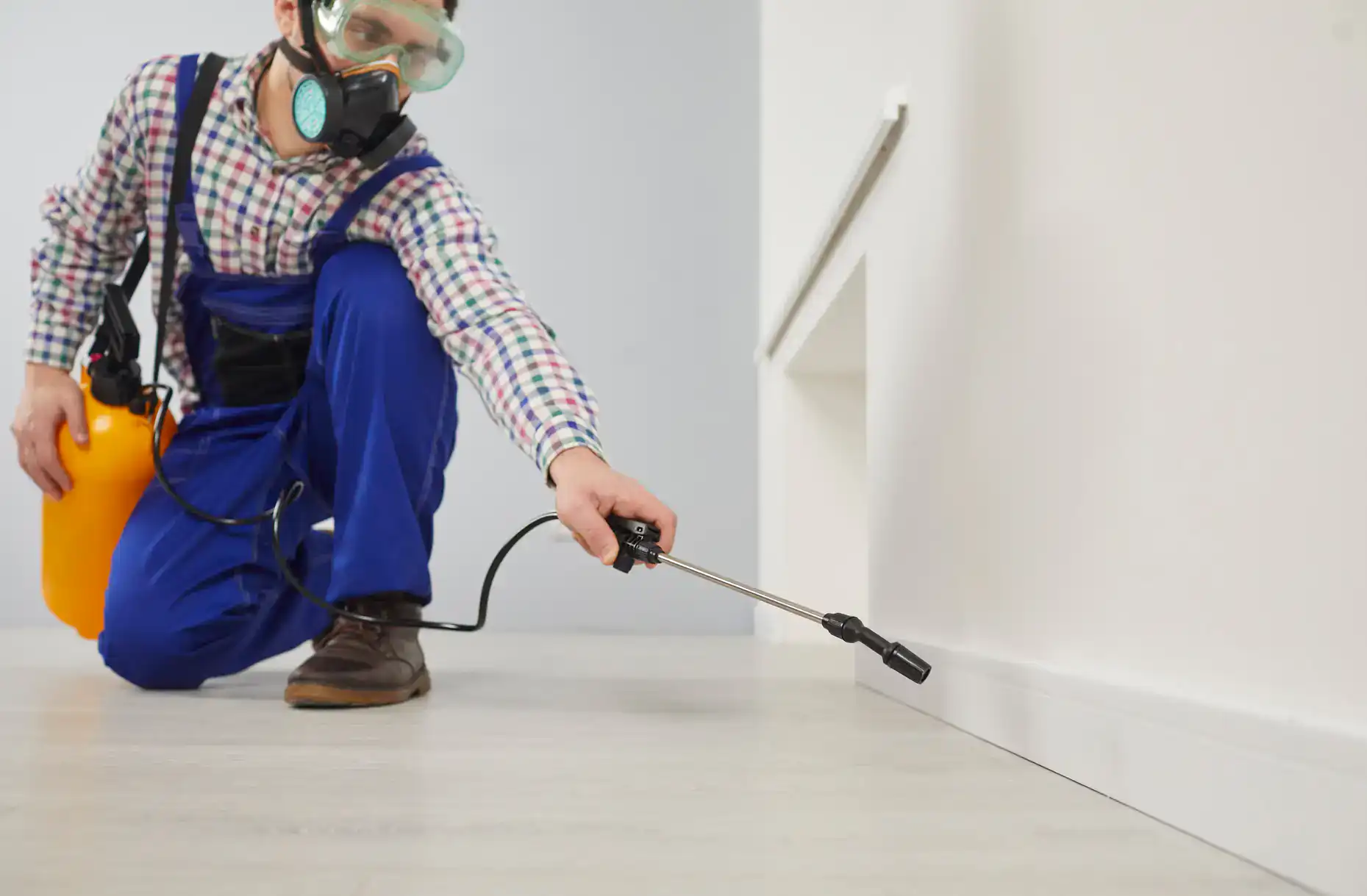
Ready to get started?
Rodent control in Cambria Heights isn’t the same job it is in a dense, multi-family neighborhood in western Queens. There are no shared building walls here, no commercial garbage bays, no subway infrastructure underneath the block. The pressure comes from a different set of conditions aging single-family foundations, detached garages, backyard sheds, fence-line burrows, and the open institutional ground of Montefiore Cemetery sitting right at the neighborhood’s southern edge.
Our rodent control service addresses all of it. That includes interior treatment, full perimeter inspection, identification of entry points, and a plan for exclusion meaning the gaps, cracks, and penetrations that are letting rodents in get addressed, not just the rodents themselves. The two species most commonly found in Cambria Heights homes are Norway rats and White-footed mice. These aren’t the same animal, and they don’t get treated the same way. Norway rats burrow and nest at ground level; White-footed mice climb and nest in wall voids and higher spaces. Identifying which one you’re dealing with or whether it’s both changes the entire approach.
We also understand the NYC regulatory side of this. If you’ve received a 311 complaint or a Department of Health notice, our service is documented, professionally conducted, and compliant with NYC Health Code Article 151. All materials we apply are NYSDEC-registered, and all our technicians are state-certified applicators. That’s the standard and it’s the one we’ve held since 1971.
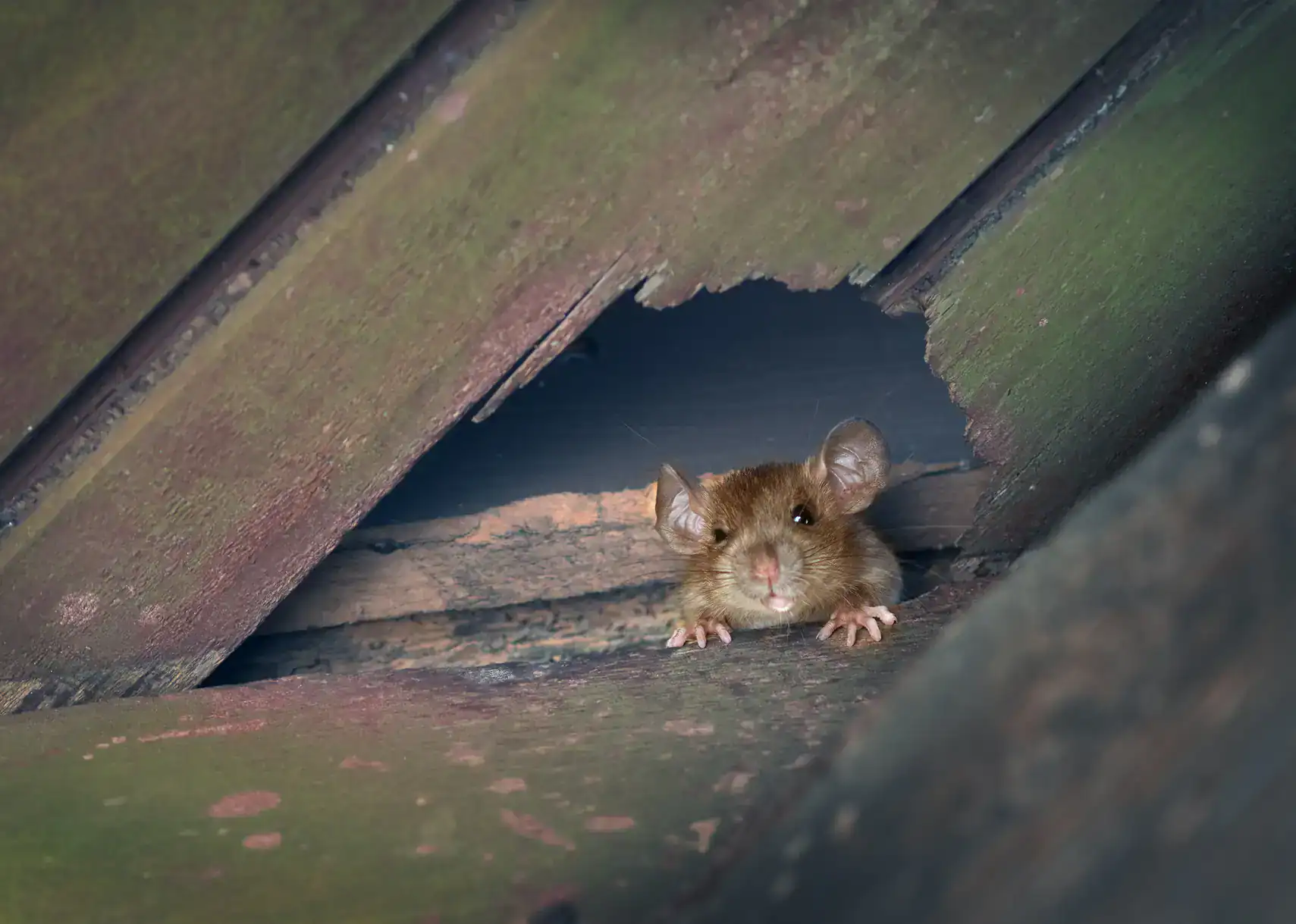
Traps catch rodents that are already inside they don’t stop new ones from coming in. If you’re in a Cambria Heights home built in the 1940s or 1950s, there’s a reasonable chance the foundation has gaps, the basement utility penetrations have shifted or cracked over the decades, or the garage door threshold isn’t sealing the way it should. Any of those openings is an active entry point, and as long as it’s open, you’ll keep catching rodents without actually solving the problem.
The other factor is what’s drawing them in from outside. Cambria Heights backs up against Montefiore Cemetery to the south and the Nassau County border to the east both of which provide continuous rodent habitat and pressure into the residential blocks. A professional inspection looks at the full picture: where they’re getting in, what’s attracting them, and what needs to be addressed beyond the interior. Traps alone are a management tool, not a solution.
Pricing depends on the scope of the problem, the size of the property, and what’s needed interior treatment only, or a more comprehensive plan that includes perimeter inspection and exclusion work. For context, initial rodent treatment in the Cambria Heights area typically ranges from $150 to $400, exclusion work (sealing entry points) can run $300 to $1,500 depending on the number and complexity of penetrations, and ongoing monitoring plans are generally $40 to $80 per month.
What’s worth keeping in mind is that in a neighborhood where home values are approaching $650,000, the cost of a professional rodent service is a small number relative to what an untreated infestation can do to a property. Chewed wiring in a home with a 1950s electrical system is a fire risk. Contaminated insulation requires full replacement. Structural damage from burrowing adds up quickly. We offer a free phone consultation and a free estimate so you know exactly what you’re looking at before committing to anything.
The two species most commonly found in Cambria Heights homes are the Norway rat and the White-footed mouse. It absolutely matters which one you’re dealing with their behavior, nesting habits, and entry patterns are different enough that the treatment approach changes significantly.
Norway rats are burrowers. They nest at or below ground level along fence lines, under slabs, inside foundation gaps and they’re the more aggressive of the two species. White-footed mice are climbers. They’re more common in neighborhoods bordering open spaces and semi-natural areas, which describes Cambria Heights well given its proximity to the cemetery grounds and the Nassau County edge. White-footed mice tend to enter through higher gaps and nest in wall voids and attic spaces. A technician who doesn’t identify the species first is guessing at the treatment, and guessing is expensive when the first approach doesn’t work.
It’s real, and there’s a straightforward reason for it. As temperatures drop in October and November, Norway rats and house mice actively move toward warmth and shelter. Your home with its basement, garage, and insulated wall cavities is exactly what they’re looking for. Research consistently shows a roughly 25% increase in rodent activity during winter months, and that pattern holds in southeastern Queens every year.
For Cambria Heights specifically, the fall timing is compounded by the neighborhood’s geography. Rodents that have been living in the open ground along the cemetery’s southern edge or in the continuous residential landscape across the Nassau County border start moving inward as the ground cools. If there’s an entry point in your foundation or garage, fall is when they find it. Getting ahead of this in September or October before the first cold snap is consistently more effective and less expensive than treating an established winter infestation.
Yes, we serve Cambria Heights and the surrounding southeastern Queens communities, including Laurelton, Springfield Gardens, Rosedale, and Queens Village. From our base in Marine Park, Brooklyn, the route to Cambria Heights via the Belt Parkway and Cross Island Parkway is direct we’re not a company making a long haul to reach your neighborhood.
We take calls 24 hours a day, seven days a week, and we guarantee a service appointment within 48 hours of contact, with same-day availability in many cases. If you’ve found droppings, heard scratching in the walls, or spotted a rodent in your home, you don’t have to wait days to get someone on the phone. The free consultation call is the first step you describe what you’re seeing, and a knowledgeable person walks you through what it likely means and what comes next.
A 311 rodent complaint or a Department of Health notice means the city has logged the issue and a property inspection may follow. Under NYC Health Code Article 151, property owners are required to maintain their premises free of rodent infestation and to eliminate conditions that attract or harbor rodents. Ignoring a notice isn’t an option violations can escalate to fines and re-inspection requirements.
The right move is to get a licensed professional in quickly, document the treatment, and address the underlying conditions the inspector flagged. Our service is fully compliant with NYC Health Code requirements all materials we apply are NYSDEC-registered, all our technicians are state-certified, and the work is professionally documented. Queens Community Board 13, which covers Cambria Heights, takes quality-of-life enforcement seriously, and having a credentialed, accountable company handle the response is the most straightforward way to resolve the situation and close the complaint. A free consultation call is the fastest way to understand exactly what’s needed for your specific property.
Useful Links