
Hear from Our Customers
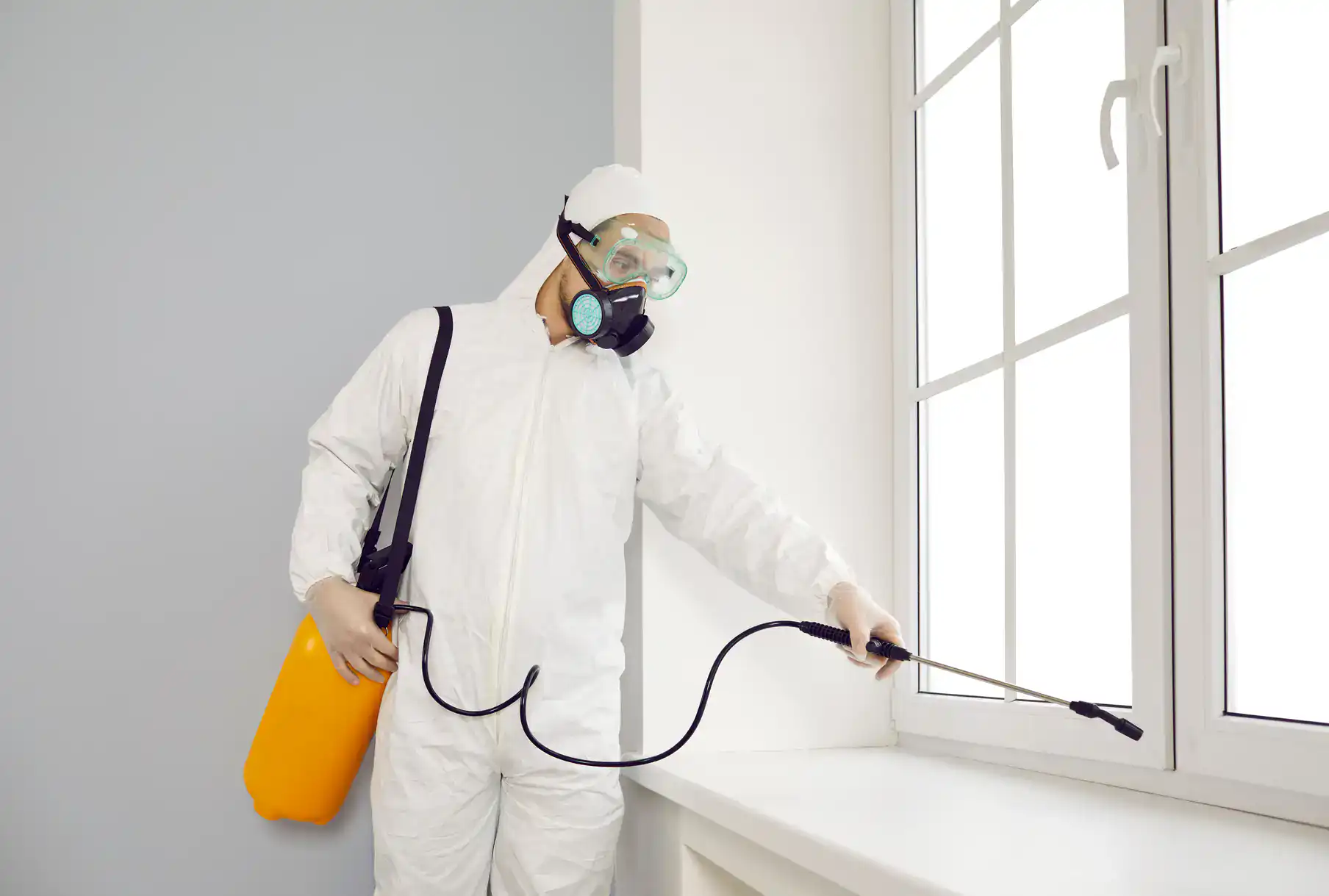
When rodent control is done right, the scratching in your walls stops. The droppings in your cabinets stop. The anxiety every time you walk into your basement stops. That’s what a real solution looks like not a trap on the floor and a follow-up call that never comes.
In Canarsie specifically, the problem runs deeper than most neighborhoods. You’ve got Jamaica Bay to the south, Paerdegat Basin to the west, and Fresh Creek Basin to the east. That’s a lot of outdoor harborage right at your doorstep. When the weather shifts in October, rodents that have been living along those wetland margins don’t disappear they migrate. And Canarsie’s blocks of attached brick row houses, most of them built in the 1950s, give those rodents exactly what they need: shared wall cavities, aging utility penetrations, and connected basements that let them travel from one home to the next without ever stepping outside.
Getting rid of the rodents you can see is only part of it. Sealing the entry points they’ve been using and the ones they haven’t found yet is what actually keeps them out. That’s the difference between a patch job and a real fix.
We were founded in 1971 by Richard Kourbage Sr. His sons Richard Jr. and Charles joined the business in 1987 and 1989, and we’ve been operating out of Marine Park just minutes from Canarsie along the Belt Parkway ever since. This isn’t a franchise. There’s no regional call center. When you call, you’re reaching a Brooklyn family that has been working in this exact coastal corner of the borough for over five decades.
We hold an A+ rating with the Better Business Bureau and have maintained BBB accreditation since 1989. We’re fully licensed, bonded, and insured, and we apply only NYS Department of Environmental Conservation registered materials. Attorneys and real estate brokers across New York actively refer clients to us which matters in Canarsie, where median home values are approaching $775,000 and a rodent problem can complicate a sale fast.
You don’t have to take our word for it. That track record is verifiable, and it was built one Canarsie home at a time.
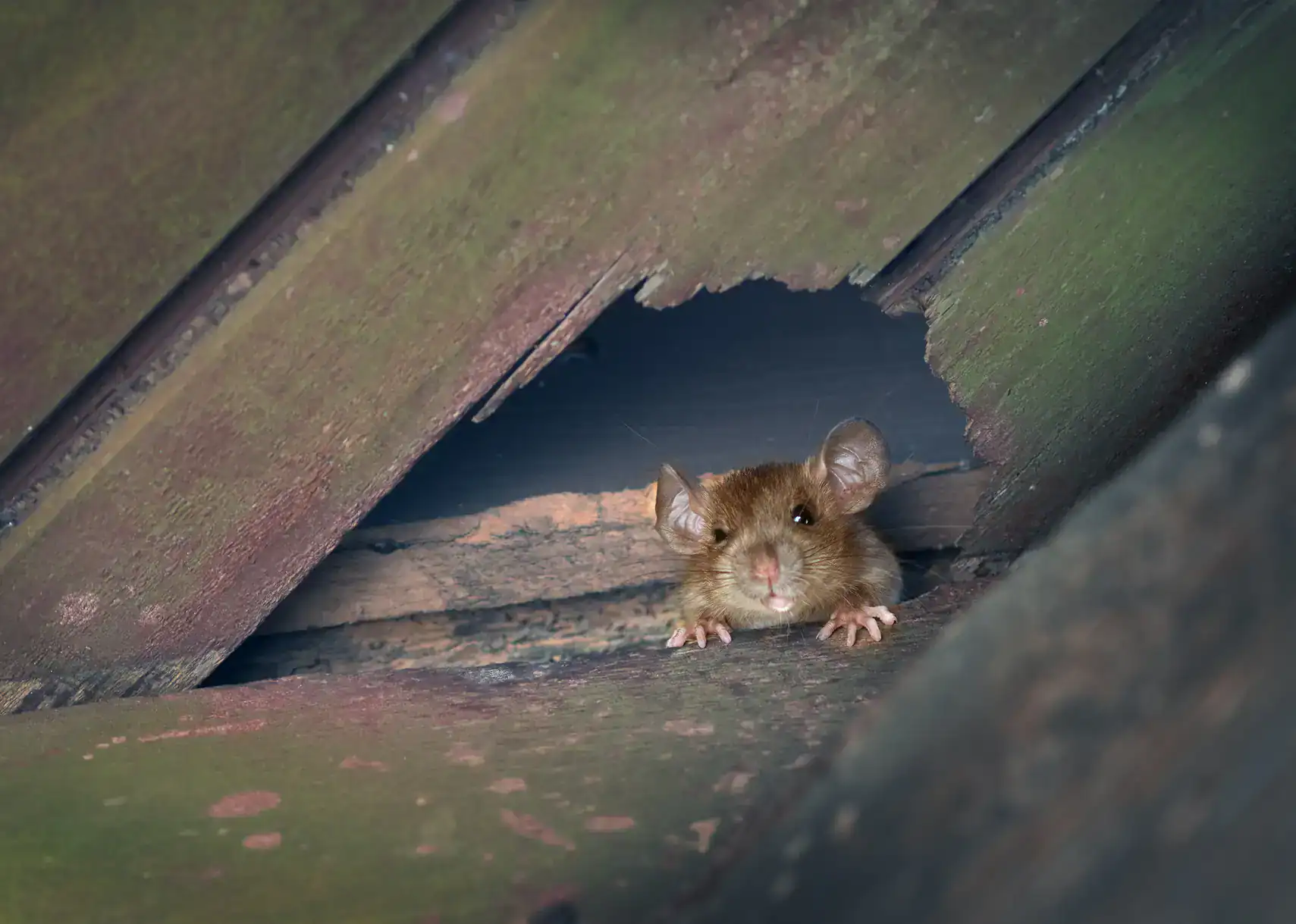
It starts with a phone call and there’s no charge for it. You’ll speak with someone who knows Canarsie’s rodent landscape: the seasonal migration patterns from the bay, the entry-point vulnerabilities common to attached brick homes along Flatlands Avenue and Rockaway Parkway, and what species you’re most likely dealing with. Norway rats dominate in this part of Brooklyn, and they behave differently than house mice. Knowing which one you have changes the treatment approach.
From there, one of our licensed technicians comes to your property within 48 hours, guaranteed. The inspection covers the full perimeter: foundation gaps, garage door thresholds, utility penetrations, basement access points, and any structural damage that may have opened new entry routes. If your home took water during a storm event, that gets factored in too. Flooding is a known driver of rodent displacement in Canarsie, and the inspection accounts for the kinds of entry points that water damage tends to create or worsen.
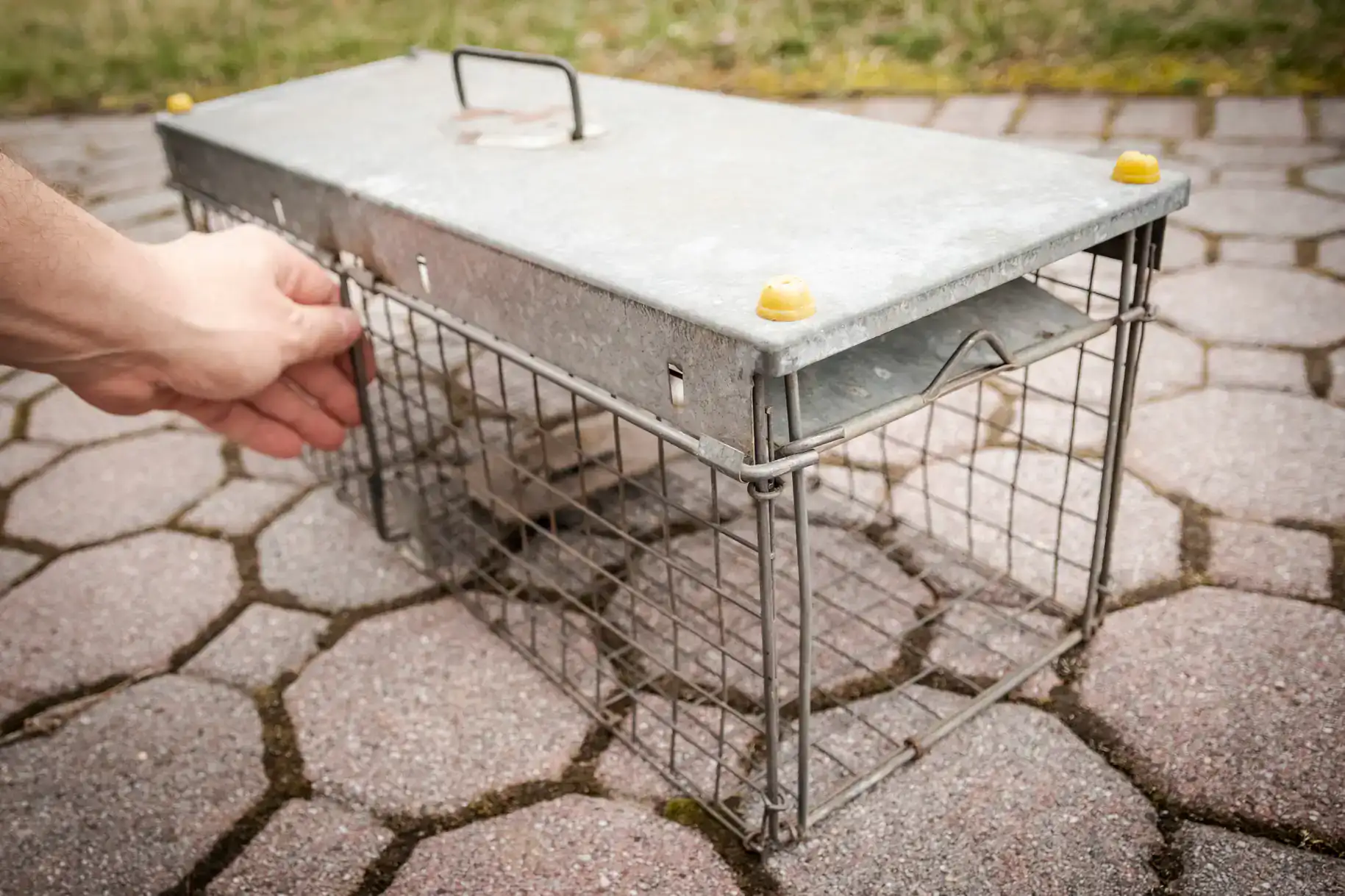
Treatment is targeted, not broadcast. We use NYS DEC-registered bait and trapping methods placed strategically based on what the inspection actually found not a one-size-fits-all layout. Exclusion work seals the confirmed entry points so new rodents can’t follow the same path in. A follow-up visit confirms the treatment is holding. If it isn’t, we come back.
Ready to get started?
Rodent control in Canarsie isn’t a single visit and a handshake. The neighborhood’s geography means outdoor rodent populations along Jamaica Bay and the two tidal basins stay large year-round. Even after a successful treatment, new rodents from neighboring properties or the waterfront will eventually probe your home’s perimeter again. Our service is built around that reality.
Every job includes a full property inspection, targeted bait and trap placement using NYS DEC-registered materials, and exclusion work on confirmed entry points. For Canarsie’s attached homes specifically where a rodent that enters your neighbor’s foundation can reach your basement through a shared wall cavity the inspection doesn’t stop at your front door. It covers the full structure, including shared walls, utility chases, and any areas where previous flood damage may have compromised the building envelope. If you’re managing a multi-family property near the Breukelen Houses or Bay View Houses corridor, or a rental property along Seaview Avenue, we scale the service to cover the full footprint.
NYC Health Code requires building owners to maintain pest-free properties. If you’ve received a 311-triggered violation notice or want to get ahead of one, our documentation and licensed application process satisfies the compliance requirements the Health Department looks for. That’s not a minor detail when fines and re-inspection timelines are involved.
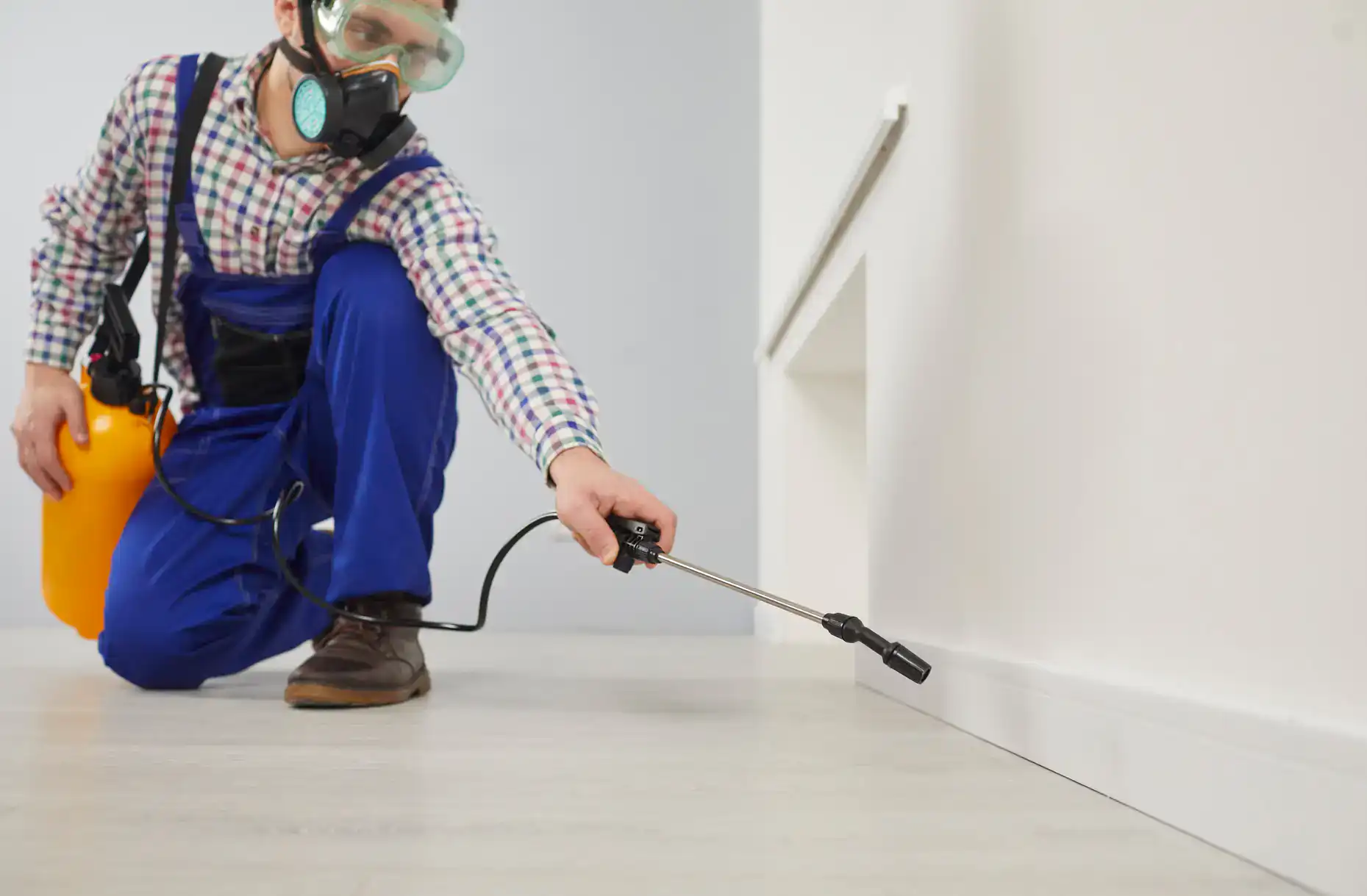
It’s not your imagination. Canarsie sits along Jamaica Bay, and as water temperatures drop in October and November, rats and mice that have been living in outdoor harborage along the bay’s shoreline, Paerdegat Basin, and Fresh Creek Basin start moving inland. They’re looking for warmth, food, and shelter and the foundations of Canarsie’s attached brick homes give them all three.
This fall migration is more pronounced in Canarsie than in inland Brooklyn neighborhoods precisely because of the bay. The outdoor rodent population along the waterfront is large and persistent, and it’s geographically close to residential streets. Once temperatures drop, that population doesn’t disappear it relocates into your walls, your basement, and your kitchen. Addressing the problem in September or early October, before the migration peaks, is significantly more effective than waiting until you’re already hearing activity inside the house.
It depends on the scope of the infestation, the size of the property, and how much exclusion work is needed. For a standard one- or two-family home in Canarsie, rodent control typically falls in the range of $180 to $500 for an initial treatment. If the infestation is more established multiple entry points, evidence of nesting in wall cavities, or a property that’s had prior flooding the cost can run higher, particularly if significant exclusion work is required to seal the structure properly.
The free phone consultation is the best first step for getting a realistic estimate. A technician can assess your situation before any commitment is made and give you a clear picture of what the job actually involves. What’s worth keeping in mind: the cost of professional rodent control is a fraction of what rats can cause in structural damage, chewed wiring, or a failed property inspection. In Canarsie, where homes are worth close to $775,000, that math matters.
Yes, and it’s one of the most common ways infestations spread in Canarsie’s housing stock. The neighborhood’s blocks of attached brick row houses most built in the 1950s share wall cavities, basement walls, and utility chases. A rat that enters through a foundation gap in one unit can move laterally through the shared structure into adjacent homes without ever going back outside.
This is why a treatment that only addresses the interior of one unit often fails. If the entry point is in a shared foundation wall, or if the rodent population has established a travel corridor through the building’s infrastructure, you’re not solving the problem you’re just relocating it temporarily. A proper inspection covers the full structural perimeter, including shared walls and common utility penetrations, and exclusion work targets the actual entry points rather than just the rooms where activity is visible.
It does, and Canarsie’s flood history makes this a particularly relevant question. When Hurricane Sandy brought one to six feet of water into Canarsie basements and first floors in 2012, it didn’t just damage property it disrupted underground rodent burrow systems throughout the neighborhood. Rats and mice that had been living in those burrows were displaced and forced to find shelter in the nearest available structure. Residential foundations were the obvious destination.
The same dynamic applies to any significant flooding event. Canarsie’s low-lying elevation and proximity to Jamaica Bay and the two tidal basins mean that storm surge and heavy rainfall events continue to pose a flood risk. If your basement has taken water whether recently or years ago and you’ve since noticed rodent activity, the connection is worth taking seriously. Flood damage also tends to open or worsen foundation cracks and utility seal failures that rodents exploit as entry points, even long after the water has receded.
It does change the treatment, which is why identifying the species correctly matters before anything is placed. Norway rats the dominant rodent species in New York City are burrowers. They typically enter through foundation-level gaps, travel along walls, and nest in basements, crawl spaces, and underground voids. They’re larger, more cautious around new objects, and require a different bait placement strategy than mice. House mice, by contrast, are faster to investigate new food sources, tend to nest higher up in wall voids and behind appliances, and can squeeze through openings as small as a dime.
The signs are usually readable before a technician arrives. Rat droppings are roughly the size of a raisin and tapered at the ends. Mouse droppings are much smaller about the size of a grain of rice. Gnaw marks, grease trails along baseboards, and the location of activity (basement versus kitchen cabinets, for example) all help narrow it down. The phone consultation can walk you through what you’re seeing so the technician arrives prepared with the right approach for your specific situation.
For most homes in Canarsie, a single treatment addresses the active infestation but whether rodents return depends heavily on whether the entry points were sealed as part of the job. Treatment without exclusion work is a temporary fix. New rodents from the outdoor populations along Jamaica Bay and the tidal basins will eventually find the same gaps that the previous ones used, especially during fall migration season.
The honest answer is that Canarsie’s geography creates ongoing rodent pressure. The neighborhood’s proximity to the bay and the two creek basins means the outdoor source population is large and doesn’t go away. Homes that have had exclusion work done properly foundation gaps sealed, utility penetrations addressed, garage thresholds checked hold up significantly better over time than homes that were only treated with bait and traps. A follow-up visit after the initial treatment confirms whether the exclusion is holding and catches any activity that developed after the first visit. For properties with persistent pressure, a seasonal maintenance approach makes more practical sense than waiting for the next infestation to announce itself.
Useful Links
Other Services we provide in Canarsie