
Hear from Our Customers
You stop finding droppings behind the stove. You stop hearing scratching inside the walls at night. You stop wondering whether that smell is what you think it is. That’s what rodent control in Corona should actually deliver not just a technician who sets a few traps and leaves you guessing.
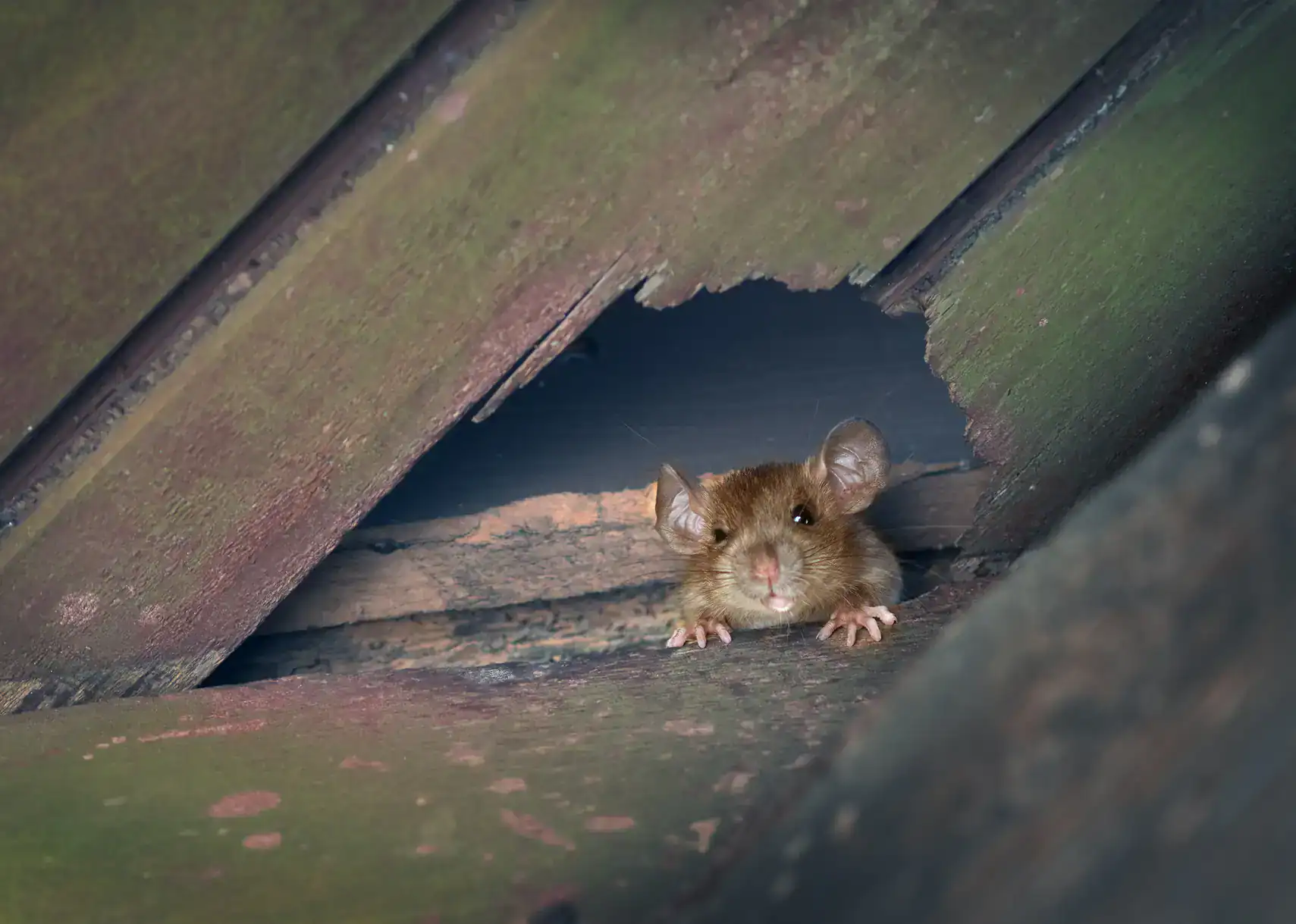
Corona’s housing stock is older. Most of these buildings went up between 1940 and 1969, and decades of settling means gaps around pipes, cracks in foundation walls, and worn-out door seals that rats and mice treat like an open invitation. A mouse only needs a gap the size of a pencil eraser to get inside. Once they’re in, they don’t stay in one spot they move through wall voids and utility chases to reach every part of the building. That’s why treating one unit or setting a few traps never fully works.
The right approach finds every entry point, treats the infestation at the source, and closes off the access routes so new rodents can’t replace the ones you removed. When that’s done correctly, the difference isn’t subtle. Your home feels like yours again.
We were founded in 1971 which means we were already working in Corona before most of the neighborhood’s current residents arrived. Richard Kourbage Sr. built this company on a straightforward standard: show up, do the job right, and charge a fair price. His sons Richard Jr. and Charles have run it the same way for decades. There’s no corporate layer here, no franchise playbook. When something goes wrong, the people whose name is on the company are the ones who answer for it.
We hold an A+ rating with the Better Business Bureau and have maintained BBB accreditation since 1989. We’re fully licensed, bonded, and insured, and we apply only NYS Department of Environmental Conservation-registered materials which matters in a household with kids, elderly family members, or pets. Attorneys and real estate brokers across New York City refer their clients to us regularly. That’s not a marketing line it’s a track record built over 50 years of work in Corona and throughout Queens.
It starts with a thorough inspection interior and exterior. We’re looking at foundation gaps, utility penetrations, door seals, basement access points, and anywhere else rodents are likely entering or nesting. In Corona’s older attached buildings, that inspection goes further than it would in a newer standalone house. We check wall voids, shared spaces, and the areas around aging pipe runs that are common in pre-war and mid-century construction throughout the neighborhood.
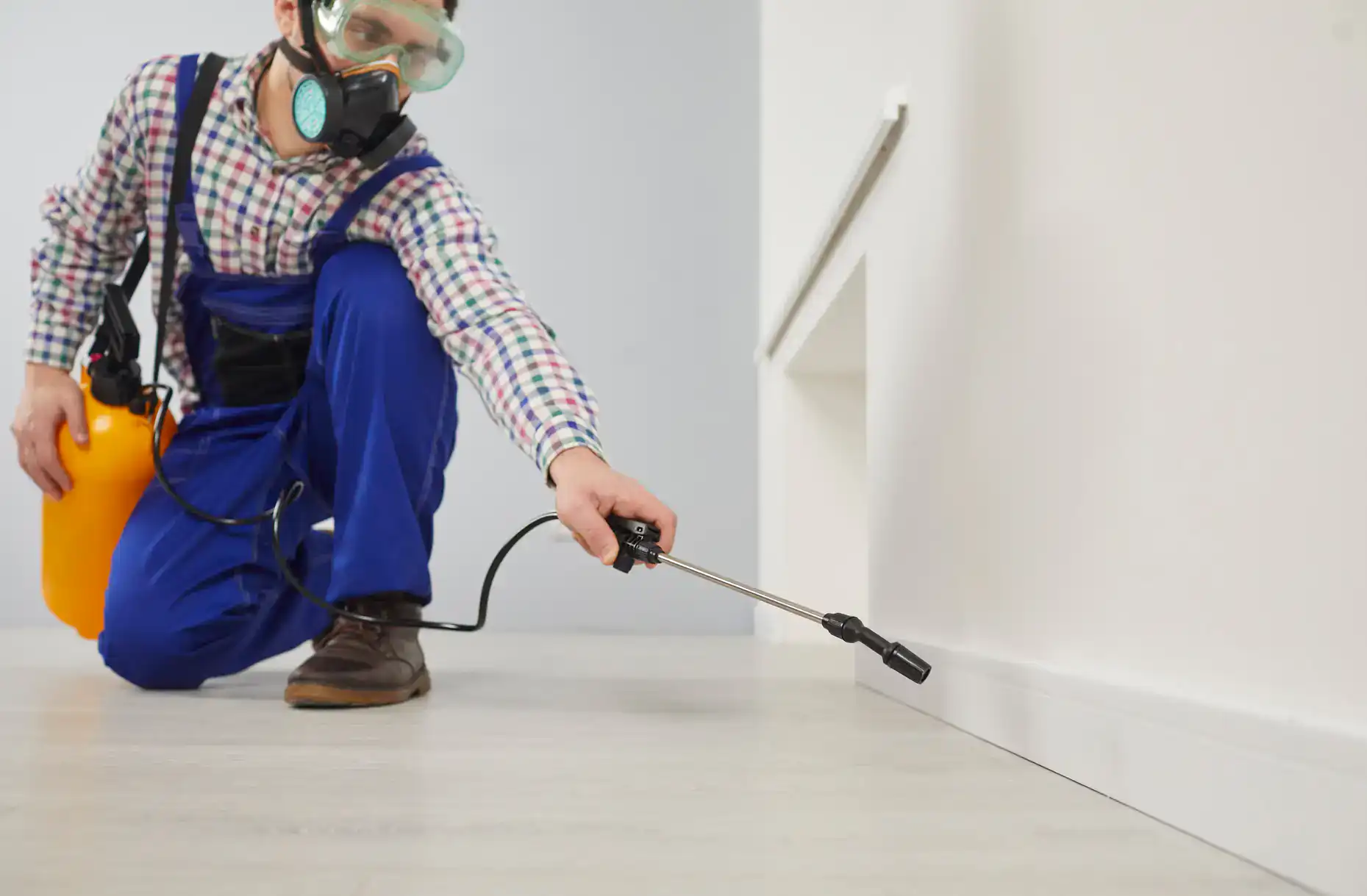
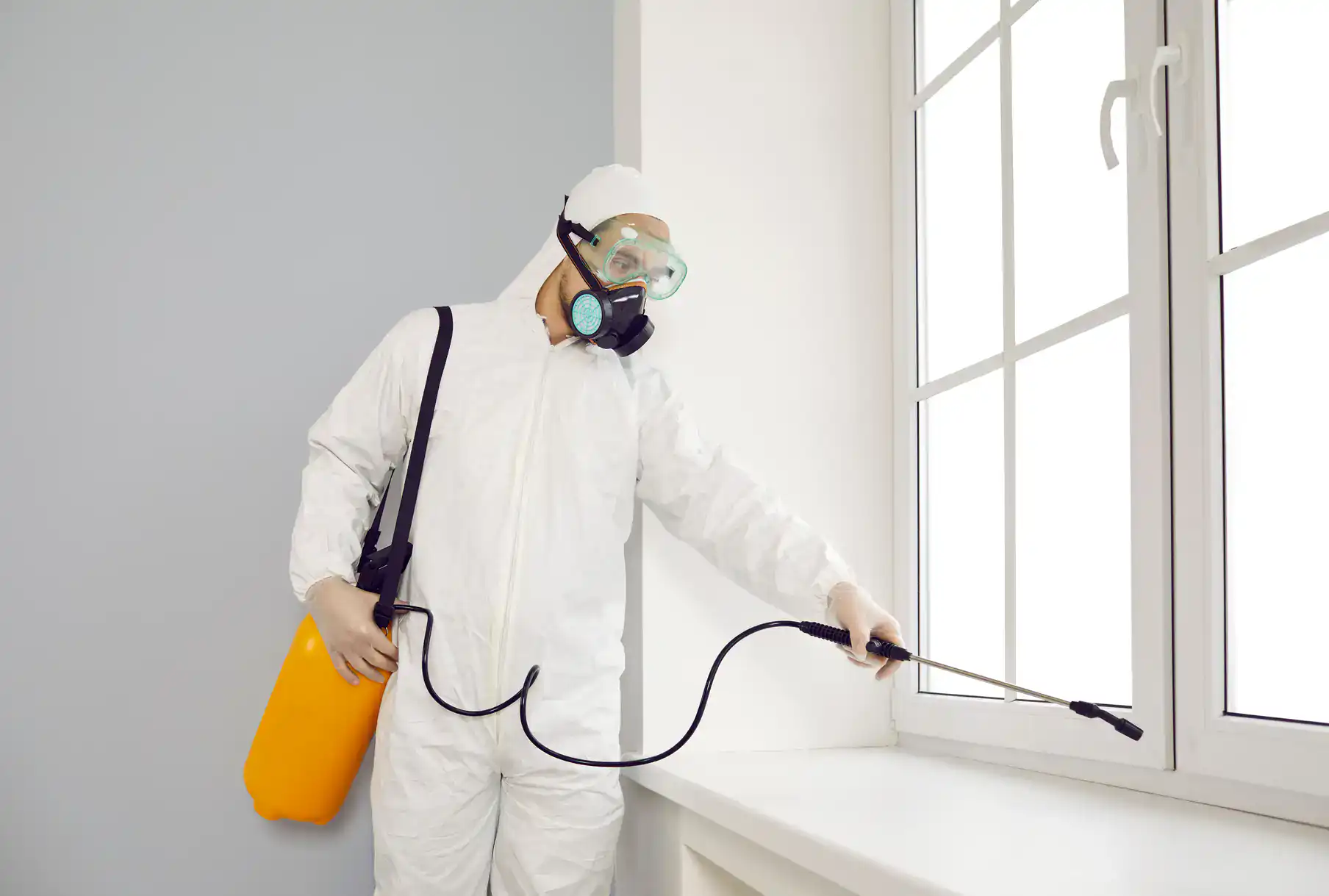
Once we know what we’re dealing with, treatment targets the infestation where it’s actually living not just where it’s visible. Bait placement, trap positioning, and the materials we use are all determined by what the inspection reveals, not a one-size-fits-all protocol. If your building sits near the western edge of Flushing Meadows-Corona Park, that context shapes how we approach the exterior perimeter, because park-adjacent properties face ongoing pressure that interior-only treatment won’t resolve.
After treatment, we address exclusion sealing the entry points that allowed rodents in. This is the step most people skip, and it’s the reason infestations come back. We’ll also walk you through what to expect in the days following treatment and what ongoing steps, if any, make sense for your specific building. If you’re a tenant dealing with a landlord who’s dragging their feet, or a property owner who just received an abatement order after a 311 complaint, we can provide the documentation you need for a city compliance inspection.
Ready to get started?
Rodent control in Corona isn’t a generic service. The neighborhood has specific conditions that shape how the work needs to be done and a technician who doesn’t understand those conditions is going to give you a temporary fix at best.
The proximity to Flushing Meadows-Corona Park is the factor most people don’t think about until it’s too late. Nearly 900 acres of green space, wetlands, and meadow habitat sit directly adjacent to Corona’s residential streets. That park sustains large rodent populations year-round, and when construction or seasonal changes disturb colonies near the park’s edge as happened during the Meadow Lake Northwest Area Reconstruction completed in 2024 displaced rodents move outward into the surrounding blocks. If your building is on the south or east side of the neighborhood, this is a real and recurring pressure, not a one-time event.
Corona’s multi-family, renter-occupied housing stock also means that building-wide treatment is often the only approach that actually works. Under the New York City Health Code, building owners are legally required to keep properties free of rodents. A 311 complaint triggers a formal Health Department inspection, and a failed inspection results in an abatement order with a compliance re-inspection typically following within two to three weeks. Whether you’re a tenant who needs documentation or a landlord who needs to satisfy a city inspector, we provide the licensed, professional service and written service reports that hold up to scrutiny. We apply only NYS DEC-registered materials, we’re available 24 hours a day, and we can typically get to you within 48 hours of your call often the same day.
Yes, and it’s more common than most people realize. Flushing Meadows-Corona Park covers close to 900 acres, and large urban parks like this one function as sustained rodent habitats they provide food, shelter, and protected corridors that allow populations to stay dense year-round. For homes on the blocks bordering the park’s western edge, rodent pressure from the park is an ongoing reality, not a rare event.
It becomes especially pronounced after habitat disruption. When construction or major landscaping work disturbs established colonies near the park’s edge the way the Meadow Lake Northwest Area Reconstruction did when it wrapped up in 2024 displaced rodents move outward into the surrounding residential streets looking for new harborage. If you’ve noticed increased activity recently and you’re in South Corona or near the Grand Central Parkway corridor, that context is worth knowing. A proper exterior inspection of your building’s perimeter, combined with targeted exclusion work, is the right response not just interior trapping.
Under the New York City Health Code, your landlord is legally required to keep the building free of rodents. That’s not optional, and it’s enforceable. If your landlord has ignored the problem, you can file a complaint through NYC 311 online or by phone and the NYC Health Department will send an inspector to the property. If the inspection confirms a rodent issue, the building owner receives a formal abatement order and must remediate within a defined timeframe. A compliance re-inspection typically follows within two to three weeks.
Filing a 311 complaint puts the obligation on record and creates a paper trail. If you want to document the severity of the infestation independently which can be useful in a housing dispute a professional inspection from a licensed exterminator provides that documentation. We can inspect your unit, provide a written service report, and, if treatment is authorized by the property owner, perform the work that satisfies the Health Department’s standards. If you’re unsure where to start, call us for a free phone consultation and we’ll walk you through what makes sense for your situation.
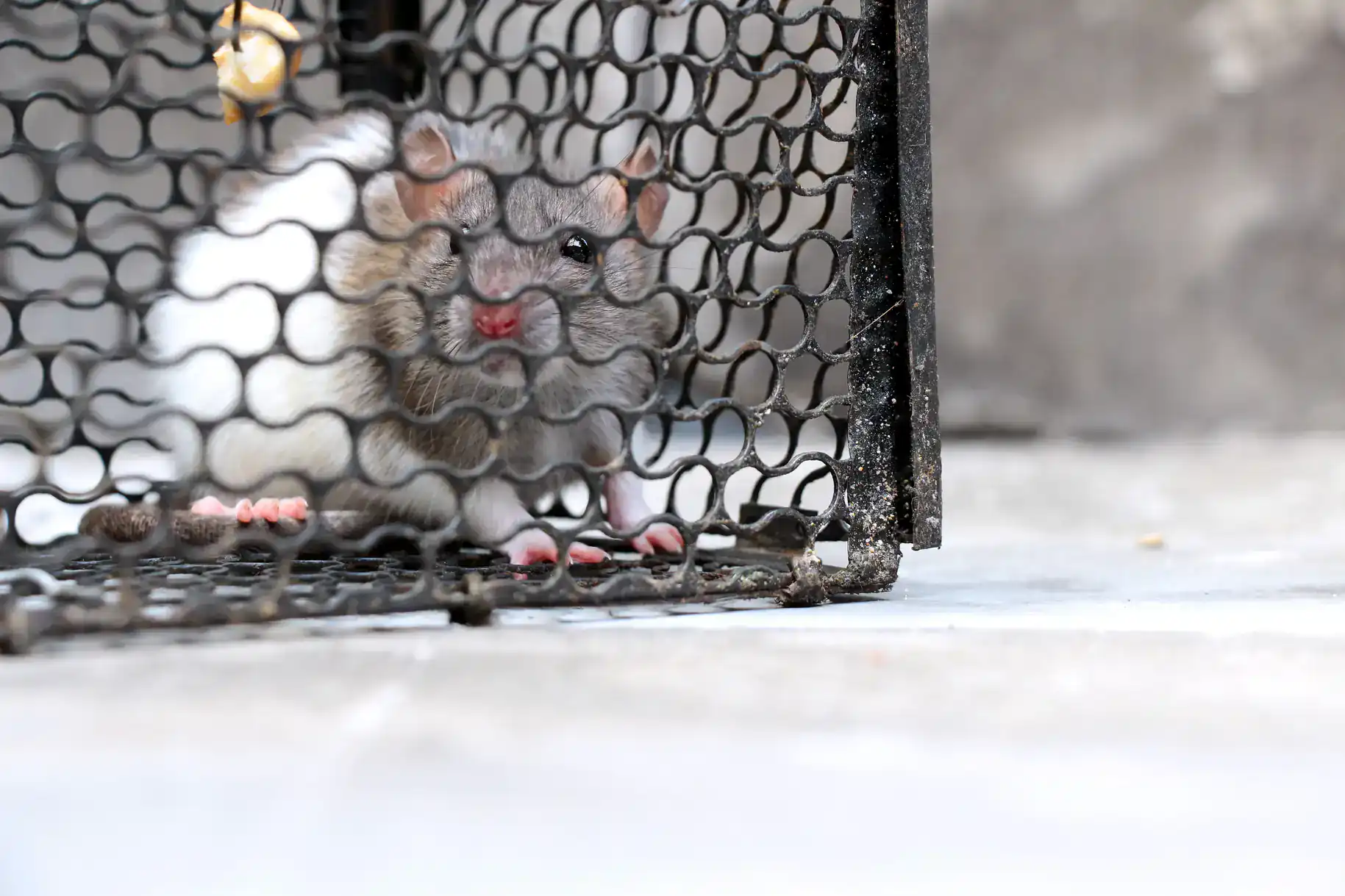
A single mouse that wandered in is actually pretty rare mice are social animals and tend to move in family groups. If you’ve seen one, there’s a reasonable chance there are more nearby. The clearest signs of an active infestation are droppings (small, dark, and pellet-shaped near food sources or along walls), gnaw marks on food packaging or structural materials, greasy rub marks along baseboards where rodents travel repeatedly, and sounds scratching or rustling inside walls, especially at night when rodents are most active.
In Corona’s older attached buildings, an infestation in one unit often means activity in adjacent units as well, since rodents move freely through shared wall voids and utility chases. If you’re seeing any of these signs, don’t wait to see if it resolves on its own. Rodent populations grow fast a female house mouse can produce multiple litters within a few months. What starts as a small problem compounds quickly, and the longer it goes untreated, the more entry points and nesting sites become established throughout the building.
You can legally use over-the-counter traps and rodenticides as a homeowner or tenant, but there’s a meaningful gap between what’s available at a hardware store and what a licensed professional can apply. Commercial-grade rodenticides and exclusion materials require a valid NYS Department of Environmental Conservation certification to purchase and apply and those are the tools that actually resolve a serious infestation rather than managing it indefinitely.
More practically, DIY approaches almost always address the symptom rather than the source. Traps catch individual rodents, but they don’t close the entry points through which new ones are entering, and they don’t address the nesting sites or conditions that make your building attractive in the first place. In a neighborhood like Corona, where buildings are older, attached, and often renter-occupied, re-infestation from neighboring units or from the surrounding environment is a constant factor. If you’ve already tried traps and the problem keeps coming back, that’s the reason. A licensed exterminator inspects for root causes and addresses them which is what actually stops the cycle. And if you’ve received an abatement order after a 311 complaint, the NYC Health Department expects professional remediation, not hardware store traps.
Rodent activity in Corona tends to peak in fall and winter roughly October through February as temperatures drop and rats and mice push indoors looking for warmth and food. Corona’s older housing stock makes this transition easy for them. Gaps around aging pipe penetrations, worn foundation seals, and deteriorated door sweeps are all common in the pre-war and mid-century buildings that make up most of the neighborhood, and those vulnerabilities don’t seal themselves when the weather turns cold.
That said, spring and summer bring their own concerns. Breeding activity is highest in warmer months, which means a pair of mice that entered your building in October may have produced several litters by March. Summer also brings large crowds to Flushing Meadows-Corona Park events at Citi Field, barbecues, soccer matches which generates food waste that sustains the park’s rodent population heading into fall. The practical takeaway is that there’s no truly off-season for rodent control in Corona. Fall is the highest-urgency window, but an inspection in late summer gives you the best chance of sealing entry points before the cold-weather migration begins.
Most homeowners and renters pay somewhere between $180 and $610 for professional rodent control, depending on the severity of the infestation, the size of the property, and what treatment approach is needed. If exclusion work is part of the job sealing entry points in the foundation, around pipes, or along the building exterior that typically adds another $200 to $600 depending on how many access points need to be addressed.
For Corona specifically, multi-family and attached buildings often require more comprehensive treatment than a standalone home, because the infestation isn’t contained to one unit. That can affect the scope and cost of the job. The honest answer is that the price varies enough that a phone consultation is the most useful first step it costs you nothing, and it gives you a real picture of what you’re dealing with before you commit to anything. We offer free phone consultations and free estimates, and there’s no pressure involved. If you’ve already spent money on hardware store traps that haven’t solved the problem, a professional inspection will at least tell you why and what it would actually take to fix it for good.
Useful Links
Other Services we provide in Corona