
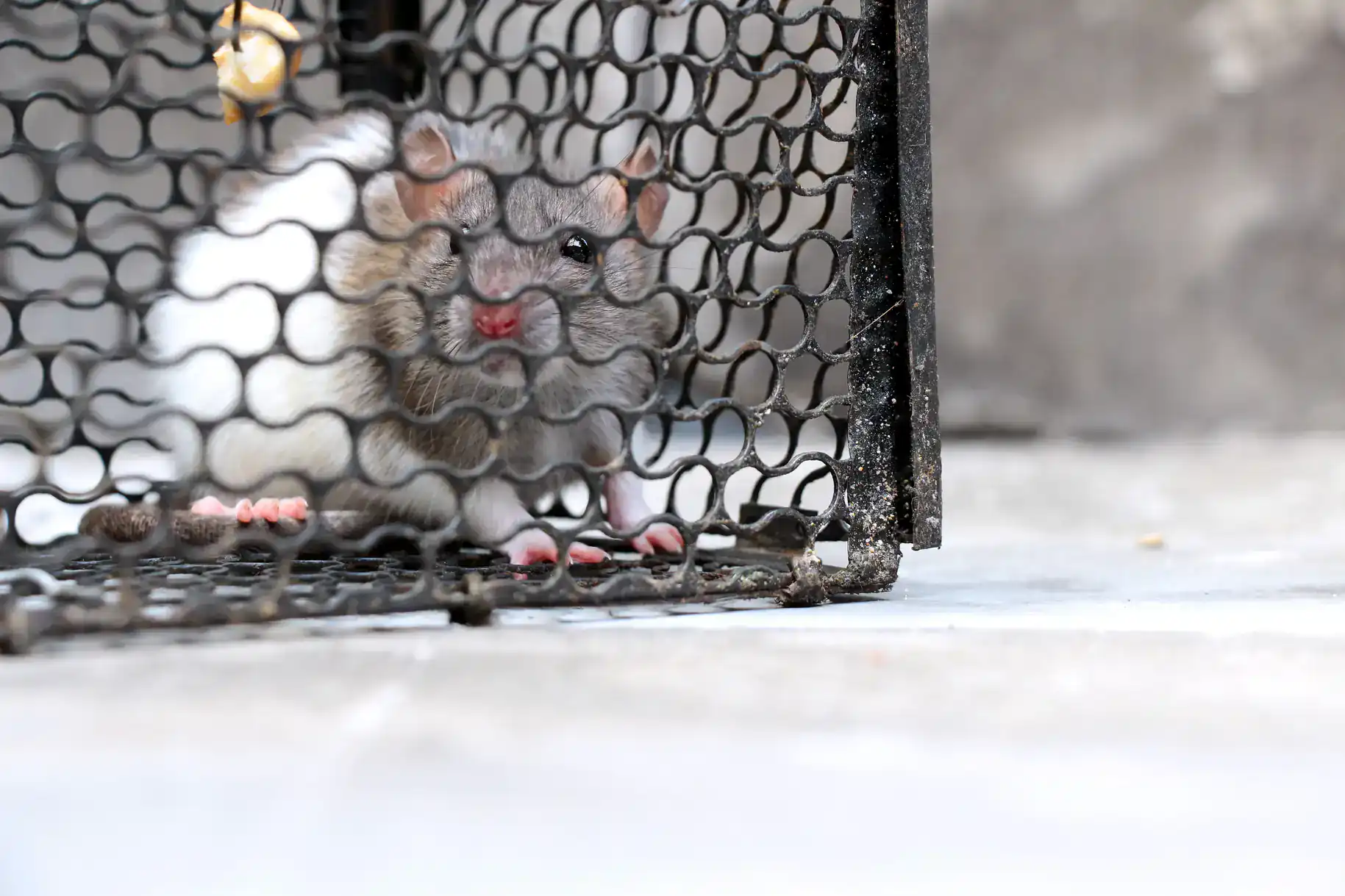
Hear from Our Customers
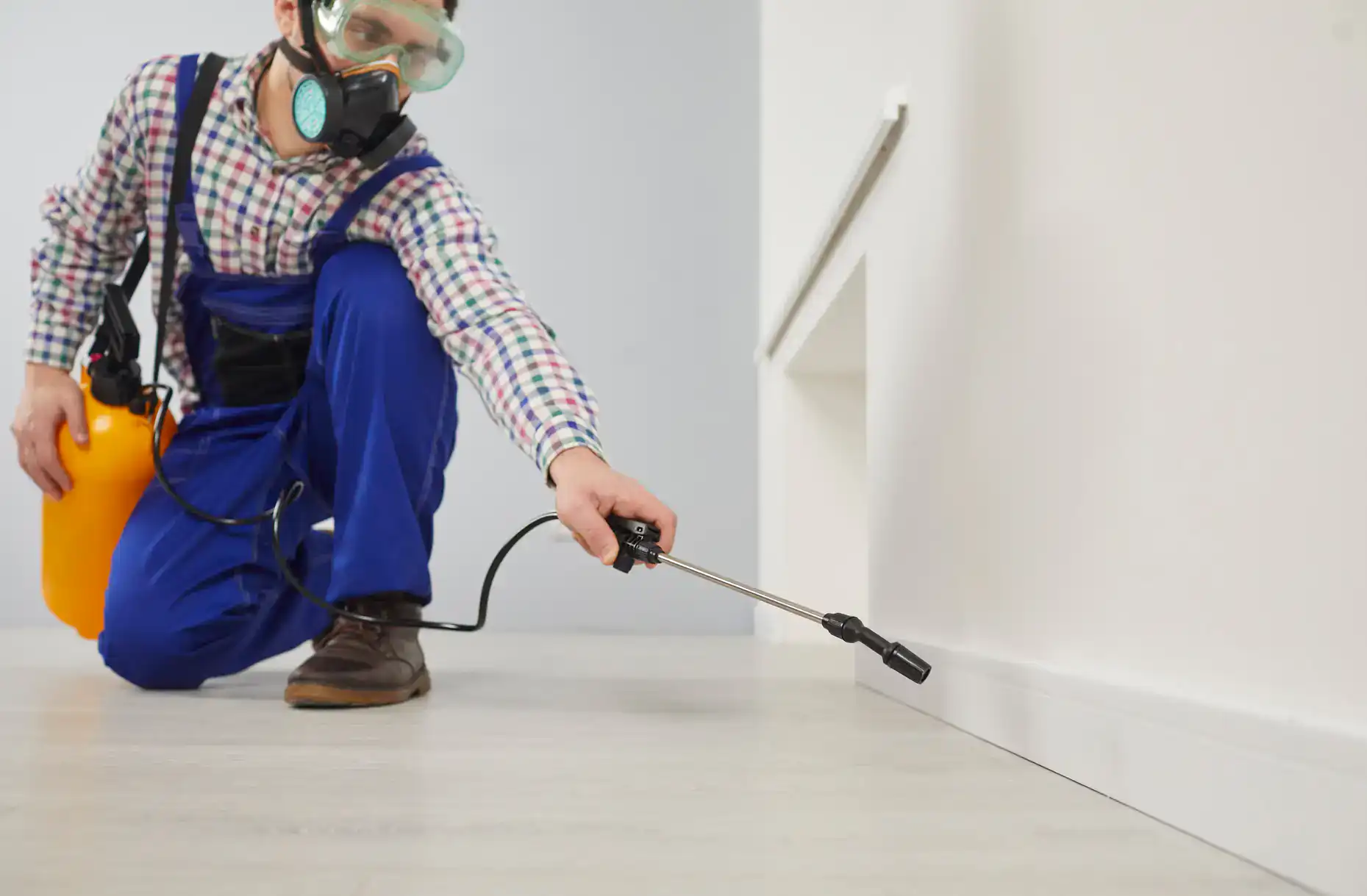
Most rodent problems in Douglaston don’t start with a dirty kitchen. They start at the edge of a 635-acre park, along a waterfront marsh, or through a gap in a foundation that’s been slowly settling since 1928. When the source gets addressed not just the individual rodents you can see the problem stops cycling back every fall.
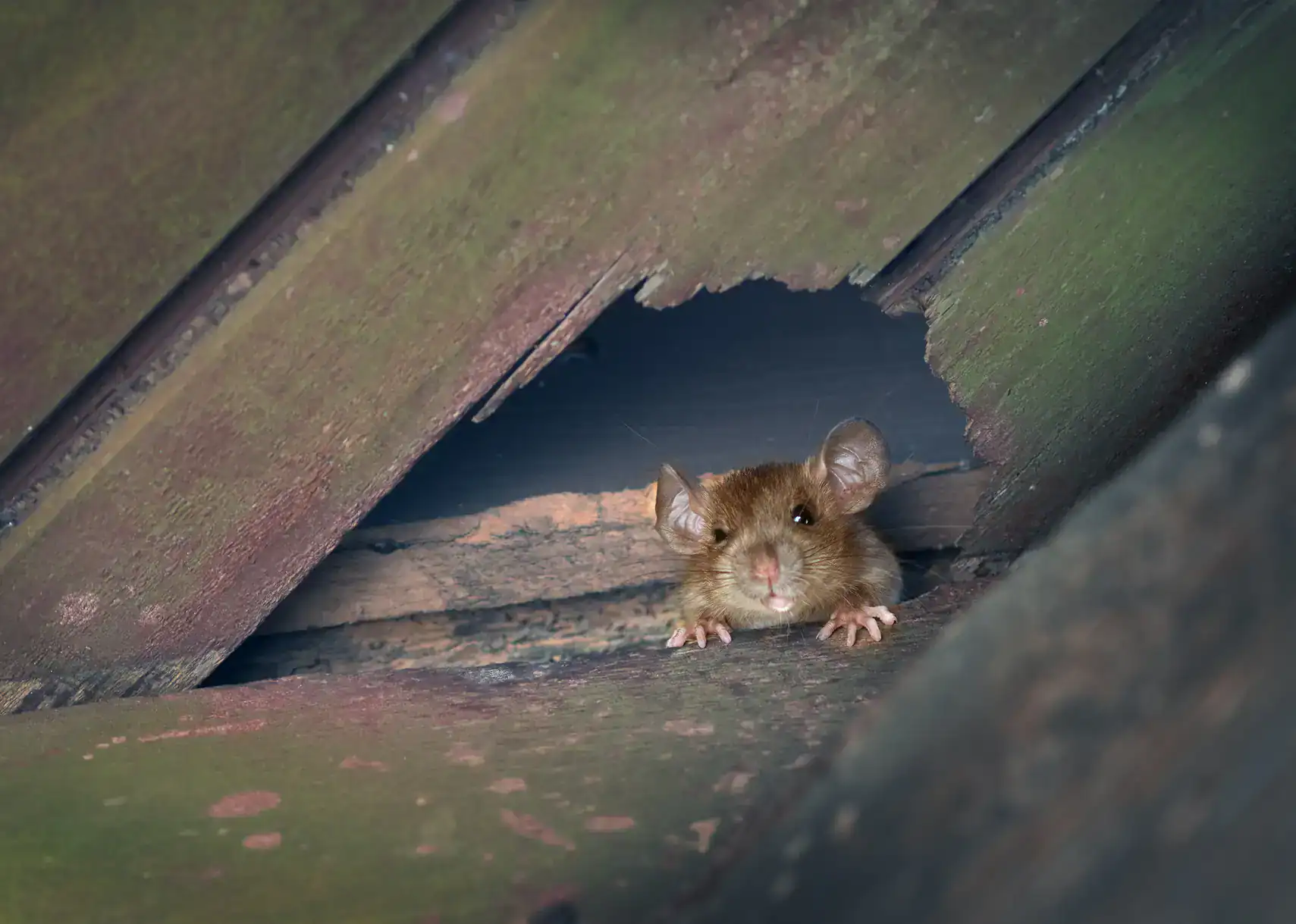
Homes in Douglas Manor and Douglaston Hill are beautiful, and they’re old. Pre-war construction means decades of accumulated entry points: cracks where utilities were run through original masonry, wood framing around basement windows that’s shifted over time, crawl space vents that haven’t had a tight seal in years. A mouse needs a hole the size of a pencil eraser. A rat needs a quarter. Those gaps exist in almost every home built before 1940 in this neighborhood, and most homeowners have no idea where they are.
Once we seal the entry points and eliminate the active infestation, you get something most people in Douglaston haven’t had in a while actual confidence that your home is protected. Not just quieter walls for a few weeks, but a real resolution. For a home worth well over a million dollars, that’s not a luxury. It’s the baseline.
Kingsway Exterminating Company was founded in 1971 by Richard Kourbage Sr. His sons Richard Jr. and Charles joined in 1987 and 1989. That’s three people with the same last name who’ve built a reputation over five decades and who have a direct personal stake in every job that goes out under the Kingsway name. That kind of accountability doesn’t exist in a national franchise.
We hold an A+ rating with the Better Business Bureau of New York State and have been BBB-accredited since 1989. Every technician applies only NYS DEC-registered pesticide materials. We’re fully licensed, bonded, and insured and have been referred by attorneys and real estate brokers throughout the NYC metro area for decades, including for transactions in Douglaston where a rodent issue found during inspection can derail a sale.
Douglaston is not a neighborhood where you want to gamble on a company you’ve never heard of. The homes here particularly in Douglas Manor and along the Little Neck Bay waterfront deserve a company that understands older construction, historic district sensitivities, and the specific pressure that comes from living next to one of the largest parks in Queens.
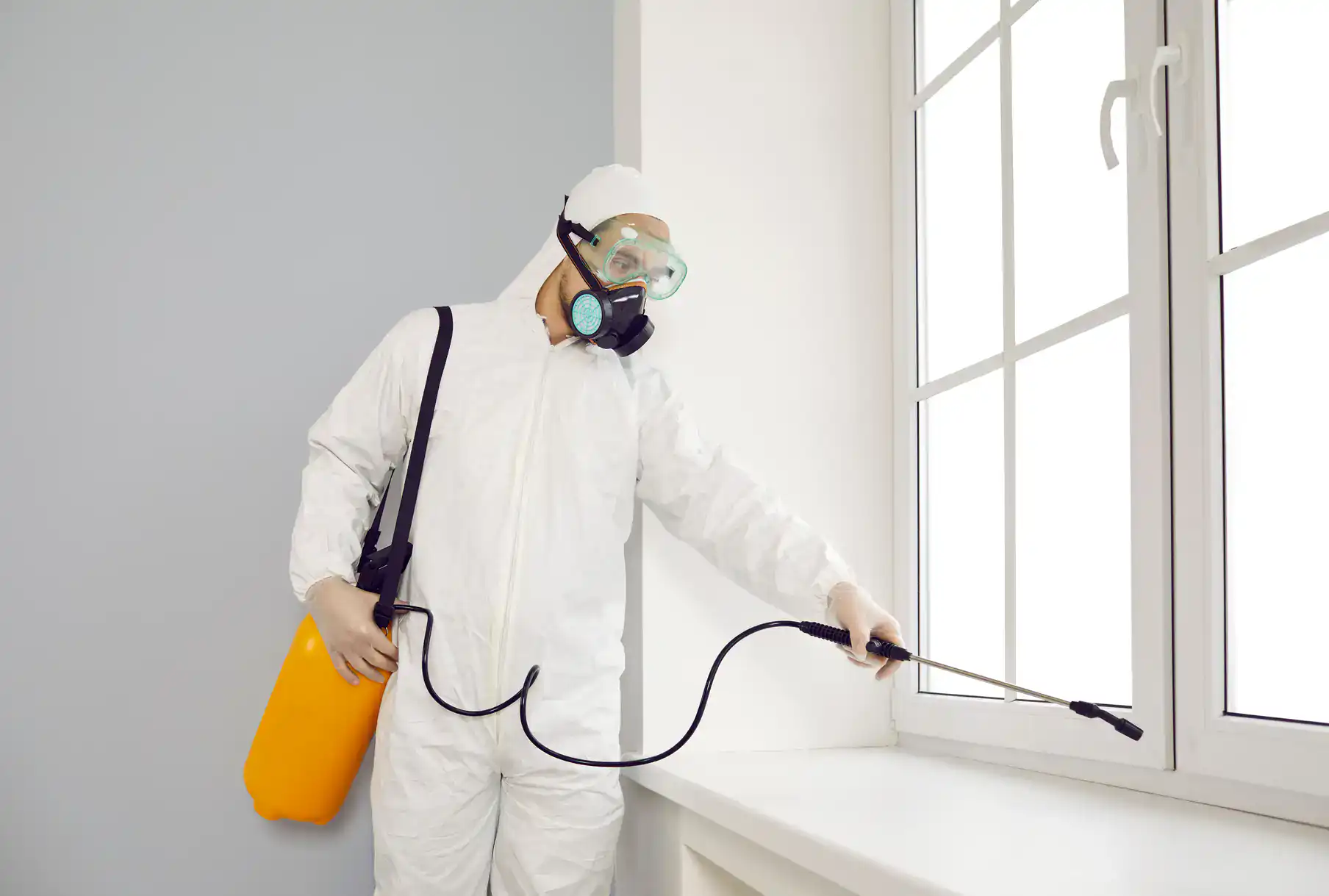
It starts with a call. We offer a free phone consultation no charge, no commitment so you can describe what you’re seeing and get an honest assessment before anyone sets foot in your home. If it makes sense to move forward, a free on-site estimate follows, with an appointment guaranteed within 48 hours.
When our technician arrives, the inspection covers both the interior and exterior of your property. In Douglaston, that exterior inspection matters as much as what’s happening inside. Properties that back up to Alley Pond Park or sit near the Little Neck Bay shoreline face ongoing pressure from park-edge rodent populations especially in fall, when dropping temperatures push those populations toward any available warmth. We identify active entry points, harborage conditions in the yard, and any environmental factors dense ground cover, bird feeders, compost areas, wood piles that are sustaining the problem.
Treatment addresses the active infestation first. Then exclusion work closes the entry points that allowed access in the first place. For homes in Douglas Manor or Douglaston Hill both NYC Historic Districts that exclusion work is done with care and with appropriate materials, so the fix doesn’t compromise the exterior character of your home. After treatment, you’ll know what was found, what was done, and what to watch for going forward.
Ready to get started?
Rodent control in Douglaston isn’t a one-size job. Our service covers rats and mice the two most common species in Queens residential properties and it goes well beyond placing bait stations and calling it done. The full scope includes a thorough inspection of the interior and exterior, identification of active entry points, targeted treatment of the infestation, and exclusion work to seal the gaps that made entry possible.
For Douglaston homes specifically, that exclusion component is often the most critical piece. The Nassau County border sits just east of Marathon Parkway, and rodent populations don’t stop at the Queens line. Colonies that expand from less-managed suburban areas can migrate westward into Douglaston properties with nothing stopping them except a properly sealed foundation. Without exclusion, you’re treating symptoms. With it, you’re actually protecting the structure.
The service also covers the harborage conditions outside the yard features that attract and sustain rodent populations between seasons. Dense landscaping, mature trees, leaf litter, and ornamental garden beds are part of what makes Douglaston beautiful. They’re also ideal rodent cover. Our inspection flags these conditions and provides guidance on modifications that reduce ongoing pressure without changing the character of your property. Every treatment uses only NYS DEC-registered materials, applied by our licensed technicians safe for families, pets, and the historic structures that define this neighborhood.
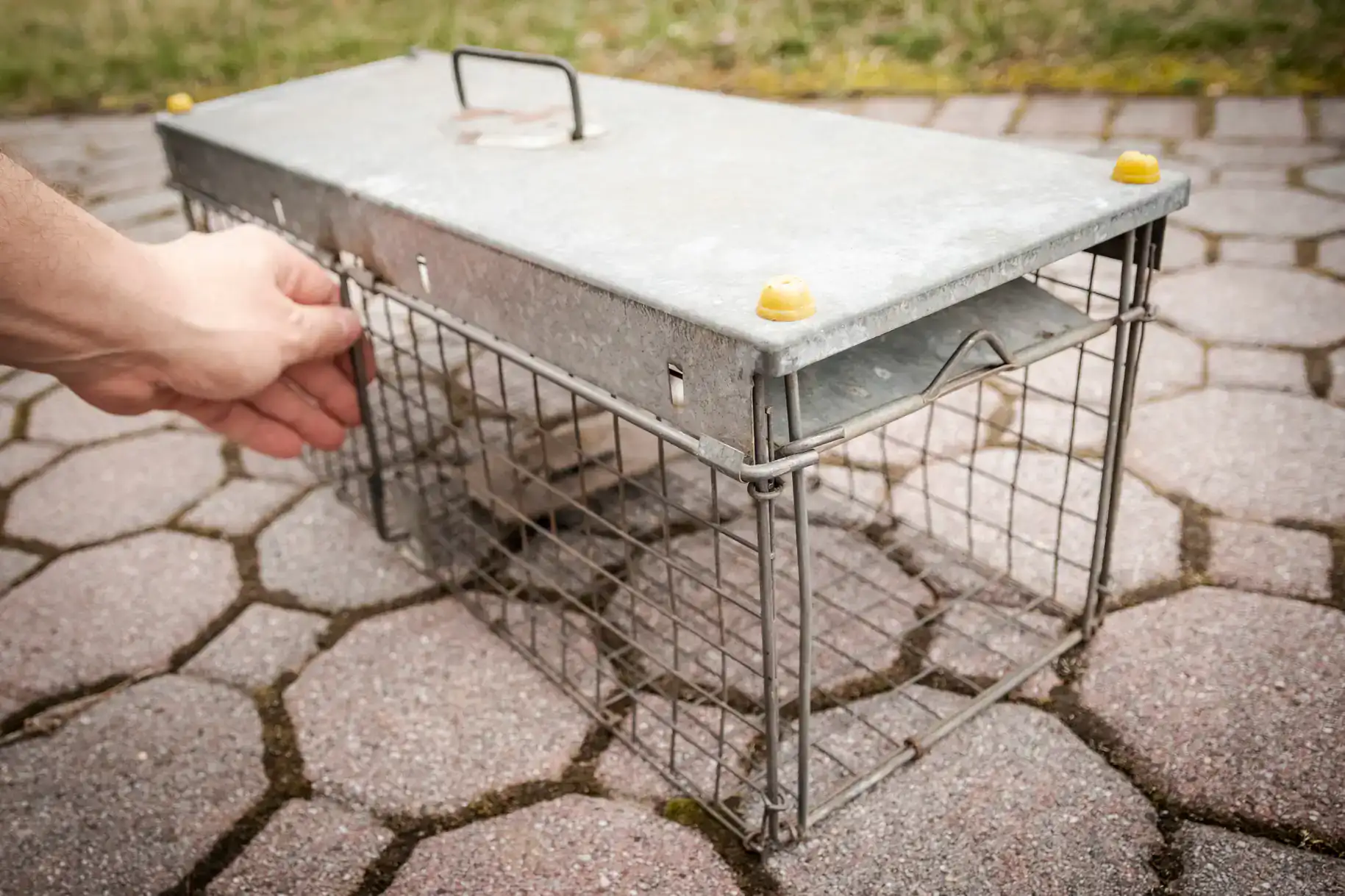
The most common reason is that the entry points were never addressed. Traps and bait stations eliminate individual rodents they don’t stop the next wave from coming in. In Douglaston, that next wave is often coming from Alley Pond Park or from the waterfront edge along Little Neck Bay, particularly in the fall when temperatures drop and park-edge populations start looking for warmth.
If your home was built before 1960 which describes a large portion of Douglaston’s housing stock, including most of Douglas Manor and Douglaston Hill there are almost certainly gaps in the foundation, around utility penetrations, or in the wood framing around basement windows that have developed over decades of settling. Until those are identified and sealed, the infestation will keep returning regardless of what’s placed inside. A professional inspection that covers both the interior and the exterior is the only way to find those points and close them for good.
A single mouse is rarely a single mouse. By the time you see one or find droppings, there’s almost always an established entry point and often a nesting site nearby. Female house mice can produce their first litter at two months old and average five to six young per litter across multiple litters a year. What looks like one mouse in October can be a much larger problem by December if nothing is done.
The signs to look for beyond a direct sighting include droppings along baseboards or in cabinet corners, gnaw marks on food packaging or structural materials, grease marks along walls where rodents travel repeatedly, and the sound of scratching or movement in wall cavities at night. In older Douglaston homes with plaster walls and original wood framing, those sounds can travel in ways that make it hard to pinpoint the location. A professional inspection is the most reliable way to assess the actual scope of what you’re dealing with.
Yes, and in Douglaston the fall spike is more pronounced than in most other Queens neighborhoods. As temperatures drop, rodents that have been living in the green space around Alley Pond Park and along the Little Neck Bay shoreline begin moving toward warmer environments and the large-lot residential properties of Douglaston are the first structures they reach. Homeowners whose properties back up to the park or face the waterfront tend to see activity start earlier in the season than those on interior blocks.
The pattern is consistent enough that fall is the single most important time to have a professional inspection if you haven’t had one recently. Waiting until you’ve already found droppings or heard scratching in the walls means the infestation is already established. Getting ahead of it sealing entry points before the seasonal migration begins is significantly easier and less costly than addressing an active infestation mid-winter.
They can, and it happens more than most people realize. Douglaston is the easternmost neighborhood in Queens, and the Nassau County line runs directly along the eastern edge of the area near Marathon Parkway. Rodent populations don’t recognize municipal boundaries a colony that’s established in a less-managed suburban area just across the county line can and does migrate westward into Douglaston residential properties, particularly as seasons change and food sources shift.
This cross-border pressure is one of the reasons that exclusion physically sealing the entry points in your home’s foundation and exterior is so important for Douglaston properties specifically. You can’t control what’s happening on the Nassau County side of the line, but you can make your home genuinely difficult to access. That’s the goal of a properly executed rodent control service: not just eliminating the rodents that are already inside, but closing the gaps that would allow the next wave to follow.
We apply only New York State Department of Environmental Conservation (NYS DEC) registered pesticide materials. These are products that have been reviewed and approved by state regulators for safety and efficacy not off-the-shelf products with unknown formulations. Application is targeted and controlled, not broadcast, which means treatments are precise and don’t leave unnecessary residue on surfaces or in living areas.
For homes in Douglas Manor and Douglaston Hill both designated NYC Historic Districts the exclusion work is done with materials appropriate to the character of the structure. That means no heavy-handed patching that looks out of place on a 1910 Tudor or a Queen Anne Victorian. The goal is a repair that’s effective and that respects what makes the home worth protecting in the first place. If you have pets, young children, or elderly residents in the home, that’s worth mentioning when you call our technician will walk you through the specific products being used and any precautions that apply to your household.
Rodent control typically runs between $180 and $610 for initial treatment, depending on the size of the property, the severity of the infestation, and the scope of work required. Exclusion work sealing the entry points that allowed access generally adds $200 to $600 on top of that, and is almost always worth doing if the goal is a long-term resolution rather than temporary suppression.
In Douglaston, where the median home value is over $1.2 million, the math is straightforward. A rodent issue found during a home inspection can reduce a sale price, delay a closing, or surface liability questions that no seller wants to deal with. The cost of professional rodent control is a fraction of what a failed inspection or a gnawed electrical wire can cost and our attorneys and real estate broker referral network in Queens reflects exactly that calculation. We offer a free phone consultation and a free on-site estimate, so you know what you’re looking at before any commitment is made.
Useful Links
Other Services we provide in Douglaston