Hear from Our Customers
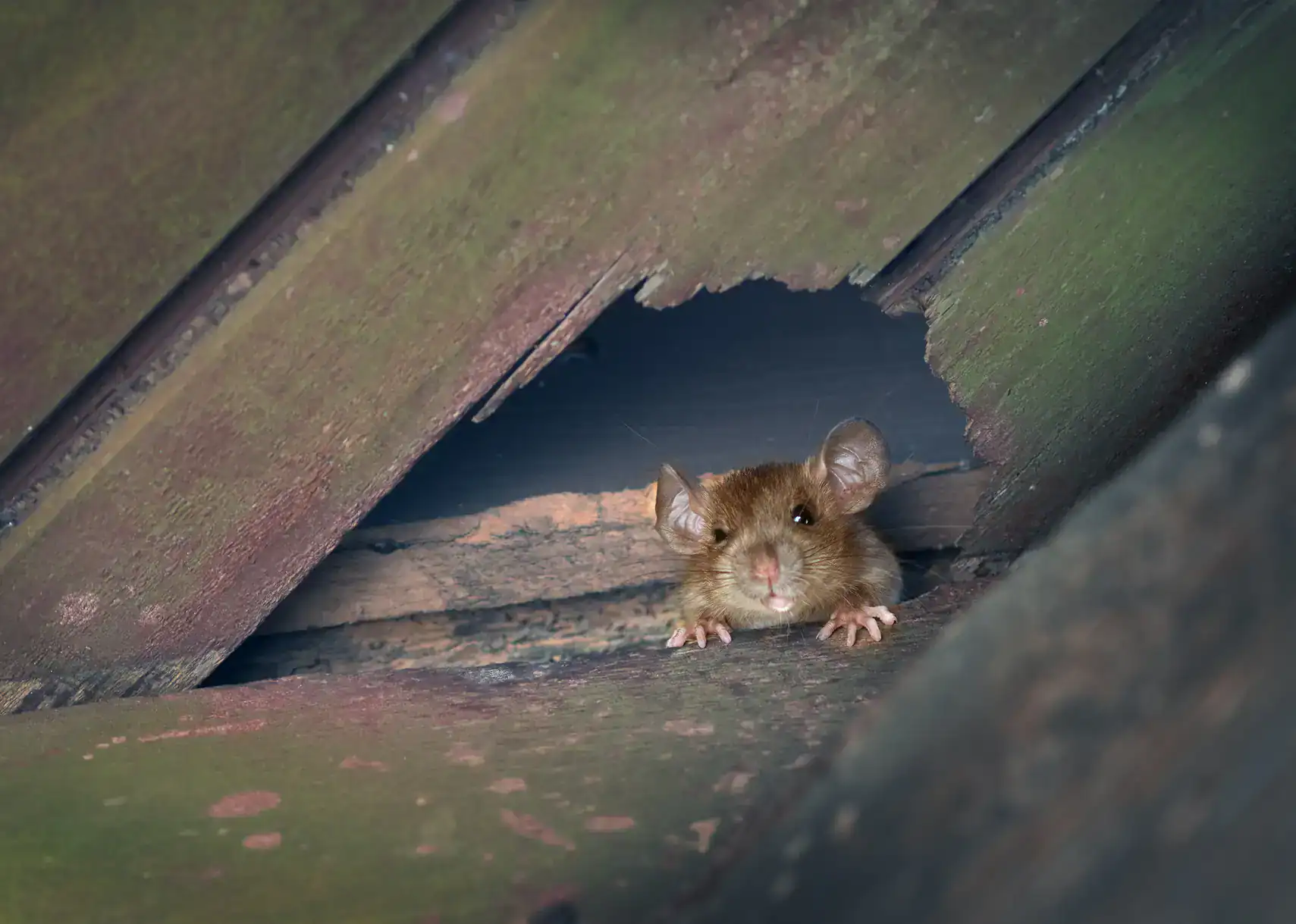
You stop finding droppings in the kitchen. You stop hearing scratching behind the walls at midnight. You stop wondering whether that smell is what you think it is. That’s what rodent control in Flushing actually looks like when it’s done right not a trap dropped in a corner and a follow-up call that never comes.
The challenge in Flushing is that the pressure doesn’t let up. The Main Street and Roosevelt Avenue corridor runs food operations around the clock, and Norway rats can travel over 100 feet from their nesting sites in search of a meal. A colony established near a fish market or food court can range directly into the residential blocks surrounding downtown into your building, your walls, your unit. Solving it requires more than bait. It requires understanding where the pressure is actually coming from.
For older multi-family buildings off Northern Boulevard or Kissena Boulevard, that means identifying the gaps, utility penetrations, and aging infrastructure that give rodents a way in. For businesses near active construction zones and with the Flushing Waterfront District development underway, there are plenty it means staying ahead of the displacement effect that pushes established colonies into surrounding properties. Either way, the outcome you’re after is the same: a building that stops being an easy target.
We were founded in 1976 by Richard Kourbage Sr. His sons Richard Jr. and Charles joined the business in 1987 and 1989 respectively, and we’ve been family-owned and operated ever since. No franchise. No national call center. No technician who’s never worked a Queens building before showing up at your door.
We hold an A+ rating with the Better Business Bureau accredited since May 5, 1989 and apply only New York State Department of Environmental Conservation registered materials on every job. That matters in a neighborhood like Flushing, where multi-generational households, families with young children, and food-handling businesses all have legitimate safety concerns about what gets applied in their space.
We serve all five boroughs, and Queens has been part of our territory from the beginning. From Auburndale to Murray Hill to the dense residential blocks just off Main Street in Flushing, our technicians understand the specific building stock, rodent species, and urban conditions that define this neighborhood because we’ve been working in them for decades.
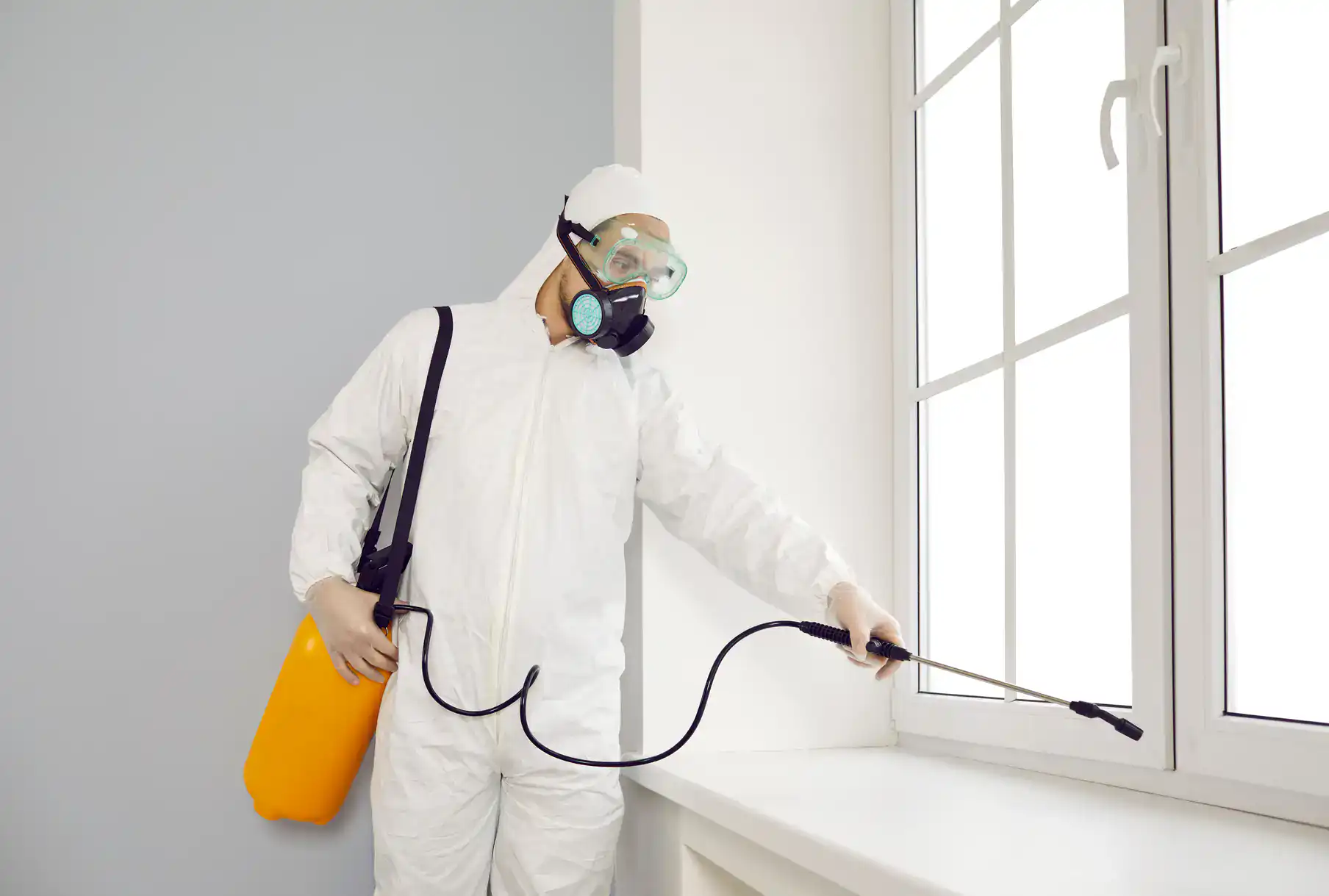
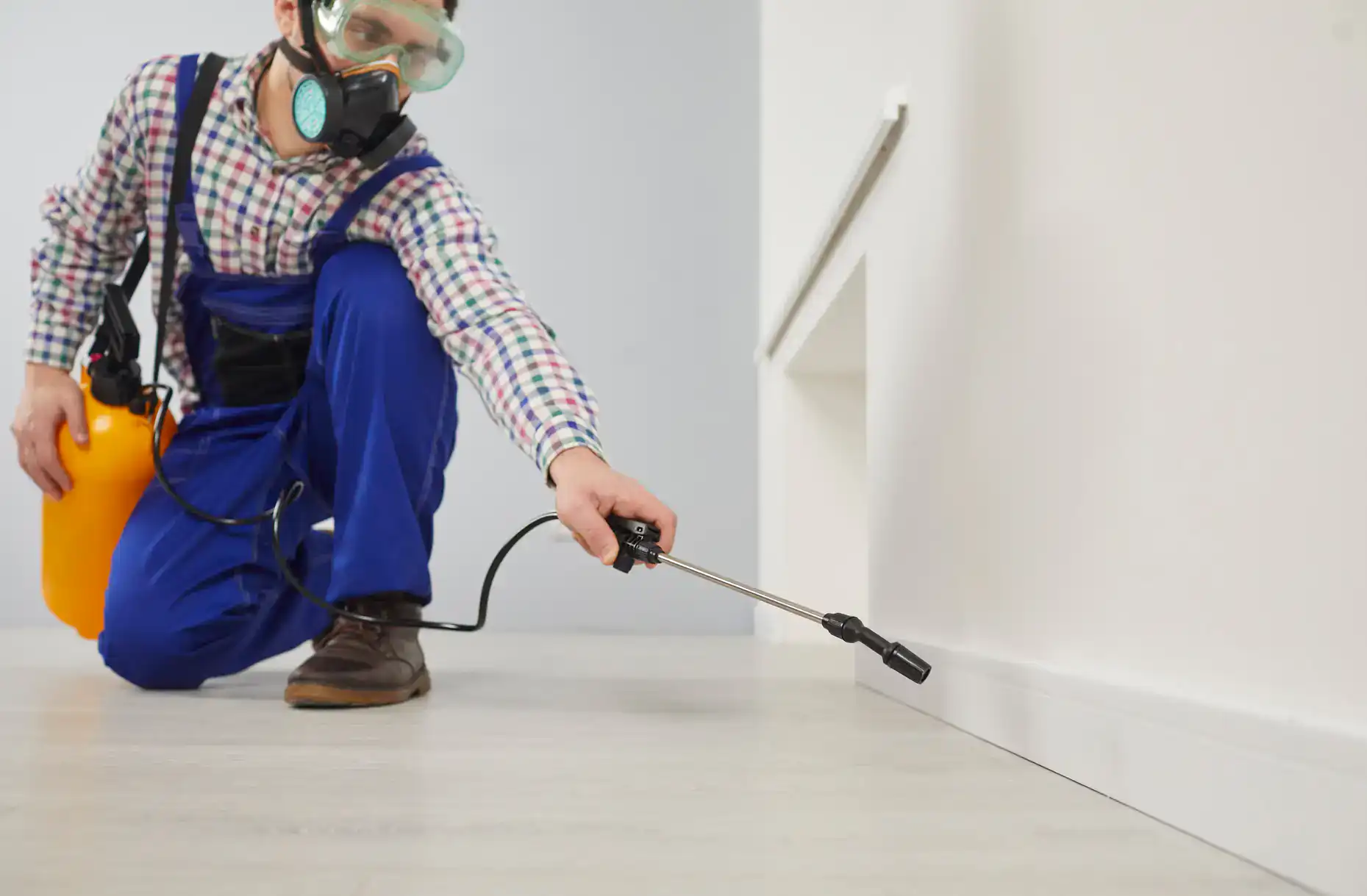
It starts with a thorough inspection. Before anything gets placed or applied, one of our technicians walks the property interior and exterior looking for active signs of rodent activity: droppings, gnaw marks, burrow sites, rub marks along walls, and the structural conditions that are letting rodents in. In Flushing’s older apartment buildings and mixed-use properties, that often means checking basement utility chases, boiler rooms, and the gaps around plumbing penetrations where rodents move between floors.
Once the inspection is complete, you get a clear picture of what’s happening and what it will take to fix it. Treatment typically involves a combination of targeted bait placement, mechanical trapping, and exclusion work sealing the entry points that are giving rodents access in the first place. In buildings near active construction zones, like those adjacent to the Flushing Waterfront District development, exclusion is especially critical because displaced colonies will keep looking for a way in until the opening is gone.
After the initial treatment, follow-up visits confirm that the activity has been eliminated and that the exclusion work is holding. We also document the service which matters if you’re dealing with a NYC Department of Health inspection, a 311 complaint, or a landlord who needs written proof that a licensed exterminator was on the job. You’ll know what was done, when it was done, and what to watch for going forward.
Ready to get started?
Rodent control in a neighborhood like Flushing isn’t the same as rodent control in a quiet suburban town. The density is different. The building stock is different. The food corridor is different. And the regulatory environment is different too NYC Health Code Section 151.02 requires building owners to keep properties free of pests, and a 311 complaint can trigger a Department of Health inspection faster than most people expect. Our service is built around that reality.
For residential clients whether you’re in a single-family home in Auburndale, an apartment building off Roosevelt Avenue, or a condo near Flushing Meadows our service covers inspection, targeted treatment, and exclusion work designed to stop rodents from re-entering. Every application uses NYS DEC-registered materials, applied by our licensed technicians in controlled, targeted amounts. This isn’t a broad chemical application. It’s a precise, professional job.
For commercial clients restaurants, grocery markets, food courts, retail operations we understand what health code compliance requires and what a licensed exterminator’s documentation needs to look like. If you’re a property manager handling a multi-family building, a restaurant operator near Main Street, or a contractor working under NYC’s 2023 construction rodent certification requirement, we can provide the service and the paperwork that the situation demands. Free phone consultations and free estimates are available no obligation, no pressure, just a straight answer about what you’re dealing with and what it will take to fix it.
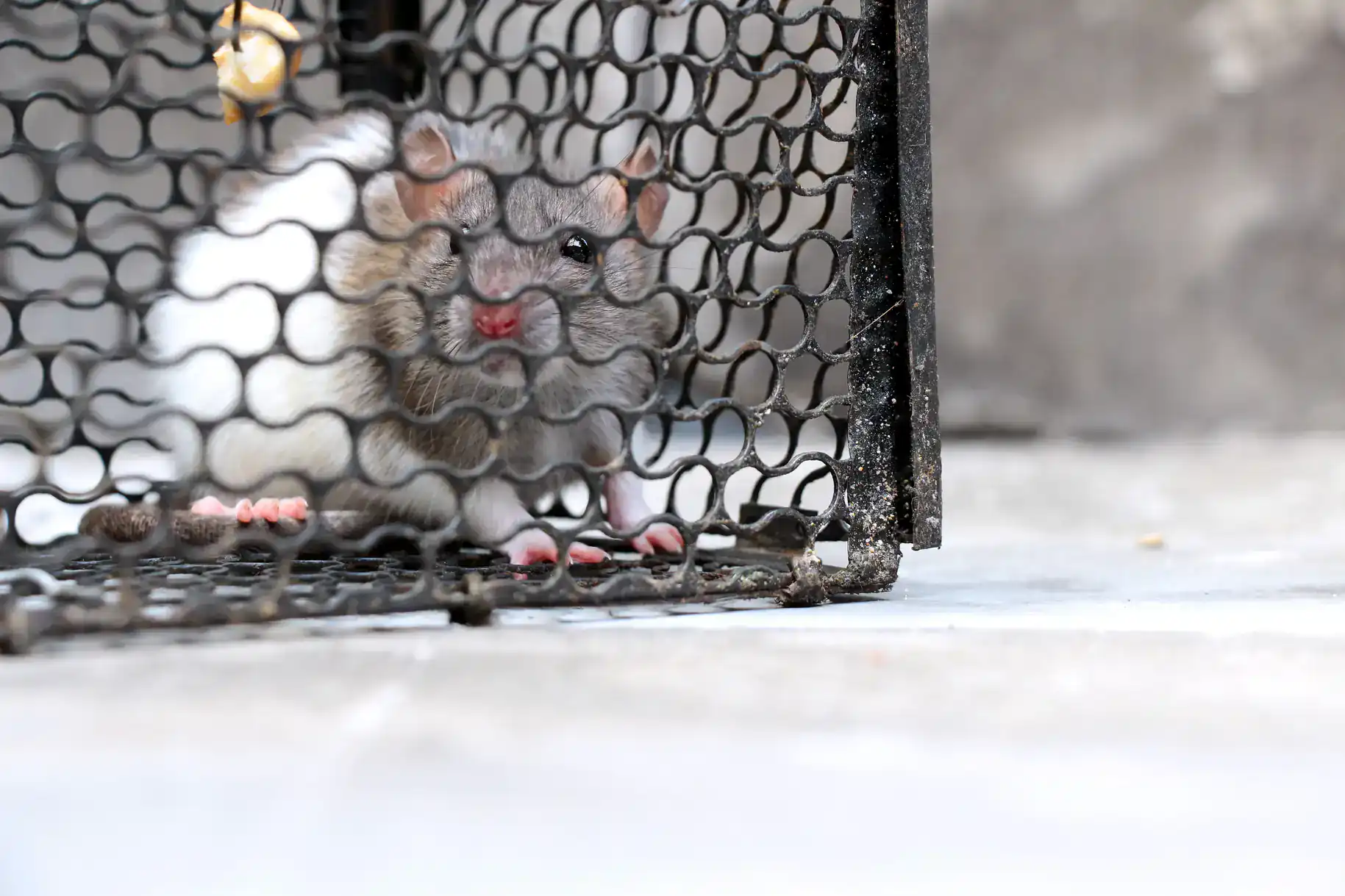
This is one of the most common frustrations for Flushing residents, and the answer usually comes down to source pressure. Your unit isn’t the origin of the problem the commercial corridor is. The Main Street and Roosevelt Avenue food district generates a continuous food supply that sustains rodent populations year-round, and Norway rats can travel well over 100 feet from their nesting sites daily. A colony established near a restaurant, fish market, or food court can range directly into the surrounding residential buildings regardless of what’s been done inside individual units.
Treating only the interior of your apartment addresses the symptom, not the source. What actually stops the cycle is identifying how rodents are getting into the building in the first place the gaps, utility penetrations, and structural openings that give them access and sealing those entry points as part of the treatment. Without exclusion work, the same pressure that brought them in the first time will bring the next wave in right behind it. A licensed exterminator who understands Flushing’s specific layout and building stock will look at the full picture, not just the room where you saw the mouse.
Under NYC Health Code Section 151.02, building owners are legally required to maintain their properties free of pests including rodents. That obligation applies to the building as a whole, not just individual units. If you’ve reported the problem to your landlord and they haven’t taken action, you can file a complaint through 311, which triggers a NYC Department of Health and Mental Hygiene inspection. If violations are found, the building owner receives a Commissioner’s Order to Abate requiring documented remediation.
Where a licensed exterminator comes in is that the remediation order typically requires proof that a professional service was retained not just a box of traps from the hardware store. We provide documented service records that satisfy those requirements. If you’re a tenant trying to compel action, having a professional assessment in hand gives you something concrete to bring to your landlord or to the Department of Health. If you’re a property owner or manager trying to get ahead of a complaint, documented service with a licensed company is the clearest path to compliance.
Active construction displaces established rodent colonies from their existing harborage sites. When ground is broken, burrows are destroyed, and the rodents living in them don’t disappear they move. They move into the nearest available shelter, which in a dense urban neighborhood like Flushing means the basements, wall voids, and utility areas of surrounding residential and commercial buildings. The NYC Department of Health and the MTA have both documented this phenomenon, and it’s a well-understood consequence of large-scale urban construction.
The Special Flushing Waterfront District development is an ongoing, multi-year project. That means the displacement pressure isn’t a one-time event it’s sustained. If your building is within several blocks of active construction and you’ve noticed an uptick in rodent activity, that’s almost certainly not a coincidence. The most effective response is exclusion: a thorough inspection of your building’s exterior and foundation to identify and seal the entry points that displaced rodents are using to get in. Treating the interior without addressing those entry points is a short-term fix at best.
The CDC documents over 35 diseases that rats and mice can transmit to humans, either directly or through fleas, ticks, and mites that feed on infected rodents. The most relevant ones in an urban environment like Flushing include leptospirosis, which spreads through contact with water or surfaces contaminated by rodent urine; salmonella, which spreads through food or surfaces contaminated by droppings; hantavirus, which spreads through inhalation of dust from dried rodent droppings or urine; and rat-bite fever, which spreads through bites or scratches from infected rodents.
In Flushing’s high-density apartment buildings, where a rodent moving through shared wall voids or utility chases can contaminate multiple units, these aren’t remote risks. They’re real ones. The contamination concern is one reason why professional rodent control matters beyond just removing the animal our trained technicians know how to handle rodent waste safely and can identify areas of contamination risk during the inspection that a homeowner or building manager might miss entirely. If you have young children or elderly family members in the home, that level of thoroughness isn’t optional.
Faster than most people expect. A female house mouse can begin reproducing at just two months old and produce up to 10 litters in her lifetime, with 5 to 6 young per litter. In practical terms, a small mouse problem left unaddressed for a few weeks can become a significant infestation before you’ve had time to figure out what to do about it. Rats reproduce more slowly but establish territorial colonies that become harder to eliminate the more entrenched they get.
In Flushing specifically, the issue is compounded by the fact that the food pressure sustaining those populations doesn’t let up seasonally the way it might in a quieter residential neighborhood. The commercial corridor runs year-round, which means rodents have a continuous reason to stay and reproduce. Fall is typically when rodent entry into buildings peaks dropping temperatures drive them indoors but in Flushing, activity stays elevated well beyond what you’d see in a more suburban environment. Calling sooner rather than later isn’t just about convenience. It’s about keeping a manageable problem from becoming one that requires significantly more time and treatment to resolve.
Yes. We serve Flushing and the surrounding Queens neighborhoods, including Auburndale, Murray Hill, College Point, Whitestone, Fresh Meadows, and Kew Gardens Hills. We’ve been covering all five boroughs since 1976, so these aren’t new service areas they’re part of a long-established territory that our technicians know well.
If you’re in a residential neighborhood in Auburndale or along the College Point Boulevard corridor and you’re dealing with rodent activity that seems to be migrating from the commercial core or from nearby construction, our inspection process is designed to trace the pressure back to its source not just treat what’s visible. Appointments are guaranteed within 48 hours, same-day service is available in many cases, and the initial phone consultation is free. You can call, describe what you’re seeing, and get a straight answer about what’s likely happening and what it will take to address it before you commit to anything.
Useful Links
Other Services we provide in Flushing