Hear from Our Customers
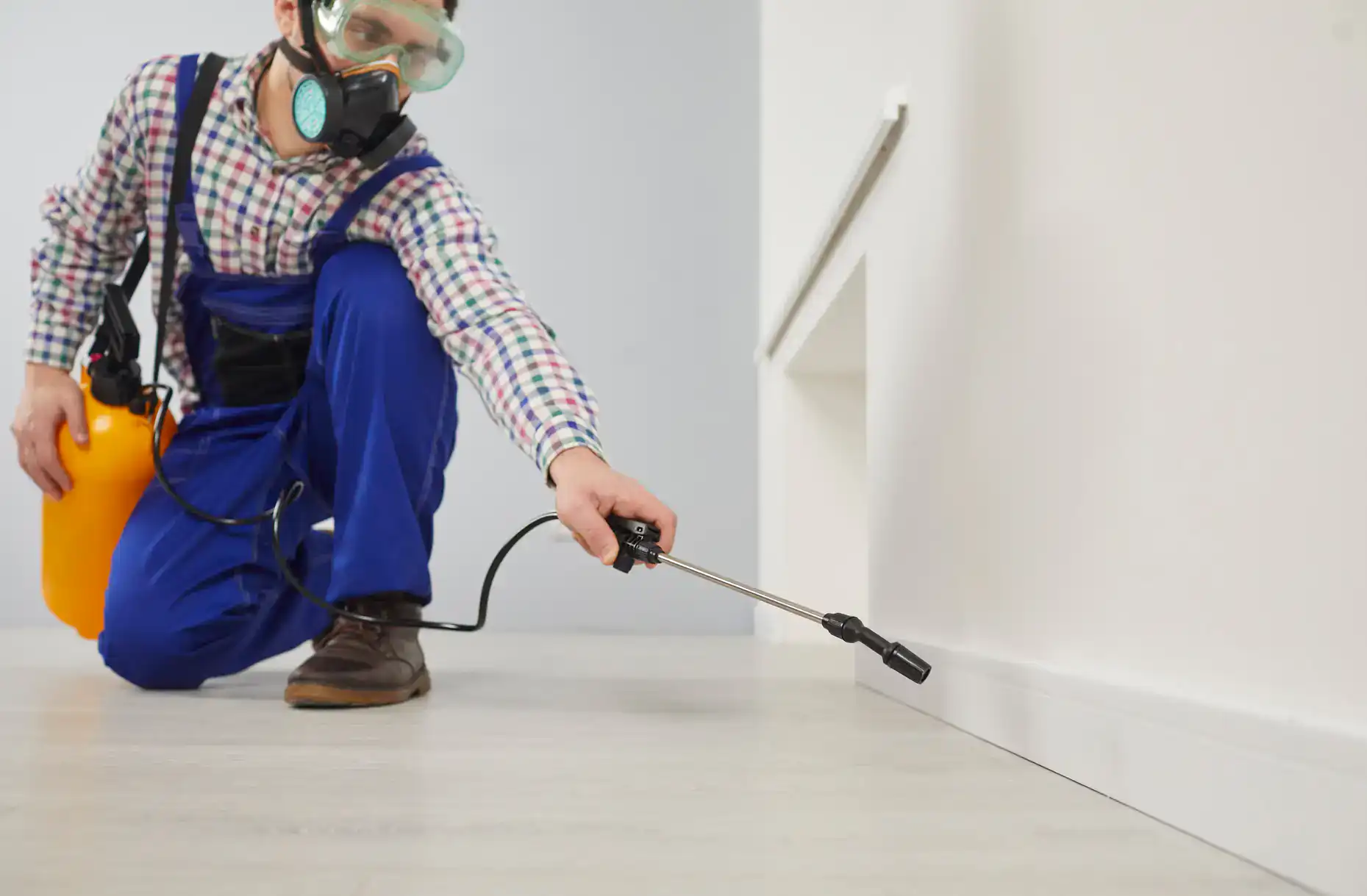
You stop finding droppings behind the stove. You stop hearing scratching in the walls at 2 AM. You stop wondering whether your building super is ever going to do something about it. That’s what rodent control in Hell’s Kitchen actually looks like when the job is done right not just a bait station dropped in the corner, but a real inspection, real exclusion work, and a plan that accounts for what’s actually driving the problem in your building.
Hell’s Kitchen’s rodent pressure isn’t random. The 9th Avenue food corridor runs through the heart of the neighborhood, generating the kind of consistent food waste that sustains large rat populations in basements and underground spaces year-round. When those rats get displaced by trash containerization rules, by construction crews pushing further into the old rail yards along 10th and 11th Avenues they don’t disappear. They move into the nearest available space, which is often the basement of a pre-war tenement building two blocks away. Your building.
The other factor most people don’t think about is the building itself. Hell’s Kitchen’s pre-war tenements were built with connected basement spaces that can link multiple addresses underground. That means a rodent problem in your unit may be drawing from harborage that spans half a city block. Treating one apartment doesn’t fix that. Understanding the full picture does and that’s the difference between a visit that holds and one that doesn’t.
We’ve been operating in New York City since 1971, and that’s not a marketing number it means the Kourbage family has spent over five decades learning the specific rodent species, building types, and seasonal patterns of the five boroughs. Richard Kourbage Sr. founded the company. His sons Richard Jr. and Charles joined in 1987 and 1989, respectively, and we built something that still runs on reputation, not advertising volume.
We hold an A+ rating with the Better Business Bureau of New York State and have maintained BBB accreditation since 1989. We’re fully licensed, bonded, and insured, and we apply only N.Y.S. Department of Environmental Conservation registered pesticide materials. That matters in a Hell’s Kitchen building where your neighbors, their kids, and their pets are a wall away.
New York attorneys and real estate brokers have trusted us for years which tells you something about the standard of work. In a neighborhood like Hell’s Kitchen, where HPD violations are real and housing court is a real consequence, working with a company that documents everything and knows the regulatory landscape is the practical choice.
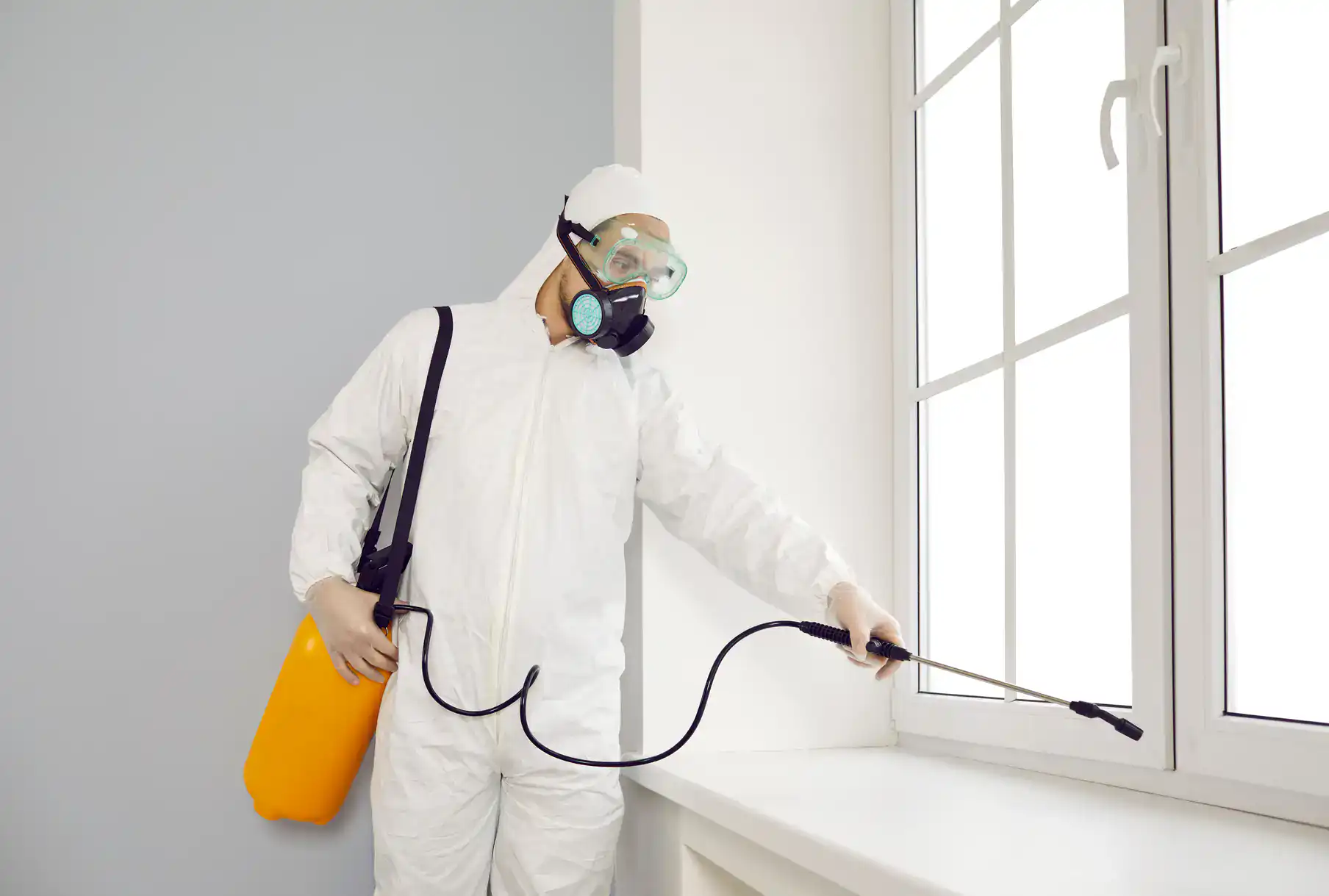
The first step is a thorough inspection not a glance around the kitchen, but a real walkthrough of the unit, the building’s common areas, and wherever access allows, the basement level. In Hell’s Kitchen’s pre-war buildings, that inspection matters more than anywhere else. The entry points that matter most aren’t always visible: gaps around aging utility pipes, deteriorating mortar in foundation walls, utility penetrations that were patched decades ago and have since shifted. A rat can enter through a hole the size of a quarter. A mouse needs even less space than that.
Once the inspection is complete, you get a clear picture of what’s happening and where. We target treatment not a blanket application, but placement and methods matched to the species, the severity, and the specific conditions of your building. In a densely occupied pre-war tenement, that precision matters. NYSDEC-registered materials are applied by our licensed technicians, in amounts and locations that are effective against rodents and safe for the people living nearby.
Exclusion work is the step that determines whether the problem comes back. Sealing the entry points identified during the inspection is what separates a lasting result from a temporary one. In Hell’s Kitchen, where 311 data has consistently ranked ZIP codes 10019 and 10036 among the highest for rodent complaints in all of New York City, exclusion isn’t optional it’s the whole point. Follow-up visits confirm that the treatment is holding and catch anything that needs adjustment before it becomes a bigger issue.
Ready to get started?
Rodent control in Hell’s Kitchen means dealing with Norway rats and house mice in some of the most structurally complex residential buildings in the country. Our service covers the full scope: interior inspection, exterior inspection, targeted treatment, entry point identification, exclusion work, and follow-up monitoring. Nothing about that process is boilerplate the conditions in a pre-war tenement on West 45th Street are different from a newer building in a quieter borough, and our approach reflects that.
For residential clients, that means a service plan built around your specific unit and building not a one-size package dropped at the door. For property managers and building supers dealing with HPD violations or housing court pressure, we provide written service documentation that holds up when it needs to. Rodent infestations in multi-unit buildings constitute Class B or Class C violations under NYC housing code, and a documented IPM program from a licensed exterminator is your strongest position.
For the restaurant operators on 9th Avenue and Restaurant Row who face DOH inspection pressure, we offer commercial rodent control service that includes the kind of documentation and kitchen-safe protocol that keeps you compliant. Whether you’re managing a single apartment, a multi-unit building, or a commercial kitchen in the Theater District, our service is built around what your specific situation actually requires.
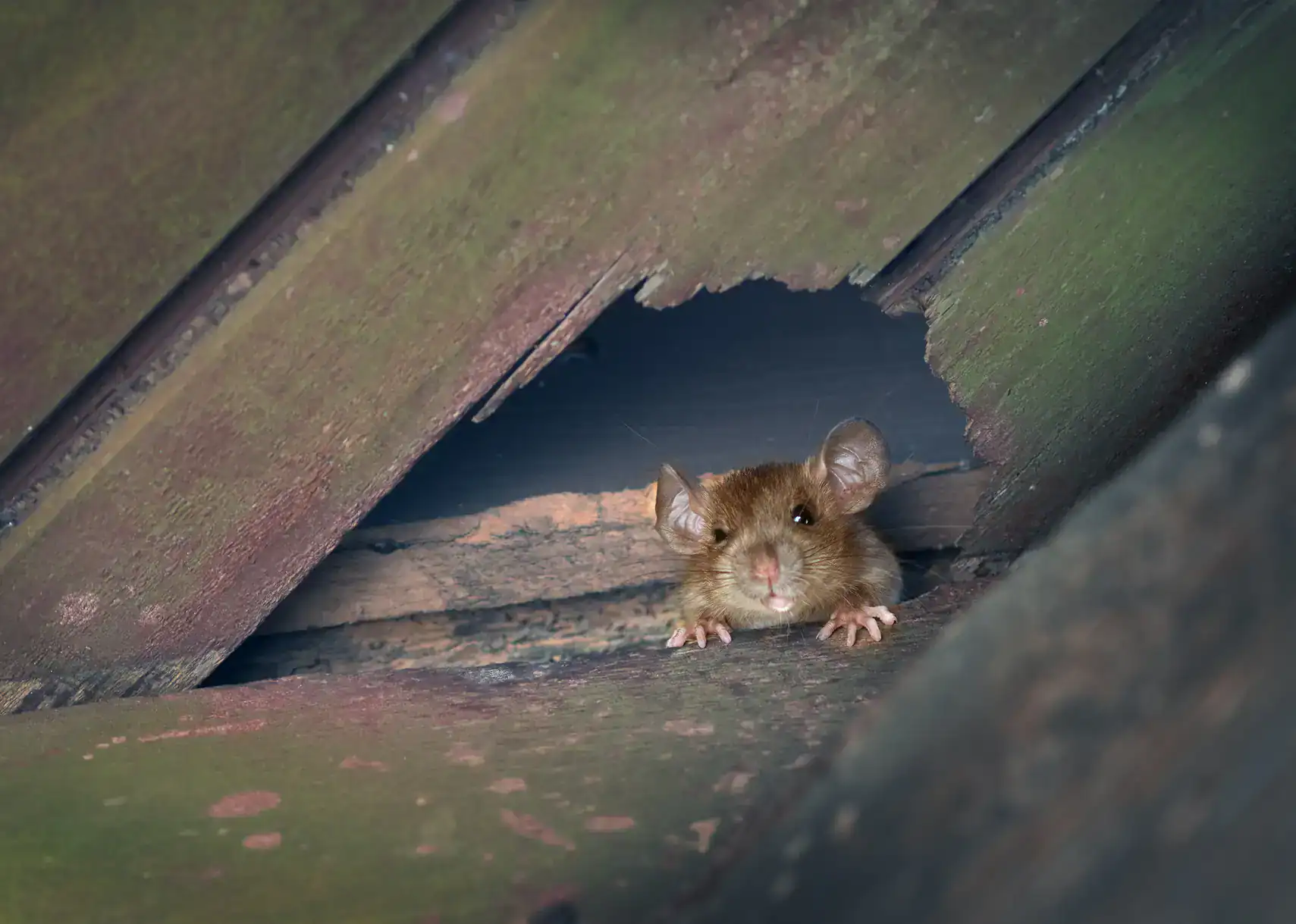
Hell’s Kitchen has a combination of factors that most neighborhoods simply don’t have stacked together in the same place. The 9th Avenue food corridor and Restaurant Row generate consistent food waste that sustains large rodent populations in the neighborhood’s underground spaces. The pre-war tenement buildings that make up most of Hell’s Kitchen’s housing stock have connected basement spaces meaning rodent harborage can span multiple addresses underground, and treating one unit doesn’t cut off the supply.
On top of that, the Hudson Yards construction along 10th and 11th Avenues has been displacing established rodent colonies for years, pushing them northward into the 44th through 52nd Street corridor. NYC’s trash containerization rules have reduced surface visibility of rats, but displaced rodents don’t disappear they move into building interiors. If you’re seeing recurring activity despite traps or super-arranged visits, the issue is almost certainly structural, not a cleanliness problem. A proper inspection that covers the building’s entry points and basement-level harborage is the starting point for actually solving it.
Exclusion is the process of identifying and sealing the physical entry points that rodents are using to get into your building or unit. It’s the step that determines whether a treatment holds long-term or whether you’re calling again in three months. Rats can enter through a hole the size of a quarter. Mice need even less space a gap the size of a pencil eraser is enough. In a Hell’s Kitchen pre-war building, those gaps are everywhere: around aging utility pipes, at the base of walls where mortar has deteriorated, along the edges of basement-level penetrations that were patched years ago and have since shifted.
In Hell’s Kitchen specifically, exclusion matters more than in most places because the source of the pressure isn’t inside your building it’s outside it, in the food waste ecosystem of the surrounding blocks and the underground infrastructure connecting your basement to adjacent properties. You can kill every rodent currently inside your walls, but without sealing the entry points, the next wave moves in within weeks. Exclusion is what breaks that cycle.
Under NYC housing code, rodent infestations in residential buildings are classified as Class B or Class C violations hazardous or immediately hazardous, depending on severity. Your landlord is legally required to address them. HPD enforces these violations, and tenants can file complaints directly through 311 or the HPD online portal. If your landlord has received violations and failed to act, the city can conduct emergency repairs and bill the landlord.
That said, enforcement timelines vary, and waiting on HPD action can take longer than most people want to deal with when there are rodents in their home. Some Hell’s Kitchen residents particularly in buildings that have accumulated multiple violations, like several tenements on West 45th Street that faced city lawsuits over conditions have found that hiring a licensed exterminator independently and documenting the service creates a stronger paper trail for housing court proceedings. We provide written service reports that are useful in exactly those situations. You don’t have to wait for your landlord to act before protecting your own unit.
It’s genuinely common and publicly documented. NYC 311 data shows that Hell’s Kitchen’s ZIP codes 10019 and 10036 consistently rank among the highest in the city for rodent complaints. In 2021, rat complaints in the neighborhood jumped 33% year-over-year, with nearly three-quarters of those coming from residential buildings. NYC’s Director of Rodent Mitigation specifically toured Hell’s Kitchen’s rodent hotspots, identifying problem blocks including West 44th Street between 9th and 10th Avenues and West 53rd Street and 9th Avenue. Hell’s Kitchen Park was the site of a formal NYC Parks Department rat extermination effort using CO2 gas to address active burrows.
The 34.7% decline in 311 complaints from 2023 to 2024 reflects the impact of trash containerization and the removal of outdoor dining sheds both real improvements. But the underlying infrastructure that sustains rodent populations in this neighborhood hasn’t changed: the restaurant density, the connected pre-war basements, the transit tunnels, and the ongoing construction displacement from Hudson Yards are all still there. The problem is real, it’s structural, and it affects buildings across Hell’s Kitchen not just yours.
The CDC documents more than 35 diseases that rats and mice can spread to humans either through direct contact or indirectly through fleas, ticks, and mites. The most relevant ones in an urban environment like Hell’s Kitchen include leptospirosis, which spreads through rat urine and can contaminate surfaces in basements and utility areas; salmonella, which rodents can introduce to food preparation surfaces; and rat-bite fever, which can occur from bites or scratches but also from contact with contaminated surfaces. Hantavirus, while less common in urban Norway rat populations, is also on the list.
Beyond disease transmission, rodents cause structural damage that most people underestimate. The National Pest Management Association estimates that rodents are responsible for up to 25% of house fires annually in the U.S. due to gnawing on electrical wiring a real concern in pre-war buildings where wiring is already aging. A single female house mouse can produce multiple litters per year, each with five or six young, meaning a small infestation in a Hell’s Kitchen apartment building can spread building-wide within a single season if it isn’t addressed early and thoroughly.
We’re available 24 hours a day, seven days a week, and we guarantee a service appointment within 48 hours of your first contact. Free phone consultations and free estimates mean you can get a real answer about your situation before committing to anything. For Hell’s Kitchen residents dealing with active infestations especially in buildings where the problem has been building for a while that response time matters. Waiting a week for an appointment while rodents are active in your walls or kitchen isn’t a reasonable ask, and we don’t operate that way.
We’ve been serving all five boroughs of New York City for over 50 years, and Manhattan’s specific building conditions the pre-war tenements, the connected basements, the mixed residential and commercial blocks of the West Side are not new territory. When a technician arrives at your Hell’s Kitchen building, they’re not learning on the job. They’re applying decades of experience with the exact type of structure and the exact type of rodent pressure your neighborhood deals with. That combination of availability and experience is what makes the difference between a visit that solves the problem and one that doesn’t.
Useful Links