Hear from Our Customers
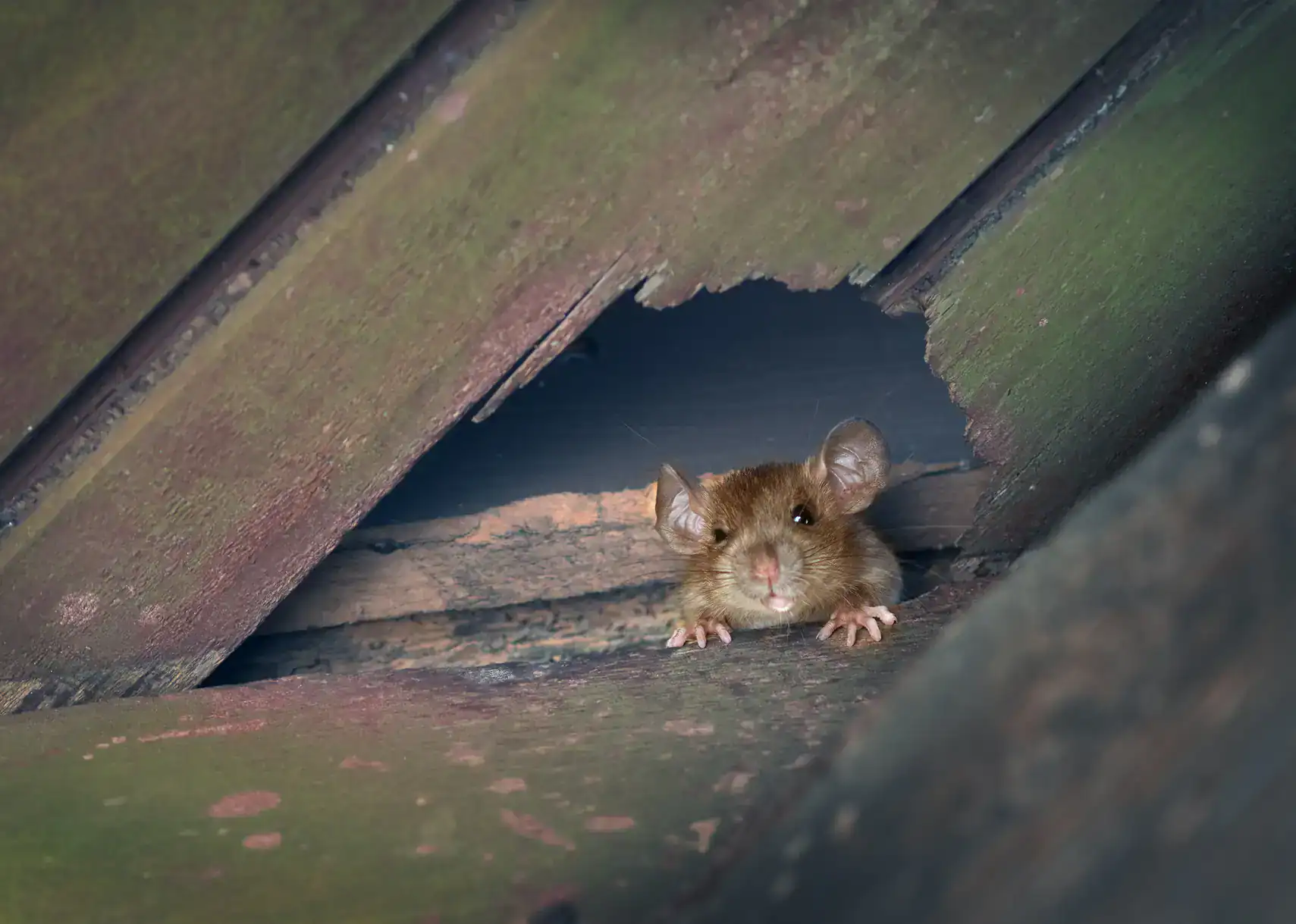
The frustrating part about a rodent problem in Kew Gardens Hills isn’t just finding the droppings it’s not knowing how they got in, where they’re nesting, or why the traps you already tried didn’t work. That uncertainty is exactly what a professional inspection clears up. You find out what you’re actually dealing with, where the entry points are, and what it’s going to take to stop it for good.
Living in one of the neighborhood’s postwar brick rowhouses or garden apartment complexes adds a layer most homeowners don’t think about. Rodents move laterally through shared wall cavities, utility chases, and foundation gaps between attached units. You can seal every visible crack on your side and still have mice back within a week because the real entry point is in a wall you share with your neighbor. That’s not a hardware store fix that’s a structural problem that needs a professional eye.
Kew Gardens Hills also gets rodent pressure from two directions at once. Flushing Meadows-Corona Park to the west pushes rodents east into residential blocks every time temperatures drop. Cedar Grove Cemetery to the north provides year-round harborage in undisturbed ground. When you add the Pomonok Houses development just east on Jewel Avenue, you’re dealing with sustained migration pressure that doesn’t stop on its own. The right rodent control service here isn’t just about what’s inside your home right now it’s about cutting off the routes that keep bringing them back.
We’ve been a family-owned operation since 1971. Richard Kourbage Sr. founded the company, and his sons Richard Jr. and Charles have been part of it since the late 1980s. When a family business runs for over five decades in New York City, it’s because we actually solve the problem not because the marketing is good.
We serve all five boroughs, and Queens has been part of our territory from the beginning. The postwar brick construction that defines Kew Gardens Hills the semi-detached rowhouses, the garden apartment complexes like Regency Gardens, the aging utility infrastructure underneath it all is exactly the kind of building stock we’ve worked in for generations. We know where rodents hide in these structures because we’ve been finding them here for years.
We hold an A+ rating with the Better Business Bureau and have been BBB-accredited since 1989. We’re fully licensed, bonded, and insured, and apply only NYSDEC-registered materials. We’re also the company that New York attorneys and real estate brokers call when a client has a health code rodent violation that needs to be resolved which tells you something about the level of trust we’ve built.
It starts with a free phone consultation. You describe what you’re seeing droppings, gnaw marks, sounds in the walls, a live sighting and one of our technicians helps you understand what you’re likely dealing with before anyone sets foot in your home. No charge for that conversation, no pressure to book on the spot.
When our technician comes out, the first thing we do is a thorough inspection interior and exterior. In Kew Gardens Hills, that means looking at the specific vulnerabilities of your building type. For a rowhouse on a block of attached homes, that includes the shared wall penetrations, the foundation line, and any utility entry points that rodents commonly exploit in 70-year-old construction. For a garden apartment unit, it means checking basement mechanical rooms, courtyard-facing walls, and common area access points that a single-unit inspection would miss.
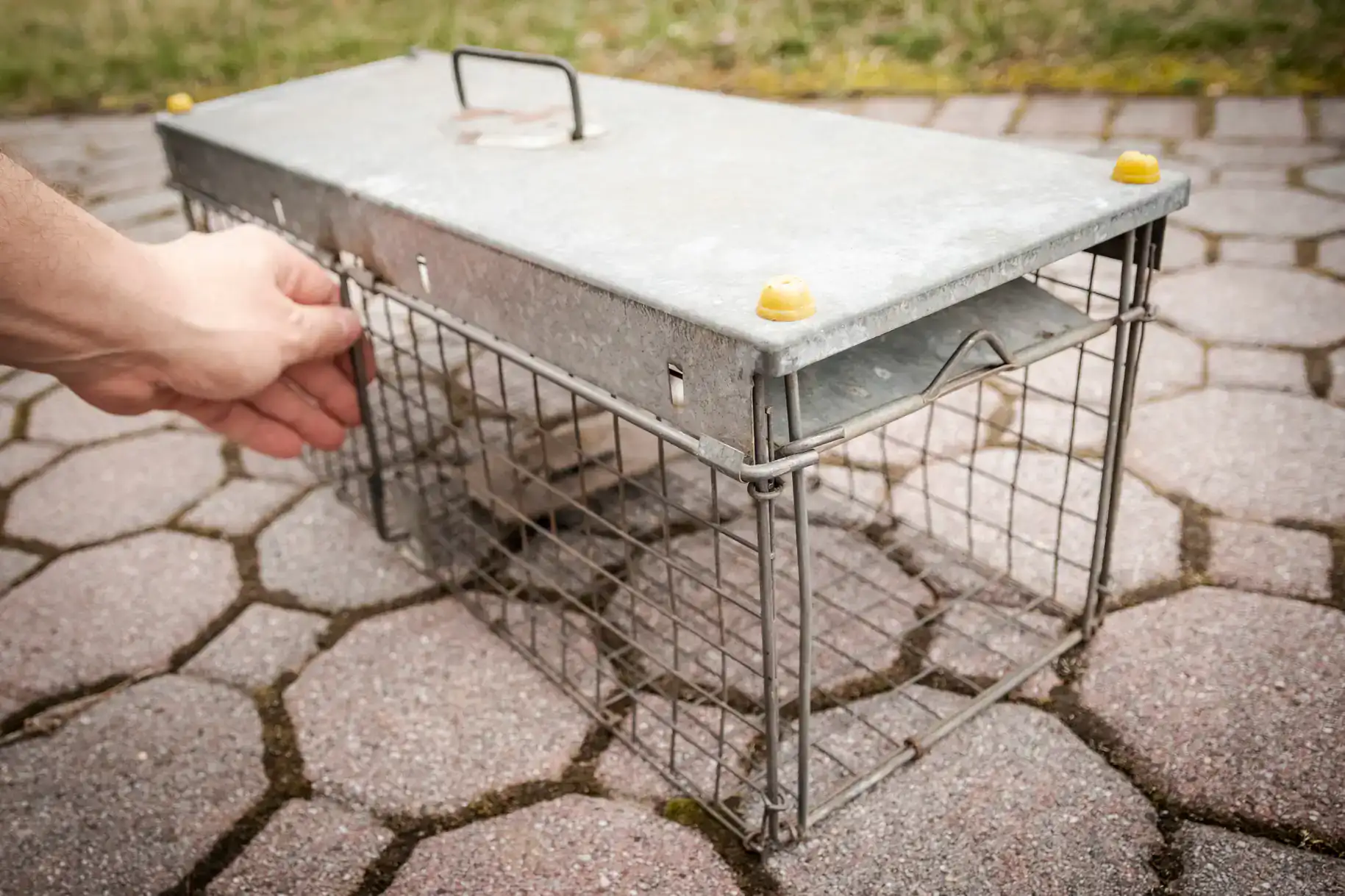
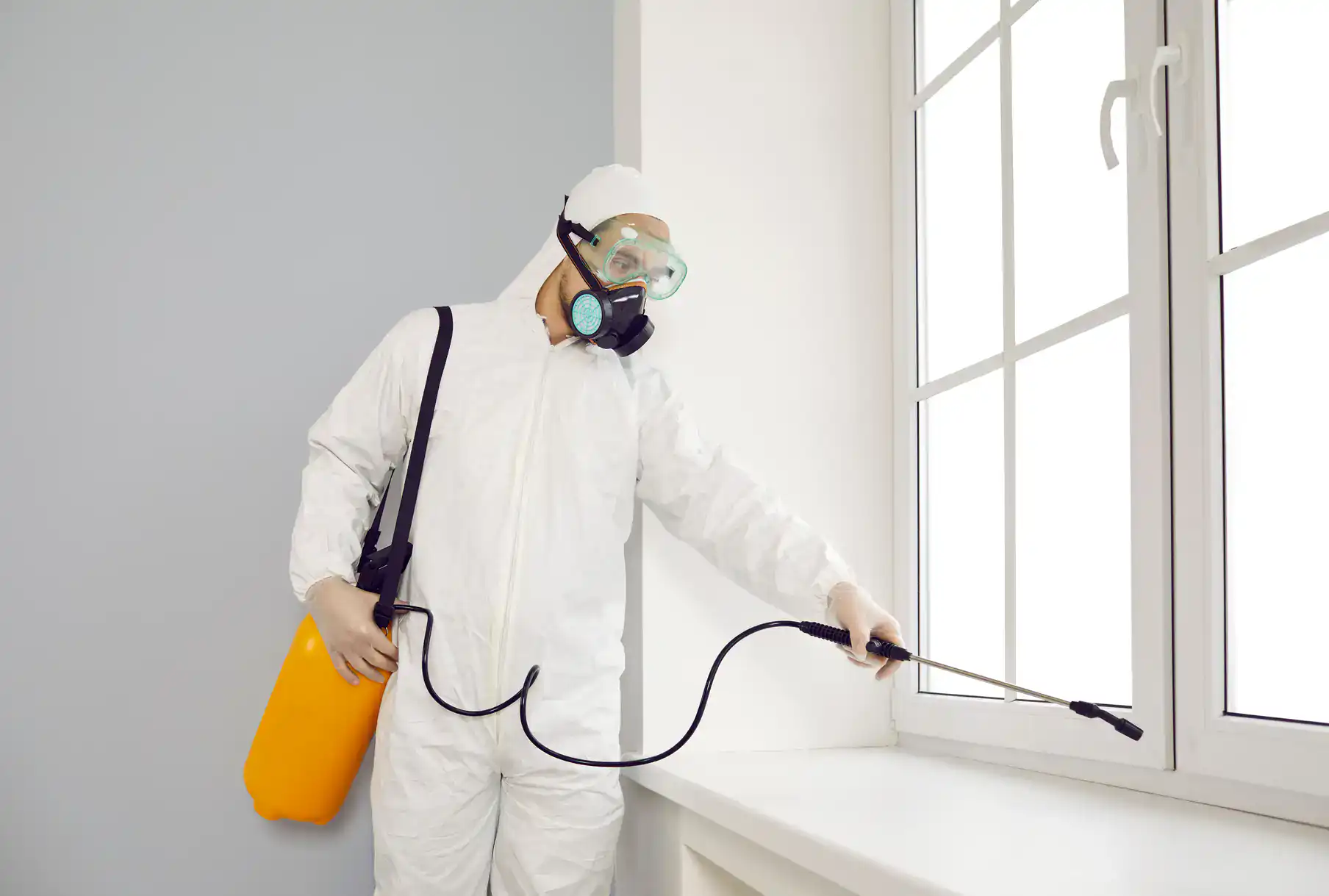
From there, the treatment plan is built around what the inspection actually found not a one-size-fits-all package. That can include bait stations, exclusion work to seal entry points, and interior trapping depending on the severity and the layout of your home. All materials are NYSDEC-registered, which matters especially in households with children or pets. After the initial treatment, we walk you through what was done, what to watch for, and whether a follow-up visit makes sense given your specific situation. You leave the appointment knowing exactly where things stand.
Ready to get started?
Rodent control in Kew Gardens Hills isn’t a single-visit, set-some-traps-and-leave situation at least not when it’s done right. Our service covers inspection, treatment, and exclusion as a connected process. Inspection tells you what species you’re dealing with (Norway rats behave very differently from house mice), where they’re entering, and where they’re nesting. Treatment addresses the active population. Exclusion closes the doors so the next wave from the park or the cemetery doesn’t just walk back in.
For residents in the neighborhood’s attached rowhouses, exclusion work is especially important. Gaps around plumbing penetrations, deteriorated foundation mortar, and utility entry points in 1940s and 1950s construction are common and they’re often invisible from inside the home. A technician who knows Queens housing stock knows where to look. For building managers and co-op boards overseeing multi-unit properties, we can structure a building-wide approach that covers common areas, basement access points, and shared grounds and provides the documentation that NYC Health Department compliance requires.
If you’ve received a rodent violation citation from the NYC Department of Health, we’re experienced in that process specifically. We’re already trusted by attorneys and brokers across the borough for exactly this reason. Whether it’s a single-family home on a quiet block near Queens College or a multi-unit building along Main Street, our service is built around what your property actually needs not a template.
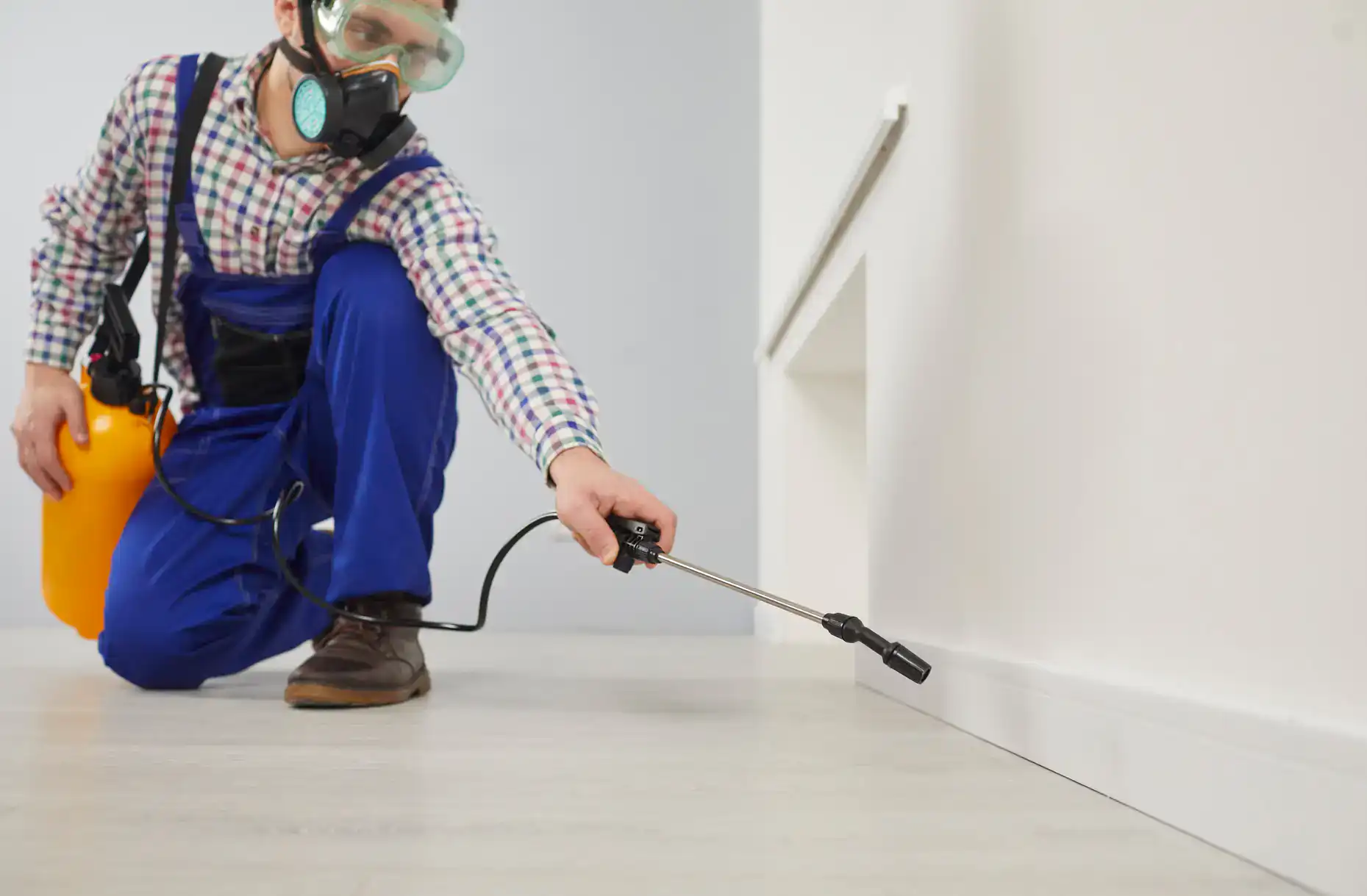
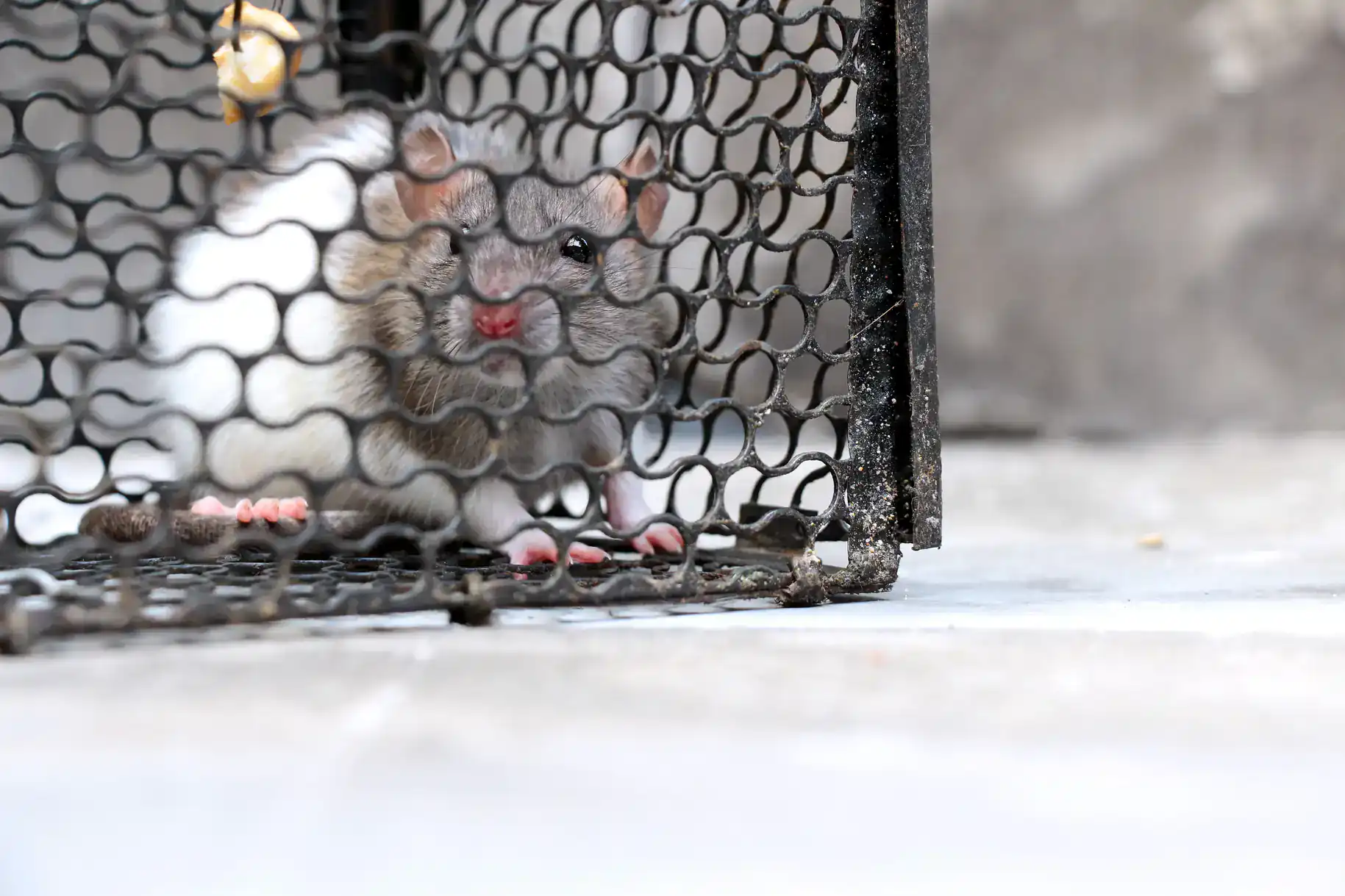
Traps catch the rodents already inside your home they don’t address how new ones keep getting in. In Kew Gardens Hills’ attached and semi-detached rowhouses, the entry point is often in a shared wall cavity, a gap around a pipe that runs between units, or a foundation crack that’s been settling for 70 years. You can set every trap available at the hardware store and still have mice back within days because the actual source of the problem hasn’t been touched.
A professional inspection identifies those hidden entry points and addresses them through exclusion work physically sealing the gaps, not just managing the population that’s already inside. Once the entry points are closed and the active infestation is treated, you’re not just buying time until the next wave. You’re actually solving it. That’s the difference between a temporary fix and a lasting one.
It matters quite a bit. Norway rats the most common rat species in Queens are burrowing animals. They nest in the ground along foundation lines, under concrete slabs, and near food sources. They’re larger, more cautious, and require a different baiting and exclusion strategy than house mice, which are smaller, more exploratory, and can squeeze through a gap the size of a pencil eraser.
The signs are usually different too. Rat droppings are larger (about the size of a raisin), and you’ll often see burrow entrances along exterior foundation walls or near landscaping. Mouse droppings are smaller and scattered more widely. Gnaw marks, grease trails along baseboards, and the location of the activity in your home all help our technicians make the right call quickly. Getting the species identification right from the start means the treatment is actually designed for what you have not a generic approach that may not work.
This is one of the most common concerns we hear, and it’s a completely reasonable one especially in a neighborhood like Kew Gardens Hills where so many households are raising families. The honest answer is that professional rodent control, done correctly, is significantly safer than most people assume and considerably safer than leaving an active infestation untreated.
We apply only New York State Department of Environmental Conservation (NYSDEC) registered materials. These have been evaluated for safety and efficacy by state regulators. More importantly, professional application means the right material goes in the right location at the right concentration not a homeowner placing rodenticide in an accessible spot where a child or pet could reach it. Bait stations used by our licensed technicians are tamper-resistant and placed in areas inaccessible to children and pets. The CDC is clear that rodents themselves through droppings, urine, and the parasites they carry pose serious health risks, including to children. Treating the infestation is the safer choice.
The national average for professional rodent control runs roughly $180 to $610 for a standard treatment, with exclusion work physically sealing entry points adding another $200 to $600 depending on how much needs to be done. For a postwar rowhouse in Kew Gardens Hills with multiple potential entry points along a shared foundation line, exclusion is often where the real value is. Without it, you’re treating the symptom, not the cause.
The free phone consultation we offer is the right starting point before worrying about cost. A technician can help you understand the scope of what you’re dealing with and give you a clear quote before any work begins. There are no hidden fees and no pressure to commit on the call. Given that a single female mouse can produce up to 60 offspring in a year, and that rodents are responsible for an estimated 25% of unexplained house fires through wire gnawing, the cost of waiting tends to be higher than the cost of the service.
Yes and Kew Gardens Hills has a specific seasonal pattern worth understanding. As temperatures drop in October and November, rodents that have been living in outdoor harborage start moving toward warmth. For this neighborhood, that means migration pressure from Flushing Meadows-Corona Park to the west and Cedar Grove Cemetery to the north both of which provide extensive outdoor harborage during warmer months. When those areas get cold, rodents move east and south into the residential blocks.
Rodent activity increases roughly 25% during winter months citywide. In a neighborhood with this much adjacent park and cemetery land, that pressure is amplified. Fall is the most important time to address any signs of rodent activity before an outdoor population establishes itself inside your walls for the winter. Spring construction activity near the Van Wyck Expressway and the Kew Gardens Interchange can also displace established rodent colonies into adjacent residential areas, making that a secondary high-risk window. Year-round vigilance matters here more than in most Queens neighborhoods.
Yes, and this is something we handle regularly. New York City’s Health Code requires property owners to maintain their buildings free of rodent infestation, and a violation citation comes with a remediation requirement and a re-inspection timeline. Having documentation of professional pest control service from a licensed, bonded exterminator using NYSDEC-registered materials is a core part of satisfying that requirement.
We’re already trusted by New York attorneys and real estate brokers across the borough for exactly this situation. We understand the documentation requirements, the timeline pressure, and what the Health Department expects to see. If you’re a homeowner, landlord, or property manager in Kew Gardens Hills dealing with a violation, the process starts the same way as any other service call with a free phone consultation and a clear plan. The difference is that we can provide the paperwork trail you need to close the violation, not just treat the problem.
Useful Links