Hear from Our Customers
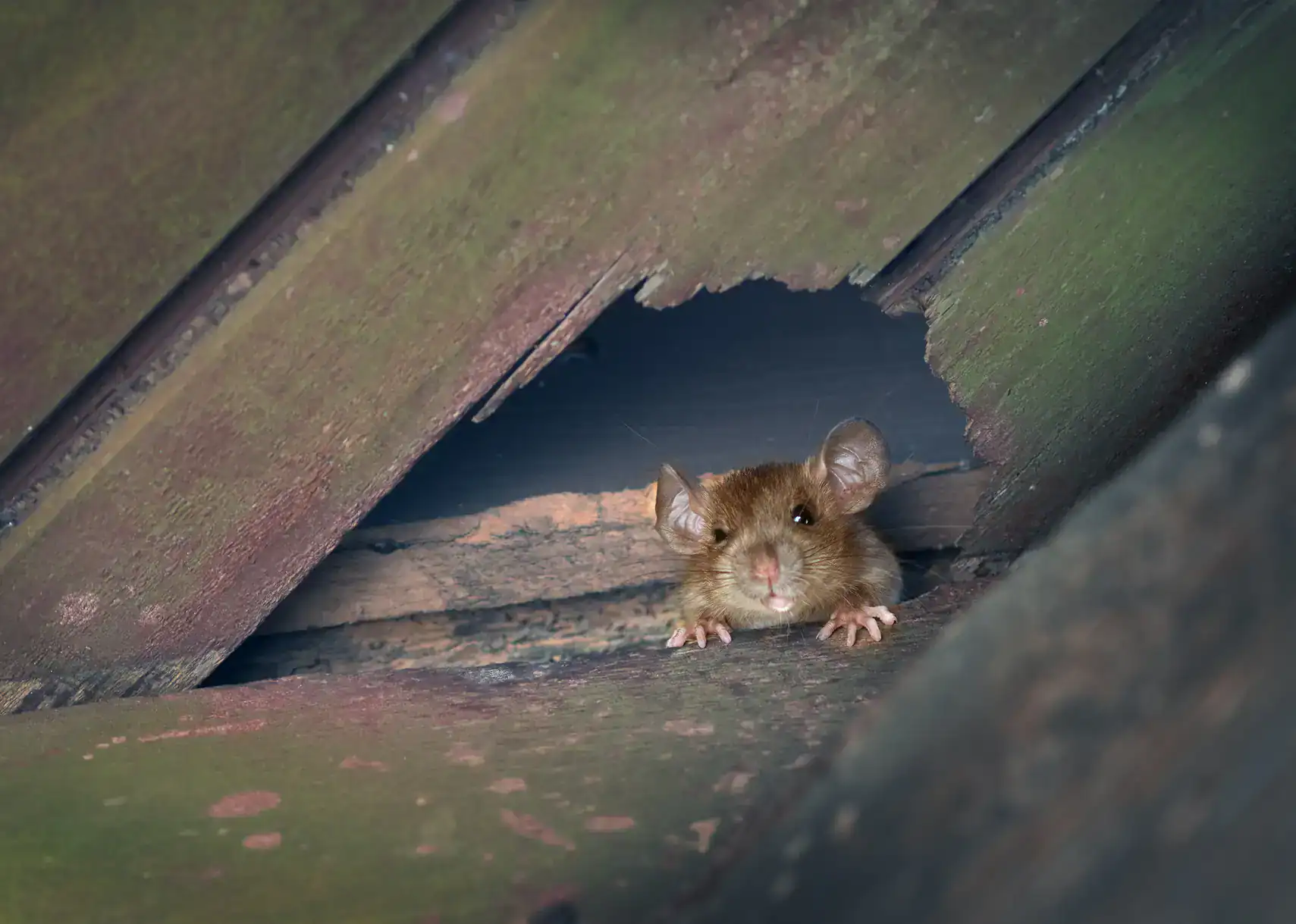
You stop second-guessing every sound in the walls. You stop finding droppings behind the stove and wondering how bad it really is. That’s what rodent control in Murray Hill actually looks like when it’s done right not just a bait station dropped in the corner, but a real plan that addresses why they got in and how to make sure they don’t come back.
Murray Hill has a rodent pressure problem that most neighborhoods don’t. You’ve got the Queens-Midtown Tunnel entrance sitting at 34th and 2nd Avenue, which means underground construction and infrastructure work regularly displaces rodent colonies straight into surrounding buildings. Add the restaurant corridor along Lexington Avenue one of the densest concentrations of food service establishments in Midtown and the rodent pressure on residential buildings in this neighborhood is constant, not seasonal.
Then there’s the building stock itself. The Historic District brownstones, the converted carriage houses off East 36th Street, the prewar co-ops on Park Avenue these are buildings with aging foundations, original pipe penetrations, and gaps that have been there for generations. Rodents don’t need much. A hole the size of a quarter is enough for a rat. A gap no bigger than a pencil eraser lets a mouse through. A professional inspection finds what a walk-through never will, and that’s where real rodent removal in Murray Hill starts.
We were founded in 1971 by Richard Kourbage Sr. and have been operated alongside his sons Richard Jr. and Charles since the late 1980s. That’s not a franchise model. It’s a family that has spent over five decades building a reputation in New York City one job at a time and has too much invested in that reputation to cut corners on yours.
We hold an A+ rating with the Better Business Bureau of New York State and have been BBB-accredited since 1989. Every technician applies only N.Y.S. Department of Environmental Conservation registered materials, and we are fully licensed, bonded, and insured. In a city where unlicensed operators are common and the consequences of using one fall on the property owner, that matters.
Murray Hill’s mix of landmark-designated buildings, high-rise residential towers, and proximity to major transit infrastructure makes it one of the more complex rodent environments in Manhattan. We are actively referred by NYC attorneys and real estate brokers many of whom have clients in this exact neighborhood precisely because the documentation, compliance, and results hold up when it counts.
It starts with a call. We offer a free phone consultation no charge, no pressure so you can describe what you’re seeing and get a straight answer about what you’re likely dealing with before anyone shows up. For Murray Hill residents in high-rise buildings where the problem may have originated two floors below you, or in a neighboring building’s trash room, that initial conversation helps set realistic expectations about scope.
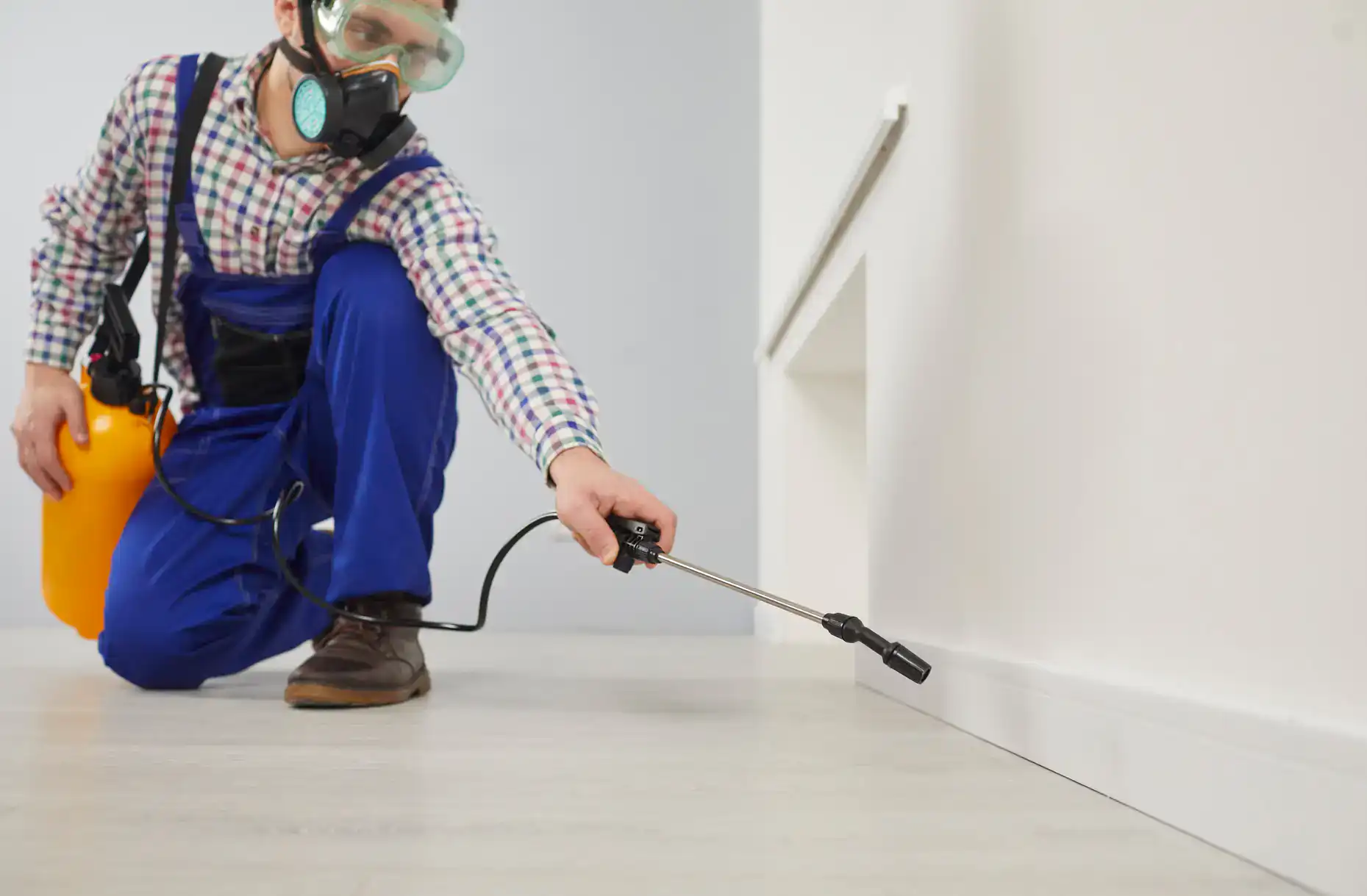
From there, a licensed technician comes out for a full inspection. In a neighborhood like Murray Hill where buildings range from 19th-century limestone townhouses to modern residential towers the inspection isn’t a quick walk-around. It’s a methodical look at foundation gaps, pipe penetrations, utility entry points, and the structural details that older buildings accumulate over decades. The goal is to find where rodents are entering, not just where you’re seeing them.
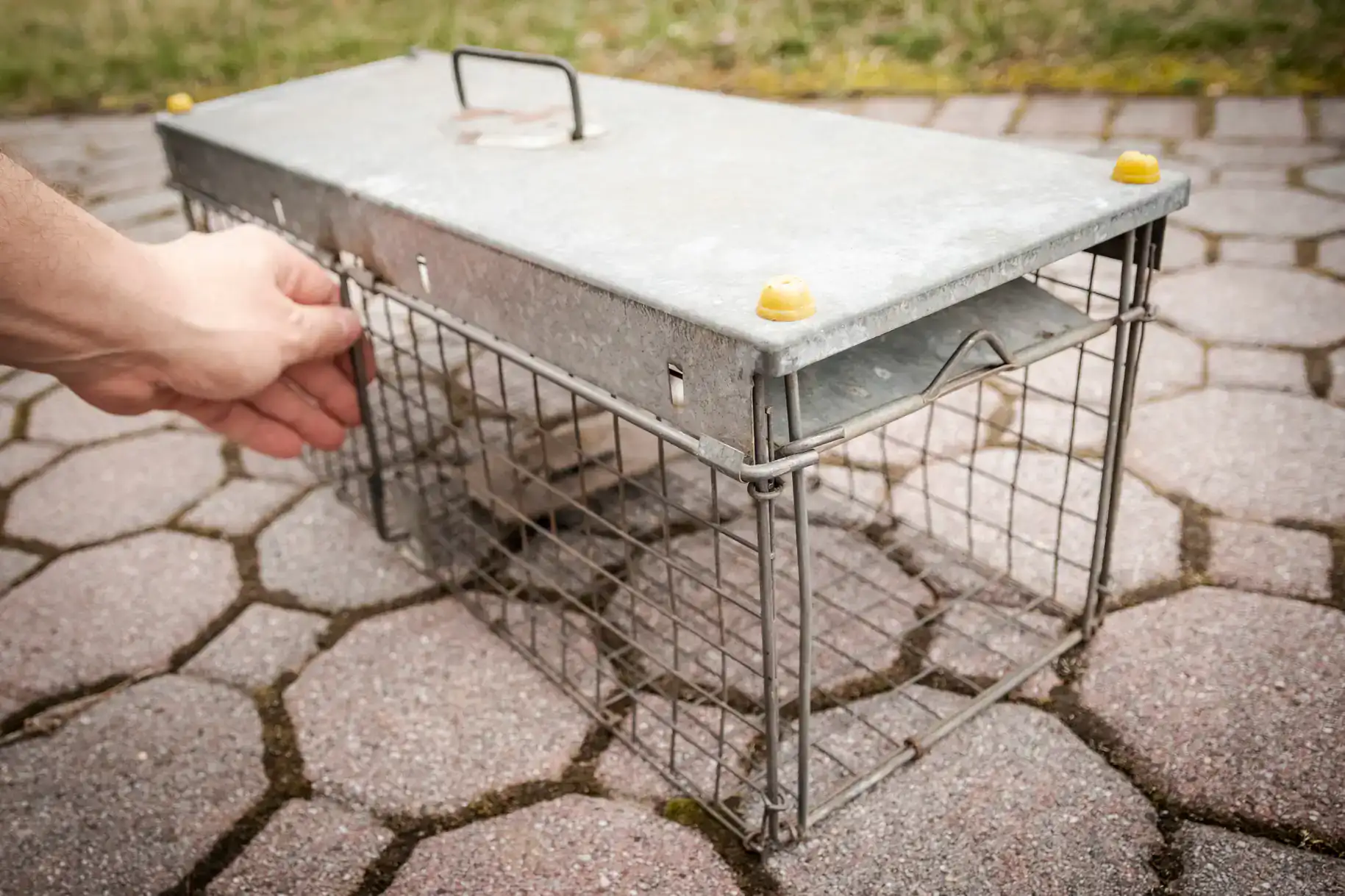
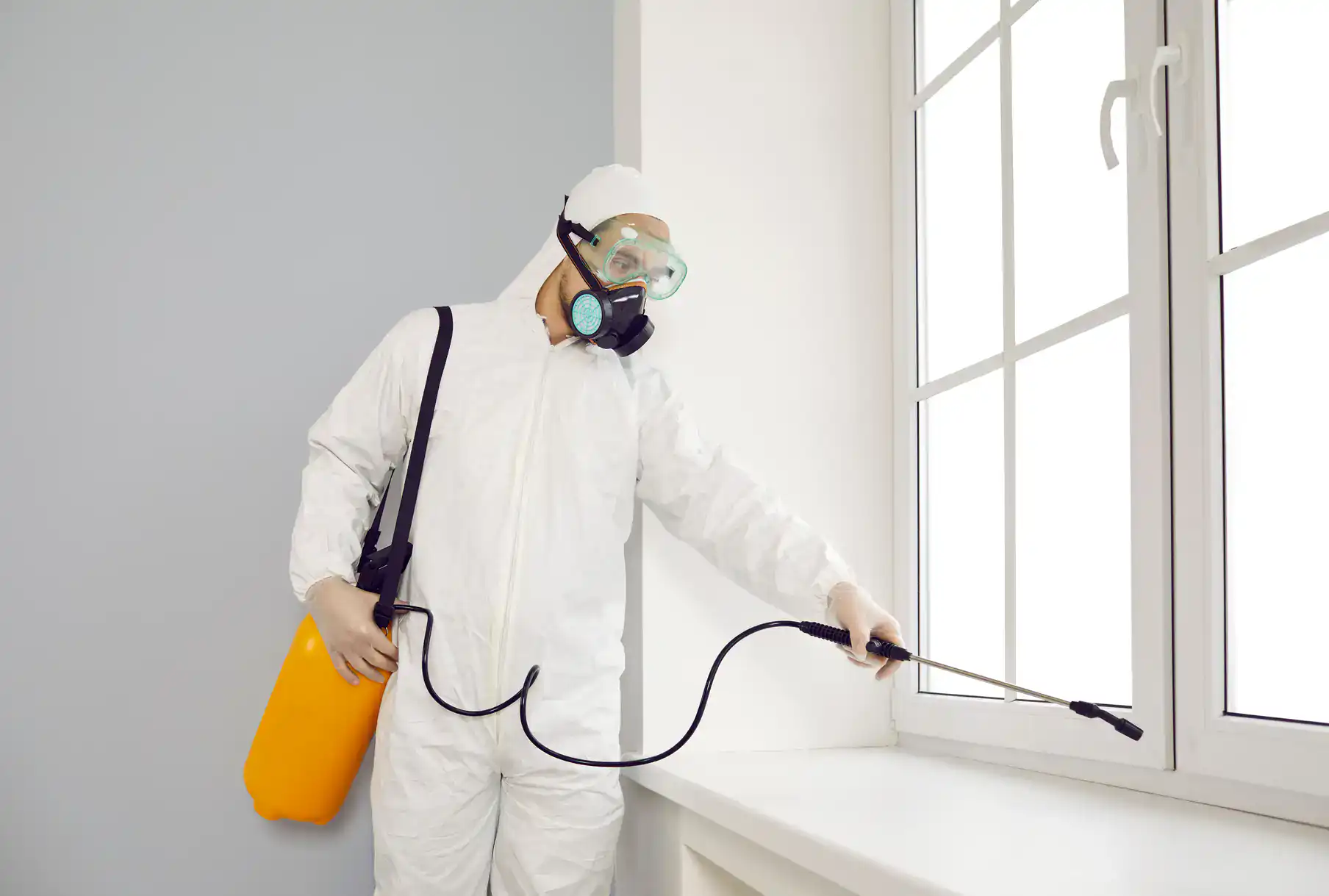
Treatment follows the inspection and is built around what the inspection actually found. That means a combination of targeted rodenticide application using NYS DEC-registered materials, exclusion work to seal confirmed entry points, and specific recommendations for sanitation or structural issues that are keeping your building vulnerable. Under NYC’s Housing Maintenance Code, property owners are required to apply continuous eradication measures when infestation is present our process is designed to satisfy that requirement and document it. Appointments are guaranteed within 48 hours, and same-day service is available in many cases.
Ready to get started?
Rodent pest control in Murray Hill isn’t one-size-fits-all, and we don’t treat it that way. Our service covers Norway rats and house mice the two species responsible for virtually every infestation in this neighborhood and it’s structured around the specific conditions that make Murray Hill buildings vulnerable: aging infrastructure, vertical rodent migration through high-rise pipe chases, and sustained food-source pressure from the Curry Hill restaurant corridor to the south.
Every service includes a licensed inspection, targeted treatment using NYS DEC-registered pesticide materials, and exclusion guidance to address confirmed entry points. For building managers, co-op boards, and property owners dealing with HPD violations or 311 complaints, we provide the documented service records that satisfy NYC Health Code requirements. That’s not a minor detail a 311 rodent complaint triggers a Health Department inspection, and a failed inspection means mandatory remediation and potential fines. Having a licensed, compliant exterminator on record matters.
For Murray Hill residents in rental units whose building management has been slow to respond, we can work directly with you and advise on what your building is legally required to provide under the NYC Housing Maintenance Code. Whether you’re in a prewar walkup on East 38th Street, a high-rise on Third Avenue, or one of the converted townhouses near the Morgan Library, our approach is built around your building not a generic protocol pulled from a national playbook.
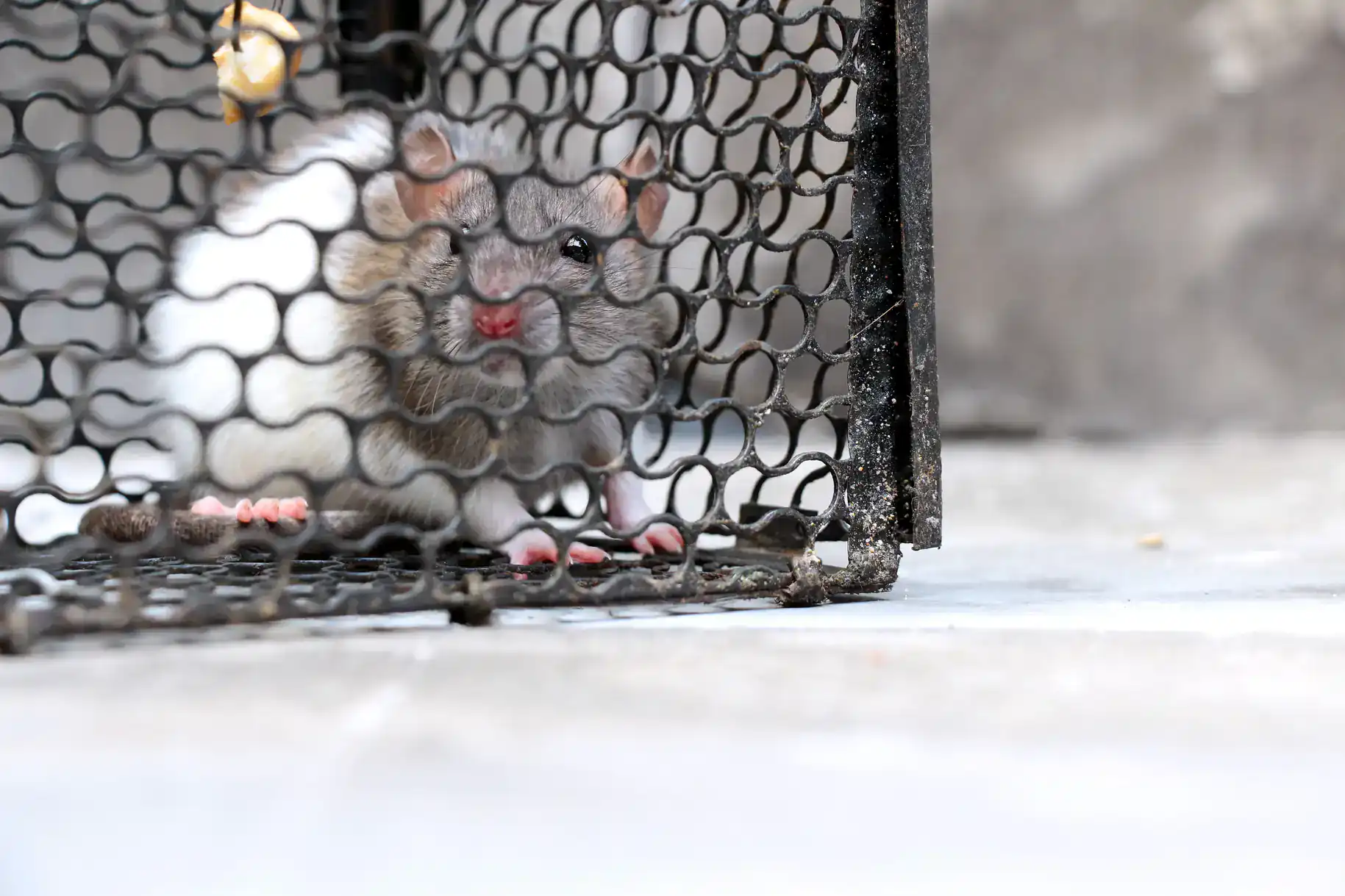
In Murray Hill’s residential towers, rodents almost never enter on the floor where you’re seeing them. They typically get in at the ground level near loading docks, basement trash rooms, utility penetrations, or subway-adjacent infrastructure and then migrate vertically through pipe chases, elevator shafts, and shared wall cavities. A resident on the 12th floor can have a mouse problem that started in the building’s basement or from a restaurant’s waste storage area at street level.
This vertical migration is one of the things that makes high-rise rodent control genuinely different from what you’d deal with in a single-family home. The entry point and the visible problem are often in completely different parts of the building. A proper inspection traces the path from where they’re getting in to where they’re ending up and treatment addresses both ends. If your building management is handling it floor by floor without looking at the basement and utility corridors, the problem will keep coming back.
Yes, and it’s not a minor factor. Restaurant food waste is the most reliable rodent attractant in an urban environment, and the Lexington Avenue corridor through Murray Hill’s southern blocks with its dense concentration of food service establishments creates a sustained food-source environment that keeps rodent populations active year-round. Residential buildings within a block or two of that corridor face measurably higher rodent pressure than buildings on quieter residential streets.
What that means practically is that even after a successful treatment, your building remains in a high-pressure zone. Rodent control in this part of Murray Hill isn’t a one-and-done situation it requires attention to ongoing exclusion and sanitation conditions that reduce your building’s attractiveness relative to the food sources nearby. Our inspection process accounts for your building’s proximity to commercial food waste sources and factors that into the treatment and exclusion recommendations.
Under the NYC Housing Maintenance Code, building owners are legally required to keep their premises free of rodents and to apply continuous eradication measures when an infestation is present. That’s not optional it’s a legal obligation. If your landlord is ignoring the problem, you can file a complaint through 311, which routes to the NYC Department of Health for inspection. A confirmed infestation can result in HPD violations, mandatory remediation orders, and fines against the building owner.
You can also contact the NYC Department of Housing Preservation and Development directly. If the building receives an HPD violation for rodent infestation, the owner is required to correct it within a specific timeframe or face escalating penalties. In the meantime, if you’re choosing to hire a professional independently while the building management situation gets sorted out, we can advise you on what the building is required to provide and help document the conditions in your unit. That documentation can be useful if the situation escalates to a formal complaint or legal matter.
Murray Hill’s Historic District includes over 88 protected structures, 14 individual NYC Landmark buildings, and 239 properties on the National Register of Historic Places. Working in and around these buildings requires care not just because of their architectural significance, but because their age creates a rodent entry challenge that modern construction simply doesn’t have. Original pipe penetrations from the early 1900s, deteriorating mortar joints, aging stone foundations, and structural gaps that have accumulated over more than a century all create access points that a standard inspection won’t catch.
Our technicians are experienced with the specific vulnerabilities of prewar and historic building stock. The inspection process in these buildings goes deeper than a surface walk-through it looks at the structural details that older buildings accumulate and identifies the entry points that have often been present, and ignored, for decades. Treatment and exclusion recommendations are developed around what the building actually has, not what a newer building would have. If you’re in one of the converted carriage houses on Sniffen Court or a brownstone on East 37th Street, our approach is built around your building’s specific construction not a generic checklist.
Fall is the most active season for rodent ingress, and Murray Hill’s older building stock makes it particularly vulnerable during that period. As outdoor temperatures drop in September and October, Norway rats and house mice actively seek indoor warmth. In buildings with aging weatherproofing, original pipe penetrations, and structural gaps that have never been properly sealed, that seasonal pressure translates directly into increased indoor activity.
That said, Murray Hill has rodent pressure drivers that don’t follow a seasonal pattern. The Queens-Midtown Tunnel entrance at 34th Street and 2nd Avenue means underground construction and maintenance activity can displace rodent colonies at any time of year. The Curry Hill restaurant corridor keeps food waste levels high through every season. And active construction projects in and around Midtown regularly disturb established colonies, pushing them into adjacent occupied buildings. If you’re seeing activity outside of fall and winter, it doesn’t mean something unusual is happening it means your building is in a high-pressure zone.
The initial inspection and treatment visit typically takes one to two hours, depending on the size of the unit or building and the complexity of the infestation. For a single apartment in a Murray Hill high-rise, the visit is usually on the shorter end. For a full building inspection covering basement, utility corridors, and multiple floors it takes longer, and that’s time worth spending. Rushing a high-rise inspection is how entry points get missed.
In terms of results, most residents see a significant reduction in activity within the first week following treatment. Full resolution depends on the extent of the infestation and how thoroughly entry points have been addressed. In buildings where exclusion work is needed sealing pipe penetrations, closing foundation gaps, addressing structural vulnerabilities the timeline for complete resolution is tied to how quickly those repairs are made. We provide specific exclusion recommendations as part of every service, and following through on them is what separates a long-term fix from a temporary reduction. If you’re in a building with ongoing rodent pressure from nearby infrastructure or the restaurant corridor, maintaining those exclusion measures over time is what keeps the problem from returning.
Useful Links