Hear from Our Customers
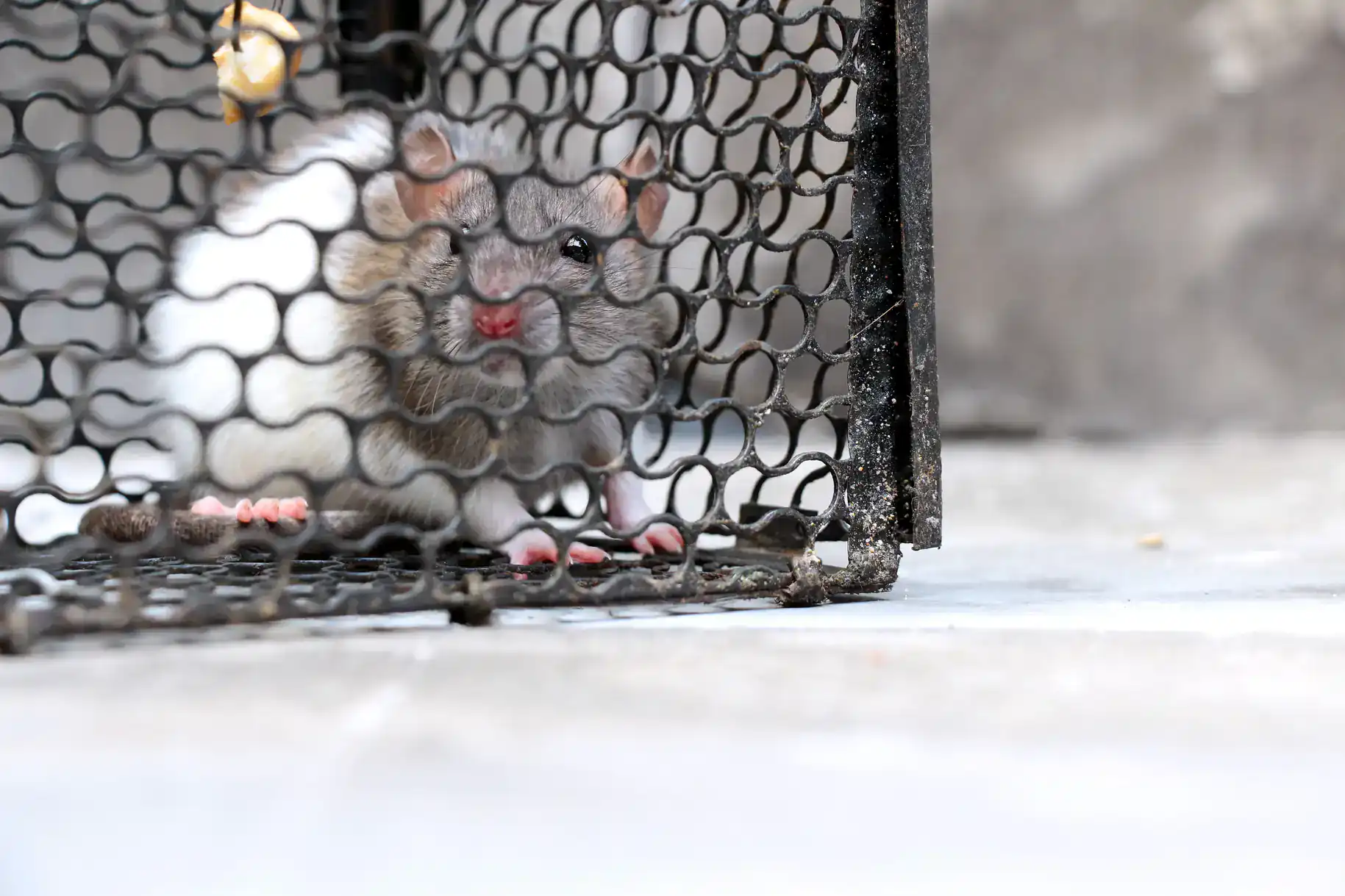
When you live in a Park Slope brownstone, a rodent problem isn’t just an inconvenience it’s a building problem. Mice don’t stay in one apartment. They move through shared wall voids, plumbing chases, and basement utility spaces that connect your home to every attached unit on the block. Treating one room without addressing how they’re getting in and where they’re traveling is why so many people end up calling a second exterminator.
Once the entry points are sealed and the infestation is resolved, the difference is immediate. No more scratching in the walls at night. No more droppings near the baseboards. No more wondering whether the problem has spread to your neighbor’s unit or up to the floor above you. For families near P.S. 321 or anyone with young kids in the home, that peace of mind matters more than most things on a to-do list.
There’s also the property angle. Park Slope brownstones are serious investments. Gnawed wiring, contaminated insulation, and damaged structural materials aren’t abstract risks they’re what happens when a rodent infestation goes unaddressed for a season. Getting this handled correctly the first time protects what you’ve put into your home, and it protects what you’d get out of it if you ever sold.
We’ve been working in Brooklyn since 1971, and that’s not a marketing number it means our technicians have spent decades inside the exact type of buildings that line the streets between Grand Army Plaza and Prospect Park West. Pre-war construction, party walls, shared basements, original plumbing. We know what we’re walking into before we arrive.
We’re a second-generation family business, headquartered on Flatbush Avenue in Marine Park the same Flatbush Avenue that runs straight through Park Slope. We’re fully licensed, bonded, and insured, and we apply only N.Y.S. Department of Environmental Conservation registered materials. No shortcuts, no guesswork, and no technician who’s seeing a Park Slope brownstone for the first time.
Attorneys and real estate brokers across Brooklyn refer their clients to us because when a pest problem threatens a property transaction, they need it handled right, not just fast. That reputation took 50 years to build, and we don’t take it lightly.
It starts with a thorough inspection not just the kitchen or the room where you heard the noise, but the basement, the utility penetrations, the foundation line, and the building perimeter. In Park Slope’s attached row houses, that means checking the shared wall junctions, the coal chute areas, and any areaway drains that were never properly sealed. These are the access points that matter most, and they’re the ones that get missed when an exterminator rushes through.
From there, we put together a clear picture of what’s happening: what species you’re dealing with, where they’re entering, where they’re traveling, and how far the activity has spread. If you’re in a co-op or a multi-unit building, that assessment includes the shared infrastructure because a treatment plan that ignores the building’s common spaces isn’t a real treatment plan.
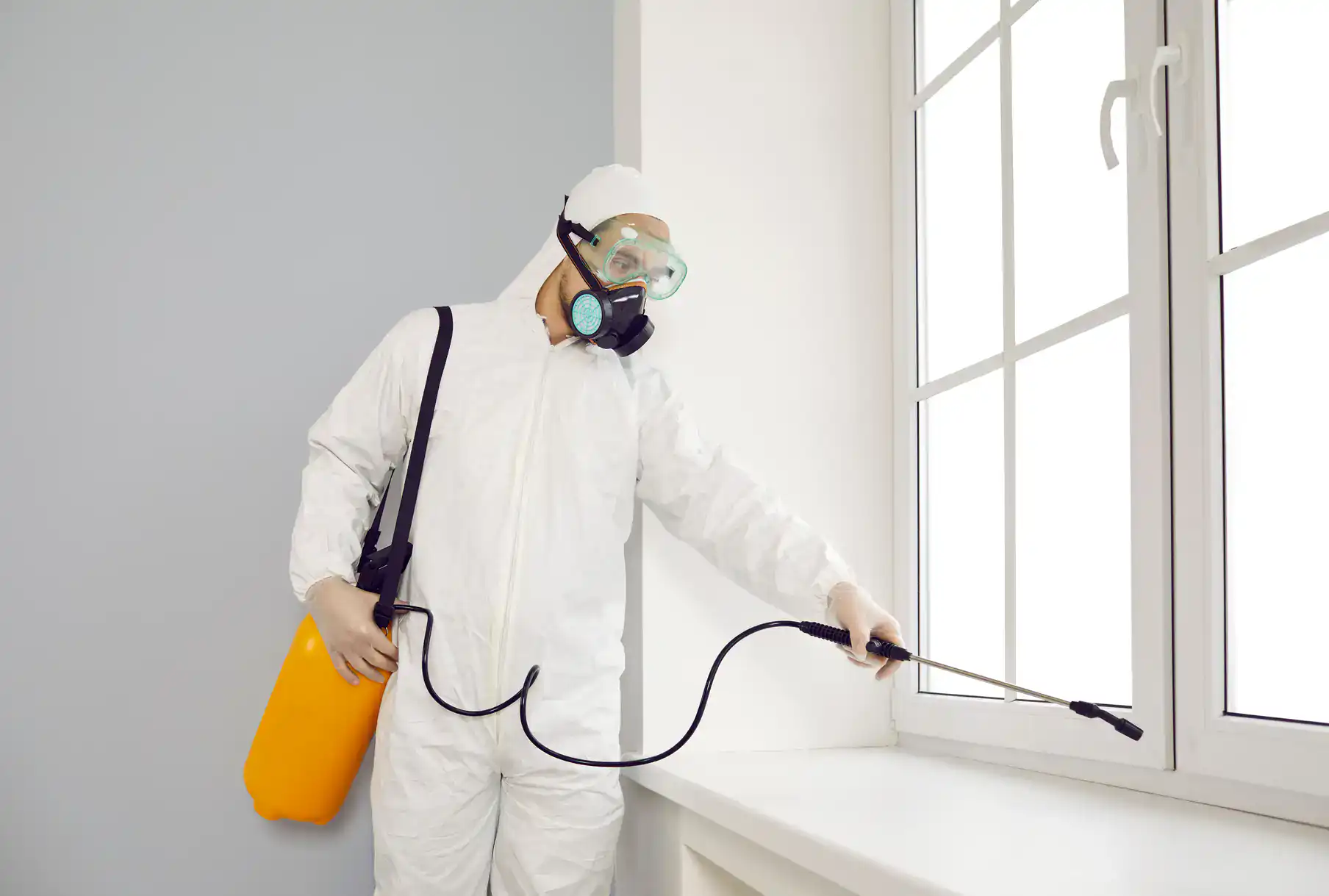
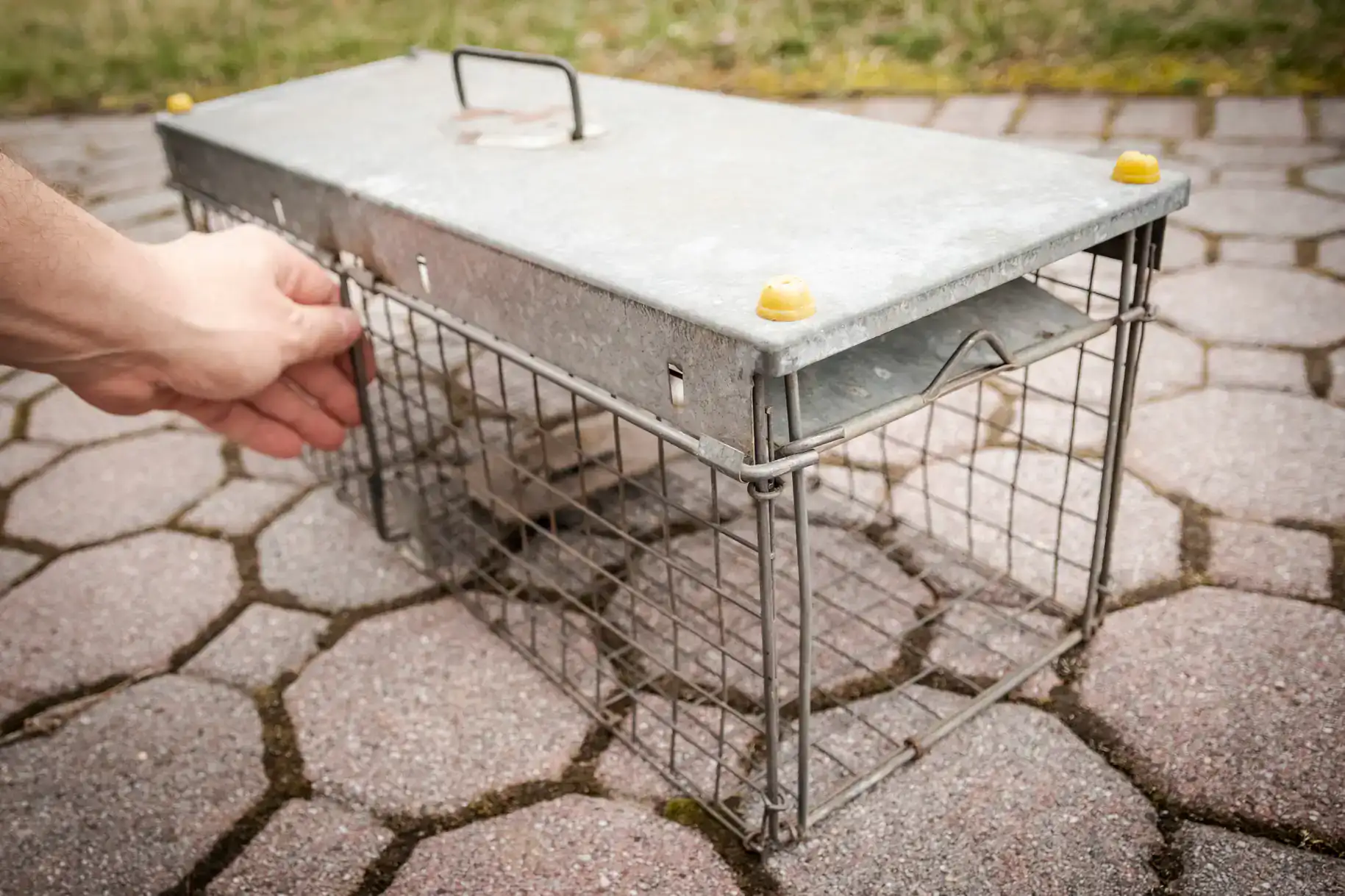
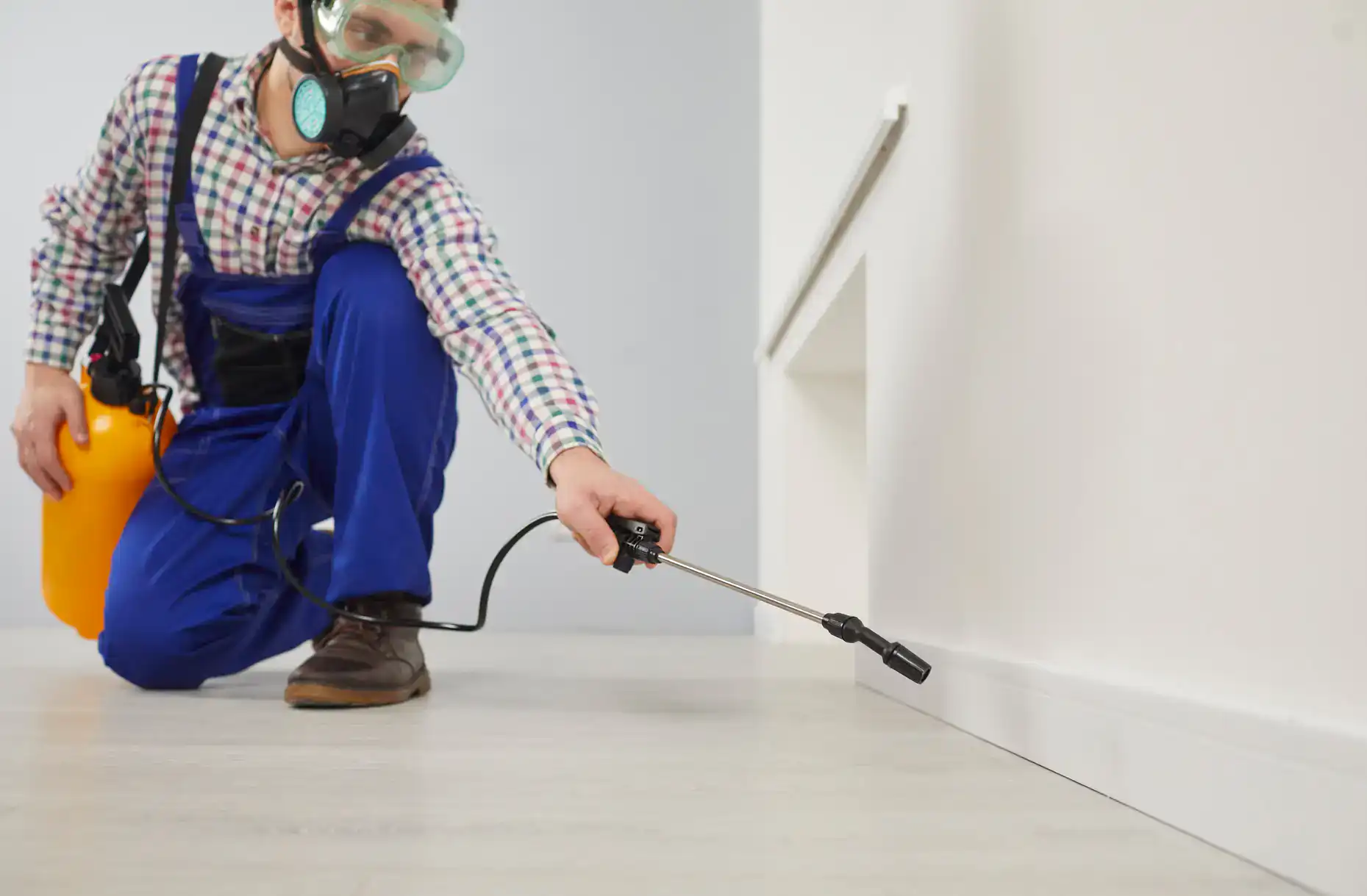
Then we get to work. Targeted baiting and trapping where activity is confirmed. Exclusion work to close the entry points done carefully, because in Park Slope’s Historic District, any exterior work on a landmarked building needs to be handled with awareness of preservation guidelines. Follow-up visits are part of the process, not an upsell, because in a neighborhood where Gowanus construction keeps displacing rat colonies eastward and Prospect Park sits at your back door, one visit is rarely the whole story.
Ready to get started?
Rodent control in Park Slope isn’t the same as rodent control in a detached single-family home. The buildings here are connected. The basements are shared. The walls between units are a highway for mice, and the Norway rats that feed along Fifth Avenue at night don’t stop at your property line. Any service that doesn’t account for that reality is going to leave you with the same problem three months later.
What you get with us is a complete approach inspection, treatment, and exclusion designed for how these buildings actually work. We use NYS DEC-registered rodenticides and trapping methods appropriate for the infestation type and building layout. For properties near the Gowanus Canal corridor, where active development has been pushing established rat colonies into surrounding residential blocks for years, we pay particular attention to below-grade entry points and perimeter harborage conditions.
If you’re managing a co-op board, dealing with a Health Department violation, or trying to get ahead of a 311 complaint before it escalates, we can help with that too. Under the NYC Housing Maintenance Code, landlords are legally required to keep rental properties free of vermin and our documentation and follow-through is built to satisfy both tenants and inspectors. We also offer free phone consultations and detailed estimates before any work begins, so you know exactly what you’re dealing with and what it will take to fix it.
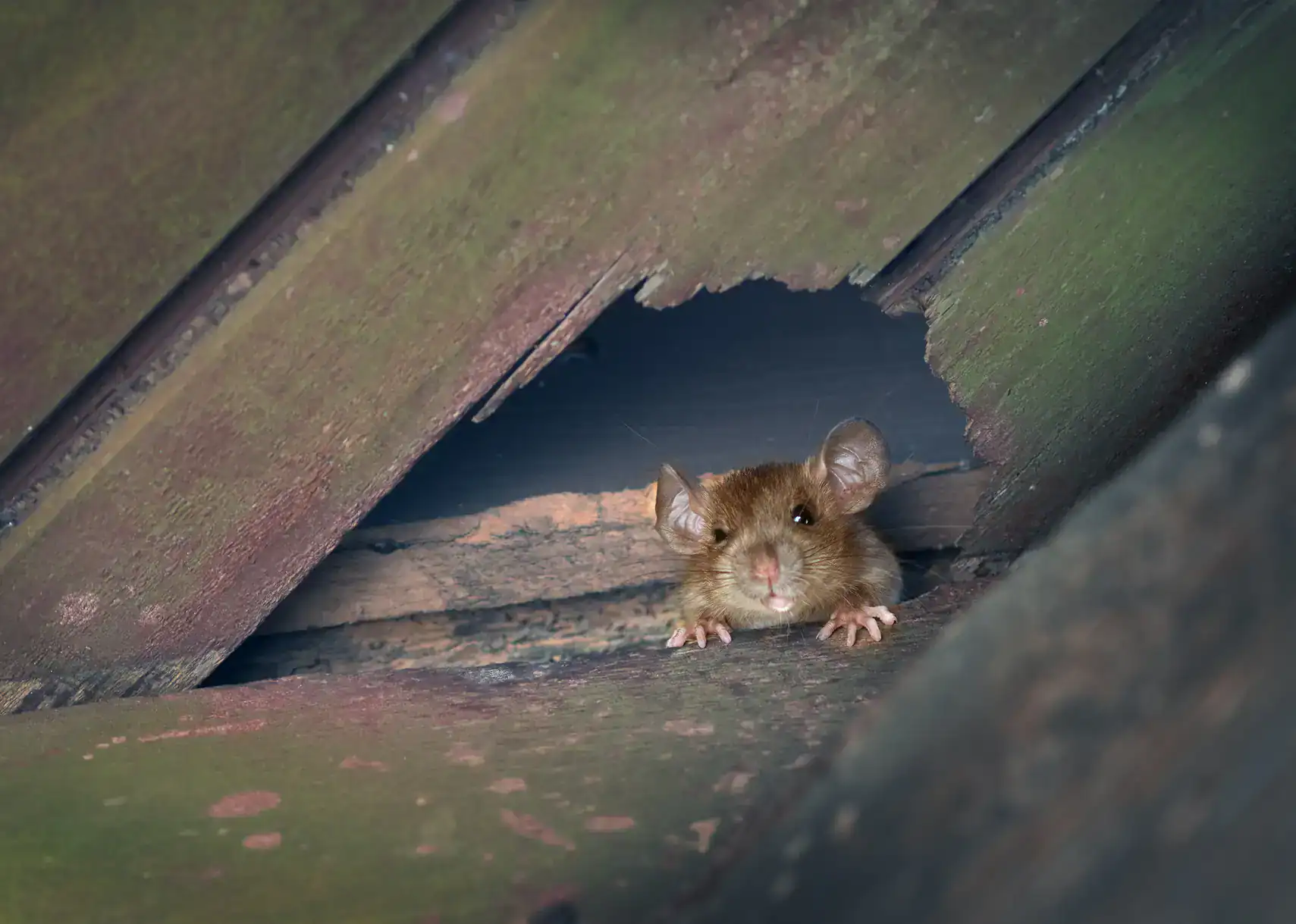
This is one of the most common frustrations we hear in Park Slope, and it almost always comes down to the same thing: the entry points weren’t fully addressed. In an attached brownstone, mice can travel through shared wall cavities and plumbing chases from neighboring units without ever going outside. If the building next door hasn’t been treated, or if the gaps around your pipes and baseboards haven’t been sealed, new mice will keep finding their way in regardless of how many traps were set.
The other factor is the persistent pressure from outside. Prospect Park borders Park Slope to the east, and it sustains a year-round wildlife population that migrates into adjacent residential blocks, especially as temperatures drop in the fall. Treating what’s inside without addressing how animals are getting in from outside is a temporary fix at best. A proper rodent control service in Park Slope needs to include exclusion work physically sealing the entry points not just interior baiting and trapping.
Norway rats the dominant species in Park Slope are burrowers. They enter buildings at or below grade, through foundation gaps, deteriorated mortar joints, unsealed utility penetrations, and old coal chute access points that are common in pre-war Brooklyn construction. Once inside, they move through basement spaces and wall voids. In attached row houses, those basement spaces often connect across multiple properties, which means a colony that entered one building can establish itself across several without any visible sign at the surface.
In Park Slope specifically, the commercial corridors on Fifth Avenue and Seventh Avenue sustain large rat populations that feed on restaurant waste and outdoor dining debris, then migrate into the adjacent residential blocks at night. Buildings within a few blocks of those corridors tend to see higher rodent pressure, particularly in ground-floor units and garden apartments. Sealing the below-grade entry points on your building’s exterior including the areaway drains and utility pipe penetrations that are easy to overlook is the most important step in keeping them out long-term.
Yes, and it’s been a real and ongoing factor for several years now. The Gowanus Canal Superfund cleanup and the large-scale residential development that followed the 2021 neighborhood rezoning have been disturbing established rat burrow systems directly west of Park Slope. When construction crews excavate a site, the rat colonies living there don’t disappear they relocate. Many of them move east, into the residential blocks of Park Slope.
This is a well-documented pattern of urban rodent behavior, and it’s one reason why some Park Slope homeowners have noticed increased rodent activity in recent years without any obvious change in their own household habits or sanitation. If your problem seems to have appeared or gotten worse without a clear cause, the Gowanus construction corridor is worth factoring into the picture. A thorough perimeter inspection particularly along the western-facing foundation of your building is a smart starting point.
Under the NYC Housing Maintenance Code, Section 27-2018, yes landlords in New York City are legally required to keep rental properties free of rats and other vermin. This is an enforceable standard, not a suggestion. If your landlord hasn’t responded adequately to a rodent problem, you can file a complaint through 311, which triggers a NYC Health Department inspection. If the inspector finds evidence of an active infestation or harborage conditions, the property owner can face fines and mandatory remediation.
For property owners on the receiving end of a violation, the priority is resolving it correctly and quickly not just doing the minimum to close the complaint. We work with Park Slope landlords, property managers, and co-op boards to address violations in a way that satisfies inspectors and actually solves the problem. Given that 62.9% of Park Slope housing units are renter-occupied, this is a situation we handle regularly, and we can provide the documentation and follow-through the process requires.
Fall is consistently the busiest season for rodent control calls in Park Slope, and the reason is straightforward: as temperatures drop, Norway rats and house mice that have been living outdoors start looking for warmth. They move from the burrow systems along the commercial corridors and the park perimeter into building interiors and the pre-war construction that defines Park Slope gives them plenty of ways in. Buildings that had no visible rodent activity all summer can develop a full infestation within a few weeks in October or November.
The tricky part is that winter infestations are often more advanced than fall ones, because the animals have had time to establish nesting sites and breed before anyone notices. A female house mouse can produce multiple litters in just a few months. If you’re hearing scratching in the walls or finding droppings in late fall or winter, the infestation is likely further along than it appears. Scheduling an inspection before the temperatures drop or at the first sign of activity is always going to be easier and less costly than waiting.
For rat extermination in Park Slope, most professional services run somewhere in the $200 to $600 range for initial treatment, depending on the severity of the infestation, the size of the building, and whether exclusion work is included. Mouse infestations in a single unit can fall on the lower end of that range, while a building-wide rat problem in an attached brownstone particularly one that requires below-grade exclusion work or multiple follow-up visits will naturally cost more.
What’s worth understanding is that the cheapest option rarely solves the problem in Park Slope’s attached building environment. If entry points aren’t sealed and the shared infrastructure isn’t addressed, you’re paying for temporary relief. The more useful question isn’t “what’s the lowest price?” but “what does it actually take to resolve this in my specific building?” That’s exactly what a free phone consultation with us is designed to answer before you commit to anything. Call us at (718) 859-8448, any time, and we’ll give you a straight assessment of what you’re dealing with and what it will take to fix it.
Useful Links
Other Services we provide in Park Slope