Hear from Our Customers
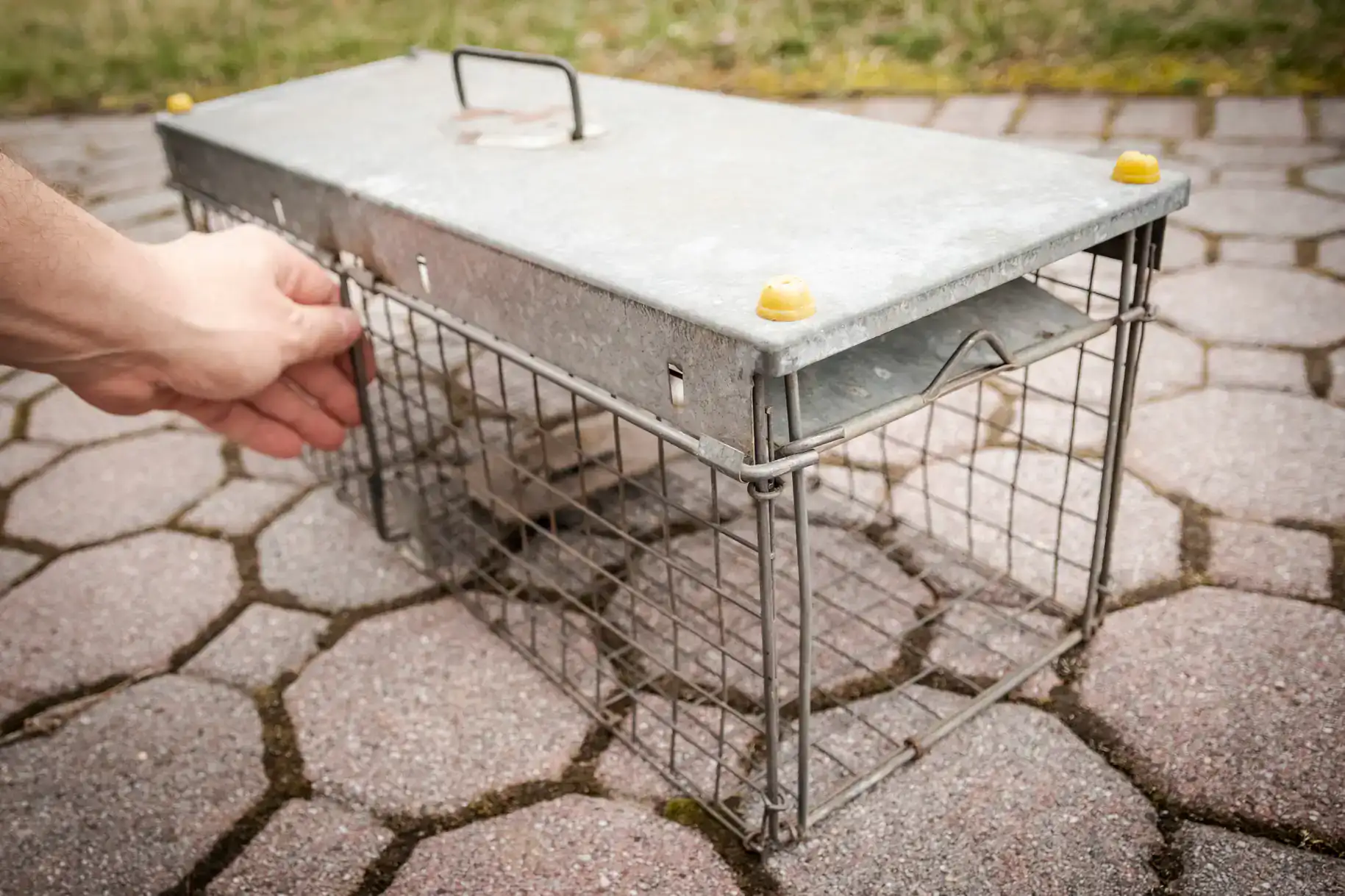
Most rodent treatments fail for one simple reason they target the animal, not the opening it used to get inside. You bait the trap, something dies, and three weeks later you hear scratching in the walls again. That cycle ends when someone takes the time to find where they’re actually getting in and closes it off for good.
South Ozone Park’s housing stock makes this especially important. These are homes built in the 1920s through the 1950s brick two-stories, attached rowhouses, detached houses with basements and garages that have had decades to develop cracks in their foundations, gaps around utility lines, and worn-out seals around sewer penetrations. A rat needs a gap the size of a quarter. A mouse needs the size of a pencil eraser. In houses this age, those gaps are everywhere if nobody’s looked for them.
There’s also the geography to consider. The Aqueduct Racetrack and Resorts World Casino sit on the western edge of South Ozone Park. JFK Airport sits to the southeast. Both generate enormous food waste year-round, which sustains large rodent populations that don’t stay put they migrate outward into the surrounding residential blocks. If you live near Aqueduct Road, Lefferts Boulevard, or anywhere close to the Belt Parkway corridor, you’re dealing with institutional-scale pressure that a couple of snap traps from the hardware store was never going to fix. What changes after a proper treatment is simple: the problem stops coming back.
We were founded in 1971 by Richard Kourbage Sr., and his sons Richard Jr. and Charles have been running jobs alongside him since the late ’80s. This is a family business, not a franchise. When something goes wrong or a customer has a concern, there’s no corporate layer to hide behind the Kourbage name is on every job.
From our Marine Park base in Brooklyn, we’ve been serving southwestern Queens for decades which means the technicians who show up at your South Ozone Park home already know the housing stock, the seasonal patterns, and the specific rodent pressure that comes from being sandwiched between the Aqueduct Racetrack and JFK. They’re not figuring it out on your dime.
We hold an A+ rating with the Better Business Bureau, have maintained BBB accreditation since 1989, and apply only NYS Department of Environmental Conservation registered materials on every job. Attorneys and real estate brokers across Queens and Brooklyn actively refer clients to us which matters especially in South Ozone Park, where home values have climbed to a median of $735,000 and a rodent problem found during an inspection can complicate a sale fast.
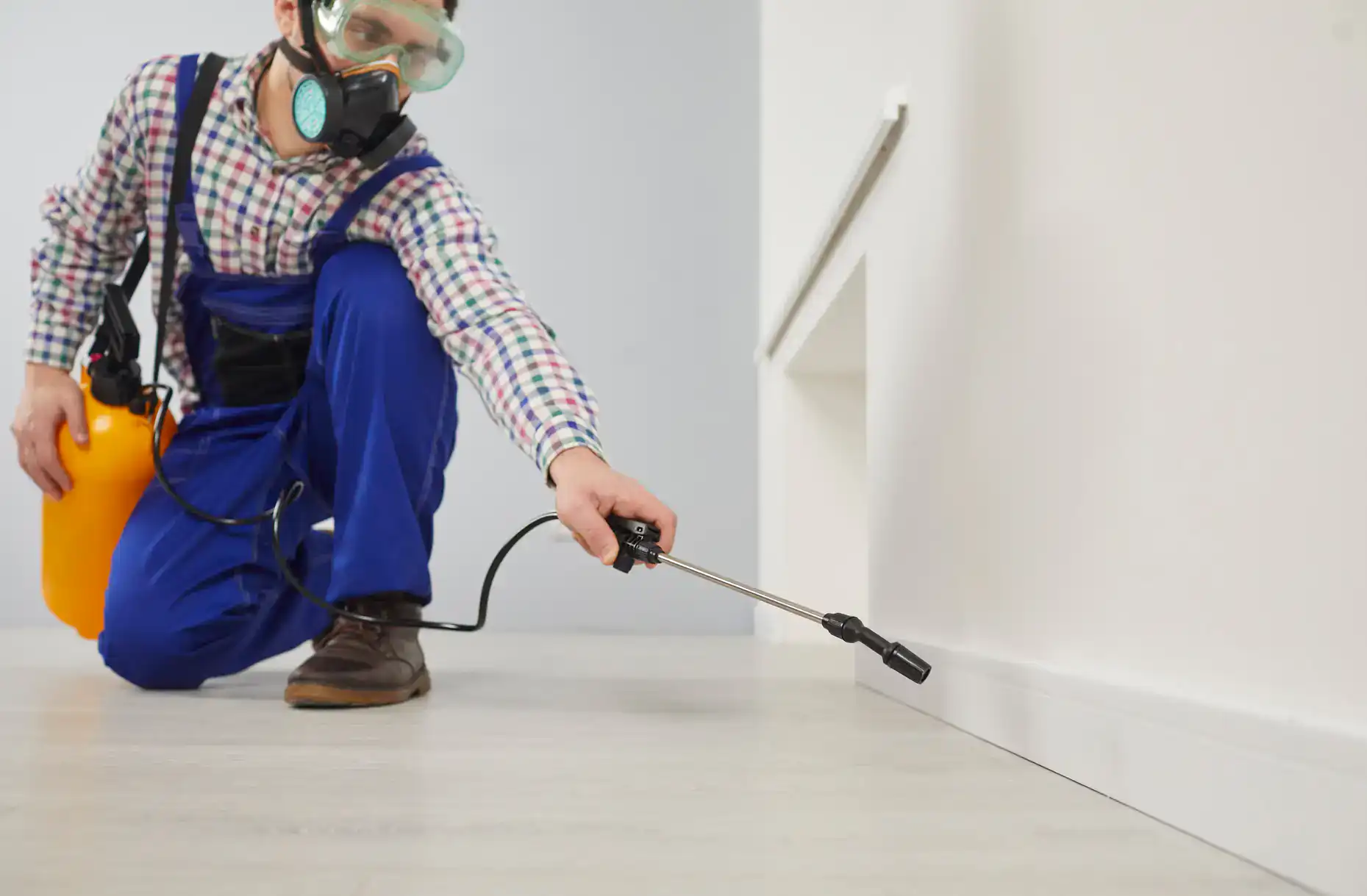
It starts with a real inspection not a five-minute walkthrough where someone glances at a corner and hands you a quote. Our technician goes through the interior and exterior of your home looking for active signs of rodent activity: droppings, gnaw marks, grease trails along baseboards, and nesting material in wall voids, basements, and garage spaces. More importantly, they’re identifying every gap, crack, and structural opening that’s giving rodents a way in.
In South Ozone Park, that inspection pays particular attention to the areas most likely to be compromised aging foundation walls, utility penetrations where gas and water lines enter the home, and in attached rowhouses, the shared wall voids that allow rodents to move between properties without ever stepping outside. If you’re on a block near Aqueduct Road or along the streets that back up to the Belt Parkway, the technician will also assess exterior harborage conditions that are feeding the pressure from outside.
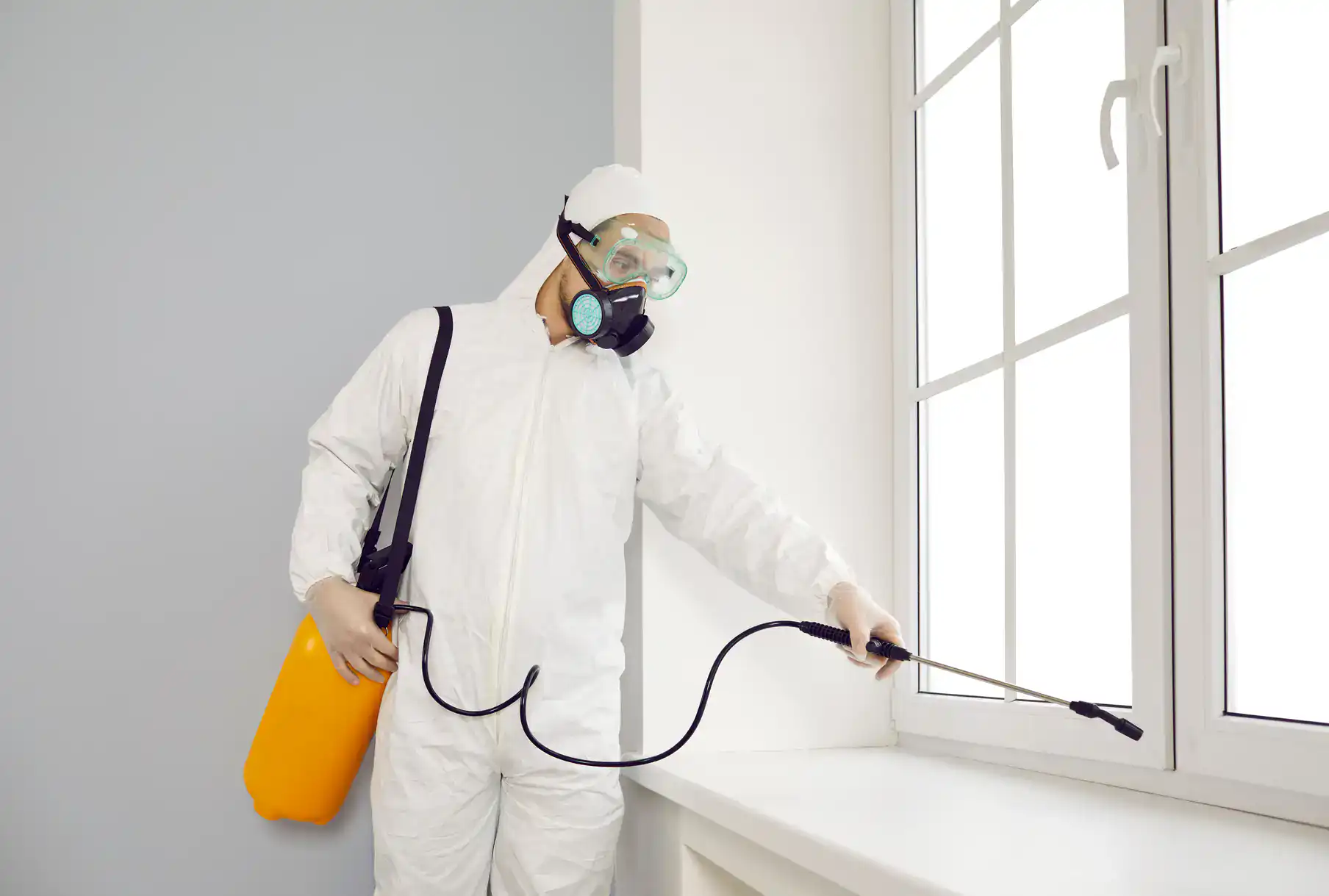
From there, treatment is applied using NYS DEC registered materials in the specific locations where rodents are active not broadcast throughout your living space. Exclusion work follows: sealing the entry points so the problem doesn’t restart from the outside. A follow-up assessment confirms the activity has stopped. The goal isn’t just to eliminate what’s there right now it’s to make sure your home stops being an easy target.
Ready to get started?
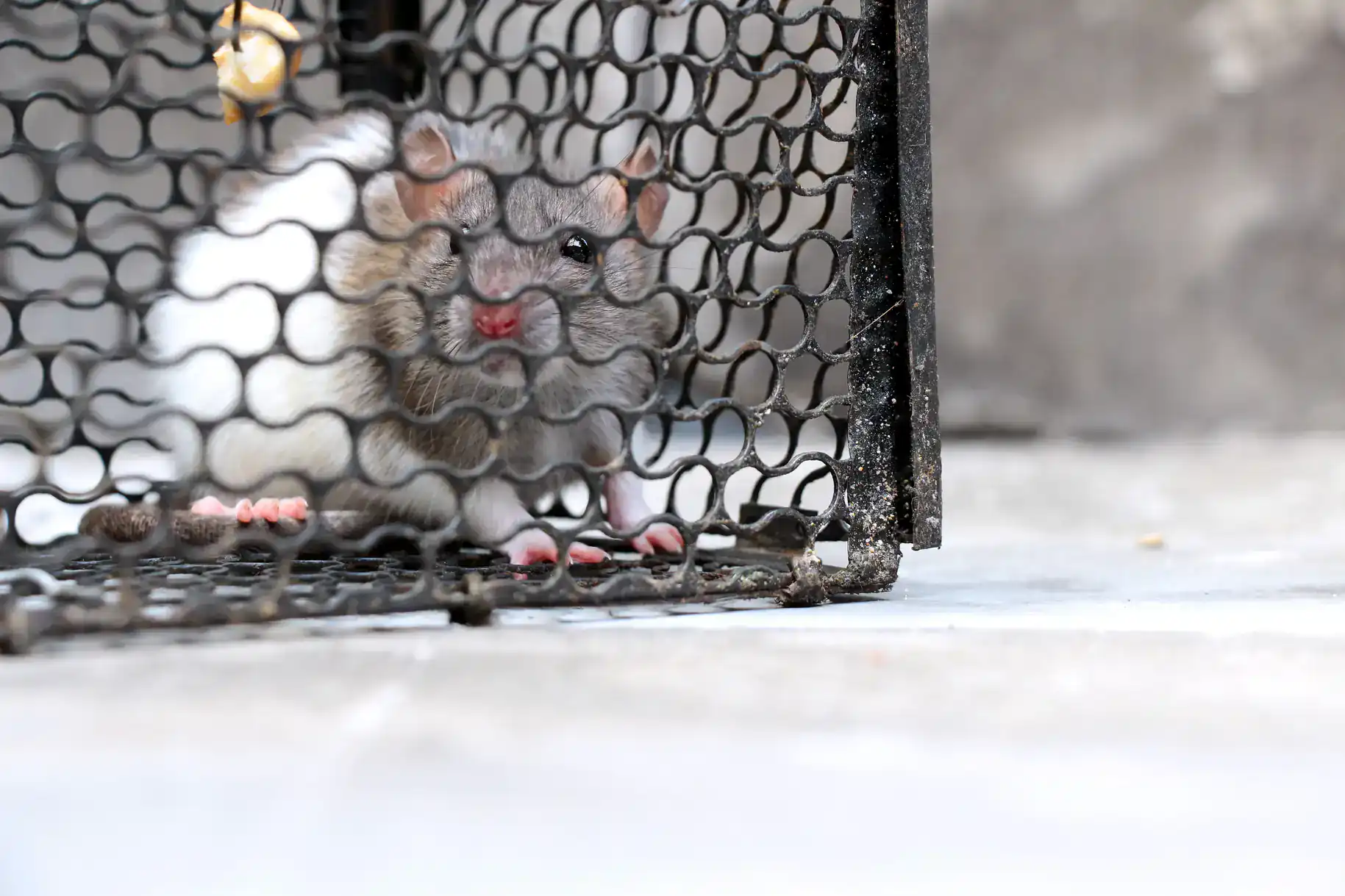
Our rodent control services cover the full scope inspection, treatment, and exclusion because doing only one or two of those three is how you end up calling someone again in six weeks. For South Ozone Park homeowners dealing with rats, the treatment targets Norway rats specifically, which are the dominant species in this part of Queens and are known to burrow along the Belt Parkway embankments and travel through the aging sewer infrastructure beneath the streets of southwestern Queens.
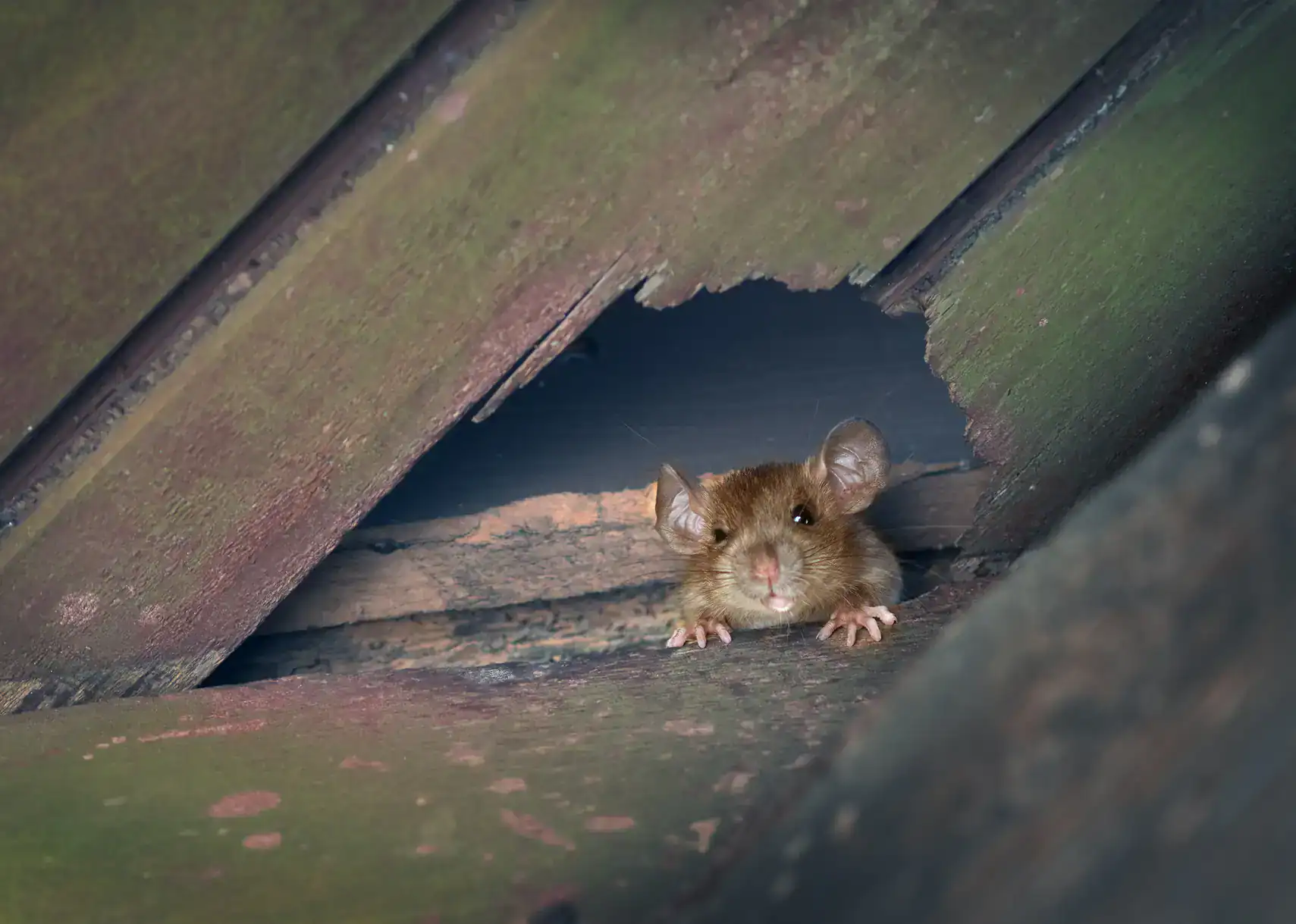
For mouse infestations common in the older rowhouses and two-family homes throughout South Ozone Park the focus shifts to interior wall voids, basement perimeters, and the gaps around kitchen and bathroom plumbing that are often overlooked in homes built before modern pest-proofing standards existed. Both rodent types require different placement strategies, and our technicians know the difference.
Every job includes a free phone consultation and free estimate before any commitment is made. We’re available 24 hours a day and can often schedule same-day with a guaranteed appointment within 48 hours in all cases. For homeowners near P.S. 108Q or anywhere in the blocks adjacent to the Aqueduct Racetrack grounds, fall is the most critical window that’s when outdoor rodent populations migrate inward as temperatures drop and racetrack activity winds down. Getting ahead of it before the first cold snap makes the job significantly more straightforward.
If the problem keeps coming back, the treatment you’ve had or the DIY approach you’ve tried is addressing the rodents but not the reason they keep getting in. Rodent control in South Ozone Park is complicated by two factors that most of the neighborhood can’t escape: the Aqueduct Racetrack / Resorts World Casino complex to the west and JFK Airport to the southeast. Both generate sustained food sources and large rodent populations that migrate outward into the surrounding residential blocks on a seasonal basis. Killing the rodents inside your home without sealing the entry points just creates a vacancy for the next wave.
The other factor is the housing stock itself. Homes in South Ozone Park are 70 to 100 years old in many cases, and foundations, utility penetrations, and structural seals deteriorate over time. A proper exclusion inspection one that identifies every gap and closes it is the step most treatments skip. That’s what makes the difference between a one-time fix and a recurring problem.
It does change the treatment, and it’s worth knowing the difference before anyone shows up. Norway rats the dominant species in Queens leave larger droppings (roughly the size of a raisin), tend to burrow along exterior foundation walls and travel through sewer lines, and are most active at ground level. You’re more likely to find evidence of rats in your basement, garage, or along the perimeter of the home. Mice, on the other hand, leave smaller droppings, nest in wall voids and behind appliances, and can fit through a hole the size of a pencil eraser which means they’re often found higher up in the structure.
In South Ozone Park’s older attached rowhouses, mice frequently travel through shared wall voids between units, which means a mouse problem in your home may have originated next door. Treatment placement, bait type, and exclusion strategy are all different depending on which species you’re dealing with. A proper inspection identifies this before any materials are applied.
This is one of the most common questions, and it’s the right one to ask. We apply only NYS Department of Environmental Conservation registered pesticide materials these are products that have been evaluated and approved by New York State regulators for both safety and efficacy. They’re applied in targeted locations where rodents are active, not broadcast throughout your living space. That’s a meaningful distinction from over-the-counter products that homeowners often apply incorrectly in areas where children and pets have direct contact.
In a neighborhood like South Ozone Park where 83% of households are family households and schools like P.S. 108Q and Our Lady of Perpetual Help are part of daily life this isn’t a secondary concern. Before the job begins, your technician will walk you through exactly what’s being used, where it’s being placed, and any precautions that apply to your specific home. There are no surprises.
For most residential rodent control jobs in South Ozone Park, you’re looking at roughly $180 to $610 for treatment, depending on the size of the home, the severity of the infestation, and whether you’re dealing with rats, mice, or both. If exclusion work is needed sealing entry points to prevent re-entry that typically adds $200 to $600 on top of the treatment cost. That range can feel wide, which is why a free estimate before any commitment matters.
Worth putting in context: the median home value in South Ozone Park has reached $735,000 and is still rising. A rodent infestation discovered during a sale or refinancing inspection can complicate or derail a transaction. The cost of professional rodent control is a fraction of what a delayed closing, a reduced sale price, or structural damage from gnawed wiring could cost you. We offer a free phone consultation and free estimate no obligation so you know exactly what you’re looking at before you decide.
Fall is the most critical window in South Ozone Park, and it’s more pronounced here than in many other parts of Queens. As temperatures drop and the Aqueduct Racetrack’s outdoor operations wind down for the season, the rodent populations that have been sustained by the racetrack and casino grounds throughout the summer begin migrating outward into the surrounding residential streets. Homeowners on blocks near Aqueduct Road and Lefferts Boulevard tend to see a noticeable uptick in activity each October through December as a direct result of this pattern.
That said, rodent pressure from JFK Airport is year-round the airport’s food service and cargo operations don’t slow down seasonally, which means the streets along North and South Conduit Avenue and the blocks adjacent to the Belt Parkway corridor can see activity in any month. Getting an inspection done before the first cold snap rather than after you’ve already found evidence inside the home makes the job faster, less disruptive, and generally less expensive.
It’s not overstated. Rodents gnaw continuously to keep their teeth at a functional length, and electrical wiring is one of their most common targets. The National Pest Management Association estimates that rodents are responsible for up to 25% of house fires in the U.S. each year and the risk is higher in older homes where wiring runs through wall cavities that rodents can access easily.
In South Ozone Park, where a significant portion of the housing stock was built between the 1920s and 1950s, electrical systems in wall voids are exactly where rodents nest and travel. You may not see any sign of a problem in your living space while there’s active gnawing happening inside a wall. Beyond fire risk, rodent droppings left in wall voids, basements, and attic spaces can carry hantavirus a respiratory illness that spreads through airborne particles when dried droppings are disturbed. The health and safety case for professional rodent control goes well beyond the discomfort of seeing a mouse cross the kitchen floor.
Useful Links