Hear from Our Customers
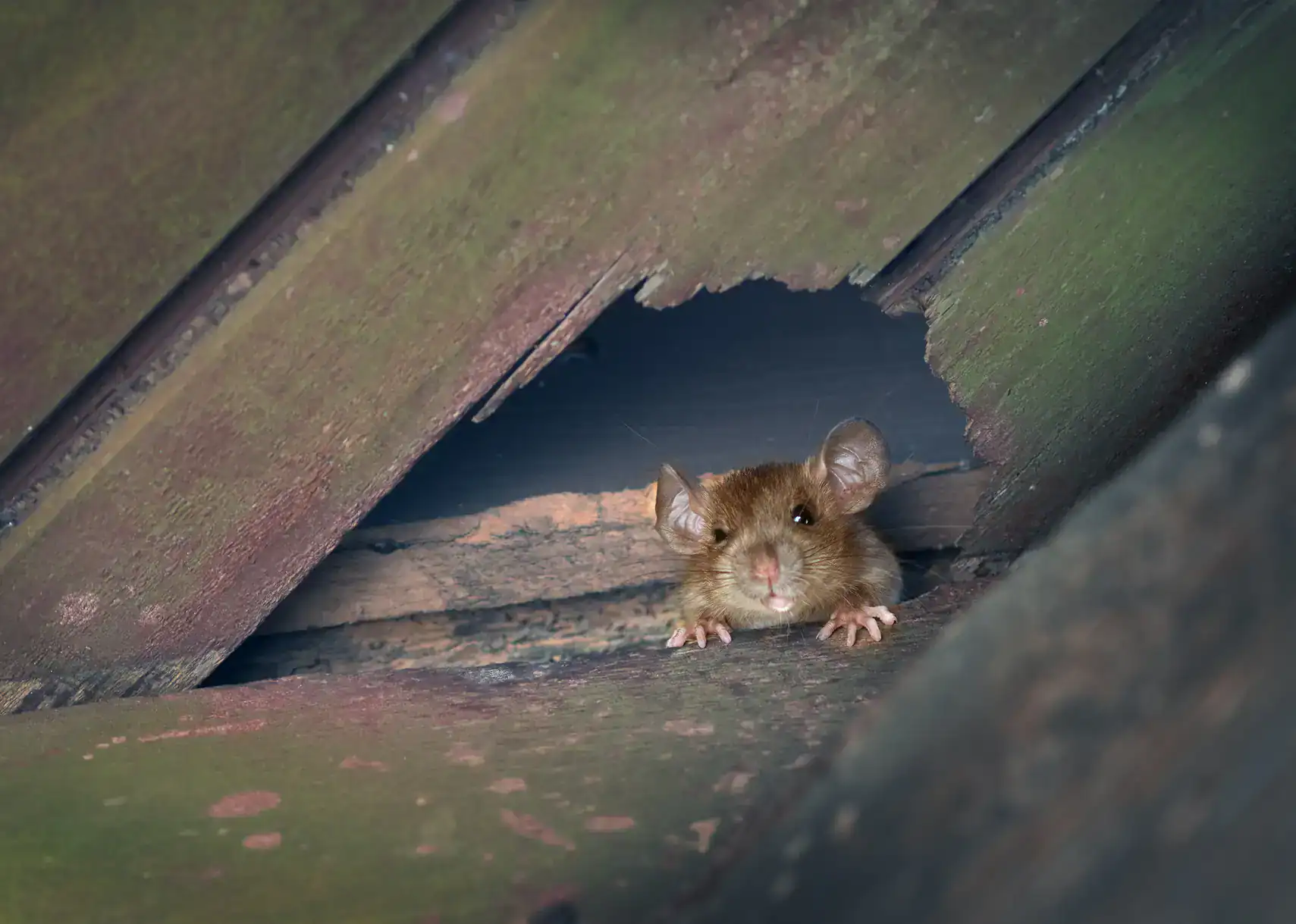
You stop hearing it at 2am. The scratching in the walls, the sound of something moving behind the baseboards it stops. That alone is worth the call. But the real outcome goes further than that.
Tribeca’s converted warehouse lofts are stunning. They’re also buildings with original foundations, century-old pipe chases, and structural gaps that rodents exploit every single day. When those entry points get identified and addressed not just trapped around the infestation stops cycling. You’re not resetting snap traps every week. You’re not finding droppings near the kitchen again after thinking the problem was handled.
For families near P.S. 234 on Greenwich Street, the health dimension is real. Rodents carry over 35 diseases according to the CDC, and dried droppings in wall cavities or ductwork can become airborne without you ever seeing a live animal. Getting ahead of that especially in a building with open floor plans and exposed mechanical systems is the right call.
We’ve been operating in New York City since 1971. Founded by Richard Kourbage Sr. and now run by his sons Richard Jr. and Charles, Kingsway Exterminating is a second-generation family business not a franchise, not a national chain, not a company that learned lower Manhattan from a zip code map.
The cast-iron loft buildings along White Street, the mixed-use structures near Hudson River Park, the pre-war masonry on the blocks surrounding Independence Plaza North our technicians have worked in these Tribeca buildings. We know what aging infrastructure looks like from the inside, and we know where rodents get in when nobody’s looking for it.
We hold an A+ rating with the Better Business Bureau of New York State, have maintained BBB accreditation since 1989, and apply only NYSDEC-registered pesticide materials. We’re fully licensed, bonded, and insured and trusted by New York attorneys and real estate brokers who refer clients by name.
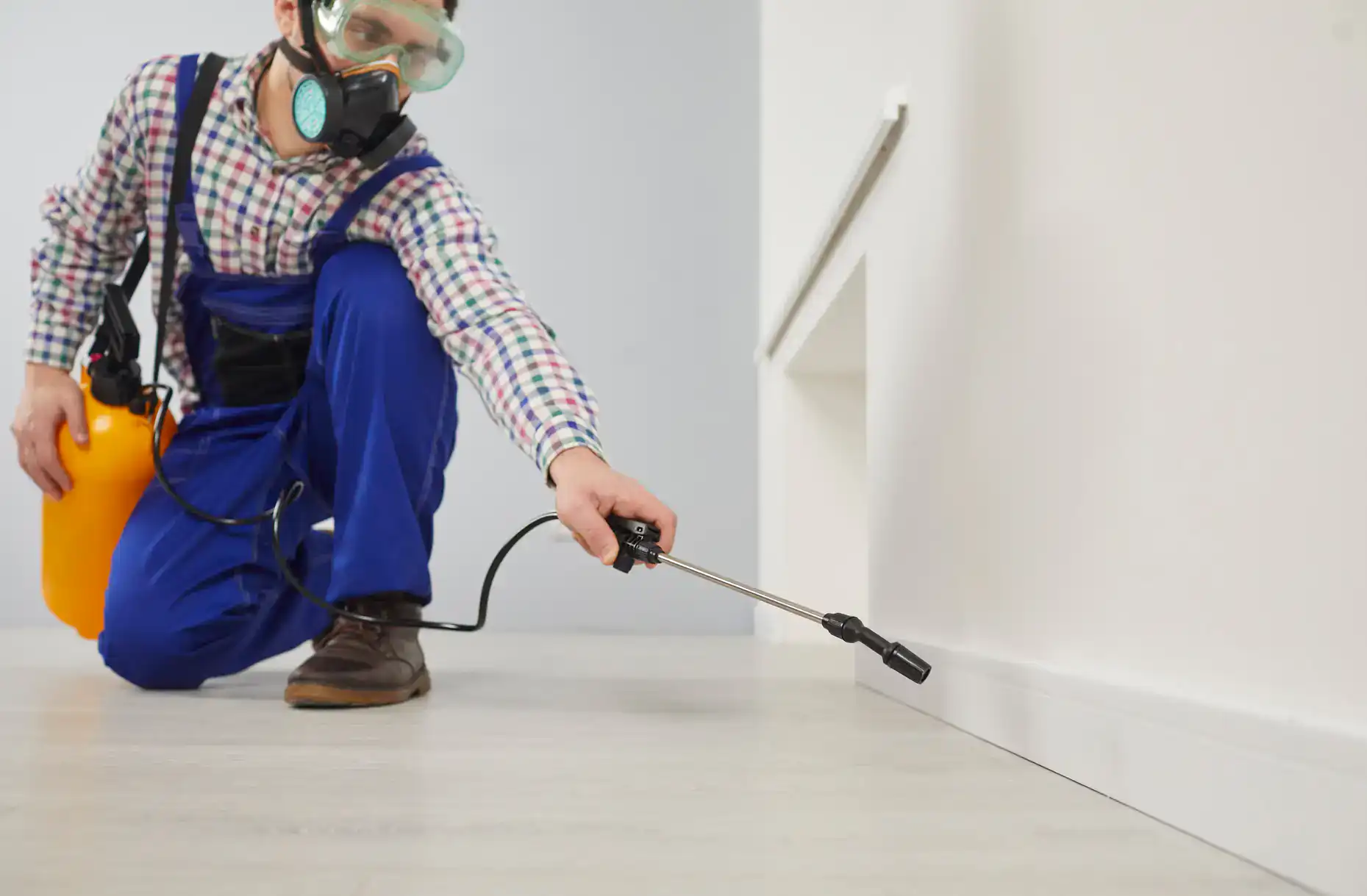
It starts with a thorough inspection. Not a quick walkthrough a real look at the building’s structural vulnerabilities, active rodent signs, and the specific conditions that are driving activity. In Tribeca, that means we pay close attention to basement-level utility penetrations, shared wall cavities in mixed-use buildings, and any ground-floor restaurant access points that are feeding the population living in the floors above.
From there, we put a targeted treatment plan in place. That includes baiting, trapping, and exclusion work sealing the entry points that are actually letting rodents in. This step matters more than most people realize. Treatment without exclusion is temporary relief. The rodents that leave get replaced by the ones still coming through the same gaps. In landmarked buildings, which cover a large portion of Tribeca’s residential stock, we select exclusion approaches with awareness of what exterior modifications are and aren’t appropriate for protected facades.
After the initial treatment, we monitor activity and follow up to confirm the problem is resolved not assumed resolved. If you’re near an active construction site on West Broadway or in the blocks around Chambers Street, that follow-up matters even more, because displaced rodent colonies from demolition projects don’t stop moving just because your building was treated once.
Ready to get started?
Our rodent control service in Tribeca covers both the immediate problem and the conditions allowing it to persist. That means the service includes a full interior and exterior inspection, identification of active entry points, treatment using NYSDEC-registered materials applied by our licensed technicians, and structural exclusion guidance specific to your building type.
For residential loft buildings the converted warehouses and cast-iron structures that define this neighborhood we pay particular attention to original pipe penetrations, foundation-level gaps, and aging utility chases that standard treatments miss entirely. For units above ground-floor restaurants, our assessment also looks at shared infrastructure between commercial and residential spaces, because that’s often where the pathway is.
We also address the flood-zone reality of Tribeca’s western blocks near the Hudson River waterfront. Rodents displaced upward from underground sewer and subway infrastructure during flooding events enter buildings through basement utility connections that most residents never think about. That specific vulnerability gets looked at too. Whether you’re dealing with a confirmed infestation, recurring activity after a previous treatment, or early warning signs you’re not sure how to read, the free phone consultation is the right first step no charge, no obligation, and an appointment guaranteed within 48 hours.
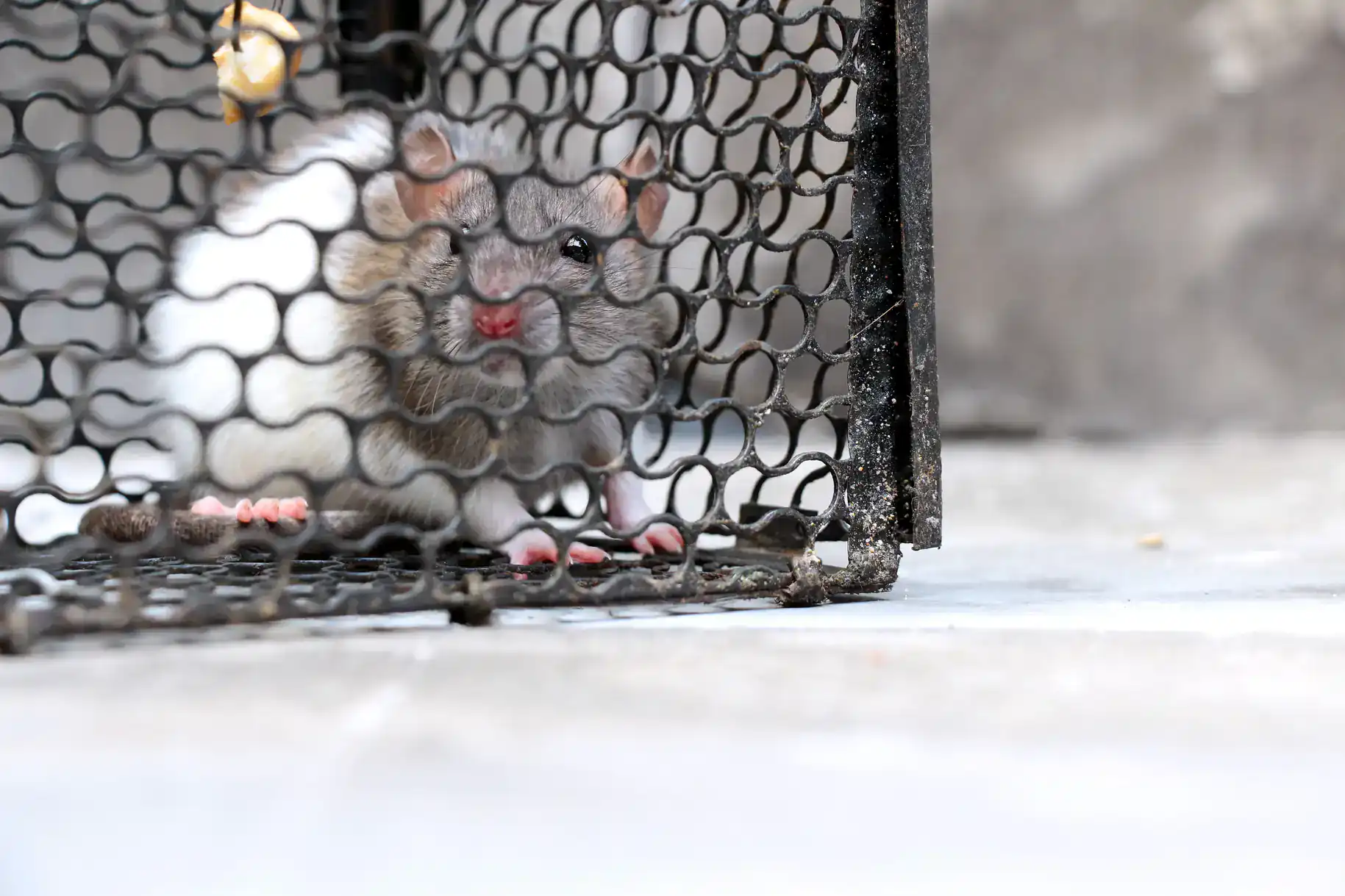
DIY treatments snap traps, hardware store bait stations, steel wool in visible gaps address the rodents you can see and the openings you can find. The problem in Tribeca’s loft buildings is that most of the entry points aren’t visible without a trained inspection. These are buildings with original foundations from the 1870s and 1880s, cast-iron structural elements, and decades of accumulated utility penetrations from steam pipes, gas lines, and electrical conduits. Rats can enter through a hole the size of a quarter. Mice need nothing larger than a pencil eraser.
When entry points aren’t found and sealed, the population you eliminate gets replaced. You’re not solving the infestation you’re managing the symptom. A professional inspection identifies the structural vulnerabilities that are actually driving the problem, and exclusion work addresses them directly. That’s the difference between temporary relief and a real resolution.
Almost certainly contributing, yes. Restaurants generate continuous food waste, require frequent deliveries through loading areas, and maintain the kind of food storage conditions that attract and sustain large rodent populations. In Tribeca’s mixed-use buildings where ground-floor restaurants share foundations, wall cavities, and utility chases with residential floors above the rodents drawn in by the food source below have direct structural pathways into the residential units above.
A restaurant at the corner of Greenwich and Harrison Streets in Tribeca was temporarily shut down by the NYC Department of Health for rats found in the kitchen. That’s not an isolated incident it’s an illustration of a pattern common to the neighborhood. A rodent control inspection for a residential unit above a commercial food service tenant should always include an assessment of shared building infrastructure, not just the residential space in isolation.
Yes, and it’s a documented dynamic. When demolition or ground-breaking work disturbs an established rodent colony, those rodents don’t disappear they relocate. The nearest available food, water, and shelter is typically the residential building on the adjacent block. NYC’s Rat Action Plan requires construction permit applicants to certify that a licensed exterminator treated the premises before demolition begins, but that requirement covers only the demolition site itself. The surrounding buildings absorb the displaced population with no corresponding requirement.
Active development projects in and around Tribeca including work near West Broadway and the Chambers Street corridor create recurring waves of displacement that affect nearby residential buildings. If your rodent activity increased around the time a nearby project broke ground or began demolition, that timing is almost certainly not a coincidence. Exclusion work on your building’s exterior is the most effective defense against an incoming displaced colony.
The CDC documents more than 35 diseases that rodents can spread to humans directly through bites, contact with droppings or urine, and indirectly through the fleas, ticks, and mites they carry. The ones most relevant to an urban residential setting include leptospirosis, salmonella, rat-bite fever, and hantavirus pulmonary syndrome.
Hantavirus is worth understanding specifically. It’s contracted by breathing in dust contaminated with rodent urine or droppings not by seeing a live animal or being bitten. In Tribeca’s loft buildings, with their open floor plans, exposed ductwork, and original mechanical systems, dried rodent waste in wall cavities or HVAC infrastructure can become airborne during normal activity. The health risk doesn’t disappear when the visible infestation is addressed it persists until contaminated areas are properly identified and remediated. That’s part of why a thorough professional inspection matters beyond just eliminating the active population.
The 1, 2, and 3 trains run directly beneath Franklin Street and Chambers Street. The A, C, and E lines run under the western edge of the neighborhood at the World Trade Center transit hub. NYC’s subway system is one of the most documented habitats for Norway rats anywhere in the world, and the rodents living in that underground infrastructure don’t stay contained to the tunnels.
Entry into adjacent buildings typically happens through utility penetrations the points where water mains, gas lines, electrical conduits, and steam pipes pass through a building’s foundation or basement walls. In a pre-war loft conversion with original infrastructure, those penetrations are numerous and often imperfectly sealed. Buildings within a block or two of a subway station or active tunnel have a measurably higher baseline rodent pressure than buildings further from transit infrastructure. Addressing that specific vulnerability foundation-level and basement utility penetrations is a standard part of a Tribeca rodent control inspection.
Five NYC Landmarks Preservation Commission historic districts cover large portions of Tribeca the North, South, East, West, and South Extension districts. Landmark designation governs exterior modifications to protected buildings, which includes certain types of masonry work, facade penetrations, and visible structural changes. For rodent exclusion work, this means our approach has to account for what’s permissible on a landmarked exterior versus what would require LPC review or approval.
In practice, most exclusion work happens at interior utility penetrations, basement-level entry points, and structural gaps that don’t involve the protected facade at all. Where exterior work is involved, material selection and installation method matter the goal is effective sealing without alterations that conflict with landmark requirements. We’ve worked in historically significant buildings across New York City for over 50 years, and that experience includes understanding how to approach exclusion in buildings where the exterior isn’t yours to modify freely. The inspection process accounts for this from the start, so there are no surprises mid-job.
Useful Links
Other Services we provide in Tribeca