Hear from Our Customers
The traps at the hardware store catch individual rodents. They don’t stop the next ones from coming in through the same gap behind your radiator pipe, the same crack in the basement wall, the same utility penetration that’s been there since your building was constructed in 1920. That’s the difference between a temporary fix and an actual solution.
On the Upper West Side, the rodent pressure is constant and it comes from multiple directions at once. Central Park to the east and Riverside Park to the west both sustain large year-round rat populations. Buildings along Central Park West and Riverside Drive face a level of sustained, park-adjacent pressure that neighborhoods without this dual-park exposure simply don’t deal with. When you add the 1/2/3 and B/C subway lines running directly beneath Broadway and Central Park West both known rodent pathways into adjacent building foundations the challenge becomes clear.
What you get after we complete a proper rodent control service isn’t just fewer rodents right now. It’s a building where the entry points have been identified and sealed, where the conditions that invited the problem have been addressed, and where you’re not starting from scratch every six months. In a pre-war apartment building on the Upper West Side, that kind of thoroughness isn’t a luxury it’s the only approach that actually works.
Kingsway Exterminating Company was founded in 1971 by Richard Kourbage Sr., and his sons Richard Jr. and Charles have been part of the business since the late 1980s. That’s not a marketing angle it’s just the reality of how we operate. When the same family has been doing this work across all five boroughs for over five decades, we’ve seen every version of the problem you’re dealing with right now.
The pre-war buildings that define the Upper West Side from the brownstones lining the side streets between Broadway and West End Avenue to the landmark co-ops along Central Park West were built long before modern rodent exclusion standards existed. Our technicians know these structures. We know where the gaps are, how rodents are moving through the building, and what it actually takes to stop them.
We hold an A+ rating with the Better Business Bureau of New York State and have maintained BBB accreditation since 1989. We’re fully licensed, bonded, and insured, and we apply only N.Y.S. Department of Environmental Conservation registered materials. Attorneys and real estate brokers across New York refer us by name and in a neighborhood as real-estate-intensive as the Upper West Side, that kind of professional trust carries real weight.
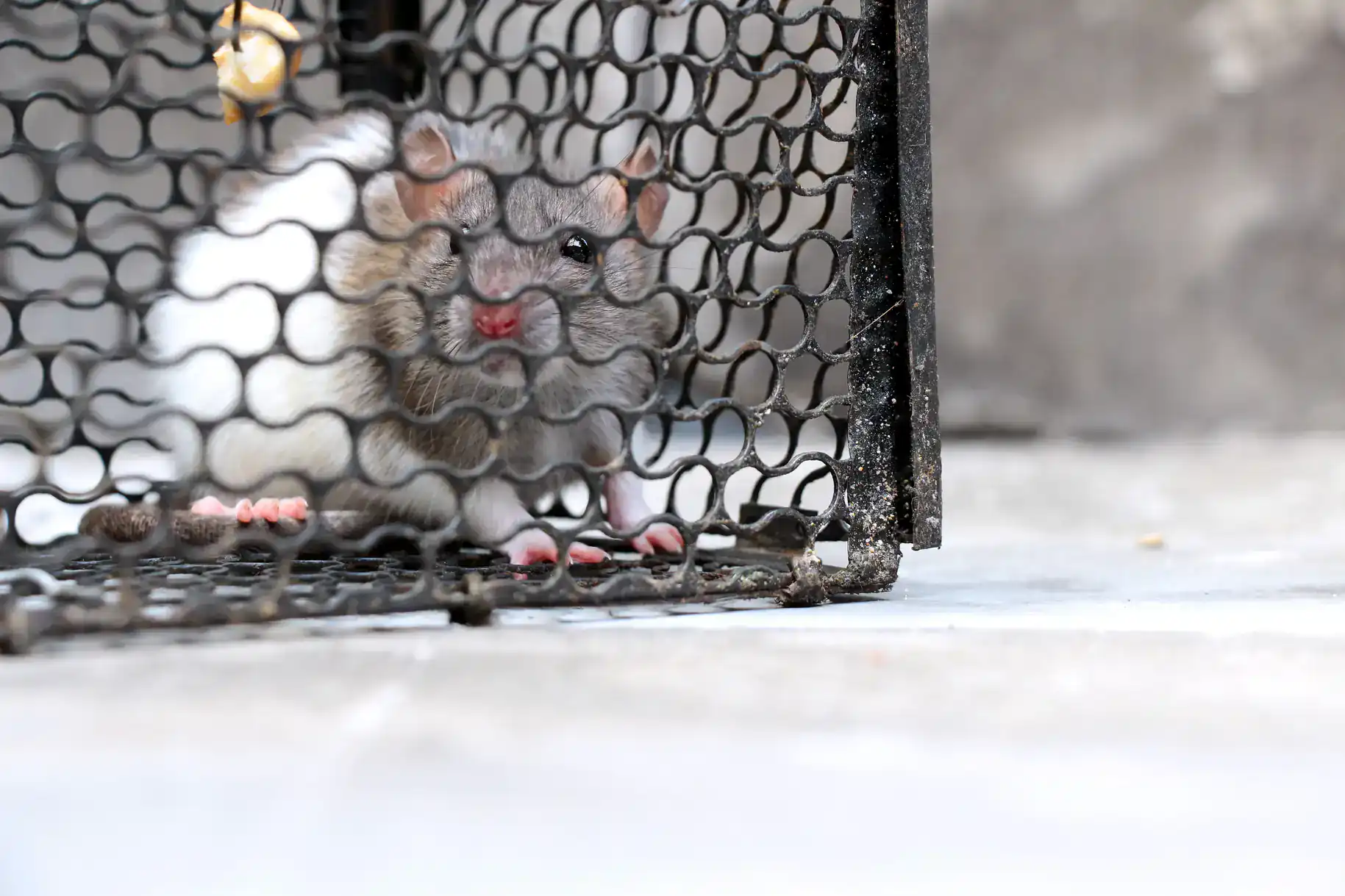
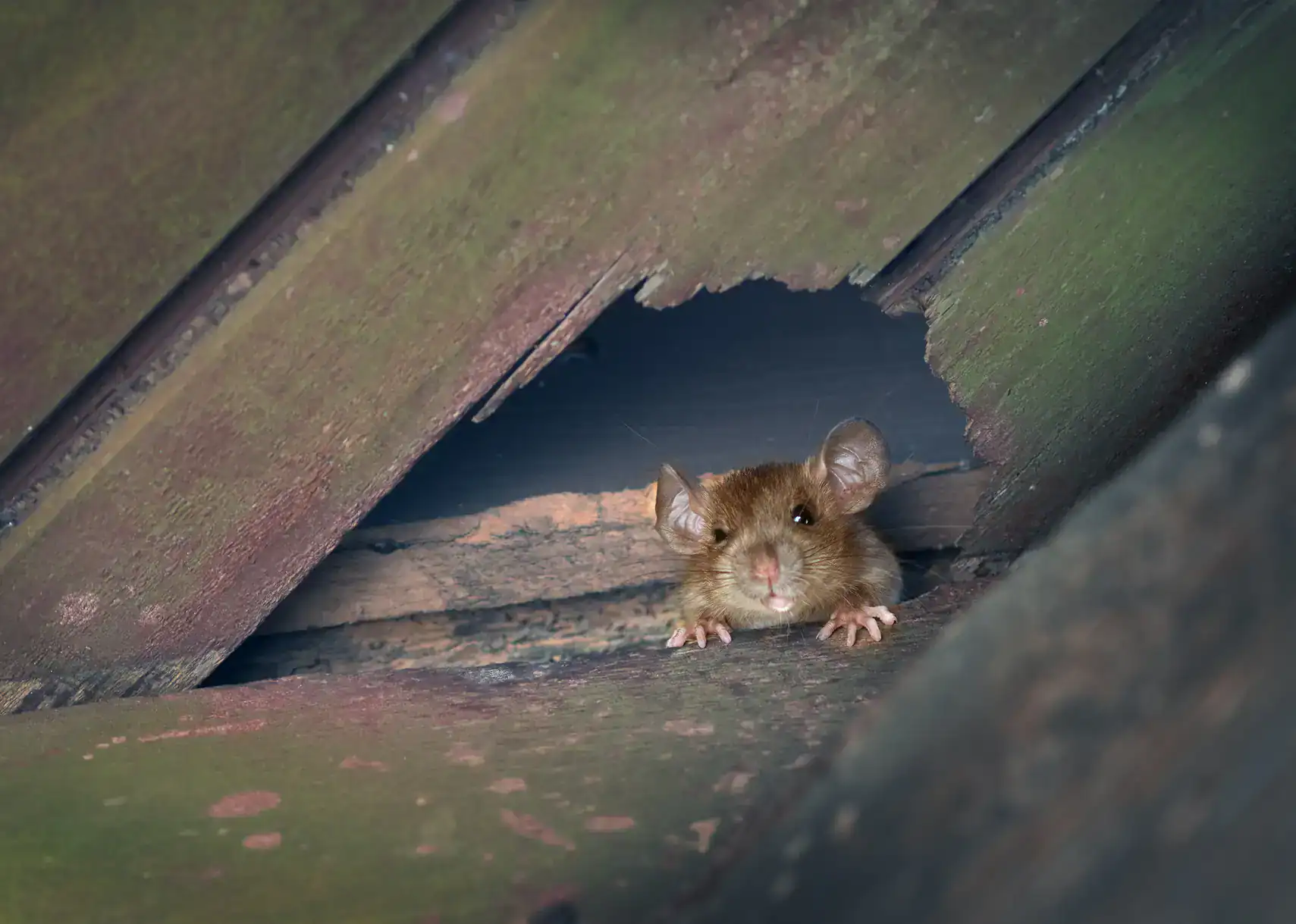
It starts with a thorough inspection not a quick walkthrough, but a systematic look at the interior and exterior of your building or unit. In a pre-war Manhattan apartment on the Upper West Side, that means checking pipe chases, utility penetrations, basement service areas, foundation walls, and anywhere that decades of plumbing and electrical work have left gaps that weren’t properly sealed. A Norway rat can squeeze through a gap the size of a quarter. A house mouse needs only the width of a pencil eraser. These aren’t visible from across the room.
Once we identify the entry points and activity areas, we determine the right combination of treatment and exclusion for your specific situation. That might include tamper-resistant bait station placement, targeted treatment using NYSDEC-registered materials, and physical exclusion work to close the pathways rodents are using to get in. New York City now legally requires an Integrated Pest Management approach meaning inspection, monitoring, and exclusion come before chemical application, and any chemical use is targeted and minimal. We follow IPM protocols on every job.
Follow-up visits are part of our process, not an afterthought. Rodent pressure on the Upper West Side is ongoing especially in fall and winter, when dropping temperatures push rodents to seek warmth indoors at the same time Lincoln Center’s season ramps up and restaurant activity on Broadway and Columbus Avenue increases. A one-visit solution rarely holds here. We offer ongoing maintenance plans for building owners, co-op boards, and property managers who need consistent, documented compliance not just a one-time response.
Ready to get started?
Under NYC Housing Maintenance Code Section 27-2017.2, your landlord is legally required to keep your building free from rodents. This is not a gray area it’s an enforceable obligation, and violations can be classified as Class C (immediately hazardous) by HPD. If you’re a renter on the Upper West Side dealing with an unresponsive building management company, you have real legal recourse through the 311 and HPD complaint system. We have extensive experience with health code violations and work with both tenants and property managers throughout New York City.
For building owners, co-op boards, and property managers, the stakes are different but equally real. An HPD violation on a pre-war building can trigger housing court proceedings and significant fines. Our rodent control services are designed to satisfy NYC’s IPM requirements, produce the documentation you need for compliance, and set up a monitoring and maintenance plan that keeps your building in good standing going forward.
Every service we provide includes a detailed inspection, species identification Norway rats and house mice are the dominant species in NYC entry point analysis, exclusion work, targeted treatment with NYSDEC-registered materials, and tamper-resistant bait station placement where appropriate. Same-day service is available in many cases, and we guarantee an appointment within 48 hours. A free phone consultation is available at no charge call anytime, describe what you’re seeing, and get a straight answer on what you’re dealing with and what it takes to fix it.
This is one of the most common frustrations in pre-war Manhattan buildings, and the answer almost always comes down to entry points. Most one-time treatments address the rodents that are currently present but if the gaps, cracks, and utility penetrations that allowed them in haven’t been identified and sealed, new rodents will follow the same pathways. In a building constructed in the early 1900s that has been plumbed, wired, and renovated multiple times over a century, those entry points are numerous and often not obvious.
On the Upper West Side specifically, the challenge is compounded by the fact that rodent pressure is continuous. Central Park and Riverside Park both sustain large rat populations year-round, and buildings along the park boundaries face constant re-entry pressure that a single treatment can’t eliminate permanently. The right approach combines thorough exclusion work physically sealing the entry points with targeted treatment and a monitoring plan that catches activity early before it becomes a full infestation again.
Under NYC Housing Maintenance Code Section 27-2017.2, your landlord has a legal obligation to maintain your building free from rodents. This applies to every residential building in New York City, including the pre-war apartment buildings and brownstones that make up the majority of the Upper West Side’s housing stock. If your landlord is not responding, you can file a complaint through 311 or directly through the NYC Housing Preservation and Development portal. A documented complaint triggers an HPD inspection, and a confirmed rodent condition can result in a Class C violation the most serious category, classified as immediately hazardous.
Beyond the complaint process, you have the right to document the infestation yourself and to request a written response from your landlord within a reasonable timeframe. A professional inspection from a licensed exterminator can provide the documentation you need to support a complaint or a housing court proceeding. We’ve worked with tenants across Manhattan in exactly this situation and understand both the pest control side and the regulatory framework that governs it.
Pre-war buildings which make up the overwhelming majority of residential stock on the Upper West Side were constructed between roughly the 1880s and 1940, long before modern rodent exclusion standards existed. Over decades of renovation, plumbing upgrades, and general wear, these buildings accumulate dozens of small gaps and penetrations that are invisible to the untrained eye but well-known to rodents. Common entry points include pipe chases where plumbing runs between floors, gaps around radiator pipes and steam lines, cracks in foundation walls, utility penetrations in basement service areas, and spaces around conduit and wiring.
In high-rise buildings, rodents typically enter at the basement or ground level and move vertically through pipe chases and utility shafts to reach upper floors. The 1/2/3 subway lines run beneath Broadway and the B/C lines run beneath Central Park West the subway tunnel network is a documented rodent habitat and a direct pathway into the foundations of adjacent buildings. A thorough inspection by a licensed technician is the only reliable way to identify all of the entry points in a building this age and complexity.
Fall is consistently the highest-risk period for rodent activity in Upper West Side buildings, and there are several overlapping reasons for it. As temperatures drop in September and October, rodents that have been living outdoors in Central Park, Riverside Park, and along the subway corridors begin actively seeking warmth inside buildings. At the same time, the fall season brings increased activity on the Upper West Side’s restaurant corridors along Broadway, Columbus Avenue, and Amsterdam Avenue, which generates more food waste and increases the neighborhood’s overall rodent food supply.
NYC 311 data has confirmed that Q4 consistently produces more rat complaints on the Upper West Side than other quarters, even after the city’s 2024 trash containerization mandates went into effect. The city’s own data showed that while overall Upper West Side rat complaints dropped 19% in 2024 compared to 2023, the fall period remained the most active. If you’re noticing signs of rodent activity in your building droppings, gnaw marks, sounds in the walls September through November is the time to act before the problem grows through the winter.
The city’s trash containerization mandates requiring businesses to containerize as of March 2024 and residential buildings with 1–9 units as of November 2024 are designed to reduce the open food supply available to rats on the sidewalk. And the data does show some reduction in surface-level rat activity citywide. But there’s a displacement effect that’s important to understand: when the outdoor food supply is reduced, rodents don’t disappear they move. They look for food indoors, which increases pressure on the residential buildings closest to where they were previously feeding.
CBS New York documented an “end-of-summer invasion” of rats on the Upper West Side even as citywide complaint numbers were declining a direct reflection of this displacement dynamic. For Upper West Side residents and building managers, the practical implication is that the city’s containerization push makes professional rodent control and exclusion services more important, not less. Sealing the entry points that allow displaced rodents to enter your building is the step that the city’s sidewalk-level policy can’t do for you.
In New York City, all commercial pesticide applicators are required to be licensed by the New York State Department of Environmental Conservation. That’s the minimum legal standard but beyond licensing, you want a company that understands NYC’s Integrated Pest Management requirements, the HPD violation framework, and the specific building types and rodent pressures that define the Upper West Side. Not every licensed exterminator has worked extensively in pre-war Manhattan buildings or understands how to document a treatment for HPD compliance purposes.
One reliable indicator is professional referrals. Kingsway Exterminating is actively referred by attorneys and real estate brokers across New York professionals who deal with property conditions, building inspections, and health code compliance as part of their daily work. In a neighborhood with as many co-op transactions, building sales, and lease negotiations as the Upper West Side, that kind of professional referral network reflects real, documented results rather than marketing. We maintain an A+ BBB rating since 1989 and have been operating across all five boroughs for over 50 years. A free phone consultation is available at no charge it’s a straightforward way to assess whether a company actually knows what it’s talking about before you commit to anything.
Useful Links